How Are Tulips Grown: A Complete Guide with Proven Tips and Timelines
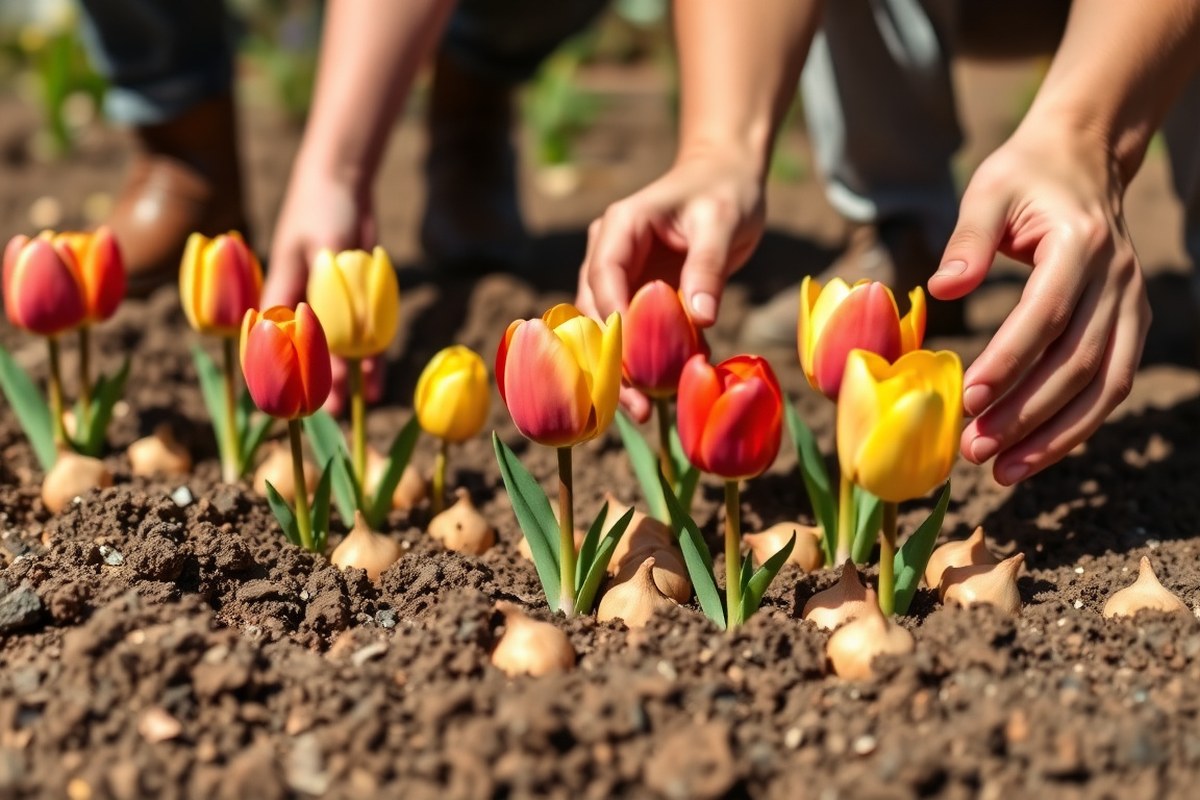
How are tulips grown? You start by planting healthy bulbs in the fall.
Tulip bulbs need a cold period to develop roots and prepare for spring blooms. Without that cold, they won’t grow properly or flower well.
Plant the bulbs 6 to 8 inches deep in well-drained soil. Smaller species tulips can go in at 4 to 5 inches deep. Plant bulbs at the right time so they get about 12 weeks of cold.
This cold period helps prepare bulbs for spring growth. Timing is key for good tulips.
After planting, the bulbs grow roots for 4 to 6 weeks during the cold period. Tulips start sprouting once roots get strong. They bloom in 15 to 30 days.
Cooler spring temps help make the flowers grow better. Proper timing and depth are key to healthy, vibrant tulips.
Key Takeaways
- Plant tulip bulbs in fall with at least 12 weeks of cold before spring.
- Set bulbs 6 to 8 inches deep; smaller species need 4 to 5 inches.
- Allow 4 to 6 weeks in cold soil for roots to develop properly.
- Tulips bloom 15 to 30 days after roots have grown, in cool spring.
- Use layered planting for multiple bloom times with different tulip varieties.
- Store cut tulips before opening in a cool refrigerator 1 to 2 weeks.
How Are Tulips Grown from Bulbs: Key Steps
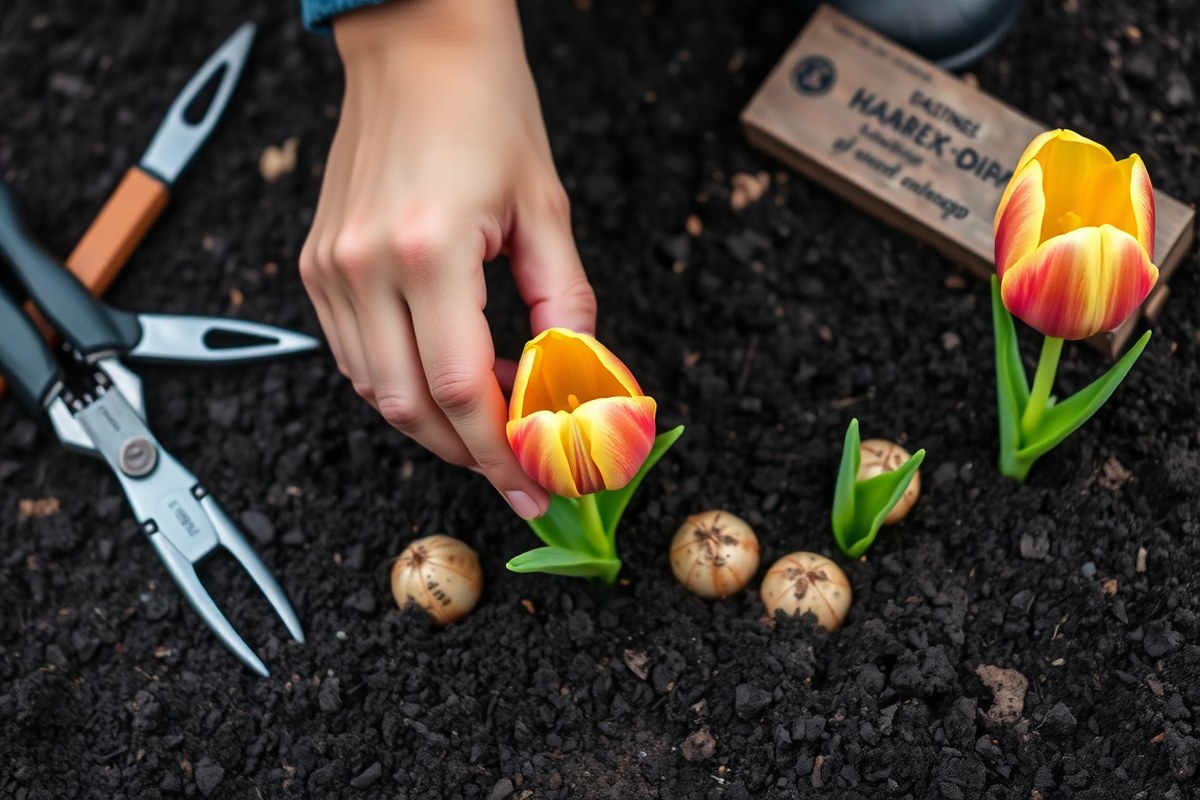
Preparing the soil well helps tulips grow strong flowers in spring. You need to plant the bulbs correctly for best results. Good soil prep means better blooms later.
Choose a spot where the soil drains well, since tulips don’t like soggy roots. Mix organic compost or bulb fertilizer into loose soil to give bulbs extra nutrients.
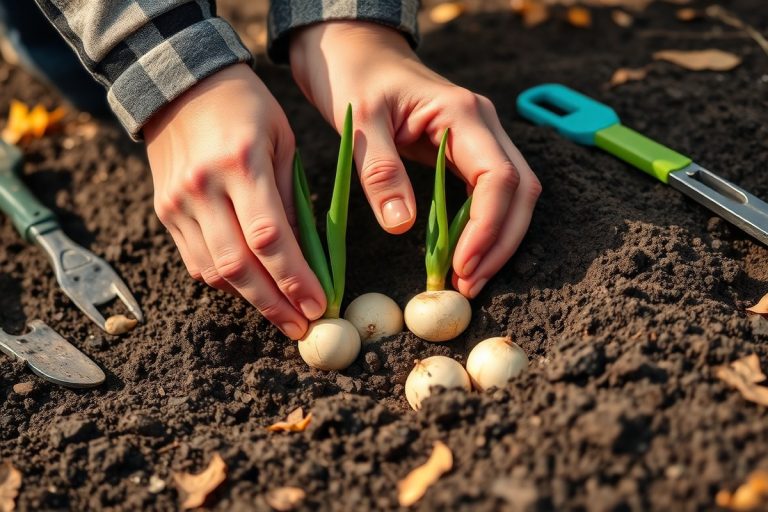
Planting depth matters. Put tulip bulbs about 6 to 8 inches deep with the pointed end facing up.
Space bulbs at least 4 to 6 inches apart to allow room for growth. Planting deeper also protects bulbs from pests like voles that stay near the surface.
Water the bulbs thoroughly right after planting. Keep soil moist but not soaked. Tulips prefer “wet feet” only briefly; moist soil helps roots grow.
But excessive water can cause bulbs to rot. Water once a week if rainfall is low during the fall and early winter.
Follow these steps to plant tulip bulbs correctly:
- Dig a hole 6 to 8 inches deep and wide enough for the bulb without crowding.
- Mix organic compost or bulb fertilizer into the soil at the hole bottom.
- Place the bulb with its pointed end facing upwards in the hole.
- Cover the bulb with soil and gently firm the ground.
- Space bulbs 4 to 6 inches apart for garden beds. Plant closer for cut flowers.
- Water the soil thoroughly right after planting to settle the soil.
- Add a 2-inch layer of mulch to keep soil temperature steady and prevent weeds.
Planting during fall when soil temperature drops below 60°F helps bulbs start root growth before winter. In many U.S. Regions, this means planting between late September and November. Don’t plant if the soil is soggy or frozen.
Bulbs can rot or fail to root in bad soil. Wait for drier, warmer soil before planting.
What Is the Role of Cold Period in Tulip Growth?
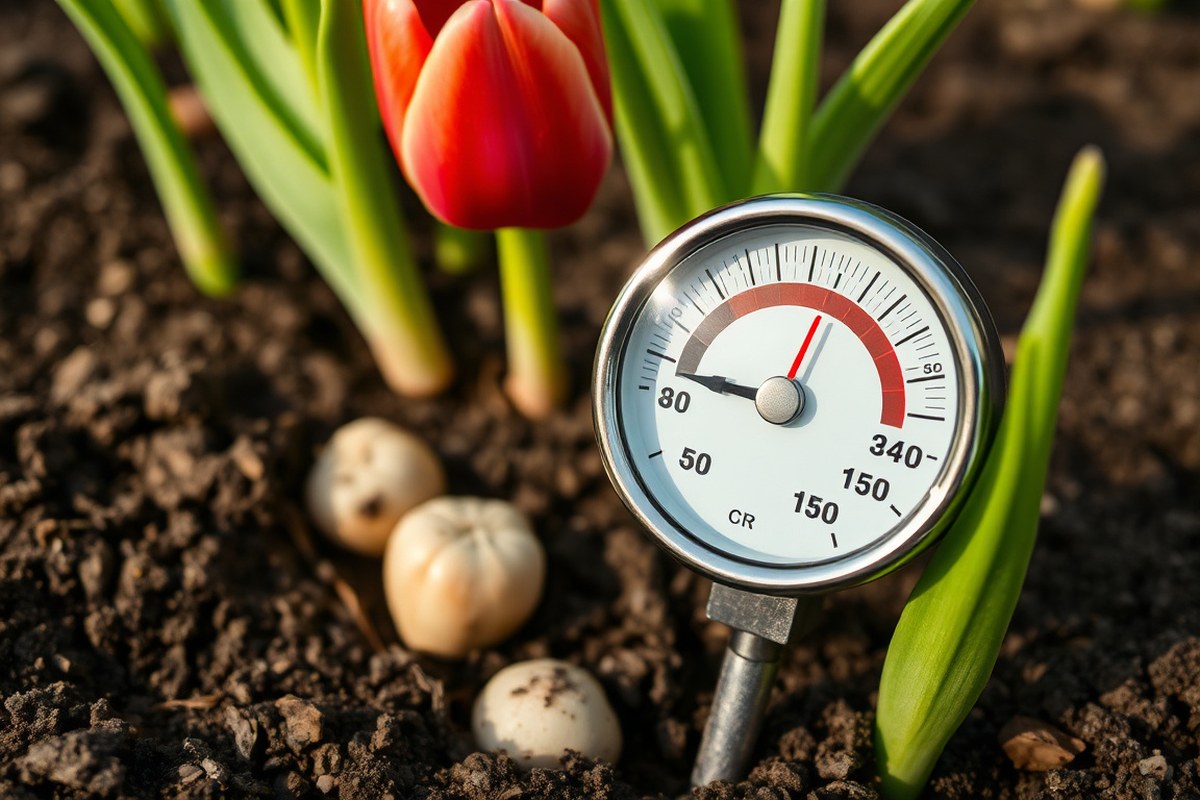
Tulip bulbs need a cold period to grow roots and shoots. This lasts about 8 to 16 weeks. They need this cold time before planting.
This chilling wakes up the bulbs from dormancy and sets them on the path to blooming. Without enough cold, tulips may fail to bloom or grow weak stems.
Understanding Cold Period Duration
Tulips require at least 8 to 16 weeks below about 50°F (10°C) for proper development. Around 12 to 14 weeks is ideal for strong flowers and healthy shoots. The chilling must start before December 1st so bulbs experience enough winter chill.
The cold period triggers bulbs to convert starch into sugars, giving energy for roots and shoots. Too short a chilling period often causes buds to stall or grow improperly. This timeline fits most temperate climates where soil naturally gets cold in winter.
Natural vs Artificial Chilling Methods
In warm climates, the soil rarely stays below 55°F (13°C). Because of this, people often pre-chill tulip bulbs in a refrigerator. This helps the bulbs get ready to grow.
Keep bulbs in a paper bag or a ventilated container. Store them at 35-48°F (2-9°C).
Do this for 10 to 14 weeks before planting. This tricks bulbs into thinking they had a cold winter.
Outdoor chilling is easier but depends on your climate and soil temperature. Artificial chilling takes planning and space but lets you force tulip blooms indoors. Forced bulbs will flower in 2 to 4 weeks after bringing them back to warmth.
- Start chilling bulbs by mid to late fall for outdoor planting
- Use a vegetable crisper or dedicated fridge shelf for artificial chilling
- Do not store bulbs near fruits; gases may harm them
- Keep bulbs dry during chilling to prevent rot
- After chilling, plant bulbs 4 to 6 inches apart for the best growth
- Forced flowering works well with tulip bulbs chilled for 10+ weeks
Do not expose tulip bulbs to temperatures below freezing during chilling. It can damage them.
Effects of Insufficient Cold on Blooming
Without adequate cold time, tulips may produce weak shoots or no flowers at all. Shorts breaks cause delayed sprouting and poor root systems. The blooms, if any, tend to be smaller and less colorful.
Bulbs that don’t get cold can also develop leaves but no flower buds. This wastes the bulb’s energy and ruins your flower display. Proper chilling ensures bulbs bloom vigorously and last through the flowering season.
How Do You Grow Tulips Indoors or in Containers?
You can grow tulips inside your home or in outdoor containers by mimicking their natural conditions. First, pick the right pot and soil, then give bulbs a cold period before planting. After that, care for them with proper light and watering until blooming.
Choosing the Right Pots and Soil
Select pots that are at least 6 to 8 inches deep with good drainage holes. Tulip bulbs need room for roots and must avoid standing water. Avoid pots that hold too much moisture as that causes bulbs to rot.
Use well-draining potting soil mixed with some sand or perlite. This helps water flow through quickly and prevents soggy conditions. Avoid heavy garden soil or pure peat moss, as these hold too much moisture.
Applying Cold Treatment for Indoor Tulips
Tulips need at least 12 weeks of cold temperature to bloom indoors, called vernalization. Keep your bulbs in a fridge or cold basement between 35°F and 48°F. Avoid storing near fruits like apples that produce ethylene gas and can harm bulbs.
The bulbs will start to grow roots during this cold period. Living in a cold climate means you can chill bulbs outdoors.
Store them in a sheltered spot instead of inside your fridge. Just keep them dry and in the shade.
Caring for Tulips Until Bloom
After cold treatment, plant bulbs about 4 inches deep in the potting mix. Place the container where it gets bright, indirect light. Tulips need cooler temperatures around 50°F to 60°F to encourage strong growth.
Water immediately after planting and keep soil moist but not soggy. Check soil every few days and water when the top feels dry. Avoid overwatering, which can rot bulbs and kill roots.
Tulips usually take 15 to 30 days to bloom. They need the right light and temperature to grow well.
After they flower, bulbs grown in pots face stress and often don’t bloom again. So compost bulbs after blooming.
- Pick a pot 6, 8 inches deep with drainage holes.
- Fill the pot with well-draining soil mixed with sand or perlite.
- Chill tulip bulbs for 12 weeks at 35, 48°F inside a fridge or cold spot.
- Plant bulbs 4 inches deep in the soil after chilling ends.
- Place the pot in bright, indirect light with cool temperatures (50, 60°F).
- Water right after planting, then water when soil is dry on top.
- Watch for blooms in 15 to 30 days, keeping conditions consistent.
How Long Does It Take for Tulips to Grow and Bloom?
Tulips usually take about 14 to 16 weeks from planting to flowering. The process starts underground with root growth. Then shoots appear above the soil, followed by flower buds that develop and open.
The soil temperature affects how fast they grow. Tulips begin to sprout once the soil hits about 50°F. Planting is best done when soil remains below 60°F at 6, 12 inches deep. Warmer soil can delay or harm growth, while too cold slows it down.
| Growth Stage | Time After Planting | Details |
|---|---|---|
| Root Development | Weeks 1, 4 | Roots spread underground to absorb nutrients and water |
| Shoot Emergence | Weeks 5, 8 | Green shoots break through the soil surface |
| Flower Bud Formation | Weeks 9, 12 | Flower buds form inside emerging shoots |
| Blooming | Weeks 13, 16 | Flowers open fully, showing colors |
The internal flower forms inside the bulb before any shoot appears. Tulips bloom early in spring, often with daffodils. You can expect blooms about 3 to 4 months after planting.
Cooler temperatures around 48°F to 55°F speed root and shoot growth. When soil stays above 60°F, bulbs grow slower and flowers delay. Warm soil can even stop flowers from blooming properly.
Strong green shoots show tulips will bloom soon. Flower buds will also swell before blooming starts. These signs mean the flowers are getting ready.
How Can You Protect Tulips from Pests and Animal Damage?
Tulips face attacks from pests like aphids, slugs, snails, and cutworms. These insects feed on leaves and flowers, causing wilted or holey petals and stems. Tulip bulbs attract rodents like squirrels, voles, rats, and mice.
They dig up the bulbs to eat them. This can harm your tulip plants.
You can spot pest damage by checking for chewed leaves or small black droppings near bulbs. Rodent damage looks like dug-up soil and missing bulbs. Early detection helps you act before the plants suffer serious harm.
To keep rodents away, use barriers like chicken wire or garden netting around the planting area. Bury the wire 6 to 8 inches deep to block underground tunneling. Adding daffodil bulbs nearby helps, since squirrels usually avoid them.
- Inspect tulips weekly for signs of insect or rodent damage
- Handpick slugs and snails or use iron phosphate pellets safely
- Spray insecticidal soap to control aphids in early morning
- Cover soil with wire mesh buried 6-8 inches to block rodents
- Plant daffodils intermixed to discourage squirrels
- Avoid heavy mulch if voles are present, as it shelters them
- Use organic repellents to deter deer and small mammals
Organic pest controls work well. Iron phosphate slug pellets won’t harm pets or wildlife.
Insecticidal soap controls aphids without chemicals. These are safer than broad-spectrum insecticides, especially for home gardens.
Keep mulch light if voles are around. Avoid thick cover in winter. Voles like heavy mulch for shelter.
An organic repellent sprayed around bulbs can deter voles and deer without risking harm. Chemical rodent poisons aren’t recommended near bulbs because they may damage soil health and beneficial insects.
Check tulip bulbs before planting. Discard any soft or moldy ones to stop pests spreading.
Which Tulip Varieties Suit Different Growing Conditions?
Tulip varieties differ in bloom time, climate needs, and planting depth. Choosing the right type ensures success in your garden or container. Plant bulbs 6 to 8 inches deep, spaced 4 to 6 inches apart.
Common Tulip Classification Overview
Tulips divide mainly into species and hybrid groups. Species tulips are closer to wild types and usually bloom early. Hybrid groups include classes like Darwin hybrids, triumphs, and fringed tulips.
Species tulips often tolerate part shade and moist soil well. Hybrids typically need full sun and well-drained soil to thrive.
Early bloomers can flower as soon as March. Late bloomers extend the season into May.
Varieties for Climate Zones
Tulips prefer cooler climates and well-defined cold winters. They struggle in tropical and warm climates but can grow with extra care. Maritime climates near water bodies offer ideal growing conditions.
Species like Tulipa sylvestris and T. Sprengeri suit milder zones because they do well in partial shade and moist soils. In hot areas, plant bulbs deeper to protect them from heat stress. Consistent watering, about 17 mm weekly during growth, supports blooming.
Containers work in warmer zones, where you can control soil moisture and temperature. Make sure your containers have drainage and receive full sun for at least six hours daily.
Tulip Types by Usage and Bloom Season
Match tulip types to your goals: cut flowers, borders, or naturalizing. Darwin hybrids and triumph tulips are excellent for bouquets because they have strong stems. Species tulips suit naturalizing and shaded borders well.
Plant a mix of early, mid, and late bloomers to enjoy color from March through May. Early tulip varieties brighten your garden right after winter ends.
Mid-season varieties bloom through April to keep your garden lively. Late varieties finish the tulip season just before summer starts.
| Tulip Type | Bloom Time | Planting Depth | Spacing | Best Uses | Climate Suitability |
|---|---|---|---|---|---|
| Species Tulips (e.g., T. Sylvestris) |
Early (March – April) | 6 to 8 inches | 4 to 6 inches | Partial shade, borders, naturalizing | Milder, maritime climates |
| Darwin Hybrids | Mid (April) | 6 to 8 inches | 6 inches | Cut flowers, garden beds | Cool to moderate climates |
| Triumph Tulips | Mid to Late (April – May) | 6 to 8 inches | 4 to 6 inches | Cut flowers, borders | Cool climates |
| Fringed Tulips | Late (May) | 6 to 8 inches | 4 to 6 inches | Garden accents, borders | Cool environments |
Planting depth usually remains between 6 and 8 inches for most tulip types. Spacing at 4 to 6 inches lets shoots grow without competing for nutrients. You get the best blooms when bulbs have enough room and proper winter chilling.
How Do You Care for Tulips After They Bloom?
Once tulips finish blooming, cut off the spent flower heads. This deadheading stops the plant from wasting energy on seed production. Use clean scissors or pruners to cut just below the flower stem but above the leaves.
Keep the leaves on the tulips for several weeks after blooming. The leaves gather sunlight and help the bulb store energy for next year’s flowers. Don’t cut leaves until they turn yellow and die back.
This usually takes 6 to 8 weeks. Let leaves wither naturally before removing them.
Water tulips moderately during this time. They need enough moisture to support leaf health but avoid soggy soil. Reduce watering once the leaves start to yellow because the bulbs are going dormant.
To save and replant bulbs, wait for leaves to fully die back. Carefully dig up the bulbs in late spring or early summer when the soil is dry. Handle bulbs gently to avoid damaging them.
Store harvested bulbs in a cool, dry place with good air flow. Ideal storage is around 65-68°F in a dark spot like a basement or garage. Lay bulbs in single layers inside trays or paper bags to avoid moisture buildup and rot.
Plant tulips outdoors in fall after soil temperatures drop below 60°F. This chilling period is needed to trigger spring blooming. Living in warm areas? Chill bulbs in the fridge for 8 to 12 weeks first.
Follow these steps for harvesting and storing tulip bulbs:
- Wait until tulip leaves have completely yellowed and died back.
- Use a garden fork or shovel to gently lift bulbs from soil.
- Shake off excess soil and remove any soft or rotted bulbs.
- Allow bulbs to dry in a shaded, airy area for about 5 days.
- Place bulbs in paper bags or trays in a cool, dark place.
- Check regularly for mold or rot, discarding damaged bulbs.
- Replant bulbs in fall after soil cools below 60°F for best bloom.
What Are Common Tulip Growing Mistakes and How to Fix Them?
Tulip bulbs often rot when they stay too wet or get planted shallowly. Bulbs need well-draining soil. Plant them 6 to 8 inches deep.
That is about three times their height. Shallow planting leaves bulbs exposed to temperature swings and pests. Too much water causes rot.
Incorrect spacing is also common. Planting bulbs too close crowds their roots and reduces bloom size. Overcrowding makes it hard for each tulip to get nutrients.
The flowers may be smaller or fewer. Plant at least 10 bulbs together.
You can also plant 25 or 50 for smaller types. Bigger groups look better.
Not providing enough cold exposure will stop tulips from sprouting well. They need soil between 32 and 55 degrees to start root growth. Without this chill, bulbs stay dormant or grow weakly.
Overwatering is another risk, as tulips don’t do well in soggy soil. Water just enough to keep soil moist, not soaked.
- Plant bulbs 6 to 8 inches deep with the pointed end up.
- Space bulbs in clusters: 10 bulbs minimum for large types, 25 or more for smaller ones.
- Use well-drained soil to avoid standing water around bulbs.
- Plant in cool soil, ideally when temperatures fall between 32°F and 55°F.
- Avoid soaking bulbs before planting; it promotes rot.
- Water moderately; keep soil moist but never soggy.
Always check soil moisture and drainage before planting to prevent bulb rot. Wet soil is the quickest way to lose your tulips before they grow.
Fix problems by digging up rotting bulbs and replanting healthy ones deeper in better-drained soil. Thin crowded plantings by moving some bulbs to a new spot. Bulbs need a cold period.
Chill them in the fridge for 6 to 8 weeks before planting next fall. These steps improve your tulip success and lead to larger, healthier blooms in spring.
Step-by-Step Action Plan for Growing Tulips
Follow these simple steps to get your tulips growing strong and blooming well this season.
- Before planting (Fall): Choose healthy, firm bulbs. Plant them 6-8 inches deep in well-drained soil. You’ll know you did it right if the bulbs are fully covered. Cover them with soil gently. Don’t press too hard.
- Right after planting: Water the soil lightly to settle it around the bulbs. Check the soil stays moist but not soggy over the next days.
- During winter: Let the cold happen naturally outside. Or chill bulbs indoors at 35-48°F. Keep them chilled for 12-14 weeks. Your bulbs need this to bloom properly.
- Early spring (when green shoots appear): Add a balanced fertilizer around the plants to encourage growth. You’ll see stronger, healthier leaves within a few weeks.
- While blooming: Keep watering consistently if rainfall is low. Avoid wetting the blooms directly to prevent disease.
- After flowering: Snip off spent flower heads but leave leaves intact. The leaves feed the bulbs for next year’s blooms.
- Late spring to early summer: Let leaves die back naturally, then remove them. Store bulbs in a cool, dry place if you plan to replant.
- Repeating each fall: Check bulbs for damage before replanting. Discard soft or moldy ones to keep your garden healthy.
Frequently Asked Questions
Do Tulips Bloom Once or Twice a Year?
Tulips usually bloom only once a year. After blooming, the flowers fade and the bulbs rest until the next season.
Some tulip types or special care can cause a second bloom. This doesn’t happen often for most gardeners at home.
Do Tulips Have Both Male and Female Parts?
Yes, tulip flowers have both male and female parts. The male parts are stamens with pollen, and the female part is the pistil.
This makes tulips capable of self-pollination. Still, they often rely on insects for better pollination.
Do Tulips Grow Easily?
Tulips grow fairly easily if you plant bulbs in well-drained soil with enough sunlight. They need a cold period for good root growth before blooming. Just don’t plant them too shallow and avoid soggy soil.
How Long Will Potted Tulips Stay Alive?
Potted tulips usually stay alive for about 2 to 3 weeks after blooming indoors. Keep them in bright light and cool temperatures to extend their life. After blooming, the bulbs won’t last much longer unless replanted outdoors.
How Do Tulips Grow from Bulbs?
Tulips start as bulbs planted in fall to develop roots during cold months. Then they sprout and bloom in spring after warming up. This cold period is important for triggering strong growth and colorful flowers.
Can Tulips Grow in Partial Shade?
Tulips prefer full sun but can grow in partial shade. They may bloom less vibrantly with less sun.
Pick tulip types that can handle shade well. Plant them in spots with some direct sunlight daily.
Before You Go
Growing tulips from bulbs takes patience, cold, and proper care. But the results are bright and rewarding.
Start today by checking your bulbs for firmness and planning your planting spot. Enjoy seeing your tulips add color and joy to your garden or home.