Do Coleus Come Back Every Year? Complete Guide to Year-Round Care
Do coleus come back every year? Not usually, unless you live in USDA zones 10 or 11.
These plants cannot survive frost or temperatures below 50°F (10°C). In colder areas, they act like annuals and won’t last through cold nights outdoors.
They stop growing and look sad when temperatures drop near 50°F. Bringing them indoors before it gets too cold helps keep them alive for next year. Cut the plants back to about 6 inches and put them in a sunny spot inside.
Outside warm zones, plan to replant coleus each spring. Watch night temperatures closely. Only move them outside after temperatures stay above 50°F, ideally around 70°F (21°C), to keep them healthy and thriving.
Key Takeaways
- Coleus generally survives outdoors only in USDA zones 10 to 11 without extra care.
- Bring coleus inside before night temperatures drop to 50°F (10°C). Keep them indoors if frost is near. This prevents cold damage to your plants.
- Prune coleus back to 6 inches before bringing indoors in mid-autumn.
- Place indoor coleus near sunny windows but avoid temperatures below 50°F.
- Stop watering coleus indoors but keep soil slightly moist, watering every 7 to 14 days.
- Bring coleus outside again when temperatures consistently reach about 70°F in spring.
Do Coleus Plants Come Back Every Year Naturally?
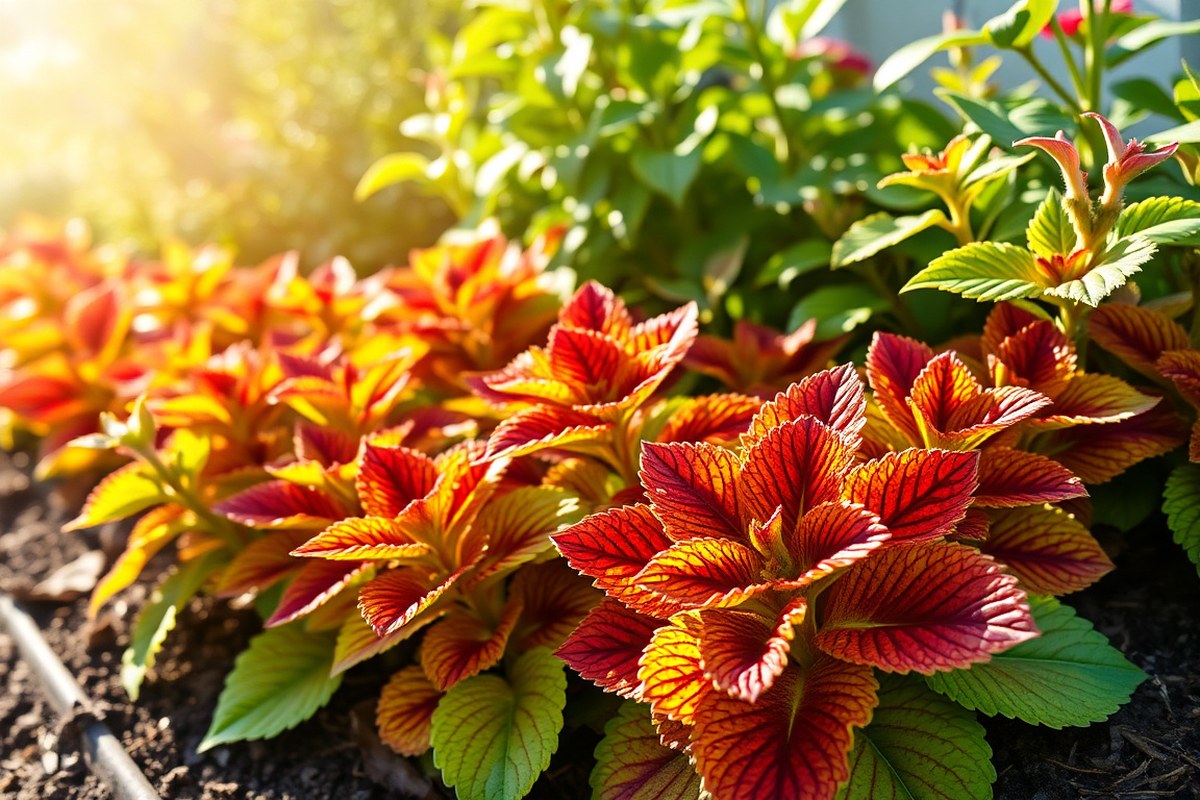
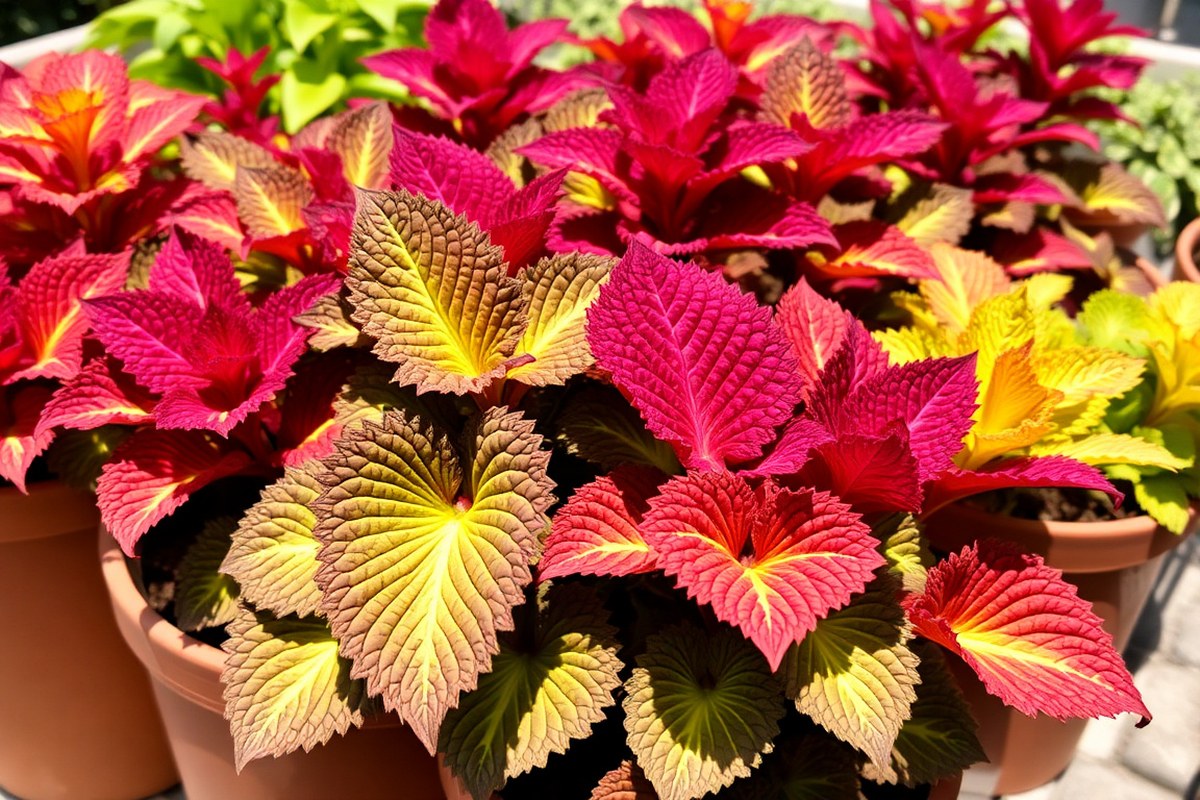
Coleus plants are mostly annuals in most climates, meaning they live for just one growing season. Coleus won’t come back every year by themselves. That only happens in USDA zones 10 or 11.
Outside those zones, they don’t return on their own. These zones stay warm enough, without frost, for coleus to survive outside all year.
In zones cooler than 10, coleus won’t survive winter outdoors because frost and cold kill them. Their survival depends on temperatures staying above about 50 °F (10 °C).
When nights drop below that, coleus plants usually die if left outside. Gardeners often replant coleus each spring in colder zones.
In warm climates like USDA zones 10 and 11, coleus behave as perennial plants. They can grow year after year because winters are mild without freezing. You can keep them in partial shade with plenty of warmth to help them thrive.
Coleus survive yearly only if you move them indoors. You must bring them inside before it gets cold. Otherwise, they won’t come back next year.
How Cold and Frost Affect Coleus Survival Outdoors
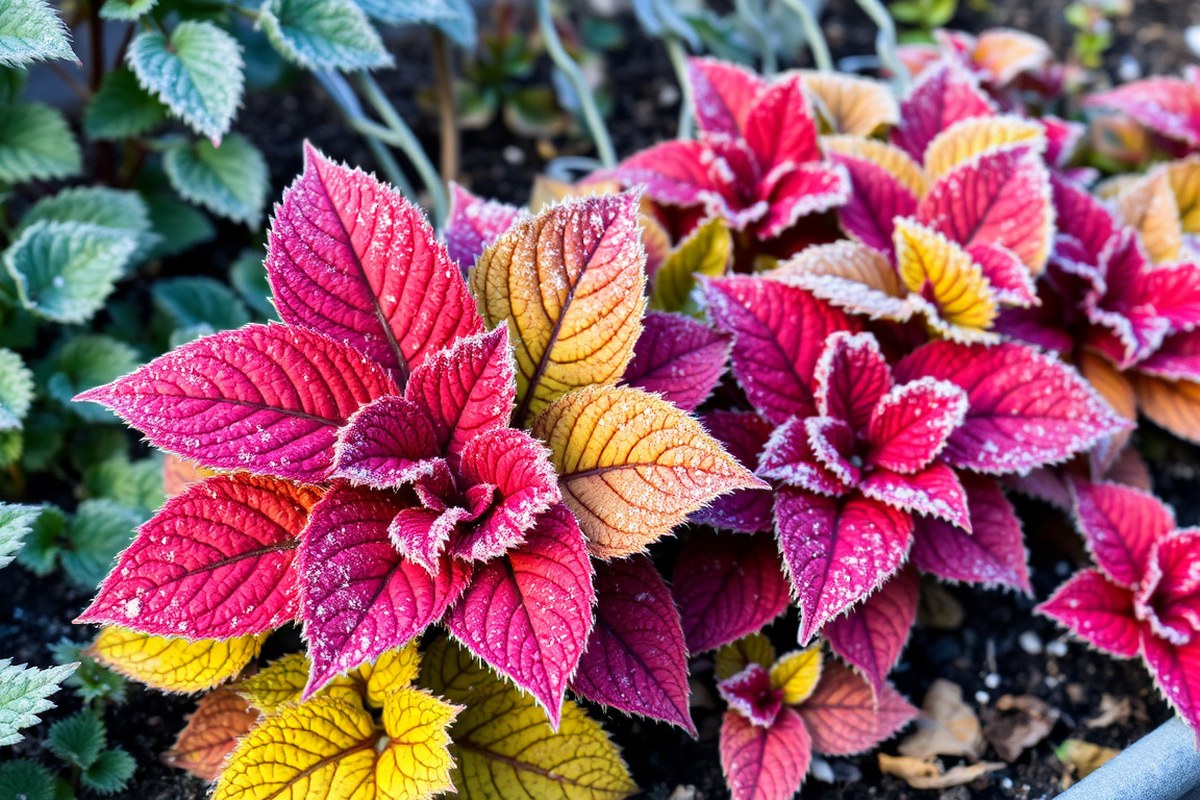
Coleus plants do best when temperatures stay above 50°F (10°C). Below this, their leaves droop and stop growing. Frost is especially harmful, killing leaves and stems quickly.
The minimum temperature coleus can tolerate is around 40°F (4°C). But damage may start near 50°F. A light frost at 32°F (0°C) or below will usually kill the foliage and soften stems. Damage can happen overnight if frost forms.
When frost hits, coleus tissue dies and the leaves turn black or mushy. Stems can become woody and brittle, reducing the chance of recovery. When left outside after a freeze, the plant rarely recovers well.
Coleus roots can survive cold better than the leaves and stems. However, roots exposed to frost may also suffer rot or drying out. Protecting roots with mulch or indoor potting can help them survive if cold weather sneaks in.
Moving coleus indoors before temperatures dip below 50°F is key. Keeping them in a cool, well-lit spot helps avoid frost damage. When frost hits your coleus, cut off dead parts to encourage new growth.
Always bring coleus inside before frost hits. Recovering from freeze damage is unlikely once leaves and stems die.
When and How to Bring Coleus Indoors for Winter
Coleus plants should come inside before the first frost hits. You want to trim them back and move them to a bright, warm spot. This helps your coleus stay healthy through the winter months.
Ideal Timing to Move Coleus Inside
Watch the weather forecast for the first frost in your area. Bring coleus indoors at least a week before temperatures drop below 50°F (10°C). This avoids cold damage and stress to the plants.
Moving coleus inside too early might mean they get less light outdoors. Too late, and frost will damage leaves and stems. Timing matters for keeping them healthy and strong.
Preparing Coleus Plants Before Bringing Indoors
Cut your coleus back to about 6 inches tall in mid-autumn. Remove any dead or diseased leaves carefully to stop pests and diseases inside. This pruning helps the plant focus energy on healthy growth.
Next, check your pot and soil. Make sure the container drains well to avoid root rot indoors. Rinse the soil gently if it looks dusty or has bugs.
Then water lightly. Keep the soil moist but not soggy.
- Prune the coleus plant to about 6 inches tall.
- Remove dead and diseased foliage from the plant.
- Check the pot for good drainage and repot if needed.
- Lightly water the soil before bringing the plant inside.
- Place the pot in a plastic tray to catch drips indoors.
- Keep pets away if they tend to nibble on houseplants.
Creating the Right Indoor Light and Temperature Conditions
Find a bright spot that rarely gets direct sunlight. East or north-facing windows work well since bright, indirect light suits coleus best. Avoid harsh sun that can bleach leaves indoors.
Maintain temperatures between 60°F and 75°F. Coleus thrive in warmth and humidity like a tropical climate. Use a humidifier if your home is dry in winter.
Or place the pot on a humidity tray. This helps keep moisture around your plant.
Check your coleus often for signs of stress like droopy or faded leaves. Move them away from heat vents and adjust lighting if plants seem weak. Good airflow also helps prevent mold and pests.
How to Overwinter Coleus: Pruning, Watering, and Care Tips
Coleus needs careful pruning and watering to stay healthy indoors over winter. Trim back about one‑third of the plant in early fall to save energy. Water only when the top half of the soil feels dry.
Pruning Guidelines for Indoor Storage
Cut back your coleus by roughly one‑third in early fall. This reduces stress and helps the plant focus on keeping leaves alive.
Remove damaged or very long stems to keep your plant tidy. This helps fresh growth in spring.
Pruning also allows better light to reach the plant’s inner parts. This avoids legginess and prepares coleus for dormancy. Prune stressed parts from heat or pests before bringing the plant indoors.
Watering Frequency and Soil Moisture Tips
Reduce watering starting in late summer to help coleus harden off. When indoors, water only if the top 50% of soil is dry. This usually means watering far less than in growing season.
Use pots with good drainage to prevent soggy soil, which can harm roots. Keep the soil lightly moist but never soaking wet. Overwatering increases disease risk and slows recovery after winter.
- Check soil moisture weekly with your finger
- Water about half as much as during summer
- Empty any water from saucers after watering
- Use room temperature water to avoid shock
- Increase watering gradually once spring starts
This watering routine keeps roots healthy and stops issues common to indoor plants in winter.
Preventing Pests and Diseases During Winter
Inspect your coleus regularly for pests like aphids and spider mites. They can hide on leaves and stems indoors. Use gentle insecticidal soap if you spot pests early.
Keep leaves dry and avoid crowding plants together, which spreads disease. Remove parts with leaf spots or mushy stems right away. A clean growing area and good airflow also help prevent problems.
Propagating Coleus to Save Plants for Next Season
Propagating coleus through stem cuttings is the easiest way to save your plants for next year. Cuttings root quickly, letting you grow new plants indoors or outside.
You can also start coleus from seed indoors. But cuttings give faster, more reliable results.
Selecting Healthy Stems for Cuttings
Choose firm, healthy stems without any dark spots or damage. Take cuttings from growing tips with several sets of leaves. The stems should be about 3 to 5 inches long for the best root development.
Pick stems just before the weather turns cold or after you bring coleus indoors. This timing helps the plant store energy in the cutting for faster rooting. Avoid using stems that look weak or are flowering since they root slower.
Rooting Coleus Cuttings Successfully
Rooting coleus is simple and only takes a few steps. Use clean, sharp scissors or pruners to avoid spreading disease. Place cuttings in water or moist potting mix in a warm spot that gets indirect light.
Here’s how to root coleus cuttings:
- Cut a 3 to 5-inch stem just below a leaf node.
- Remove lower leaves, leaving two or three at the top.
- Place the stem in a glass of water or moist potting soil.
- Keep the water or soil moist but not soggy.
- Set the cutting in a warm location with bright, indirect light.
- Wait 1 to 2 weeks for roots to grow at least 1 inch long.
- Once roots form, transplant the cutting into a pot or container.
Keep cuttings away from cold drafts or air conditioning to stop wilt. Too much direct sun can dry them out fast.
Starting Coleus from Seed Indoors
You can grow coleus from seed indoors. But it takes longer and requires more care.
Sow seeds on the surface of moist seed-starting mix, then cover lightly. Keep the soil warm, around 70 to 75°F, and lightly moist until seeds sprout.
Seeds usually germinate in 7 to 14 days. Thin seedlings to avoid overcrowding once they show true leaves. Growing coleus from seed lets you try many unique colors.
You need steady warmth and moisture for good results. These conditions help the seeds sprout well.
When to Bring Coleus Back Outdoors in Spring
Move coleus outdoors only after nighttime temperatures stay above 45°F (7°C) consistently. Temperatures below this range can shock the plants and stunt their growth. Most plants handle daytime temperatures in the 60s or higher without problem.
You should help your coleus adjust back to outdoor life gradually. Bringing them outside too quickly can cause leaf burn or wilting. Start by placing them in bright shade and increase sun exposure over 1 to 2 weeks.
Follow these steps to bring your coleus outdoors safely. Do this to help it thrive all summer. You’ll enjoy healthy growth with simple care.
- Check the local last frost date and make sure it has passed.
- Confirm nighttime temperatures are consistently above 45°F (7°C).
- Take coleus plants outside to a shaded, protected spot for a few hours daily.
- Increase outdoor time by a couple of hours each day over 7 to 14 days.
- After acclimating, plant coleus in well-draining soil with partial to full shade.
- Water the newly planted coleus thoroughly but avoid soggy soil.
- Keep an eye on leaf condition during the first week. Move back indoors if they wilt or scorch.
- Gradually increase exposure to more sunlight as plants show strong new growth.
Acclimating coleus slowly prevents sunburn and stress. Plants often lose leaves if exposed too quickly or moved outdoors in cold nights. Good care during this transition leads to lush, colorful foliage all season.
Differences in Coleus Survival by USDA Zones and Climates
Coleus plants survive best in USDA hardiness zone 11. They can keep growing year-round with night temperatures above about 10 °C (50 °F). In zones 10 and 11, coleus can stay semi-evergreen because frost is rare.
Their growth slows when temperatures drop below 8 °C (46 °F). They enter dormancy in cooler zones. Below zone 11, coleus need protection or they will not return after winter.
Differences in climate cause changes in how coleus grow and survive. In zones 10 and 11, they may keep some leaves all winter. Microclimates near houses with reflected heat can extend their growing season.
You should prune leggy tips to keep plants healthy and promote new growth. Fertilize potted coleus monthly with water-soluble fertilizer for best results in warmer zones.
| Condition | Expected Outcome |
|---|---|
| Night temps > 10 °C and day length > 12 h | The plant grows strongly and can handle light frosts in zone 10. |
| Night temps 8, 10 °C with shortening days | Growth is slower, but it often survives light frosts in zone 10. |
| Night temps < 5 °C | The plant stops growing or dies without protection and won’t come back. |
| Microclimate near a house with reflected heat | The growing season stretches longer than usual for this zone. |
In zone 9, treat coleus as an annual. You may need to bring it indoors. In zones 10 to 11, you can leave them outside with less worry.
Cut back flowers to save energy for new leaves, especially in cooler months. Watch for frost risks in zone 10 and prepare to protect or move plants if needed. With proper care, coleus will thrive and return in the warmest zones.
Common Mistakes to Avoid When Overwintering Coleus
Many coleus die indoors because of low light and too cold temperatures. They need 12 to 14 hours of bright indirect light daily.
A south-facing window or a grow light helps keep them healthy and colorful. Without enough light, leaves turn yellow and the plant becomes leggy and weak.
Watering mistakes also kill coleus over winter. Overwatering causes root rot, while underwatering dries out the leaves. Keep soil moist but not soggy.
Let the top layer dry between watering. Cold drafts lower temperatures and harm the plant most. Coleus struggles when temps fall below 50°F. So avoid placing them near drafty windows or doors.
- Place coleus near a south-facing window or use a grow light
- Provide 12, 14 hours of bright indirect light every day
- Water only when the top inch of soil feels dry
- Keep indoor temperature above 50°F at all times
- Keep plants away from cold drafts and vents
- Remove dead leaves to prevent disease and pests
- Check regularly for signs of stress, like yellowing leaves or limp stems
Proper light makes leaves stay vibrant and stops legginess. Keeping soil moisture balanced protects roots from rotting or drying out. Avoid chilly spots to prevent sudden leaf drop or slowed growth.
Dead or damaged leaves invite bugs and fungi, so remove them quickly. Check your plant weekly to catch issues early.
Keep your coleus away from cold drafts and maintain proper indoor light to avoid winter losses.
Step-by-Step Action Plan for Keeping Coleus Year-Round
Use this plan to help your coleus survive winter indoors and bloom again in spring. Follow each step to see healthy, colorful leaves all year.
- Late summer: Start taking cuttings from your healthiest coleus. They root fast in water or soil. You’ll know they work when green roots appear in 1 to 2 weeks.
- Early fall: Begin bringing outdoor coleus indoors before the first frost. Choose a bright window spot for good light. The plants should look fresh, not wilted.
- After moving indoors: Trim your coleus back by a third to encourage bushy growth. Keep soil lightly moist and water only when the top inch dries out. Check leaves for any pests regularly.
- Throughout winter: Provide bright light or a grow light for 10 to 12 hours daily. Avoid cold drafts; room temperature between 65 and 75°F works best. Plants should maintain firm stems and vibrant leaves.
- Late winter or early spring: Harden off your coleus by setting pots outside on warm days. Gradually increase outdoor time over two weeks. Healthy new growth signals plants are ready for outdoor planting.
- Spring planting: Transplant coleus into fresh soil with good drainage and partial shade. Water well, and watch for signs of stress or pests as the plant adjusts.
- Summer care: Pinch back stems to keep the plant full and compact. Water consistently and remove any faded leaves promptly. Your coleus should thrive outdoors all summer.
Frequently Asked Questions
Do Coleus Plants Come Back Every Year Naturally?
Coleus plants don’t come back naturally every year. They survive only in USDA zones 10 and 11. In cooler areas, they die after frost and need to be replanted or overwintered indoors.
Can Cold Weather Kill Coleus Plants?
Yes, frost and freezing temperatures usually kill coleus plants outdoors. They don’t tolerate cold and will not survive a hard freeze.
How Do You Care for Coleus During Winter Indoors?
To keep coleus indoors for winter, maintain temperatures above 50 °F and provide bright light. Water moderately to avoid root rot but don’t keep the soil soggy.
What Is the Best Way to Overwinter Coleus?
To overwinter coleus, prune it back first. Then place it somewhere warm and bright. Water sparingly to keep the soil just damp until spring.
How Can You Propagate Coleus for Next Season?
You can propagate coleus by taking stem cuttings and rooting them in water or soil. This helps you save plants and grow new ones for next season easily.
When Should Coleus Be Moved Back Outside in Spring?
Move coleus outside after the last frost when night temperatures stay above 50 °F. Gradually acclimate it to outdoor conditions to avoid shock.
Key Points to Remember
Coleus won’t come back outdoors in cold climates but can live year-round with indoor care. Start saving cuttings early to keep your plants going long term. Move a cutting or potted plant inside before frost next fall to protect your coleus.