How Do Worms Breathe: Complete Guide to Their Unique Respiration Method
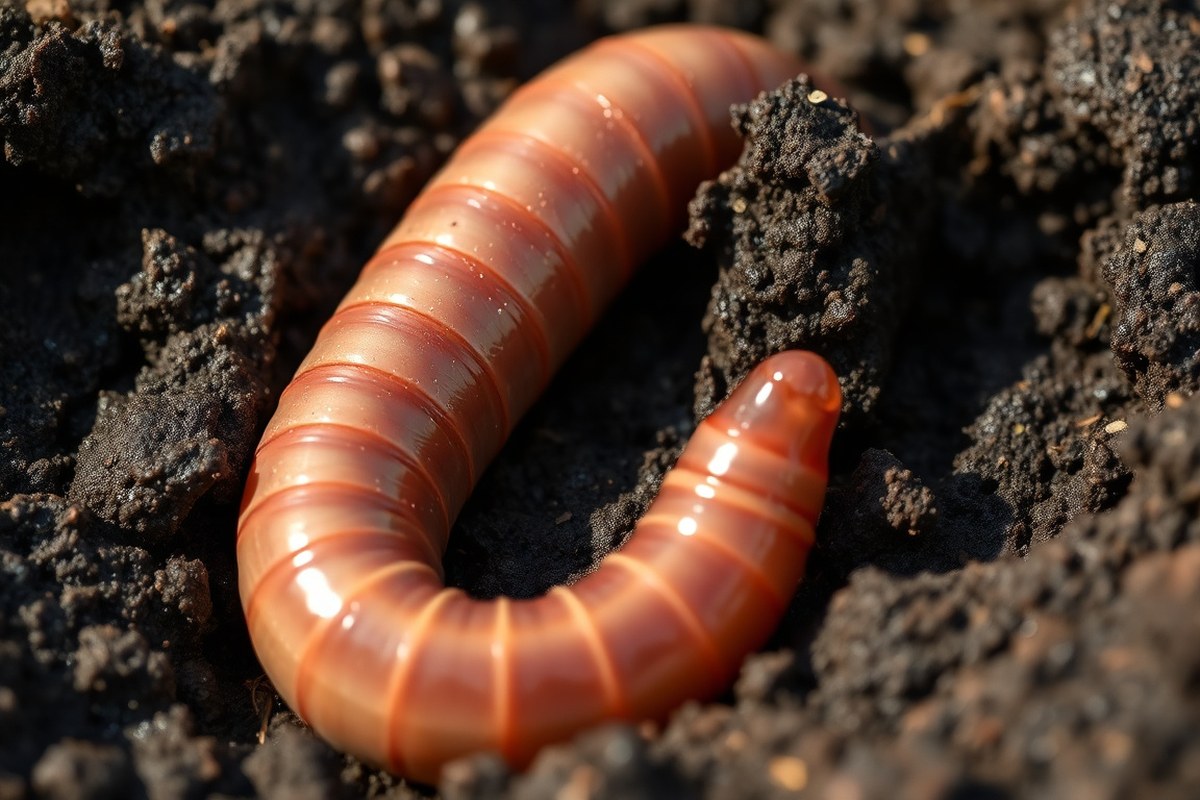
How do worms breathe without lungs or gills? Worms breathe through their skin. Their skin needs to stay moist for breathing.
Moist skin lets oxygen in. It also lets carbon dioxide out.
Moisture on worm skin works like tiny lungs. It helps absorb oxygen from air. It also pulls oxygen from wet soil.
Without damp skin, worms can’t get enough oxygen and will suffocate. Keep your soil moist, about as wet as a wrung-out sponge, for healthy worms.
Worms’ skin allows gas exchange directly with their environment, which makes soil moisture essential. They don’t have special breathing organs.
So they rely on their skin’s contact with air or water. That means dry or waterlogged soil can both harm their breathing abilities.
Key Takeaways
- Worms breathe through their skin using diffusion, not lungs or gills.
- Keep soil moisture around 70, 80% to support worm respiration effectively.
- Dry soil can cause worms to suffocate by drying out their breathing surface.
- Overly wet soil can block oxygen, also stressing worms’ respiration.
- Worms surface more often after rain due to low oxygen in saturated soil.
- Adequate air circulation in soil is important for healthy worm breathing.
How Do Worms Breathe Without Lungs or Gills?
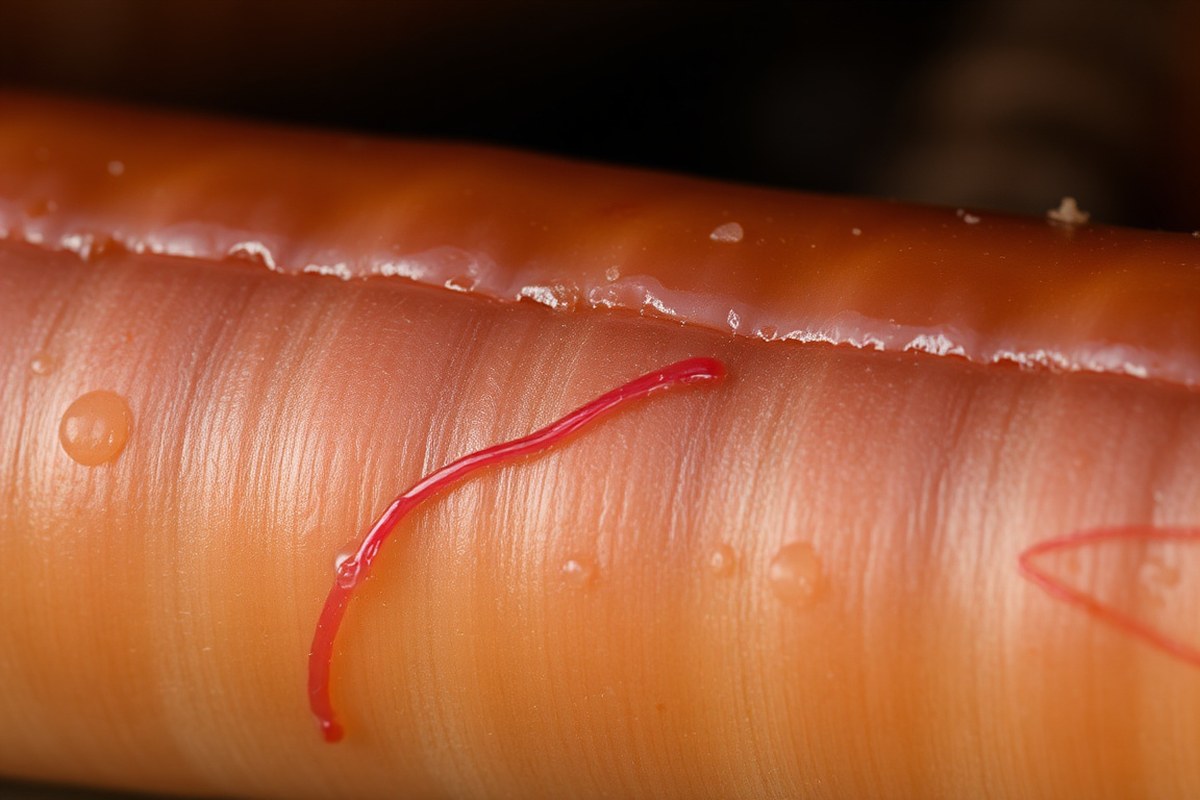
Worms do not have lungs or gills like many animals. Instead, they breathe through their skin by a process called cutaneous respiration. This means oxygen and carbon dioxide pass directly through the worm’s moist, thin skin.
Cutaneous respiration works because the worm’s skin stays wet with mucus. Oxygen from the air or soil moisture dissolves on the skin’s surface. The oxygen then diffuses across the skin and enters tiny blood vessels just beneath it.
These blood vessels carry oxygen to the worm’s body cells. They also bring carbon dioxide back to the skin. The carbon dioxide then exits through the skin.
The skin must stay moist or oxygen cannot dissolve well enough for the worm to breathe. Without moisture, the skin becomes a barrier instead of a gas exchange surface.
Picture oxygen molecules moving from wet soil or air. They pass through the worm’s skin. This is how the worm breathes.
This movement is called diffusion. Oxygen moves because there is more outside the skin.
It goes from outside to inside the blood vessels. At the same time, carbon dioxide moves out to keep the balance.
Worms cannot breathe through their mouths or other body parts. All gas exchange happens through the skin only. The skin lets gases pass through easily.
It stays moist all the time. This helps the worm absorb oxygen and release carbon dioxide well.
Because they lack lungs or gills, worms rely entirely on cutaneous respiration. They also produce mucus to keep their skin wet and move slowly to reduce oxygen use. These traits help them survive in soil where oxygen comes through tiny air pockets and moisture.
Why Moisture Is Essential for Worm Respiration
Moisture Enables Oxygen Absorption Through Worm Skin
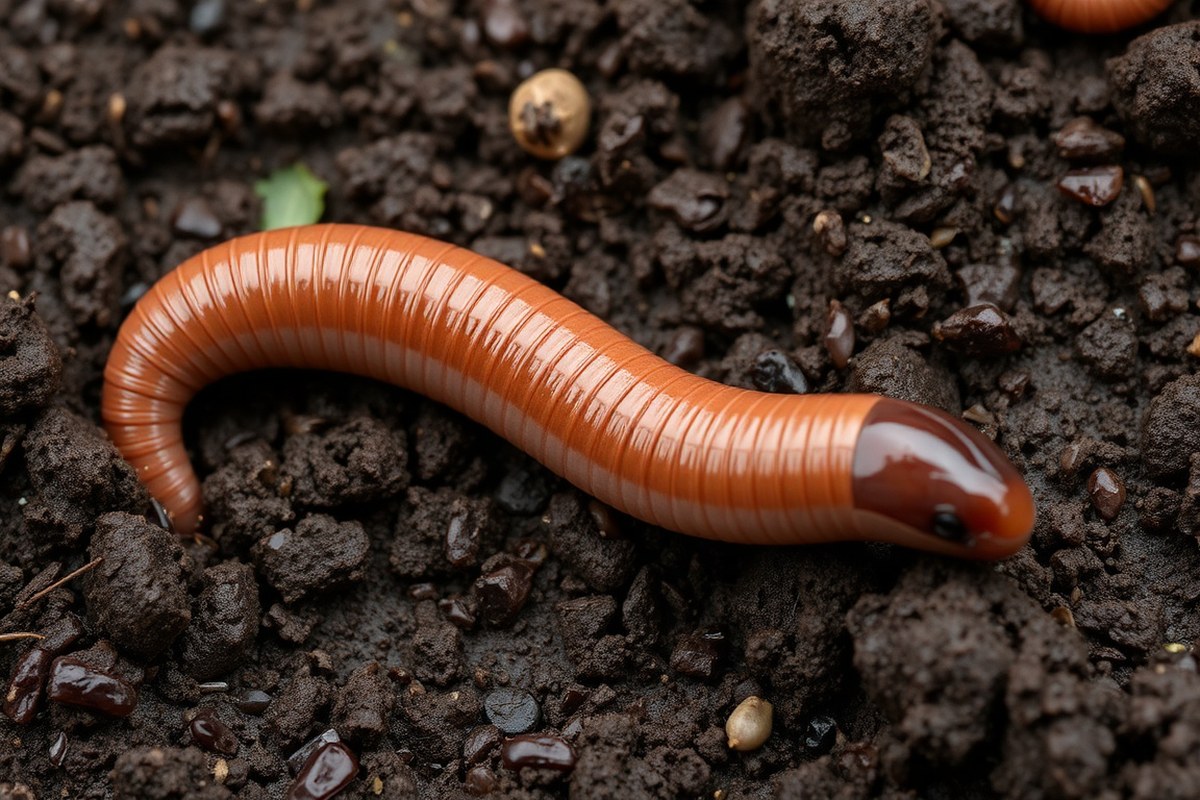
Worms breathe by absorbing oxygen through their skin. Moisture on their skin dissolves oxygen, allowing it to pass into their bloodstream.
Without moisture, oxygen can’t move through their skin efficiently. This makes wet skin essential for breathing.
Mucus Production Keeps Skin Soft and Permeable
Worms secrete mucus from glands in their skin to hold moisture. This slimy layer prevents their skin from drying out.
The mucus also forms a thin liquid film that oxygen dissolves into before reaching blood vessels. This step is key for respiration.
Steps of Mucus-Secreting Respiration Function
Worm skin produces mucus when in contact with damp soil or bedding. The mucus mixes with coelomic fluids creating a moist surface.
Oxygen dissolves in this mucus layer, then diffuses through the thin skin cells into capillaries. Carbon dioxide leaves the body the same way.
What Happens When Worms Dry Out
Dry skin blocks oxygen absorption, making it impossible for worms to breathe. Without moisture, they suffocate and eventually die.
Exposure to sun or dry air causes their skin to lose moisture quickly. This drives worms underground or causes them to curl up and stop moving.
Moisture’s Roles Essential for Worm Respiration
Moisture serves multiple parts in worm breathing:
- Dissolves oxygen gas for skin absorption
- Keeps skin soft and thin for diffusion
- Allows exchange of oxygen and carbon dioxide through skin
- Prevents skin from drying and cracking
- Supports mucus formation for oxygen transfer
- Maintains proper hydration in capillaries and fluids
- Helps worms stay active and mobile in soil
Keeping worm skin moist depends on the environment’s humidity and substrate wetness. Regular moisture levels between 75% to 85% in worm bedding suit best.
Worms in compost bins need bedding that stays damp all the time. The bedding should not be soaked wet. This helps worms breathe and prevents suffocation.
How Worms’ Circulatory System Supports Breathing
Worms have a closed circulatory system that pumps blood through veins. Their blood flows inside vessels, unlike insects with open systems. Five pairs of muscular arches, often called “hearts,” contract to push blood forward and back.
Just under the skin, tiny blood vessels called capillaries spread throughout the worm’s body. These capillaries absorb oxygen through the moist skin’s surface. The oxygen then binds to hemoglobin dissolved in the worm’s blood plasma.
Hemoglobin works like a delivery truck inside the bloodstream. It picks up oxygen from the skin and carries it to cells that need it. This protein’s ability to hold oxygen boosts how much the worm’s blood can transport.
Once oxygen binds to hemoglobin, the blood carries it through the network of vessels. It travels along the dorsal and ventral blood vessels to every segment of the worm’s body. Cells get oxygen for metabolism while carbon dioxide flows back to the skin for release.
This steady circulation helps worms survive in soil where oxygen levels may change. When soil gets waterlogged, oxygen flow slows down. The worm’s system then struggles.
Healthy soil has air pockets. These pockets help the circulatory system work better. Oxygen reaches every part of the worm’s body this way.
Why Do Worms Surface When It Rains or Soil Gets Waterlogged?
Worms come to the surface after rain mainly because the soil gets saturated with water. This water fills the tiny air pockets between soil particles, reducing oxygen availability.
Worms rely on oxygen passing through their moist skin. So less air means less oxygen to breathe.
Worms can live briefly underwater if water has oxygen in it. Oxygen moves much slower in water than in air. This limits how long worms can survive underwater.
Saturated soil blocks oxygen movement, so worms risk suffocation underground. They surface to access oxygen-rich air, especially after continuous heavy rainfall.
Another reason worms rise to the top is to escape predators or vibrations. Raindrops make knocking sounds underground similar to hunting animals like moles. Worms sense this threat and move to the surface for safety until the soil dries.
Here’s what happens step-by-step when soil saturates during heavy rain:
- Rainwater fills the soil’s air spaces, reducing habitat oxygen.
- Oxygen in water is lower and diffuses slowly to worms’ skin.
- Worms sense less oxygen below and begin to surface for air.
- Continuous rain keeps soil saturated, prolonging worms’ stay above ground.
- Worms stay moist on the surface, maintaining skin permeability for oxygen.
- Worms avoid predators by timing surface activity during low threats.
- Once soil moisture decreases and air pockets return, worms burrow back down.
Soil that stays waterlogged for days reduces oxygen so much worms can’t survive underground. Pale worms in aquatic or deep soil adapt with other respiratory tricks.
But garden worms don’t have this. Moist but well-draining soil supports worm health best, letting them breathe and move comfortably.
Heavy clay soils hold water and trap less air inside. This forces more worms to come to the surface when it rains. Worms need air to survive in soil.
Dry soil also harms worms because their skin dries out, blocking oxygen entry. Keep soil slightly moist but with good airflow to help worms.
This encourages worms to stay underground. They improve soil health while burrowed.
How Different Worm Species Adapt to Oxygen Availability
Different worm species have adapted their breathing to match their habitats and oxygen levels. Earthworms, compost worms, and parasitic worms all rely mainly on their skin for gas exchange. Variations occur based on moisture, activity, and environment.
Common Earthworms and Cutaneous Respiration
Common earthworms breathe through their skin, known as cutaneous respiration. Their moist skin allows oxygen to pass directly into their blood vessels. This process requires soil to be damp and well-aerated for efficient gas exchange.
These worms live in soil with mostly stable oxygen levels. They can have problems if the soil gets compacted or flooded. Waterlogging can reduce the oxygen they need to survive.
Earthworms secrete mucus to keep their skin moist and enable oxygen absorption. Their skin also has small hairs that help them move and increase surface contact with soil.
Composting Worm Adaptations
Composting worms, like red wigglers, face variable oxygen levels in organic waste piles. They tolerate lower oxygen better than common earthworms. Still, they need moist, loose material for their skin to absorb oxygen efficiently.
At worm farms, regular turning of compost improves oxygen flow and prevents suffocation. Worms also adjust their activity, slowing down in low-oxygen areas. Their respiration remains cutaneous but depends heavily on moisture management.
Parasitic Worm Respiratory Variations
Parasitic worms often live inside hosts, where oxygen availability is lower or irregular. Many worms use less skin diffusion to get oxygen. They depend more on anaerobic metabolism instead.
Some also breathe through diffusion across their bodies. Some absorb oxygen directly from their host’s fluids, adapting to low-oxygen conditions differently than soil-dwelling worms.
These worms lack the mucus coating common in free-living worms. Their respiration suits the stable, moist environments inside animals, unlike compost or soil. Parasites don’t have to worry about drying out much.
They adjust to low oxygen in other ways. Their bodies work well without much air.
| Worm Type | Primary Respiration Method | Oxygen Availability | Habitat | Key Adaptation |
|---|---|---|---|---|
| Common Earthworms | Cutaneous (skin) respiration | Moderate to high | Moist, aerated soil | Mucus secretion to keep skin wet |
| Composting Worms | Cutaneous respiration with tolerance | Variable, can be low | Organic waste, compost piles | Slower activity in low oxygen, need moist substrate |
| Parasitic Worms | Diffusion through body wall, some anaerobic | Low | Inside host tissues or fluids | Adapted to stable, low-oxygen environments, no mucus |
Knowing these differences helps you provide the right conditions for soil or compost worms. Well-aerated, moist environments support cutaneous respiration best. Parasitic worms’ respiration fits their host-based lifestyle, less related to soil oxygen.
Keep compost aerated and moist to avoid suffocating worms during vermicomposting.
Signs of Oxygen Deprivation or Respiratory Stress in Worms
Worms need oxygen to convert food into energy, just like other animals. Without enough oxygen, they struggle to survive, showing clear warning signs. Low oxygen usually happens in waterlogged or poorly aerated soil, stressing their skin and body functions.
You can tell if worms suffer from oxygen shortage by checking how they look and act. Their skin might turn pale or dull and feel dry instead of moist. Worms start to move less when they lack enough oxygen.
They get sluggish because their muscles don’t get fuel. This slows down their normal movement a lot.
- Skin color changes, from pinkish to pale or grayish
- Dry, cracked, or sticky skin surface
- Worms gathering at the soil or bin surface
- Climbing container walls or escaping through air holes
- Slow or reduced movement and reactions
- Unusual curling or tight coiling
- Increased worm mortality or dead worms visible
Check your worm bin or garden regularly to catch breathing problems early. Look for wet but not soggy bedding, which means about 70, 80% moisture.
Worms clustering on top or trying to escape means trouble. The soil might be too wet or lack oxygen.
Observe worm activity daily, especially after watering or heavy rain. Gently stir the bedding or soil to improve air flow and oxygen supply.
Adjust moisture levels by adding dry material if it feels too wet. Monitoring these signs helps keep worms healthy and efficient in your compost or garden.
How to Maintain Optimal Oxygen and Moisture for Worms in Compost and Gardens
Worms need moist, well-aerated environments to breathe comfortably. You can help by keeping soil or compost damp but not soaked. Good airflow and loose bedding let oxygen reach worms and let carbon dioxide escape.
Maintaining Proper Moisture Levels
Worms breathe through their skin, which must stay moist to absorb oxygen. Too dry, and they cannot get enough oxygen. Too wet, and oxygen levels drop because water fills air spaces.
In a worm bin, aim for moisture similar to a wrung-out sponge. You want the bedding damp but not dripping. When you squeeze a handful, only a few drops should come out.
Ensuring Adequate Ventilation and Bedding Structure
Good airflow prevents harmful gases from building up. Use a container with holes for air or add aeration layers like shredded cardboard. Fluff and turn the bedding often to keep it loose and open.
Worms gather near air holes when breathing conditions become poor. This signals you need to improve ventilation or check moisture levels. Keeping bedding loose helps air reach worms deep in the bin.
Avoiding Soil Compaction and Waterlogging
Compacted soil limits oxygen because it squeezes air out. Avoid stamping down soil or packing bedding tightly. Loose soil lets oxygen travel through pore spaces reaching worms’ skin.
Waterlogged soil holds little oxygen. After heavy rains, worms surface because soil oxygen drops sharply. To fix waterlogging, improve drainage or mix organic material to break up heavy soil.
Keep your worm bin or garden soil airy. Make sure it stays moist enough. Worms need this to breathe well.
- Check that bedding or soil feels like a damp sponge, moist but not soaking.
- Add dry shredded paper or cardboard if it feels too wet to soak up excess moisture.
- Make sure your bin has plenty of ventilation holes or mesh on the sides and lid.
- Turn or mix bedding every week to prevent compaction and encourage airflow.
- Add coarse materials like small twigs or leaves to promote air spaces in the soil.
- Monitor worm behavior; cluster or escape attempts mean moisture or oxygen problems.
- Fix waterlogged spots in your garden by aerating or adding organic matter for drainage.
Ecological Importance of Worm Respiration in Soil Health
Worm respiration keeps soil healthy. It helps them stay active. Worms move easily through the ground.
As worms breathe, they pull oxygen from the air in soil pores through their skin. This movement creates tunnels that mix air into the soil, improving aeration for roots and microbes.
Aerated soil supports the growth of aerobic bacteria and fungi. These microorganisms break down organic matter into nutrients plants can use. Worms shred dead leaves and plants.
This speeds up decomposition. Microbes get more surface to work on.
This cycle of oxygen movement and material breakdown makes nutrients like nitrogen and phosphorus more available. In gardens, healthy worm respiration means better soil structure and richer fertility. This leads to stronger plants with deeper roots and higher yields.
Soil that lacks oxygen can become compacted and hostile to life. Without enough worm activity, microbial communities shrink, and nutrient cycling slows.
Over time, plants grow weaker because fewer nutrients reach their roots. Worms help prevent this by keeping oxygen flowing through soil.
The size of earthworms affects how well they absorb oxygen through their skin. Larger worms need more oxygen, so they tend to live in well-aerated soils. Smaller worms survive in tight soils.
They still improve soil health. They make tiny channels for air and water.
Keep your soil loose and moist but not waterlogged to support worm breathing and soil aeration.
Step-by-Step Action Plan to Keep Worms Breathing Easy
Follow these steps to help your worms breathe well and stay healthy. Check for signs they thrive or struggle as you go.
- Before you start: Choose soil or compost with good texture that holds moisture but drains well. Test by squeezing a handful; it should feel damp, not soggy.
- Day 1: Add organic matter like shredded leaves or kitchen scraps. This feeds worms and improves soil aeration.
- Day 3: Moisten the soil or compost gently if it feels dry. Feel the top two inches for dampness to ensure worms can breathe through their skin.
- Week 1: Check for worm activity by digging carefully. If you see worms near the surface or moving actively, oxygen levels are good.
- Week 2: Turn or fluff your compost or garden soil lightly to increase air flow. Avoid over-mixing, which can stress worms.
- Week 3: Watch for any bad smells or slimy textures. These signs mean poor oxygen and need immediate attention.
- Week 4: Add fresh dry bedding like shredded cardboard if the compost seems wet or compacted. This helps balance moisture and oxygen.
- Ongoing: Avoid waterlogging by not letting rain or watering saturate your worm area too long. Drain excess water quickly.
Frequently Asked Questions
How Do Worms Get Oxygen Through Their Skin?
Worms absorb oxygen directly through their moist skin. This breathing is called cutaneous respiration.
It works only if their skin stays wet. The wet skin lets oxygen pass into their bodies.
Can Worms Survive Out of Soil or Water?
Worms cannot survive long outside moist environments. Worms need wet skin to breathe.
Dry air or surfaces dry them fast. They suffocate if they don’t find moisture quickly.
Why Do Worms Avoid Dry Soil?
Dry soil does not hold enough moisture for worms to breathe. Without moisture, their skin can’t absorb oxygen.
Worms try to stay in damp soil. This keeps their breathing going properly.
How Do Worms Handle Low Oxygen in Compacted Soil?
Worms struggle in compacted, air-poor soil because oxygen can’t reach them. That’s why garden soil should be loose and well-aerated to help worms breathe and stay healthy.
Do Worms Breathe Differently During Cold Weather?
Worms slow down their breathing in cold weather by becoming less active. Lower temperatures reduce oxygen demand, helping them survive until conditions warm up and improve oxygen availability.
How Do Worms Avoid Drowning When Soil Is Flooded?
Worms surface during flooding to get fresh air because waterlogged soil lacks oxygen. They wait for better conditions before burrowing back down to avoid suffocation.
Wrapping Up
Worms breathe by absorbing oxygen through their moist skin. So keeping their environment damp but not soaked is key.
You can help them by keeping the soil loose and well-aerated. Start by gently moistening your compost or garden and watch your worms come alive.