How to Take Care of Lavender: A Complete Guide for Healthy Plants
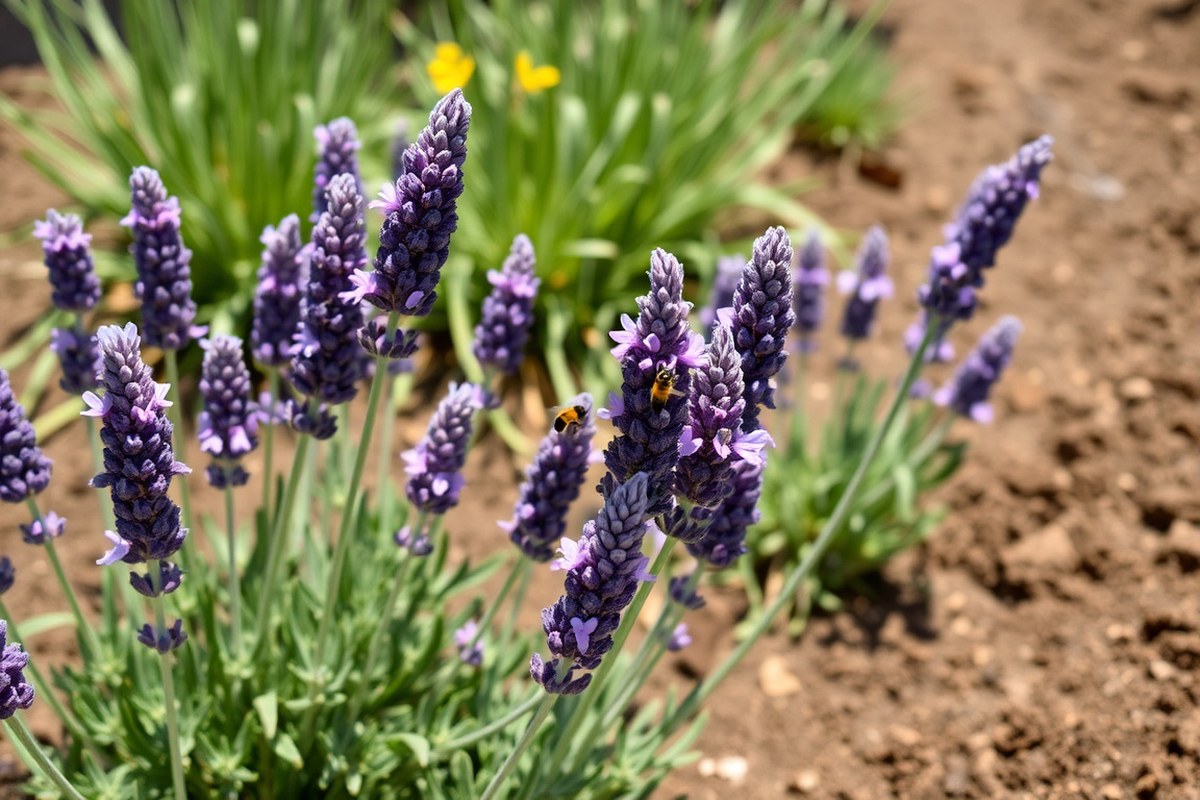
Learning to care for lavender means giving it plenty of sunlight. It also needs well-drained soil and the right amount of watering.
Lavender needs at least 6 to 8 hours of direct sun every day to grow strong. Avoid soggy soil because lavender hates wet feet and can develop root rot.
Water lavender plants deeply but infrequently, especially after planting. Check the soil and only water when it feels dry an inch down. This keeps the roots healthy without encouraging mold or fungus.
Pruning helps lavender stay bushy and bloom well. Cut back a third of the growth after flowering.
But don’t cut into old wood. This keeps your plants fresh and encourages new shoots to develop.
Key Takeaways
- Plant lavender where it gets 6 to 8 hours of sun daily.
- Use well-drained soil to prevent root rot problems.
- Water deeply but only when soil is dry about 1 inch down.
- Prune back one-third after flowering to encourage blooms.
- Space large lavender plants 3 to 4 feet apart for air flow.
- Use diluted liquid organic fertilizer every 4, 6 weeks in pots.
How to Care for Lavender Plants for Healthy Growth
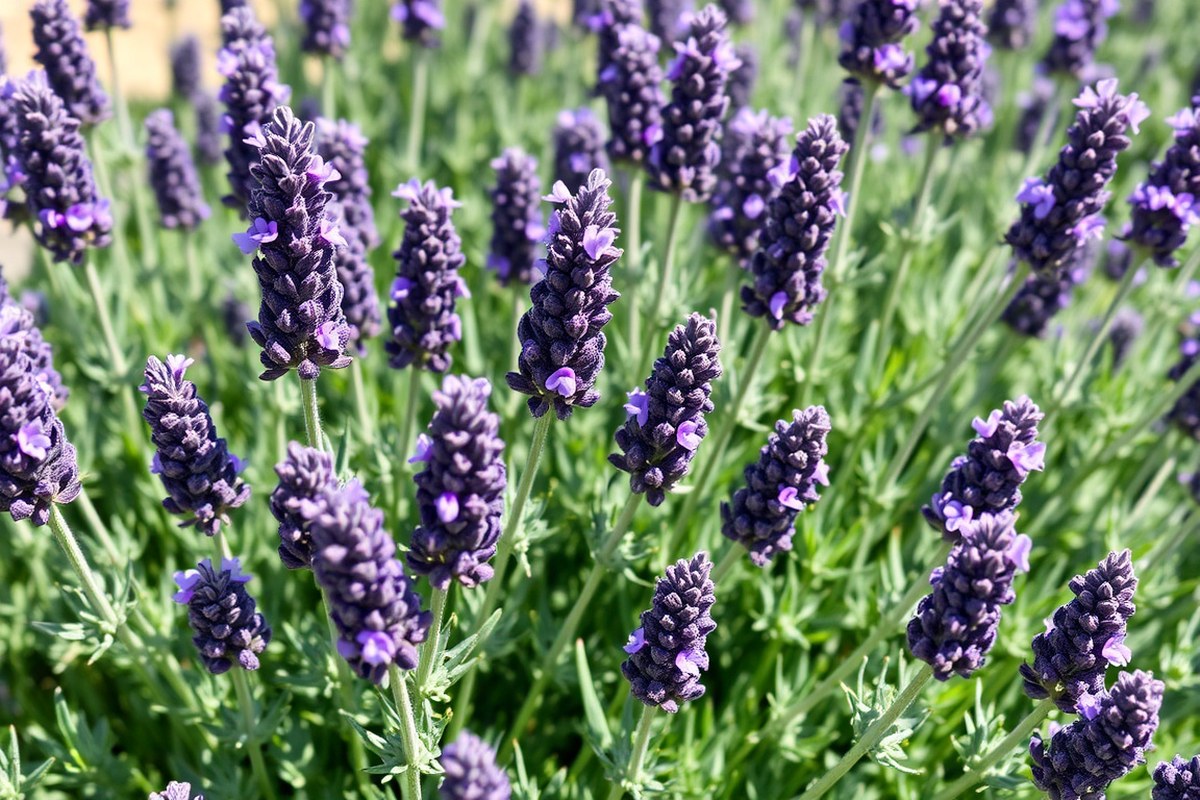
Lavender needs full sunlight to stay healthy. It requires at least 6 to 8 hours of direct sun daily. Without this, the plant may grow weak.
It could stop blooming. Weak plants get diseases more easily.
Temperature is another important factor. Lavender grows well in temperatures between 50 and 70 degrees Fahrenheit indoors during the growing season.
Once mature, it can handle cold down to 10 degrees Fahrenheit. This depends on the variety.
Good soil is key to healthy lavender. Use sandy, loamy, or gritty soil that drains well to prevent soggy roots. The ideal soil pH is between 6.5 and 8.0.
Avoid heavy clay or peaty soil. These hold too much water. That can cause root rot.
Care varies by season. In winter, skip watering if snow covers the soil. Snow slowly releases water to roots.
Water the plant lightly every few weeks. Do this if it stays dry and frost-free. Avoid watering if the soil is soggy.
Trim off old flower stems to keep lavender compact. Cut back top growth 2 to 3 cm. This pruning supports bushy growth and encourages better flowering later.
Watering Lavender: How Often and How Much at Each Stage
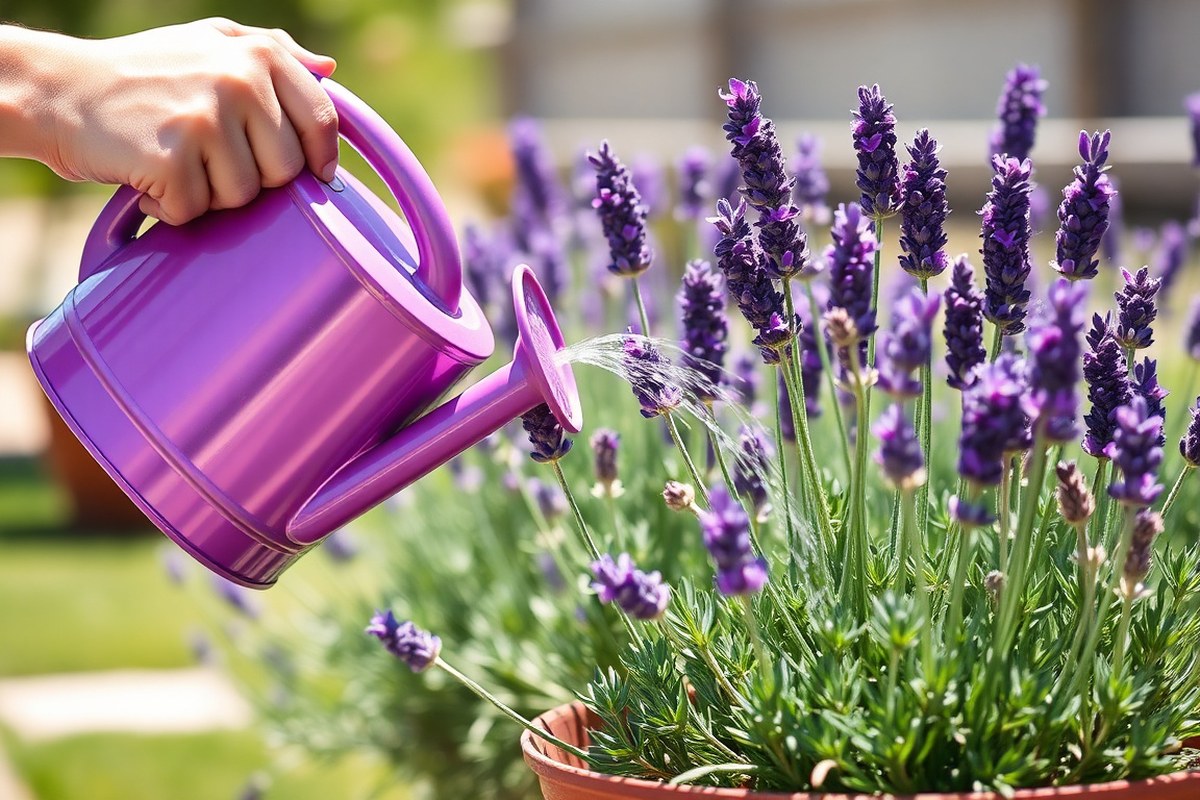
Watering lavender depends on how old the plant is and where it grows. Newly planted lavender needs water more often than mature plants. The roots must settle in and survive the early weeks.
Lavender doesn’t like sitting in wet soil. Too much water causes root rot, a major problem that can kill the plant quickly.
Alternatively, dry leaves may mean the plant needs a drink. But watch for overwatering since it mimics underwatering symptoms.
| Plant Stage | Watering Frequency | Primary Goal |
|---|---|---|
| Newly Planted | 2-3 times per week (depending on heat) | Root establishment & survival |
| Developing (Year 1-2) | Every 7-10 days | Strengthening root architecture |
| Mature | Only during extreme drought | Maintaining health without over-saturation |
Potted lavender needs different care than garden plants. Pots dry out faster and lose nutrients quicker. You often need to water container lavender more in spring and summer.
This happens especially when you move it outdoors. The air outside tends to be dry.
Water the soil until it feels moist but not soggy. Splashing water on leaves can cause problems. So aim the water at the plant base.
You can stop watering lavender in winter. Only water if the plant is growing inside or under cover.
Always let lavender soil dry out between watering to avoid root rot and stress.
Signs of underwatering show as wilting or dry, brittle leaves. Overwatering shows yellowing leaves and mossy soil. Learning these hints helps you adjust how often you water and keep lavender healthy.
Pruning Lavender: When and How to Promote Blooming
Prune lavender in early spring to boost growth and flowering. Use sharp, clean tools to avoid harming the plant. Cut back about one-third to keep the shape and stop it from turning woody.
Best Time to Prune Different Lavender Types
Most lavender varieties do well with pruning in early spring, around March or April. This helps remove dead branches and encourages fresh growth. Low-growing lavenders need lighter pruning, about 2 to 4 inches off.
Taller types grow 2 to 4 feet high. Cut back about a third of the plant.
Spanish lavender may also need a light trim after flowering to keep blooms coming. Pruning again in autumn can help keep your plants tidy going into winter.
Tools Needed and How to Use Them Properly
Use clean, sharp pruning shears or scissors to make clean cuts that heal fast. Dull tools can crush stems and slow recovery. Clean your tools with rubbing alcohol before and after pruning to prevent disease spread.
For woody branches, garden loppers work best because they give more use and a stronger cut. Avoid tearing or pulling on stems, as this damages the plant and invites pests. Handle your tools gently and work carefully for neat cuts.
Step-by-Step Pruning Technique for Healthy Growth
Follow these steps to prune lavender correctly and keep it healthy. Focus on cutting just above the green leafy parts, not into old wood. This helps the plant grow back strong and produce flowers.
- Identify dead or damaged branches and remove them first.
- Cut back about one-third of the plant’s height on taller varieties.
- Trim low-growing lavender by 2 to 4 inches to maintain shape.
- Aim for a neat dome shape by removing half to one-third of the foliage.
- Cut just above the bottom healthy leaves to avoid old wood.
- Pinch or trim faded flowers on repeat bloomers like Spanish lavender.
- Clean your tools after pruning to reduce disease risks.
Pruning more than two-thirds at a time can shock the plant and reduce blooms. Keep your cuts clean and avoid cutting into old, woody stems, which rarely regrow. When done right, lavender stays bushy, flowers more, and resists becoming leggy.
Choosing and Preparing Soil for Lavender Success
Lavender grows best in well-drained, sandy or gritty soil. A soil pH between 6.5 and 7.5 suits lavender well, meaning slightly acidic to neutral soil is ideal. Avoid heavy clay or waterlogged soils, since they trap moisture and can cause root rot.
Improving poor drainage is key if your soil is heavy. Dig up the planting area and mix in plenty of well-rotted compost or horticultural grit.
Adding coarse sand or perlite will help create a lighter, gritty texture. This way, water drains quickly, keeping roots healthy and happy.
Your soil stays soggy in winter. Try growing lavender in raised beds. Raised beds lift roots above wet ground and improve airflow.
You can also grow lavender in pots. Use a soil mix that drains well. Try cactus potting soil or mix garden soil, sand, and compost.
When planting in a container, pick a pot with drainage holes to avoid standing water. Use a soil mix with about one-third each of potting soil, coarse sand, and compost.
This mix keeps moisture balanced and gives the roots enough air. Water only when the soil feels dry on top.
Lavender doesn’t need rich soil and might actually prefer poor, lean soil. Fertilizing can help if your soil is very sandy or lacks nutrients, but avoid overfeeding. Too much fertilizer can make lavender lose its fragrance and bloom less.
Check your soil’s drainage by digging a hole 12 inches deep and filling it with water. The soil drains well when water leaves in under an hour. Drainage is slow.
Add more grit or raise the bed for better flow. Healthy lavender plants have firm roots and show fewer yellow leaves.
Fertilizing Lavender: What to Use and How Often
Lavender needs only light feeding to stay healthy and bloom well. Use gentle, balanced fertilizers like compost or slow-release types. Avoid heavy feeding and too much nitrogen to keep blooms fragrant and compact.
Recommended Fertilizers for Lavender
Well-rotted compost is the best choice for lavender. It adds nutrients slowly and improves the soil without overwhelming the plant. Balanced slow-release fertilizers also work well by feeding lavender over several months.
Bone meal is useful before planting or in early spring. It promotes strong roots and better flower formation. These options keep lavender growing steadily without pushing watery, weak shoots.
| Fertilizer Type | Suitability | Why Use It? |
|---|---|---|
| Well-Rotted Compost | High | Mimics natural decay; improves soil structure without overload |
| Balanced Slow-Release | Moderate | Provides steady, low-dose nutrients over several months |
| Bone Meal | Moderate | High in phosphorus, encourages strong roots and flowers |
| High-Nitrogen Synthetic | Low | Leads to leggy growth and fewer fragrant blooms |
These fertilizers keep lavender healthy and fragrant. Use compost or slow-release options yearly or at planting.
Application Frequency for Different Growing Conditions
Garden lavender only needs feeding once a year. Add compost or bone meal in early spring. Avoid feeding after mid-summer to prevent late, weak growth.
Potted lavender requires more attention. Fertilize your lavender every 6 to 8 weeks. Use a balanced slow-release or liquid feed.
Do this from spring to late summer. Containers drain nutrients faster, so regular feeding helps.
Watch for signs of nutrient overload like very soft stems or fewer flowers. That means cut back feeding or skip it next cycle.
Fertilizers to Avoid and Why
High-nitrogen fertilizers encourage fast, leafy growth. This turns lavender leggy and weak rather than compact and blooming. These fertilizers also reduce fragrance.
Avoid synthetic fertilizers with heavy nitrogen or too much fertilizer overall. Lavender is a “minimalist” needing only a little nutrition. Overfeeding can damage the plant and soil life over time.
Skip frequent liquid feeds or high-dose fertilizers especially on garden plants. Only use balanced, slow nutrients at proper intervals.
Too much fertilizer can make lavender loose its compact shape and scent. Feed lightly and watch growth.
Propagating Lavender: Step-by-Step from Cuttings
Propagating lavender from cuttings is a reliable way to grow new plants. The best time to take cuttings is in late spring or early summer. After taking cuttings, expect roots to form in about 4 to 6 weeks.
Gathering Materials and Preparing Cuttings
Start by collecting healthy lavender stems for cuttings. Choose young, non-flowering shoots about 3 to 5 inches long. Avoid woody stems because they root slowly and less successfully.
You’ll need clean scissors or pruning shears. Also, grab a small container.
Use rooting hormone if you have it. The hormone helps speed up rooting but isn’t required for success.
- Cut 3- to 5-inch long stems from healthy lavender shoots.
- Remove leaves from the bottom half of each cutting.
- Dip the cut end into rooting hormone powder or gel (optional).
- Prepare a small pot or container with a well-draining potting mix.
- Make holes in the soil with a pencil or stick for easy planting.
- Insert each cutting into a hole, firming soil around the stem.
- Water lightly to settle the soil but avoid soaking it.
Planting and Caring for Cuttings
Place the cuttings in bright, indirect light. Avoid direct sun, which stresses new cuttings. Keep soil moist but not wet to reduce root rot risk.
High humidity helps cuttings grow roots faster. Use a plastic cover or clear bag to create a mini greenhouse. Remove the cover daily for air exchange and to prevent mold.
Maintain a temperature around 65 to 70 degrees Fahrenheit to encourage root growth. Avoid drafts or sudden temperature drops, which can slow rooting.
Monitoring Root Development and Timing
Roots generally begin forming within 4 to 6 weeks of planting. Gently tug each cutting after this time to check resistance. A slight pull that feels anchored means roots have developed.
Once roots appear, gradually acclimate cuttings to full sun and normal humidity. After 1 to 2 weeks, transplant rooted cuttings into larger pots or garden beds.
Be patient during the early growth stage. Pushing plants too fast or overwatering can cause cuttings to fail. Wait until they have a good root system before heavy watering or fertilizing.
Harvesting and Drying Lavender Flowers for Use
Harvest lavender flowers when about half the blossoms have opened. This timing helps the plant keep producing more flowers after you cut the stems. For sachets or potpourri, begin harvesting when flowers show color.
Harvest before the flowers fully bloom. This keeps the scent strong.
Cut no more than 100 stems in each bundle. This keeps the bundle manageable and promotes good airflow for drying.
Avoid cutting into woody parts of the plant. Use hand pruners for clean cuts on thick stems, which helps keep the lavender fresh longer.
Dry lavender in a dark, cool, and well-ventilated spot. Hang the bundles upside down to keep their fragrance and color. After the flowers dry completely, remove the stems.
Store the flowers in an airtight container. This helps keep their scent fresh.
Follow these steps to harvest and dry lavender properly:
- Choose stems with flowers about half open to maximize blooms later.
- Use hand pruners to cut stems cleanly near the base but avoid woody parts.
- Gather up to 100 stems and tie them loosely into a bundle.
- Hang bundles upside down in a cool, dark, and well-ventilated area.
- Check daily to ensure no mold develops and remove any unhealthy flowers.
- Leave bundles hanging for two to four weeks until flowers feel dry and brittle.
- Strip flowers from stems gently if you want loose dried petals or keep stems for bouquets.
- Store dried lavender in airtight containers away from light to keep fragrance.
Protecting Lavender from Pests, Diseases, and Winter Damage
Lavender usually resists most pests due to its strong scent. But a few can cause trouble.
Rosemary beetles, with shiny purple-green stripes, sometimes eat leaves and flowers. Another problem is fungal diseases, which appear if air around lavender is too still and moist.
To stop pests naturally, check plants often for these beetles. Pick them off by hand or spray with insecticidal soap, which costs about $10 to $15.
Making sure lavender grows with enough space helps air flow, drying leaves and reducing fungal risks. Avoid wetting the foliage when watering because damp leaves invite diseases.
Lavender’s hardiness depends on the type. English lavender (Lavandula angustifolia) handles cold winters well. French and Spanish types need more care in winter.
When winter gets harsh, wrap plants in breathable burlap fabric. This helps keep frost off and protects your plants outdoors. Don’t use plastic covers since they trap moisture and cause rot.
Never water lavender too much in winter. Just a little moist soil keeps roots healthy.
A good winter temperature range for lavender lies between 45 and 65 degrees Fahrenheit. Nights below freezing call for extra mulch around your plants’ base. This shields roots from frost damage through cold nights.
Use mulch about 2 to 3 inches thick for best results. Keep the mulch a few inches away from stems. This prevents the stems from rotting.
Protecting lavender against pests and winter cold takes some watching and small steps. Check your plants each week and prune them to boost airflow. Add more mulch or covers if your area gets colder.
You want to protect them well. Spending a little time on these actions can keep your lavender healthy through seasons.
Step-by-Step Action Plan for Growing and Caring for Lavender
Follow these clear steps to grow and maintain healthy lavender plants from planting to harvest.
- Before planting: Choose well-draining soil with neutral to slightly alkaline pH. Test soil if unsure.
- Day 1: Plant lavender in a sunny spot with good airflow. Check soil drains within 30 minutes of watering.
- Week 1: Water lightly but regularly. Soil should stay moist but not soggy. Adjust watering if leaves wilt.
- Month 1: Apply a balanced, slow-release fertilizer once. Look for steady new growth to confirm nutrition.
- Month 2: Prune lavender lightly after flowering starts. Cut back one third of plant height to encourage blooms.
- Spring, Year 1: Take semi-hardwood cuttings to propagate new plants. Roots should appear in 3 to 4 weeks.
- Summer: Harvest flowers when fully open. Dry them in a warm, airy place until stems snap easily.
- Fall: Protect plants with light mulch or cover before frost. Check leaves for pests or disease signs weekly.
Frequently Asked Questions
Can Lavender Survive Indoors Without Direct Sunlight?
Lavender usually needs 6-8 hours of direct sunlight to thrive well. You can put it by a south-facing window.
Grow lights also work well indoors. Both give it enough light to grow.
How Often Should You Repot Lavender Plants Indoors?
Repot lavender every 1-2 years to refresh soil and space for roots. Choose a pot one size larger with good drainage holes to prevent root rot.
What Is the Best Time of Day to Water Lavender?
Water lavender early in the morning to let the leaves dry during the day. Wet leaves can increase the risk of fungal diseases if watered late or at night.
Can You Grow Lavender from Seeds Indoors?
Yes, but growing lavender from seeds indoors takes patience. The plant may take years before blooming.
It needs steady warmth. It also requires consistent light.
How Do You Prevent Lavender from Getting Root Rot?
Avoid overwatering and plant lavender in well-draining soil or pots with drainage holes. Allow the top inch of soil to dry before watering again.
Is Lavender Deer-Resistant in Outdoor Gardens?
Lavender’s strong scent usually repels deer and rabbits. Still, in harsh conditions or food shortages, animals might browse on it.
Key Points to Remember
Lavender thrives with proper soil, watering, pruning, and protection. Get started with planting in a sunny spot today. Enjoy your fresh lavender blooms this season and keep watching your plants grow strong.