How to Save Watermelon Seeds: Complete Step-by-Step Guide for Reliable Results
Knowing how to save watermelon seeds lets you grow melons year after year. Save seeds from healthy, fully ripe watermelons for the best quality. Clean the seeds well and dry them thoroughly before storing.
Proper drying prevents mold and keeps seeds alive longer. Store seeds in a cool, dark place between 32°F and 41°F to preserve viability. Avoid storing seeds while they’re still moist.
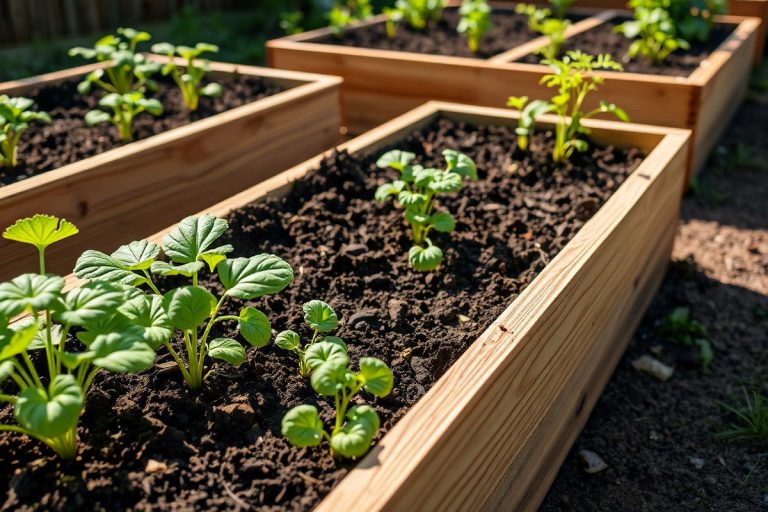
Start seeds indoors 4 to 6 weeks before the last frost date. This helps seedlings grow strong before moving outside. Watermelon seeds sprout in 4 to 12 days in warm soil around 86°F.
With proper care, expect melons 70 to 110 days after planting. Saving seeds saves money and helps you enjoy favorite varieties again.
Key Takeaways
- Save seeds only from fully ripe, well-grown watermelons for best results.
- Wash and dry watermelon seeds completely before storing them to avoid mold.
- Store seeds in airtight containers kept between 32°F and 41°F for longevity.
- Keep seed storage spots cool, dark, and dry to preserve viability.
- Start seeds indoors 4 to 6 weeks before the last frost for earlier harvests.
- Plant watermelon seedlings when soil reaches around 30°C for best germination.
How to Save Watermelon Seeds Step-by-Step
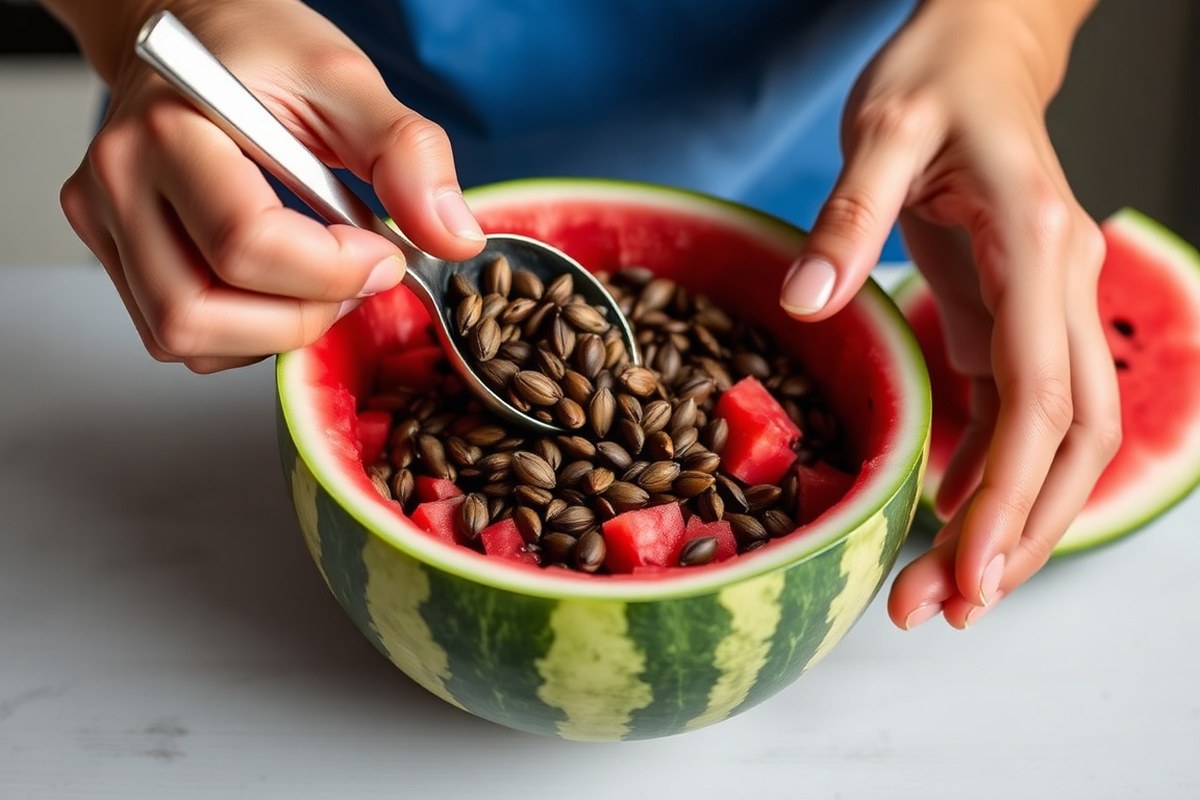
Saving watermelon seeds starts with picking ripe melons and extracting seeds carefully. Clean the seeds to remove flesh, ferment to reduce disease risk, then dry completely before storage. This process helps keep seeds healthy and ready for planting next season.
Selecting Ripe Watermelons for Seeds
Choose watermelons that are fully ripe to get viable seeds. Look for deep color and a hollow sound when tapped. Avoid melons with soft spots or signs of rot to protect seed quality.
Saving seeds from 5 to 10 melons helps keep your variety strong and genetically diverse. Avoid hybrids because their seeds may not produce true-to-type plants. Ripe fruit ensures seeds have matured enough for planting later.
Extracting and Cleaning Seeds
Extract seeds from the ripe watermelon by cutting it open and scooping out the seeds. The seeds will still have some red flesh stuck to them. This flesh must be removed to prevent mold during storage.
Rinse the seeds gently in water to wash away pulp and debris. Soak the seeds for 5 to 10 minutes if the pulp is hard to remove. Use your fingers or a strainer to rub off leftover fruit pieces.
Be careful not to damage the seeds while doing this. Take your time to clean them gently.
Fermenting Seeds Safely
Fermentation helps remove the gel layer around watermelon seeds and reduces disease risk. Not everyone ferments seeds, but it can improve long-term viability. You can do it by placing cleaned seeds in a jar with some water.
Leave the seeds in the jar at room temperature for 2 to 4 days. Stir or shake the jar daily and check for mold or bad smells. When a layer of foam or discolored pulp appears on top, pour off the water.
Then rinse seeds thoroughly with clean water. Make sure to remove all residue.
Drying Seeds Completely
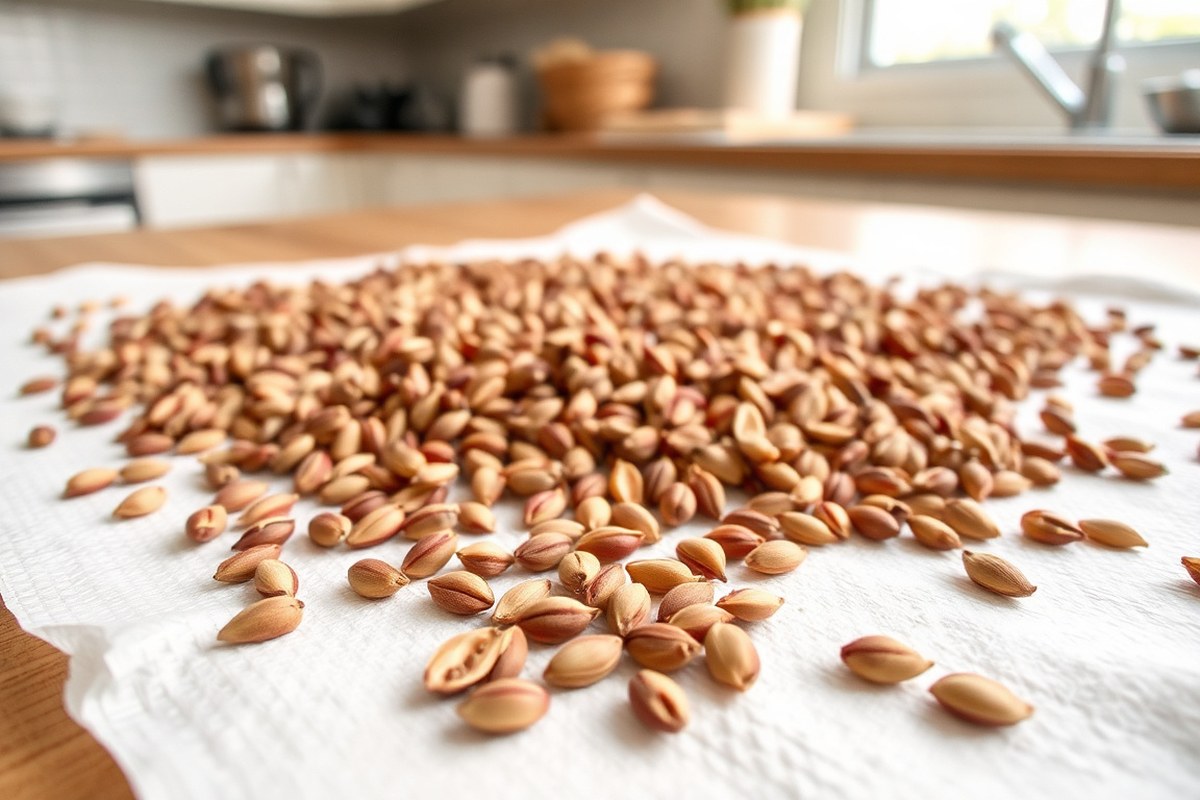
Drying seeds thoroughly is important to keep them from rotting in storage. Spread cleaned and fermented seeds on a screen or paper towel in a single layer. Place them in a shady, well-ventilated area where air circulates freely.
Seeds need 12 to 24 hours to dry until they are bone-dry and no longer sticky. Turning seeds occasionally helps even drying. Store seeds only after they feel hard and crisp to the touch to maintain germination quality.
- Select 5-10 ripe watermelons with deep color and hollow sound.
- Cut open watermelons and scoop out seeds with some flesh attached.
- Soak seeds 5-10 minutes in water, then rub gently to remove pulp.
- Rinse seeds thoroughly under running water to clean off debris.
- Place seeds in a jar with water and ferment at room temperature for 2-4 days.
- Stir seeds daily, discard foam, rinse seeds well after fermentation.
- Spread seeds on a screen or paper towel in a dry, airy spot.
- Let seeds dry for 12-24 hours until firm and completely dry.
Which Watermelon Seeds Are Worth Saving?
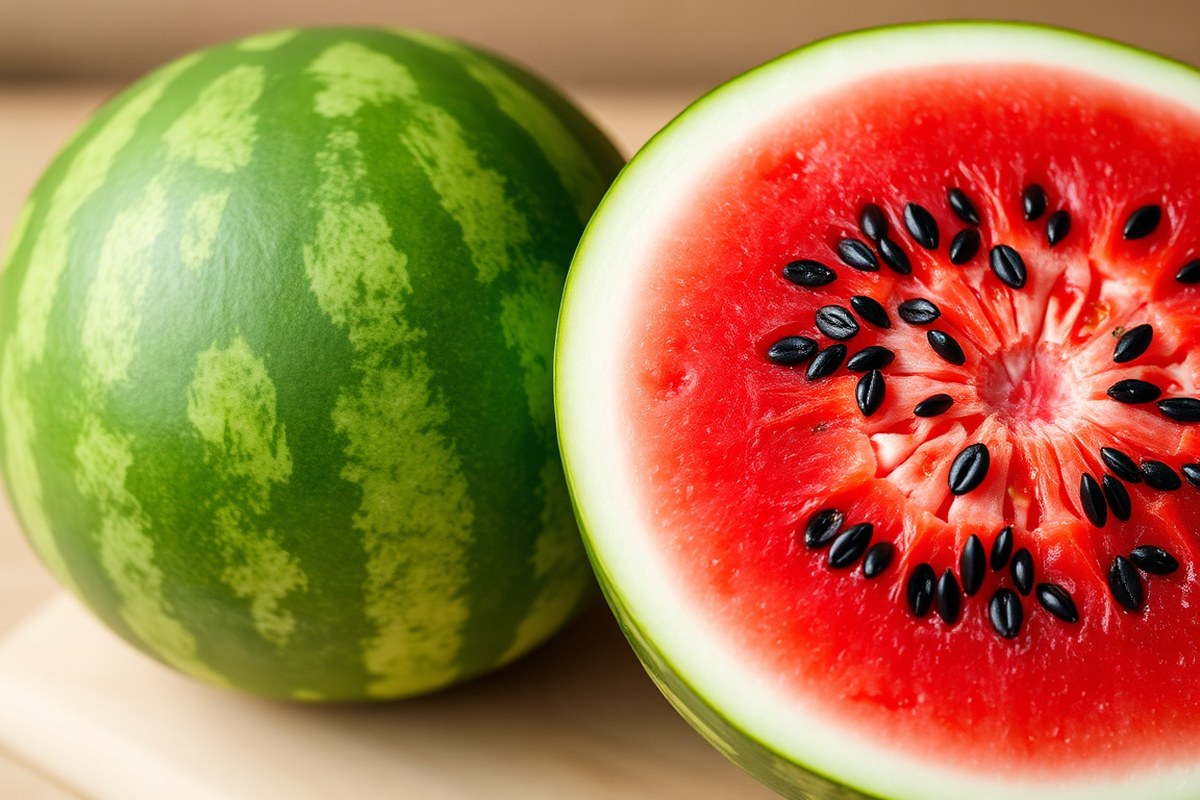
Save seeds only from open-pollinated or heirloom watermelons. These types breed true, giving plants the same traits each year. Hybrid watermelon seeds often don’t grow true, leading to unpredictable fruit and vine quality.
You should ask the seed company before saving seeds from a hybrid. Some hybrids allow saving seeds, but many don’t.
Using seeds from hybrids usually means losing the original traits. So avoid it if you want consistent crops.
Pick watermelons that are fully ripe and healthy when harvesting seeds. Choose at least 5 to 10 fruits to keep good genetic diversity. This reduces inbreeding and helps plants resist diseases and environmental stress.
Keep watermelon varieties at least 800 feet apart when saving seeds. This distance prevents cross-pollination, which can mix traits and ruin pure seed lines.
When space is tight, hand-pollinate flowers. Then, isolate those fruits for saving seeds.
Always save seeds from watermelons you grew yourself. Avoid seeds from store-bought hybrids. Only trust seeds from reliable sources.
Heirloom varieties bring back old flavors and rare types that you won’t find in grocery stores. Saving seeds from these helps preserve these unique plants. Growing your own also means you know the plant’s health and conditions, boosting seed quality.
Open-pollinated seeds work best for home gardeners wanting to save seeds year after year. They are easy to maintain and dependable. Grow multiple fruits and keep varieties separate.
This gives you trusted seeds. It also helps stable crops later.
Best Methods to Dry Watermelon Seeds for Longevity
Air drying is the safest and most common way to dry watermelon seeds. It takes about 1 to 2 weeks to dry seeds fully. Spread them on a paper towel or cardboard.
Keep them in a cool, well-ventilated room. This slow drying helps prevent mold and keeps seed viability high for years.
Oven drying can be risky, even at low temperatures like 150°F to 200°F. Using heat can damage seeds or reduce their germination rates. It’s best only to use very low heat settings for a short time. Only if you are certain seeds are nearly dry to avoid cooking them.
| Drying Method | Time Required | Temperature | Pros | Cons |
|---|---|---|---|---|
| Air Drying | 1-2 weeks | Room temperature (65°F-75°F) | Gentle, prevents mold, preserves viability | Slow, requires monitoring |
| Oven Drying (Low Heat) | 1-3 hours | 150°F to 200°F | Faster drying when done carefully | Risk of overheating, seed damage |
| Microwave Drying | Not recommended | High heat | Quick drying | High risk of killing seeds |
| Sun Drying | Several days | Variable, depends on sun intensity | Natural method | May cause uneven drying or overheating |
Let the seeds dry on a flat surface to avoid clumping or moisture buildup. Check regularly and stir gently to help air flow around seeds. Watch for any sign of mold or sticky spots, and remove bad seeds immediately.
Seeds must be completely dry before storage. Storing slightly damp seeds causes mold and seed death.
Once dry, keep seeds in a cool, dark place in airtight containers for best longevity. Drying properly is key to saving seeds that stay viable 5 years or more.
How to Store Watermelon Seeds for Maximum Shelf Life
Your watermelon seeds last longest when stored cool, dark, and dry. Keep them in airtight containers like glass jars or plastic tubs with seals. These containers block moisture and air, preventing mold and seed aging.
The best temperature for storing watermelon seeds is 32°F to 41°F (0°C to 5°C). A refrigerator’s crisper drawer often works well. Don’t freeze seeds unless you’ll plant them soon.
Freezing can lower seed quality over time. Use freezing only for storage under a few months.
Humidity under 60% is key. High moisture makes seeds moldy or spoil quickly. Don’t store seeds in plastic bags alone.
Make sure seeds are fully dry first. Then put bags inside airtight containers.
Paper envelopes alone let in moisture. So use them only combined with a sealed jar or bag.
Store the seeds somewhere dark, like a cupboard or drawer. Light damages seeds over time.
Label each container with the seed variety and the date you stored them. This helps keep track of how old the seeds are and prevents mixing varieties.
| Storage Condition | Recommendation |
|---|---|
| Temperature | 32°F, 41°F (0°C, 5°C) |
| Humidity | Below 60% |
| Light Exposure | Keep in a dark place |
| Container | Airtight jar or plastic container |
| Storage Duration | Up to 4 years |
You’ll need airtight glass jars or plastic containers. Also get labels and a permanent marker. Find a cool place to store the seeds.
Make sure seeds are fully dry before storing to avoid mold. Check stored seeds every year and plant some to confirm they still sprout well.
How to Test Watermelon Seed Viability Before Planting
Testing saved watermelon seeds before planting helps you avoid wasting time on seeds that won’t sprout. A simple germination test tells you how many seeds in your batch are still viable. This test uses a damp paper towel to start sprouting.
Check the seeds after about a week. This helps you see how many sprouted.
Setting Up a Germination Test
Prepare a small batch of saved seeds for the germination test. You’ll need moist paper towels, a zip-top bag or container, and a warm spot around 70°F. This setup simulates ideal conditions for sprouting without soil.
- Moisten a paper towel until damp but not dripping.
- Place 10 to 20 seeds evenly spaced on the paper towel.
- Fold the towel over the seeds to cover them.
- Put the towel and seeds inside a sealed plastic bag or container.
- Set the bag or container in a warm spot with about 70°F temperature.
- Check daily to ensure the towel stays moist; add water if it dries.
- Look for sprouts after 7 to 10 days.
Keep the paper towel moist but not soaked. Too much water can cause mold growth on seeds.
Counting and Recording Germinated Seeds
After 7 to 10 days, count how many seeds have sprouts showing. A visible sprout longer than a quarter-inch means the seed is viable. Record the total number of seeds tested and how many sprouted for clear comparison.
For example, if you test 20 seeds and 12 sprout, your germination rate is 60%. This number shows how healthy your seed batch is.
It tells you how well seeds might grow. Healthy seeds usually grow better in your garden.
Deciding Seed Batch Usability
More than half the seeds sprouting means your batch is good. You can go ahead and plant them. A germination rate above 50% usually means you can expect a fair to good crop.
Less than half the seeds sprout means plant more seeds. You might also want to find fresher seeds.
For instance, a 30% germination rate means fewer plants will grow. You might plant twice as many saved seeds or buy new seeds for better success. Keeping track of these results every year helps you improve your seed-saving practice.
When and How to Plant Saved Watermelon Seeds
Start watermelon seeds indoors about 4 to 6 weeks before the last frost date. This gives seedlings a head start on the growing season. Use a seed tray or small pots with good seed-starting mix for best results.
Watermelon seeds need warm soil to germinate well. Aim for soil temperatures between 70°F and 95°F. A heat mat under trays helps keep temperature steady.
This works well if your home is cool. It prevents temperature drops that affect seed growth.
Before planting, soak your saved seeds in warm water for 24 hours. This softens their coat and helps with faster sprouting. After soaking, plant seeds ½ inch deep in moist soil.
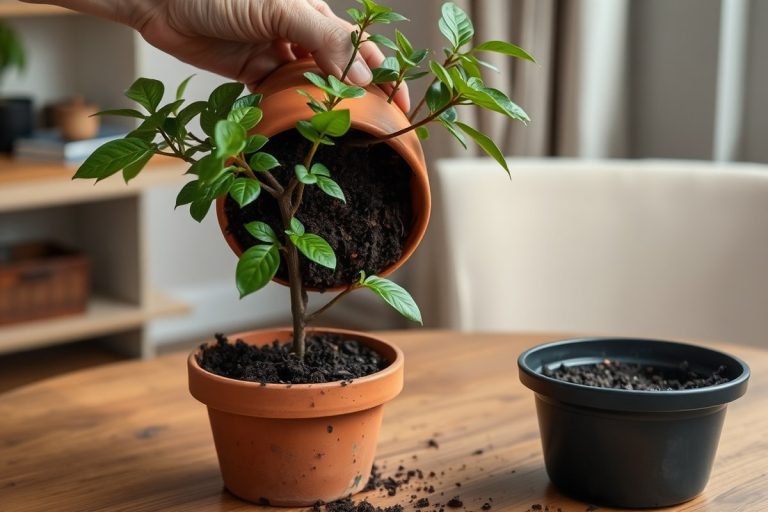
Move seedlings outdoors only when nighttime temperatures consistently stay above 50°F. Harden them off first by setting them outside a few hours daily for about a week. This reduces transplant shock and helps plants grow stronger.
Plant watermelon seedlings into sunny, well-drained soil with plenty of organic matter. Space them in 12-inch tall hills at least 6 feet apart to allow room for vines. Water regularly, but do not overwater to avoid root problems.
You can start seeds indoors up to 6 weeks early. Doing this extends your planting time in the garden.
However, keep in mind that watermelon plants don’t like being crowded or pot bound. Transplant promptly once seedlings have at least two true leaves.
Successful germination and growth depend on good timing and soil temperature. Planting outdoors too early can harm your seeds. Cold soil may cause seeds to rot.
Seedlings also grow slowly in cold soil. Waiting for warm soil speeds up germination and increases plant vigor.
Common Mistakes to Avoid When Saving Watermelon Seeds
Not drying watermelon seeds well is a frequent mistake. Wet seeds can start to mold quickly and lose their ability to sprout. Always air dry seeds in a warm and airy spot.
Let them dry completely. This usually takes 5 to 10 days.
Over-fermenting seeds is another error that can ruin them. Seeds need 2 to 4 days of fermentation in water. Keep them in a jar during this time.
This helps dissolve the gel around seeds. Leaving them longer can cause a bad smell and harm seed quality. Drain the seeds once the slimy coating starts to loosen and rinse them well.
Many gardeners use tap water to rinse seeds, which is mostly fine. The chlorine in tap water often helps reduce bacteria and fungus.
Use filtered or rainwater if tap water is hard or has extra chemicals. This helps protect seed health.
- Don’t mix seed varieties or you’ll lose pure traits.
- Label seed containers with variety name and harvest date.
- Never store seeds wet; moisture causes mold and rot.
- Avoid soaking seeds after drying; it kills them.
- Keep seeds in a cool, dry place to extend shelf life.
- Use breathable containers like paper envelopes, not plastic bags.
Mixing seeds from different watermelon types spoils genetic purity and makes future plants unpredictable. Hand-pollinate flowers to avoid cross-pollination. Label each seed batch with clear info so you know what you have.
Avoid soaking dried seeds because it can stop them from sprouting. Store seeds in paper envelopes or glass jars after drying. Make sure the lids are tight.
This keeps moisture out. Cool, dark storage keeps seeds alive longer, usually up to 4 years.
Maintaining Variety Purity and Genetic Diversity
Save seeds from several watermelon fruits to maintain variety purity and genetic diversity. Keep different watermelon types 800 feet apart to avoid cross-pollination. You can hand-pollinate flowers to control which plants mate.
This helps keep traits true. Do this if you don’t have enough space between plants.
Why Save from Multiple Fruits?
Saving seeds from several watermelons boosts genetic diversity. This diversity helps plants resist diseases and handle changing weather. Using seeds from just one fruit risks losing those valuable traits.
Choose fruits that show the best traits you want to pass on. Select watermelons with strong flavor, size, and disease resistance for your seed crop. Over several years, this produces consistent, reliable seeds.
Recommended Isolation Distances
Keep watermelon varieties at least 800 feet apart to keep their seeds true-to-type. Bees and other insects carry pollen, so close planting can lead to unwanted cross-pollination. Isolation works best for gardeners with large spaces.
You’ll have purer seed with that distance, but many home gardeners can’t manage it. Planting varieties close will cause some mixing of traits.
Expect this when you save seeds from close plants. Still, you can enjoy tasty watermelons and keep some diversity.
Hand-Pollination Techniques
Hand-pollinating watermelon flowers stops cross-pollination when isolation isn’t possible. Early in the day, use a small brush or cotton swab. Transfer pollen from the male flower to the female stigma.
This helps control pollination and seed traits. Label the pollinated flower to track the seed’s parentage.
This method takes extra time but ensures only chosen plants mate. Keep male and female flowers separate before pollinating to avoid accidental pollen transfer. Hand-pollination works well in gardens with limited space or multiple watermelon varieties.
Write down hand-pollination dates and parent plants in a simple journal. This helps you track your seed sources clearly. Keep this information easy to read and organized.
Step-by-Step Action Plan for Saving Watermelon Seeds
Follow these steps to save watermelon seeds that grow well next season. Check each step to make sure it’s done right.
- After Harvest: Choose fully ripe watermelons with healthy seeds. You’ll see seeds dark brown or black and firm.
- Within 1 Day: Scoop out seeds and pulp. Rinse seeds thoroughly under cool water to remove all fruit bits.
- Day 2-4: Soak rinsed seeds in water for 24 hours to help remove pulp residue. Seeds should settle at the bottom.
- Day 5: Dry seeds on a paper towel in a cool place. Make sure air can flow well around them. Keep them away from moisture while drying. Seeds should feel dry and hard after 7 days.
- Day 12: Test seed viability by placing 10 seeds on a damp paper towel. Check for sprouting over 7 days. At least 70% sprouting shows good seed quality.
- After Viability Test: Put the dry seeds into an airtight container. Add a label with the date and seed variety. Store the container in a dry spot. Keep container in a cool, dark, and dry spot.
- Before Planting Season: Start seeds indoors or soak them overnight. Healthy seeds will sprout within 7-10 days.
Frequently Asked Questions
Can I Save Seeds from a Hybrid Watermelon?
It’s best to avoid hybrid seeds since they often don’t grow true to type. Saving seeds from heirloom or open-pollinated watermelons ensures you get the same fruit next year. Hybrid seeds tend to produce unpredictable plants with varied fruit quality.
How Long Can Watermelon Seeds Be Stored?
Properly dried and stored watermelon seeds can last 3 to 5 years. Keep them in a cool, dry place inside an airtight container to maintain their viability. Avoid heat, moisture, or sunlight, as they can reduce seed lifespan.
Do Watermelon Seeds Need to Be Fermented Before Saving?
Fermenting watermelon seeds isn’t necessary but can help remove the gel coating. This process improves drying and storage success by preventing mold. Rinse seeds well after fermenting and dry them thoroughly before storing.
Can I Save Seeds from Small or Underripe Watermelons?
No, only fully ripe watermelons produce viable seeds worth saving. Seeds from underripe or small fruit may be immature and fail to grow. Wait until the watermelon is sweet and ripe before harvesting seeds.
Should I Save Watermelon Seeds Every Year from the Same Plant?
It’s better to save seeds from multiple healthy plants to maintain genetic diversity. Collect seeds from at least 5 to 10 watermelons to avoid inbreeding problems. Diversity helps keep the plants strong and disease-resistant.
How Do I Know If Saved Seeds Will Grow Healthy Seedlings?
Conduct a germination test by planting a sample of the saved seeds in warm soil. If at least 75% germinate, the seeds are healthy and viable. This simple step helps avoid wasting time on poor seeds.
The Bottom Line
Saving watermelon seeds is simple when you follow the right steps carefully. Try saving seeds this season to enjoy your own watermelons next year. Start now by picking the best ripe melon in your garden today.