Can Petunias Survive Frost? What Actually Works to Protect Them
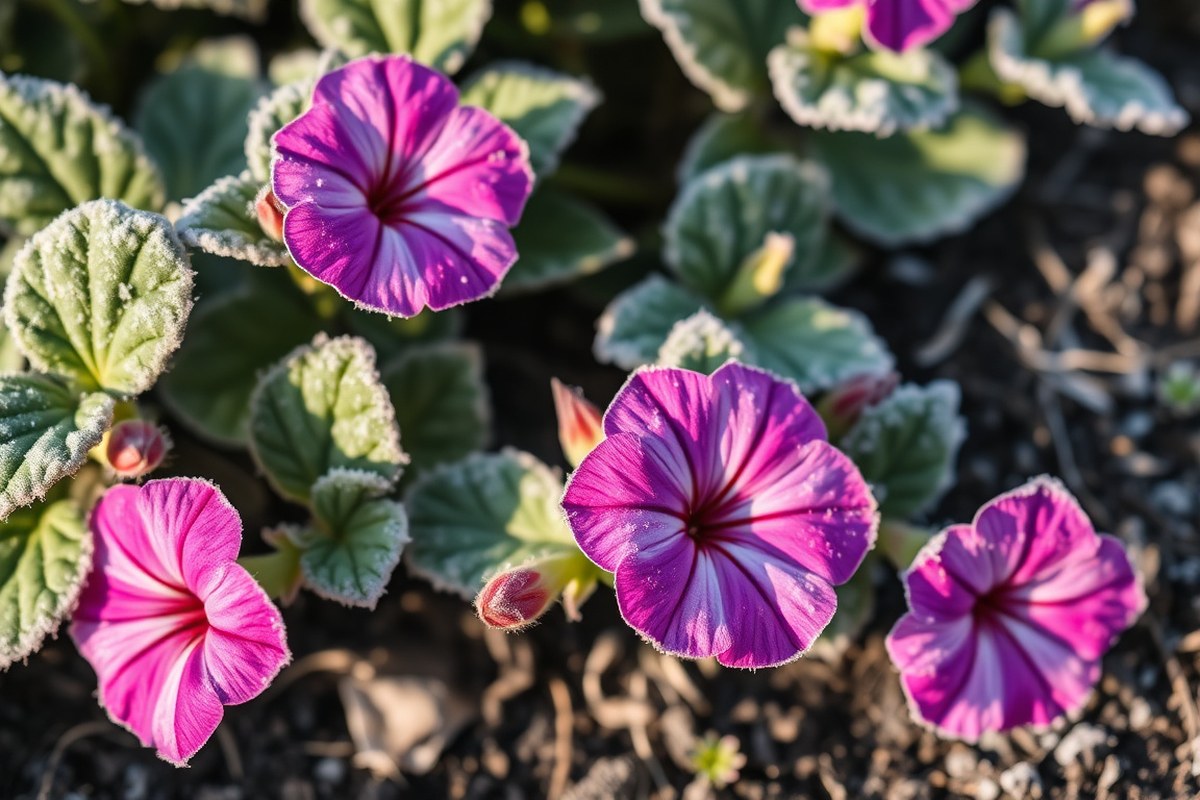
Can petunias survive frost? They can, but only if the frost isn’t too harsh or long.
Petunias tolerate brief dips below 32°F, but temperatures under 28°F usually kill them. Quick action helps, like covering plants when frost threatens.
Wave petunias resist cold better and can survive down to about 20°F. Still, a hard freeze is likely fatal for most petunias. Watch temperature forecasts carefully in spring and fall to protect your plants.
Start petunias indoors 6 to 10 weeks before the frost date. This helps you get a head start. Early indoor planting boosts spring blooms.
Transplant when they reach 8 inches tall and the danger of frost has mostly passed. That reduces your risk of losing young plants.
Key Takeaways
- Petunias die below 28°F; protect them at or before freezing temperatures.
- Wave petunias survive colder weather than other types, down to 20°F.
- Cover petunias quickly if frost is expected overnight or during early morning.
- Start seeds indoors 10 weeks before last spring frost to avoid cold damage.
- Transplant petunias outside only when plants reach 8 inches tall for strength.
- Beware of hard freezes, which usually kill petunias despite protection efforts.
Can Petunias Survive Frost and to What Extent?
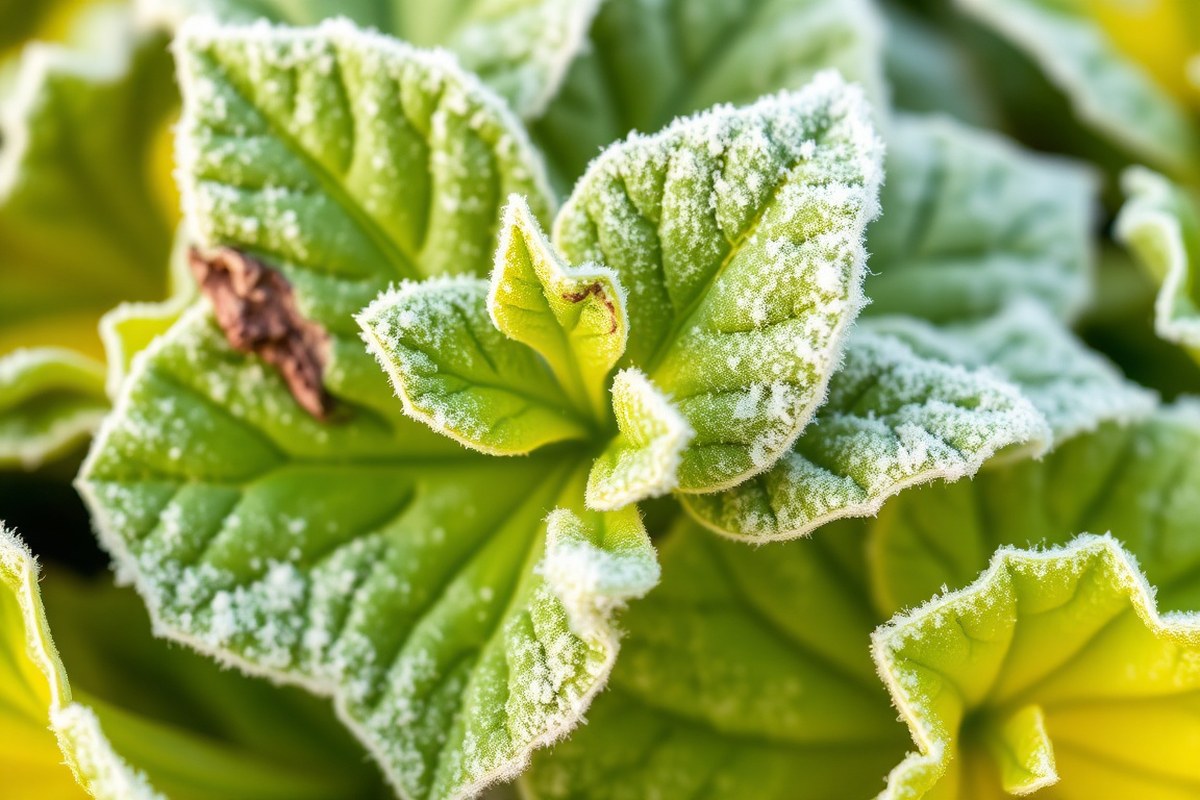
Petunias are tender annuals that usually don’t survive frost well. When temperatures dip to 32°F, frost can damage their leaves and stems, causing stress.
Short exposure to a light frost might not kill them. But their growth slows down and they look unhealthy.
Temperatures below 28°F are more dangerous. A hard freeze at or under this point often kills petunias outright.
This can happen after several hours below freezing. Freezing cells inside their stems and roots burst, which leads to permanent damage or death.
The difference between a light frost and a hard freeze matters. A light frost around 30°F to 32°F can cause leaf tip damage.
Petunias may bounce back if they’re healthy and the frost doesn’t last long. However, a hard freeze below 28°F typically means they won’t survive, especially without protection.
How long petunias survive below freezing depends on the temperature and exposure time. A brief frost of 15 minutes near 32°F might only cause minor damage.
But staying below 28°F for several hours usually kills the plants. Older, established petunias handle light frost better than new transplants.
Some petunias, like Wave varieties, tolerate cooler temps better and might survive down to 20°F. But most types start dying below 28°F. If you see temperatures falling near or below freezing, it’s best to cover or move your petunias quickly to avoid losing them.
Which Petunia Varieties Are More Resistant to Cold?
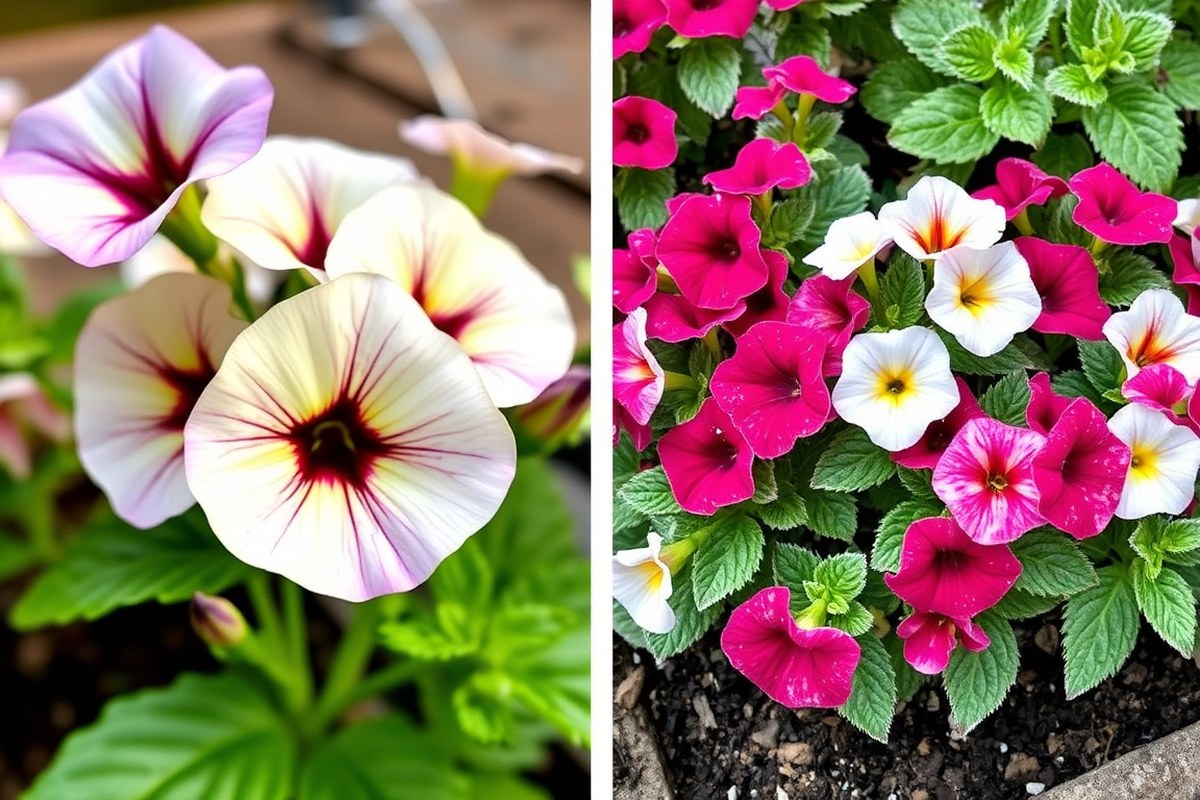
Different petunia varieties vary in their cold tolerance, but all are sensitive to frost. Most petunias start showing damage below 39°F. Some hybrids and relatives handle colder temps better but still need frost protection.
| Petunia Variety | Cold Tolerance | Survival Notes |
|---|---|---|
| Common garden petunias | Above 39°F (4°C) | Die quickly with frost; no freeze survival |
| Wave series (modern hybrid) | Down to ~35°F (1.5°C) | Can survive brief cold spells; protect under frost |
| Seed-grown & wild-type petunias | Slightly below common petunia range | Modestly better cold tolerance; still frost-sensitive |
| Calibrachoa (petunia relative) | Modestly more cold-tolerant | Needs protection below Zone 9; no true freeze survival |
| Pansies (not petunias, for comparison) | Down to 20°F (-7°C) | Cold-hardy perennial; survives brief freezes |
Wave petunias are your best bet if you want more cold tolerance. They sometimes bounce back after a light frost with good protection. Seed-grown or wild petunias and Calibrachoa handle cold better.
They do not survive hard freezes. You should protect them during freezing nights.
Tip: Cover your Wave petunias on cold, frosty nights. Uncover them when the day gets warmer again.
No common garden petunia can survive a true frost on its own. Frost kills petunias fast because they lack a natural freeze-protection mechanism. Unlike hardy flowers like pansies, they cannot stop ice forming inside their cells.
Choosing more cold-resistant varieties gives you a few extra nights of survival. But covering them when temperatures dip below 35°F is still necessary. Without safeguarding from frost, even the hardiest petunias won’t last through cold snaps.
How to Protect Petunias from Frost: Step-by-Step Guidance
You can protect petunias from frost using several steps. Cover them and water them properly. Prune carefully and move pots indoors if needed.
Covering shields petunias from light frost, but you must remove covers during the day. Proper watering before frost and avoiding pruning frozen plants also help them survive cold snaps.
Preparing Plants Ahead of Frost Season
Start preparing your petunias before frost hits by checking weather forecasts regularly. Start protection steps the day before frost arrives. Avoid disturbing the plants when temperatures are below freezing to prevent damage.
Bring potted petunias indoors or move them to a sheltered spot to reduce frost risk. Soil in pots freezes faster than garden soil, so pots need extra care.
Covering outdoor plants works well for light frosts. But indoor protection is best for heavy freezes.
Using Covers and Mulch Effectively
Use breathable row covers, frost cloth, or blankets. Cover petunias when temperatures drop to about 35 °F (2 °C).
Remove the covers early in the morning before temperatures rise to avoid heat stress. Covers help trap heat and shield plants from frost crystals forming on leaves.
Apply a 2-inch-thick layer of mulch around the base of each plant. Mulch insulates the soil and keeps roots warmer during frosts.
Remove mulch covering leaves or crowns only after frost danger passes. But keep mulch on the soil to protect roots.
Adjusting Watering and Pruning Practices
Water petunias deeply late in the afternoon before a frost night. This moistens the soil and helps retain heat overnight. Avoid watering during frost periods since wet leaves can freeze and get damaged.
Prune petunias only when they are completely thawed to avoid breaking brittle frozen stems. Don’t prune as frost approaches because it stresses the plant. Wait until frost risk ends and plants show signs of new growth before trimming.
- Check the weather forecast the day before frost is expected.
- Water petunias thoroughly in the late afternoon before frost night.
- Cover plants with row covers or frost cloth before temperatures drop below 35 °F.
- Move potted petunias indoors or to sheltered areas before frost arrives.
- Apply mulch 2 inches thick around plant bases for soil insulation.
- Remove covers early the next morning once temperatures rise above freezing.
- Avoid pruning petunias until they are fully thawed after frost.
- Remove mulch from leaves only after frost risk has passed.
Differences in Frost Risk: Potted vs. In-Ground Petunias
Potted petunias face higher frost risk than those planted in the ground. Containers expose roots more, and soil in pots cools faster at night. This means frost can harm the entire plant quickly once the temperature drops below 36°F.
For potted petunias, watering is key before frost hits. Water until you see moisture dripping from the drainage holes. Moist soil holds heat longer than dry soil, offering some frost protection.
In-ground petunias enjoy the earth’s natural insulation. Soil temperatures usually drop slower than air temperatures at night.
That cuts down frost damage. Keep the top 6 inches of soil moist, not soggy.
Still, ground frost can form when temperatures hover just above 32°F. This frost usually affects the soil surface. So covering beds with a sheet or frost cloth can protect your plants. Timing this around the first sign of frost keeps petunias safe.
Move potted petunias to a sheltered spot if frost threatens. A porch, garage, or cluster of shrubs blocks cold wind and traps warmth. This simple step helps pots retain heat, cutting frost damage risks.
Planting in-ground petunias too early can backfire. Even if daytime soil feels warm, nighttime frosts can kill seedlings. Knowing your local last frost date helps you avoid this problem.
Both potted and in-ground petunias need monitoring as temperatures near the frost range. When low temps hit 36°F or less, water soil and take protective steps before dark. This timing lets soil moderate root temperature overnight.
Ignoring these care steps leads to frost damage, wilted, blackened leaves on petunias are common signs. Extra precautions let your plants stay lively and colorful longer into the cooler seasons. These actions don’t require special tools, just vigilance on cold nights.
Signs of Frost Damage on Petunias and How to Identify Them Early
Signs of Frost Damage on Petunias and How to Identify Them Early
Frost damage on petunias appears as wilted or darkened leaves and stems. Early signs often look like slight discoloration or leaf curling. Knowing these signs helps you act before permanent harm sets in.
Early Frost Damage Indicators
At first, frost may cause leaves to look dull, limp, or a bit watery. You might see pale spots or edges curling inward on some leaves. Stems can feel soft, but the plant still looks mostly alive and can recover.
Check your petunias the morning after a frost or when temperatures dip below 32°F. Look closely at leaves near the soil and inside the plant, where frost hits hardest. Acting fast during this stage gives your petunia the best chance to bounce back.
Severe Injury Symptoms
When frost kills plant tissue, leaves and stems turn black or brown. They look dry or mushy from the damage.
The whole petunia may droop heavily and fail to perk up after warming. A hard freeze below 28°F often causes these signs.
Widespread blackening or dead stems usually means the plant can’t recover. Leaves may crumble when touched, showing the plant is no longer healthy inside. This stage means the plant struggles to recover without major care or replacement.
When to Prune or Remove Plants
Remove frost-damaged leaves and stems once they have thawed and turned dark. This helps prevent disease and encourages new growth from healthy parts. Trim only the dead material to avoid stressing the plant.
Use this rule to decide if the plant should stay. Remove it if more than half the main stems are soft or blackened. Most stems are firm and green, so prune and care for the plant.
Replant only after the last heavy frost is over. Wait until the weather stays warm consistently.
- Check daily after frost to spot early damage
- Look for dull, wilted, or watery leaves first
- Identify black, dry, or mushy parts as severe damage
- Prune dead stems to help recovery
- Remove plants with over 50% stem death
- Wait until after final frost for new planting
Don’t rush to prune immediately; wait until frost-thawed tissue shows clear signs. Removing still-healthy parts weakens your petunia.
How to Revive Petunias After Frost Damage
Frost can seriously hurt petunias, but you can help them recover by acting fast. Dead or damaged stems and leaves stop the plant from growing well. Pruning early lets new, healthy growth take over.
Proper watering and feeding support recovery. Watch your petunia for fresh growth signs to know it’s bouncing back.
Follow these steps to revive frost-damaged petunias effectively. Prune after the frost has passed and the plant starts showing damage. Water regularly but avoid soggy soil.
Apply a balanced fertilizer to support new leaves and flowers. Keep an eye on temperature and moisture while it recovers.
- Wait for frost damage to fully show. This usually happens a day or two after a freeze. Look for blackened, wilted leaves and stems that look water-soaked before turning brown. Avoid pruning too soon to not harm healthy parts.
- Prune damaged growth back to one-third of the plant’s size. Use clean, sharp scissors or pruners. Cut below blackened sections into healthy green tissue. This encourages strong new shoots to grow.
- Water your petunias moderately and consistently. Keep soil moist but not saturated to avoid root rot. Dry soil can stress the plant and slow recovery.
- Feed with a balanced 10-10-10 fertilizer once new growth appears. Follow package directions carefully, usually once every two weeks is enough. Too much fertilizer can harm weakened plants.
- Watch daytime and nighttime temperatures. Try to keep petunias above 50°F at night after frost. Even brief dips below 35°F cause more damage. Bring pots inside or cover in frosty weather when needed.
- Remove any dead leaves or flowers weekly. This keeps the plant tidy and prevents diseases. Dead tissue can attract pests or fungi that slow healing.
- Be patient and monitor weekly for new healthy growth. Petunias may take a few weeks to fully bounce back. Keep care consistent without overwatering or overfeeding during this time.
Timing Your Petunia Planting Around Frost Dates for Best Results
To avoid frost damage, plant petunias only after the last frost date. Wait until soil temperatures reach at least 60°F (16°C) for strong root growth. Starting seeds indoors helps time the planting right for your zone.
Starting Seeds Indoors
Start petunia seeds indoors 6 to 12 weeks before your area’s last frost date. In zone 7, six to eight weeks gives good results. Use a seed-starting mix and keep the soil moist but not soggy.
Keep indoor temperatures around 70°F (21°C) during germination. This promotes quick sprouting. Provide plenty of light once seedlings appear, about 12 to 16 hours daily.
Transplanting Timing and Conditions
Transplant seedlings outdoors after night temperatures stay above freezing for several days. The soil should be warm enough, around 60°F (16°C) at four inches deep. This balance protects plants from frost and helps roots settle.
Delayed transplanting leads to weak growth or frost damage. Watch local frost dates and soil temps carefully. Gradually harden off seedlings by putting them outside for one hour daily.
Do this every day for 7 to 10 days. This helps them adjust to outdoor conditions safely.
Using Soil Temperature to Decide Planting
Soil temperature matters more than air temperature. For petunias, soil should reach roughly 60°F (16°C) at a 4-inch depth before transplanting. Use a soil thermometer to check the temperature.
You can also call your local extension for soil readings. They provide reliable information based on your area.
In cooler zones, wait longer after the last frost and check soil temps before planting. Warm zones let you plant sooner but avoid early cold snaps. A simple soil thermometer costs about $10 to $15 and prevents costly frost losses.
Follow these steps to time your petunia planting:
- Check your local last frost date online or through garden centers.
- Start seeds indoors 6 to 12 weeks before that date, depending on your zone.
- Use a seed-starting mix and maintain 70°F (21°C) for germination.
- Begin hardening off seedlings about 2 weeks before transplanting outdoors.
- Monitor night temperatures until consistently above freezing (above 32°F/0°C).
- Measure soil temperature reaching at least 60°F (16°C) at 4-inch depth.
- Transplant seedlings outdoors on a mild, sunny day after soil warms.
- Water plants well after transplanting and avoid late frost damage with covers if needed.
Common Frost Protection Mistakes and How to Avoid Them
One common mistake is covering petunias too early. Doing this traps moisture and can cause fungal problems. Cover plants just before frost hits and remove covers soon after to avoid stunting their growth.
Relying on a simple cover for potted petunias might not be enough. A garage or shed offers better frost protection for light freezes. For in-ground plants, covering with frost cloth or blankets works well, but only overnight.
Overwatering before frost can harm petunias. Too much water makes soil cold and soggy, which stresses roots. Water your plants moderately to keep soil moist but not soaked before cold nights.
Keep covers off during the day to let plants breathe and get sunlight.
- Use breathable frost fabric, not plastic, to avoid moisture buildup.
- Bring small potted petunias indoors or into a garage during frost nights.
- Water plants early in the day, not right before frost arrives.
- Remove covers once temperatures rise above 35°F to prevent mold.
- Check soil drainage; add grit when repotting to improve airflow around roots.
- Set timers on frost alarms to avoid forgetting to remove covers.
Checking soil moisture helps decide watering amounts before frost. Well-drained pots hold warmth better too. Moving petunias to a protected spot helps shield them from bitter winds and freezes.
Step-by-Step Action Plan for Frost-Proof Petunias
Follow these steps soon as frost threatens your petunias. They help keep your plants safe and healthy.
- Before frost season: Check your local last frost date and buy frost-resistant petunias. This reduces risk.
- One week before frost: Move potted petunias to a sheltered spot. Look for healthy leaves and stems.
- Night before frost: Cover petunias with cloth or frost blankets. Make sure the cover does not touch leaves.
- After frost: Remove covers early in the morning once temperatures rise. Check for wilted or blackened leaves.
- The day after frost: Water plants lightly to prevent shock. Avoid soggy soil that may rot roots.
- Within one week after frost: Prune frost-damaged parts down to healthy tissue. Watch for new growth as sign of recovery.
- Two weeks after frost: Apply balanced fertilizer to support revival. Healthy green leaves show success.
Frequently Asked Questions
What Temperatures Can Petunias Handle Before Frost Damage Occurs?
Petunias start suffering damage at 32°F but survive short dips near this. Hard frost below 28°F usually kills them within minutes.
How Long Can Petunias Survive Temperatures Just Below Freezing?
Petunias can endure brief temperatures near freezing if not prolonged more than 15 minutes. Longer exposure leads to serious tissue damage or death.
Can Petunias Recover After a Light Frost Without Intervention?
They might survive light frost if healthy but usually show leaf damage. Prompt care like trimming dead parts helps them bounce back.
Do Petunias Bloom Again After Frost Kills Their Foliage?
They rarely flower again once frost kills the leaves and stems. You might see new shoots if roots stay intact and conditions warm up.
Is There a Way to Use Mulch to Protect Petunias from Frost?
Mulch helps insulate ground soil around petunias to reduce cold stress. It doesn’t protect leaves, so combine with covers on cold nights.
Why Do Some Petunias Survive Frost in One Garden but Not Another?
Microclimates, like tree shade or walls, trap heat and lessen frost impact. Differences often stem from local air movement and soil conditions.
Before You Go
Petunias have limited frost tolerance, so timely care matters. Protect them before cold hits and prune after damage. Start by checking your frost dates and planning your moves now.