Do Asiatic Lilies Spread? What You Need to Know About Their Growth
Do Asiatic lilies spread naturally in your garden? Yes, they do, but not as quickly as some other plants.
Their main way of spreading is through small bulbs, not garden seeds. This means you’ll see new lily plants grow near the originals over time.
You can help them spread by gently digging up the smaller bulbs and replanting them. Plant these bulblets about 1 to 2 inches deep in pots before moving them outside. Make sure the soil drains well.
Choose a spot with enough sun. Aim for about 6 to 8 hours daily.
Watch your lilies closely as they grow. They usually start multiplying after a few seasons when the bulbs split. Giving them space, about 8 to 12 inches apart, helps the bulbs grow without crowding.
Key Takeaways
- Asiatic lilies spread slowly by multiplying their small underground bulbs.
- Plant bulblets 1 to 2 inches deep in pots with good drainage first.
- Space lilies 8 to 12 inches apart to prevent crowding and promote healthy growth.
- Asiatic lilies do best in 6 to 8 hours of direct sunlight daily.
- Dig up and divide bulbs every few years to encourage more vigorous plants.
- Choose well-drained soil to avoid bulb rot and support spreading.
Do Asiatic Lilies Spread Naturally in Gardens?
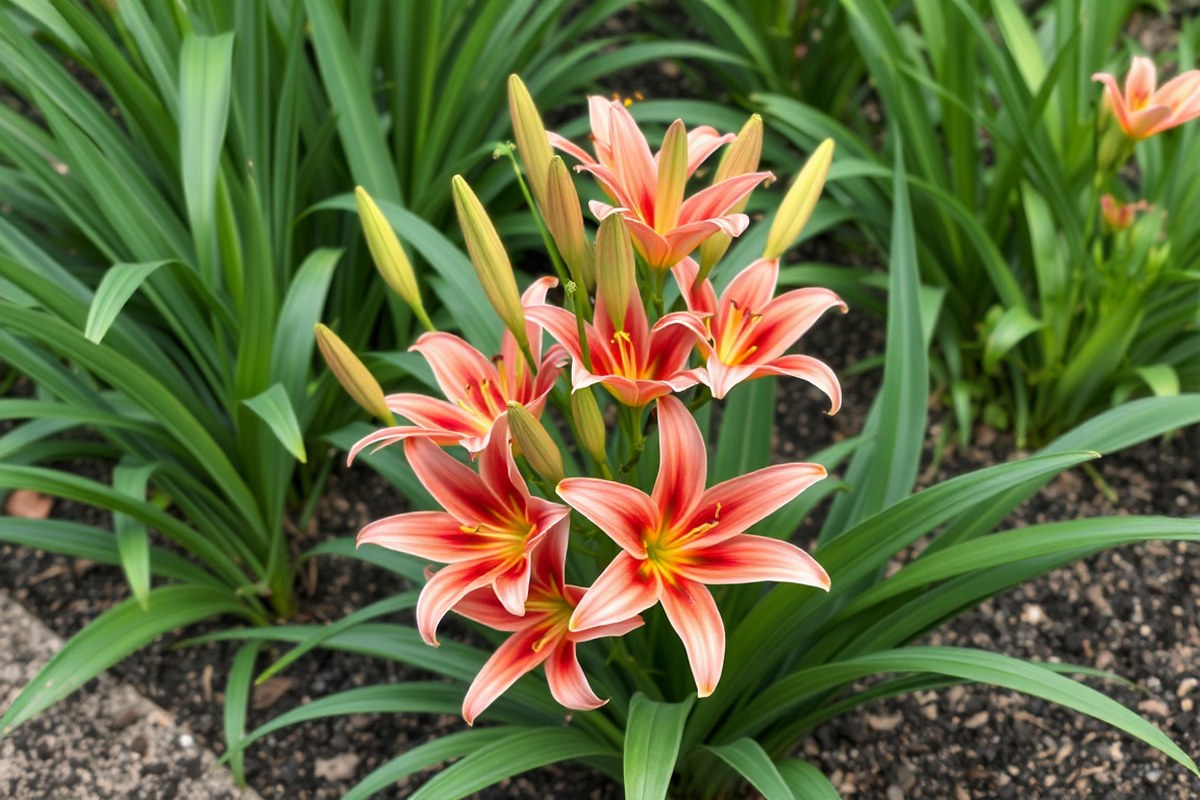
Asiatic lilies do spread naturally, but they do it in a slow, steady way. They multiply mainly by producing small bulb offsets underground near the mother bulb.
These bulbs grow in clumps that get bigger each year. Over time, they fill your garden space in a few years.
This clumping is the main way Asiatic lilies multiply. They don’t send out runners or invasive roots like some other lilies. That means they stay where you plant them.
Asiatic lilies are not aggressive. They don’t spread like daylilies or lily of the valley.
These lilies usually grow in neat clusters instead of spreading wildly. You can expect them to multiply enough to create a colorful patch. But they won’t take over your garden or crowd out other plants.
Their growth stays manageable and tidy. So you don’t have to worry about them choking native vegetation.
Asiatic lilies thrive in well-drained soil with full sun, between 60 and 75°F. In the right spots, they produce new bulbs each year below the soil surface. You can dig up these offsets every few years. Replant them to grow your lily patch or share with friends.
One common mistake is planting Asiatic lilies too close together or in heavy, wet soil. This can slow their spread and cause bulbs to rot. Giving each plant a little breathing space and ensuring good drainage helps them multiply better.
A group of Asiatic lilies blooming means a cluster of bulbs. It started with just a few bulbs. Over time, these clumps get denser.
These lilies tend to stay where you plant them. This makes them easier to manage than lilies that spread by runners or rhizomes.
How Asiatic Lilies Multiply: Bulbs vs Seeds
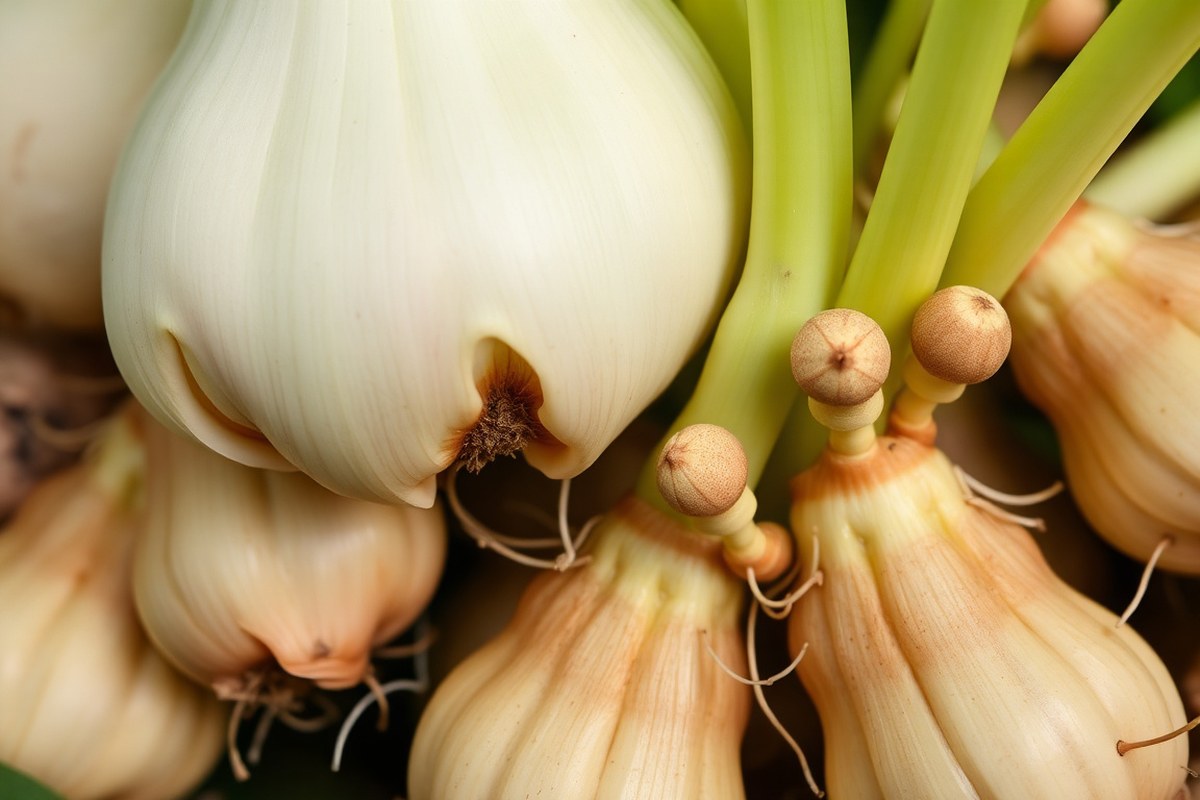
Asiatic lilies multiply in two main ways: bulb offsets and seeds. Bulb offsets are small bulbs growing from the mother bulb underground. Seeds can also grow Asiatic lilies, but this method is slower and less reliable.
Bulb Offsets Formation Explained
Bulb offsets form naturally as little bulblets attached to the main bulb. These bulblets gather nutrients from the mother bulb before they grow large enough to plant.
You can gently separate these offsets after three years of growth. Removing and replanting offsets helps create new plants and keeps your lilies healthy.
- Wait until after the third year of bloom to dig up your lily bulbs carefully.
- Use a garden fork or trowel to avoid damaging the bulbs.
- Gently remove soil from the bulbs to see the offsets attached.
- Separate the bulblets by hand or cut them from the mother bulb.
- Inspect the offsets for any signs of damage or disease.
- Plant offsets in well-draining soil, about 3 times as deep as their height.
- Water the offsets lightly and keep them in a shady spot for the first weeks.
- Watch for new shoots in the following growing season to confirm success.
Handle bulbs gently during division to prevent bruises or rot.
Seed Production and Germination Timeline
Asiatic lilies produce seeds after flowering unless you deadhead spent blooms. Seeds take longer to grow into flowering plants than bulb offsets.
The germination process usually lasts several weeks to months. Seedlings need special care and patience to thrive.
Growing lilies from seed includes sowing seeds in early spring. Keep seeds moist and warm, about 65 to 70°F, to encourage germination.
Which Method Is Faster or More Reliable?
Bulb offsets multiply Asiatic lilies faster than seed planting. Bulbs generally double in size each year, giving quicker blooms.
Seeds can take several years to bloom and may not grow true to the parent plant. Bulb offsets produce exact copies of the original lilies.
For quick garden spread, focus on dividing and replanting offsets. Use seeds only if you want to experiment or produce new varieties.
Timeline for Asiatic Lily Spread and Multiplication
Asiatic lilies usually start forming small clumps within two to three years after planting. You’ll notice baby lilies with tiny leaves near the established bulbs. These new plants grow from offsets, slowly filling the garden space.
After about five years, Asiatic lilies can create a noticeable cluster up to 2 feet wide. Asiatic lilies spread steadily, doubling their numbers every two to three years. Good growing conditions speed this process.
Space your lilies 8 to 12 inches apart. This gives them room to grow and prevents crowding.
Asiatic lilies take about seven to ten years to fill a large bed. They grow slowly but steadily over time. The bulbs live about three to five years.
But they multiply fast enough to replace older bulbs with new ones. Keep feeding them regularly every two weeks during the growing season to support this growth rate.
Growth speed varies with sunlight and soil quality. Give Asiatic lilies six hours of full sun each day. Use well-drained, slightly acidic soil for best results.
Cooler soil temperatures help roots stay healthy. So adding mulch or planting near shade-loving ground covers can slow drying and improve spread.
Strong plantings can become dense, but crowding limits bloom size and bulb vigor. You’ll see a decline in flowering when lilies are too close.
Divide bulbs every four to five years to control their spread. This also keeps the plants healthier and lasts longer.
Factors That Affect Asiatic Lily Growth and Spread
Asiatic lilies grow best in moderate climates, roughly USDA hardiness zones 3 through 9. In hotter zones like Zone 10, Asiatic lilies may have trouble. They need chill hours to grow back each year.
Without enough cold, they might not return reliably. The soil should drain well to prevent waterlogging.
It also needs rich organic matter. This helps bulbs grow strong and spread out.
Plant bulbs 4 to 6 inches deep for optimal growth. This depth protects bulbs from temperature swings and drying out. Dig a hole about 6 inches deep for the bulb.
Place the bulb with its point facing upward. Then cover it fully with soil. Spacing bulbs 6 to 8 inches apart helps them spread without overcrowding later on.
Sunlight also affects how well Asiatic lilies grow and spread. They prefer full sun but can handle partial shade, especially in hotter climates.
Water lilies about one inch per week during normal weather. Too much water can rot bulbs, while too little slows growth.
After planting, add 2 to 3 inches of mulch on top. Mulch helps keep the soil moist. It also protects against temperature swings.
Mulch also reduces soil splash, which lowers the risk of disease spreading to leaves. Watch for waterlogged or frozen soil when planting, as both curb growth and bulb health.
Feeding lilies with balanced fertilizer in early spring supports leaf and flower growth. Use a slow-release formula or liquid feed every few weeks during active growth. Healthy nutrients lead to stronger bulbs, better blooms, and improved natural spread through division over time.
Comparing Asiatic Lilies with Other Spreading Lilies
Asiatic lilies spread less aggressively than tiger and oriental lilies. Asiatic lilies grow from bulbs that multiply slowly. Tiger lilies can spread rapidly by underground runners and seeds.
Oriental lilies tend to multiply well but are less likely to become invasive. Knowing these differences helps you manage garden space better.
Asiatic lilies rarely naturalize or become invasive in wild areas. They don’t match invasive plant definitions because they stay localized.
Tiger lilies, however, may escape gardens and spread in some regions. Oriental lilies mostly remain garden plants without spreading widely outdoors.
| Lily Type | Spreading Method | Typical Growth Habit | Invasiveness |
|---|---|---|---|
| Asiatic Lilies | Bulb multiplication, occasional seed | Shorter plants, early bloom | Not invasive |
| Tiger Lilies | Bulbs, underground runners, seeds | Taller plants, vigorous spread | Can naturalize in wild |
| Oriental Lilies | Bulb multiplication, seeds | Taller, more fragrant, summer bloom | Rarely invasive |
Growing Asiatic lilies in containers keeps them compact and controlled. Their shorter height fits small pots well, unlike taller Oriental lilies.
You can expect blooms earlier in the season from Asiatic types. Tiger lilies demand more space because they spread underground and by seed freely.
Keep in mind that Asiatic lilies are toxic to cats, so plant carefully.
Handling Asiatic lilies is easier if you want a neat garden border or pot. They suit gardeners who want early color without aggressive spreading. Oriental and tiger lilies need more space and monitoring to prevent unwanted growth outside the garden.
When and How to Divide Asiatic Lily Bulbs for Healthy Growth
Dividing Asiatic lily bulbs helps keep plants healthy and encourages wider growth. Do this every 3 to 4 years to avoid crowded roots. Replant bulbs at the same depth.
Space them 8 to 12 inches apart. This helps them grow well.
Best Time to Divide Asiatic Lilies
The best time to divide the bulbs is in early autumn or late summer. This timing lets bulbs settle before winter sets in.
You can also divide them after flowering finishes. But avoid late fall when the ground might freeze.
Dividing in autumn gives roots time to grow before frost hits. For zones 4 to 8, plant bulbs 4 to 6 weeks before frost.
This timing helps bulbs settle in. This helps new bulbs establish without drying out.
Tools and Techniques for Dividing Bulbs
Use a garden fork or spade to lift bulbs gently from soil. Loosen soil around the bulbs to avoid damage. Rinse off dirt to see the bulbs clearly before dividing.
Look for bulb clusters with small offsets attached to the main bulb. Separate the bulbs by gently pulling or cutting them apart with a clean knife. Check for healthy, firm bulbs and discard any damaged or rotten ones.
Handle the bulbs carefully to not bruise or break them. After division, let the bulbs dry in a cool, airy spot for a day. This helps prevent rot when you replant them.
Spacing and Replanting After Division
Plant bulbs 4 to 6 inches deep, keeping the original depth. Space bulbs 8 to 12 inches apart for good root growth. This gives lilies room to grow strong.
Water the bulbs well after planting. When planting in spring or summer, water bulbs extra until roots form.
This helps young roots get established well. Mulch around the plants to keep soil moist and cool through warmer months.
Watch for signs of new growth in a few weeks. Healthy lilies will start sprouting leaves quickly.
Watch for wilted or no growth. Check soil drainage and watering habits to prevent rot or dryness.
- Choose a cool, dry day in early autumn or late summer.
- Use a fork or spade to lift the bulb clump carefully.
- Gently separate bulbs by hand or with a sharp knife.
- Discard any bulbs that are soft, rotten, or damaged.
- Let the bulbs air dry for 24 hours in a shady spot.
- Replant bulbs 4 to 6 inches deep with 8 to 12-inch spacing.
- Water the newly planted bulbs well and mulch around them.
- Monitor soil moisture and new growth during the next weeks.
Common Problems That Hinder Asiatic Lily Spread
Red lily leaf beetles often attack Asiatic lilies and eat their leaves. This damage reduces the plant’s strength, limiting bulb growth and spread. Check your lilies each week from early spring.
Look for bright red beetles and their larvae. Finding them early helps you act fast.
Fungal diseases like Botrytis can cause leaves and stems to rot. Overwatering and poor air circulation raise this risk.
Water lilies at the base early in the day. Avoid wetting leaves and avoid crowding plants.
Overcrowding is a big problem for Asiatic lily multiplication. When lilies are too close, bulbs compete for water and nutrients.
You’ll notice smaller flowers and thinner leaves. Space bulbs 8 to 12 inches apart when planting or dividing.
Asiatic lilies suffer in extreme heat above 90ºF or when temperatures drop below 50ºF. Heat stress appears as wilting or scorched leaf edges. Your climate might make this a risk.
Plant lilies in morning sun. Give them afternoon shade to protect them.
Signs your lilies are spreading well include healthy, fresh green foliage and several new shoots. Bulbs will also grow larger underground. Look for firm, plump bulbs at least 1.5 to 2 inches wide.
Common mistakes that reduce spread include planting bulbs in alkaline soil or adding heavy fertilizers. Asiatic lilies prefer slightly acidic to neutral soil, around pH 6 to 7. Applying a balanced bulb food in fall helps without overfeeding.
Without proper care, lilies develop weak, yellowing leaves or fail to emerge fully each spring. That means pest or disease damage or soil problems. Removing old foliage after it dies stops fungal disease and frees space for new growth.
Watch your lilies closely. Regular inspection, correct spacing, disease control, and planting site choices are key. Act right away if you see beetles, rot, or stress.
This keeps your lilies healthy. Your garden will bloom nicely.
Managing Asiatic Lily Spread and Garden Space Effectively
Asiatic lilies can clump up and crowd their space if left unchecked. Managing their spread means thinning when needed, staking tall stems early on, and feeding them right. These steps keep your garden tidy and lilies healthy, without overwhelming nearby plants.
Signs You Need to Thin Lily Clumps
When lily clumps become tight and crowded, flowers may shrink and stems grow weaker. You should thin Asiatic lilies if you notice fewer blooms.
Check for stems that bend under the flower’s weight too. Pull up some bulbs every 3 to 4 years in early fall or late spring.
Use a garden fork to dig carefully around the clump. Dig about 6 to 8 inches away from the clump’s center. Be gentle to protect the bulbs.
Separate bulbs that are about 3 inches or larger to replant around 6 inches apart. This spacing helps bulbs get enough water and nutrients.
Staking and Supporting Tall Asiatic Lilies
Start staking stems when they reach 8 to 12 inches tall. Avoid waiting until flowers open or strong winds threaten. Use stakes or bamboo sticks that come up at least 6 inches above the tallest stem.
Tie stems loosely with soft twine or fabric strips every 6 to 8 inches. Keep ties gentle to prevent stem damage during wind or rain. Remove stakes after flowering ends to avoid crowding next season’s growth.
Stake early and check ties regularly to avoid accidentally cutting into bamboo-like stems.
Mulching and Feeding to Support Healthy Growth
Spread 2 to 3 inches of organic mulch like shredded bark around lilies in spring. Mulch holds moisture and keeps soil temperature steady, reducing stress. Keep mulch a few inches away from stems to prevent rot.
Fertilize Asiatic lilies once each year with balanced fertilizer. Use something like 10-10-10. Apply after the shoots grow to 6 inches tall.
Avoid excess nitrogen to prevent lush leaves at the expense of flowers. Water deeply once or twice a week during dry weeks.
Step-by-Step Action Plan for Managing Asiatic Lily Spread
Follow these steps to grow healthy Asiatic lilies and keep their spread under control.
- Before planting: Choose a well-drained spot with full sun. Your lilies will grow best here.
- Month 1: Plant bulbs 4 to 6 inches apart and 4 inches deep. Check monthly for new shoots as a growth sign.
- Months 2-4: Water deeply once a week. Watch leaves for healthy green color, indicating good growth.
- End of first year: Look for small bulb offsets near the main bulb. This shows natural spreading is working.
- Year 2 Spring: Divide bulbs if clumps get crowded. Healthy new shoots after division mean success.
- Seasonal: Remove seed pods after flowering to prevent unwanted seeds. This limits spreading by seed.
- Annually in Fall: Mulch around plants to protect bulbs and control weeds. Check bulbs for firmness during division.
Frequently Asked Questions
Can Asiatic Lilies Spread Underground Without Visible Shoots?
Yes, Asiatic lilies spread underground through bulbs before visible shoots appear. This can slowly enlarge the clump size over time and fill more garden space.
Do Asiatic Lilies Need Dividing to Control Their Spread?
Dividing Asiatic lilies helps control their size and encourages healthy blooms. Do this every 3 to 4 years to prevent overcrowding and weak flowers.
Are Asiatic Lilies Aggressive Spreaders in Mixed Flower Beds?
No, they are not aggressive and won’t crowd out other plants. Their clump growth stays manageable in mixed garden beds.
Does Soil Type Affect Asiatic Lily Spreading Speed?
Yes, well-drained, slightly acidic soil helps bulbs multiply at a steady pace. Poor soil might slow spread and bulb division success.
Can Asiatic Lilies Spread from Seeds in My Garden?
They can spread from seed. But it’s very slow and unlikely to fill space quickly. Most growth comes from bulb multiplication.
Is Staking Asiatic Lilies Necessary for Their Growth and Spread?
Yes, staking tall Asiatic lilies up to 4 feet prevents falls and damage. Proper support improves flowering and keeps clumps tidy.
Wrapping Up
Asiatic lilies spread mostly by bulb division, not fast by seeds. Keep an eye on bulb clumps and divide them every few years. Start by checking your lilies’ growth this spring to plan your first division.