How Deep to Plant Plants: A Complete Guide for Every Plant Type
How deep to plant plants is one of the first questions you might ask. The right depth depends on the plant type and its root system. Too shallow, and roots dry out; too deep, and stems can rot.
Start by checking the seed packet or plant tag for specific depth advice. For most seeds, planting at about twice their size is a safe rule.
Bulbs and trees need deeper planting to protect roots and support growth. For example, most bulbs require planting at a depth about three times their height.
Dig a trench or hole that fits the plant’s needs, not just the root ball size. Avoid pushing plants too deep below their graft union or seed coat.
This helps keep the plant healthy long-term. Using loose soil also helps roots grow more easily and prevents waterlogging.
Key Takeaways
- Plant tomato seedlings in trenches 3 inches deep for stronger roots.
- Put seed potatoes 4 inches deep for proper tuber development.
- Plant bulbs like tulips 6 to 8 inches deep with pointed ends up.
- Keeps graft unions on trees 2 to 4 inches above soil to avoid rot.
- Use a trench 2 to 4 feet apart for leggy transplants with shallow roots.
- Shallow seeds should be covered with soil twice their size in depth.
How Deep Should You Plant Different Types of Plants?
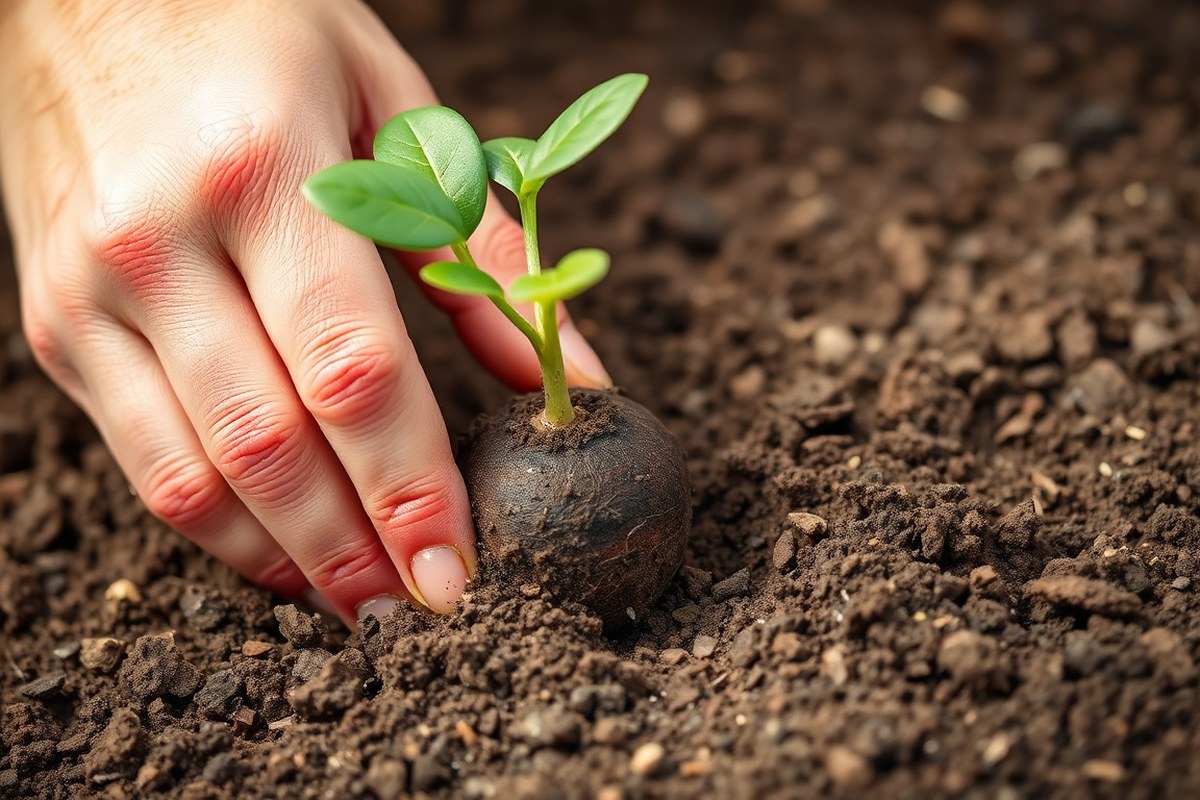
Seeds, bulbs, seedlings, shrubs, and trees each need different planting depths for best growth. Seeds usually go shallow, about a quarter to one inch deep.
Bulbs and tubers require deeper planting, often several inches. Trees and shrubs need wide, deep soil spaces to develop their roots well.
Seed Planting Depth Guidelines
Plant small seeds like carrots about ¼ inch deep. The general rule is to plant seeds two to three times as deep as their width. Larger seeds like sunflower can go 1 to 1.5 inches deep.
Seeds too deep may fail to sprout. Seeds too shallow may dry out or stretch thin.
For example, carrots have taproots, so shallow, light soil cover helps good roots form. Tomatoes are seeded deeper to boost root growth, but avoid burying stems.
| Plant | Planting Depth |
|---|---|
| Carrots | ¼ inch (0.6 cm) |
| Sunflower | 1 to 1.5 inches |
| Tomatoes (seedlings) | Deep enough to cover stems halfway |
| Garlic (seed cloves) | 2 inches |
Spacing also matters; sunflower seeds go 6 to 18 inches apart depending on variety. Garlic cloves should be planted pointed end up for best sprouting. Different seeds take different times to emerge, so be patient.
Bulbs and Tubers Depth Requirements
Bulbs like tulips and daffodils need planting depth related to their size. Large bulbs usually go 4 to 6 inches deep.
Smaller bulbs go 3 to 5 inches. This protects them from frost and pests.
Plant seed potatoes 4 inches deep with the cut side down. Make sure the eyes face up. Space rows 3 feet apart and plant each seed 12 inches apart.
| Bulb/Tuber | Planting Depth | Spacing (inches) |
|---|---|---|
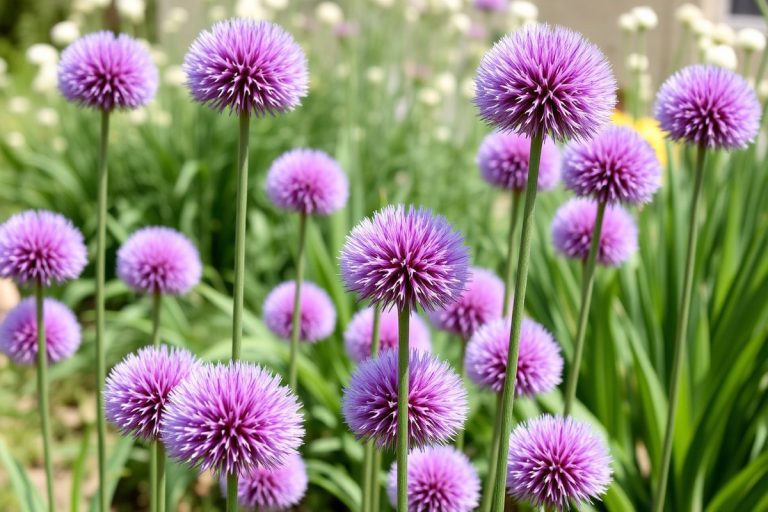
| Large Allium bulbs (ornamental) | 6 inches | 12 to 18 |
| Small Allium bulbs | 3 to 5 inches | 6 to 8 |
| Seed potatoes | 4 inches | 12 |
| Garlic cloves | 2 inches | Varies |
Bulbs need cold soil in zones 3 to 7. So deeper planting helps freeze protection.
In warmer zones, shallower planting allows easier sprouting. Garlic needs a cold period, so 2-inch depth fits well in most zones.
Trees and Shrubs Planting Depth
Trees need to be planted with their graft union 2 to 4 inches above soil. This avoids rot and disease. Shrubs generally need deep, well-drained soil of 18 inches or more for roots.
Planting too deep can suffocate roots and cause weak growth. The root flare is where roots spread from the trunk base. Keep it visible above the soil surface.
Never bury this part underground. This helps trees establish quickly and stay healthy.
| Plant Type | Planting Depth |
|---|---|
| Fruit Trees (Apple, Pear) | Graft union 2, 4 inches above soil |
| Shrubs | Root flare visible; 18+ inches soil depth |
| Seed potatoes | 4 inches deep |
Deep-rooted plants need more soil depth than shallow-rooted annuals. Trees and shrubs benefit from soil that stays moist but drains well. Mulching around the base supports consistent moisture without burial of the stem.
Why Planting Depth Is Critical for Healthy Growth
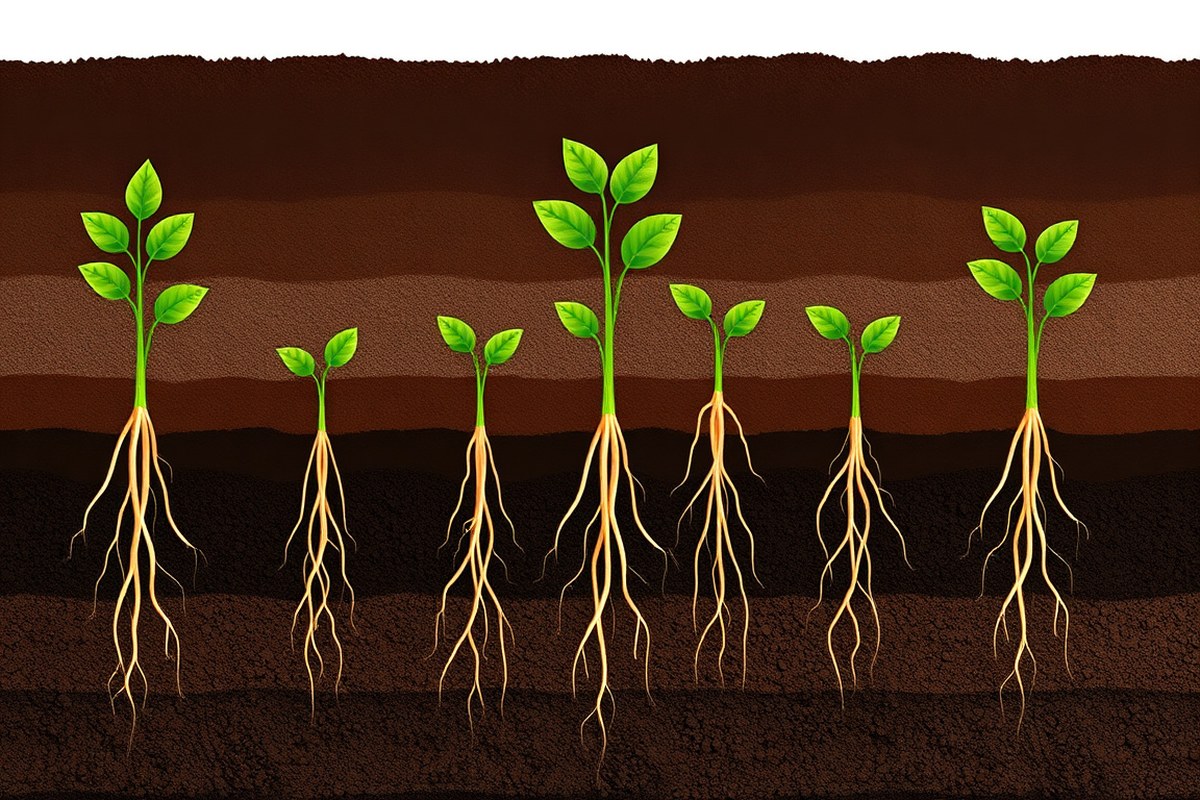
Planting depth directly affects how roots grow and absorb moisture. Roots need enough space to spread and access water and nutrients. Planting too shallow dries roots out and stops good growth.
On the other hand, planting too deep can smother roots and reduce oxygen. This slows root growth and limits water uptake, causing weak, stressed plants. For example, burying tomato plants deeper encourages roots but going too deep can rot the stem.
The right depth places the crown or seed at soil level. This helps roots grow well in loose soil. Soil that’s too compact or heavy makes it harder for roots to breathe.
You want at least 12 inches of loose soil for most shrubs and annuals. But deep-root trees can need 24 to 36 inches.
Plant parts that show above ground need exposure to light and air. Too much soil on top can trap moisture, inviting diseases like root rot and damping off. Plant crowns of flowers like black-eyed Susans at soil level to avoid these risks.
Roots access moisture best when planted where the soil retains water but drains well. Shallow planting means dry roots between waterings. Deep planting keeps soil soggy too long, which can kill roots.
When transplanting, adapt depth to the type and size of the plant. Plant bulbs like tulips 4 to 6 inches deep.
This depth protects from frost and lets roots grow before spring. For shrub root balls, plant shallow with the top slightly above ground.
When unsure, plant slightly shallower because planting too deep usually harms plants more.
How to Measure Soil and Planting Depth Accurately
Measuring soil and planting depth starts with knowing your tools and methods. You check soil depth before digging and measure the root ball to match the hole. This avoids burying plants too deep or too shallow, which can hurt growth.
Using a Ruler or Measuring Stick
A ruler or garden stick with inch marks helps measure planting depth. It makes it easy to see how deep to plant each seed or bulb. Keep it handy when gardening to check depth quickly.
Use it to check how deep your planting hole is. Also, compare it to the root ball size before planting. This helps avoid planting too deep or too shallow.
A wooden dowel or metal stick works well if sturdy enough. It should be strong enough to push into the soil comfortably. Avoid anything that bends too easily.
Press the ruler straight into the soil in the spot where you plan to plant. Note the depth at ground level. Then, measure across the root ball width and height to confirm it fits the hole properly.
- Pick a ruler or stick with marks in inches.
- Push it gently into the soil at your planting spot.
- Read the depth where the soil surface meets the stick.
- Remove the ruler and measure the root ball height.
- Compare root ball size to hole depth and width.
- Adjust hole dimensions as needed to fit the root ball.
- Ensure the root flare or stem base will be slightly above ground.
Employing a Soil Probe
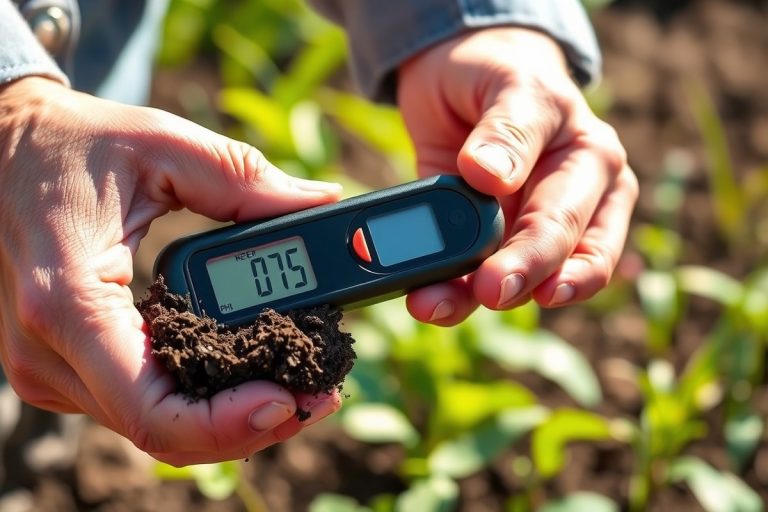
A soil probe gives a quick look at soil depth and compaction. It’s a long metal tube pushed into soil to check depth. You use it to feel where soil is loose and easy to work.
This helps decide how deep to dig or plant. This helps avoid digging too shallow or in hard spots that stop roots from spreading.
Insert the probe straight into the soil until it won’t go further. Pull it out and check where the soil ends on the probe.
This marks the practical planting depth. Soil probes are affordable, usually under $30 online or at garden centers.
- Hold the soil probe vertically at your planting spot.
- Push it down slowly until it hits hard soil or rocks.
- Pull the probe out carefully to avoid messing the soil.
- Measure the length of soil clinging inside the tube.
- Use this length to know how deep roots can grow easily.
- Dig the hole at or slightly above this depth.
Digging a Test Hole for Depth Assessment
A test hole lets you see what is under your soil surface before planting. Use a trowel or small shovel to dig down where you want the plant to go. This shows soil layers, drainage, and how deep roots can spread.
Make the hole about 12 inches wide and 12 inches deep for medium plants. Look for hardpan or clay layers that stop roots. You can also measure the hole depth with a ruler to match your plant’s root ball.
- Choose a planting spot and clear surface debris.
- Use a trowel to dig a hole about 12 inches wide.
- Scoop soil carefully to preserve natural layers if possible.
- Check the soil texture and hardness as you dig deeper.
- Measure the hole depth and width with a ruler.
- Match hole size to the root ball of your plant.
- Fill the hole back if unsuitable or mark for adjustment.
Safe Practices for Burying Stems When Transplanting
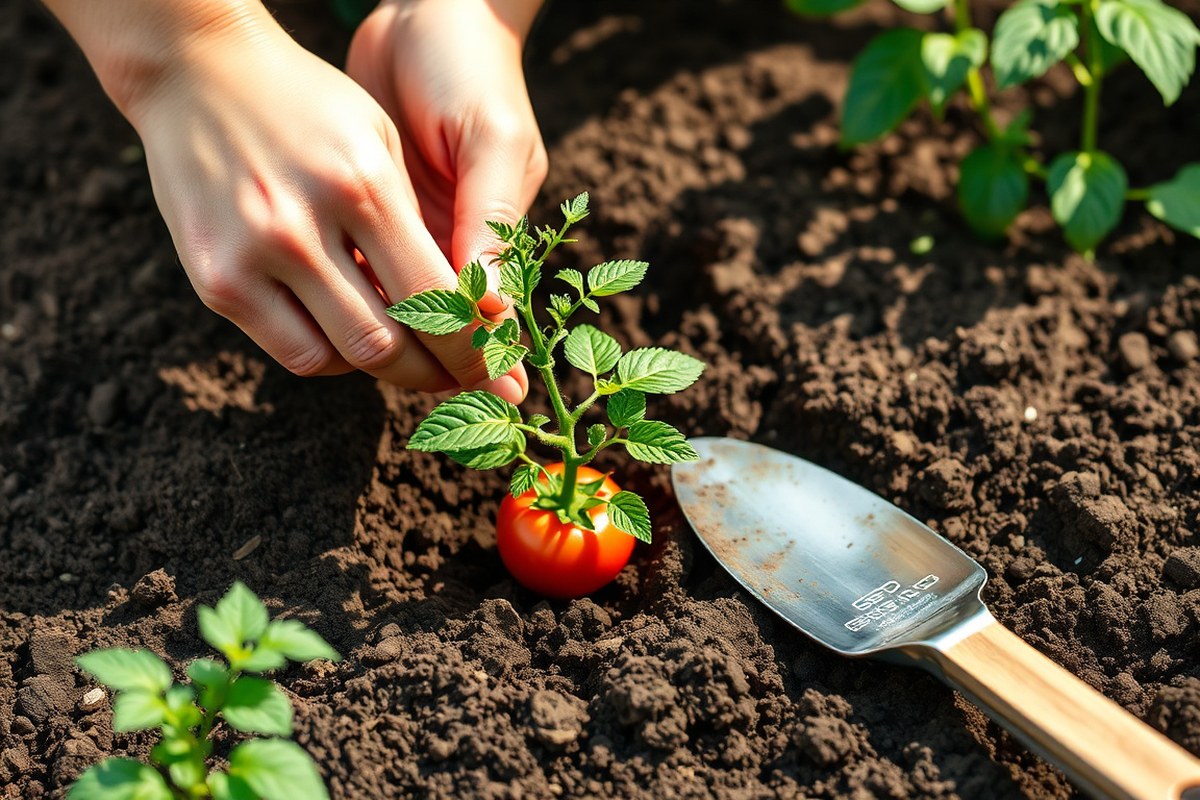
Burying stems deeper during transplanting helps some plants grow stronger roots. Tomatoes and other nightshade family plants particularly benefit by rooting along buried stems. You can dig a trench to plant safely.
Cover the stem properly but not too deep. This avoids rot risk.
Plants That Benefit from Stem Burial
Plants in the nightshade family, like tomatoes, do well with stem burial. Their stems can grow new roots when buried, making the plant sturdier and more productive. Leggy seedlings grow better when planted deeper.
This is especially true during transplanting. They gain more stability this way.
Other types of plants don’t usually benefit from stem burial. Most bulbs, shrubs, and trees prefer the stem base just below the soil surface. For them, stem burial can cause rot or weaken the plant’s structure.
Step-by-Step Trenching Method
Digging a trench lets you safely bury stems deeper for strong root growth. The trench depth depends on your plant size.
For smaller seedlings, about 3 inches deep works well. Larger transplants may need 8 to 10 inches to cover multiple nodes and give support.
- Choose a spot with loose, well-drained soil for transplanting.
- Use a small shovel or trowel to dig a trench deep enough for your transplant.
- Position the plant horizontally or at an angle with the stem laid in the trench.
- Cover two-thirds of the stem with soil, leaving the top few inches above ground.
- Press soil gently around the stem to remove air pockets.
- Water the trench thoroughly to settle the soil around the stem.
- Mulch around the base, keeping mulch 4 to 6 inches clear of the stem.
Precautions and Depth Limits
Don’t bury stems deeper than about 10 inches to avoid stem rot or stress. For tomatoes, burying two-thirds of the stem works well.
But the top should stay just a few inches below the soil surface. Make sure to leave some space around the stem base to prevent moisture buildup.
Avoid deep burial with woody plants like trees or shrubs. Keep stems and trunks near the soil surface. This prevents rot from developing.
It also lets air move around them. Keep mulch a few inches away from sensitive stems to avoid fungal diseases during wet weather.
How Soil Type and Climate Affect Planting Depth
Soil texture changes how deep you should plant your seeds or seedlings. Sandy soils dry out fast and drain quickly. You should plant deeper here, around 12 to 18 inches.
So roots can reach moisture down below. Clay soils hold water better and drain slowly. You can plant shallower, because roots won’t need to grow as deep in search of water.
Climate also plays a big role in planting depth choices. In cold climates, plant a little deeper to protect roots from frost. This extra soil layer keeps soil warmer around the roots during winter.
In hot climates, planting depth depends on moisture. When your soil dries quickly, plant deeper so roots reach moist earth. When moisture stays near the surface, plant shallower to help roots breathe.
Moisture availability ties with both soil type and climate. When moisture is scarce, deeper planting helps roots find water deeper underground. But too deep can cause poor oxygen flow around roots, harming growth.
Dig a hole just wide and deep for roots to spread. Make it snug but not tight. Adjust the depth so roots fit comfortably.
For a 10-inch tomato, bury 6 to 7 inches of its stem underground. The rest remains above soil.
In heavy soil that holds moisture well, plant tomatoes 4 to 5 inches deep. Keep the planting slightly shallower than usual.
Don’t plant bulbs or seedlings deeper than twice their height. Roots might not get enough air and start to rot.
Ideal Soil Depths for Gardens, Containers, and Raised Beds
Soil depth affects how well your plants grow. Shallow soil limits root space and moisture. That makes plants weaker and less productive over time.
For gardens, raised beds, and containers, depth depends on the plant. Different plants have different root system sizes. You must match soil depth to these sizes.
Vegetable gardens usually need at least 12 inches of loose soil. This allows roots to spread and access nutrients. When your garden soil is shallow, add soil or raise beds.
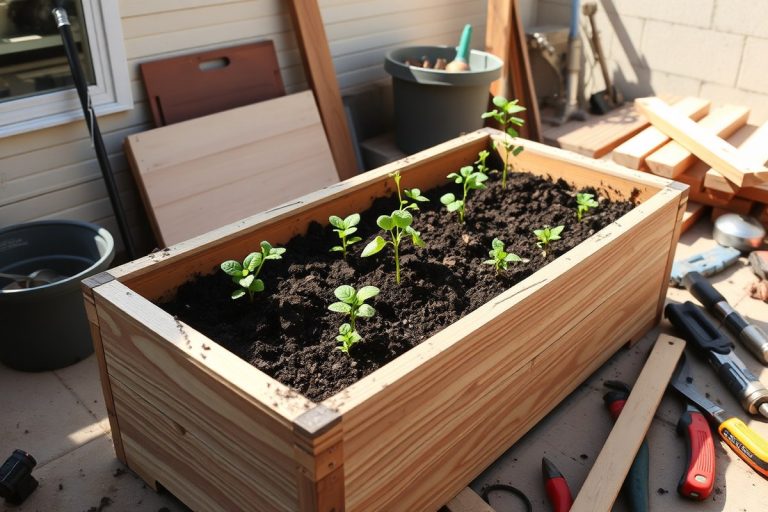
You can build raised beds to grow plants better. This gives roots more space to grow. Raised beds offer good drainage and can hold richer soil for strong growth.
Pots and containers must match the plant’s root depth. Tomatoes, for example, need at least 12 inches deep containers to allow their roots to grow.
Smaller plants like many annual flowers do fine in just a few inches of soil. Avoid containers that are too shallow; roots can dry out quickly or become root-bound.
| Plant Type | Minimum Depth | Maximum Depth |
|---|---|---|
| Annuals | 1 inch | 2 inches |
| Perennials | 2 inches | 4 inches |
| Vegetables | 1 inch | 4 inches |
| Trees | 6 inches | 12 inches |
Tree roots need much deeper soil. Planting trees in less than 12 inches of soil makes them unstable.
They struggle to take up water and nutrients. Ideally, trees need 18 to 24 inches of good soil for healthy growth.
Shallow soil risks drying and cold damage. For example, garlic cloves planted less than 1.5 inches deep can be pushed out by freeze-thaw cycles.
Follow recommended planting depths to avoid these issues. Adjust your soil or containers to give roots room to grow and keep plants healthy.
Common Planting Depth Mistakes and How to Fix Them
Plants sitting too high above the soil often show dry foliage or wilt fast. Their roots dry out or are exposed to temperature swings. Tulip or daffodil bulbs need to be planted at least 6 inches deep.
Less depth can make them rot in wet soil. They might also struggle to bloom well.
On the other hand, planting too deep leads to slow growth or stem rot. Seed potatoes buried more than 4 inches deep may sprout late or weakly. Pushing tall plants into trenches deeper than 10 inches can harm roots.
This can suffocate roots and make plants catch diseases. The roots need air to stay healthy.
Gently add more soil around the base of shallow plants. This helps cover roots without harming the plant. Be careful not to bury them too deep.
Firm the soil lightly but avoid packing it tight. If bulbs sit too shallow, dig them up carefully. Replant bulbs 6 to 8 inches deep with the pointed end up.
This helps bulbs grow strong and healthy. Seedlings planted too low should be lifted gently.
Replant them covering roots and a bit of the stem. This ensures they get enough soil support.
Avoid repeating mistakes by measuring soil depth before planting. Use a small ruler or stick to check spots against recommended depths. Mark spots temporarily with stakes or strings.
Planting depth changes by plant type: seed potatoes need 4 inches. Bulbs need 6 to 8 inches deep. Tall plants need 8 to 10 inches for best growth.
Plant a little deeper if you are not sure about depth. This is safer than planting too close to the surface. Deeper roots help plants grow better.
Pay attention in the weeks after planting. Check the soil level if plants wilt fast or shoots grow slow. Improper depth can cause these problems.
Adjust soil to fix the issue. Adjust soil and mulch cover as needed. Fixing planting depths early helps your garden grow well.
This avoids wasting time and money replacing plants later. Early care makes a big difference.
How Watering and Mulching Complement Planting Depth
Watering deeply helps plants grow strong roots at the right depth. For seedlings or shallow-rooted plants like azaleas, water well. Make sure the soil is moist 6 to 8 inches deep.
This helps the roots grow strong. This encourages roots to spread down, not just stay near the surface. Newly planted deep-rooted shrubs or trees need watering that goes deep.
Water should soak 12 to 18 inches down. This reaches the entire root ball for good growth.
Mulch keeps soil moist by slowing water evaporation and stabilizing temperature. Put mulch 2 to 3 inches thick around your plants. Leave space near the stem to stop rot.
Mulch keeps soil moist and protects roots. Use organic mulches like straw or compost to add nutrients and retain moisture without suffocating roots. Thick mulch over 4 inches can block air and water, causing poor root growth.
When watering newly planted shallow-root plants, do it more often but with less water each time. This keeps the topsoil moist but avoids waterlogging roots. Water deep-rooted shrubs or trees less often but more deeply.
Soak the soil deeply to cover the whole root zone. This helps roots grow better. Check soil moisture by sticking your finger or a trowel in the soil.
Water again when the soil is dry below the surface. Check moisture before deciding to water. This prevents overwatering or underwatering your plants.
Keep mulch a few inches away from the stem to prevent stem rot and pests.
In sandy soils, water drains quickly. Add a bit more mulch there to hold moisture longer. Water deeply but more frequently to avoid drying.
Clay soils retain water but may cause root problems if overwatered. Adjust watering based on your soil and plant type to match root depth. Proper watering and mulch together help roots take hold firmly at the right planting depth.
Step-by-Step Action Plan for Planting at the Right Depth
Use this plan to plant your seeds, bulbs, and transplants at the correct depth. Follow the steps to check if your plants are set up for healthy growth.
- Before you start: Check the seed packet or plant tag for the recommended planting depth. This info guides your digging and helps avoid mistakes.
- Day 1: Measure the soil depth needed with a ruler or tape. Dig a hole that is about twice the seed’s size or matches stem burial advice. The hole size shows you’re on track.
- Day 1: Plant seeds or seedlings gently at the proper depth. Cover with soil and lightly pat down. The soil should sit just above the seed or stem base without squeezing it.
- Day 2: Water the planted area gently but thoroughly. Check if the water soaks in evenly without pooling. Good water absorption means your soil and depth are alright.
- Week 1: Watch for sprouting or new growth above soil. Healthy shoots show that growing conditions and depth are correct.
- After 2 weeks: Check soil moisture and add mulch if needed. Mulch keeps moisture steady and supports root development at the right depth.
- After 3-4 weeks: Inspect the plants for strong root anchoring by gently tugging at the base. A firm hold means your depth was suitable for root growth.
Frequently Asked Questions
How Deep Should I Plant Tomato Seedlings for Best Growth?
Plant tomato seedlings deep, up to the first set of true leaves. This encourages strong root growth and better plant support. Avoid planting too deep to prevent stem rot or too shallow to avoid weak roots.
Can I Plant Bulbs Deeper Than Recommended for Extra Protection?
Plant bulbs no deeper than advised to avoid poor sprouting or rot. Too deep planting limits oxygen, causing bulbs to weaken or fail. Follow specific depth guidelines for each bulb type.
Should I Change Planting Depth for Sandy Soils?
Yes, plant slightly shallower in sandy soil to avoid drying out roots. Sandy soil drains fast and needs roots closer to moisture. Mulching can help keep soil moist around roots.
Is It Okay to Plant Seeds Directly After Frost Date?
You can plant seeds after the last frost date for your area. Soil should be warm enough to support germination. Check local frost dates as they vary between regions.
Do I Need to Adjust Planting Depth for Container Gardening?
Generally, use shallower soil depth in containers than garden beds. Ensure space for root growth without overcrowding. Containers dry out faster, so monitor water closely.
How Does Planting Depth Affect Plant Susceptibility to Pests?
Planting too shallow can expose roots to pests, while too deep may stress plants. Correct depth creates a strong root environment resisting pest invasion. Healthy roots boost overall plant defense.
Final Thoughts
Planting at the right depth helps your plants grow well and stay healthy. Start by checking seed or plant instructions closely. Measure and prepare your soil today.
This helps your plants grow well. You give them a good start this way.
One Comment