How to Get Rid of Humidity in Room: 8 Effective Ways for Fast Relief
Wondering how to get rid of humidity in room fast? Start by reducing moisture sources like drying clothes indoors or boiling water.
Use a fan or open a window to help air flow and remove damp air quickly. Running ceiling fans or portable fans also helps circulate air and dries the space faster.
Lowering humidity makes your room feel more comfortable and stops mold growth. Keep the indoor humidity around 45% for best comfort and health.
Using a dehumidifier or air conditioner can speed up lowering humidity. Keep these devices clean and maintain them regularly for better results and longer life.
Watch for signs like sticky walls or musty smells, they mean humidity is too high. Fixing leaks and ventilating bathrooms or kitchens helps prevent moisture buildup. Sealing cracks around windows and doors also stops humid air from sneaking in.
Key Takeaways
- Use fans or open windows to boost air circulation and reduce humidity.
- Keep indoor humidity near 45% for comfort and to prevent mold problems.
- Limit moisture sources like indoor drying laundry or boiling water.
- Install a dehumidifier to quickly lower humidity in damp rooms.
- Check for leaks and fix them to stop moisture entering your space.
- Ventilate kitchens and bathrooms regularly to remove excess moisture.
1. How to Quickly Reduce Humidity in Your Room
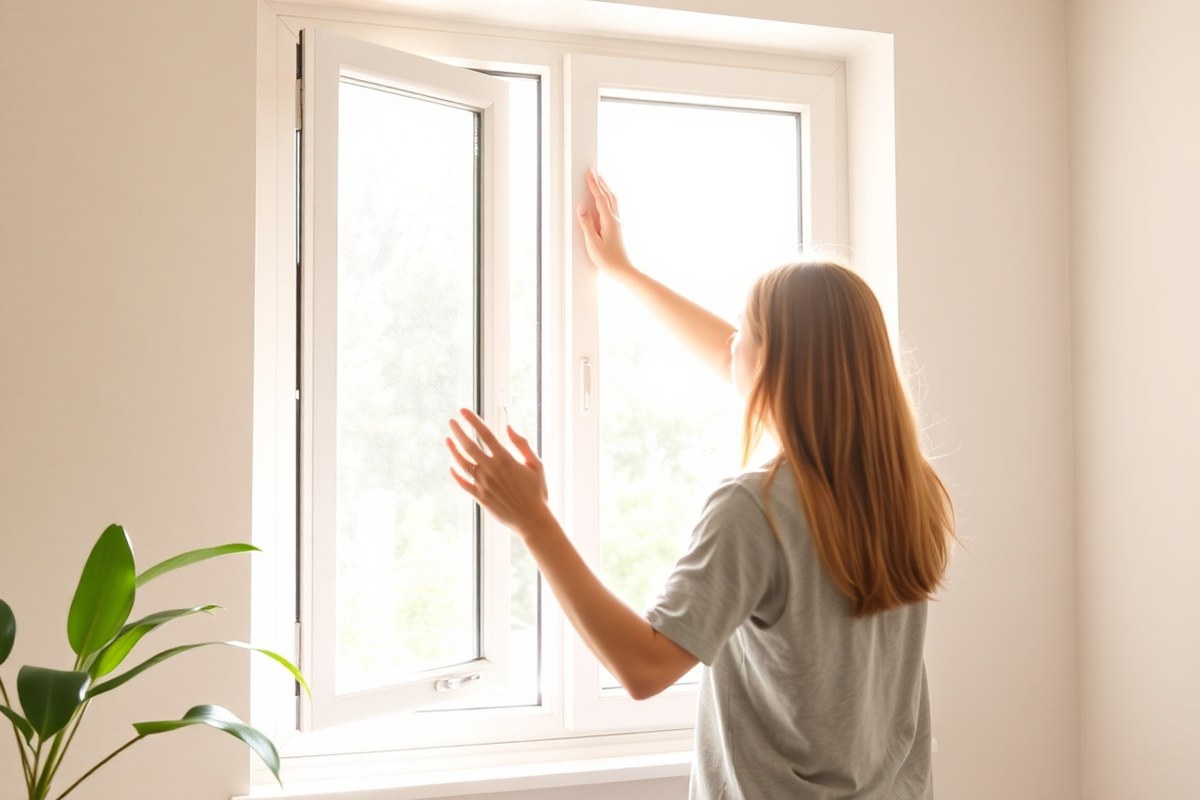
The fastest way to reduce humidity indoors starts by moving moist air out. Ventilation is key, but how you use it depends on the weather outside. Opening windows only helps if the outdoor air is drier than inside.
Running fans can speed this process, especially ceiling fans or exhaust fans in kitchens and bathrooms. These fans push humid air outside. When the outside air feels humid, close windows and run a dehumidifier.
- Open windows and doors on dry days.When outdoor humidity stays under 50%, open a window or door for fresh air. This lets moist air escape and brings drier air in. Close windows during humid weather to avoid raising indoor humidity.
- Turn on ceiling fans or portable fans. Use fans to circulate air. This helps evaporate moisture off surfaces and evaporate sweat, making the room feel less sticky. Put fans near a window or door to push moist air out.
- Use exhaust fans in kitchens and bathrooms. These rooms often create the most moisture. Turn exhaust fans on during and after cooking or showering to vent wet air outside. Keep the fan on for at least 15 minutes.
- Run a portable dehumidifier if available. Dehumidifiers pull moisture out of the air quickly indoors. Place the unit in the room with the highest humidity for best results. Empty the water reservoir regularly to maintain performance.
- Limit moisture sources. Avoid drying clothes indoors or boiling water without lids. Taking shorter showers also helps reduce steam buildup. Each small step prevents additional moisture.
- Keep interior doors closed. This stops humid air from spreading to drier areas. It also confines moisture so ventilation or dehumidifiers work better in affected rooms.
The goal is to keep indoor humidity between 30% and 50%. Keep the air moving and stop new moisture to make the room feel cooler. Too much air movement without dry air outside can backfire by just stirring humid air around.
2. How to Measure and Monitor Room Humidity Accurately
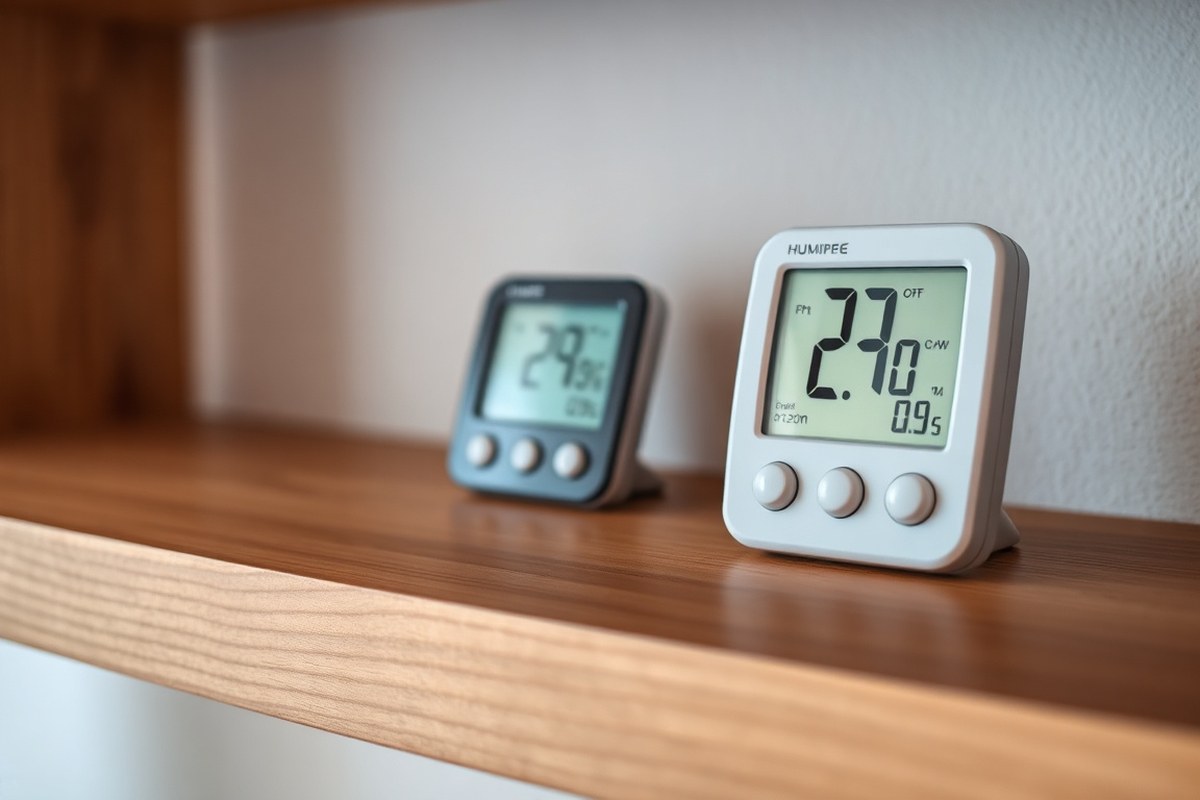
Use a hygrometer to check the humidity in your room. It is a simple device made for moisture tracking. This helps you know if the air is too dry or wet.
You place it where you want to know the humidity. It gives you a number to read. Monitoring regularly helps you keep the air comfortable and healthy.
Types of Hygrometers
Hygrometers come in two main styles: analog and digital. Analog ones look like small gauges with a dial.
Digital models show exact numbers on a screen. Digital hygrometers usually cost between $10 and $40 depending on features.
Some hygrometers can also measure temperature, which helps understand how heat affects humidity. You can buy small hygrometers that fit anywhere in your room. Larger ones give more detailed humidity readings.
Choose one that fits your space and needs. Pick a type that suits your preference and budget.
Manual vs Digital Measurement
Manual, or analog hygrometers, need occasional calibration to stay accurate. You usually adjust them by turning a small screw after comparing with a known moisture level. Digital hygrometers provide instant, easy-to-read data without much fuss.
Digital hygrometers may store data or have humidity alarms. They alert you if moisture gets too high or too low. This can help you act quickly to fix problems.
They tend to be more precise, which is useful if you want detailed monitoring. However, analog ones can still do a fine job if you check and adjust them regularly.
Ideal Humidity Ranges to Aim For
Healthy indoor humidity should stay between 30% and 50%. When levels dip below 30%, the air feels dry, which can irritate skin and breathing passages. Above 50%, you risk mold growth and a stuffy feeling in the room.
The perfect range depends on your comfort and room use. Bedrooms often do best near 40% to 50%.
Living rooms may tolerate a bit higher or lower. Keep the door closed to maintain stable humidity in one room.
Here’s how to use a hygrometer to track your room’s humidity accurately:
- Place the hygrometer on a wall or shelf away from direct sunlight and heat sources.
- Turn it on if it’s digital, or check the dial if it’s analog.
- Wait about 10 minutes for it to stabilize and show the current humidity.
- Note the reading and compare it to the ideal range of 30% to 50%.
- Check humidity levels at different times of day, like morning and evening.
- Record your readings daily or weekly depending on how closely you want to monitor.
- Adjust ventilation or add a dehumidifier if readings consistently exceed 50%.
- Calibrate your analog device monthly using the ‘salt test’ or refer to instructions.
Keep your hygrometer away from kitchens and bathrooms to avoid false high readings.
3. Common Household Methods to Combat High Humidity
Common household items can help reduce humidity in your room by absorbing moisture. Silica gel packs and activated charcoal work well for moisture control. You can put them in small bowls or containers around the room.
They pull moisture from the air effectively. Usually, they last for several weeks. After that, replace or recharge them.
Natural materials like baking soda and rock salt also absorb moisture well. Put a bowl of rock salt in a humid spot. Change the salt every month.
This keeps it working well. Baking soda works similarly and costs just a few dollars at the store.
Houseplants both help and hurt humidity depending on the type and number you have. Some plants like peace lilies and spider plants absorb moisture.
Boston ferns, rubber plants, and English ivy also help. Choose one or two of these in your room to help lower humidity naturally.
Too many plants or the wrong kinds can increase moisture. Overwatering them makes this worse.
Cut back on plants if the room feels too humid. Water them less often to stop more moisture.
Here are some simple household items and habits that reduce humidity effectively:
- Silica gel packs or activated charcoal in small containers
- Baking soda or rock salt set out in bowls and replaced monthly
- Houseplants that absorb moisture, like peace lilies and ferns
- Cover pots while cooking to limit steam
- Take shorter showers and use exhaust fans if available
- Air-dry clothes outside instead of indoors
- Open windows briefly to exchange humid air for drier air
Simple habits go a long way in daily humidity control. Cooking with lids on pots keeps steam from filling your room.
Taking shorter showers and running bathroom fans lowers moisture buildup quickly. Drying clothes indoors can raise humidity, so put laundry outside to dry when possible.
Opening windows a little each day can help, especially if outdoor air is drier. Air conditioners also work well by cooling and removing moisture.
So use them during hot, humid weather. These cost a bit more but make a noticeable difference in your home’s comfort over time.
4. Ventilation and Air Circulation: Key to Managing Moisture
Ventilation moves moist air out and brings fresh air in. It helps stop damp air from settling and raising humidity levels. Using air circulation prevents moisture from building up in rooms.
Fans and exhaust systems work best in places with lots of steam. Bathrooms get steamy during showers, so run the exhaust fan every time. Kitchens create moisture when you cook, so keep their fans on too.
Heating and cooling systems built with good ventilation reduce humidity. HVAC helps by exchanging indoor air and filtering moisture. Keeping these systems well maintained means steady airflow and less dampness.
Here’s a look at common ventilation methods, their costs, and when you should use each one:
| Method | Best Use | Cost Estimate | Effort and Outcome |
|---|---|---|---|
| Bathroom Exhaust Fan | During and after showers | $50 to $150 installed | Runs 5, 15 min; removes steam effectively |
| Kitchen Range Hood | Cooking on stove or oven | $100 to $400 installed | Use while cooking; traps grease and moisture |
| Ceiling or Portable Fans | General air circulation in living spaces | $20 to $150 | Runs anytime; moves air to dry surfaces |
| HVAC Ventilation | Whole house air exchange and moisture control | Varies; $300 to $1,000+ for upgrades | Regular use; requires professional maintenance |
| Open Windows/Doors | When outdoor air is less humid | Free | Good for short periods; depends on weather |
Bathrooms need doors closed and fans running to keep humidity low. Use kitchen hoods to clear out cooking steam fast. Living rooms benefit from ceiling fans or portable units that spread air around.
HVAC systems with fresh air vents remove moisture all day, especially in humid climates. Service them yearly to keep parts clean, and change filters often. Poor airflow or blocked vents can trap moisture and raise indoor humidity.
Turning on fans for 15 minutes after moisture-heavy activities helps a lot. Avoid leaving exhaust fans running all day since that wastes energy. Instead, use them strategically to keep air fresh and dry.
5. When to Use a Dehumidifier and How to Choose One
A dehumidifier pulls moisture from the air to reduce humidity in your room. It’s best when your humidity level stays above 60% or you see mold and dampness. Choosing the right size and keeping it clean help the unit work well and save energy.
Types of Dehumidifiers
There are several types of dehumidifiers to pick from. Refrigerant models cool the air, condense moisture, and collect water. They work well in warm, humid rooms.
Desiccant dehumidifiers use a drying material to absorb moisture. They do better in cooler spots.
Portable dehumidifiers are popular for small rooms or apartments. Whole-home units connect to your HVAC system but cost more upfront and take professional installation. Think about room size, temperature, and budget when choosing the type.
Size and Capacity Guidelines
Match your dehumidifier’s capacity to your room size for good results. Capacity is measured in pints of water removed per day.
A small room under 300 square feet needs 20 to 30 pints per day. Larger rooms over 500 square feet require 40 to 50 pints daily.
Here’s a quick size guide:
| Room Size (sq ft) | Dehumidifier Capacity (pints/day) | Approximate Price Range |
|---|---|---|
| Up to 300 | 20, 30 | $150, $250 |
| 300, 500 | 30, 40 | $200, $350 |
| Over 500 | 40, 50+ | $300, $500+ |
Choosing a unit too small means it won’t dry your room fully. Too large wastes energy and money. For unusually humid rooms or leaks, consider higher capacity or fixing openings first.
Maintenance and Energy Tips
Keep your dehumidifier effective by cleaning filters and emptying the water tank regularly. Check the coils for dust every month in dusty areas. Always follow the manufacturer’s guide for cleaning to avoid damage.
Position your dehumidifier where air flows freely around it. Close doors and windows to let it focus on the room’s humidity. Fix leaky windows or doors since moisture from outside makes the dehumidifier work harder.
Regularly clean or replace filters to avoid reduced airflow and efficiency.
Energy savings come by setting the machine to your target humidity, usually between 45 and 55%. Lower targets use more power, and higher ones may not stop mold. Using a timer or humidistat keeps it from running all day and saves money.
6. How Temperature and Room Characteristics Affect Humidity
Warm air holds more moisture than cold air. When room temperature rises, humidity often feels higher even if moisture stays the same. For example, a room at 80°F can hold nearly twice the moisture as one at 60°F. This means your thermostat setting directly affects how humid the air feels.
Bigger rooms don’t always mean more humidity problems. They do have more air volume, so moisture spreads out more. However, a large room with poor ventilation or leaks can trap moisture, causing dampness.
A small sealed room near a shower or laundry can hold more humidity. Its size doesn’t always mean low humidity. Moisture sources nearby raise the humidity levels.
Good insulation helps keep room temperature steady. It stops warm, moist air from sneaking in during summer or escaping in winter. For instance, well-insulated walls and ceilings can prevent condensation that leads to mildew.
Adding insulation usually costs between $1 and $3 per square foot. But it reduces drafts and moisture buildup, making your space more comfortable.
Rooms with single-pane windows often feel damper because they let cold air through. That cold surface causes moisture to condense inside the room. Replacing windows with double-pane versions or adding storm windows blocks this effect.
It costs about $200 to $600 per window to upgrade. But it reduces window condensation and lowers humidity issues noticeably.
Humidity rising despite temperature control and insulation means you should check for leaks. Moisture from plumbing or roof leaks adds water to the air continuously. Fixing leaks stops the extra moisture source.
Signs to watch for include water stains, musty smells, or peeling paint. Professionals can spot hidden leaks if you don’t see any obvious signs.
7. Mistakes to Avoid When Trying to Lower Room Humidity
Some actions can actually raise humidity instead of lowering it. For example, drying clothes indoors adds moisture that traps in the room.
Also, using humidifiers or leaving houseplants in tight spaces can boost humidity levels without you noticing. It helps to limit indoor drying to well-ventilated areas or outside when possible.
Chemical moisture absorbers might seem helpful to pull water from the air. But they’re not always safe or effective. Many contain salts that can irritate skin or eyes and are not meant for large spaces.
Use them only in small areas like closets, and never around children or pets. For bigger rooms, an electric dehumidifier is usually safer and gives better results.
You tried many fixes, but the room still feels humid. Look for hidden sources. Leaks around windows or pipes can bring moisture all day.
Seal any cracks with weather stripping or silicone caulk. Also, make sure your home ventilation fan is working, especially in bathrooms and kitchens. Without airflow, moisture lingers, causing musty smells and damp walls.
- Drying laundry indoors without proper airflow increases humidity.
- Keeping plants in small rooms traps moisture in the air.
- Using chemical absorbers in large rooms can be unsafe and ineffective.
- Ignoring leaks and cracks lets water seep and raise humidity.
- Poor ventilation in kitchens and bathrooms keeps humidity high.
- Not running a dehumidifier long enough can stall progress.
- Closing doors and windows blocks needed air circulation to dry rooms.
Running a dehumidifier for at least 8 hours daily helps a lot. Keep doors open to let air flow freely. Use exhaust fans during cooking or showering to clear hot moist air fast.
Check your tools regularly. Hygrometers help track humidity changes. Aim for below 50%.
8. When to Call a Professional for Persistent Humidity Problems
Call a professional if humidity stays high despite your efforts or causes visible damage. Persistent moisture could mean hidden leaks or poor insulation. Experts can find hidden problems and fix them safely and effectively.
Signs You Need Professional Help
Look for mold growth on walls or ceilings that doesn’t go away. A musty smell that lingers after cleaning also signals trouble. Water stains, bubbling paint, or warped wood show moisture damage inside walls or flooring.
Humidity constantly above 60% in your room can harm your health and structure. Condensation on windows or cold spots on walls suggests insufficient insulation or air leaks. If these signs last more than a few weeks, it’s time to get help.
Common Professional Solutions
Specialists test your home’s air and surfaces to find moisture sources. They check plumbing, roofs, and foundation for leaks causing humidity. After diagnosis, they may install vapor barriers or improve ventilation to stop moisture build-up.
Experts can also repair damaged insulation and seal air leaks to keep humidity down. In some cases, they recommend or install whole-house dehumidifiers. Professionals know how to choose systems sized for your home’s needs.
Preparing for a Consultation
Write down the humidity level you’ve measured and note when you see problems. Take photos of mold, water stains, or warped areas to show the professional. Be ready to explain your daily habits that might affect moisture, like shower length or cooking.
List any previous repairs or dehumidifiers used and their results. Prepare questions about costs, timing, and what you can do after the work. Good preparation helps the expert give a clear, accurate diagnosis and solution.
Don’t wait too long to call. Early action prevents costly structural damage and health risks.
Step-by-Step Action Plan to Lower Room Humidity
Start with easy fixes and watch how your room feels. Follow these steps in order for best results.
- Day 1: Open windows or use exhaust fans to improve airflow. You’ll notice less musty air after a few hours.
- Day 2: Place a portable dehumidifier in the room if moisture lingers. Check if the water collection tank fills within a day.
- Week 1: Use moisture absorbers like silica gel or baking soda in corners. The room should feel drier and fresher after several days.
- Week 2: Address sources of moisture, such as drying clothes elsewhere or fixing leaks. Observe if wall or ceiling dampness diminishes.
- Week 3: Check humidity levels using a hygrometer every few days. Aim for indoor humidity between 30% and 50%.
- After 1 Month: Maintain good ventilation and repeat dehumidifier use if needed. You should experience less condensation on windows and fewer mold smells.
Frequently Asked Questions
What Is the Ideal Humidity Level to Keep a Room Comfortable?
You should aim for around 45% humidity in your room. This level stops the air from feeling too dry or too sticky. Too low humidity can dry out skin while too high can feel hot and clammy.
Can Houseplants Help Reduce Room Humidity Naturally?
Yes, some houseplants absorb moisture through their leaves and soil. They act like natural dehumidifiers to a small degree. Just avoid overwatering, which adds more humidity instead of reducing it.
Does Closing Windows Help Lower Indoor Humidity?
Closing windows can trap humid air inside, making it worse. You want to open windows at dry times or run fans for air circulation. Fresh outside air usually dilutes indoor moisture better than sealed rooms.
How Often Should You Run a Dehumidifier to Keep Humidity Low?
Running a dehumidifier daily for several hours is ideal in humid rooms. You can adjust based on the humidity level you measure. Don’t run it nonstop to save energy and avoid overly dry air.
Can Cooking Increase Humidity Inside Your Home?
Yes, cooking releases a lot of moisture into the air, raising humidity. Use exhaust fans or open a window while cooking to vent steam outside. This helps keep humidity levels in check.
What Signs Show That Room Humidity Is Too High Besides a Hygrometer?
You may notice musty smells, condensation on windows, or sticky walls. Mold growth and allergy symptoms can also indicate excess moisture indoors. These signs mean you should act to reduce humidity.
Final Thoughts
Lowering room humidity brings better air and comfort to your home. Start by boosting airflow and controlling moisture sources. Keep an eye on humidity levels to stay on track.