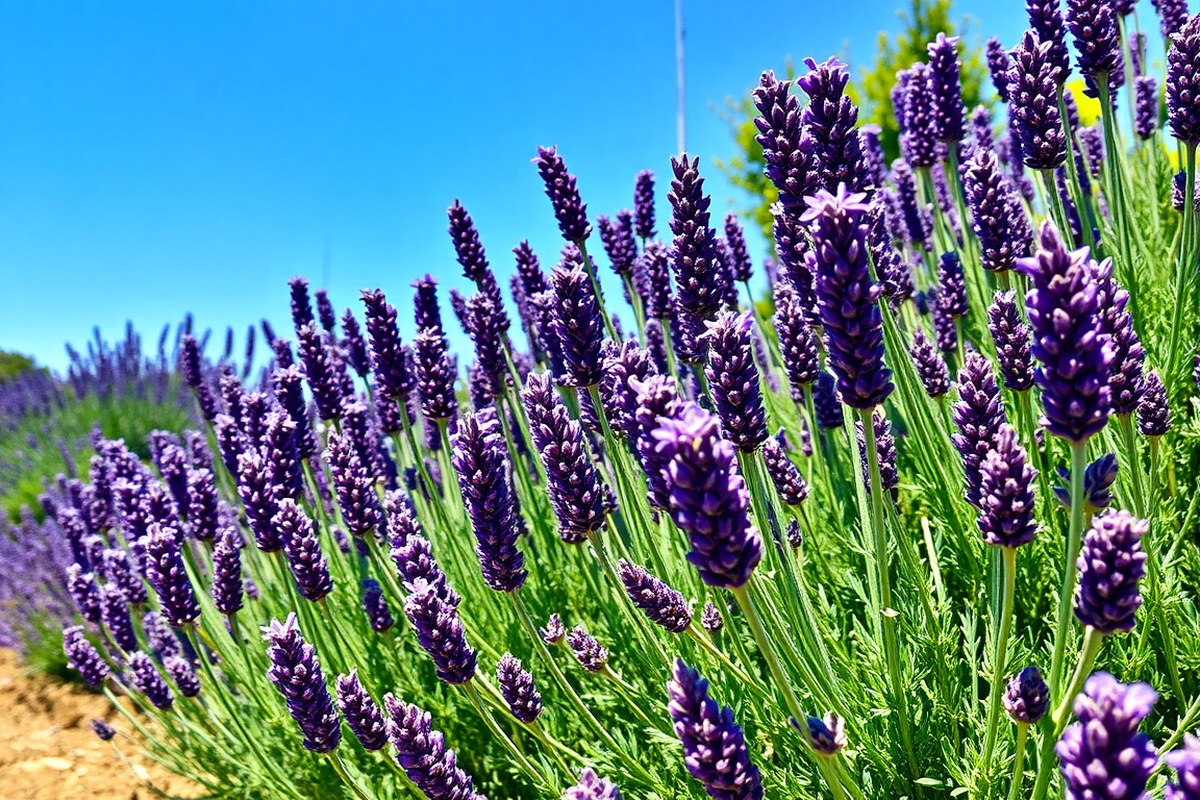
How Fast Do Lavender Plants Grow: A Complete Guide to Speedy, Healthy Growth
How fast do lavender plants grow depends on the variety and conditions. Typically, they grow about 1 to 2 inches per month during active seasons.
You can expect full size in about a year. But full maturity takes 3 to 5 years.
Starting with nursery plants speeds growth more than seeds. Seeds can take up to three months to germinate and need careful attention. Nursery lavender plants that are 5 inches tall or taller grow faster.
Taller nursery starts usually make stronger plants. You’ll see quicker growth with these larger starters.
Lavender needs a sunny spot with at least six hours of light. Plant in soil that drains well with gravel mixed in. Space the plants 18 to 24 inches apart for best growth.
Key Takeaways
- Lavender grows 1 to 2 inches monthly during its active growing period.
- It reaches full size in about one year but matures in 3 to 5 years.
- Starting with 5-inch nursery plants speeds growth more than starting from seed.
- Seedlings require up to 3 months to germinate and need patient care.
- Lavender thrives with six hours or more of direct sun daily. Place it somewhere sunny to keep it healthy and growing. Sunlight helps lavender produce its best buds and oils.
- Use well-draining gravelly soil and space plants 18-24 inches apart.
How Fast Do Lavender Plants Grow Normally?
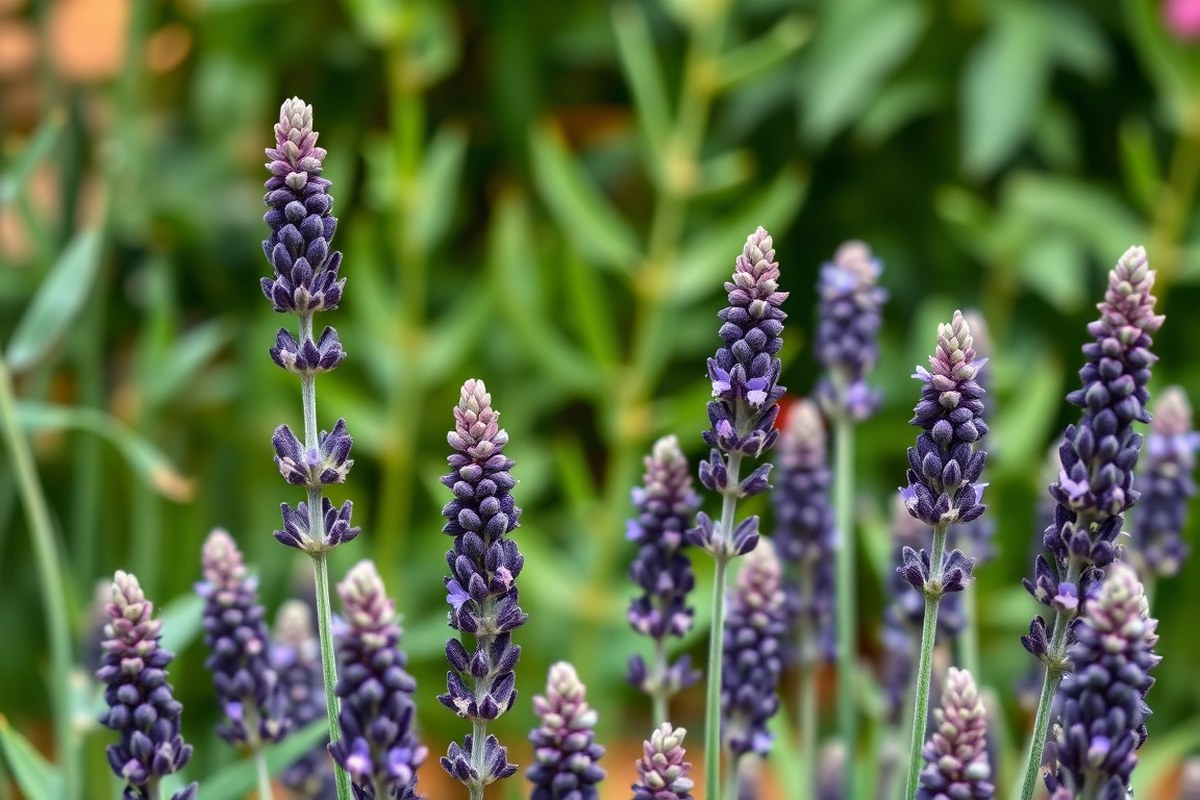
Lavender plants usually grow about 1 to 2 inches per month during their active season. This steady pace means they take around 2 to 3 years to reach full maturity.
The size depends on the variety. But many grow to 2 or 3 feet tall and wide when mature.
From seed, lavender takes 1 to 3 months to reach a size ready for transplanting. After that, it enters a longer vegetative growth phase lasting several months.
You’ll see the first flowers in about 1 to 2 years. But the plant still keeps getting bigger for a couple more years.
Growing conditions also matter. Lavender needs at least 6 hours of direct sunlight daily to keep its growth steady. Poor soil or not enough sun slows lavender growth.
Your lavender might take over 3 years to reach full size. Growth depends on soil quality and sunlight amount. Starting with nursery plants rather than seeds can speed up reaching a good size faster.
Lavender Growth Stages from Seed to Maturity
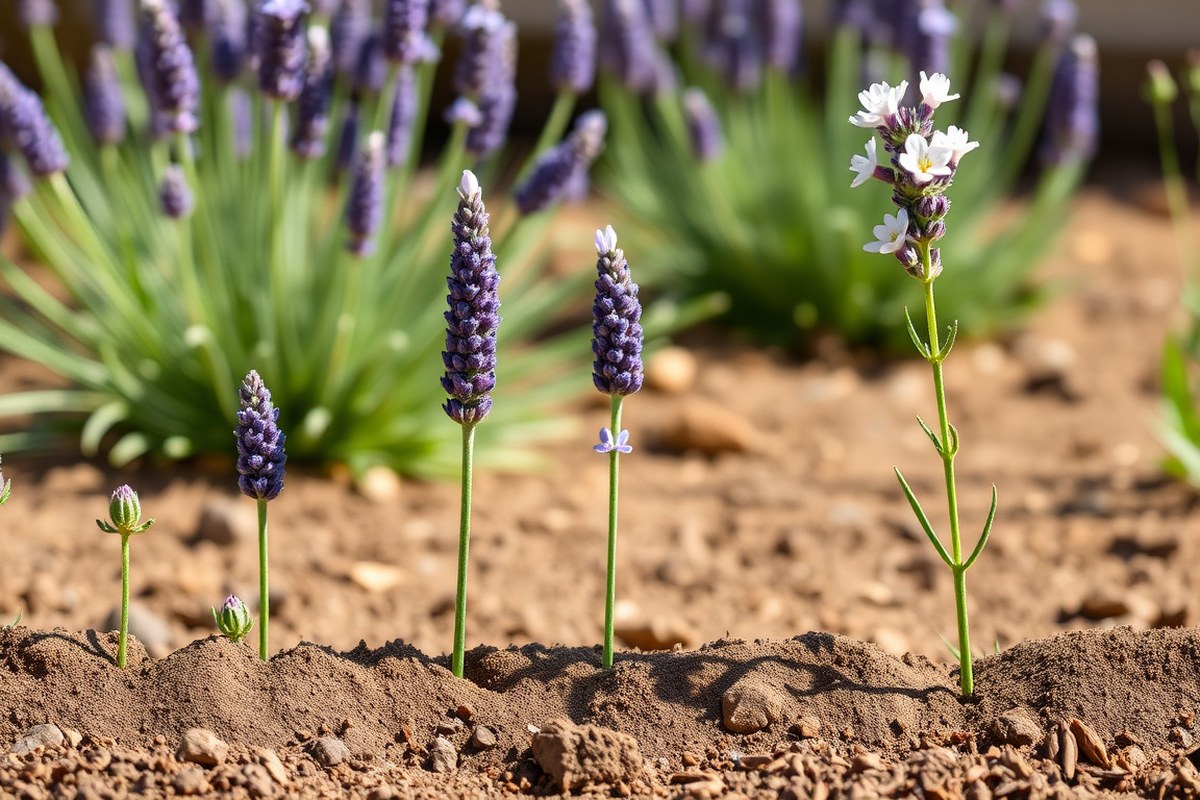
Lavender grows through clear stages starting from seed, sprouting leaves, and flowering before it matures. Each stage takes different amounts of time. Knowing this helps you care for your plants better.
Typically, lavender begins flowering within a year after planting from cuttings or pots. But it may take two years from seed.
Seed Germination and Sprout Development
Seeds usually germinate within 14 to 28 days when kept at 65 to 70°F. Use well-drained, slightly alkaline soil and maintain moisture without soaking it. Tiny green shoots appear, showing your seeds have started growing.
This stage takes patience because seedlings grow slowly. Avoid moving them too much or overwatering, which can kill fragile sprouts early on.
Establishment and Vegetative Growth
After sprouting, the plant focuses on growing leaves and roots. This phase lasts 1 to 3 months if starting from seed or cuttings. Your lavender will look bushier and stronger.
Space young plants 18 to 24 inches apart. Give them 6 to 8 hours of sunlight daily. This encourages faster growth and stronger root systems.
Supporting your plants with steady warmth during this time helps them develop well before winter arrives.
Flowering and Maturity
Lavender starts to flower roughly 12 months after planting cuttings or potted plants. Seeds can take around 2 years before flowering. Flowers bloom in shades from mauve to white.
It takes about 3 to 4 years for a plant to fully mature. During this time, the plant grows between 2 and 3 feet tall. After flowering ends, the plant gradually prepares for dormant winter rest.
Follow these steps to support lavender growth through its stages:
- Plant seeds in well-drained, alkaline soil with temperature at 65, 70°F.
- Keep soil moist but avoid waterlogging during germination.
- Provide at least 6 hours of direct sunlight daily for young plants.
- Space plants 18, 24 inches apart to allow root and leaf growth.
- Transplant seedlings outdoors after 2, 3 months based on size and weather.
- Watch for flowers around 1 year with cuttings, 2 years from seed.
- Prune after flowering to prepare plants for winter dormancy.
Keep soil on the drier side after flowering to help lavender enter dormancy gently.
Top Fast-Growing Lavender Varieties Compared
Some lavender varieties grow faster than others and suit different climates. French and Spanish lavenders tend to grow quicker but prefer milder zones 8 to 10. English types take longer but handle cooler climates well and can form dense hedges.
Knowing growth speed helps you choose the best lavender for your garden. The mature size also matters for space. These details guide your selection.
Early bloomers give you flower harvests sooner. But some types take up to three years to reach full size. That timing matters if you want a quick splash of color or a long-term planting.
| Variety | Time to Transplant Size | First Bloom Time | Full Maturity | Height at Maturity (inches) |
|---|---|---|---|---|
| English Lavender (L. Angustifolia) | 10, 12 weeks | Year 2 | Year 3 | 18, 24 |
| ‘Hidcote’ (Dwarf English) | 8, 10 weeks | Year 2 | Year 2, 3 | 12, 18 |
| ‘Munstead’ (Compact English) | 10 weeks | Year 2 | Year 3 | 12, 16 |
| French Lavender (L. Dentata) | 12, 14 weeks | Year 1 (warm climates) | Year 2 | 24, 36 |
| Spike Lavender (L. Latifolia) | 12 weeks | Year 2 | Year 3 | 24, 30 |
Pick ‘Hidcote’ if you want faster growth and a smaller plant for tighter spaces. French lavender grows taller and blooms in the first year in warm zones.
It’s perfect for a quick, fragrant garden display. English lavenders like ‘Munstead’ need more time but produce strong, long-lasting bushes.
Match your choice to local climate for best results. Warmer areas help French lavenders grow well and flower early. Living in cooler zones?
Hardy English types last longer and handle frosts well. Adjust expectations based on how fast or slow your lavender grows there.
How Growing Lavender in Pots Affects Growth Rate
Lavender generally grows slower in pots than in garden beds. Pots limit root space, which restricts how big and fast plants get. Also, pots dry out quicker, requiring more frequent watering than garden soil.
Choosing the right pot size helps balance growth and care. Start with a pot about 12 inches wide and deep for young plants. Move the lavender to a pot that is 16 to 18 inches wide.
This gives the roots enough room to grow. Do this as the plant grows bigger.
Too small a pot makes lavender root-bound and stunts growth. Too big a pot wastes water and can keep roots too wet.
Soil type is key in pots because lavender needs excellent drainage. Use a sandy, gritty soil mix with added perlite or coarse sand. Avoid heavy garden soil alone; it traps moisture and can cause root rot.
Check soil moisture by sticking your finger about an inch deep. Water only when the topsoil feels dry. Overwatering is the most common problem causing slow lavender growth in pots.
- Use pots with drainage holes to prevent water buildup
- Choose a fast-draining soil mix, like 70% potting soil and 30% perlite or sand
- Water moderately, allowing soil to dry between waterings
- Place pots in full sun to promote faster growth
- Fertilize lightly every 6 to 8 weeks with a balanced, slow-release fertilizer
Keeping lavender in a sunny spot helps compensate for limited space and encourages faster growth. Protect pots from strong winds, which dry out soil quickly.
Regular pruning also helps prevent legginess and supports bushier growth in pots. Watch for yellow leaves or slow growth as signs you need to adjust watering or soil.
Environmental Factors That Influence Lavender Growth Speed
Lavender plants need 6 to 8 hours of sunlight daily to grow fast. More sunlight helps them produce more leaves and flowers.
Lavender plants need enough sunlight. Less sunlight slows growth and makes them leggy.
Well-drained soil is important for quick growth. Lavender hates soggy roots, so sandy or gravelly soil works best.
Adding organic matter can improve drainage and provide nutrients. Avoid heavy clay soils that stay wet for days.
This plant thrives in warm climates, ideally between 68 and 86°F. Heat boosts growth. But extreme cold or frost can stunt young plants or kill them.
Winters colder than 20°F need special care for lavender. Bring potted lavender indoors or protect outdoor plants.
Water lavender only when the top 1 to 2 inches of soil are dry. Let the soil dry before watering again.
Overwatering causes root rot and slow growth, but underwatering will dry out leaves. For established plants, watering every 2 to 3 weeks in dry weather is enough.
- Provide full sun, 6 to 8 hours a day
- Use well-drained, sandy or gravelly soil
- Keep soil warm, between 68°F and 86°F
- Water only when top 1, 2 inches of soil are dry
- Space plants for good air flow
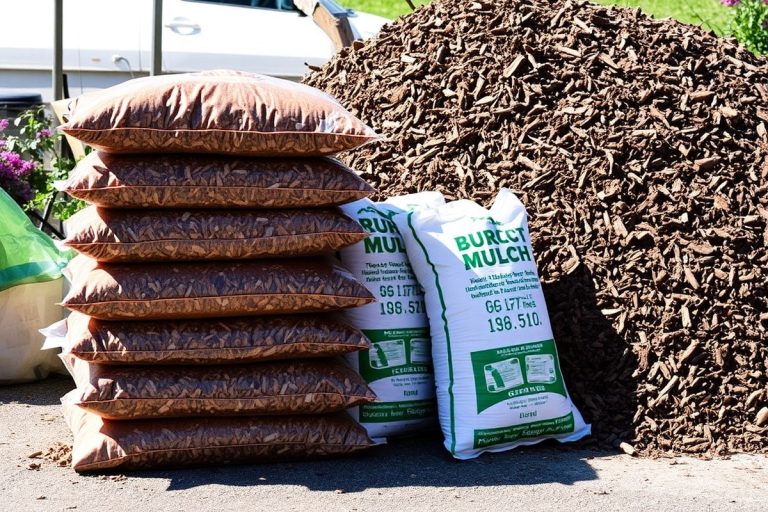
- Apply organic mulch to keep soil temperature steady
Good air circulation helps keep leaves dry and prevents diseases. Spacing lavender about 2 feet apart is best. Adding a layer of mulch around plants controls soil temperature and stops weeds from stealing moisture.
Water your lavender deeply but infrequently, letting soil dry between sessions to avoid root rot.
Effective Pruning Practices to Encourage Faster Growth
Pruning lavender twice a year helps boost growth speed and overall plant health. You should trim young plants gently and prune established ones more firmly. Proper pruning keeps your lavender bushy, encourages strong roots, and supports better flower production.
Pruning Young Plants (Year 1-2)
Young lavender plants need light pruning to shape their growth without stressing them. During the first year, avoid cutting into woody stems since they take longer to heal. Begin pruning after the first bloom to help the plant grow bushier.
Cutting back the plant slightly promotes fuller growth and helps roots develop better. It also improves airflow and reduces the risk of disease by opening up the plant. The goal is to keep the new growth healthy and encourage more branches.
Follow these steps to prune young lavender plants safely:
- Wait until after the first flowering ends, usually late summer.
- Use clean, sharp scissors or garden shears for a precise cut.
- Cut back about one-third of the plant’s height, avoiding woody stems.
- Trim lightly and shape the bush to keep it compact and rounded.
- Remove any dead or weak branches to promote strong growth.
- Keep the base clear of woody growth to encourage root strength.
- Water the plant moderately after pruning to support recovery.
Pruning Established Plants (After Year 2)
Once lavender is about 2 to 3 years old, prune it more firmly twice a year. This helps keep the plant about 2 to 3 feet tall.
It also maintains a spread of 2 to 4 feet wide. You can prune in early spring and again after flowering in late summer.
Firm pruning removes old wood and encourages new shoots for better blooms the next season. Stay clear of cutting into bare wood, as lavender won’t regrow there easily. Strong pruning also helps air reach the center, reducing moisture buildup that causes rot.
Steps for pruning mature lavender plants:
- Prune in early spring just as new growth starts.
- Cut back old flower stems to about one-third of the plant’s height.
- Trim again lightly after the summer bloom to maintain shape.
- Avoid cutting into woody, leafless stems without green shoots.
- Remove any dead or damaged branches completely at their base.
- Shape the plant evenly for good airflow and sunlight access.
- Discard cuttings to prevent spreading pests or disease.
Avoiding Common Pruning Mistakes
Cutting lavender too early or too harshly can stunt growth or kill the plant. Don’t prune when the plant is dormant or before the first sign of new leaves. Avoid severe pruning into old wood, as lavender rarely recovers from this.
Pruning at the wrong time, such as late fall, risks winter damage and poor flowering. Over-pruning may reduce the number of flowers the following season. Moderation and timing are key to keeping lavender healthy and fast-growing.
Keep tools clean to prevent disease. Always leave some green growth on the plant.
Allow plants 1 to 2 years to grow wild before starting heavier pruning at year 3. This approach gives you fuller plants that grow faster and look great.
Common Issues That Slow Lavender Growth and How to Fix Them
Slow lavender growth often starts with too much water or poor soil drainage. Lavender roots need oxygen, and soggy soil harms them. If your plant stays wet for days, roots can rot and stunt growth.
Check the soil by pressing a finger about an inch deep. It should feel dry before watering again.
Water deeply every 7 to 10 days rather than frequent shallow dribbles. This encourages roots to grow strong and deep.
Lavender also needs well-draining soil. Clay or heavy soils hold water too long.
Mix in sand, gravel, or organic matter to improve drainage. Raised beds or pots can help too, especially in wetter climates.
Pests and diseases affect growth as well. Look for chewed leaves, discoloration, or sticky residue. Common pests like aphids and spider mites slow plants by sucking nutrients.
- Check soil moisture before watering to avoid root rot
- Test soil drainage and add sand or gravel if needed
- Water deeply but only every 7 to 10 days to strengthen roots
- Inspect leaves for pests such as aphids and spider mites
- Use insecticidal soap or neem oil to treat insect problems
- Remove dead or diseased branches promptly
- Keep lavender in full sun to promote healthy growth
Removing dead wood helps light reach healthy parts and boosts growth. Lavender grows best with six or more hours of direct sunlight daily. Without enough sun, plants get leggy and weak.
By fixing watering, soil, and pest issues, your lavender can grow faster. Watch for early signs like yellow leaves or stunted shoots. Acting quickly makes a big difference for your plant’s health.
Starting Lavender from Seed or Cuttings for Faster Growth
Lavender grows faster from cuttings than seeds. Seeds can take 2 to 4 weeks or more to sprout. Cuttings start roots in 3 to 4 weeks, giving you quicker new plants.
Preparing and Planting Lavender Seeds
Lavender seeds need patience as they sometimes take over a month to germinate. Using a light seed-starting mix helps keep moisture balanced.
Sow seeds on the surface and press lightly without covering. Keep soil around 70°F and moist but not soaked for best results.
- Fill seed trays with sterile, well-draining seed-starting mix.
- Scatter lavender seeds thinly on the surface.
- Press seeds gently but don’t cover them with soil.
- Water lightly to moisten without puddles.
- Place trays in a warm spot, ideally 70°F.
- Keep soil moist using a spray bottle.
- Use a grow light if your natural light is weak to avoid legginess.
- Be patient; germination can take from 14 days to several months.
Do not overwater seedlings; soggy soil leads to rot and damping-off.
Taking and Rooting Cuttings
Cuttings offer a faster start, avoiding the slow germination of seeds. Use softwood or semi-ripe stems taken in early to midsummer. Choosing healthy shoots and preparing them properly lets roots form in about 3 to 4 weeks.
- Select a healthy stem just below a leaf joint (node).
- Cut a 3 to 4-inch piece of softwood or semi-ripe stem.
- Remove 3 or 4 lower leaves to expose the stem underside.
- Dip the cut end into rooting hormone powder.
- Insert cuttings into warm (around 70°F) moist potting soil.
- Space cuttings 3 to 4 inches apart in sterile sandy soil.
- Cover with a plastic dome or place in a cold frame to conserve moisture.
- Keep soil moist but not waterlogged.
Rooting hormone helps cuttings sprout roots faster and reduces failures.
Transplanting and Early Care
Once seedlings or cuttings develop healthy roots, move them into bigger pots or your garden. Wait for at least 4 to 6 weeks to get sturdy plants.
Keep new plants in bright, indirect light indoors. Only water when the soil feels dry at 1 inch deep. This helps stop root rot from forming.
Gradually introduce outdoor conditions before planting in the garden to reduce shock and help plants adapt.
Step-by-Step Action Plan for Growing Lavender Faster
This quick plan helps you boost lavender growth starting today. Follow these steps for visible results within weeks.
- Before you plant: Choose a fast-growing variety like Lavandula angustifolia ‘Munstead’. Make sure your soil drains well and gets full sun.
- Day 1: Plant lavender in pots or garden beds with sandy soil. Moist but not soggy soil shows you did it right.
- Week 1: Water lavender lightly twice a week. If leaves feel firm and bright green, roots are settling well.
- Week 3: Pinch off flower buds early. This helps the plant focus on growing leaves and stems first.
- Month 2: Prune one-third of the plant’s height gently. New shoots growing means pruning worked well.
- Month 3: Check for pests like aphids every week. Removing them increases the plant’s energy for growth.
- Month 4: Add a light mulch around the base to keep soil moist but not wet. Soil that stays damp without puddles is perfect.
- Month 6: Consider repotting if grown in containers to refresh soil and give roots more room.
Frequently Asked Questions
How Quickly Do Lavender Plants Reach Their Flowering Stage?
Lavender plants generally bloom in their second summer if grown outdoors in full sun. Growing them in pots or indoors might delay flowering or produce smaller plants.
Can Lavender Plants Outgrow Their Container Size?
Yes, lavender can outgrow pots, causing root binding. Repot or trim roots every couple of years to keep your plant healthy.
Does Watering Frequency Affect Lavender Growth Speed?
Overwatering slows growth and risks root rot. Water lavender only when soil feels dry to touch, about once a week in warm weather.
Can Lavender Plants Grow in Partial Shade?
Lavender needs at least 6 hours of direct sunlight daily for fastest growth. Plants in less sun grow slower and are more prone to disease.
How Does Soil Type Impact Lavender Growth Rate?
Well-drained, slightly alkaline soil helps lavender grow faster and stay healthy. Heavy clay or waterlogged soil slows growth and harms roots.
Will Lavender Grow Faster If Fed with Fertilizer?
Lavender grows best in poor soil with minimal feeding. Too much fertilizer causes leggy growth and fewer flowers.
Wrapping Up
Lavender usually grows slowly but steady under good care. Choosing the right variety and pruning often speeds growth. Start pruning or pinching buds this week to see faster, healthier plants soon.

One Comment