Can You Plant Herbs Together? Best Combinations and Growing Tips
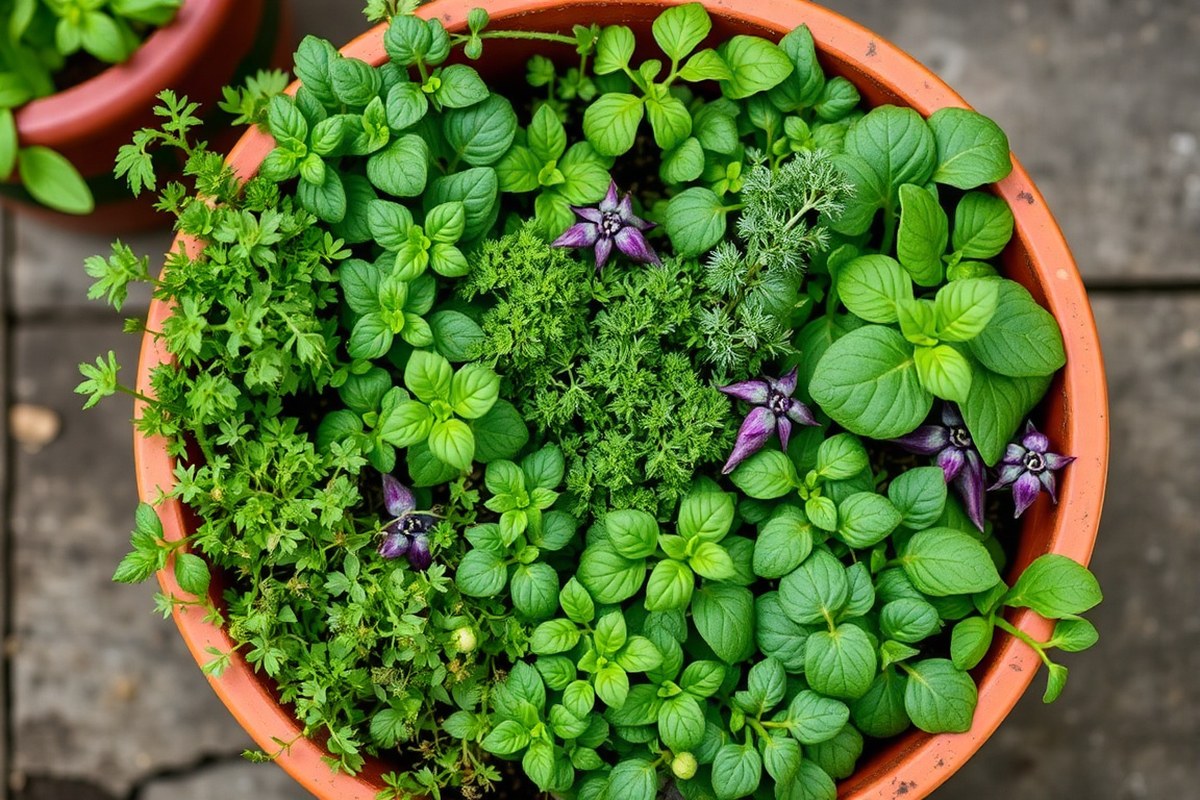
Can you plant herbs together in one pot or garden bed? Yes, you can grow different herbs side by side successfully. The key is knowing which herbs like similar sun, water, and space.
Start by grouping herbs that share growing needs like sunlight and moisture. Watch out for aggressive herbs that might crowd or steal nutrients from others. Use pots that are at least 10 to 12 inches wide.
The pots should also be at least 10 to 12 inches deep. This size helps roots spread and plants thrive.
Plant annual herbs when they’re about 8 inches tall for best results. Trim leafy annuals down to 4 inches tall to keep them fresh. This encourages new growth all season long.
Regular trimming keeps plants productive. These simple steps make herb gardening easier and more productive.
Key Takeaways
- Plant herbs together only if they share similar sun and water needs.
- Choose pots at least 10 to 12 inches deep and wide for multiple herbs.
- Group vigorous herbs like mint separately to prevent overcrowding.
- Trim annual herbs back to about 4 inches to encourage new growth.
- Start parsley with a live seedling for faster herb harvesting.
- Basil grows well in the center with parsley and cilantro around it.
Can You Plant Different Herbs Together Successfully?
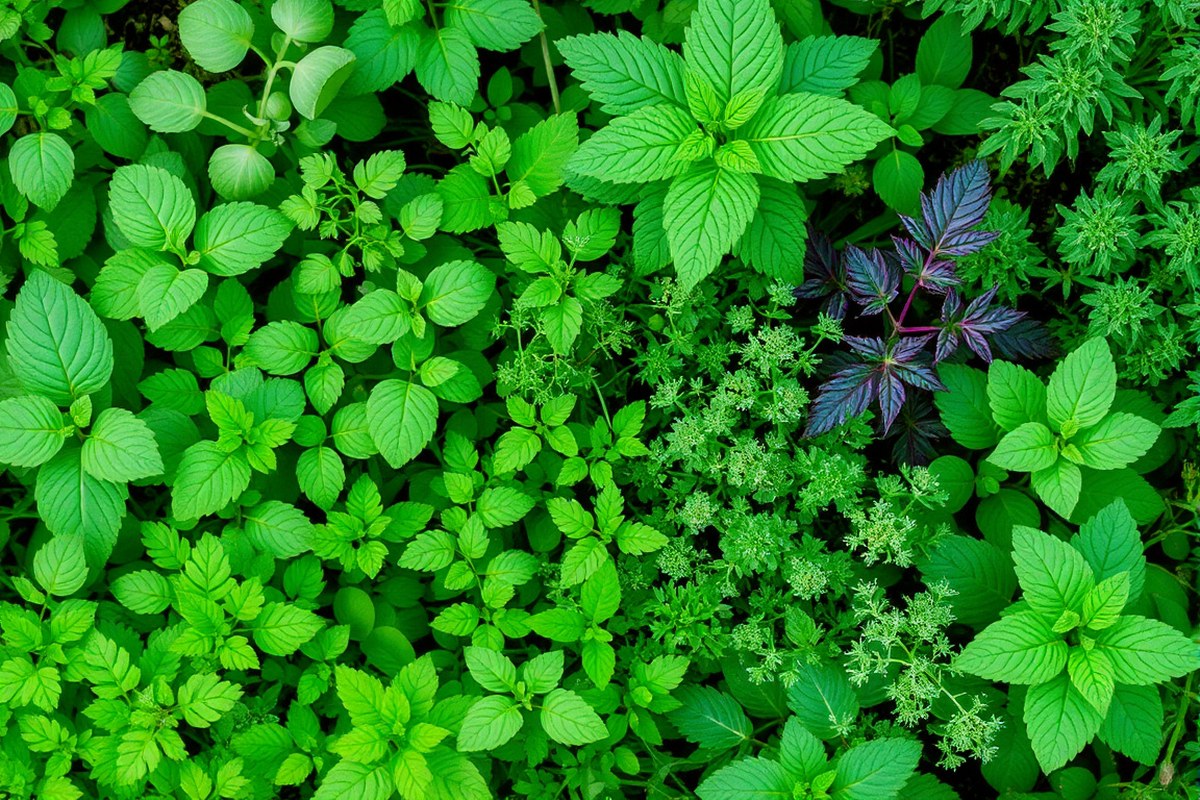
Yes, you can plant different herbs together in the same pot or garden bed. It works best when the herbs have similar water, sunlight, and soil needs.
Mixed planting saves space and helps create a healthy plant community. But you can’t just toss any herbs into one container.
Herbs need enough room for roots and air circulation to avoid disease and stunted growth. For containers, choose pots at least 8 to 12 inches wide to give plants space.
Drainage holes are a must to prevent waterlogging. Outdoors, space plants apart according to their mature size to prevent overcrowding.
Matching herbs with similar water needs is key. Mediterranean herbs like rosemary, thyme, oregano, and sage prefer well-drained soil and less frequent watering. Thirstier herbs like basil, parsley, and cilantro need steady moisture and full sun.
Mixing these plants can cause problems. One group might sit in very wet soil. The other might sit in soil that’s too dry.
Some herbs, like mint and lemon balm, spread aggressively. They don’t do well sharing space with slower growers since they crowd out neighbors quickly. Put spreading herbs in separate pots or beds to control their growth and avoid competition.
Sunlight matters too. Most herbs like full sun, but a few, like chives, can tolerate partial shade. When planting in one spot, make sure all herbs get the right light level.
Indoors, put containers by a bright window. Use grow lights if needed. Make sure they get at least six hours of light each day.
Soil quality also affects herb success. Use a well-draining potting mix enriched with compost or organic matter.
Avoid heavy garden soil in pots since it holds too much water and causes root rot. Checking soil moisture with your finger helps avoid over or underwatering when herbs grow together.
Growth habits vary. Taller herbs like rosemary or dill should not overshadow smaller basil or thyme.
Place taller ones at the back of a garden bed or center of a pot. This keeps all plants getting enough light and air, and limits competition.
Choose herbs that support each other for better growth and pest control. Some herb combinations naturally repel pests and boost flavors, making your garden healthier. Think about each plant’s needs before planting together.
This prevents wasting space. It also stops one herb from harming another.
Which Herbs Are Best Grown Together: Groups and Pairings
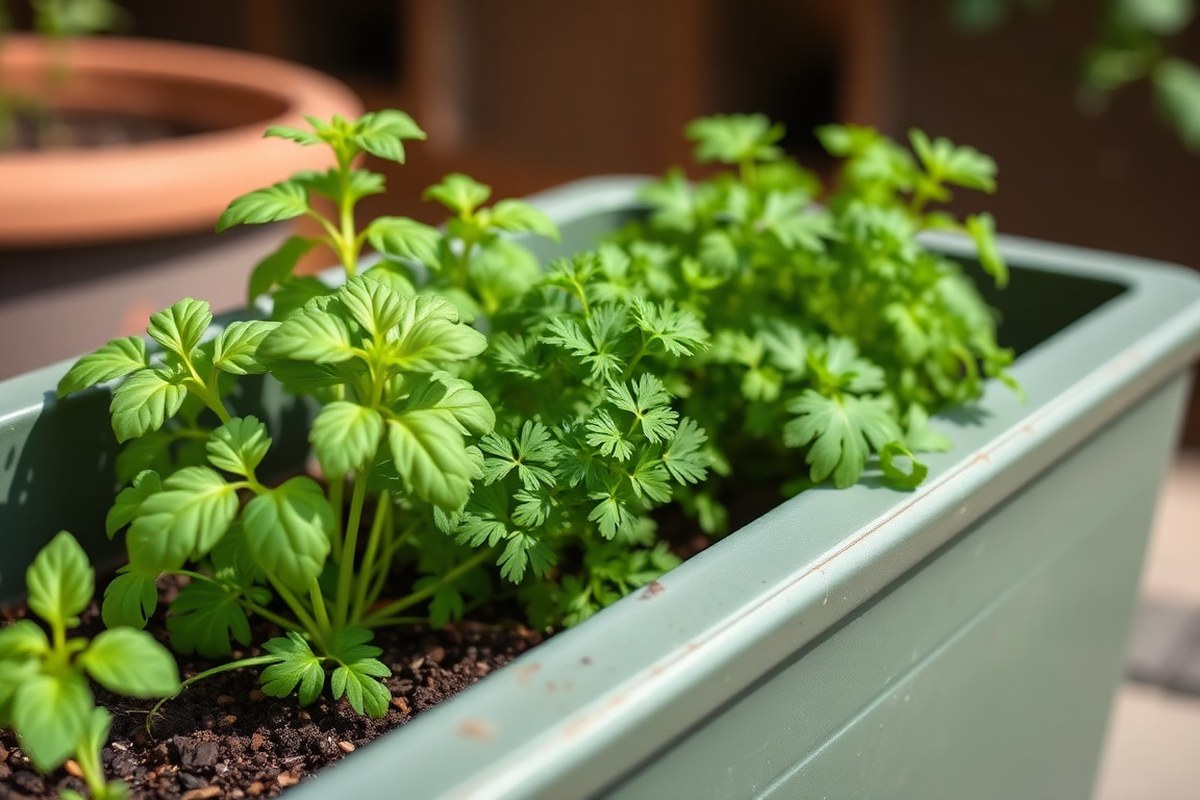
Many herbs grow well together because they share similar needs. For example, Mediterranean herbs like rosemary, thyme, and oregano prefer full sun and dry, well-drained soil. Plant them in one pot or plot to keep care simple and avoid overwatering.
Other herbs, such as basil, cilantro, and parsley, need more water and richer soil. They also like full sun but require regular watering to stay healthy. Grouping these moisture-loving herbs separately lets you tailor care without stressing the plants.
It helps to know which plants should not share space. Mint grows aggressively and can crowd out neighbors like basil or parsley.
Fennel releases substances that slow growth in other herbs. So keep it away from all other herbs to avoid problems.
| Herb | Keep Away From | Reason |
|---|---|---|
| Mint | Basil, Cilantro, Parsley, Chives | Aggressive roots overtake the pot |
| Fennel | All herbs | Releases growth-inhibiting compounds |
| Rosemary | Basil, Cilantro, Parsley | Needs dry soil vs. Constant moisture |
| Lavender | Cilantro, Parsley, Chives | Drought-lover vs. Moisture-seekers |
| Dill | Basil, Cilantro | Stunts their growth |
| Sage | Basil, Moisture-loving herbs | Dry soil vs. Rich, moist conditions |
Classic culinary combos often group thyme and oregano because they enjoy dry soil and full sun. These two create nice flavor blends and thrive under the same care routine. Another good team is basil and parsley, both requiring plenty of water and sun.
Adjust how often you water and where you place your herbs outdoors or indoors. Herbs that prefer dry soil don’t need daily watering but those liking moist soil usually do. Keeping similar herbs together means less guesswork and fewer dead plants.
Don’t plant chives with rosemary or sage. They need more water and won’t thrive together.
How Water and Sunlight Needs Affect Herb Grouping
Matching water and sunlight needs is key when planting herbs together. Herbs have different preferences, so grouping similar ones helps them thrive. Managing mixed needs takes some planning but keeps plants healthy.
Matching Water Needs
Plants with the same water needs grow best together. Moisture-loving herbs like basil and parsley need consistently moist soil. Drought-tolerant herbs such as rosemary and thyme prefer drier soil and less frequent watering.
Grouping herbs by water needs helps you avoid overwatering or underwatering. Overwatering drought-tolerant herbs can cause root rot. Underwatering moisture lovers causes wilting and poor growth.
- Plant moisture-loving herbs like basil and parsley together
- Group drought-tolerant herbs such as rosemary, sage, thyme
- Use well-draining soil for drought-tolerant groups
- Water in the morning to let herbs dry by evening
- Check soil moisture before watering to avoid excess
This setup makes watering simple and avoids stress on plants. If one pot stays soggy while another dries fast, those herbs shouldn’t share a container.
Sunlight Compatibility
Herbs that like full sun need to be planted with similar sun lovers. Basil, oregano, and thyme all need six or more hours of direct sunlight. Herbs that tolerate partial shade need a different spot, especially in summer.
Placing shade-loving herbs with full-sun herbs can hurt their growth. Parsley and chives can handle some shade but not full sun all day. Keeping plants in proper light zones prevents leaf burn or weak growth.
- Group full-sun herbs like basil, oregano, rosemary together
- Place shade-tolerant herbs such as mint and chives separately
- Use a south-facing window for sun-loving indoor herbs
- Consider afternoon shade for herbs sensitive to intense sun
- Rotate containers regularly for even light exposure
This makes your herbs strong and productive with good leaf color and aroma. Avoid mixing too much light variation in one container or garden area.
Managing Mixed Demand Situations
Herbs with different water or sun needs can be tricky to grow together. Consider separating them into pots placed near each other for easy care. You can still group them for convenience but tailor each plant’s environment.
Another option is planting herbs in zones with similar conditions but close enough for harvesting ease. Using raised beds or multi-pot trays helps you manage water and light separately. Adjust watering schedules for each pot based on that herb’s moisture needs.
- Plant mixed herbs in separate pots positioned nearby
- Use containers with individual drainage for precise watering
- Place drought-tolerant pots in sunnier, drier spots
- Move shade-loving herbs to partial sun or shaded corners
- Water moisture-loving herbs more often, early in the day
Managing this way means extra attention but avoids damage to sensitive herbs. Watch for soil dryness and leaf condition to adjust care.
Best Practices for Planting Multiple Herbs in One Container
Choose a container at least 12 inches wide and 8 inches deep. Use well-draining soil made for herbs or vegetables. Space each herb 6 to 8 inches apart for air and growth.
Arrange plants with similar sunlight and water needs near each other. This helps them grow well together without competition or crowding.
Choosing the Right Container
Pick a pot that offers 8 inches of depth per herb. A 12- to 18-inch wide container suits two or three herbs. Larger pots improve airflow and keep roots cooler on warm patios.
Use a container with drainage holes to avoid water buildup. Some decorative pots lack drainage, so place a saucer under indoor herb containers. Good drainage reduces root rot and keeps herbs healthy.
Preparing Soil and Drainage
Use a loose potting mix designed for herbs or vegetables. Avoid garden soil that may compact and reduce airflow to roots. Add perlite or sand to improve drainage if soil feels heavy.
Start with dry soil to help herbs settle after planting. Make sure your pot’s drainage holes stay clear, especially indoors. Add a layer of small stones or gravel at the pot bottom.
This helps improve water flow and drainage. Proper drainage stops herbs from sitting in water.
Spacing and Arrangement Tips
Give each herb 6 to 8 inches of space side to side. This spacing lets light reach every leaf and helps prevent mold. Keep tall herbs like rosemary or dill at the back or center.
Place shorter herbs like thyme or chives toward the front edge. Group herbs with similar watering needs to avoid overwatering or underwatering. Let air flow freely between each plant to reduce pests and disease risk.
Planting and Initial Care
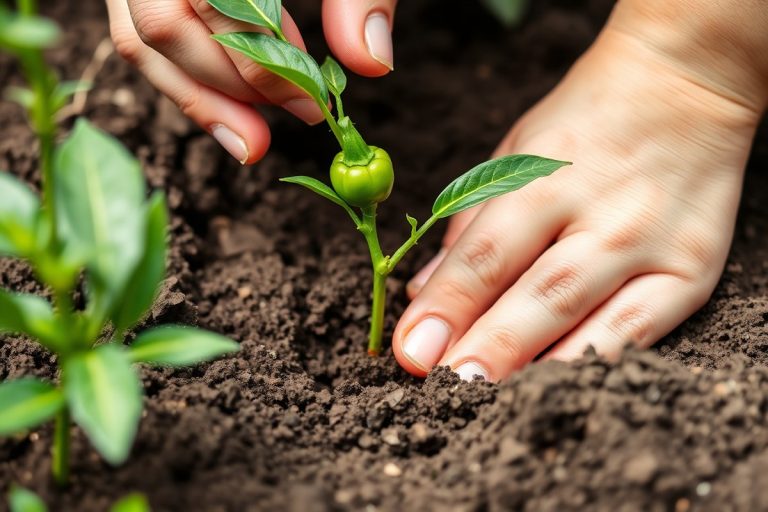
Plant herbs so their roots sit just below the soil surface. Avoid planting too deep, which can cause root rot. Water the herbs right after planting to settle soil.
Move the container to a sunny spot with at least 6 hours of light daily. Watch watering carefully for the first two weeks until herbs establish roots. Avoid letting soil stay soggy or bone dry.
Follow these steps to plant multiple herbs in one pot:
- Choose a container 12 to 18 inches wide and 8 inches deep per herb.
- Check the pot has drainage holes to prevent standing water.
- Fill the pot with loose, well-draining potting mix designed for herbs.
- Space each herb 6 to 8 inches apart for air circulation.
- Arrange taller herbs in the center or back, shorter in front.
- Set herbs at the same depth they grew in their original containers.
- Water gently but thoroughly right after planting to settle soil.
- Place the container in a bright area with at least 6 hours of sun daily.
Managing Growth Habits and Aggressive Herbs
Mint and lemon balm are aggressive herbs that spread quickly with underground runners. These runners can take over garden beds if not controlled. Plant them in separate containers to stop their roots from invading other herbs’ space.
Containers should be 10 to 12 inches wide for mint and lemon balm. This size gives the plants enough room to grow well. You can use round or square pots.
Use pots with drainage holes and fresh potting soil. Check pots often to make sure roots don’t escape through drainage holes or cracks.
Grow aggressive herbs in pots inside a larger garden. This lets you enjoy their benefits safely. It keeps them from taking over your whole bed.
Mint is great for pest control and pairs well with many herbs. But it needs its own space. Lemon balm acts similarly and also prefers container control in mixed setups.
Put mint or lemon balm pots on trays or slightly raised spots. This catches roots that escape through drainage holes. It helps keep your garden tidy.
Slow-growing herbs like sage and thyme can safely share beds or containers. Parsley mixes well with chives, basil, lavender, rosemary, and thyme. Avoid planting fennel near others because it can stunt growth around it.
To keep mint runners under control, trim the soil around pots regularly. You can also dig a root barrier around in-ground plantings.
But pots remain the easiest method. Aggressive herbs confined this way don’t disrupt neighbors and still spread happily inside their own container.
How Companion Planting Affects Herb Flavor and Pest Control
Planting herbs together can actually improve their flavor and aroma. Some combinations encourage healthy growth, which brings out stronger scents and tastes.
Basil planted near tomatoes keeps pests away. It also improves tomato flavor.
Herbs like basil, mint, and rosemary have strong scents that confuse or repel harmful insects. Planting these near vegetables or other herbs reduces the need for chemical pest control.
Mint is great near tomatoes because it cuts down on pests naturally. But avoid planting mint with other minty herbs since they compete aggressively.
Growing a variety of herbs together supports garden health. This diversity attracts beneficial insects like pollinators and predators of pests. Mix herbs that keep pests away with those that attract helpful bugs.
This creates balance in your garden. Your plants stay lively and less bug-troubled.
Space your herbs so they don’t crowd each other. Keep them close enough to share signals. This helps them work better together.
Strong-scented herbs like rosemary or thyme work well around more delicate ones like parsley or cilantro. Avoid placing aggressive growers like mint directly next to sensitive herbs to prevent bullying.
Adding companion herbs takes little extra effort. It helps with pest control and makes crops tastier. The payoff is worth it.
Watch your plants for a few weeks. Look for pest damage or slow growth. This shows how healthy they are.
Move an unhealthy herb away from aggressive neighbors. Try a new pairing to help it grow better. This hands-on approach helps you learn what works best in your garden’s microclimate and conditions.
Common Mistakes When Planting Herbs Together and How to Fix Them
Poor growth in mixed herb pots often happens because of overcrowding. When roots don’t have enough space, herbs compete for nutrients and water. Pick containers that are at least 10 inches wide and deep.
This gives roots enough room to spread out. Make sure the pot is also 12 inches wide for better growth.
Overwatering is another common mistake. Different herbs may need different watering schedules.
So giving too much water can harm some plants. Let the soil dry slightly between watering, especially for Mediterranean herbs like sage and rosemary.
Some herbs simply don’t get along well when planted too close. For example, strong-smelling or fast-growing herbs might overwhelm milder ones. Plant compatible herbs and prune regularly to keep them balanced and healthy.
- Use larger pots (12-14 inches) to avoid root crowding.
- Water based on individual herb needs, not all at once.
- Keep fast growers like basil in the center, surrounded by slower ones.
- Pinch or trim often to prevent overcrowding and promote fresh growth.
- Choose herbs with similar sun and water requirements.
- Avoid planting herbs like fennel that can stunt others.
- Check soil moisture with your finger before watering again.
Overcrowding blocks airflow, inviting pests and diseases. When herbs get too crowded, leaves yellow or wilt due to stress. Frequent trimming stops one herb from taking over and boosts new shoots.
Root competition sometimes causes plants to wilt or die, even if you water well. Repot crowded herbs into separate containers or larger pots to fix this. Plant herbs outside with 8 to 12 inches between each one.
This spacing helps their roots grow well. It gives plants enough space to thrive.
Adjusting Herb Groupings for Indoor Versus Outdoor Gardens
Indoor and outdoor herb groupings need some changes based on their environment. Outdoors, herbs get natural sunlight and air circulation. Indoors, you must adjust light, humidity, and container type for herbs to thrive well together.
Lighting Differences
Outdoor herbs often get six hours of direct sunlight each day. This amount suits Mediterranean herbs like rosemary and thyme perfectly.
Indoors, windows may not provide enough light. So use grow lights for at least 12 to 16 hours daily.
Place shade-tolerant herbs like mint or parsley in lower light spots inside. Adjust herb placement so sun-loving herbs stay near south-facing windows or under lights. This keeps each herb healthy without overcrowding light.
Humidity and Watering Adjustments
Outdoor herbs benefit from natural humidity and rain, which help keep soil moist. Indoors, dry air from heating or cooling can stress plants, especially basil and cilantro. Use a humidity tray or a room humidifier to keep humidity around 40 to 60 percent.
Water herbs only when the top inch of soil dries out, avoiding soggy soil. Grouping herbs with similar moisture needs indoors prevents overwatering or underwatering. For example, rosemary needs less water than parsley, so avoid planting them together inside.
Container and Soil Considerations
Outdoor herb beds have natural soil with good drainage and organic matter. For indoor containers, pick pots with drainage holes to stop root rot. Use a loose, well-draining potting mix formulated for herbs or vegetables for best results.
Use medium to large containers about 8 to 12 inches wide. This size works well when planting several herbs indoors together.
This gives space for roots and reduces competition. Add a layer of small rocks or horticultural charcoal under soil to improve drainage in pots.
Keep containers away from cold drafts or overheated areas indoors to prevent shock.
Step-by-Step Action Plan for Planting Herbs Together
Follow these steps to grow a healthy mixed herb garden. Watch for signs that your herbs thrive together.
- Before you start: Choose herbs with similar sun and water needs. Check seed packets or plant tags for details.
- Day 1: Select a container or garden spot large enough for all herbs. Make sure it drains well to avoid root rot.
- Week 1: Plant herbs based on their growth habits. Put taller, bushier herbs in the back or center.
- Week 2: Water gently and evenly. Soil should be moist but not soggy, watch for water pooling.
- Week 4: Trim fast-growing herbs regularly. Check for crowding and give space by pruning if needed.
- After 1 month: Look for pest damage. Use natural remedies or move plants if pests spread.
- After 2 months: Feed herbs with mild fertilizer if growth slows. Follow label for houseplants or outdoor use.
- Ongoing: Rotate container location for indoor herbs to get even sunlight. Outdoor herbs may need shade on hot days.
Frequently Asked Questions
Can I Plant Herbs with Vegetables in the Same Container?
Yes, you can plant herbs with some vegetables if their needs match. Basil grows well with tomatoes. Both need similar sunlight and water.
They make good garden companions. Avoid pairing thirsty herbs with dry-loving plants.
How Do I Prevent Herbs from Taking over When Grown Together?
Use barriers or separate containers for aggressive herbs like mint. These herbs spread quickly. Regular pruning also helps keep each herb’s space in check.
What Soil Type Works Best When Planting Multiple Herbs Together?
Use well-draining, nutrient-rich soil for most herbs. Avoid heavy clay soils that trap water. A good potting mix with organic matter helps herbs thrive.
Can I Grow Herbs Together on a Windowsill Indoors?
Yes, herbs can grow well together on a sunny windowsill if they get enough light. Choose herbs with similar water needs to avoid overwatering or underwatering issues.
Do Companion Herbs Boost Each Other’s Growth?
Some companion herbs can improve each other’s growth by repelling pests or attracting pollinators. For example, planting rosemary near sage can help protect it from insects.
Is It Better to Buy Herb Seedlings or Start from Seeds for Mixed Planting?
Buying seedlings is quicker and easier, especially for beginners. Seeds can take longer and need consistent care. Seedlings usually establish well when planted together.
Wrapping Up
You can plant herbs together successfully by choosing the right combinations. Keep their needs in mind to avoid common problems. Start by grouping herbs with similar care to enjoy fresh flavors all season.