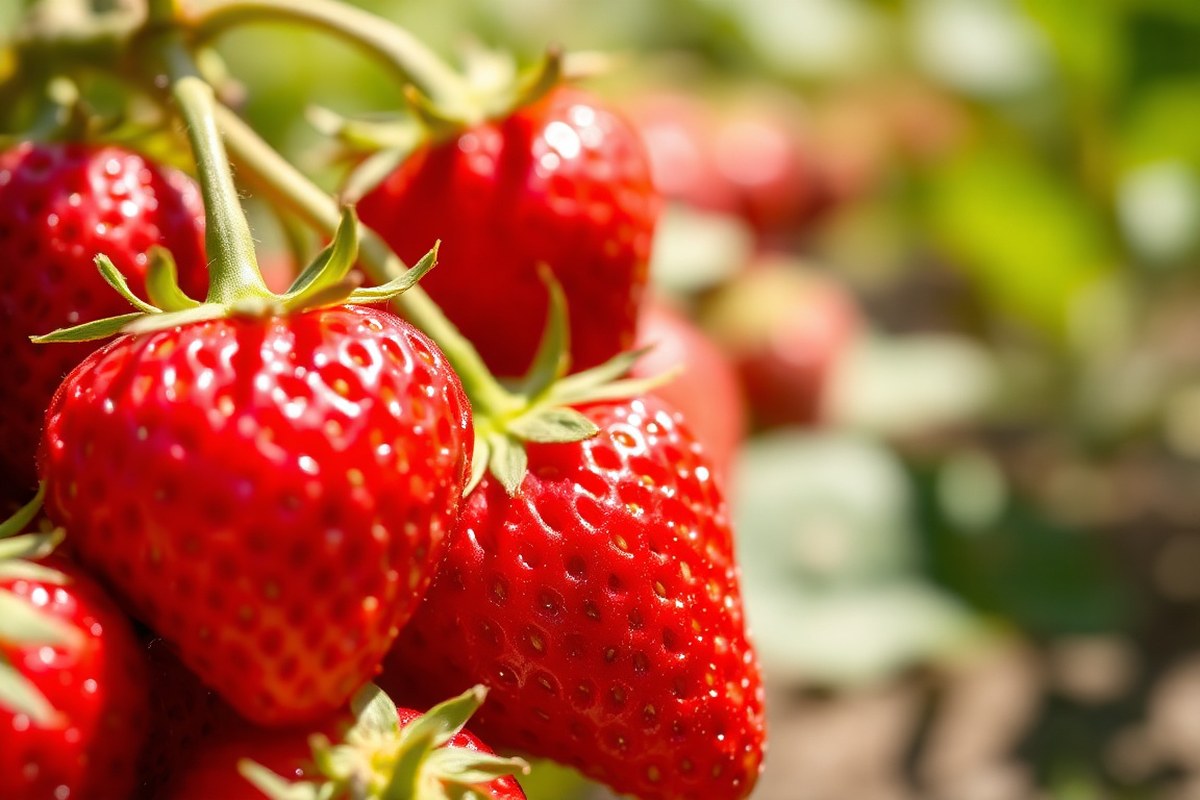
How to Grow Strawberries from a Strawberry: A Complete Step-by-Step Guide
Learning how to grow strawberries from a strawberry starts with the seeds inside the fruit. Yes, you can grow new plants from those seeds, but it takes patience. It usually takes six to twelve months from seed to berry.
Start by removing seeds from sliced strawberries and drying them completely. Next, cold-treat the seeds by putting them in the fridge or freezer. Keep them there for three to four weeks to help sprouting.
Strawberry seeds need plenty of light and warmth to grow. Give your plants at least six hours of direct sunlight each day. If sunlight is limited, use grow lights instead.
Keep lights on for up to sixteen hours daily. Keep the soil moist but not soggy to avoid rotting the tiny seedlings.
Key Takeaways
- Extract seeds by drying thin strawberry slices for 6 to 8 hours first.
- Cold-stratify seeds in the freezer for 3 to 4 weeks to boost germination.
- Provide 6 to 8 hours of direct sunlight daily for healthy seedling growth.
- Keep soil moist but well-drained to prevent seed and root rot.
- Seedlings need 12 to 16 hours of bright light to avoid leggy stems.
- Transplant seedlings when they reach 2 to 3 inches tall with several leaves.
Can You Grow Strawberries Directly from a Strawberry Fruit?
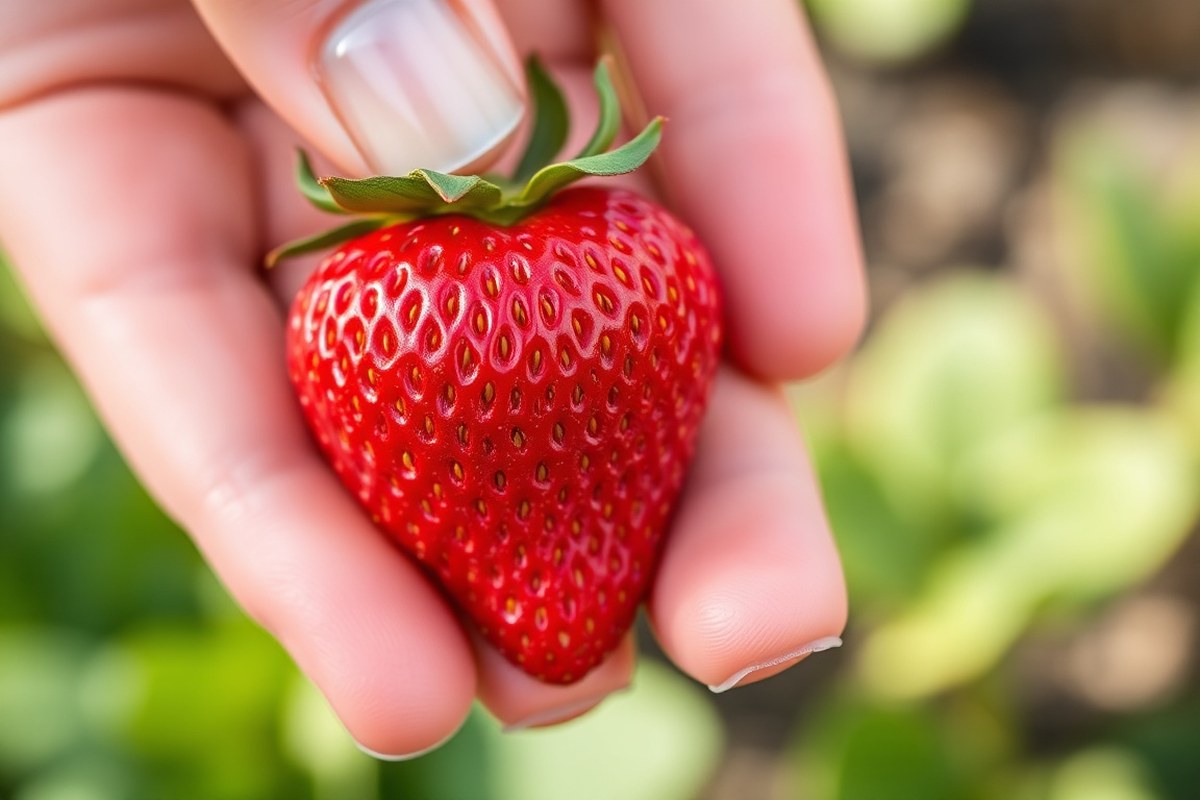
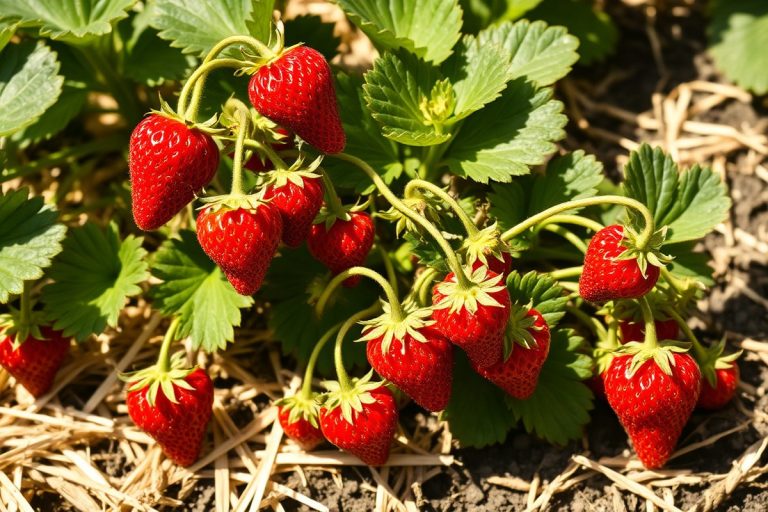
Strawberries themselves don’t grow into new plants if you just plant the whole fruit. The tiny dots on a strawberry are called achenes. Each achene holds one seed.
You can see them on the strawberry’s surface. To grow strawberries from fruit, remove these tiny seeds carefully.
Do not use the fruit flesh or the leafy cap. Only use the seeds called achenes.
The strawberry top or crown is the green leafy part attached to the fruit. Contrary to what some think, planting the strawberry top in soil won’t sprout a new plant. Strawberries usually rot from the top because the plant crown is underground.
The actual roots and crown lie under the soil. The leafy cap is just part of the fruit.
You can try growing strawberries using seeds from organic strawberries, including store-bought ones. However, many store-bought strawberries come from hybrids. Strawberry seeds may grow plants unlike the parent or grow poorly locally.
They don’t always produce the same fruit type. The environment can affect growth too. The seeds inside strawberry achenes need drying and careful planting to germinate.
Growing new strawberries from seeds takes patience and care. The achenes must be extracted, dried for a week or two, then planted in well-drained soil. They sprout best at temperatures between 60°F and 75°F. Directly planting fruit without removing seeds or using runners won’t work.
Strawberry plants send out runners, which are horizontal stems. These runners root and grow into new plants. This method helps plants produce fruit more easily.
These runners are a reliable way to get new, fruit-producing plants faster than growing from seeds. Seeds give more variety, but runners are more straightforward for steady results.
How to Extract and Prepare Strawberry Seeds for Planting
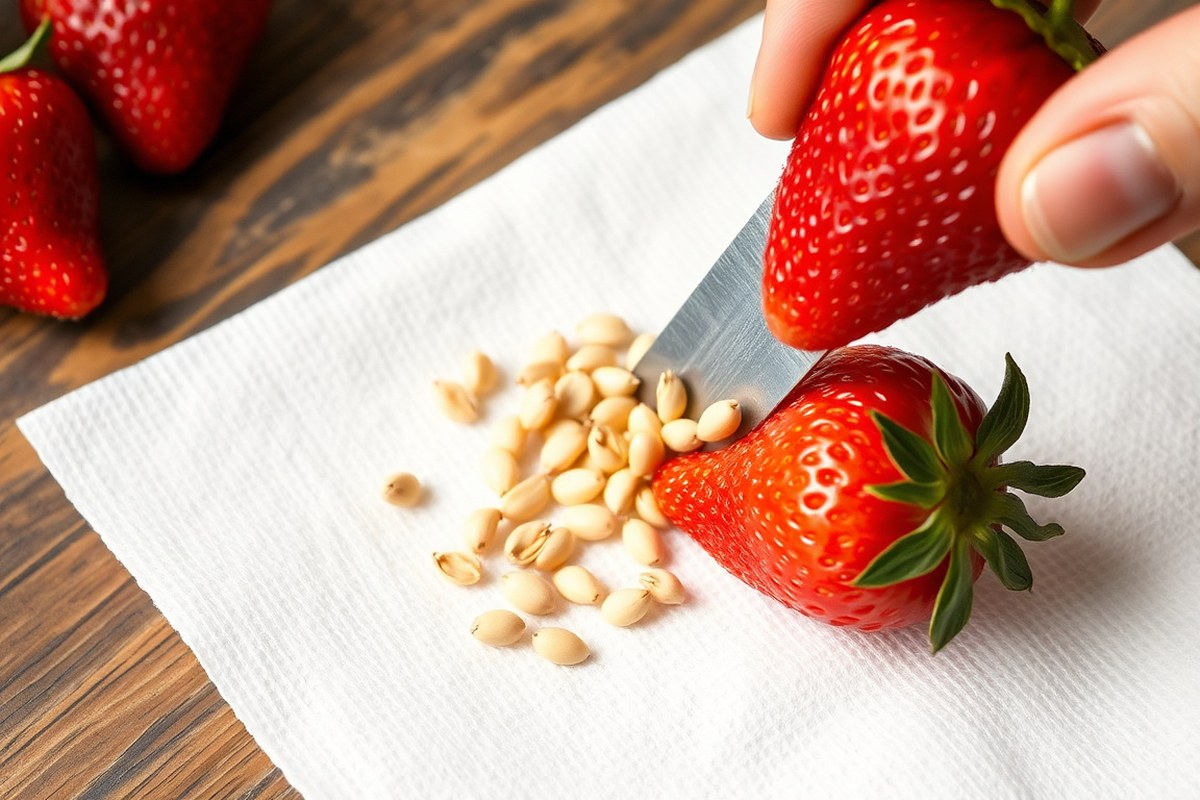
Extract strawberry seeds from ripe berries carefully. Clean and dry seeds. Let them dry 1 to 2 weeks.
Proper drying boosts germination rates and prevents mold. Store seeds in a cool, dry spot. You can refrigerate them for months.
Selecting Ideal Strawberries for Seed Extraction
Choose fully ripe strawberries with deep color and firm texture. These berries hold mature seeds ready to sprout. Avoid seeds from underripe fruits.
Soft fruits may not have good seeds. They might also mold easily.
Ripe berries from organic or local plants can yield better seeds than store-bought, hybrid fruit. Hybrid seed may sprout but might not grow true to the parent plant’s traits.
Cleaning and Drying Seeds Safely
Scrape or rub off the tiny, yellowish seeds from the berry surface. Slice the strawberry fruit. Use a toothpick to lift seeds one by one.
This gives the cleanest seed batch. Rinse seeds gently under cool water.
Pat seeds dry using paper towels. Spread seeds on a plate or mesh screen. Let them dry evenly.
Air dry seeds for 1 to 2 weeks. Choose a cool, dry spot.
Keep seeds out of direct sunlight. Stir seeds lightly every few days to stop clumping and mold.
- Pick ripe, firm strawberries.
- Slice berries and scrape seeds with a toothpick or rub gently.
- Place seeds in a fine sieve and rinse carefully with cool water.
- Pat seeds dry on paper towels.
- Spread seeds evenly on a clean plate or mesh screen.
- Leave seeds to air dry for 7, 14 days, away from sunlight and moisture.
- Check seeds every few days, stirring to prevent clumps and mold growth.
Dry seeds fully before storage or planting to prevent mold and poor germination.
Seed Storage and Stratification Methods
Store dried seeds in a paper envelope or small glass jar to keep them dry. For long storage, keep seeds in a cool, dark place.
A refrigerator works well. Avoid plastic bags unless sealed airtight and kept dry.
Cold stratify seeds for better growth. Put seeds in moist paper towel. Place towel inside ziplock bag.
Refrigerate this for 4, 6 weeks before planting. Stratification mimics winter conditions to break seed dormancy.
Preparing the Right Conditions for Strawberry Seed Germination
Preparing the Right Conditions for Strawberry Seed Germination
Strawberry seeds need light, moisture, and cool temperatures to germinate well. Keeping them barely covered with soil and moist helps sprout tiny seedlings. Cold stratification can boost germination chances but isn’t always required.
Stratifying Seeds to Break Dormancy
Cold stratification means chilling the seeds to mimic winter’s cold. It tricks seeds into thinking they went through winter sleep and they’re ready to sprout. Place dry seeds inside a damp paper towel.
Put it in a plastic bag. Refrigerate the bag for 2 to 4 weeks.
This step can improve germination rates, especially if your strawberries come from warmer climates. Some varieties sprout well without it.
So you can skip stratifying if pressed for time. Poor germination sometimes happens if seeds weren’t dried or chilled enough before planting.
Choosing the Right Seed-Starting Mix
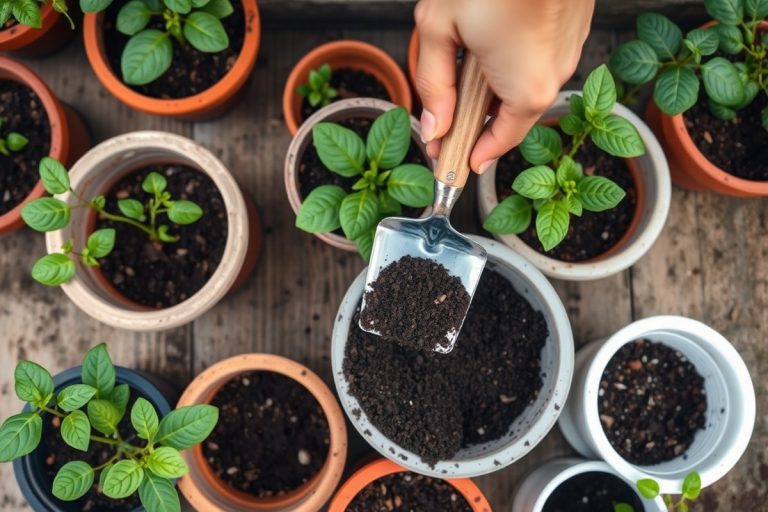
Plant strawberry seeds in a clean seed-starting mix. Use a light and fluffy mix such as “Back to the Roots Natural and Organic 3-in-1 Seed Starting Mix.” Avoid regular garden soil because it holds too much moisture and can cause seed rot.
Fill seed trays or shallow containers with the moist mix. Scatter seeds on the surface or cover them very lightly. Use about 1/16 inch of seed-starting mix as a thin layer.
Don’t bury seeds deeper than that. This thin cover lets light reach the seeds, which they need to start growing.
Light and Temperature Needs During Germination
Strawberry seeds require bright, indirect light to germinate well. Keep your seed tray close to a sunny window for natural light.
Another option is to use a grow light for 12 to 16 hours each day. Avoid direct hot sunlight that can dry out the soil or damage tender seedlings.
Sow seeds in cool to moderate temperature ranges around 60°F to 75°F. Cooler temps mimic spring conditions and help seeds break dormancy. Warmer temps above 80°F might cause poor germination or slow sprout development.
Watering and Moisture Maintenance
Keep the seed-starting mix consistently moist but not soggy. Water gently with a spray bottle or bottom-watering method to avoid washing seeds away. Overwatering leads to mold or the mix drying too fast will kill tiny seedlings.
Check moisture daily and water whenever the surface feels dry to the touch. Use clear plastic wrap or a humidity dome to keep moisture in.
Remove the cover once the seedlings start sprouting. This stops mold from growing.
Caring for Strawberry Seedlings Until Ready to Transplant
Seedlings need 12 to 16 hours of bright light to avoid getting leggy. Using grow lights is a good choice if natural light is limited. Leggy seedlings grow tall but weak and can easily break.
Keep the soil moist but not soggy by watering gently whenever the top inch feels dry. Feed seedlings diluted balanced fertilizer every two weeks. This helps roots grow strong.
It also supports leaf growth. Overwatering or skipping water can stress young plants and stunt growth.
Begin hardening off seedlings when they are 2 to 3 inches tall. They should have a few true leaves. This signals they are ready.
Take seedlings outside for a few hours in shade. Do this during the cooler parts of the day. It keeps them safe.
Gradually increase their outdoor time over 1 to 2 weeks. This helps them get used to sun and wind. Don’t rush this process.
Watch for pests like aphids and diseases such as powdery mildew on seedlings. Good air circulation and not overcrowding help reduce disease risk. Spot powdery mildew?
Remove affected leaves quickly. Space plants farther apart to improve airflow.
Move seedlings to their final spot when they look sturdy. They should have several leaves before transplanting. Use a garden bed or container.
Choose a sunny spot with 6 to 10 hours of direct sunlight daily. Water thoroughly after planting to help roots settle and begin growing well.
Transplanting Strawberry Seedlings or Runners Successfully
Plant strawberry seedlings and runners after the last spring frost in well-prepared soil. Space them about 12 inches apart in rows 18 inches apart to give room for growth. Plant seedlings so their crowns sit just above soil level for healthy root development.
Selecting Ideal Garden Location
Pick a spot with full sun for at least six hours daily. Strawberries grow best where air circulates well to reduce disease risk. Avoid low areas that can hold cold air or water, which harm roots and crowns.
Good drainage matters. Soil that holds water can harm roots. Use raised beds or mounds to keep them dry.
This helps your strawberry plants stay healthy. This reduces rot and mold problems later on.
Preparing Soil with Amendments
Strawberries prefer well-drained, loamy soil with a pH of 5.5 to 6.5. Check your soil’s pH and nutrient levels before planting. Adding compost helps improve the soil’s texture and nutrient content.
Mix 2 to 4 inches of compost or manure into your soil. Work it into the top 6 to 8 inches well. This boosts soil nutrients for your strawberries.
Avoid fresh manure, which can burn plants or encourage disease. Amendments boost soil by holding moisture and feeding roots.
Planting Seedlings Versus Runners
Handle seedlings and runners gently to avoid damaging roots. When planting runners, bury the roots but keep the crown, where leaves meet roots, above soil. For seedlings, set the crown slightly above soil line to prevent rot.
Space plants about 12 inches apart in rows 18 inches apart. Container-grown strawberries can be closer, about 8 to 10 inches each. Planting too deep or too shallow causes stress and slow growth.
- Dig a hole wide enough for roots to spread out without bending.
- Set the seedling or runner with the crown just above soil level.
- Fill the hole gently with soil, firming it around the roots.
- Water the plant thoroughly to settle soil and eliminate air pockets.
- Space plants 12 inches apart in ground or 8, 10 inches in containers.
- Plant during spring or early summer after danger of frost ends.
Be careful not to bury the crown, it must stay just above soil to avoid rot.
Post-Transplant Watering and Care
Water strawberries deeply right after planting to help roots settle. Keep soil evenly moist but not soggy during the first few weeks. Too much water can cause crown rot or fungal issues.
Mulch around plants to conserve moisture and control weeds. Straw or pine needles work well and help keep fruit clean. Early care sets the stage for strong growth and fruiting.
Watering, Feeding, and Maintaining Healthy Strawberry Plants
Strawberries need about one inch of water each week to stay healthy. Water deeply in the morning to keep soil moist but not soggy. Avoid watering leaves to reduce disease risk and improve fruit quality.
Use organic fertilizers like compost, fish emulsion, or seaweed extract. Apply compost at planting time and side-dress with fish emulsion every 3-4 weeks during growing. These feed your plants without harsh chemicals and help build soil health.
Remove excess runners unless you want new plants. Pinch runners off to focus the plant’s energy on fruit production. Prune old leaves and damaged runners in late summer to encourage fresh growth for next year.
Watch for common pests like slugs, aphids, and spider mites. Control slugs with beer traps or diatomaceous earth around plants. Spray aphids and spider mites with insecticidal soap.
Follow label instructions carefully. Repeat this every 7 to 10 days if needed.
Diseases such as powdery mildew, leaf spot, and root rot can harm strawberries. Avoid waterlogging by watering early and ensuring good drainage. Remove and destroy any diseased leaves immediately to prevent spread.
Good air circulation and spacing plants at least 12-18 inches apart help prevent fungal diseases. You can mulch with straw or pine needles to reduce weeds and keep fruit clean. Replace mulch yearly to avoid mold buildup.
Fertilizing too much or watering poorly can cause weak plants prone to disease. Watch leaf color and growth rates to adjust care. Healthy plants with bright green leaves and steady fruit set show you’re on the right track.
Growing Strawberries in Containers vs Garden Beds
Strawberries can grow well in both containers and garden beds. Containers give you control over soil quality, which helps if your ground soil isn’t ideal. Raised beds and garden soil let roots spread well.
This leads to bigger plants. Sometimes, it can produce more fruit.
Containers need more frequent watering because the soil dries faster. You can use half-barrels or large pots with good drainage holes.
Fill them with compost-enriched potting mix, especially if your garden soil is alkaline. Raised beds or garden soil may need less watering but also benefit from added organic matter.
Fertilizing strawberries in pots happens more often since nutrients wash out with watering. Use a balanced liquid fertilizer every two weeks during growth.
In garden beds, slow-release fertilizer applied once in spring usually works fine. This difference matters because container plants rely entirely on what you supply.
| Factor | Container Growing | Garden Bed Growing |
|---|---|---|
| Soil | Compost-rich potting soil, good drainage essential | Amended garden soil or raised bed with compost |
| Watering | Daily or every other day during hot weather | Twice weekly, depending on rainfall |
| Fertilizing | Liquid fertilizer biweekly | Slow-release fertilizer once in spring |
| Root space | Limited, so use larger containers (minimum 12 inches deep) | Unlimited, depending on bed size |
| Drainage | Must have drainage holes; poor drainage risks root rot | Natural, but watch for soggy spots |
| Pest control | Easier to manage pests, relocate containers if needed | More natural predators, but pests can spread |
Containers offer more flexibility. You can move pots around to catch sun best or protect plants from frost.
They suit small spaces, balconies, or poor soil areas. However, containers dry out quickly and may need daily attention in summer.
Garden beds require more upfront work but reward with larger plants and higher yields. They suit gardeners with space and good soil or the ability to improve it. Beds keep soil moisture more stable, but pests might be harder to control.
Common Challenges and How to Fix Them When Growing Strawberries
Strawberry seeds often fail to sprout because of poor moisture control or low temperatures. Keep the soil moist but not soggy and maintain temperatures between 60°F and 75°F. Using fresh seeds and planting them shallowly also helps improve germination rates.
Seedlings can become leggy when they don’t get enough light. Move them to a sunny window. Place them under a grow light.
Keep them there for 12 to 16 hours daily. Leggy plants stretch and weaken, making them less likely to survive transplanting.
Pests like aphids, spider mites, and slugs commonly attack young and mature strawberry plants. Check your plants regularly for sticky residue, webs, or holes in leaves. You can manually remove pests or use organic insecticidal soap safely on seedlings and mature plants.
Soil issues such as poor drainage or nutrient imbalances slow plant growth and invite diseases. Adding compost or a balanced fertilizer keeps the soil fertile and healthy. Avoid heavy clay soils that hold water and raise the risk of root rot.
Do not overwater strawberries; soggy soil encourages fungal diseases and weak roots.
- Keep soil moist but well-drained to prevent rot.
- Provide 6 to 8 hours of sunlight daily to avoid leggy seedlings.
- Use balanced fertilizer or compost to supply nutrients.
- Inspect for pests weekly; treat with insecticidal soap if needed.
- Raise seedlings indoors if temperatures drop below 60°F.
- Thin overcrowded seedlings to improve air circulation.
- Remove any diseased leaves promptly to stop spread.
Fungal diseases like powdery mildew and gray mold appear if humidity stays high. Space plants to improve airflow and water only the soil surface, not leaves. Applying an organic fungicide early can control mild fungal outbreaks without harming seedlings.
Step-by-Step Action Plan for Growing Strawberries from a Fruit
Follow these steps to start growing strawberries from seed successfully. Each step has clear signs to show you’re on the right path.
- Day 1: Choose a ripe strawberry and gently scrape off the seeds with a knife. The seeds should be dry and separated from the fruit’s flesh.
- Days 2-3: Soak the seeds in water for 24 hours. Healthy seeds will swell slightly and look plump.
- Week 1: Place the seeds on a damp paper towel inside a plastic bag. Keep it in a warm spot around 65, 75°F. Check daily for germination signs.
- Weeks 2-4: Once tiny sprouts appear, transfer seeds to seed-starting mix in small pots. The soil should stay moist but never soggy.
- Weeks 5-7: Keep seedlings under grow lights or in bright window light. When seedlings have 3-4 leaves, start feeding them with diluted fertilizer.
- Week 8: Harden off the plants by moving them outdoors for a few hours each day. Look for healthy, sturdy leaves before transplanting.
- Week 9: Plant seedlings or runners in garden beds or containers. Choose well-draining soil with some compost and keep plants evenly watered.
- Ongoing: Watch for pests like slugs and diseases like powdery mildew. Treat issues early to keep plants healthy and productive.
Frequently Asked Questions
Can I Grow Strawberries from the Green Leafy Part of a Strawberry?
No, the leafy cap doesn’t contain seeds for new plants. You’ll need seeds from the fruit’s surface instead.
How Long Does It Take for Strawberry Seeds to Germinate?
Strawberry seeds usually take 1 to 6 weeks to sprout. Warmer soil speeds up this process.
Should I Scarify Strawberry Seeds Before Planting?
Scarification isn’t needed, but lightly rubbing seeds helps water absorption. This can improve germination rates.
Can I Plant Strawberry Seeds Directly Outdoors?
It’s best to start seeds indoors to protect from weather. Transplant seedlings when they’re sturdy enough.
What’s the Best Time of Year to Plant Strawberry Seeds?
Plant seeds indoors late winter or early spring for a spring transplant outdoors. This timing avoids frost damage.
How Many Seeds Should I Plant for Each Strawberry Plant?
Plant several seeds per pot to ensure some grow. Thin seedlings to keep the healthiest one.
Wrapping Up
You can grow strawberries from the seeds in fruit by patiently following simple steps. Start by extracting clean seeds and keep the seedlings healthy. Get a small pot ready with seed-starting soil.
Then plant your sprouted seeds carefully. Make sure the soil stays moist but not wet.