Why Does Earthworms Come Out in the Rain? 8 Clear Reasons You Should Know
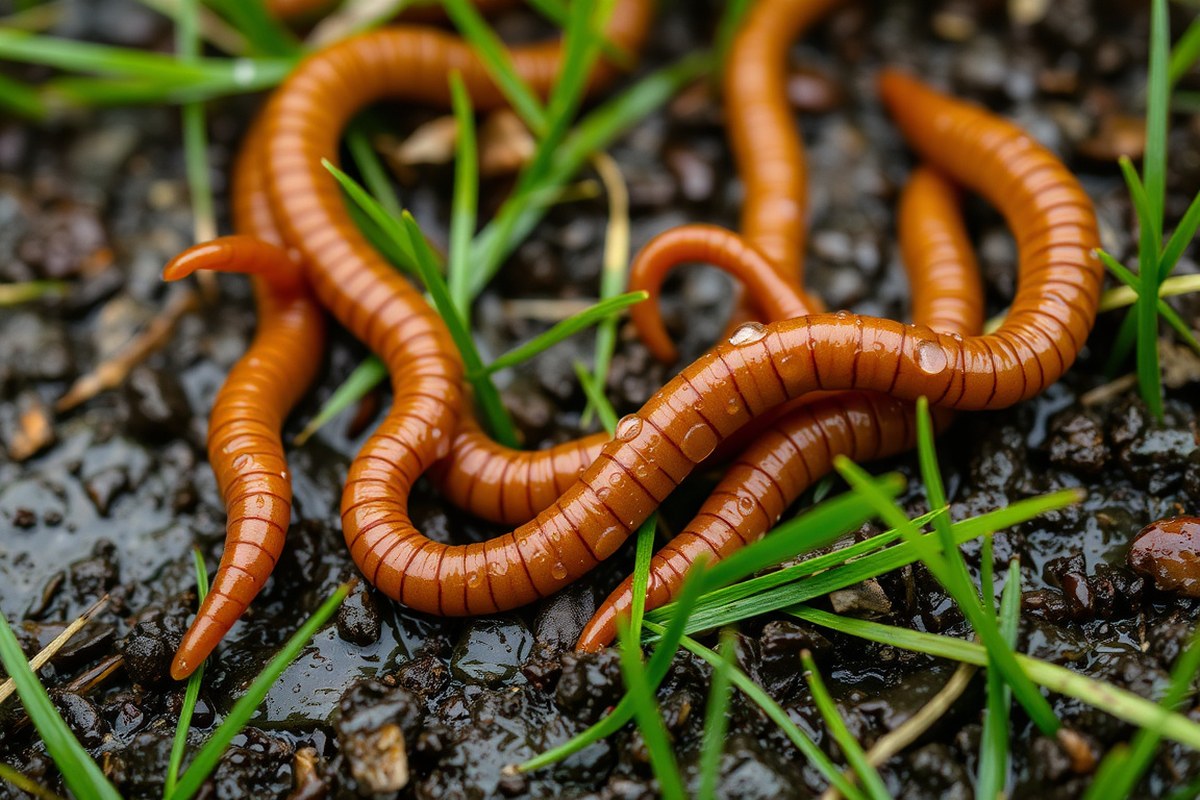
Earthworms come out in the rain because wet soil makes moving easier. Rain fills the soil pores with water.
So they surface to avoid drowning or to get more oxygen. Their moist skin lets them breathe well, and the wetness helps them travel.
Some earthworms use rainy times to migrate or mate when conditions are right. Not all species come out to mate.
But some need wet soil to reproduce on the surface. You’ll see more earthworms where soil is soaked but not flooded, with air pockets remaining in the soil.
After rain, earthworms face risks from predators and drying out on the surface. Birds and animals spot them easily, making their journey tricky. Watching earthworms gives clues about soil health and natural processes after rainfall.
Key Takeaways
- Earthworms surface after rain due to increased soil moisture and easier movement.
- They come up to avoid drowning when soil oxygen levels drop in saturated soil.
- Not all earthworm species emerge to mate; only a few use rain to reproduce.
- Surface rain vibrations may trigger earthworms to come out and escape predators.
- Wet weather helps earthworms migrate across soil to find food or mates.
- Once on the surface, earthworms risk drying out and being eaten by birds.
1. Why Earthworms Surface During Rainfall
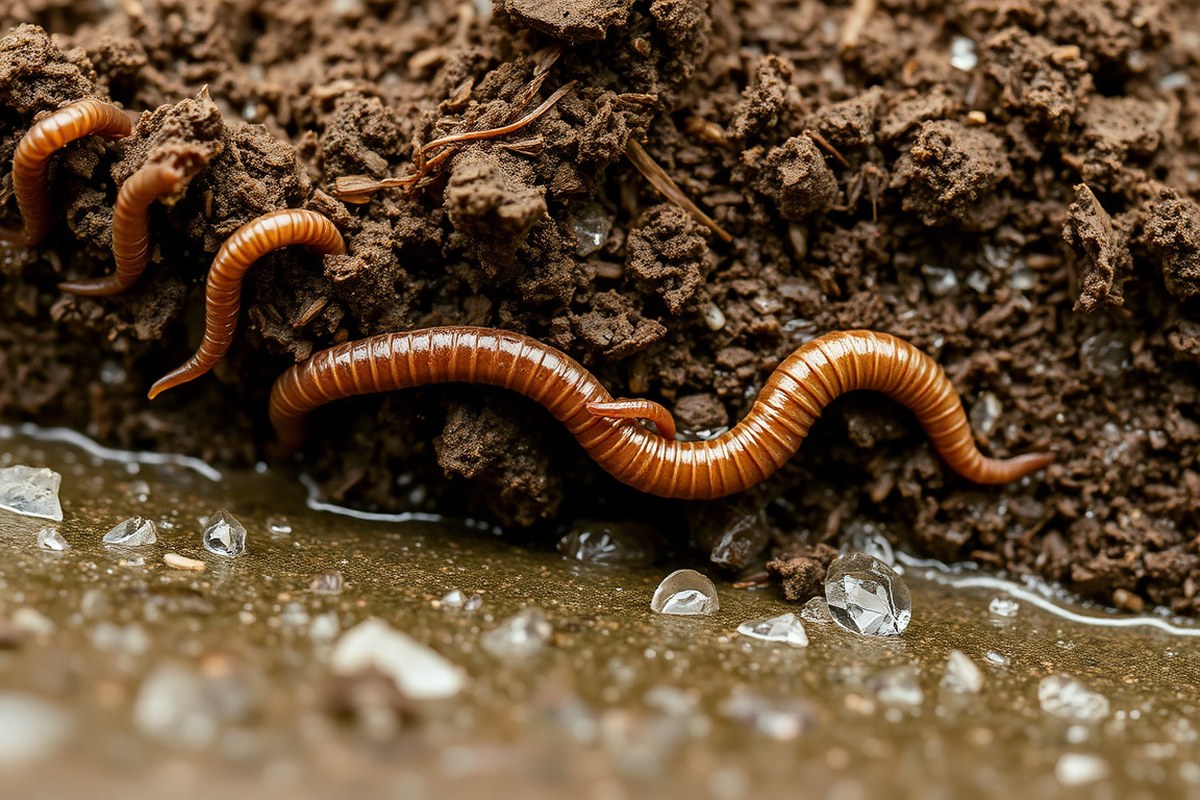
Earthworms come to the surface after rain mainly to avoid flooded soil. Their underground burrows can fill with water, cutting off air. This reduced oxygen makes it hard for them to breathe.
Unlike fish, earthworms don’t have gills. They breathe through their skin, which must stay moist for oxygen to pass through. When soil floods, oxygen levels drop sharply, so the worms rise to find air.
Despite this, earthworms can survive underwater for many months if oxygen is present. A 1956 study found some species survive almost a year underwater. They need oxygen in the water to live that long.
Without oxygen, they cannot survive submerged. So surface coming isn’t only about drowning.
Some scientists think wet conditions during rain help worms move more easily on the surface. The moisture protects their skin from drying out and lets them explore new areas. Rain also signals suitable times for mating in a few species.
Another idea is worms react to vibrations like raindrops as a warning. They might mistake these sounds for predators such as moles underground. Rising to the surface then becomes a way to escape danger.
You often see worms on sidewalks after rain. They don’t leave because they are drowning. There is another reason they come above ground.
They come out for several reasons linked to breathing, safety, and movement. Their timing depends on the species and local soil conditions too.
2. How Soil Oxygen Levels Influence Earthworm Behavior
2. How Soil Oxygen Levels Influence Earthworm Behavior
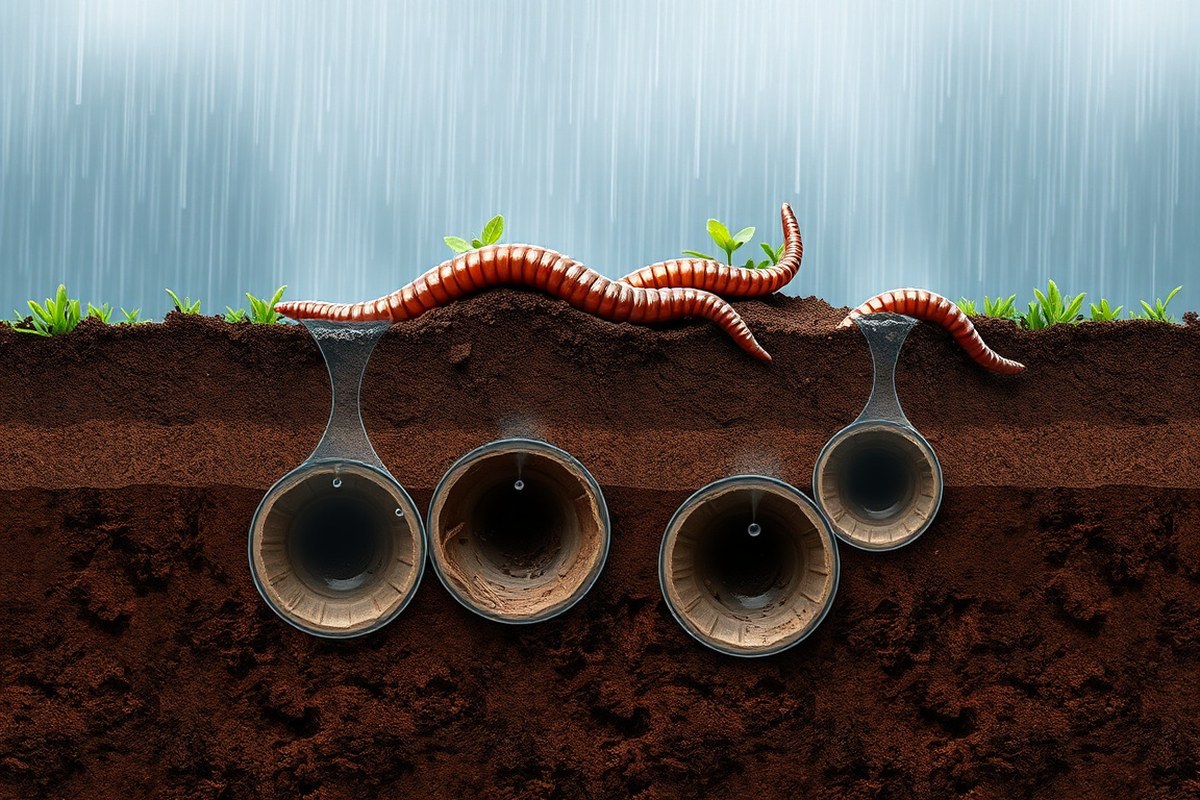
Soil oxygen availability plays a big role in why earthworms come out during rain. When heavy rain soaks the ground, the air pockets in soil fill with water. This reduces oxygen levels underground, pushing some earthworms to the surface for air.
Air and Water in Soil Pores
Soil is a mix of air and water. Normally, air fills about half the pore space, with water in the rest. Heavy rains fill these air pockets with water, saturating the soil quickly.
Oxygen moves through air about a thousand times faster than water. This drops oxygen in the soil a lot.
Underground creatures have less oxygen when soil saturates with water. Earthworms depend on enough oxygen to survive in their tunnels.
Oxygen Absorption Through Earthworm Skin
Earthworms breathe through their skin, which lets oxygen pass directly into their blood. They can absorb oxygen from air or water. But oxygen moves much slower in water.
Some species, like Pontoscolex corethrurus, survive underwater for days because they efficiently absorb oxygen from water. But many earthworms still need air pockets to breathe comfortably.
Why Earthworms Surface During Saturated Soil
Heavy rainfall drives air out of soil and replaces it with water. This causes oxygen levels to drop sharply underground. Earthworms that can’t handle low oxygen leave their tunnels to avoid suffocation.
Earthworms aren’t like humans; they won’t drown easily. They tolerate waterlogged soil for some time. But reduced oxygen still forces them out for fresh air.
Soil Conditions Affecting Earthworm Movement
Wet soil makes it easier for earthworms to move above ground. They need moist environments to keep their skin wet for breathing and moving. Rain creates ideal conditions for surface travel.
Dry or compacted soil makes it hard for them to travel outside their tunnels. Earthworms wait for rain or wet soil before coming out.
They do this to move, mate, or explore safely. Dry soil keeps them underground.
Variations Among Earthworm Species
Not all earthworms react the same way to soil oxygen changes. Some species tolerate saturated soil for longer since they absorb oxygen better from water. Others quickly leave the ground once oxygen drops.
These differences explain why some worms surface on rainy days, while others stay underground. Soil type, moisture level, and species traits all play a role.
Keep soil well-drained when you garden. This helps earthworms live underground. It stops them from needing to surface too much.
3. Vibrations and Predator Escape Driving Earthworm Surfacing
Earthworms come to the surface during rain. They sense vibrations like predators cause. This makes them move up to avoid danger.
These vibrations signal danger, prompting earthworms to move up and avoid threats underground. The drumming of raindrops on soil mimics predator movements, influencing this behavior.
Vibrations Mimic Predator Movements
Raindrops hitting soil produce vibrations that earthworms interpret as predator activity. Moles, common predators of earthworms, create ground tremors when hunting. Worms respond by surfacing to escape being dug up and eaten.
This reaction is an instinctive survival tactic. The vibrations are strong enough to trigger movement, but not harmful. Earthworms detect these tremors through sensitive skin receptors along their bodies.
How Earthworms Detect Vibrations
Earthworms sense ground vibrations through mechanoreceptors in their skin. These sensory cells allow worms to pick up on low-frequency signals from predators or raindrops. The intensity and pattern of vibrations help worms decide when to surface.
For example, a steady patter of raindrops feels like a mole digging nearby. Worms use this cue to avoid being caught underground. They move upward to the soil surface, where they can escape faster.
Predators Influence Surfacing Behavior
Moles are the main predators linked to vibration-triggered surfacing. Their digging makes distinct vibrations similar to rain hitting soil. Earthworms treat these tremors as warnings, increasing surface activity during rain.
Other predators may use vibrations to find worms, but moles are the best-studied source. Worms often stay near grass or soil edges once on the surface. This strategy lets them quickly burrow back if the threat ends.
Visibility of Earthworms on Wet Sidewalks
Rain vibrations cause worms to leave their burrows, sometimes ending up on sidewalks and roads. The wet ground makes it easier for worms to move without drying out. This explains why you often see worms stranded on hard surfaces after rain.
Since sidewalks don’t absorb water like soil, worms struggle to find shelter there. Their instinct to avoid vibrations and stay moist can lead them to these risky spots. People may notice many worms on concrete or asphalt after heavy rain.
Surfacing Helps Earthworms Move Safely
Rainwater softens soil, aiding worm movement and migration across the surface. Vibrations alert worms to danger underground, while wet conditions provide safer travel routes. This combination encourages earthworms to take advantage of rain for dispersal.
Migrating during rain helps earthworms find food or new homes without drying out. They rely on moisture and vibration cues to balance safety and opportunity. This behavior varies by species but is common among many earthworms.
4. Earthworm Species Differences in Rain-Time Behavior
Not all earthworm species come to the surface during rain. Different ecological groups of worms react differently because of how they live and breathe. Understanding their unique behaviors explains why some stay underground while others appear on the wet soil.
Epigeic Earthworms and Surface Activity
Epigeic earthworms live in the leaf litter and topsoil. They have high oxygen needs and depend on moist conditions for breathing through their skin. Because rain wets the surface, these worms readily crawl out to avoid suffocation in low-oxygen soil.
These species, like Eisenia fetida, often appear quickly after a rainstorm. Their thin skin and small burrows make oxygen scarce when the soil floods. Surfacing helps them find fresh air and food among wet debris.
Endogeic Species and Rain Response
Endogeic earthworms live deeper in the mineral soil and create horizontal tunnels. They have lower oxygen requirements than epigeic types. Because of this, they rarely come to the surface during rain unless conditions worsen underground.
This group spends most of their time underground feeding on decomposed soil matter. Their burrows allow enough air circulation even when rain saturates the surface. That’s why these worms, like Aporrectodea caliginosa, tend to stay hidden during wet weather.
Anecic Earthworms and Their Unique Behavior
Anecic worms build permanent vertical burrows into the soil. They surface on rainy nights but usually not immediately after rain starts. Their thick, mucus-lined skin helps them survive longer in wet tunnels without needing to come up.
These worms, such as Lumbricus terrestris, come out mainly to migrate or mate during rain. Their behavior isn’t mainly about breathing in air. They move to stay safe on wet surfaces.
This helps them avoid drying out or harm. This explains why anecic worms show different timing and reason for surfacing.
5. When and Why Earthworms Use Rain to Migrate or Mate
Earthworms sometimes come out in the rain to move to new homes or find mates. Traveling underground is slow and tough, especially through dense or waterlogged soil. Rain makes the surface wet and slippery for earthworms.
They can slide on it and move much faster than in soil. This helps them cover more ground safely.
Moving on the wet surface lets earthworms find better soil or food. They use this time to explore new places. Rain helps them reach spots they wouldn’t easily find.
It also supports rare mating events that can happen outside their burrows. Rain keeps earthworms’ skin moist when they are above ground.
Staying wet stops their bodies from drying out and dying. Moisture is important for their survival outside soil.
Earthworms move dozens of times faster on wet ground than underground. This speed lets them migrate several feet or more in a single night. Earthworms usually mate in their burrows out of sight.
Heavy rain pushes many worms to the surface together. This makes chance mating outside burrows more common after rain. These events increase their chances of finding partners while minimizing exposure to predators.
Be careful where you step after rain. Earthworms traveling across the ground are easy to squash accidentally.
6. Risks Earthworms Face Outside Their Burrows After Rain
Earthworms face many dangers when they come above ground. Birds, frogs, and other animals spot them easily and eat them quickly. Being wet makes earthworms slow and less able to escape predators.
Besides predators, earthworms risk drying out fast. Their skin needs moisture for breathing. Worms on the surface dry out fast on dry or windy days.
They can die within minutes without moisture. That’s why they need damp conditions to survive. Staying close to damp soil helps them survive longer.
Humans also pose risks to earthworms after rain. Stepping on them accidentally crushes their soft bodies.
Gardeners using pesticides or fertilizers can harm worms on the surface too. The best way to help worms is to watch gently without touching or moving them.
Earthworms only survive outside soil for a short time, usually a few hours at most. Their skin must stay moist to breathe oxygen through it. If you pick up earthworms, keep them moist to survive.
Put them on wet soil or a damp paper towel. This keeps their skin wet and helps them live longer.
Watching earthworms after rain is safe and easy if you handle them carefully. Use wet hands to gently move worms back to soil if you find them on pavement.
Do not use soap or chemicals on your hands first. Avoid keeping worms out of soil for more than 30 minutes to prevent harm.
Avoid heavy foot traffic near worm areas to reduce risk. Mulching garden beds keeps soil moist, helping worms stay underground or close to surface safely.
Worms play a big role in healthy soil. So treating them with care helps your garden too.
7. Common Myths About Earthworms and Rain Explained
Earthworms don’t drown underground when it rains. Their burrows contain air pockets that hold enough oxygen during normal rainfalls.
Some worm species are more sensitive to low oxygen. So they surface to avoid suffocation.
A common myth says earthworms come out only because rain harms them. Actually, they surface to escape low oxygen or move safely when soil floods. Rain vibrations might trick worms into thinking predators are close.
These vibrations make them leave their tunnels. They move to the surface to avoid danger.
When rain lasts too long, it floods worm burrows. This flooding cuts off oxygen completely for the worms.
At that point, earthworms must stay on the surface to survive. However, they face new dangers outside, like drying out or being eaten by birds.
8. How Earthworms Improve Soil Health After Rain Events
Earthworms improve soil health mainly by mixing soil layers and creating channels. After it rains, they come out and move around more actively. This action helps air reach deeper soil parts, boosting oxygen levels where roots grow.
They also break down dead plant material and mix it with soil. Their digestion turns this waste into nutrients plants can use faster. This natural process reduces the need for chemical fertilizers, making soil healthier and safer for crops.
When earthworms surface after rain, they drag organic matter into their burrows. This spreads nutrients evenly and improves water drainage. Well-drained soil prevents plant roots from rotting and helps them grow stronger.
Not all earthworms behave the same after rain. Native species usually move deeper to avoid saturated soil.
Invasive earthworms, however, often stay near the surface and change soil structure differently. This can sometimes harm native plants by shifting nutrient balances.
Earthworms need oxygen, so during heavy rains when soil floods, they leave their tunnels. They breathe through their skin and need moisture but not too much water. Leaving the soil helps them survive low oxygen levels until it dries out.
Avoid walking on wet soil where earthworms surface after rain to prevent damaging their tunnels.
Your Quick Guide to Observing Earthworms After Rain
Earthworms come out in rain for easy travel and better breath. Watching them helps you see nature’s soil helpers at work.
- Right after rain stops: Head outside and look for earthworms on the wet soil surface. Their movement means the soil is rich and healthy.
- Within an hour: Gently touch some earthworms to see if they retract or stay still. This shows how they escape predators and handle threats.
- Next day: Check moist soil near the surface for worm burrows. You’ll spot tunnels indicating earthworm activity and soil aeration.
- After a few days: Notice any changes in your garden’s soil texture and smell. Earthworm casts should make soil smell earthy and feel loose.
- Weekly for a month: Repeat observations after rains and compare earthworm numbers. More worms usually mean your soil is getting healthier.
- Optional: Use a flashlight at night to see if earthworms are active above ground when moist. They often move safely under low light.
Frequently Asked Questions
Why Do Earthworms Come Out After Rain Instead of During Drought?
Earthworms come out after rain because flooded soil lowers oxygen underground. During drought, the soil gets too dry for them to surface. They stay underground to avoid drying out and search for moisture inside their burrows.
Do Earthworms Move Faster or Slower on Wet Surfaces After Rain?
Earthworms move faster on wet surfaces after rain because moisture helps their skin stay wet. Dry surfaces can harm them, so wet conditions let them travel quicker and farther. This helps them find new spots for food or mates.
Are Earthworms Attracted to Light When They Surface in the Rain?
Earthworms are not attracted to light when they come out in rain. In fact, they avoid bright light to reduce drying and predators. They mostly use moisture and vibrations to decide when to surface.
Can Earthworms Make Their Way Back Underground After Surfacing in the Rain?
Yes, earthworms can return underground after surfacing in rain. They wait for the ground to dry a little. They also wait for the rain to stop.
Then they move back underground to stay safe. It’s best not to disturb worms on sidewalks because they want to return.
Why Do Some Earthworms Stay Underground Even While It Rains Heavily?
Some earthworm species can tolerate flooded soil, so they stay underground. These worms absorb oxygen through their skin even when waterlogged. Different species behave differently based on soil type and oxygen needs.
Do Earthworms Risk Being Washed Away or Dying When They Come Out During Rain?
Earthworms risk drying out when they are in rain. They can also get eaten outside. But staying underground can drown them during floods.
They balance these risks by timing their surfacing with rainfall. Quick movement back underground helps reduce danger.
The Bottom Line
Earthworms come up after rain to breathe and move more easily. You can watch this and get a real sense of your soil’s health. Try checking your yard after the next rainfall to see earthworms in action.