How Deep to Plant Peppers: Simple Steps for Strong Growth and Yield
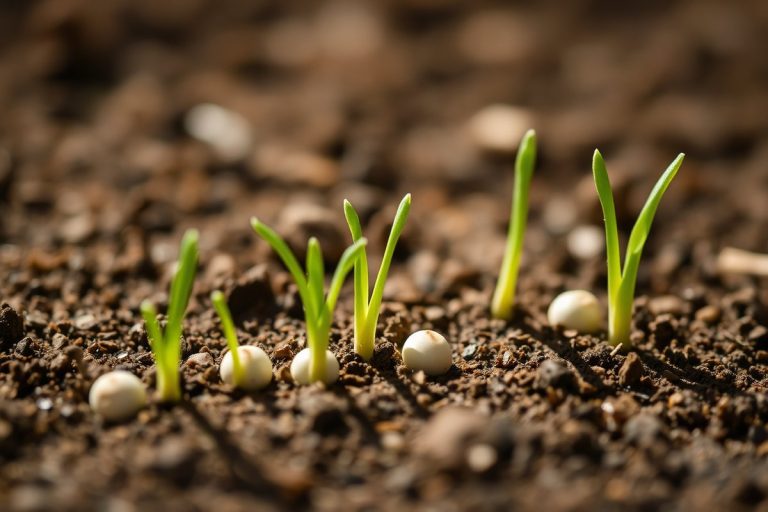
How deep to plant peppers depends on starting from seeds or seedlings. Plant seeds about 1/4 inch deep in moist, well-draining soil for best germination.
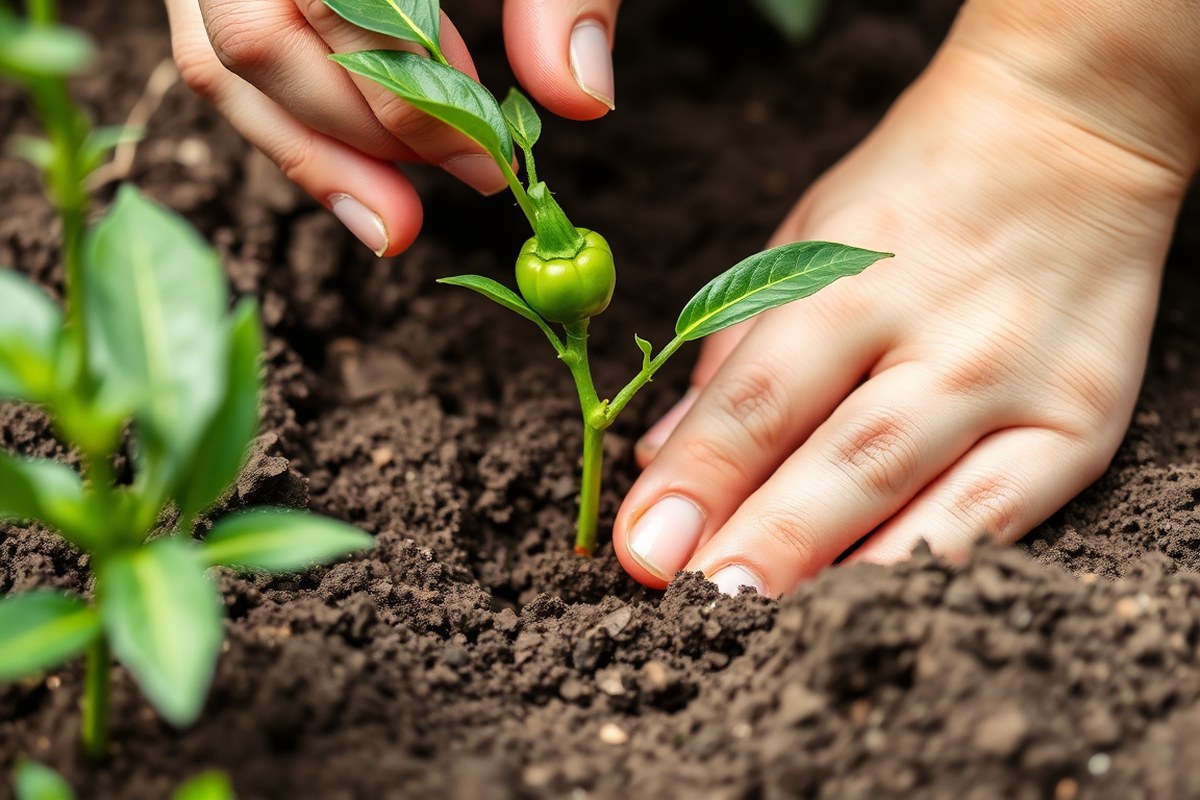
For seedlings, bury the stem about 1 to 2 inches deep. Cover up to the first leaves to encourage root growth.
This helps young plants grow strong and steady. Peppers need well-drained soil at the right depth to avoid stem rot. Don’t plant seedlings deep if soil stays under 60°F because cold, wet soil can harm young plants.
Keep seedlings shallow until temperatures rise. Also, keep soil loose and light to help roots spread easily. Starting seeds indoors 8 to 10 weeks before the last frost works well.
Use containers at least 12 inches deep to allow healthy root growth. This prevents root crowding and helps plants develop well.
Key Takeaways
- Plant pepper seeds 1/4 inch deep in moist, well-draining soil.
- Bury pepper seedlings 1 to 2 inches deep, covering the stem to leaf nodes.
- Avoid deep planting if soil temperature is below 60°F to prevent stem rot.
- Use containers at least 12 inches deep for pepper seedlings and plants.
- Begin pepper seeds indoors 8 to 10 weeks before the last frost. This gives seedlings time to grow before outdoor planting. Plan seed starting based on your local frost dates.
- Keep soil loose and light to encourage strong root development.
What Is the Ideal Depth to Plant Pepper Seeds and Seedlings?
Plant pepper seeds about 1/4 to 1/2 inch deep in loose soil. This depth gives seeds enough moisture without burying them too deep. Smaller seeds go near 1/4 inch; bigger seeds can sit closer to 1/2 inch.
Set pepper seedlings at the same depth they grew in their pots. Cover their root balls without burying the stem, as burying causes stem rot. Keep the soil level steady for seedlings in pots under 4 inches.
This helps stop root stress. Avoid changing soil height too much.
Different pepper varieties don’t need much change in planting depth. Heat-loving peppers like jalapeño do best planted a bit shallower. Plant these seeds around 1/4 inch deep.
This helps them grow better in warm conditions. Sweet bell peppers can handle the usual 1/2 inch depth.
The root systems go down about 12 to 18 inches. So the soil must be loose at that depth for growth.
Soil temperature shifts the best planting depth slightly. When soil is cooler than 60 °F (15 °C), plant seeds 1/8 inch deeper. This helps the seeds stay warm and sprout better.
This helps protect seeds during cooler, slower germination. Plant about 1/8 inch shallower when soil temp is over 85 °F (29 °C). This helps prevent the seeds from drying out too fast.
In dry, windy areas, cover seeds with an extra 1/8 inch layer of soil. This thin cover keeps seeds moist and safe.
Mulched raised beds work fine at the usual depth of 1/4 to 1/2 inch for seeds. Keep seedlings at their container depth with mulch as well. Start seeds indoors at about 1/4 inch deep.
Move seedlings outside only after soil warms up to 60 °F or more. This timing avoids stem rot and gives plants the best start outdoors.
How to Adjust Planting Depth Based on Pepper Variety and Soil Type
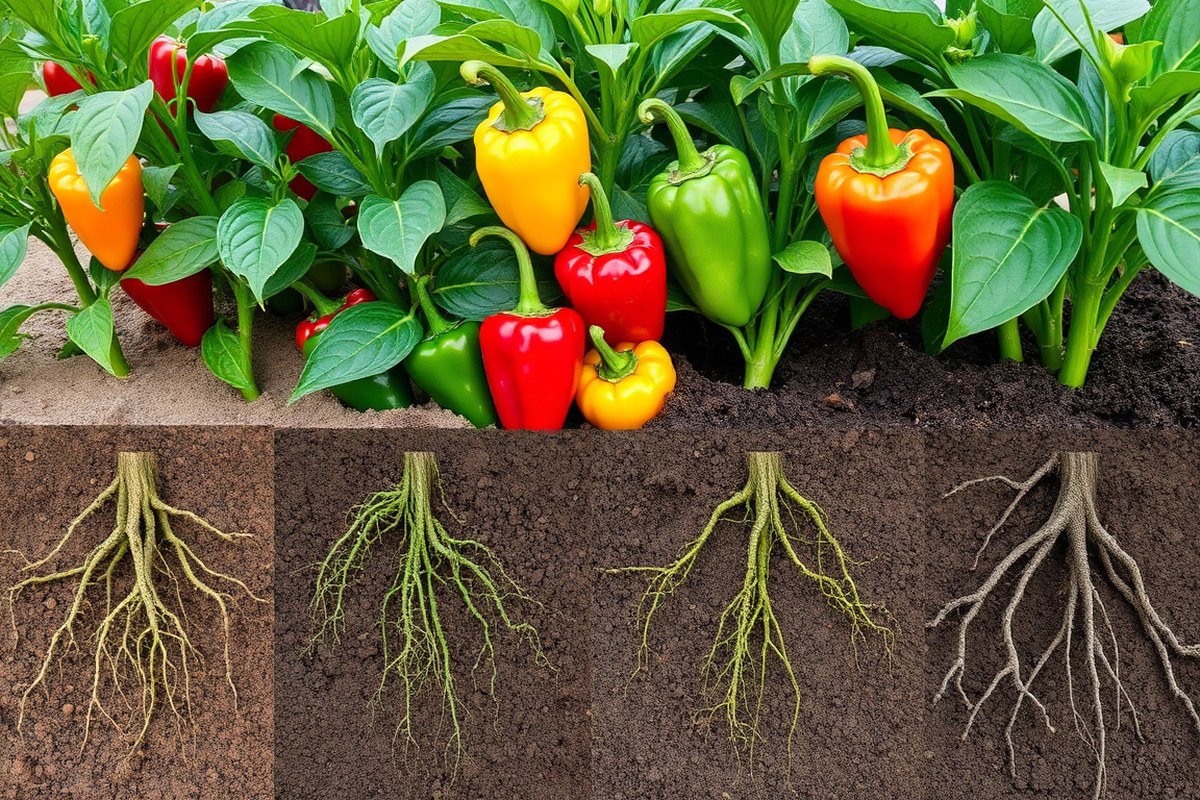
Planting depth changes depending on your pepper variety and the soil type. Small peppers usually grow fine in shallower beds. Larger peppers need deeper soil.
This is important if soil is heavy. Poor drainage means deeper soil helps the roots.
Small vs Large Pepper Varieties
Smaller pepper types, like chili or patio, grow in shallow beds. These beds are around 4-6 inches deep. They don’t need deep soil.
These peppers have smaller root systems and don’t need much depth to establish themselves. Larger peppers like bell peppers need more root space.
Plant them deeper in soil. Beds should be 6-18 inches deep.
Using deeper soil for larger varieties helps when drainage isn’t great. It reduces root stress and promotes stronger growth. Plant larger peppers in dense or poorly draining soil.
Place roots 12-18 inches deep. This helps the roots spread well.
Sandy, Loamy, and Clay Soil Effects
Soil texture affects how deep you should plant peppers to avoid water stress or rot. Sandy soils drain fast. So planting slightly shallower helps keep roots moist without drying out.
Heavy clay soils hold water longer. So planting shallower by about 1/8 inch helps prevent soggy roots and rot.
Loamy soils balance moisture well. So peppers can be planted at the normal depth of about ¼ to ½ inch. Soil with lots of organic matter holds moisture and air evenly.
Follow standard planting depth for best results. This helps peppers grow well.
| Soil Type | Recommended Depth Adjustment |
|---|---|
| Sandy, fast-draining | Add ~1/8 in to retain moisture |
| Loamy, balanced | Use standard depth (¼, ½ in) |
| Heavy clay, water-retentive | Reduce ~1/8 in to avoid rot |
| Amended with organic matter | Follow standard depth |
| Organic-rich, very loose | Slightly deeper to prevent seed displacement |
This table helps you tweak pepper planting depth based on your soil’s texture. Small changes can save your plants from struggling with moisture or rot.
Adjustments for Moisture and Drainage
Wet soil and poor drainage make you plant peppers shallower to avoid stem rot. Too deep in soggy soil traps moisture and kills seedlings fast. Dig only enough to cover the roots and part of stem.
Leave stems just above wet soil. This protects them from too much moisture.
Dry soil means planting a little deeper can help moisture reach roots better. Feel the soil before planting.
If soil is loose and full of organic matter, plant seedlings a bit deeper. This prevents seeds from washing away or toppling.
Check soil moisture before planting, and adjust depth to stop rot or drying out.
Step-by-Step Guide for Transplanting Peppers at the Right Depth
Transplant pepper seedlings at the same depth they grew in their nursery pots. Planting deeper causes stem rot and plant death. Water gently after planting, allowing soil to dry out slightly to prevent stress or rot.
Preparing the Soil and Checking Temperature
Use well-amended soil rich in organic matter for peppers. Add slow-release granular fertilizer two weeks before transplanting into the bed. Suit soft, loamy soil to help roots breathe and retain moisture.
Check soil temperature before planting. Peppers grow best when soil hits 65°F to 75°F. Cooler soil delays root growth and plant establishment.
Removing Seedlings Without Damage
Water seedlings lightly an hour before transplanting to ease root removal. Handle seedlings by their leaves, not stems, to avoid damage. Remove plants carefully, keeping the entire root ball intact.
Don’t shake off soil from roots. Keeping soil around roots prevents stress and new root damage. If roots are exposed or stem leans, plan to correct that during planting.
Planting Depth and Firming Soil
Place seedlings at the exact soil level from their pots. Avoid burying any stem beneath the soil. Planting deeper increases the risk of stem rot and death.
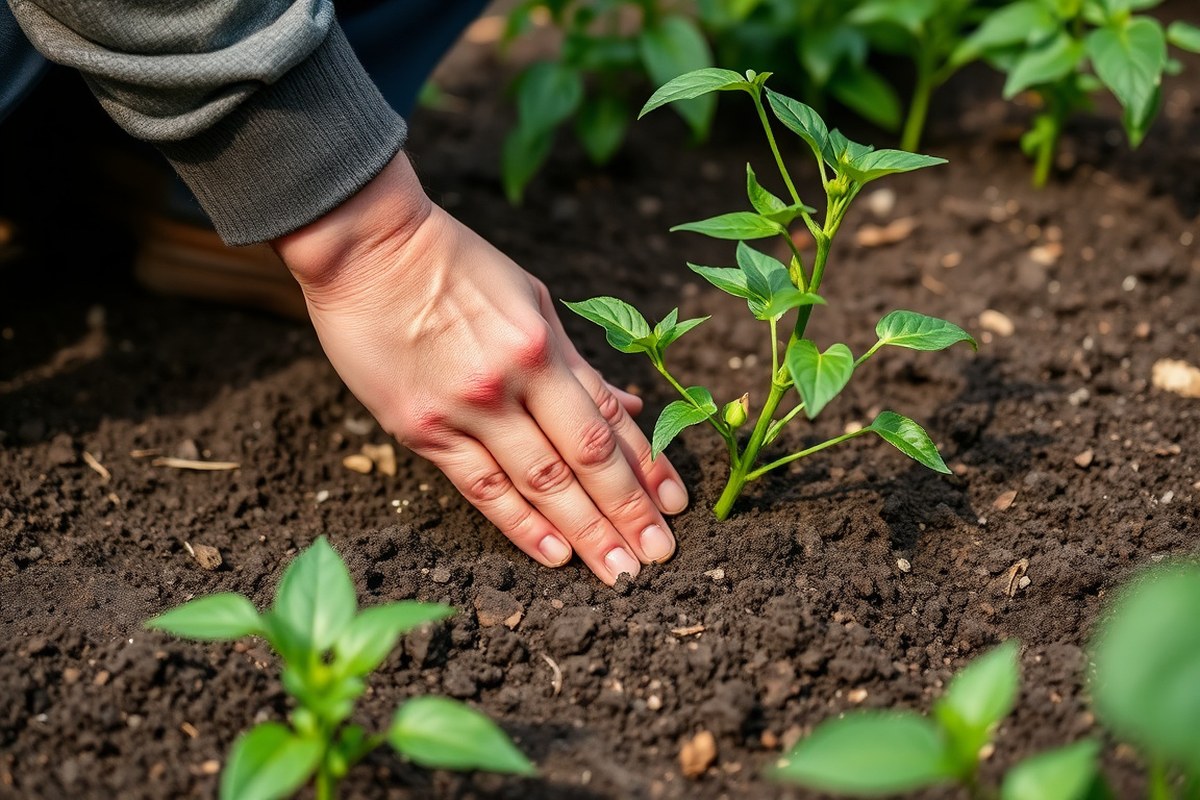
Fill the hole with soil, firm gently around the root ball. Firm soil stops air pockets, helps roots connect with soil. Check seedling remains upright and stable after firming.
Watering and Mulching Post-Planting
Water seedlings right after planting, soaking soil but not making it soggy. Peppers need only 1 to 2 inches of water weekly and dislike overly wet roots. Wait a day or two between watering to prevent rot.
Apply 1 to 2 inches of organic mulch around plants. Mulch keeps soil temperature steady and moisture balanced. Avoid covering stem bases with mulch to prevent rot.
- Prepare soil by mixing in slow-release fertilizer two weeks before planting.
- Check soil temperature, aiming for 65°F to 75°F.
- Lightly water seedlings one hour before transplanting.
- Remove seedlings gently, holding leaves, keeping soil around roots.
- Dig holes the same depth as the pot’s root ball.
- Place seedlings at pot depth, avoiding burying stems.
- Firm soil carefully around roots without crushing them.
- Water deeply after planting, then mulch around plants leaving stems clear.
Container Depth and Size: How They Affect Pepper Root Growth
Container depth affects how pepper roots grow and spread. Most peppers thrive in containers at least 12 inches deep.
Larger varieties like bell peppers need containers 14 to 16 inches deep. This size helps support their bigger root systems well.
Root space lets peppers draw more water and nutrients, boosting growth and fruit production. Containers smaller than 12 inches can stunt roots, making plants weaker and less productive. Using 3 to 5 gallon containers usually fits most pepper types.
Volume matters, too. Three-gallon containers suit smaller peppers, while larger peppers benefit from five-gallon or bigger pots.
Big containers hold moisture longer and keep roots cooler during hot months. That leads to better, steadier growth.
| Pepper Size | Container Depth | Container Volume | Recommended Plant Spacing |
|---|---|---|---|
| Small chili peppers | 12 inches | 3 gallons | 12-18 inches apart |
| Medium to large chili peppers | 14 inches | 4-5 gallons | 18 inches apart |
| Large peppers (bell, poblano) | 14-16 inches | 5+ gallons | 18-24 inches apart |
Space plants about 18 inches apart in containers for good air flow and room to grow. Larger peppers may need up to 24 inches to avoid crowding. Tight spacing limits root growth and can stress plants.
Plant peppers at the same depth as they were in their nursery pots. The top of the root ball should be level with the container’s soil surface. Digging deeper can harm roots since peppers don’t grow many adventitious roots.
Adjust container size if you plan to keep peppers for several months. Bigger pots slow drying and provide stability through weather changes. Expect to spend between $10 and $30 per pot based on size and material.
Use smaller pots when moving peppers indoors or starting seeds. Transplant early to larger pots for the best root health.
Keep an eye on soil moisture. Larger containers hold water longer, reducing daily watering needs.
When Deep Planting Pepper Seedlings Helps and When It Harms
Planting pepper seedlings deeper than usual helps leggy or tall seedlings. When you bury the extra stem, it encourages roots to grow along that buried part. This makes the base stronger and the plant more stable once in the garden.
For a tall or weak seedling, plant about 2 to 3 inches deeper than before. This means you cover the stem up to the leaves. But don’t bury the very top leaves.
New roots sprout from buried stem buds in one to two weeks. This makes the plant bushier. It also helps it resist wind and handling better.
Deeper planting also shields seedlings with thick stems or dense root balls. Planting seedlings deeper helps protect fragile roots and reduces shock. This works when the seedling grew in tight soil mix.
Don’t bury the stem base, as this can cause stem rot. Stem rot is a serious problem that kills the main stalk. Keep the plant’s stem above soil.
Never plant pepper seedlings so deep the stem base stays under the soil. It can lead to stem rot.
Stem rot happens when too much stem sits in moist soil, especially if drainage is poor. This slows oxygen flow and lets fungi or bacteria thrive.
Planting too shallow also causes troubles. It leaves roots partly exposed, making them dry and hurting growth and fruit size.
Deep planting doesn’t directly reduce pest problems or diseases like calcium blossom end rot. But strong, bushy plants can better handle pests or stress. Companion planting helps more with pests than planting depth itself.
Raised beds that are too shallow don’t give roots enough space. This leads to weaker plants that are more prone to problems.
Check the seedling’s stem thickness and root ball size. For large seedlings, go 1 to 3 inches deeper, but no more. For normal seedlings, stick with surface planting or just slightly deeper than original pot level.
Check for firm new growth above ground after two weeks. This shows that deep planting worked well.
How Soil and Weather Conditions Modify Pepper Planting Depth Choices
Soil temperature strongly influences how deep you should plant pepper seeds and seedlings. Peppers need warm soil, around 70°F or higher, to grow well. Planting too deep in cool soil slows germination and risks losing plants, especially in early spring.
In cooler climates, plant seeds shallower, about a quarter inch deep, to let soil warm faster. Seedlings should go in once the soil and air stay warm daily.
Wait until nighttime temperatures stay above 50°F before moving peppers out. This helps if your area warms slowly.
In hotter areas, go a little deeper, up to half an inch for seeds. This protects them from drying out quickly in the heat. For seedlings, add a bit more soil around the root ball.
This helps keep moisture. It also lowers heat stress on roots.
Mulching helps keep soil moist and at a more stable temperature. You might plant peppers slightly deeper when using mulch.
This helps them benefit from insulation. Mulch slows evaporation, so deeper planting prevents roots from drying out.
Keep in mind that wet, cool soil makes rot more likely if you plant deeply. Plant seeds and seedlings just deep enough to cover roots. Avoid water pooling in soggy conditions.
Keep soil from staying too wet. Good drainage is essential to keep peppers healthy when moisture sticks around.
Adjust planting depth by feeling the soil moisture too. Plant deeper in dry conditions to reach damp soil layers. This helps peppers get enough moisture.
When it’s wet, plant shallow to let air reach roots and prevent rot. Check soil before planting for a better guess on depth.
Common Planting Depth Mistakes and How to Fix Them
Planting pepper seeds or seedlings too deep is a common error. Seeds buried deeper than 1/2 inch often stay dormant beyond two weeks. Gently scrape away soil until you see the seed just below.
Another mistake is using containers that are too shallow. Peppers need 6 to 8 inches of loose soil for good root growth. Without enough depth, plants struggle to grow strong roots, which causes wilt or poor fruit production.
Peppers planted too shallow can dry out quickly or tip over as they grow. Cover seedlings enough so roots stay fully protected. Usually, 1 to 2 inches deep works.
Adjust based on seedling size. Leaving stems exposed risks drying out and weak plants.
- Seed depth: plant seeds 1/4 to 1/2 inch deep, not more.
- Seedlings: plant 1 to 2 inches deep, burying the roots fully.
- Use containers or beds at least 6-8 inches deep for root space.
- Remove extra soil to let seeds show a little, if dormant.
- Keep soil moist but not soggy; dry soil harms shallow roots.
- Check plants for wilting or poor growth, it can signal wrong depth.
Early signs of wrong depth include stunted seedlings and yellowing leaves. Plants planted too deep may have weak or rotting stems near the soil. Shallow planting often shows leaning plants and dry soil quickly.
Adjusting planting depth involves a careful look after planting. Carefully dig up plants with problems.
Reset them at the right depth. Use fresh soil to cover roots evenly without packing too tightly.
How Much Space Between Plants Affects Root and Plant Growth
Pepper plants need space to grow roots and leaves well. Space them about 18 to 24 inches apart in rows. Rows should be 24 to 36 inches apart to let air and sunlight reach each plant.
In containers or box planters, keep at least 12 to 18 inches between each pepper plant. Crowded plants compete for nutrients and water, which can stunt their growth. Giving roots room means plants absorb water and nutrients better.
Planting depth and spacing work together for healthy peppers. Generally, roots grow best if you plant peppers 6 to 12 inches deep. This depth with good spacing gives strong roots room to grow.
It keeps roots moist without being soggy. This stops rot and helps nutrients stay in the soil.
Too-tight spacing limits root space and soil volume. Plants may look small or produce fewer peppers.
Shallow or crowded roots also soak up less moisture, causing stress during dry spells. On the other hand, too much space wastes garden room and may reduce harvest per area.
| Planting Situation | Spacing Between Plants | Row or Container Spacing |
|---|---|---|
| In-ground garden rows | 18-24 inches | 24-36 inches |
| Box or large container | 12-18 inches | Depends on container size |
Plant peppers in soil that drains well and holds moisture evenly. Start spacing near 18 inches in your garden if you have good soil depth.
When your soil is shallow or sandy, use wider spacing. This helps keep roots from getting too dry.
Space pepper plants wide enough for good air flow. This helps roots grow strong and healthy. It lowers risk of disease and weak fruit.
Expert Tips for Ensuring Success When Planting Peppers
Planting peppers well takes careful soil work, right timing, steady watering, and quick problem fixes. Experts recommend tailoring these factors to your local climate and soil to boost growth and yield. Making these adjustments helps peppers develop strong roots and produce more fruit safely.
Preparing Soil and Amending Fertilizer
Pepper plants need soil that is rich and drains well. The soil should be at least 12 inches deep. Aim for 18 to 24 inches to support roots better.
Mix in plenty of balanced fertilizer every 2 to 4 weeks. This meets the plant’s heavy feeding needs. Adding organic matter like compost improves moisture retention and nutrient supply.
Make sure the soil is evenly loose, not compacted. So roots can spread and take in oxygen easily.
Avoid planting in soggy or very dry spots, since peppers want moist but well-drained soil. Compost not only feeds peppers but also warms soil slightly, which helps seedlings take root better.
Hardening Off and Timing Transplants
Set out pepper seedlings only after your area’s last frost date to avoid cold damage. Check local frost dates closely. For example, in the Midwest, this usually means planting in mid to late May.
Give seedlings 7 to 10 days outside to get used to outdoor conditions. Increase their time outdoors bit by bit each day.
Hardening off stops transplant shock in seedlings. It also helps roots grow fast in garden soil. Planting too early can cause slow growth or death if cold snaps occur.
In warm places like the Deep South, plant peppers after March. This gives peppers a longer growing season.
Watering and Mulching Strategies
Keep the soil evenly moist, never dry or waterlogged, especially during flowering and fruiting stages. Consistent moisture supports the root system needed to handle fruit production without stress. Mulch around the plants with straw or shredded leaves to reduce evaporation and moderate soil temperature.
Put down 2 to 3 inches of mulch around peppers. Mulch holds moisture steady and stops weed growth.
Water early in the day to allow leaves to dry out and lower disease risk. Frequent, moderate watering beats infrequent heavy soaking, which may drown roots or cause cracking fruit.
Handling Problems Early
Watch seedlings for wilting, yellow leaves, or slow growth early on. These are signs the plant is stressed. These often signal issues with soil moisture, pests, or temperatures.
Fix problems early by watering right and removing pests by hand. If frost is near, move young plants indoors.
Problems keep happening? Ask a local extension service or garden expert for help. They can identify diseases or soil deficiencies that may not be obvious.
Call a pro early to save your crop. This can cut down on damage and repair costs later.
Step-by-Step Action Plan for Planting Peppers at the Right Depth
Use these steps to plant your pepper seeds or seedlings correctly and watch them grow strong.
- Before planting: Choose seed or seedling depth based on variety and soil type. Shallow for light soil, deeper for heavy soil. Check seed packet or plant tag for specific depth advice.
- Day 1: Prepare soil to loosen it well and remove stones. Test soil moisture; it should be lightly damp but not soggy.
- Day 1: Plant seeds about ¼ inch under the soil surface. For seedlings, cover the roots with soil but leave the stem base clear. This helps them start strong. Confirm planting depth by gently covering without compacting.
- Week 1: Water gently, keeping soil moist but not wet. Seeds should sprout, or seedlings grow new leaves, in 7 to 14 days. This happens if you plant at the right depth. Keep soil moist during this time.
- Week 2: Thin your plants if they are too close together. Keep about 18 inches of space between pepper plants. This room helps roots grow and leaves get light. Healthy spacing means better air flow and less disease risk.
- Week 3: Check plant health and soil moisture daily. Adjust watering if leaves wilt or soil dries too fast.
- After 4 weeks: Fertilize lightly if growth slows or leaves pale. Avoid deep feeding near stem base to prevent root damage.
- Throughout growing season: Check your plants often for bugs and disease. Change care if you see problems. This helps your peppers stay healthy and grow well.
Frequently Asked Questions
How Deep Should I Plant Pepper Seeds for Best Germination?
Sow pepper seeds 1/4 to 1/2 inch deep in soil that drains well. This lets the seeds sprout without drying or staying too wet. Proper depth is key for good germination.
Can I Plant Pepper Seedlings Deeper Than Their Original Soil Level?
Yes, you can plant seedlings 1 to 2 inches deep to help root growth. Just avoid deep planting in cold soil below 60 degrees, which risks stem rot.
How Far Apart Should I Space Pepper Plants for Healthy Growth?
Space bell pepper plants 18 inches apart in rows 2 to 3 feet wide. This space lets the roots spread and the leaves get enough air. Good airflow lowers disease risks.
What Size Container Should I Use for Growing Peppers Indoors?
Use a container that’s at least 12 inches deep for most peppers. This lets roots spread and prevents the plant from becoming root-bound.
When Is a Bad Time to Plant Peppers Too Deeply?
Planting very deep in soil colder than 60 degrees risks stem rot and death. Make sure the weather is warm before setting peppers outdoors.
Can Planting Depth Affect How Quickly My Peppers Ripen?
Planting seeds at the right depth helps roots grow strong. Healthy roots support sturdy plants.
Peppers usually take 60 to 90 days to ripen. Shallow or deep planting can delay growth.
The Bottom Line
Plant peppers at the right depth to protect roots and encourage strong growth. Start by matching planting depth to your pepper variety and soil conditions. Next, monitor moisture and spacing closely after planting for the best results.