How Often Does Tomatoes Need to Be Watered: A Complete Guide for Healthy Growth
Tomatoes need about 1.5 to 2 inches of water each week for healthy growth. You can track this with a rain gauge or watering can. This amount supports good fruit production and plant health.
Water deeply two or three times a week instead of daily light watering. Deep watering encourages strong roots that resist drought better. Shallow watering causes weak roots and uneven growth.
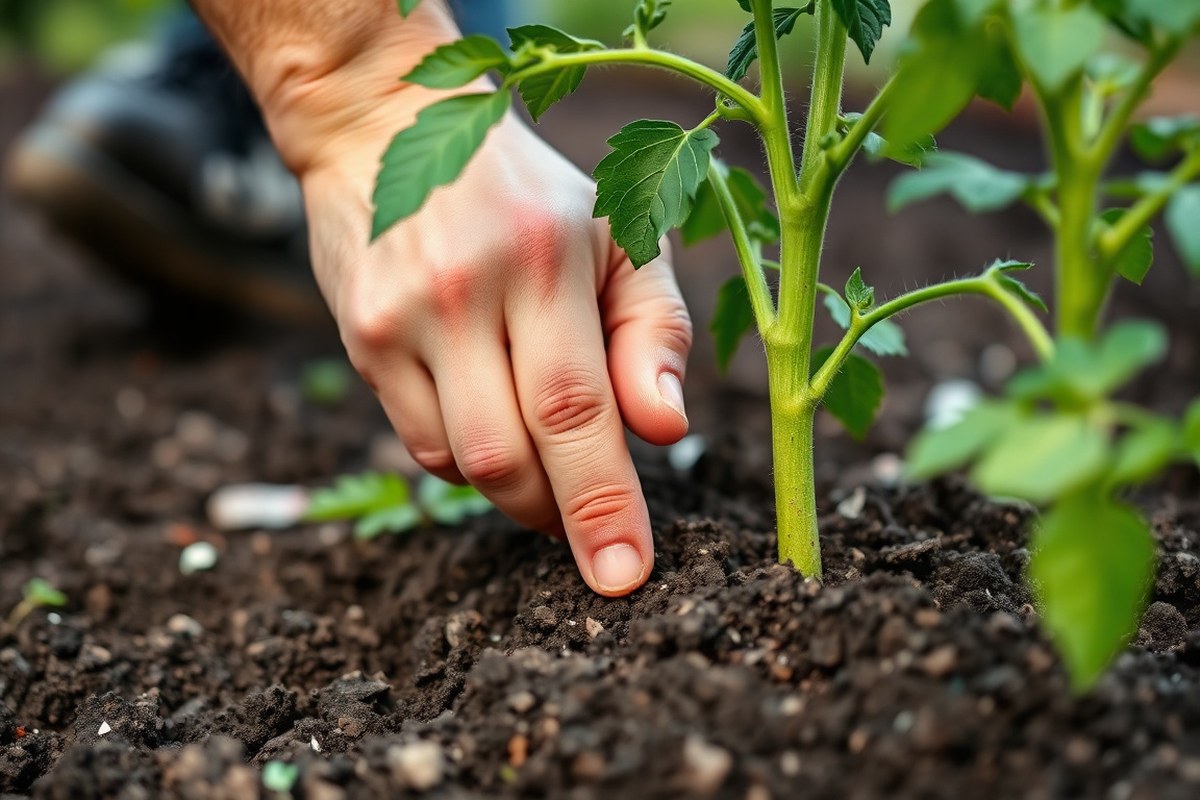
Before watering, check the soil one to two inches deep with your finger. Only water if this layer feels dry to avoid overwatering. Too much water can lead to root rot and lower yield.
Tomato watering needs change with weather and growth stages. Hot, dry spells need more water.
Cooler, rainy periods need less. Keep soil moist but not soggy for best results.
Key Takeaways
- Water tomatoes with 1.5 to 2 inches of water weekly for healthy growth.
- Use two to three deep watering sessions instead of daily light watering.
- Feel soil 1 to 2 inches deep before watering; water only if dry.
- During heatwaves above 95°F, check soil daily and water more often.
- Add mulch to cut evaporation and reduce watering needs by up to half.
- Sandy soils need watering every 2 to 3 days; clay soils need less.
How Often Do Tomato Plants Need Watering?
Tomato watering frequency depends on plant age, weather, and growing conditions. Young seedlings need water daily or every other day because their soil dries fast. Water plants two or three times a week as they grow bigger.
Keep the roots moist but not soggy. This helps plants stay healthy and hydrated.
Water more often during hot weather above 86°F. Container plants might need water daily. Heat dries soil faster than usual.
Cooler or rainy periods require less frequent watering, around once or twice a week. Mulching slows soil drying, so you can water less on mulched beds.
A good baseline is one to two gallons of water per tomato plant per week. This amount should soak the soil slowly at the base, encouraging deep roots.
For seedlings, use small amounts frequently. For mature plants, spread that water over fewer, deeper sessions.
Containers dry out faster than garden soil. You will need to water your container tomatoes more often. Check soil moisture every day to be sure.
Containers dry out faster, especially in warm weather. Watch your plants for wilting leaves or dry soil.
Change your watering schedule based on these signs. No water plan suits every garden perfectly.
Water seedlings lightly every day or two. Larger plants need water every two to three days. Change this if it is too hot or rainy outside.
Always aim to keep the soil moist but not soaked. Overwatering can cause root problems and weak plants.
How to Water Tomatoes Correctly for Deep Root Growth
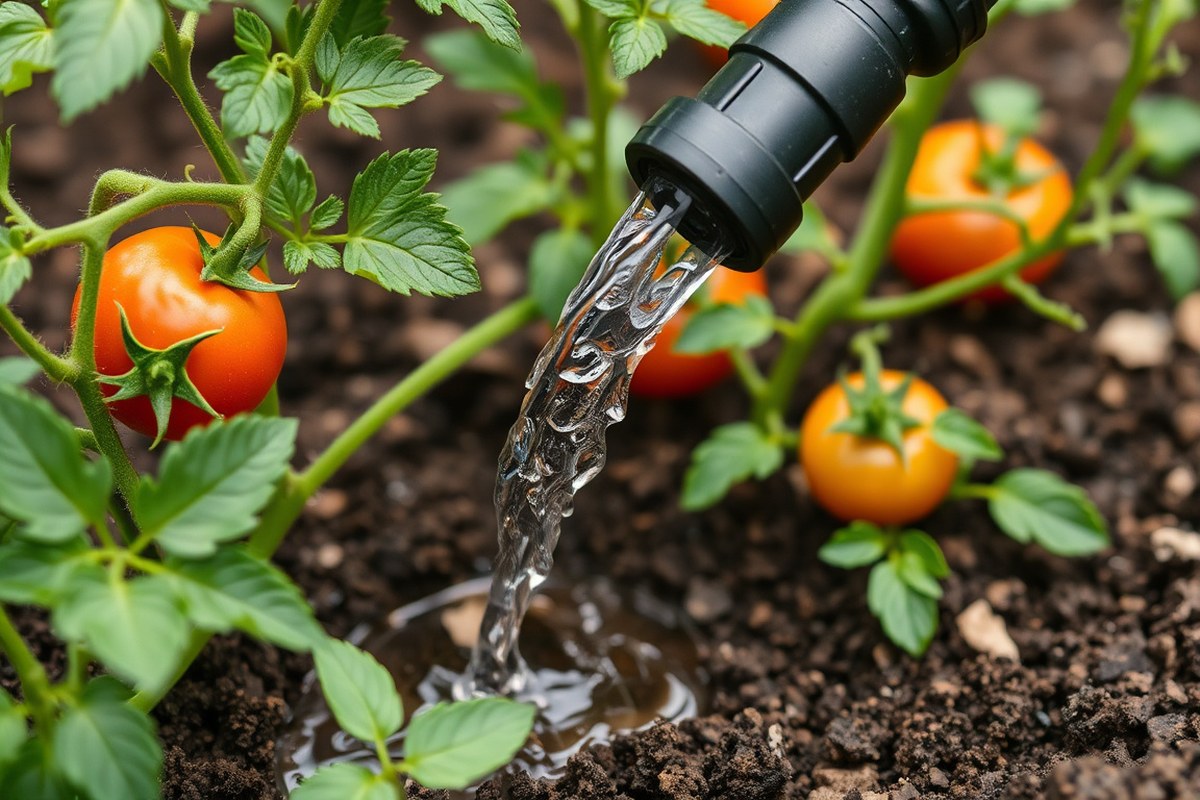
Water tomatoes deeply to encourage roots to grow far down. This helps plants find moisture even when surface soil dries out. Avoid shallow watering that only wets the top inch of soil.
Watering at Soil Level
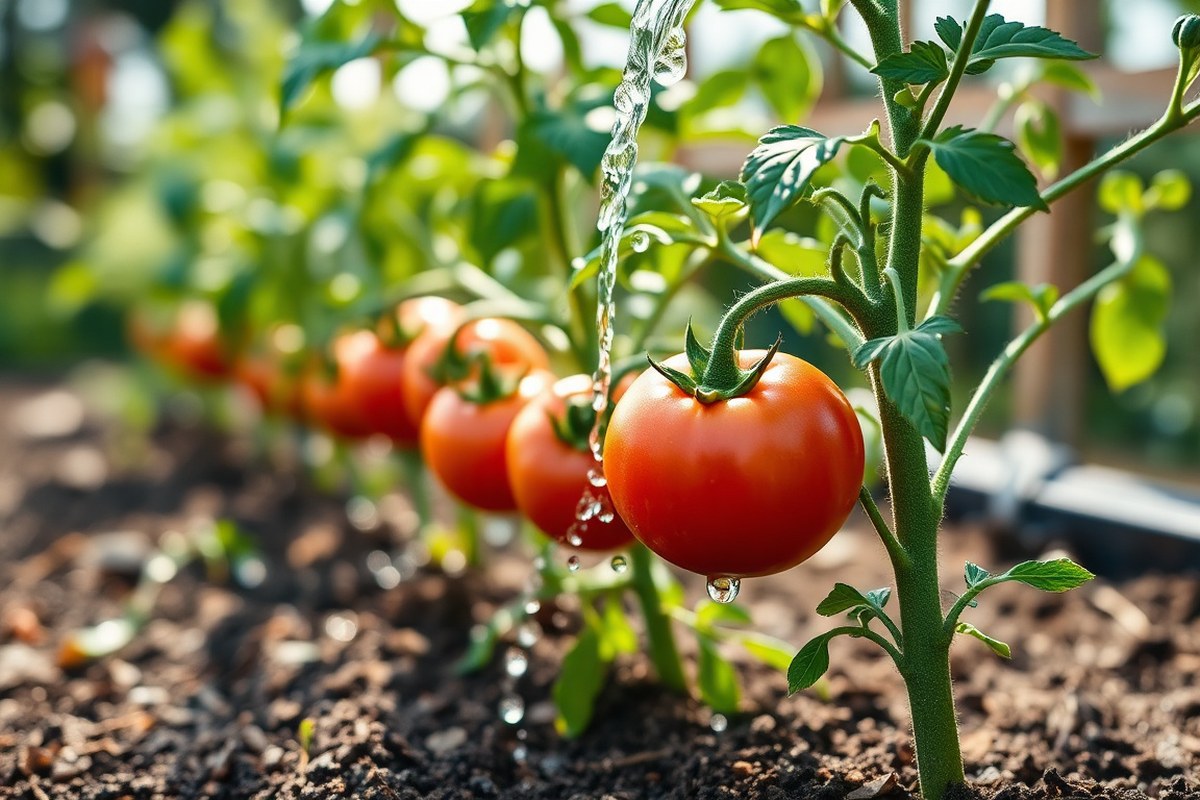
Apply water directly to the soil around the base of each tomato plant. This keeps the leaves dry and reduces risks of diseases like blight. Splashing water on foliage can cause fungal problems that harm your crop.
Drip irrigation or soaker hoses work best to deliver steady water right to the root zone. They avoid waste and keep moisture consistent. Using a watering can or hose with a narrow spout helps you target the soil efficiently.
How to Water Deeply Without Runoff
Water slowly to let soil absorb moisture fully. Fast watering causes excess runoff and wastes water. Slow soaking encourages roots to grow deeper as they seek moisture.
Water just 1, 2 inches per week in total, split into two or three sessions. Sandy soil may need water every 2, 3 days, clay soil only once weekly. Adjust based on your soil’s drainage and moisture hold.
- Check soil moisture around 1, 2 inches deep before watering.
- Position your hose or watering can near the plant’s main stem.
- Start watering slowly to avoid water pooling or running off.
- Water until the soil feels moist 6 to 8 inches deep.
- Stop water flow to prevent saturation and runoff.
Watering too fast wastes water and encourages shallow roots that weaken plants.
Setting Appropriate Watering Duration
Most tomato plants need 20 to 30 minutes of watering each time. Drip or slow watering works best to keep them healthy. Doing this regularly helps your tomato plants grow strong.
This gives water time to soak down 6 to 8 inches deep. Two to three sessions each week suits most plants.
Container tomatoes may need shorter but more frequent watering since pots dry faster. Adjust duration by feeling soil moisture rather than sticking strictly to a timer. Soil that’s wet below the surface means watering can wait.
Water early in the day to allow foliage to dry before evening and cut disease risks. Early watering also reduces evaporation loss to heat and wind.
How Soil Type and Climate Impact Watering Frequency
Tomato watering frequency changes with soil type and climate. Sandy soils dry fast and need water more often.
Clay soils hold moisture longer, so watering is less frequent. Hot or rainy weather also means you must adjust your schedule.
Watering Schedule for Sandy Soil
Sandy soil lets water drain fast, usually in a few hours. You’ll likely water your tomatoes three to four times each week. Check the soil’s top 2 to 3 inches and water when it’s dry.
Water deeply to reach 15 to 20 cm underground. This encourages roots to dig in and find moisture. Avoid light watering that just wets the top layer, as it won’t reach roots well.
Watering Schedule for Clay Soil
Clay soil holds moisture for 5 to 7 days. You only need to water about once a week in clay soil. Check the top 3 inches to make sure it’s dry before watering again.
Water deeply to about 20 to 25 cm to soak through the dense clay. Clay soil holds lots of water. This can cause root rot.
Overwatering increases this risk. Soil drainage matters a lot here.
| Soil Type | How It Behaves | Watering Frequency | How to Check |
|---|---|---|---|
| Sandy | Drains within hours, dries fast | 3 to 4 times per week | Top 2, 3 inches dry = water |
| Loam | Holds moisture 2, 4 days | About 2 times per week | Top 2, 3 inches dry = water |
| Clay | Holds moisture 5, 7 days | Once per week, deep watering | Top 3 inches dry = water |
| Raised Beds (amended) | Drains moderately fast | 2 to 3 times per week | Top 2 inches dry = water |
| Mulched in-ground | Retains moisture 2, 3 days | Adjust as soil dries | Top 2 inches dry = water |
Adjusting for Temperature and Rainfall
Hot weather makes soil dry out faster, increasing watering to two or three times a week. In heavy clay soils, watering this often risks root rot. Well-drained raised beds help manage moisture better in heat.
When rain increases, reduce watering frequency carefully. Don’t let soil stay soggy, as tomato roots can rot.
Drought means you need to water more often. Keep a close eye on soil moisture.
Humidity slows evaporation and may cut watering needs. Stick a finger in the soil to check moisture.
If the top 1 or 2 inches feel dry, water your tomatoes. Always adjust watering to current weather, not only the calendar.
Signs Your Tomato Plants Need Water and When to Hold Back
Tomato plants show clear signs when they need water or suffer from too much. Dry, curling leaves or wilting in the afternoon often mean dehydration. Look for slow growth or yellowing leaves, which also suggest they need moisture.
Overwatering shows different symptoms, like leaves yellowing all over or looking swollen and soft. The soil feels muddy or stays soggy for days. These conditions hurt roots and can cause rot if you don’t reduce watering.
The best way to know when to water tomatoes is by checking soil moisture. Push your finger or a moisture meter about 2 inches into the soil near the plant. Water your tomatoes only if the soil feels dry at this depth.
- Leaves wilting but soil moist means root stress, not dryness
- Soil should dry slightly between waterings, never stay soggy
- Use mulch to keep soil cooler and reduce water loss
- Check soil moisture every few days, especially on hot days
- Daily watering only for young, newly planted tomato roots
- Deep watering twice a week benefits established plants
- After heavy rain, wait for soil to dry before watering again
Mulch plays a big role in holding moisture, cutting the watering you need. Keep a 2-inch layer around your tomatoes to stop water evaporation and cool roots. This keeps soil moisture steady.
Tomatoes like steady moisture to avoid stress. It helps prevent fruit cracking and blossom end rot.
Adjusting Watering Frequency for Tomato Growth Stages
Tomato plants need more frequent watering when they are seedlings, then less often as they grow. Mature plants require deep watering twice a week to support fruit production. Adjust your watering based on these stages to keep plants healthy and productive.
Watering Tomato Seedlings
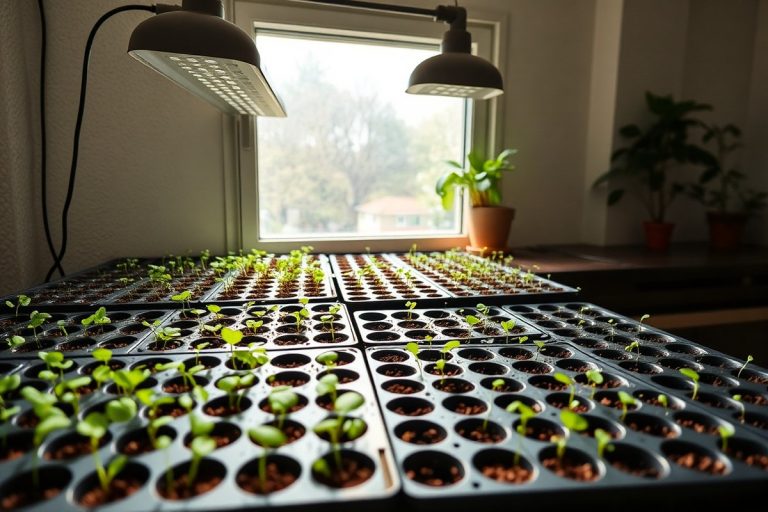
Seedlings need light but frequent watering to develop healthy roots. Water them every day or every other day, keeping the soil moist but not soaked. This regular moisture encourages roots to grow deep and strong.
Overwatering young seedlings can cause root rot. So water gently enough to keep soil damp without puddles. They usually need about a quarter inch of water daily during warm weather.
Watering Young Vegetative Plants
Once seedlings grow into young plants, reduce watering frequency but increase the amount per session. Water deeply once or twice a week.
Keep 6 to 8 inches of soil moist. This helps roots spread farther and access more nutrients.
Soil drying out too much makes plants wilt. Growth also slows down. Consistent, deep watering encourages stronger plants and healthier leaves before fruiting begins.
Watering During Flowering and Fruit Set
During flowering and fruit set, watering needs rise again. Mature tomatoes need 1 to 1½ inches of water each week.
Split water over two deep watering sessions. Each session should deliver 1, 2 gallons of water to reach 8 to 12 inches deep.
Adequate moisture supports the plant’s energy for fruit production and reduces problems like blossom end rot. Cutting back watering during this stage can stress the plant and lower yields.
Keep in mind that less frequent but thorough watering works better than daily shallow watering. It encourages the roots to grow deeper and keeps the plant more resilient. Follow these steps for adjusting watering as your tomato plants grow:
- Check soil moisture depth before watering using a finger or soil probe.
- Water seedlings lightly every day or every other day, keeping soil damp.
- Water young plants deeply once or twice weekly, moistening 6-8 inches deep.
- Increase watering to twice weekly for mature plants needing 1, 1½ inches per week.
- Apply 1, 2 gallons of water per mature plant per watering session.
- Avoid watering foliage to reduce disease risk; focus water at the base.
- Adjust frequency during very hot weather to prevent wilt, but avoid overwatering.
Keep soil moisture steady to avoid stressing plants and reduce common tomato problems.
How Container Growing Changes Tomato Watering Needs
Tomato plants in containers dry out much faster than those in the ground. Containers hold less soil.
So they lose water quickly, especially on hot or windy days. This means you’ll water container tomatoes more often and usually with more water per session.
For example, tomatoes in a 5-gallon pot may need daily watering during a heat wave. Each time, give about 1 gallon of water to soak the soil deeply. Tomatoes in garden beds with loam soil need watering twice a week.
Each time, give them about 1 to 2 gallons of water. This amount helps keep the soil just right for growth.
Pot size affects your watering routine. Smaller pots dry out quicker and might need watering every day or two. Bigger pots keep water longer but need checking regularly.
Check every other day during warm weather to prevent drying out. Water if the soil feels dry to the touch.
To avoid watering mistakes, check moisture below the soil surface. Push your finger about 2 inches into the soil to test dryness. Dryness on top doesn’t always mean the roots lack water.
Container soils also drain differently. Good drainage means watering more often but with enough volume to reach roots well.
Poor drainage means watering less frequently but more carefully to avoid waterlogged roots. Adjust for your pot’s drainage and local climate for best results.
A quick comparison shows in-ground tomatoes get water 1 to 2 times weekly. Each watering session usually gives them 1 to 2 gallons. Deep watering helps the roots grow strong and healthy.
Container tomatoes often need daily watering at about 1 gallon, especially in summer heat. Raised beds fall in between, with 2 to 3 sessions per week.
Watching your plants daily in containers lets you catch changes fast. Droopy leaves or very dry soil need more water.
Soggy soil means cut back to avoid root problems. Consistency helps plants adapt and grow healthy roots to absorb enough water.
Mulching and Watering: How to Reduce Watering Needs
Applying mulch helps keep tomato soil moist by cutting evaporation. Using a 2 to 3-inch layer of mulch reduces water loss by around 30 to 50%. This lets you water less often, especially in hot weather over 86°F (30°C).
Here is a quick comparison of common mulching materials for tomatoes. It shows their effects on moisture retention and how much you need to apply.
| Mulch Type | Layer Thickness Needed (inches) | Effect on Evaporation | Notes on Use |
|---|---|---|---|
| Straw | 2 to 3 | Reduces evaporation by up to 50% | Lightweight, apply close to stem safely |
| Grass clippings | 2 to 3 | Reduces evaporation by about 30-50% | Use fresh or dry; avoid thick layers that rot |
| Wood chips | 2 to 3 | Reduces evaporation significantly | Good for long-lasting mulch; heavier to apply |
To mulch correctly, clear weeds before applying your chosen type. Spread a uniform 2 to 3-inch layer around the base.
But keep mulch a half-inch from stems to reduce rot risks. Spread mulch over moist soil right after watering for best results.
Mulching lets you water tomatoes less often. After the first week, watering frequency can drop slightly. Mature tomato plants tolerate drier soil.
So after 4 to 6 weeks, cut watering back some. Still, check soil moisture often during heat waves and add mulch each season to maintain moisture.
Common Watering Mistakes and How to Avoid Them
Watering tomatoes too lightly and often is a common mistake. It makes roots stay near the surface, which dries out quickly. That leads to weak plants that don’t withstand heat or drought well.
Another issue is uneven or excessive watering. This can cause split skin, dry spots, or blossom rot on your tomatoes. Water deeply but less often, providing about 1 to 2 inches per week based on weather and soil type.
A steady watering schedule helps roots grow stronger. It also stops root rot and reduces stress on plants. Timed drip irrigation systems keep watering simple.
They help your plants stay healthy when you’re busy. They also work well if you have to be away.
- Water deeply, about once or twice a week depending on heat and soil.
- Avoid daily shallow watering to prevent shallow root growth.
- Check soil moisture 1 to 2 inches below the surface before watering.
- Use mulch to keep soil moist longer and reduce watering frequency.
- Adjust watering as plants grow, increasing water in fruiting stages.
- Water early in the day to reduce fungal risks and evaporation.
- Keep a watering journal or set reminders for consistency.
Problems from overwatering often show as soggy soil or wilting in humid weather. Cut back watering immediately and let soil dry before watering again. Dry patches or cracks on plants mean they need deeper watering.
Keep a regular watering schedule and check soil moisture often. This prevents most problems with tomato watering.
Step-by-Step Action Plan for Watering Tomatoes
Follow this plan to water your tomato plants well and avoid problems. Check the soil and plant signs to stay on track.
- Before planting: Prepare soil with compost. Well-drained soil helps water reach roots and prevents sogginess.
- Week 1: Water seedlings daily with about half a cup each. Soil should stay moist but not wet to help roots settle.
- Week 2: Reduce to watering every other day. Check soil 1 inch deep; it should feel damp but not soggy.
- Week 3 to flowering: Water 1 to 1.5 inches weekly, including rainfall. Water deeply to encourage strong roots.
- During fruiting: Keep soil evenly moist, watering 2-3 times a week in hot weather. Watch for wilting or yellow leaf edges.
- Container plants: Water once daily or as soil dries. Containers dry faster so check moisture often.
- After heavy rain: Hold back watering for 1-2 days. Check soil moisture before adding water to avoid overwatering.
- Ongoing: Mulch around plants to keep soil moist and reduce watering frequency. Look for drooping leaves as a water signal.
Frequently Asked Questions
How Often Should You Water Tomato Plants Daily During a Heatwave?
Check your tomato plants every day in heatwaves over 95°F. Water daily if soil dries out to keep them healthy.
Can You Water Tomato Plants with Cold Water from the Tap?
Use room-temperature water for tomatoes, not cold from the tap. Cold water can shock their roots and slow growth.
Does Watering Tomatoes in the Morning or Evening Save Water?
Water tomatoes early in the morning to reduce evaporation and save water. It also helps leaves dry out and avoid disease.
Can Overwatering Tomatoes Cause Fruit to Crack or Rot?
Yes, too much water can make tomatoes crack or rot. It stresses plants and affects fruit quality more than underwatering.
Does Watering Frequency Change If You Use Drip Irrigation for Tomatoes?
Drip irrigation allows more frequent, smaller waterings that keep soil moist. It saves water and reduces disease risk with targeted watering.
Should You Water Newly Planted Tomato Seedlings Differently Than Mature Plants?
Yes, young seedlings need more frequent, lighter watering to keep soil moist. Mature plants benefit from deeper, less frequent watering.
Key Points to Remember
Tomato plants need consistent, deep watering to thrive. Adjust how often you water based on weather, soil, and growth stage. Start checking your soil moisture daily to keep your tomatoes healthy.