
How Much Sun Do Lilacs Need for Optimal Blooming: A Complete Guide
How much sun do lilacs need? They need at least 6 hours of direct sunlight each day.
This amount helps them bloom at their best and keeps their growth strong. A little more sun is fine and might help them bloom even better.
You want to place lilacs where they can get morning and afternoon sun. If your spot gets 3 hours in the morning and 3 in the afternoon, that works too. Check that no buildings or trees block the light during those hours.
Too little sun can mean fewer blooms or none at all. Keeping the soil moist and well-drained also supports healthier lilacs. The sunlight and soil work together to help lilacs grow and flower properly.
Key Takeaways
- Lilacs need at least 6 hours of direct sunlight to bloom well.
- 6 to 8 hours of sun per day is ideal for strong flowering.
- Sites with 3 hours morning plus 3 hours afternoon sun are acceptable.
- Too little sun leads to weak or no flowers on your lilac bushes.
- Morning and afternoon sun combined benefits lilacs more than shade all day.
- Moist, well-drained soil with neutral to slightly alkaline pH supports blooms.
How Many Hours of Sun Do Lilacs Need to Bloom?

Lilacs need at least six hours of direct sunlight daily to bloom well. This amount is what’s called “full sun” for these shrubs. Giving them six to eight hours of sunlight encourages strong growth and plenty of flowers.
Anything less than six hours can reduce blooming. Lilacs that get four to six hours of sun may survive.
They often grow but produce fewer flowers than usual. Under four hours, blooming usually stops, and the plant might become weak and leggy.
More than six hours of direct sun usually helps lilacs bloom fuller and keeps stems sturdy. Plants facing south or southwest often get the best light for this.
Don’t worry about too much sun on your lilacs. Just keep the soil moist and well-drained.
What Happens When Lilacs Get Too Little Sun?
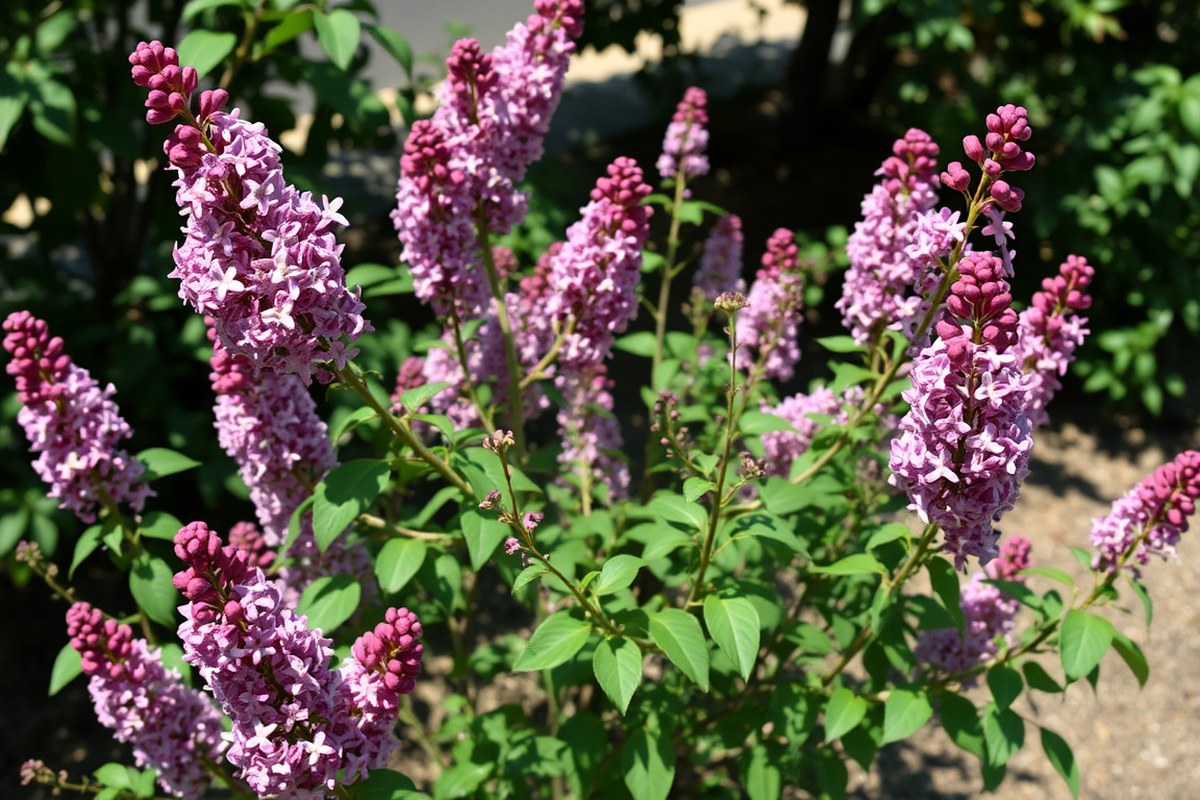
Lilacs need at least 6 hours of direct sun daily to thrive. Without enough light, they often fail to bloom or produce buds that stay closed.
Their leaves may appear pale or sparse. The plant grows thin, stretched stems reaching for light.
When lilacs get too little sun, their branches become weak and less firm. These spindly stems can’t support heavy flower clusters.
So the shrub looks leggy and shy. You’ll notice fewer flowers and a decline in overall plant health over time.
Low sun also raises the risk of fungal diseases like powdery mildew. Shade keeps moisture longer on leaves, favoring mold growth during warmer months. This makes your lilac more vulnerable and reduces its ability to recover from stress.
Leggy habit is common in low-light spots, with the lilac stretching toward any available sun. This uneven growth can make pruning tricky and harm the plant’s shape. Worse, buds may form but won’t open, meaning no flowers for your garden.
Make sure your lilac gets at least 6 hours of direct sun. Less sun means fewer flowers and weaker plants.
Providing more than 6 hours of sun helps your lilac develop fuller branches and more flowers. A tree or building shading your lilac can cause problems.
Try trimming nearby plants or moving the lilac to a sunnier spot. This simple change often improves flowering and reduces disease risk.
Some lilac types can handle partial shade for a few hours. They still need 4 to 6 hours of sun daily. Without enough sun, problems can appear.
Under 4 hours, expect noticeably fewer flowers and longer stems. You might waste years hoping for blooms without adjusting their sun exposure.
Morning Sun vs. Afternoon Sun: Timing and Effects
Morning sun is cooler and gentler for lilacs. It dries dew on leaves quickly. This helps prevent leaf diseases and keeps the plant healthy.
This helps reduce fungal diseases that thrive in moist conditions. The cooler morning light kickstarts photosynthesis without stressing the plant, promoting healthy growth and vibrant blooms.
Afternoon sun delivers stronger, hotter rays, especially in regions where temperatures often exceed 90°F. This intense heat can stress lilacs, causing leaf curl, slowed growth, and increased water needs. Afternoon sun is not bad on its own. But the added heat can cause the plant to use more water and risk heat damage.
In hot climates, providing some afternoon shade can protect lilacs from this harsh sun. Use light shade cloth to protect lilacs, or plant where trees block late sun. Structures can also provide afternoon shade for your lilacs.
Mulching the soil also helps keep roots cool, limiting water loss and heat stress. This combination lets lilacs get enough sunlight while avoiding overload.
Your lilac patch needs about three hours of morning sun plus three hours afternoon. This amount usually gives good blooms. Warm zones 7 and 8 can stress lilacs in afternoon heat.
Trim nearby branches or move container lilacs to shade. This lowers heat strain on plants. Moving pots daily costs little but makes a big difference.
Northern zones 3 to 6 often handle strong afternoon sun fine. Lilacs need six or more total hours of sun each day. Southern, hotter areas do better with morning sun and afternoon shade.
This mix improves bloom quality for lilacs. Pay attention to leaf condition.
Notice wilting or leaf curling? Adding afternoon shade will help your lilac recover.
Managing sun exposure means balancing bloom needs and stress risks. Morning sun offers good light without too much heat. Afternoon sun sometimes helps blooms but can dry soil quickly and demand extra watering.
Shade or other barriers protect lilacs from hot afternoon damage. They still allow enough light for healthy growth.
How to Assess Sunlight Availability in Your Garden
You should check how much sunlight your garden spot gets daily. Lilacs need six to eight hours of direct sun to grow well. Watch the sun and shade at different times to find the best place.
Observing Shadows Throughout the Day
Watch your garden spot from morning to evening to see when shadows appear. Note the time when sun first hits the spot each day. Also, write down when shade starts covering the area.
This helps track how long the spot stays sunny. This shows how long the spot gets sun each day.
Check sunlight at least three times a day: early morning, midday, and late afternoon. Morning sun is cooler and lasts longer in some areas.
Midday sun is strongest but shorter. Evening sun is less important for lilac growth.
Using Tools to Measure Direct Sunlight
Use simple tools like smartphone apps to check sun hours. These apps help you measure sunlight clearly every day. It’s an easy way to know the sun your spot receives.
A sunlight meter or a portable light sensor gives exact light levels. These devices show how much sun your spot really gets. They help you pick the right place for lilacs.
Note times when the spot receives direct, unfiltered sunlight. Avoid counting dappled or reflected light, since lilacs need full sun for best blooms. Document these times to calculate total sun hours.
Interpreting Seasonal Sunlight Changes
The amount of sunlight changes with seasons. Measure sun exposure before trees leaf out in early spring to find the maximum light available. This gives the highest possible sun hours for your chosen spot.
Then, measure again after trees have leafed out in late spring or early summer. This shows the actual sun hours during the growing season. The second measurement is more important for lilac health.
Accounting for Shade from Nearby Obstructions
Look for trees, buildings, or fences that block the sun at different times of the day. Tall trees can cause “shade creep” as they grow and block more light over time. Facing the wrong direction, like north, can also limit sun.
Consider pruning or removing branches that block sunlight to increase hours of direct sun. You can put reflective surfaces like white walls nearby to add light.
This works well if the spot has less than six hours of sun. Reflections boost the sunlight your plants receive.
Follow these steps to measure sunlight for lilacs:
- Choose the potential planting spot for your lilac.
- Visit the spot early morning (around 8 a.m.), midday (around noon), and late afternoon (around 4 p.m.).
- At each visit, note the time when direct sunlight starts and ends at the spot.
- Use a sunlight meter or phone app to record exact light levels, if available.
- Repeat observations on several sunny days to get an accurate average.
- Measure again in early spring before leafout and in late spring after leafout for comparison.
- Check for any trees, buildings, or fences casting shade at the spot during these times.
- Think about adding reflectors or trimming nearby plants for more sun. These steps help if your spot gets less than six hours of direct sun. They increase sunlight and help lilacs grow better.
Which Lilac Varieties Tolerate Less Sun Best?
Not all lilac varieties need the same amount of sun to bloom well. Most common lilacs require at least six hours of full sun each day.
Some hybrids and dwarf lilacs tolerate partial shade. They flower decently with four to five hours of direct sunlight.
Dwarf lilacs and certain hybrids usually handle limited sun better than the large common lilac. Their smaller size and breeding for disease resistance help them bloom in part-sun gardens.
When picking lilacs for less sunny spots, check the tag. Look for “partial shade” or “5, 6 hours” listed.
| Cultivar / Species | USDA Zones | Minimum Sun Tolerance | Key Advantage | Best For |
|---|---|---|---|---|
| Common lilac (Syringa vulgaris) | 3, 7 | 6 hours (strict) | 1,000+ varieties, full flower clusters | Full-sun sites only |
| ‘Miss Kim’ (S. Pubescens subsp. Patula) | 3, 8 | 5, 6 hours | Good powdery mildew resistance; blooms in 1, 2 years | Part-sun sites; zone 8 |
| Korean lilac ‘Palibin’ (S. Meyeri) | 3, 7 | 5, 6 hours | Compact 4, 5 ft; mildew resistant; reliable blooms | Small gardens; tight spots |
Choosing the right lilac depends on your garden’s sun exposure and the zone. Common lilacs need full sun to bloom best.
Hybrids like ‘Miss Kim’ can handle less sun. Dwarf types like ‘Palibin’ resist mildew better.
Look at the nursery tags for minimum sunlight hours and care instructions. Those marked “partial shade” indicate they can tolerate five hours or a bit less sunlight. Position them where they get morning sun or filtered light to protect from extreme afternoon heat.
Remember, even partial-shade lilacs need at least four hours of direct sunlight. That’s key for good blooms.
Practical Steps to Improve Sun Exposure for Lilacs
Increasing sunlight on lilacs can make a big difference in their growth and flowering. You can trim nearby trees to give your lilac more light. Try planting in a sunnier spot or use reflectors.
Another option is growing lilacs in containers to move them around. These steps help your lilacs get the sun they need to thrive.
Pruning Overhead Branches and Nearby Shrubs
Trim branches that block sunlight from reaching your lilac. Focus on trees or shrubs that cast dense shade on the plant.
Use pruning shears or a saw to cut away low or overhanging limbs. This lets more light hit the lilac’s leaves throughout the day.
- Check for branches that shade the lilac before mid-morning and afternoon.
- Prune in late winter or early spring before new growth begins.
- Remove dead or crowded branches to improve air and light flow.
- Don’t remove more than 25% of tree canopy at once to avoid shock.
Clear light helps the lilac photosynthesize well and flower fully. Overgrown trees or shrubs nearby can stunt its bloom.
Choosing the Best Planting Site
Pick a location with at least 6 hours of direct sunlight for new lilac plants. Avoid spots shaded by taller plants or buildings.
Avoid planting where trees or large shrubs will block light as they grow. Spacing lilacs 5 to 15 feet apart helps keep good air and sunlight circulation.
Your lilac might do better if you dig it up. Consider moving it to a sunnier place. Move younger plants in early spring or fall to a sunnier place.
Using Reflectors and Light-Colored Surfaces
Reflective surfaces can bounce extra light onto your lilac if shade is unavoidable. Use light-colored mulch, stones, or painted boards nearby.
Put reflective materials on the side where your lilac is shaded. Use spots that get sunlight for part of the day.
This can help increase light your lilac gets. This adds brightness and warmth for better growth.
- Light-colored gravel or river rocks around the base of the lilac
- White or pale-painted wooden panels positioned behind the shrub
- Aluminum foil strips attached to stakes to direct sunlight upward
- Reflective mulches made for garden beds
These small additions can boost light levels by 10% to 20%. They work best where natural sunlight is partial but not fully blocked.
Container Planting Tips for Sunlight Optimization
Growing lilacs in containers lets you move them to catch full sun during the day. This is great if your garden has limited sunny spots.
Choose a container at least 18 inches wide with good drainage. Move the pot to the sunniest spot possible, especially during spring bloom.
Rotate the container weekly so all sides get equal light. Water and feed lilacs regularly since container soil dries out faster in sun.
Sunlight Needs for Lilacs in Different Climates
Lilacs need a cold winter to bloom well, especially in zones 7 and 8. Temperatures below about 45°F for several weeks help their flower buds form properly.
Without enough chill, your lilac may only grow leaves. It might produce few or no flowers next spring.
In hotter zones, partial shade can protect lilacs from scorching afternoon sun. They need 2 to 6 hours of sunlight daily to grow.
Shade helps during the hottest part of the day. Too much intense heat causes stress and weak blooms.
When sun is intense, adjust watering to keep lilacs healthy. Water deeply once or twice weekly.
Keep the soil moist but avoid sogginess. Mulching around the base helps retain moisture and cool the roots during hot spells.
Signs Your Lilac Isn’t Getting Enough Sunlight
Lilacs not getting enough sunlight show clear signs in leaves, stems, and flowers. You can spot issues by checking their growth and bloom patterns early. Noticing these signs helps you fix the light issue before the plant weakens or stops blooming.
Reduced or No Blooming
One of the first signs your lilac lacks sun is poor blooming. Flowers will be sparse, small, or missing altogether. Without enough light, the plant can’t produce the energy needed for strong flower growth.
Watch for fewer clusters of flowers than usual during spring. This weak bloom often means the bush gets shaded by other plants or structures. Check the spot to ensure the lilac has at least 6 hours of direct sun.
Leggy or Thin Branches
Stem growth can tell you a lot about sunlight levels. Thin, leggy stems with wide gaps between leaves show the plant stretching for light. This makes the stems weak and prone to breaking in wind.
Leggy growth is a strong hint your lilac isn’t getting its sun needs met. This stretching often happens when nearby trees or taller bushes shade your lilac. It’s best to measure the light in the area during the day to spot shade problems.
Leaf Discoloration or Fungal Growth
Leaves may turn pale, yellow, or lose their usual deep green color from too little sun. You might also see fuzzy or powdery fungus growing on leaves in shady, damp spots. Fungi thrive when sunlight can’t dry leaf surfaces.
Check these leaf clues carefully. Yellowing usually means your lilac isn’t getting enough sun. It might also show disease or poor soil.
Watch for other problems too. Fungal patches usually grow in shaded, moist conditions, highlighting a light problem combined with humidity.
- Check if nearby plants or buildings shade the lilac for more than half the day
- Measure sunlight hours with a light meter or smartphone apps
- Inspect leaves for color changes or unusual spots regularly
- Look for very long spaces between leaves on branches
- Note any reduction or absence of flower clusters each spring
- Compare growth patterns with sunnier parts of your garden
Give your lilac at least 6 hours of full sun each day. This helps keep yellowing and other issues away. Consistent sunlight is important.
Slow Growth and Weak Stems
Slow overall growth signals the plant’s energy is low from insufficient sun. Stems feel frail and can bend easily instead of being firm and upright. The lilac might also produce smaller leaves than usual.
Lilacs need sunshine to power photosynthesis, feeding growth and strength. Without it, they struggle to develop good wood and resist pests or harsh weather. Watch how tall and strong the new shoots become each year to judge sunlight quality.
Step-by-Step Action Plan for Giving Your Lilacs Enough Sun
Follow these easy steps to give your lilacs proper sunlight. Doing this helps them bloom well.
- Before planting: Choose a spot that gets at least 6 hours of sun, preferably morning sun.
- Week 1: Use a sunlight meter to check the spot’s sun. You can also track sun by hand.
- Week 2: If the spot is shady, prune nearby trees or bushes to increase light.
- Month 1: Plant your lilacs and water them well. Watch for signs like poor leaf growth.
- Month 2: Monitor your lilacs’ bloom. Sparse buds mean you should trim around them to increase sun.
- Month 3: Use reflective mulch or light-colored surfaces near the plants to boost light.
- Ongoing: Remove shade growth yearly and keep the area clear to maintain sunlight.
- Each spring: Assess sunlight early and prune or move plants if blooms lag behind.
Frequently Asked Questions
Can Lilacs Grow Well in Partial Shade?
Lilacs prefer full sun but some varieties can tolerate partial shade. Growth and blooms may be less vigorous in those spots.
Should I Prune Lilacs If They Don’t Get Enough Sun?
Yes, prune to remove weak growth and open the bush to light. This can help improve air flow and sun exposure.
What Soil pH Improves Sun Absorption for Lilacs?
Lilacs do best in neutral to slightly alkaline soil around pH 7.0. Proper pH supports strong growth and better sun use.
Does the Type of Mulch Affect Lilac Sun Needs?
Thin mulches do not block sunlight and help soil moisture. Avoid thick layers that reduce sun hitting the base of plants.
Can Lilacs Suffer from Sunburn?
Lilacs rarely suffer sunburn because they love full sun. Intense summer afternoon sun on young leaves can cause mild stress.
Do Lilacs Need More Sun in Colder Climates?
Colder zones benefit from longer sun exposure to warm soils. More sun helps lilacs flower better in shorter growing seasons.
Wrapping Up
Lilacs need full sun, about 6 hours a day, to bloom well and stay healthy. Spot-check your garden’s sun hours and clear shade regularly to keep your plants thriving. Start by tracking sun in your yard this week and make small changes to the area.