How to Plant Pomegranate from Seeds: A Complete Guide for Beginners
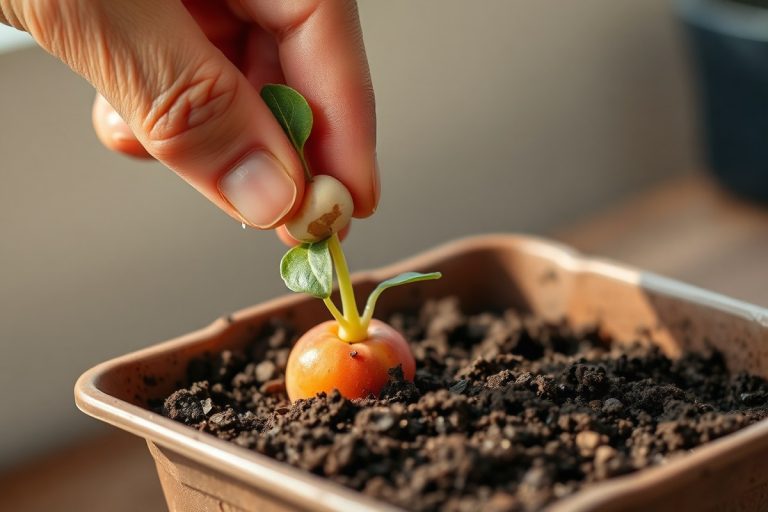
How to plant pomegranate from seeds begins with soaking the seeds 24 hours in water. Soaking softens the seed coat and speeds up germination. After soaking, plant the seeds about 1/4 inch deep in well-draining potting soil.
Pomegranate seeds need warm temperatures between 75 and 85 degrees Fahrenheit to sprout. Keep them in a sunny spot or use a heat mat to maintain warmth. Expect the seeds to germinate in about 4 to 6 weeks under good conditions.
Start your seeds indoors if outdoor temperatures aren’t steady in the mid-70s yet. Use containers with drainage holes to help prevent root rot. Make sure the soil stays moist but not soggy for the best results.
Key Takeaways
- Place pomegranate seeds in water at room temperature for 24 hours before planting.
- Plant seeds 1/4 inch deep in well-draining potting soil.
- Keep temperature between 75 and 85°F to encourage germination.
- Expect seedlings to sprout in 4 to 6 weeks at these temperatures.
- Use containers with drainage holes for indoor seed starting.
- Place seedlings where they get at least 6 hours of direct sunlight daily.
How to Plant Pomegranate Seeds Step-by-Step
To start growing pomegranate seeds, first clean them well. Let the seeds soak in water for a full day.
Next, plant them half an inch deep in soil that drains well. Keep their soil moist and warm within a comfortable 75 to 85°F range for best results.
Cleaning and Soaking Seeds
Start with fresh pomegranate seeds for the best success. Take off any fruit pieces stuck to the seeds.
Rinse each seed carefully under cool running water. This makes sure the seeds are fully clean before planting.
Place the cleaned seeds in water at room temperature for 24 hours. This soaking helps break down the seed shell and speeds up growth.
Sowing Depth and Soil Choice
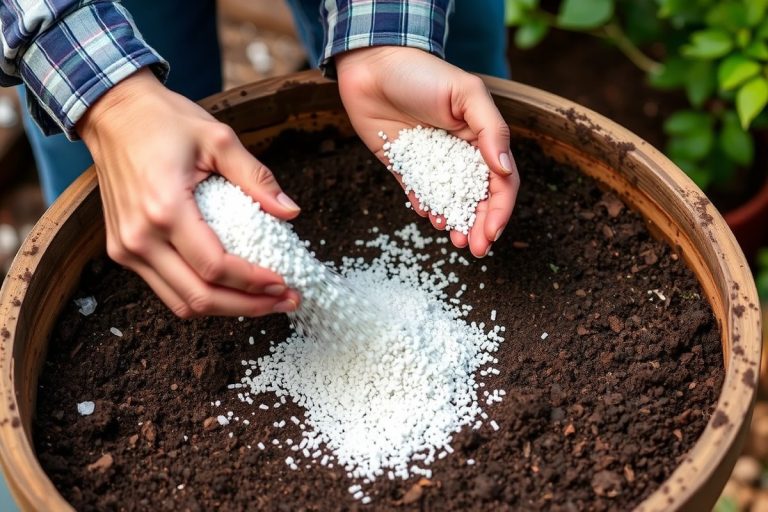
Use well-draining potting soil mixed with some coarse sand or perlite for good drainage. Avoid heavy or waterlogged soil that can rot the seeds.
Sow each seed about half an inch under the soil surface. Leave one to two inches between seeds if planting several in one pot.
Maintaining Moisture and Warmth
Keep the soil consistently moist but not soggy during germination. Mist or water gently to avoid washing out the seeds.
Maintain a temperature between 75 and 85°F for best sprouting. You can use a heat mat or place the container in a warm, sunny window. Follow these steps to get your pomegranate seeds started well:
- Clean seeds by rinsing off all fruit pulp under cool water.
- Soak seeds in room-temperature water for 24 hours.
- Fill a pot with well-draining potting mix blended with coarse sand.
- Plant seeds 1/2 inch deep, spacing at least 1 to 2 inches apart.
- Water the soil gently until it is evenly moist, not soaked.
- Place the pot in a warm spot with temperatures of 75 to 85°F.
- Keep soil moist by watering lightly whenever the top feels dry.
- Wait for seedlings to emerge in about one to two weeks.
What Soil and Containers Work Best for Seed Germination?
Use a well-draining soil mixture with good water retention for pomegranate seed germination. A combination of peat moss, perlite, and either compost or coco coir works best. This mix keeps soil moist but not soggy, which prevents seed rot and supports root growth.
The soil should be slightly acidic to neutral, with a pH between 5.5 and 7.5. This range helps the seedling absorb nutrients efficiently. Avoid heavy clay or dense soils for planting.
These soils hold too much water. They also reduce oxygen around the seed.
Choose containers that are small, about 3 to 4 inches in diameter. Seed trays or individual pots with drainage holes work well. Good drainage is critical to avoid water buildup that can kill the seed.
Plant two to three seeds per pot, about 1/4 inch deep. Lightly press the soil on top and add a thin mulch layer to keep moisture steady. Using multiple seeds increases the chance that at least one will sprout.
| Factor | Recommended Option | Why it Matters |
|---|---|---|
| Soil Mix | Peat moss + Perlite + Compost or Coco Coir | Drains well, holds moisture, provides nutrients |
| PH Level | 5.5 to 7.5 (slightly acidic to neutral) | Improves nutrient uptake for seedlings |
| Container Size | 3-4 inch diameter pots or seed trays | Fits seedling roots; easy to manage indoors |
| Drainage | Holes in container bottom | Prevents waterlogging and root rot |
| Seeding Depth | 1/4 inch deep | Allows enough coverage while letting sprout emerge |
For indoor growers in colder places, using containers lets you move seedlings indoors before winter. Keep them in a warm spot with light and avoid overwatering. A good soil mix with proper drainage also reduces fungus and mold problems during early growth.
Make sure your container drains well; water logged soil will kill your pomegranate seed.
How Long Until Pomegranate Seeds Germinate and Seedlings Grow?
Pomegranate seeds usually start sprouting in about 30 to 40 days at room temperature. Some gardeners see sprouts as early as 10 days.
But around 6 to 10 weeks is common. This time depends on how warm and bright the conditions are during germination.
Seeds need warmth around 70°F to 85°F to germinate quickly. Cooler temps slow the process. The seeds might take longer to sprout, even up to 10 weeks.
Using a heating mat can keep the soil steady and warm, speeding things up. Pomegranate seeds don’t require cold treatment. But a 30 to 60-day refrigeration can improve germination rates if you want to try it.
After planting, keep the soil moist but not soggy. Covering the seeds with a clear dome or plastic helps keep warmth and moisture at first. Once almost all your seeds sprout, usually you’ll see small green shoots above the soil.
Remove any plastic cover now to stop mold growth on seedlings. Let seedlings get at least 6 hours of direct sunlight daily.
Placing your pots on a sunny windowsill or under a grow light works well. Too little light leads to thin, weak seedlings that might not grow strong.
Watch for seedlings getting pale or stretching toward light, which means they need more brightness. Also, avoid watering too much to stop roots from rotting.
Monitoring growth every few days helps catch issues fast. Check seed freshness and soil conditions when nothing shows after 6 weeks.
Seedlings start growing their first leaves about 10 to 14 days after sprouting. Those tiny leaves firm up your confidence that your pomegranate is off to a good start.
How to Care for Pomegranate Seedlings for Strong Growth
Keep pomegranate seedlings moist but not soggy, giving them plenty of light and balanced nutrients. Water deeply but let soil dry slightly between sessions. Sunlight for 6 to 8 hours and regular feeding will help seedlings grow strong.
Watering Frequency and Techniques
Water seedlings every 3 to 5 days, depending on indoor humidity and soil dryness. Check soil moisture by sticking your finger about an inch deep.
When dry, it’s time to water your pomegranate tree. Avoid overwatering to prevent root rot and weak stems.
Use a watering can with a narrow spout to gently moisten the soil surface. Deep water encourages roots to grow down and makes the plant more drought resistant later. Don’t let water pool or remain standing around pots.
Lighting Requirements for Seedlings
Place seedlings where they get at least 6 to 8 hours of direct sunlight daily. South or west-facing windows work best for indoor pomegranate trees. Good light prevents leggy, weak seedlings that stretch toward the sun.
When natural light is low, use a grow light on a 12-hour timer. Position the light 6 to 12 inches above seedlings to mimic sunlight intensity. Rotate seedlings every few days for even growth.
Fertilizer Types and Application Schedule
Feed seedlings with a balanced fertilizer like 10-10-10 to supply nitrogen, phosphorus, and potassium. Apply fertilizer once per month once seedlings have their second true leaves. Avoid fertilizing newly sprouted seeds to prevent burn.
Use half the recommended strength for potted seedlings to avoid overfeeding. Follow this simple 5-step process to fertilize properly and protect seedlings:
- Choose a balanced water-soluble fertilizer labeled 10-10-10.
- Dilute it to half strength using water per package instructions.
- Water the soil lightly first to avoid root burn.
- Apply the diluted fertilizer evenly around seedlings without touching leaves directly.
- Repeat once every 3 to 4 weeks during the growing season.
When and How to Transplant Pomegranate Seedlings Successfully
Transplant pomegranate seedlings when they stand 6 to 8 inches tall. Move them to bigger pots or outdoors after a few sets of true leaves appear. Harden them off by gradually exposing seedlings to outdoor conditions over 7 to 10 days.
Assessing Seedling Readiness
Pomegranates show readiness for transplant when seedlings reach about 3 to 4 inches tall. This stage signals they have outgrown small germination containers and need more space. A stronger root system and several true leaves form next, ideally before moving them again.
Watch for seedlings 6 to 8 inches tall. They should have two or three sets of true leaves.
Those leaves are bigger and more defined than the first seed leaves. This means your plants have enough strength to survive transplant stress well.
Seedlings lacking size or few true leaves won’t handle transplant well and may wilt or die. You want steady, healthy growth. This helps when moving seedlings to bigger pots or outside.
Transplanting Steps Explained
Shift your seedlings only once they meet size and leaf development. Transplanting indoors or outside?
Follow these steps carefully to keep your seedlings healthy. Use fresh, well-draining soil and pots that allow root expansion.
- Fill a larger pot or prepare an outdoor planting site with loose, fertile soil.
- Moisten the soil to a damp but not soggy level before transplanting.
- Gently remove seedlings from their original pots to avoid root damage.
- Place the seedling at the same soil depth as before to avoid stress.
- Fill soil around roots, firm lightly to remove air pockets.
- Water the transplant well to settle soil and hydrate roots.
- Keep transplanted seedlings in shade or low light for the first few days.
Use clean tools and containers to prevent disease during transplanting.
Hardening Off Protocol
Gradually adjust your seedlings to outdoor sunlight, wind, and cooler temperatures. Start with just a few hours outside in a shady spot. Increase outdoor time by 1-2 hours daily, aiming for full-day exposure after a week.
Avoid harsh midday sun early on; direct morning or late afternoon light is gentler. Monitor seedlings for wilting or dried leaves and bring them back indoors if stressed. This slow change helps strong root and leaf development for life outdoors.
What Temperature and Light Conditions Optimize Growth?
Pomegranate seeds germinate best when soil temperature stays between 75 and 85°F (23 to 29°C). This warmth encourages quick sprouting and stronger seedlings. Keep daytime temperatures between 70 and 85°F (21 to 29°C).
Avoid cold drafts below 60°F (16°C). This range supports good seedling growth.
Place seedlings where they get at least eight hours of direct sunlight daily. Bright light supports healthy leaf and stem development. Use LED grow lights for 10 to 12 hours a day when light is low.
Starting seeds indoors helps control temperature and humidity easily. Using a heat mat keeps the soil warm and speeds germination.
Expect mats to cost about $20 to $40 online or at garden centers. A simple thermostat ensures the soil stays steady between 75 and 85°F.
Humidity is also key; pomegranate seedlings need moist air to avoid drying out. Raise humidity by covering the seed tray with a plastic dome.
You can also place a tray of water nearby to help. Avoid overwatering soil; instead, keep it consistently damp to prevent fungus problems.
Use a heat mat and grow light together to help in low light or cool homes. Turn grow lights off at night to mimic natural cycles.
Monitor seedling color and leaf shape. Pale leaves or stretched stems often mean not enough light or warmth.
Once seedlings have a few sets of leaves, you can reduce humidity gradually. Move them closer to a sunny window or a bright porch spot during warmer days. Bringing seedlings outdoors only works once night temperatures stay above 50°F (10°C).
How to Protect Young Pomegranate Trees from Cold and Pests
Young pomegranate trees will struggle if frost or freezing temps hit. In colder places, wrap seedlings in burlap or thick fabric. Moving pots indoors or to a garage keeps roots warmer during winter freezes.
Using a wire cloche helps protect plants in mild climates from bugs and animals. Keep an eye on the wind too; strong gusts can damage tender shoots. Shielding young plants with a windbreak of stakes and cloth works well.
Pomegranate seedlings in containers are easier to shield from cold or pests. Bring these indoors or into a sunroom when temps dip below 32°F. For garden-planted trees, mulch around the base helps hold soil warmth.
Common pests include aphids, whiteflies, and pomegranate butterflies. Aphids cluster under new leaves, causing curling and sticky residue.
Whiteflies fly around leaves and leave a powdery substance. Pomegranate butterfly larvae may eat leaves, showing holes or ragged edges.
Fungal diseases like leaf spot or root rot show yellow or brown spots on leaves. Drooping or stunted growth can signal root problems caused by poor drainage. Keep soil moist but not soggy to avoid these issues.
Natural controls include spraying neem oil or soapy water on leaves to kill pests. Do this in the early morning or late afternoon to avoid leaf burn. Introducing beneficial insects like ladybugs also helps control aphids safely.
For chemical options, choose products labeled safe for young fruit trees. Follow the instructions carefully to avoid harming delicate seedlings. Always test sprays on a small area first to check for leaf damage.
Prune your pomegranate in late winter after frost danger ends. This supports healthy growth and removes dead parts where disease can hide. Avoid heavy pruning; light trimming promotes strong stems without stressing seedlings.
How Long Until Fruit and What Growth to Expect from Seedlings?
Pomegranate trees grown from seed usually start producing fruit in about 3 to 5 years. This timeline depends on your tree care and local climate. Your efforts will affect how soon it grows.
Conditions can speed up or slow down fruiting. Trees in ideal soil and sunlight often bear fruit near three years.
Good care can help your tree fruit sooner. The right place and care make a difference.
Mature pomegranate trees can grow to about 12 to 20 feet tall and wide. But in a home garden, they often stay smaller if you prune them regularly. Their shape is rounded with lots of branches, which helps support fruit and flowers well.
Fruit from seed-grown trees may differ in taste and size from the parent plant. This happens because seeds carry mixed genetics, unlike cuttings or grafts. Fruit might not taste exactly as expected on seed-grown trees.
Trees from seed often grow stronger and resist disease better. You trade some fruit predictability for healthier trees.
You can encourage earlier fruiting by pruning your tree every year during dormancy. Removing old, weak branches helps new shoots grow and produce flowers. Also, keeping your tree well-watered and fed with balanced fertilizer boosts healthy growth and fruit set.
Warmer climates speed up fruit production since pomegranates thrive in heat and sunlight. Living in a cooler area can delay fruiting beyond five years. Your tree might take longer or fruit less in cold zones.
Cooler climates often slow your tree’s growth and yield. Protecting your tree from cold and frost becomes important to avoid damage.
Don’t skip annual pruning, it promotes strong branches and better fruit production.
Patience is key; seed-grown pomegranates make rewarding additions to a garden. You get a tree that grows actively and shows stunning flowers each year. With proper care, your tree can live for many decades.
It will provide homegrown fruit you can enjoy long-term. Healthy trees last and keep giving fruit for years.
Step-by-Step Action Plan for Growing Pomegranate from Seeds
Follow these clear steps to get your pomegranate seeds growing well and stay on track.
- Day 1: Extract seeds from a ripe pomegranate and rinse off pulp. Choose plump seeds with no damage.
- Day 2: Soak the seeds in warm water for 24 hours. This softens the seed coat. It helps seeds sprout better.
- Day 3: Plant seeds half an inch deep in moist soil. Use small pots or seed trays that drain well. Keep the soil damp.
- Week 1: Keep the soil consistently warm (between 70-85°F) and moist but not soggy. Cover with plastic wrap to hold humidity.
- Week 2 to 3: Watch for sprouting. Seeds generally germinate between 2 to 6 weeks. Remove plastic once seedlings emerge.
- Weeks 4 to 8: Keep seedlings in bright, indirect sunlight. Water when the top inch of soil dries out. This keeps the young plants healthy.
- Month 2: Transplant seedlings to larger pots when they have at least 3 sets of leaves. Begin feeding with diluted balanced fertilizer.
- Month 4 and beyond: Move young plants outdoors if temperatures stay above 50°F at night. Protect them from pests and frost as needed.
Frequently Asked Questions
How Do I Prepare Pomegranate Seeds Before Planting?
Soak the seeds in water at room temperature for a day first. This breaks down the tough outer layer and speeds up sprouting.
Can I Plant Pomegranate Seeds Indoors First?
Yes, start seeds indoors after the last frost for better control. Use a warm, sunny window to encourage sprouting.
How Deep Should I Plant Pomegranate Seeds?
Plant seeds about 1/4 inch deep in well-draining soil. Too deep planting can delay sprouting or cause damping-off.
Should I Use Fresh Seeds or Dried Seeds?
Fresh seeds from a ripe fruit sprout more reliably than dried seeds. Extract seeds and soak immediately for best results.
Can I Plant Seeds Directly Outside?
Plant outdoors only when temperatures stay in the mid-70s or higher. This prevents cold shock and supports steady growth.
How Often Should I Water New Pomegranate Seedlings?
Keep soil consistently moist but not soggy to prevent rot. Check daily and water lightly whenever the top soil feels dry.
Before You Go
Growing pomegranate trees from seeds takes patience, but it’s achievable with steady care. Start seeds indoors, keep conditions warm and moist, and transplant carefully. Gather ripe seeds first.
Then soak them to start root growth. This step prepares seeds for planting.