What Do Gladiolus Look Like: A Complete Visual Guide for Gardeners
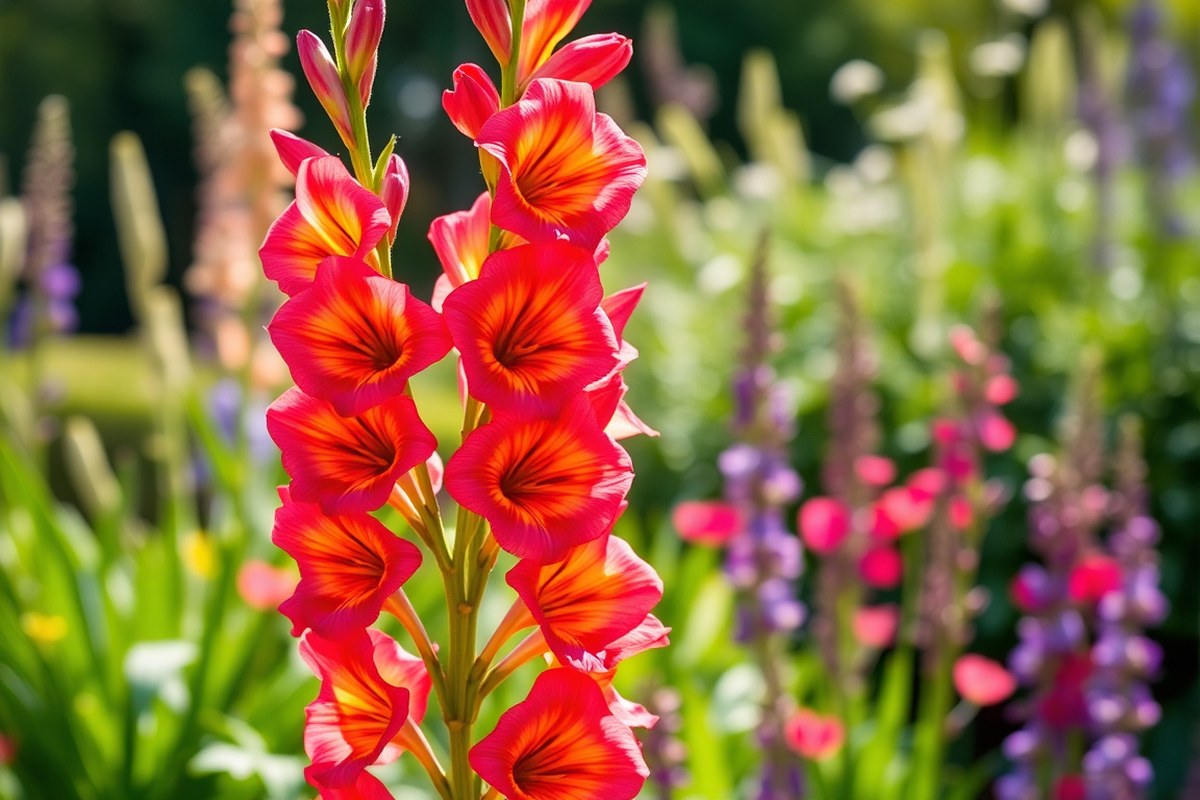
What do gladiolus look like? They stand out with tall, sword-like leaves and brightly colored flower spikes. These plants grow 18 to 24 inches tall.
They add bold vertical accents. They brighten up any garden space. Their flowers come in many shades, including red, pink, yellow, and purple.
Below ground, gladiolus have round, flattened corms that resemble small onions. These corms are usually 1.5 to 3 inches wide and serve as storage for nutrients.
Plant the corms after the frost risk ends. Wait until the soil warms to 55°F. This helps them sprout well.
Healthy gladiolus leaves are long, narrow, and pointed, growing straight up. The flower spike grows from the center, producing many blooms in a row. Knowing these features helps you spot gladiolus easily in your garden or nursery.
Key Takeaways
- Gladiolus typically reach 18 to 24 inches tall with tall, narrow leaves.
- The flower spike or inflorescence holds many colorful blooms vertically.
- Gladiolus corms look like small flattened onions about 1.5 to 3 inches wide.
- Plant corms after frost risk when soil temperature hits 55°F or warmer.
- Expect flower colors from white, yellow, and orange to pink, red, and purple.
- Healthy leaves stand upright and have a sword-like shape.
What Does a Gladiolus Plant Look Like Above Ground?
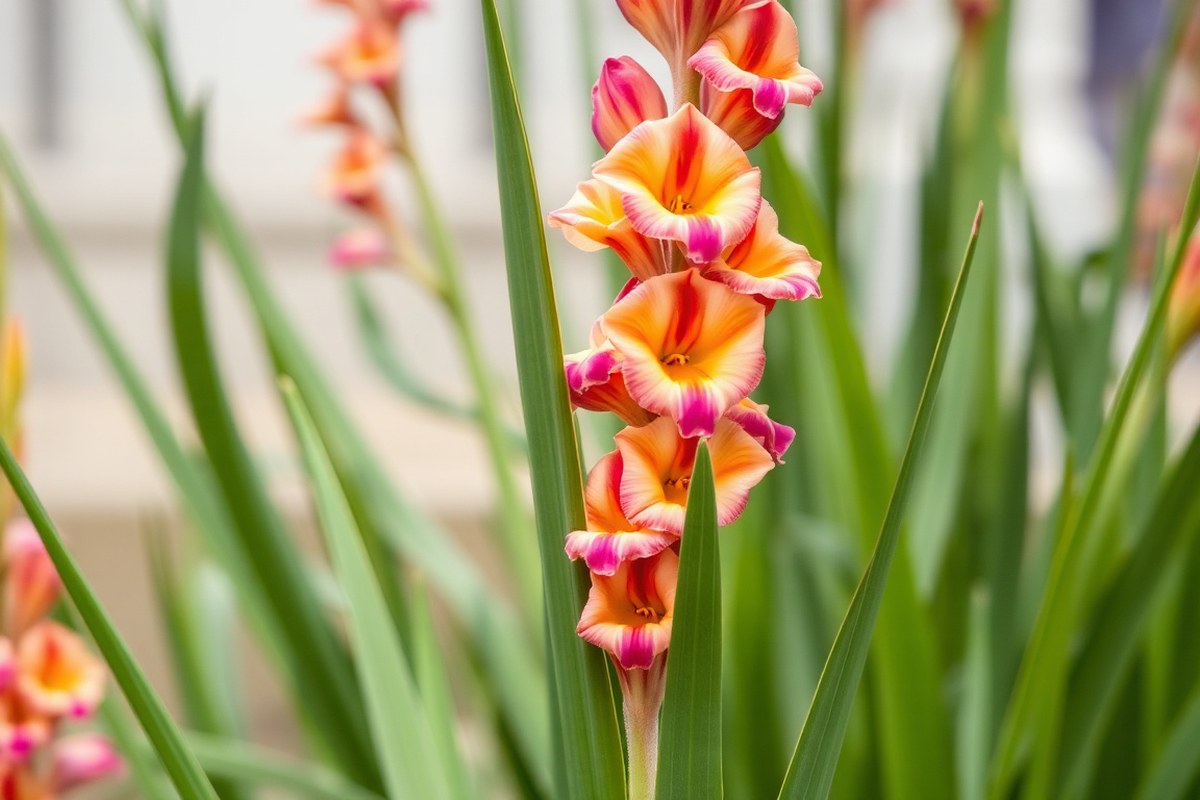
Gladiolus plants grow tall, with a solid, upright stem that acts like the plant’s backbone. The stem holds a dense flower spike. It grows 2 to 5 feet tall.
Height changes with the variety. The flower spike is straight and strong.
It holds large blossoms firmly. This is true for bigger-flowered types.
The leaves are arranged in a fan shape, rising from the base of the plant. These sword-shaped leaves are narrow and stiff, with a clear central vein running down each one.
The leaves grow close together upright on the stem. This makes the plant look slim and column-like.
At the stem’s top, a small point grows first. This point is a bud. It turns into the flower spike later.
When the flowers bloom and then fade, this stem can start to shrivel a bit. Knowing these parts helps you spot healthy plants.
It also shows what to expect. Your gladiolus will bloom and grow tall.
How to Identify Gladiolus Corms Underground
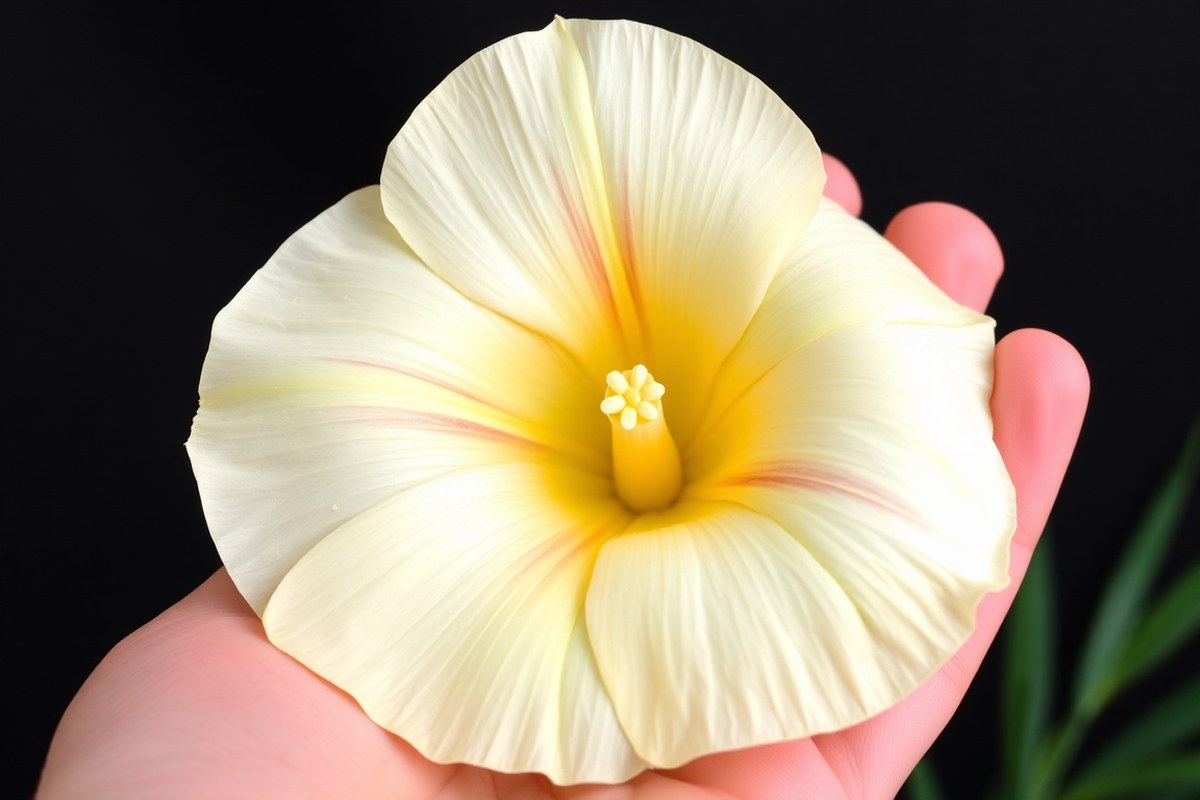
Gladiolus corms look like small, round, slightly flattened disks underground. They measure about 1.5 to 3 inches wide and have a dry, papery outer skin. You can tell the top from the bottom by checking the growth tip.
The top has a pointy tip. The bottom has a flat root base.
Shape and Size of Gladiolus Corms
Gladiolus corms are round or a bit flattened, not bulb-shaped with layers. They usually grow to about 1.5 to 3 inches in diameter. Size depends mostly on the gladiolus variety and how mature the corm is.
Compared to tulips or daffodils, gladiolus corms are more uniform and solid. True bulbs have oval or teardrop shapes and have many fleshy layers inside. Gladiolus corms are simpler and look like thick disks.
Outer and Inner Structure Explained
The outside of gladiolus corms has a dry, papery tunic that feels like thin paper. This protects the solid, fleshy inside of the corm, which is white or pale yellow. Inside, there are no layered scales like true bulbs have.
Here’s a simple comparison to tell corms and bulbs apart:
| Feature | Gladiolus Corm | Typical Bulb (Tulip, Daffodil) |
|---|---|---|
| Shape | Round to slightly flattened disk | Oval or teardrop-shaped with layers |
| Size | 1.5 to 3 inches diameter | Varies widely, smaller or larger |
| Outer Surface | Dry, papery tunic | Papery or fleshy scale layers |
| Interior | Solid, fleshy, white or pale yellow | Layered fleshy scales |
| Growth Point | Single pointed tip | Multiple growing layers |
Gladiolus corms store nutrients inside their solid structure. This helps the plant survive and grow each season. The papery tunic also prevents moisture loss during storage.
Top vs. Bottom Identification Tips
The top of a gladiolus corm has a pointed growing tip. This is where the shoot will sprout. The bottom is flat and has a rough basal plate where roots develop.
Before planting, check for the papery covering and look closely at both ends. The pointed side always faces up. Planting upside down can cause poor growth or no growth at all.
Always plant gladiolus corms with the pointed tip facing up to avoid growth problems.
What Do Gladiolus Leaves Look Like?
Gladiolus leaves are long and sword-shaped with a firm texture. They grow in a fan-like cluster along the stem. These leaves stand upright and have a distinct shape different from similar plants like irises.
Leaf Shape and Texture
Gladiolus leaves are narrow and pointed. They are 2 to 4 inches wide. The leaves can grow up to 18 inches long.
Their shape resembles a sword, with smooth edges and a stiff texture. This firm feel helps gladiolus leaves stand upright without bending.
The texture makes it easier to spot healthy leaves. They stay firm rather than floppy.
Their surface is smooth, lacking any fuzz or hairs. During growth, leaves stay glossy green, signaling good plant health.
Leaf Arrangement and Growth Pattern
Leaves grow in a fan-shaped cluster from the base of the stem. They arrange closely in pairs along the stem, looking like two earrings on each side. This paired, opposite layout helps provide balanced support as the plant grows tall.
New leaves grow in as the plant unfolds more fans. Each new leaf is taller than the last one. This continues as the plant grows.
Sometimes, the stem may lean toward light, but the stiff leaves remain upright. Their close arrangement allows sunlight to reach all leaves efficiently.
Differentiating Gladiolus and Iris Leaves
Gladiolus leaves look similar to iris leaves but have key differences. Iris leaves are usually wider and softer, often with a blue-green or gray-green tint. In contrast, gladiolus leaves are firmer and a brighter green.
To tell the two apart, check the firmness and color first. Gladiolus leaves feel stiff and stand straight. Iris leaves bend more easily and have a duller, grayish hue.
Look at how the leaves grow too. Gladiolus leaves grow in a neat fan from one side. Iris leaves appear more spread out and less paired.
| Feature | Gladiolus Leaves | Iris Leaves |
|---|---|---|
| Shape | Narrow, sword-like | Broader, lance-shaped |
| Width | 2 to 4 inches | Often wider than 4 inches |
| Texture | Firm and stiff | Flexible and softer |
| Color | Bright green | Blue-green or gray-green |
| Arrangement | Opposite pairs in a fan | Less paired, more spread out |
Use the chart to quickly compare if you’re unsure about your plant. Feeling the leaf stiffness and checking the arrangement can confirm your ID. These small details help avoid planting errors and keep your garden looking right.
How Do Gladiolus Flowers Look and Bloom?
Gladiolus flowers grow along a tall, central spike called an inflorescence. Each flower has a funnel or trumpet shape with six petals that overlap slightly. The petals are often ruffled or slightly curved, giving the flowers a delicate, airy look.
Colors vary widely, including red, pink, purple, white, yellow, and orange. Many gladiolus flowers have markings at their throats, such as speckles or darker veins. Some types, like ‘Butterfly Gladiolus,’ have bold, bright markings.
They look like butterfly wings. These patterns add extra interest to the flowers.
Blooming starts with the lowest flower on the spike opening first. Over several days to weeks, each flower above opens in turn, moving upward like a staircase. This blooming can last two to three weeks.
It gives you a long flower display on one stalk. The top flowers open fully last.
What Variations Exist Among Popular Gladiolus Varieties?
Gladiolus varieties differ in size, flower shape, and color. Grandiflora hybrids often grow tall with large, showy flowers. Dwarf types stay shorter with smaller, compact blooms.
Peacock gladiolus stand out with unique flower and foliage features. These differences affect how they look and fit in your garden.
Grandiflora Hybrids Characteristics
Grandiflora gladiolus are the tallest types, reaching over five feet. Their flower spikes are long, holding up to 20 large blossoms each. These flowers can have ruffled or smooth edges.
They come in many colors. The range goes from white to deep red.
The flower throat usually has a contrasting blotch or star pattern. Their leaves are broad and sword-shaped, giving a classic gladiolus look. These hybrids demand enough space and support because of their height.
| Trait | Grandiflora Hybrids |
|---|---|
| Height | Over 5 feet tall |
| Flower Spike Length | Long, up to 20 flowers |
| Flower Edges | Ruffled or smooth |
| Color Range | White to deep red |
| Flower Throat | Blotch or star-shaped contrasting pattern |
| Foliage | Broad, sword-shaped leaves |
These grandiflora types create dramatic floral displays. They suit large beds or borders where height adds impact.
Support tall grandiflora gladiolus with stakes to prevent flopping.
Dwarf and Nanus Variety Traits
Dwarf gladiolus usually grow under two feet tall. Their flower spikes carry fewer blossoms, often fewer than 10 per spike. These varieties have compact, neat foliage that fits smaller garden spaces.
The flowers tend to have smooth edges without ruffles. Their colors range from pale yellow to pink and lighter shades. Dwarfs work well in container gardens and borders where space is limited.
| Trait | Dwarf and Nanus |
|---|---|
| Height | Under 2 feet tall |
| Flower Spike Length | Shorter spikes, fewer than 10 flowers |
| Flower Edges | Mostly smooth edges |
| Color Range | Light shades like cream, pale yellow, pink |
| Foliage | Compact, narrow leaves |
Keeps your garden tidy with colorful flowers that don’t demand much space. These varieties also flower earlier than taller types.
Avoid planting dwarf gladiolus in windy spots where flowers may get damaged easily.
Peacock Gladiolus (Acidanthera) Features
Peacock gladiolus, or Acidanthera, look quite different from typical gladiolus. Their flowers are smaller with a hooded shape, where the upper petals curve over the center. These plants usually grow around three feet tall.
The flower throat shows a star-like blotch in contrasting colors. Their leaves are thinner and more grass-like than other gladiolus varieties. Peacock gladiolus add delicate texture and a distinct look to mixed flower beds.
| Trait | Peacock Gladiolus (Acidanthera) |
|---|---|
| Height | About 3 feet tall |
| Flower Shape | Hooded, upper tepals curve over center |
| Flower Color Pattern | Star or blotch in the flower throat |
| Foliage | Thin, grass-like leaves |
These unusual traits make peacock gladiolus great for adding interest to your garden. They thrive in areas that suit their size and slender leaves.
Peacock gladiolus prefers well-drained soil to avoid rot in wet conditions.
What Do Gladiolus Sprouts and Young Plants Look Like?
A gladiolus corm looks like a small, slightly flattened onion or thick disk. It feels solid and firm without soft or mushy spots, which can mean rot. The corm is the energy storage that supports sprouting and future growth.
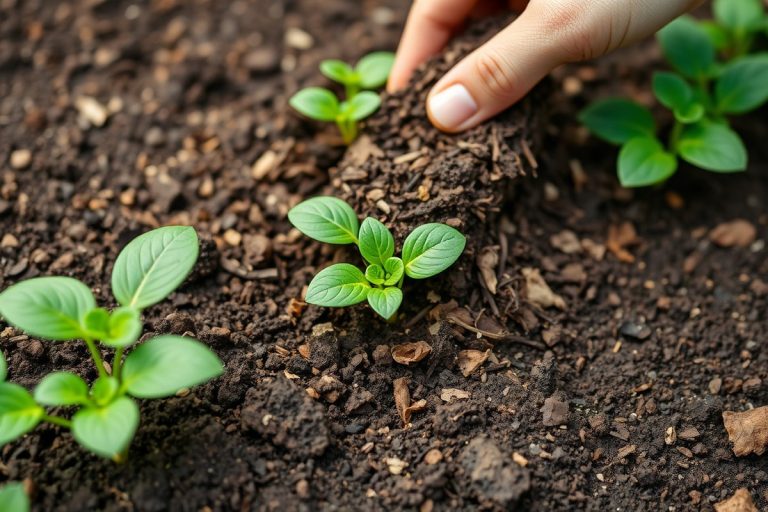
When a gladiolus starts sprouting, you’ll see a sharp green point pushing up from the corm. This single pointed sprout is different from soft, rounded shoots you might see with other perennials. It shows the plant is ready to push leaves above ground.
Next, the young leaves develop quickly in what gardeners call the fan stage. They emerge in a tight cluster, overlapping directly from the corm’s base. Over time, the cluster opens into a fan shape, with each leaf sharp and spear-like.
Healthy early growth means bright green leaves without discoloration or damage. The corm should have small roots forming at the base but no premature sprouts before planting. Slow or weak sprouts might mean the corm is old or stressed and needs better care.
- Store corms in a cool, dry place before planting to prevent rot.
- Choose firm corms with no soft spots or mold.
- Plant corms 4 inches deep, pointed side up, and water gently.
- Keep soil warm, around 60, 70°F, to encourage sprouting within 10, 14 days.
- Ensure sunlight reaches young leaves as soon as they emerge for growth energy.
- Watch for sharp, green leaf points forming a tight fan at the base.
- Remove any weak or damaged sprouts to focus energy on strong growth.
The corm stays underground, packed with nutrients for the growing shoot. Recognizing healthy sprouts and young leaves helps you know when to water and protect plants. Good care now leads to sturdy fans of foliage and vibrant blooms later in the season.
How to Recognize Healthy Gladiolus Plants and Signs of Stress
Healthy gladiolus leaves are bright green without spots or streaks. The stems stand straight and strong, often reaching up to five feet tall. Look for firm leaves with no wilting or discoloration to confirm good health.
Tiny silver streaks on leaves or buds mean thrips might be there. They cause ragged flowers and unopened buds. Treat thrips early with insecticidal soap or neem oil to protect your plants.
An ‘S-curve’ in the gladiolus stem means the flower spike bent before growing upright. This usually happens when the stem grows unevenly from uneven light or wind. Some gardeners like the curvy look.
You can stake the spike. It stops bending and keeps stems straight.
Yellowing leaves or stunted growth often point to nutrient shortages, especially nitrogen or potassium. Use a balanced fertilizer every few weeks during the growing season to keep plants lush. Follow the product label for amounts based on plant size and container type.
Wilting leaves with dark spots could signal fungal disease like botrytis. Remove affected leaves promptly to avoid spread. Space plants 6 to 8 inches apart for good air flow.
Don’t wet leaves when watering. This helps prevent disease.
Check your plants weekly for visible problems. Healthy gladiolus show stiff, bright green leaves, upright stems, and smooth flowers. Early spotting of pest or nutrient issues makes treatment easier and more effective.
How Do Gladiolus Plants Change After Blooming?
After gladiolus flowers finish blooming, their flower spikes begin to dry out within a few weeks. The flower petals fall off, leaving the spike brown and brittle.
Meanwhile, the leaves stay green for a while. They start yellowing about three to four weeks after flowering.
The foliage dies back completely about six to eight weeks after bloom. The plant then moves energy into underground corms. These corms swell up and make new small cormels.
The baby corms attach around the main corm’s base. You can spot these baby corms as tiny, rounded bulbs about the size of a marble.
Once the leaves turn fully yellow or brown, it’s time to dig up the corms carefully. Brush off soil from the corms. Let them dry in a warm, ventilated spot for a few days.
Avoid washing them with water to prevent rot. The main corm and the baby corms should be separated gently for propagation.
Store the cleaned corms in a cool, dry, dark place with good airflow during winter. Ideal conditions range from 40 to 50°F. Using paper bags or mesh sacks helps air circulate and reduce mold risk. Check on stored corms occasionally and discard any soft or rotten ones.
Gladiolus corms need these steps to survive winter and regrow strong blooms the next season. If you ignore care or store corms in damp, warm places, decay can happen. This can cause diseases that harm your plants.
Handle gladiolus corms gently. Avoid washing them before storage because moisture can cause rot.
Step-by-Step Action Plan to Identify and Care for Gladiolus
Use this plan to spot your gladiolus plants and guide their growth. You’ll see clear signs they are healthy and ready to bloom.
- Before planting: Check gladiolus corms for firm texture and no mold. Healthy corms feel heavy and solid.
- Week 1: Watch for sprouts breaking soil. They should be green and upright, not yellow or floppy.
- Week 3: Identify sword-shaped leaves growing in fans. Leaves should look bright green without spots.
- Week 6: Look for flower spikes forming. Buds appear at the top of stalks and start tight before opening.
- After flowering: Let leaves yellow and die back naturally. This helps the corm store energy for next year.
- Fall: Dig up corms when leaves fully dry. Store them in a cool, dry spot until spring.
- Next spring: Inspect stored corms again before replanting. Choose firm and healthy corms to start new plants.
Frequently Asked Questions
What Color Patterns Can Gladiolus Flowers Have?
Gladiolus flowers come in many colors, including red, pink, white, yellow, and orange. Some varieties have stripes or spots, which add extra interest to their look. These colors vary depending on the gladiolus variety you plant.
Can Gladiolus Corms Be Confused with Other Bulbs?
Yes, gladiolus corms can be mistaken for bulbs like tulips or daffodils. Gladiolus corms are solid and disk-shaped, unlike layered true bulbs. It’s helpful to learn their firm, papery outer covering to spot them correctly.
How Tall Do Gladiolus Plants Usually Grow?
Most gladiolus plants grow between 2 and 5 feet tall. Height varies by type and growing conditions. Taller plants often need staking to keep their flower spikes upright.
Do Gladiolus Leaves Change Color over the Season?
Gladiolus leaves stay green through the growing season. They may turn yellow or brown as the plant dies back after blooming. This color change signals it’s time to dig up the corms for storage.
Are Gladiolus Flowers Fragrant Like Other Garden Plants?
Most gladiolus flowers do not have a strong scent. They rely on their bright colors to attract pollinators instead. A few less common varieties might have a faint perfume.
Can Gladiolus Flowers Bloom More Than Once per Season?
Normally, gladiolus produces one blooming spike per corm each season. You can plant new corms at different times for extended blooming. Re-blooming on the same spike is rare without special care.
The Bottom Line
Gladiolus plants show clear stages you can easily spot. Start by checking corms and noting leaf shapes. Now, go out and watch your gladiolus grow from sprout to bloom.