Is a Snake Plant a Succulent? A Complete Guide with Care Tips
Is a snake plant a succulent? Yes, it is considered a succulent.
Snake plants store water in their thick, fleshy leaves just like many succulents do. This storage helps them survive dry periods by holding moisture inside their leaves.
Snake plants belong to the genus Sansevieria, which includes many succulent varieties. Their leaves have a waxy coating that reduces water loss and protects them in dry conditions. You can treat them like succulents when it comes to watering and sunlight needs.
Water your snake plant only when the top 2 to 3 inches of soil feel dry to the touch. Overwatering can cause root rot since their leaves already store moisture, making too much water risky. Keeping this balance in mind helps your plant stay healthy and thrive indoors.
Key Takeaways
- Snake plants store water in their thick, fleshy leaves like succulents.
- Only water your snake plant after the soil feels dry about 2 to 3 inches down.
- Overwatering can lead to root rot due to water storage in leaves.
- Snake plants have a waxy leaf coating to reduce water loss.
- They prefer temperatures above 50°F to mimic native climate conditions.
- Water less often in winter, about every 6 to 8 weeks, due to dormancy.
Is a Snake Plant Classified as a Succulent?
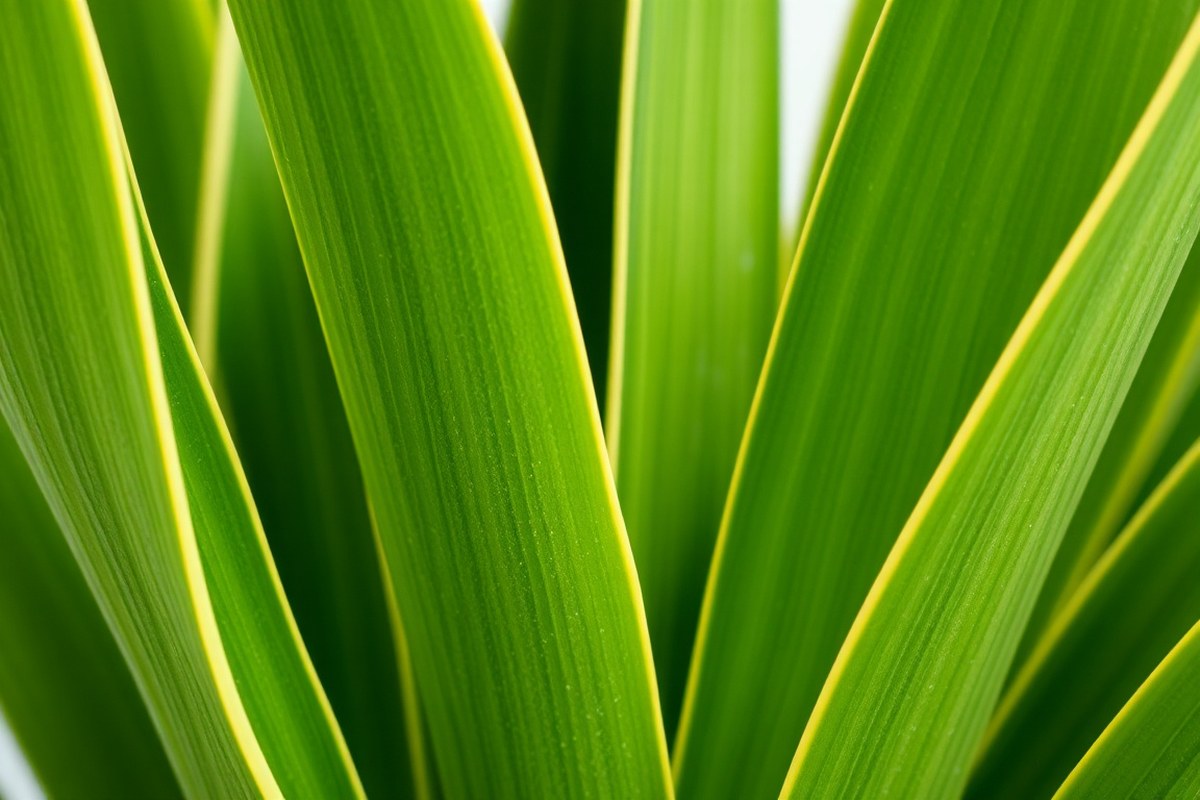
The snake plant is indeed classified as a succulent. It stores water in its thick, tough leaves, which helps it survive long dry spells. This water storage is one of the key traits that define succulents.
Another important trait is its use of CAM photosynthesis. This process lets the plant open its stomata at night.
It reduces water loss during hot days. These features make the snake plant drought resistant and able to thrive with little watering.
Botanically, the snake plant belongs to the group of plants known as succulents. Its leaves may not be as fleshy or thick as some typical succulents. But they still hold water efficiently.
Treat your snake plant like a succulent to avoid overwatering. This keeps it healthy and strong.
Key Characteristics That Make Snake Plants Succulents
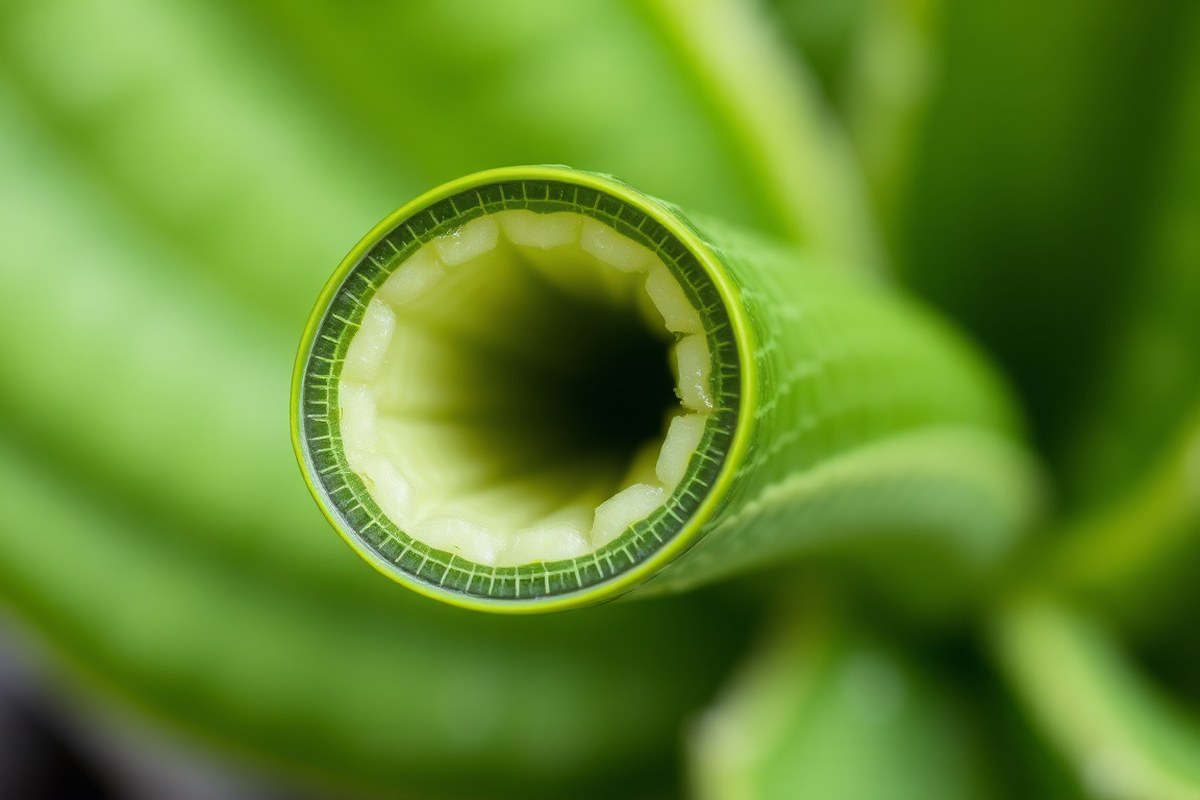
Snake plants store water mainly in their thick, fleshy leaves. These leaves can be 6 to 8 millimeters thick and have special water-storing tissue inside. This helps the plant survive long dry periods by holding moisture where it’s needed most.
The leaves have a waxy cuticle on the outside to slow water loss through evaporation. They also stand upright with narrow shapes, which reduces surface area and further limits moisture loss. The water is stored in parenchyma cells, specialized for holding water efficiently within the leaf tissue.
The root system is shallow and gently spreads near the surface. This layout helps the plant quickly absorb water from light watering or rain. Good soil drainage helps prevent root rot in snake plants.
Their roots stay close to the topsoil. They do not tolerate wet conditions well.
- Thick, fleshy leaves up to 2, 3 cm thick store water internally
- Waxy cuticle covers leaves to reduce evaporation
- Narrow, upright leaf shape decreases water loss
- Water stored inside specialized parenchyma leaf cells
- Shallow, spreading roots absorb water quickly from surface soil
- Leaves follow CAM photosynthesis, opening stomata only at night
Snake plants use a special form of photosynthesis called CAM (Crassulacean Acid Metabolism). This means their stomata open at night to take in carbon dioxide.
This strategy avoids water loss during hot daytime hours. The plant then uses this stored CO2 during the day to photosynthesize without opening stomata.
Water snake plants only when soil feels dry several inches down, especially in winter.
Snake plants store water in their leaves and have a waxy coat. Their leaves are narrow, helping reduce water loss. They exchange gases mostly at night.
Their adaptations let you water less often and thrive in dry indoor spots. Using well-draining soil keeps roots healthy by avoiding soggy conditions, which suit their shallow root system.
Differences Between Snake Plants and Other Succulent Varieties
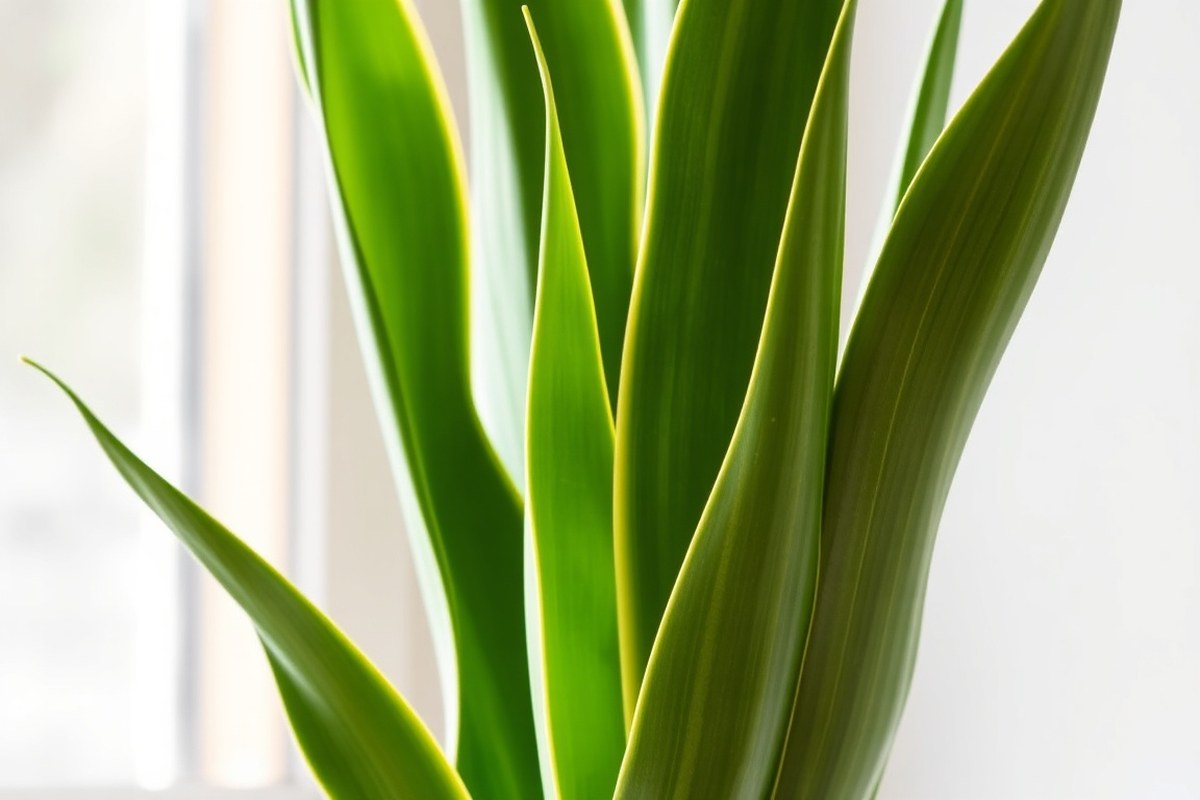
Snake plants have different leaf textures than aloe and jade plants. Their leaves are tougher and shaped uniquely compared to common succulents. Their leaves are thick and stiff, standing upright like swords.
Many succulents, such as echeveria, have soft, plump leaves arranged in rosettes. This makes snake plants feel tougher and less delicate to touch than softer succulents.
Care for snake plants is generally easier than many typical succulents. They need less frequent watering but are quite sensitive to overwatering. Snake plants do well in low light.
They can’t handle cold below 50°F. Cold causes their leaves to droop. Other succulents often prefer bright, indirect light and more controlled watering routines.
The growth rate varies too. Snake plants grow slowly, just a few inches each growing season, similar to other succulents.
However, snake plants can reach several feet tall with their tall leaves. Succulents like jade or echeveria stay low and bushlike.
| Plant Family | Examples |
|---|---|
| Aizoaceae | Lithops, Ice plants |
| Crassulaceae | Jade plants, Echeveria |
| Asphodelaceae | Aloe vera, Haworthia |
Snake plants belong to the Asphodelaceae family, as does aloe vera. Jade plants and echeveria come from the Crassulaceae family. Snake plant leaves are tough and stand upright.
Succulents in the Crassulaceae family have soft rosette shapes. Family traits explain these differences. Knowing these traits helps you pick the best succulent for your space and care style.
Snake plants also use carbon fixation, an advanced water-saving trait shared by other dry-climate succulents. Their thick leaves store water efficiently but lack the chubby look of typical succulents. Overwatering is the biggest risk for snake plants, often causing root rot.
Many succulents also warn against too much moisture. Snake plants have sturdy leaves and need little care. They are easy to grow for beginners.
How to Choose and Use Soil for Your Snake Plant
Succulent soil works great for snake plants because it drains quickly. You want soil that doesn’t hold too much water to prevent root rot. A cactus or succulent mix is usually the best choice for indoor snake plants.
Good soil for snake plants should be loose and gritty to help air reach the roots. Components like sand, perlite, or pumice improve drainage. Regular potting soil holds too much moisture, which could damage your plant if used alone.
Here’s how to prepare soil or choose the right mix for your snake plant. Follow these steps to get the best soil environment and keep your plant healthy indoors.
- Pick a succulent or cactus potting mix. These mixes have sand, perlite, or pumice for good drainage.
- Add extra perlite or pumice. Use 10, 20% more if your mix feels too dense or clayey.
- Choose a pot with drainage holes. This lets excess water escape and prevents soggy soil.
- Use a pot just 1, 2 inches larger than the plant’s root ball. Extra soil holds more moisture and can lead to rot.
- Mix the soil components thoroughly before adding to the pot. This ensures consistent drainage throughout.
- Repot every 2, 3 years. Fresh soil restores nutrients and improves drainage for your snake plant.
- Water only when the top 1, 2 inches feel dry. Well-draining soil dries quickly, so avoid overwatering.
Using this approach, your snake plant will have soil that stays moist but never soggy. You’ll notice healthier leaves and new growth when drainage is right. Avoid heavy or dense soils to keep roots happy and prevent common issues like rot.
Ideal Watering Practices for Snake Plants as Succulents
Snake plants need watering like succulents: sparingly and only when dry. The leaves store water, so wait until the soil is dry before watering. Overwatering causes root rot, so less water is better than more.
Watering Frequency by Season
During the growing season, water your snake plant every 10 to 14 days. Check the soil moisture before watering to avoid excess water. In cooler months, reduce watering frequency to once every 3 to 4 weeks.
Indoor conditions like heat or dry air affect watering needs. Warmer rooms dry soil faster and may need more frequent watering. Cooler or more humid spaces let you water less often.
- Water only when the top 1 to 2 inches of soil feel dry
- Use well-draining soil to help water move quickly
- During winter, water less but don’t let soil stay wet
- Adjust for your home’s temperature and humidity levels
- Avoid watering on a strict schedule without soil checks
Signs of Overwatering to Watch For
Soft, mushy leaves or black spots indicate overwatering. The roots may also smell foul or feel slimy. Yellowing leaves often show that roots are drowning in water.
Underwatering causes dry, curling, or wrinkled leaves. The soil will pull away from the pot edge and seem dusty dry. This damage takes longer to recover than mild overwatering.
Tips to Prevent Root Rot
Always use a pot with drainage holes to let excess water escape. Keep the plant in well-draining soil specifically mixed for succulents or cacti. Avoid leaving your snake plant sitting in a water tray after watering.
Check soil moisture before watering. Never water on a schedule alone.A moisture meter or your finger can help decide if water is needed. Water deeply but infrequently, letting the soil dry out completely between waterings.
Light, Temperature, and Humidity Needs for Healthy Growth
Snake plants do best in bright, indirect light but can handle low light well. They prefer temperatures between 60°F and 85°F and can tolerate dry air. Unlike many succulents, snake plants cope better with less humidity and less direct sunlight.
Light Requirements: Indirect vs Direct Sunlight
Snake plants grow well in a range of light conditions. They grow well in bright, indirect sunlight.
They also tolerate low light. Spot these in north-facing windows or shaded corners.
Direct sunlight causes leaf scorch, so avoid placing snake plants in harsh noon sun. Too little light slows growth but the plant stays green and healthy.
- Bright, indirect light encourages faster growth and stronger leaves
- Low to medium indirect light keeps leaves vibrant but slows growth
- Can survive in very low light with minimal to no direct sun
- Direct sunlight often leads to brown or scorched leaf tips
- Rotate plant every few weeks for even light exposure
Use filtered light or sheer curtains in sunny spots. Move the plant closer to a light source when leaves look weak or pale.
Optimal Temperature Ranges Indoors
Snake plants prefer indoor temperatures ranging from 60°F to 85°F. They tolerate fluctuations but avoid cold drafts below 50°F. Consistent warmth helps they stay healthy and grow slowly.
Temperatures below 50°F cause stress and browning edges. They can survive brief drops in temperature but not long periods of cold. Keep them away from drafty windows and air conditioners in winter.
Humidity Preferences and Tolerances
Snake plants handle dry indoor air well and do not require high humidity. Low to moderate humidity levels between 30% and 50% are suitable. This matches most home environments year-round.
Unlike some succulents that prefer dry air, snake plants do not mind occasional higher humidity. Bathrooms with indirect light can be fine. Watch for rot if soil stays wet too long in humid spots.
- Optimal humidity is about 30% to 50% for steady health
- Tolerates dry indoor air especially in heated rooms or winters
- Higher humidity is okay if plant gets good light and airflow
- Avoid constant wet soil to prevent root rot in humid areas
- Use a small fan for air circulation if humidity is very high
Types of Snake Plants and Their Succulent-Like Traits
Sansevieria Trifasciata (Common Snake Plant)
Sansevieria trifasciata is the most common snake plant you’ll find. Its leaves are thick, upright, and banded with dark and light green patterns. These fleshy leaves store water, making it quite succulent-like in appearance and care.
The care for S. Trifasciata is straightforward. It thrives in indirect light but tolerates low light. Water your snake plant only when the soil feels dry.
Check the top 2 to 3 inches to know. Usually, this means watering every 2 to 6 weeks.
Sansevieria Cylindrica (Cylindrical Snake Plant)
Sansevieria cylindrica looks quite different from the common one. Its leaves are thick, round, and cylindrical, growing upright in fan shapes. These leaves store even more water inside their fleshy form, showing stronger succulent traits.
Cylindrica prefers bright, indirect light to keep its round leaves firm and healthy. Like other snake plants, wait until the soil dries about 2 inches down before watering. Overwatering can cause root rot, especially since its leaves hold water tightly.
Other Varieties and Their Features
Snake plants come in over 70 varieties, and many show varying succulent traits. Some have wider, flatter leaves while others are narrow and pointed. Thickness and water storage vary with each type, affecting how succulent they look.
- Sansevieria hahnii has compact, rosette-shaped leaves with thick water storage.
- Sansevieria masoniana features broad, paddle-like leaves that are thick and fleshy.
- Sansevieria trifasciata ‘Moonshine’ has silver-gray leaves with water-storing tissue.
- Sansevieria kirkii has wavy, tubular leaves that store water efficiently.
- Some rare species have softer leaves but still store water for dry spells.
These differences affect not just appearance but water and light needs too. Thicker varieties usually tolerate drought better than thinner-leaved ones.
Care Differences Across Varieties
Most snake plants prefer indirect light and well-draining soil. But some handle bright conditions better.
Varieties with thicker, cylindrical leaves need less frequent watering. You might only water every 3 to 4 weeks in cool months.
Compact types like S. Hahnii need less space and humidity but watch for overwatering. Leaf thickness often matches how fast soil dries and how long the plant stores water. Adjust watering carefully based on how thick the leaves look and feel.
In general, succulent-like leaves mean the plant can handle some neglect in watering. Still, check soil moisture before watering. This prevents root rot common among all snake plants if watered too much.
Common Care Mistakes When Treating Snake Plants Like Succulents
Overwatering is the biggest risk when taking care of snake plants. Their roots need air and drain quickly, or else root rot can start. Root rot shows as mushy leaves or black spots at the base.
You might also notice a bad smell coming from the soil. These signs mean your plant has root rot. Fix root rot by cutting off the rotten roots first.
Let the soil dry completely before you water the plant again. This helps stop the rot from spreading.
Snake plants do well in low light but still need some indirect brightness. In very dark spots, leaves can lose firmness and color.
Moving your plant to a spot with indirect sunlight helps keep leaves healthy and firm. Avoid strong direct sun, which can cause subtle wrinkling if the leaves lose water too fast.
Repot your snake plant every 3 to 6 months. Do it sooner if the roots crowd the pot. This keeps your plant healthy and growing well.
Use a loose, well-draining soil mix to avoid moisture build-up. Avoid standard potting soil that retains too much water. Make sure the pot has drainage holes to help water escape quickly.
- Check soil moisture only after 2 to 3 weeks of dryness
- Use soil made for succulents with sand or perlite
- Avoid frequent watering; let the soil dry between waterings
- Pick pots with good drainage holes
- Move the plant if leaves seem limp or discolored
- Cut away soft, black roots if root rot appears
- Repot when roots circle the pot or crowd the soil
Never water your snake plant if the soil feels moist. Wait until it’s nearly dry.
Dry indoor air and low light help snake plants keep water longer in their leaves. When the soil dries for 2 to 3 weeks, the plant uses water stored in leaves.
When soil stays wet, roots get suffocated and the plant relies less on leaf storage. Avoid keeping the soil constantly moist to prevent these problems.
Step-by-Step Action Plan for Caring for Your Snake Plant
Follow this simple plan to keep your snake plant healthy as a succulent. It will help you avoid common mistakes and see steady growth.
- Before you start: Pick well-draining soil designed for succulents. Check it stays loose and not soggy.
- Day 1: Plant your snake plant in the soil and water lightly. The soil should feel moist but not wet after.
- Week 1: Place your snake plant in bright, indirect light. It should look firm and upright without drooping.
- Week 2: Skip watering if the top 1-2 inches of soil are dry. Your plant’s leaves should stay plump, not wrinkled.
- Month 1: Check for signs of overwatering like yellowing or mushy leaves. Adjust watering schedule if needed.
- Month 2: Keep your snake plant where the temperature stays around 60-85°F. Watch for slow growth during colder months.
- Month 3: If your snake plant grows new leaves, it means you’re doing well. You can try feeding it a mild succulent fertilizer once this month.
- Ongoing: Avoid high humidity and direct sun, and only water when soil dries out. Healthy plants feel sturdy, with no soft spots.
Frequently Asked Questions
Is a Snake Plant a Succulent?
Yes, a snake plant is a succulent. It stores water in thick leaves.
This helps it survive dry times. This makes it drought-resistant and easy to care for compared to many other houseplants.
How Does the Snake Plant Store Water Differently Than Other Succulents?
The snake plant stores water in its leaves. These leaves are thick but not as plump as other succulents. This leaf succulence lets it survive in dry conditions without much water.
Does the Snake Plant Perform the Same Photosynthesis as Other Succulents?
Yes, snake plants use CAM photosynthesis, a water-efficient process common in succulents. This adaptation helps them conserve water during hot, dry times by opening stomata at night.
Are All Snake Plants Considered Succulents?
Most snake plants are succulents, but some varieties like Sansevieria cylindrica have thinner leaves. These still store water, making them succulents, but their shape is more tubular.
Can Snake Plants Survive Long Periods Without Water?
Yes, snake plants can survive weeks without water because their leaves hold moisture. You should still water when the soil is dry to keep the plant healthy.
Is It Okay to Keep a Snake Plant in the Same Soil as Other Succulents?
Yes, you can use well-draining succulent soil for snake plants to prevent root rot. Avoid heavy soils that stay wet too long, as snake plants dislike soggy roots.
Final Thoughts
Snake plants are indeed succulents, so care for them like one. Pick succulent soil and avoid overwatering to keep leaves firm. Start by checking soil moisture before watering your plant again.