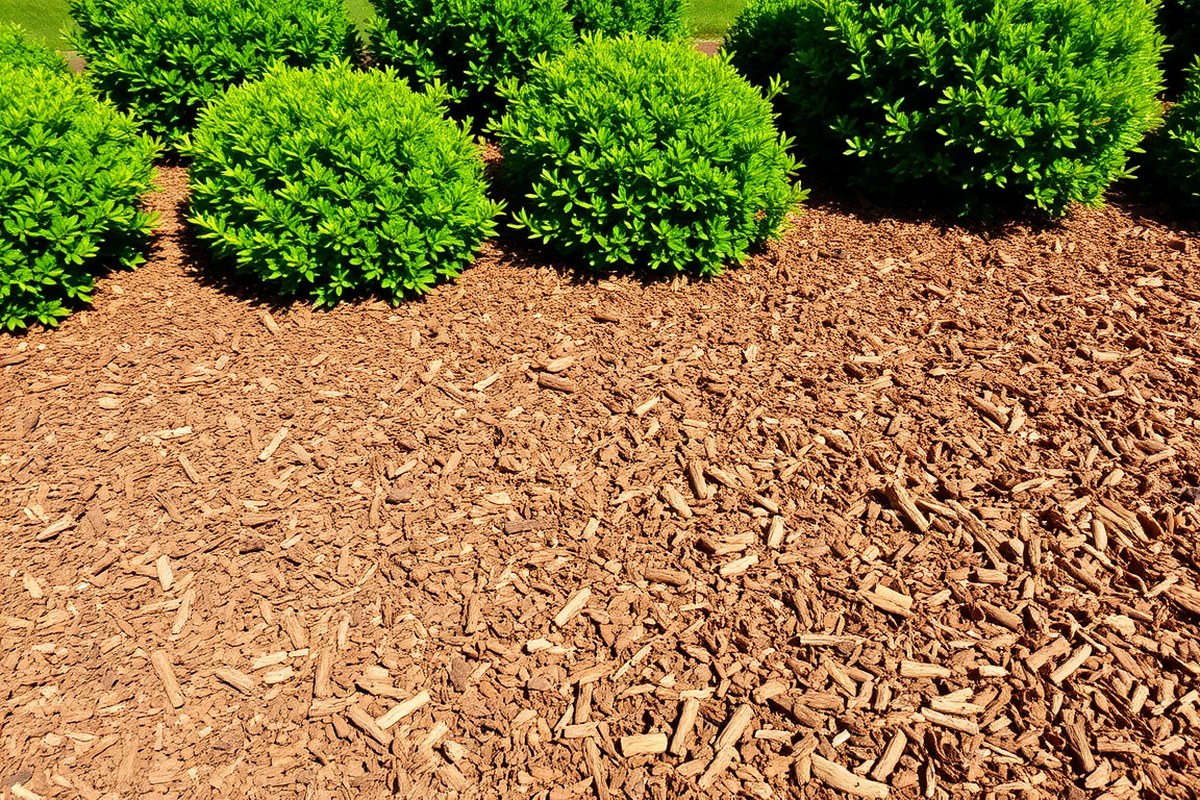
How Many Yards of Mulch Do I Need: A Complete Guide with Calculation Methods
Calculating mulch needs depends on bed dimensions and desired thickness. Three inches of mulch on one cubic yard covers roughly 108 square feet. Typical landscaping projects usually require between 2 and 4 cubic yards of mulch.
Start by measuring your planting beds in square feet. Then choose a mulch depth between 2 and 4 inches based on your plants’ needs.
Mulch suppresses weeds, retains moisture, and protects soil. So getting the right amount helps your garden thrive.
Remember to keep mulch a few inches away from tree trunks and plant stems. Also, fresh mulch will settle by 5 to 10 percent.
So add a little extra to your calculations. This prevents bare spots and keeps your beds looking great longer.
Key Takeaways
- Measure your bed’s length and width in feet for accurate mulch calculation.
- Multiply area (square feet) by mulch depth (in feet) to find cubic feet.
- Convert cubic feet to cubic yards by dividing by 27.
- Use 2 to 4 inches of mulch depth for most garden beds.
- Keep mulch 3 to 6 inches away from tree trunks to avoid rot.
- Add 5 to 10 percent extra mulch for settling over time.
How to Calculate How Many Yards of Mulch You Need
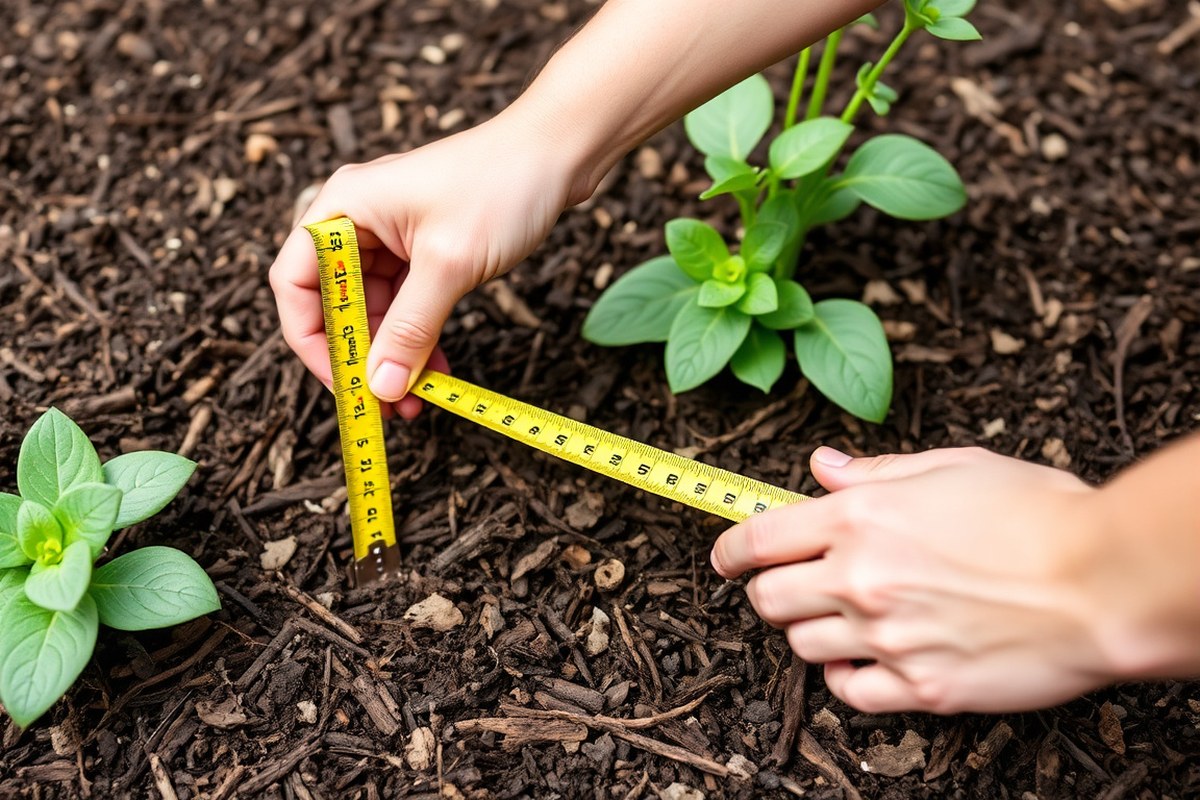
Measure your garden bed’s length and width in feet. Choose how deep your mulch layer will be. Most beds use a depth of 2 to 3 inches.
Depth matters because too little mulch might not control weeds well. Too much mulch could smother your plants or waste material. Two to three inches of mulch depth works well.
It helps keep the soil moist. It also stops many weeds from growing.
Convert your measurements into a volume in cubic feet before converting to cubic yards. The formula multiplies the bed’s area (length times width) by the depth (converted into feet). One cubic yard equals 27 cubic feet.
Divide your total cubic feet by 27. That gives you the cubic yards of mulch needed.
- Measure the length and width of your garden bed in feet.
- Multiply length by width to find the area in square feet.
- Decide on a mulch depth, 2 or 3 inches is standard.
- Convert the depth into feet by dividing inches by 12.
- Multiply the area (square feet) by the depth (feet) to get volume in cubic feet.
- Divide the cubic feet by 27 to convert to cubic yards.
A bed 20 feet long and 10 feet wide covers 200 square feet. If you mulch it 3 inches deep, calculate volume from there. Convert 3 inches to 0.25 feet.
Multiply 200 by 0.25 to get 50 cubic feet. Divide 50 by 27 for about 1.85 cubic yards of mulch.
Buying mulch by the cubic yard fits most yarders’ needs. One cubic yard covers roughly 108 square feet at 3 inches deep. So, buying around 2 cubic yards should comfortably cover an average 200-square-foot bed.
Checking your measurements carefully helps avoid ordering too much or too little mulch. Different bed shapes or multiply beds mean more measuring, but the same math applies. Keep your tape measure ready and calculate each bed separately for best results.
Choosing Mulch Depth Based on Bed Type and Purpose
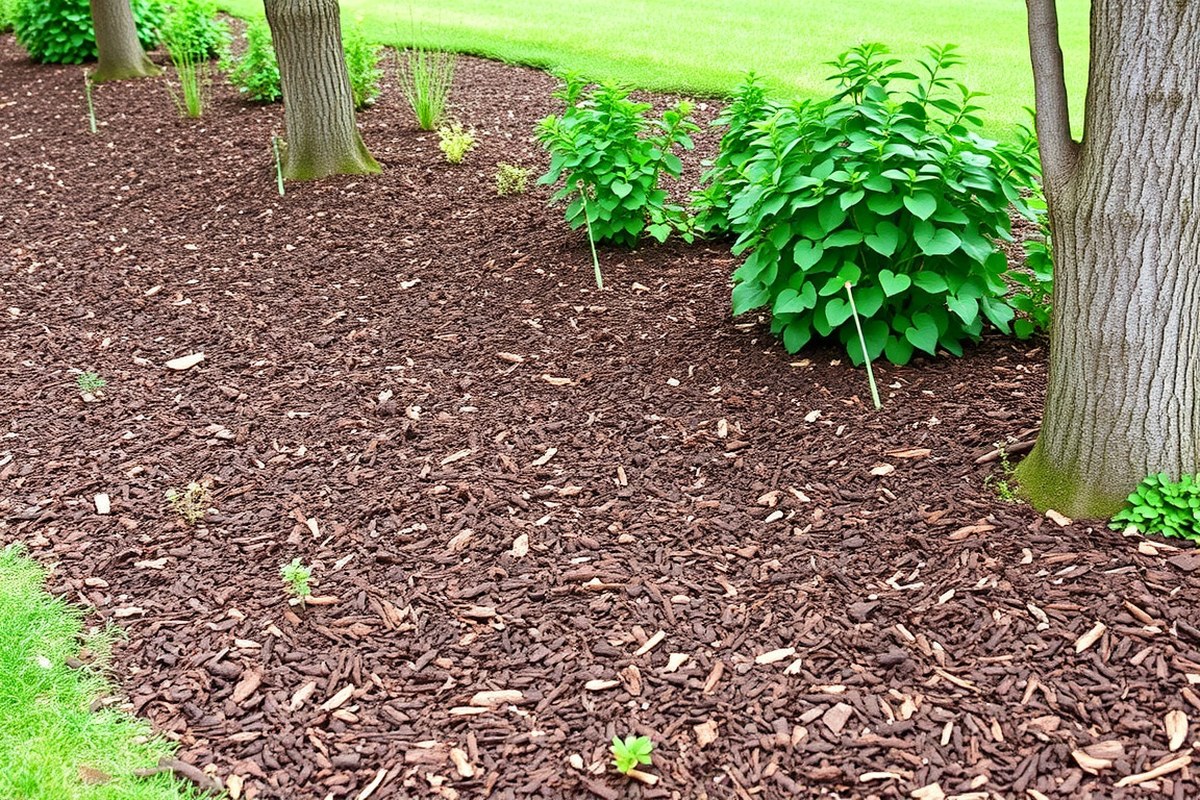
Use 3 to 4 inches of mulch for new beds and around trees. For vegetable beds and refreshing mulch, 1 to 2 inches is best. The right depth helps stop weeds, keeps moisture, and protects plants.
Recommended Depth for New Beds
Start new flower or shrub beds with 3 to 4 inches of mulch. This thickness blocks weeds well and keeps soil moist through dry days. Apply mulch evenly but keep it 2 to 3 inches away from the plant stems.
Coarser mulches like bark nuggets or shredded hardwood work well for new beds. They last longer and don’t compact as much. Fine mulches should not exceed 2 inches deep to avoid suffocating roots.
Here’s a quick checklist for new beds:
- Apply 3 to 4 inches deep for good weed control
- Use coarser mulch for durability
- Keep mulch 2, 3 inches from plant stems
- Spread mulch evenly in a smooth layer
- Avoid piling mulch directly on plants
Adding mulch this way sets your bed up for healthy growth all season.
Safe Distance and Depth Around Trees
Mulch around trees should be 3 to 4 inches deep but never touch the trunk. Keep mulch 3 to 6 inches away from the tree base to prevent rot and disease. A wide ring encourages healthy roots and soil moisture.
Fine mulch should be limited to 1 to 2 inches deep around trees. Coarser materials like wood chips last longer and allow air flow. Avoid piling mulch against the tree bark or you risk fungal problems.
Mulching too close to tree trunks can cause rot and invite pests.
Follow these rules when mulching tree rings:
- Keep mulch 3, 6 inches from trunk base
- Apply 3, 4 inches deep of coarser mulch
- Use wood chips or shredded bark for airflow
- Form a wide circle extending to drip line
- Remove old mulch that is compacted or moldy
Depth for Mulch Refreshes and Maintenance
When refreshing mulch, apply 1 to 2 inches over existing layers. This top-up keeps moisture in and prevents weeds without suffocating roots. Thin layers avoid matting and slow decomposition.
Vegetable beds also do well with 1 to 2 inches of mulch yearly. Use clean, weed-free mulch to keep soil healthy. Too much mulch in veggie beds can keep soil too wet and harm roots.
Checklist for mulching refreshes:
- Apply 1, 2 inches of mulch over existing layer
- Avoid burying plants or stems
- Use fine mulch or shredded leaves in vegetable gardens
- Remove any old, compacted mulch first
- Water mulch lightly after refreshing
A good routine refresh helps your mulch last longer and your plants thrive.
Calculating Mulch Volume for Different Bed Shapes
Calculating the amount of mulch you need depends on the shape of your garden beds. Each shape has a specific area formula. Multiplying the area by the desired mulch depth gives you the volume to order.
Rectangular and Square Beds Volume Formula
For a rectangular or square bed, multiply length by width. That gives you area in square feet. Use this number in calculations.
Then multiply the area by the mulch depth in feet. Remember to convert mulch depth from inches to feet by dividing by 12.
Divide the total cubic feet by 27 last. Mulch usually sells in cubic yards. This step converts your total to cubic yards.
A 10-foot by 5-foot bed at 3 inches deep needs calculation. Multiply 10 by 5.
Then multiply by 3 divided by 12. Divide the result by 27 for cubic yards.46 cubic yards of mulch.
Circle and Circle Border Volume Calculation
Calculate a circular bed’s area with the formula π times radius squared (π × r²). Use 3.14 for π and measure the radius from the center to the edge in feet. Multiply the area by the mulch depth in feet.
Then divide by 27. This gives cubic yards of mulch needed.
For a tree ring bed, subtract the smaller circle’s area from the larger. Use π times the square of the larger radius minus the smaller radius squared.
Then multiply that by depth in feet and divide by 27. For a 5-foot radius ring with 3-inch depth, it would be (3.14 × (5², 3²)) × 0.25 ÷ 27 = 0.14 cubic yards of mulch.
Estimating Irregular Shapes Using Approximation
Break irregular or curved beds into simple shapes like rectangles, circles, and triangles. Calculate each section’s volume separately using its proper formula. Add all the volumes together to get a total mulch volume.
The process takes a bit longer but improves accuracy. Multiply the base by height for a triangular section. Divide by two.
Then multiply by depth in feet and divide by 27. For any unusual curves, round the edges into sections that fit these shapes.
It’s usually better to overestimate slightly to avoid running short. Rounded results often mean buying a little extra mulch, which is safer than not having enough.
Converting Bag Sizes to Yards and Coverage Estimates
One cubic yard equals 27 cubic feet. Since most mulch bags have 2 cubic feet, you need about 13.5 bags to make one cubic yard. Smaller bags hold less mulch, so they require more bags per yard.
Mulch coverage depends on how deep you lay it. Typical depths are 2 or 3 inches.
The deeper the mulch layer, the less area one bag covers. You use more mulch for each square foot as depth increases.
| Bag Size | Bags per Cubic Yard | Covers at 2″ Depth (sq ft) | Covers at 3″ Depth (sq ft) |
|---|---|---|---|
| 1.5 cu ft | 18 | 9 | 6 |
| 2 cu ft | 13.5 | 12 | 8 |
| 3 cu ft | 9 | 18 | 12 |
At 3 inches deep, a 2-cubic-foot bag covers roughly 8 square feet. You want a 2-inch depth, then that same bag covers about 12 square feet. Choosing the right depth depends on your goals, like weed control or moisture retention.
Bulk mulch usually costs less per cubic foot than bagged mulch. Buy bags if your project is small or you need different mulch types in small amounts. For larger beds or long runs, bulk mulch reduces plastic waste and delivery hassles.
To decide, estimate your area size and required depth first. Then calculate how many bags or yards match your need. Adding about 10% extra to your bulk order covers settling and uneven coverage.
How Mulch Type Affects Quantity and Coverage
You need more volume of lighter, coarser mulch like bark than denser mulch. Synthetic mulches usually cover more ground per cubic yard than organic types. Settling and compaction vary by mulch type, affecting how thick your layer stays throughout the season.
Organic Mulches: Hardwood, Pine Bark, Straw
Bark and wood chips need about 3 to 4 inches of depth to retain moisture well. Hardwood mulch is denser and breaks down slower. So it compacts less than pine bark.
Straw is lighter and fluffier. So you need more thickness to get full weed-blocking benefits.
The volume you buy should account for settling. For example, 3 inches laid in spring often compresses to 2 inches by fall. You’ll have to add more every year because organic mulch breaks down and shrinks.
Plan on topping up organic mulch annually to keep your desired depth and appearance.
Synthetic Mulches: Rubber and Gravel
Rubber mulch weighs more and covers more square feet per yard than bark or straw. It doesn’t break down, so a 2-inch layer stays consistent all year. Gravel lasts forever but needs a thicker layer.
Use about 3 inches. This helps cover soil and stops weeds.
Synthetic mulches don’t feed the soil or improve moisture retention like organic types. But, they need less volume over time since they don’t settle or compress much. Keep in mind that rubber can get hot in full sun, which might stress plants.
Settling and Compression Differences
Organic mulches like bark chips compress as they dry and decompose. You often lose a third of the initial depth after a few months. Synthetic mulches don’t compact and keep their volume.
Wind can move or scatter them. They stay in place better than other mulches.
Denser mulches, including compost or shredded hardwood, settle less. So two inches might be enough.
Loose, bulky mulches like straw or pine needles require spreading thicker to compensate. Adjust your volume order based on how much settling you expect.
Ordering Mulch: Bulk vs. Bagged, Weight, and Cost Considerations
Bulk mulch is usually cheaper than bagged mulch if you need more than 3 cubic yards. It can save you $10 to $20 per cubic yard or more compared to buying bags. Bulk mulch is loose and delivered in a truck.
You need a wheelbarrow or tractor to move it. It is heavy and spread in your garden using tools.
Bags are easier to carry and store but cost more. Most bags hold 2 or 3 cubic feet of mulch. So you need many bags for large projects.
Small jobs or touch-ups work better with mulch bags. They are easier to carry around without heavy equipment. This helps if you don’t have tools for bulk mulch.
Moisture affects mulch weight a lot. Dry mulch weighs about 400 pounds per cubic yard. But wet mulch can weigh up to 800 pounds.
Heavier mulch means higher delivery costs and harder handling. Bulk mulch weight also varies as the moisture changes. So sometimes your load will weigh more.
Use the table below to compare mulch volume, bags, and estimated weights for bark mulch. It shows how many bags you need based on bag size and the typical weight range.
| Cubic Yards | Cubic Feet | 1.5 cu ft Bags | 2 cu ft Bags | 3 cu ft Bags | Estimated Weight (lbs) |
|---|---|---|---|---|---|
| 0.5 | 13.5 | 9 | 7 | 5 | 200, 300 |
| 1 | 27 | 18 | 14 | 9 | 400, 600 |
| 1.5 | 40.5 | 27 | 21 | 14 | 600, 900 |
| 2 | 54 | 36 | 27 | 18 | 800, 1,200 |
| 3 | 81 | 54 | 41 | 27 | 1,200, 1,800 |
Pick bulk mulch for big beds or landscaping areas over 3 cubic yards. Bulk offers lower cost per yard and reduces plastic waste from bags. For smaller or detailed spaces, bagged mulch is tidy and less work.
Remember that bulk mulch breaks down faster, usually within 12 to 18 months. Bags are better to keep mulch’s colour or texture consistent. You get the same look with every bag.
Choose bags for a uniform appearance across your garden. Keep in mind the extra work and tools bulk mulch needs for spreading and storage.
Best Practices for Applying Mulch and Preventing Problems
Apply mulch as a 2- to 4-inch layer to protect soil and retain moisture. Spread it evenly with your hands or a rake to avoid compacting the soil underneath. Thick piles cause water to run off, defeating mulch’s purpose and inviting weeds.
Keep mulch at least 6 inches away from tree trunks and plant stems. Mulch piled against bark traps moisture. This moisture causes rot.
It also attracts insects and fungi. This problem, known as “volcano mulching,” can seriously damage trees.
Take extra care when mulching around woody plants and young trees. Leave a clearance wide enough for good air flow but close enough to keep weeds down. This space prevents bark damage and keeps roots healthy.
- Spread mulch on a calm, mild day after the first hard freeze.
- Don’t pile mulch; aim for a flat, 2-4 inch deep layer.
- Keep mulch edges clean and defined to reduce weed growth.
- Leave 6 inches gap from trunks and stems to prevent rot.
- Check mulch thickness regularly and add a thin top layer yearly.
- Use mulch sparingly around plants needing leaner soil, like lavender.
- Rake mulch gently if it gets compacted or washed away.
Adding mulch too thickly harms your plants by blocking air and water. Uneven piles crush soil beneath and cause dry patches nearby. Removing old mulch before a fresh layer helps keep it loose and effective.
Use a hand rake to fluff the mulch. Do it gently to avoid disturbing soil.
Mulch acts as a barrier during heavy rains, protecting soil from washing away. When spread right, it keeps roots cooler in summer and warmer in winter. Taking time to mulch carefully means healthier plants and less garden work later.
When and How Much Mulch to Top Up for Long-Term Care
Top up mulch once a year or when the layer thins below 2 inches. Mulch settles and decomposes over time, so you need to maintain a good depth. An easy rule is to add 1 to 2 inches of fresh mulch during each refresh.
Applying mulch 3 inches deep keeps roots healthy and controls weeds well. Adding over 4 inches of mulch can suffocate roots and cause problems.
Fresh mulch compresses by about 5 to 10 percent after a few weeks. So add a bit extra for settling when you spread it.
Using weed fabric under your mulch doesn’t change how much mulch you add. You still want to keep that 3-inch layer on top. Fabric can reduce weed growth.
Mulch thickness must stay the same. This protects soil and plants.
Always water cardboard or fabric under mulch before covering it. Dry layers can repel water, harming plant roots beneath.
Step-by-Step Action Plan to Buy and Apply Mulch
Follow these steps to figure out how much mulch you need. Then, get the mulch spread on your garden beds the right way. This helps keep your plants healthy and soil protected.
- Before you buy: Measure your bed’s length, width, and shape. Calculate cubic yards with the right depth. This gives you a solid buying number.
- Day 1: Decide your mulch type considering coverage and price. Bulk is cheaper for lots, bagged is easier for small jobs.
- Day 2: Order slightly more mulch than calculated, about 10%. This covers settling and compaction.
- Day 3: Prepare your beds by removing weeds and spreading soil amendments if needed. Clean beds help mulch work better.
- Day 4-5: Apply mulch evenly at the right depth for your plants. Keep mulch 2 to 3 inches away from plant stems to prevent rot.
- Week 4: Check mulch depth and moisture. Mulch should feel damp but not soggy.
- Every 6 months: Add a thin layer of mulch to your beds. This tops up any areas that have thinned or decomposed. It keeps the mulch fresh and effective. This keeps beds protected long-term.
- Annually: Rake or fluff mulch lightly to avoid compaction. This keeps mulch breathable and healthy for roots.
Frequently Asked Questions
How Much Mulch Do I Need for a Small Garden Bed?
For a small bed, measure its length and width, then choose your desired depth. Most small garden beds need about 0.5 to 1 cubic yard of mulch depending on size and depth. Doing this gives you a precise amount without leftovers.
Can I Mulch Around Trees Without Harming Them?
Yes, but keep mulch 3 to 6 inches away from the trunk to prevent rot. Mulch around trees about 3 to 4 inches deep. Focus on the outer root zones.
This depth supports tree health best. Avoid piling mulch against the trunk.
How Do I Adjust Mulch Quantity for Slopes or Uneven Beds?
Use the average depth and surface area to estimate mulch volume for slopes. Measure the highest and lowest points, then average those for your depth calculation. This way you avoid running short or wasting mulch.
Does Wet Mulch Weigh More and Affect How Much I Buy?
Wet mulch does weigh more but is still sold by volume, not weight. Buying bulk mulch by cubic yards means volume counts most. Weight does not affect coverage.
Think about how much space it fills. Expect wetter mulch to be heavier when loading or carrying.
Can I Reuse Old Mulch from My Garden Beds?
Reusing old mulch is possible if it hasn’t decomposed into soil. Spread it thinly over new mulch or freshen it up by mixing. Old mulch may have fewer nutrients but still helps moisture retention and weed control.
Do Different Mulch Colors Require Different Amounts?
Color doesn’t change mulch volume needed, but some colored mulches may compact more. Plan based on coverage area and depth rather than color. Expect minor variation in settling, so top off colored mulch after installation.
The Bottom Line
Your mulch amount depends on bed size, shape, depth, and mulch type. Measuring accurately saves money and avoids waste. Start by measuring your beds today to get the right mulch volume.