Where Do Tomatoes Grow: Ideal Conditions and Best Global Growing Regions
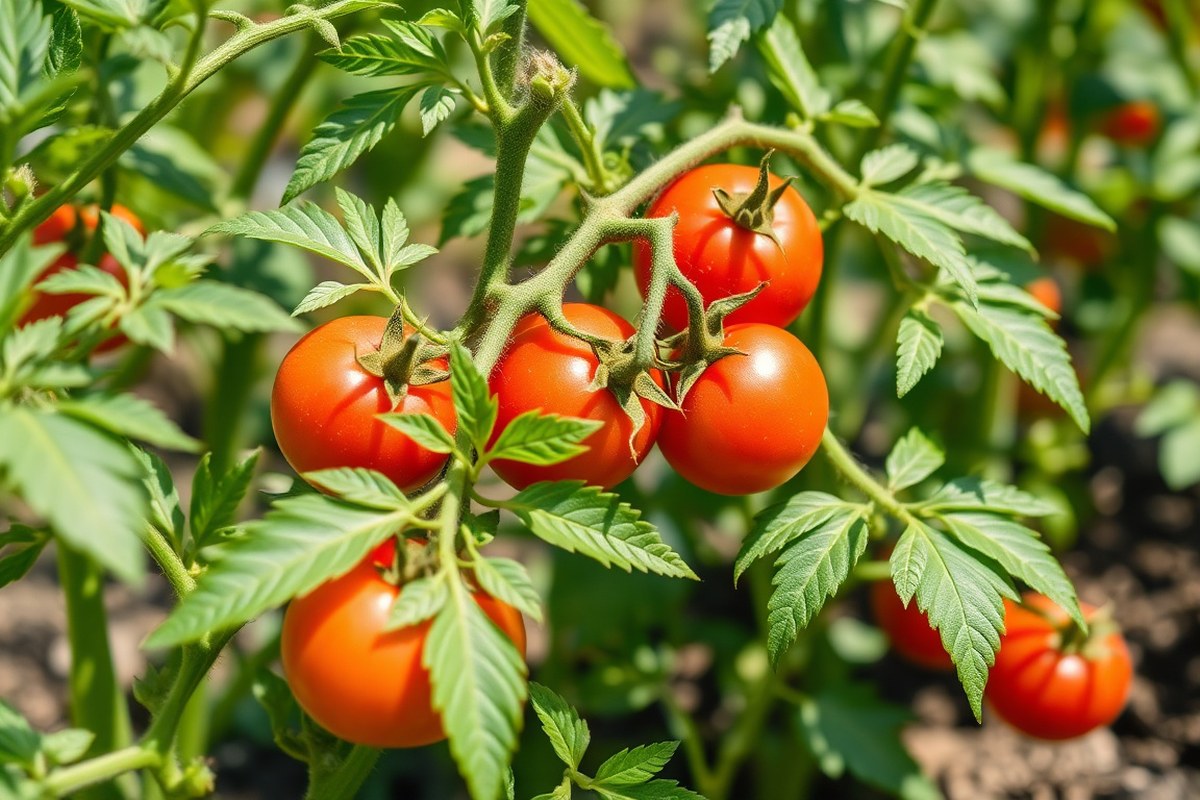
Where do tomatoes grow best? Tomatoes grow naturally in warm, sunny climates worldwide.
They thrive in areas where temperatures stay between 70°F and 85°F. Tomato plants need 6 to 8 hours of full sun each day. This amount of sunlight helps them produce good fruit.
Tomatoes grow best in soils that drain well and are rich in organic matter. They require consistent watering, about 1 to 2 inches weekly, to keep the plants happy.
Living in a place with a short season? Pick fast-maturing types like Early Girl.
Most tomatoes come from countries with long, warm summers. California and Florida lead U.S. Tomato production, with California growing 95% of processing tomatoes. Growing tomatoes in gardens needs space, sun, and good soil to succeed.
Key Takeaways
- Tomatoes grow best in warm areas with temperatures from 70°F to 85°F.
- They need at least 6 to 8 hours of direct sunlight each day.
- Use well-drained, nutrient-rich soil to support strong tomato roots.
- Water tomato plants consistently, giving about 1 to 2 inches per week.
- Choose early-maturing tomato varieties if your growing season is short.
- Space vining tomato plants at least 36 inches apart for best growth.
Where Do Tomatoes Grow Naturally Around the World
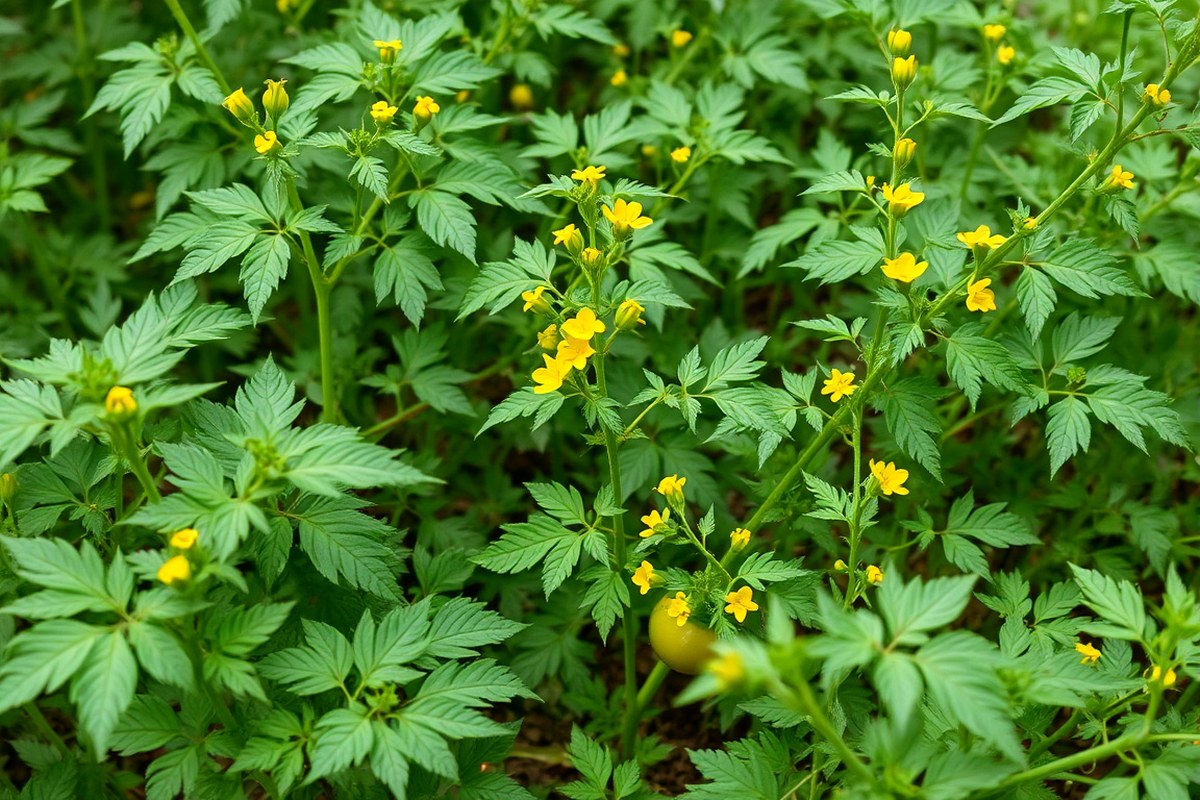
Tomatoes first grew wild in the Andes Mountains region. That includes places like Bolivia, Chile, Colombia, Ecuador, and Peru. These original tomatoes had smaller fruit and looked more like weeds than garden plants.
Wild tomato plants thrive in environments with moderate sunlight and well-drained soils. They usually grow 1 to 3 meters tall. Their stems are weak and spread across the ground.
Sometimes they climb on nearby plants but don’t firmly cling. These areas have warm days and cooler nights, typical of mountainous regions.
Knowing the natural habitats helps you grow tomatoes better. For instance, tomatoes like at least six hours of direct sunlight, similar to their native locations. Using cages gives these plants important support.
Wild tomatoes don’t coil tightly around things. Instead, their stems spread out loosely.
Understanding the original environments shows the importance of soil depth and warmth. Tomato roots need space in soil that drains well. The soil should be loose and warm before planting.
Aim for about 55 to 60 degrees Fahrenheit. Mimicking these conditions can reduce shock and lead to stronger plants.
Wild tomatoes keep a wide range of genetics. This helps breeders create plants that resist pests. It also helps develop types for different climates.
Gardeners can choose seeds from wild or heirloom tomatoes. This lets them grow plants suited to local weather and pests.
Selecting the right seeds helps plants thrive better. This connection to the original habitats guides how to choose and care for your tomato plants.
Top Tomato Producing Countries and Regions Worldwide
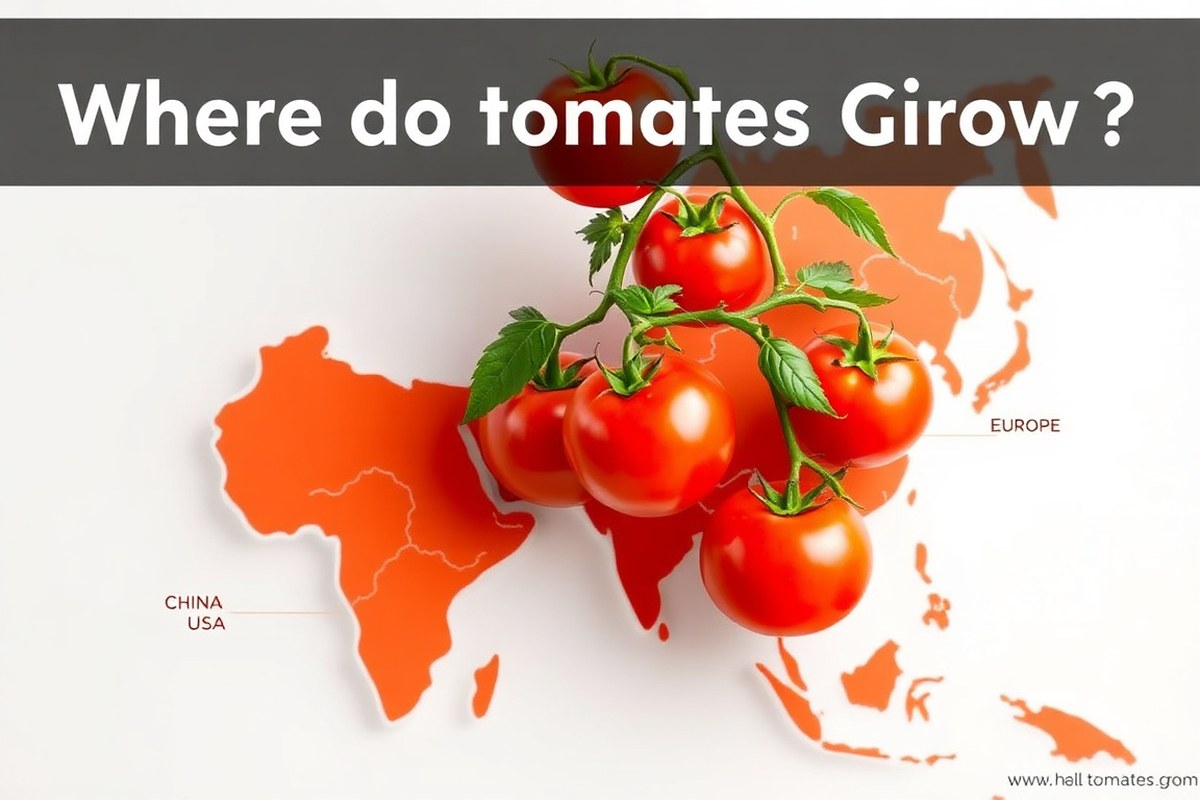
Tomatoes grow in many parts of the world. But a few countries produce most of the tomatoes sold globally.
Production divides mainly into fresh market tomatoes and those grown for processing. The choice depends on local climate, land, and market demand.
Leading Producers by Volume
The top tomato producing countries vary by scale and type of production. Large agricultural states often lead in output thanks to their size and specialised farms. California, for example, supplies almost all of the US processing tomatoes.
Other major producers include countries with warmer climates and access to irrigation. These countries can grow tomatoes year-round or through extended seasons. Nigeria, Spain, and Iran rank among the high-volume producers.
| Country/Region | Primary Market | Notes on Production |
|---|---|---|
| California, USA | Processing | About 95% of US processing tomatoes come from here. |
| Florida, USA | Fresh market | Leads US fresh tomato production alongside California. |
| Spain | Fresh and processing | Warm climate supports year-round growing; mix of markets. |
| Nigeria | Fresh market | Significant production with tropical weather advantages. |
| Iran | Fresh and processing | Good irrigation allows steady tomato farming. |
| Italy (Campania, Sicily, Puglia) | Fresh market | Known for flavorful, vibrant tomatoes favored in markets. |
These areas highlight how both scale and tomato type shape production regions. Warm climates and irrigation often mean more abundant harvests.
Key Characteristics of Regional Production
Regions differ in tomato growing methods based on climate and land use. Mediterranean zones produce flavorful tomatoes but face seasonal limits. Tropical areas grow tomatoes year-round with less frost risk.
European farmers may rely on greenhouses to grow tomatoes in cooler seasons. Indeterminate and determinate tomato varieties suit different growing styles.
Indeterminate types continue fruiting until frost. Determinate types have faster, bushier growth with shorter harvest spans.
Space is another factor. Urban producers may use vertical farming with stacked layers. This technique maximizes production in small areas but requires investment in infrastructure.
Processing vs Fresh Market Focuses
Tomatoes grown for fresh eating differ from those grown for processing. Fresh market tomatoes often demand bright colors, uniform size, and flavor. Processing tomatoes prioritize texture and sugar content for sauces and pastes.
California dominates in processing because the climate supports large-scale farms and mechanical harvesting. Fresh market growing favors states like Florida, where tomatoes ship directly to consumers or local markets. Both sectors need consistent moisture and frost protection.
Growers choose varieties based on use. Processing tomatoes tend to be determinate and uniform for efficient harvest. Fresh tomatoes often include indeterminate types like cherry or grape.
These types keep producing fruit for a long season. You can enjoy harvests over many weeks.
Watch out for frost risks in cool or dry places. Check your watering patterns regularly to keep tomatoes safe. This helps prevent damage and stress to your plants.
Key Climate Conditions for Growing Tomatoes Successfully
Tomatoes need steady warmth to grow well. They start producing fruit when temperatures reach about 55°F (12.7°C) or higher. Nighttime temperatures should stay above 50°F (10°C).
When it stays too cold, tomato plants slow down and stop setting fruit. On the other hand, temperatures over 86°F (30°C) cause heat stress. This leads to blossom drop and poor fruit quality.
Sunlight is critical for healthy tomato plants. They require at least 6 to 8 hours of direct sun every day. Without enough light, their growth lags and fruit production drops sharply.
Garden tomatoes in shaded spots often grow weak or fail to ripen properly. Indoor growers use high-intensity LED lights to match this light need.
Moisture also plays a big role. Tomatoes need about 1 inch of water a week during the growing season. Their roots like soil that stays moist but not soggy.
Waterlogged soil causes “wet feet,” which damages roots and invites disease. Use well-draining, loose soil to keep moisture balanced. A rain gauge helps track rainfall, letting you water only when needed.
Managing these factors keeps tomato plants healthy and productive. Warm days and cool nights help tomatoes produce the best fruit. They need full sun and steady moisture for good growth.
These conditions together improve fruiting quality and yield. Missing one factor hurts tomato growth and taste. Too much heat or too little water means fewer tomatoes.
Both affect fruit quality and amount. Adjust your care to your local climate for the tastiest, juiciest harvests.
How Soil Types and Composition Affect Tomato Growth
Tomatoes grow best in soil with a pH between 6.0 and 6.5. This slightly acidic range helps plants absorb nutrients well.
The plant can tolerate pH from 5.5 to 7.5. But growth slows outside the optimum range.
Soil texture impacts tomato root health significantly. Heavy clay holds too much water, causing soggy roots and poor air flow.
Sandy soil drains too fast, which may dry out roots quickly. Loamy soil, a mix of sand, silt, and clay, is best for balanced moisture and oxygen.
Drainage matters a lot. Root rot happens when tomato roots sit in waterlogged soil for too long.
You should avoid overwatering and ensure the soil drains well. Building raised beds at least 12 inches deep helps keep roots healthy by improving drainage.
Tomatoes need key nutrients for strong growth, especially nitrogen, phosphorus, and potassium. Nitrogen promotes leaf and stem growth.
Phosphorus supports root development and flower production. Potassium helps fruit quality and overall plant health.
- Test soil pH before planting using a home kit or extension service
- Add lime to raise pH or sulfur to lower pH if needed
- Work organic matter like compost into soil to improve texture and nutrients
- Create raised beds for better soil aeration and drainage
- Water consistently but avoid waterlogging to prevent root rot
- Rotate tomato planting spots yearly to reduce soil diseases
- Use balanced fertilizer with N-P-K ratios suited for tomatoes
Mixing in compost boosts nutrients and improves water retention in sandy soils. Avoid planting tomatoes where water pools or in compacted soil.
A deep, loose soil bed encourages strong roots that support heavy fruit loads. Watch for signs of wilting or yellow leaves, which may show nutrient imbalance or drainage issues.
Best Garden Locations and Configuration for Tomato Plants
Ideal Sun Exposure and Air Flow
Plant tomatoes in a spot that gets at least six hours of direct sunlight daily. Tomatoes need full sun to grow strong and produce ripe fruit. Check your garden’s sunlight pattern at different times to find the brightest place.
Good air flow helps stop diseases like early blight. Avoid crowded or shaded corners where moisture lingers. Choose areas with well-drained soil or raise your beds to keep roots healthy and dry.
Effective Spacing and Support Structures
Space tomato plants about 18 to 24 inches apart for determinate types. Leave 36 inches between indeterminate or vining plants. Rows should be 4 to 5 feet apart to allow air movement and easy picking.
Use sturdy cages, stakes, or vertical strings to support your plants. Anchor strings in the soil when planting seedlings to keep tomatoes upright. Support cuts down on leaf diseases and makes harvesting easier.
- Plant determinate tomatoes 18, 24 inches apart.
- Leave 36 inches between indeterminate tomato plants.
- Space rows 4 to 5 feet apart for air circulation.
- Use cages, stakes, or vertical strings for support.
- Anchor supports at planting time to avoid damage.
- Plan raised beds or containers if drainage is poor.
- Water at the base to keep leaves dry and healthy.
Without proper spacing and support, tomato plants may droop and suffer disease.
Companion Plants to Plant with or Avoid
Plant basil, borage, and onions near tomatoes to boost growth and deter pests. These companions attract pollinators and beneficial insects that help your garden. They can improve flavors and reduce harmful bugs around tomato plants.
Avoid planting potatoes or other nightshade family members nearby. They share diseases with tomatoes and increase risks. Also, keep tomatoes away from fennel, as it can stunt their growth.
When and How to Plant Tomatoes in Different Regions
Start tomato seeds indoors 4 to 6 weeks before last frost. Use your local frost date as a guide. This helps young plants avoid cold damage.
Move seedlings outside once the danger of frost has passed and the soil warms above 60°F. Adjust seed starting if your season is short or long. Harden off seedlings before you move them outside. This means slowly exposing them to outdoor conditions.
Starting Seeds Indoors
Begin by checking your region’s average last frost date. This date varies widely, from early March in mild zones to late May in cold areas. Starting seeds indoors allows your plants more time to grow before outdoor conditions become suitable.
Plant seeds in small containers or seed trays filled with a light seed-starting mix. Plant seeds about a quarter-inch deep in moist soil.
Avoid making soil too wet or dry. Keep containers where temperature is 70°F to 75°F for best growth.
Seedlings will sprout in about 5 to 10 days. Give seedlings 12 to 16 hours of light daily.
Use a grow light or find a sunny window spot. This keeps stems strong and stops spindly growth.
Hardening Off Seedlings
Hardening off helps seedlings adjust from the warm, stable indoors to outdoor conditions. Start hardening off your seedlings when they reach about 5 inches tall. Make sure they have at least two sets of true leaves.
This prepares them for outdoor life. This step lowers transplant shock and improves survival rates.
Take seedlings outdoors for a few hours a day, starting in shade and sheltered spots. Increase sunlight and outdoor time by an hour daily across 7 to 10 days. Reduce water slightly but do not let the plants wilt during this period.
Transplanting Timing Rules
Move tomatoes outdoors after the last frost date and when night temperatures stay above 50°F. Soil temperatures should be at least 60°F for direct sowing or transplanting seedlings. Cold or wet soil can stunt growth and increase the risk of disease.
In short seasons, choose early tomato varieties. These varieties ripen in 50 to 70 days. This boosts chances of getting fruit before cold arrives.
In long-season areas, you can start seeds earlier or extend harvests by adding later planting dates. Protect mountain or cold-area plants by planting near a south-facing wall or using row covers.
- Check your local last frost date and current soil temperature.
- Start seeds indoors 4 to 6 weeks before the last frost.
- Keep seedlings in a warm, well-lit location until they reach 5 inches tall.
- Begin hardening off by moving seedlings outside to shaded, protected areas for a few hours daily.
- Gradually increase sunlight and outdoor time over 7 to 10 days.
- Ensure night temperatures stay above 50°F before transplanting.
- Transplant seedlings into soil warmed to at least 60°F after the last frost.
- Choose early varieties for short seasons or extend planting in long seasons.
Alternative Growing Methods: Greenhouse, Vertical, and Container Farming
Growing tomatoes in greenhouses lets you control temperature, humidity, and light. This control creates an ideal climate, boosting growth and fruit production even in colder months. Ventilate often to let pollinators inside and prevent overheating.
Vertical tomato farming uses stakes, cages, or trellises to grow plants upward. It saves space and improves air flow, which cuts disease risk. This method needs sturdy supports and regular pruning to keep plants healthy and yields high.
Containers suit small spaces like balconies or porches well. Choose containers at least 12 inches deep to give roots enough room. Determinate varieties are best for pots.
They grow bushy, not vine-like. That makes them easier to manage.
Here’s how these methods compare:
| Growing Method | Space Needed | Climate Control | Plant Support | Best Tomato Type |
|---|---|---|---|---|
| Greenhouse | Varies (small to large) | Full control (temperature, humidity) | Optional (depends on variety) | Any type |
| Vertical Farming | Small footprint (vertical space) | Depends on location (usually outdoor) | Required (trellises, stakes) | Any type |
| Containers | Small (balcony or porch) | None (outdoor or indoor) | Recommended (for larger varieties) | Determinate (bushy) |
Greenhouses cost more upfront but can produce tomatoes year-round. You need to monitor ventilation to avoid mold. Vertical farming needs vertical space and sturdy frames but uses less ground area.
Container growing is low cost and flexible, ideal for beginners. Watch watering closely; pots dry out fast. Keeping plants healthy means regularly feeding them with fertilizer every two weeks or so.
Environmental Challenges and How They Affect Tomato Crops
Tomatoes need warm temperatures between 70ºF and 85ºF to grow well. When it gets hotter than 85ºF, plants stop setting fruit properly. Heat waves lasting several days can cause flowers to drop and reduce the tomato harvest.
Drought stress also harms tomatoes by slowing growth and causing smaller fruit. You should water tomatoes about 1 to 2 inches each week.
Keep the watering consistent to avoid swings in moisture. This helps prevent stress to the roots.
Shade limits tomato growth because plants need at least 6 hours of full sun daily. Without enough sun, tomato leaves turn pale, and the plants become leggy with fewer fruits.
Shade also reduces airflow around plants, which raises the risk of fungal diseases. Crowded or shaded tomato patches should be thinned or trimmed to improve sunlight and air movement.
Common pests like aphids, whiteflies, and spider mites prefer crowded, shaded tomato areas. These bugs suck sap and weaken plants over time. Diseases such as blight and powdery mildew spread faster in poor airflow zones too.
Do not plant tomatoes close to potatoes or eggplants. Soil diseases can spread between these crops. Keep them in separate soil areas to avoid problems.
Move your tomato plants to fresh beds every 3 to 4 years. This rotation helps control soil diseases. It keeps your tomatoes healthier over time.
Protecting tomatoes from too much heat starts with mulching. Apply 2 to 3 inches of organic mulch to keep soil moist and cooler. Shade cloth can be used during heat spells to lower leaf temperature by up to 15ºF.
Use drip irrigation to give water directly to roots, which reduces fungal problems from wet leaves. Prune lower leaves to increase airflow and make plants less inviting to pests.
Look at your tomato plants every day during heat or dry spells. Early checks catch stress before it hurts the fruit. This prevents loss of tomatoes.
Step-by-Step Action Plan for Growing Tomatoes Successfully
Follow these steps to start growing healthy tomato plants in your garden or containers. Each step guides you through what to do and how to check your progress.
- Before Planting: Choose a sunny spot with well-drained soil. Check the soil pH (6.0 to 6.8 works best) to ensure good nutrient uptake.
- 1 Week Before Planting: Prepare your soil by mixing in compost or aged manure. The soil should feel loose and crumbly, not hard or clumpy.
- Day 1 (Planting Day): Plant seedlings or seeds after the last frost date. Plant deep, burying two-thirds of the stem for stronger roots.
- Week 2: Water plants deeply every 2-3 days, keeping soil moist but not soggy. Wilted leaves mean you need to water more.
- Week 4: Put mulch around your plants using straw or wood chips. This helps keep the soil moist. It also cuts down on weed growth. Mulch should stay damp and cover the soil well.
- Week 6: Begin feeding tomatoes with balanced fertilizer every 2-3 weeks. Look for dark green leaves and steady new growth as signs of progress.
- Week 8 to 10: Start staking or caging plants to support fruit weight. Untied branches that droop or break indicate it’s time to support them.
- Fruit Development: Monitor for pests and diseases weekly. Remove damaged leaves and use organic controls to protect your plants.
Frequently Asked Questions
Can Tomatoes Grow Well Indoors?
Yes, tomatoes can grow indoors from seed with enough light. Use a sunny window or artificial grow lights for best results.
Do Tomato Plants Need Support to Grow Upright?
Most tomato plants need some support like stakes or cages. This helps keep fruit off the ground and prevents stem damage.
Can You Grow Tomatoes in Pots on a Balcony?
You can grow tomatoes in pots as long as they get enough sun. Use a large container with good drainage and regular watering.
Are Tomatoes Annual or Perennial Plants?
Tomatoes are usually grown as annuals in most gardens. They complete their life cycle in one growing season.
How Deep Should You Plant Tomato Seedlings?
Plant tomato seedlings deep, burying part of the stem. This helps roots develop along the buried stem for stronger plants.
Do Tomatoes Grow Better with or Without Side-Shoot Pruning?
It depends on the tomato type. Indeterminate tomatoes benefit from pruning side-shoots, but bush types need them to grow.
The Bottom Line
Tomatoes grow best with plenty of sun, well-prepared soil, and consistent care. Focus on maintaining good soil moisture and support for your plants. Start by choosing the right spot and planting after your local frost date.