How Much Potting Soil Do I Need? Simple Steps for Accurate Calculation
How much potting soil do I need depends on the container size and shape. Start by measuring your pots or beds carefully to calculate the volume in cubic feet. Multiply the length, width, and depth in feet to get the soil volume.
Leave some space at the top of the container for watering and root growth. For most pots, filling to about 85-90% full works well without overflow. You should also add about 10% extra soil to cover settling after watering.
Keep in mind potting soil compresses by up to 20% after a few waterings. Buying a bit more soil upfront saves you from multiple trips to the store later. It’s easier to plan the right amount with some simple math and measurements.
Key Takeaways
- Measure pots or garden beds in feet to find soil volume accurately.
- Multiply dimensions (length × width × depth) to get cubic feet needed.
- Leave 10-15% headspace in containers to prevent overflow when watering.
- Buy 10% extra potting soil to cover initial settling and compaction.
- Expect soil volume to shrink 10-20% after first waterings.
- For raised beds, calculate the larger volume based on bed dimensions.
How to Calculate the Amount of Potting Soil You Need
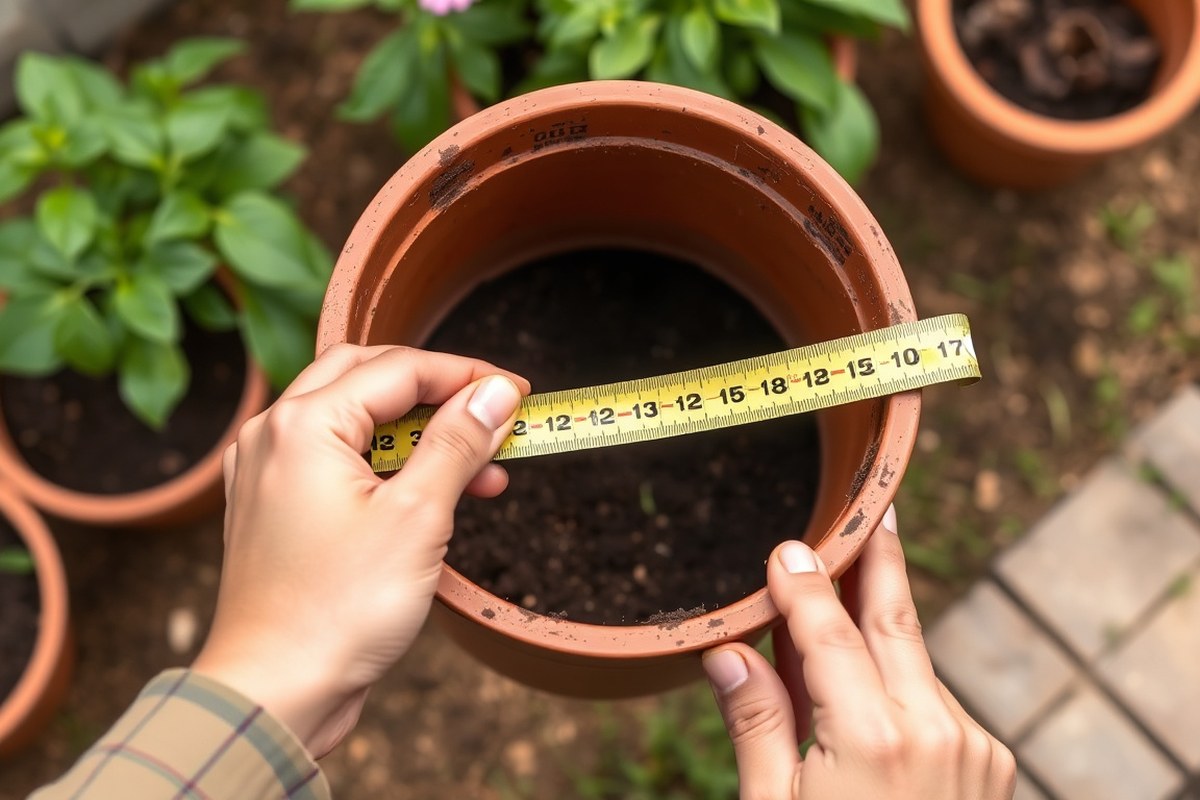
To know how much potting soil you need, start by measuring your container. You need the inside dimensions to get the volume. Then use the right formula for your container’s shape to find the soil volume.
Measuring and calculating soil volume helps you buy the right amount of soil. It prevents wasting money or running out mid-planting.
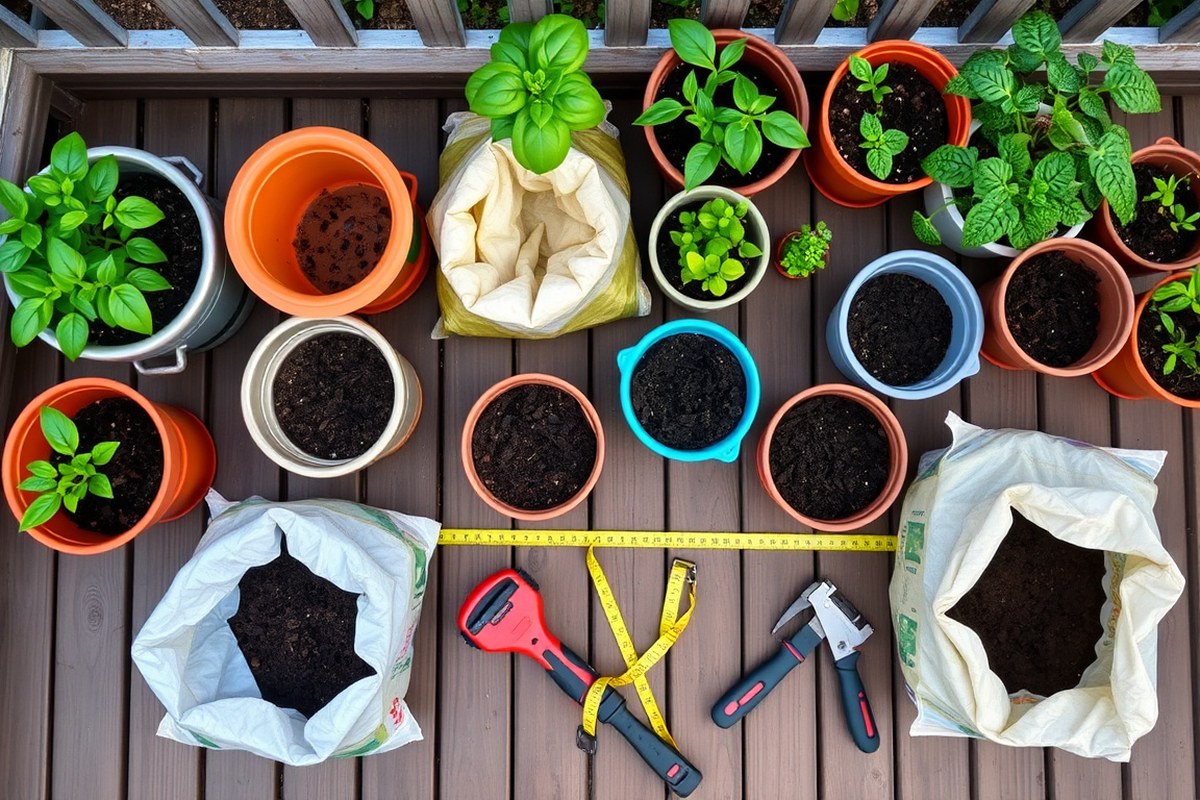
Use a tape measure and a calculator. Write down your container’s length, width, and depth or diameter and height for round pots.
- Measure your container’s inside width, length, and depth. Use a tape measure to get inches. For round pots, measure diameter and height.
- Choose the formula based on pot shape. Use length × width × depth for rectangular pots. Use π × (radius²) × height for round pots. For tapered pots, use the conical frustum formula.
- Convert dimensions to feet. Divide inches by 12 to get feet. Soil volume formulas usually use cubic feet.
- Calculate the soil volume. Multiply the measurements according to the formula for your pot shape. For example, a 12″ diameter by 10″ deep round pot is about 0.54 cubic feet.
- Multiply by number of containers. Multiply the volume by the total number of pots or raised beds.
- Add about 10% extra. This accounts for headspace and settling during plant growth.
- Convert cubic feet to bags of potting soil. One cubic foot is about 7.5 to 8 quarts. Bags show volume in quarts or gallons, so check the label before buying.
For a quick example, take a 10″ diameter round pot that’s 8″ deep. The radius is 5″. Convert to feet: 5” ÷ 12 = 0.42 ft, 8” ÷ 12 = 0.67 ft.
The volume formula πr²h = 3.14 × 0.42² × 0.67 ≈ 0.37 cubic feet. That equals roughly 2.7 gallons of soil.
Buy one standard 1 cubic foot bag of potting mix. Each bag covers two to three containers.
Filling eight pots requires about three bags plus an extra 10% for settling. Using this method helps you avoid buying too little or extra bulky bags.
Double-check your container shapes and measurements. Mistakes come from using outside dimensions or ignoring tapered shapes. Accurate measures give you the right soil volume and save money buying potting mix.
Understanding Container Shapes and Their Soil Volumes
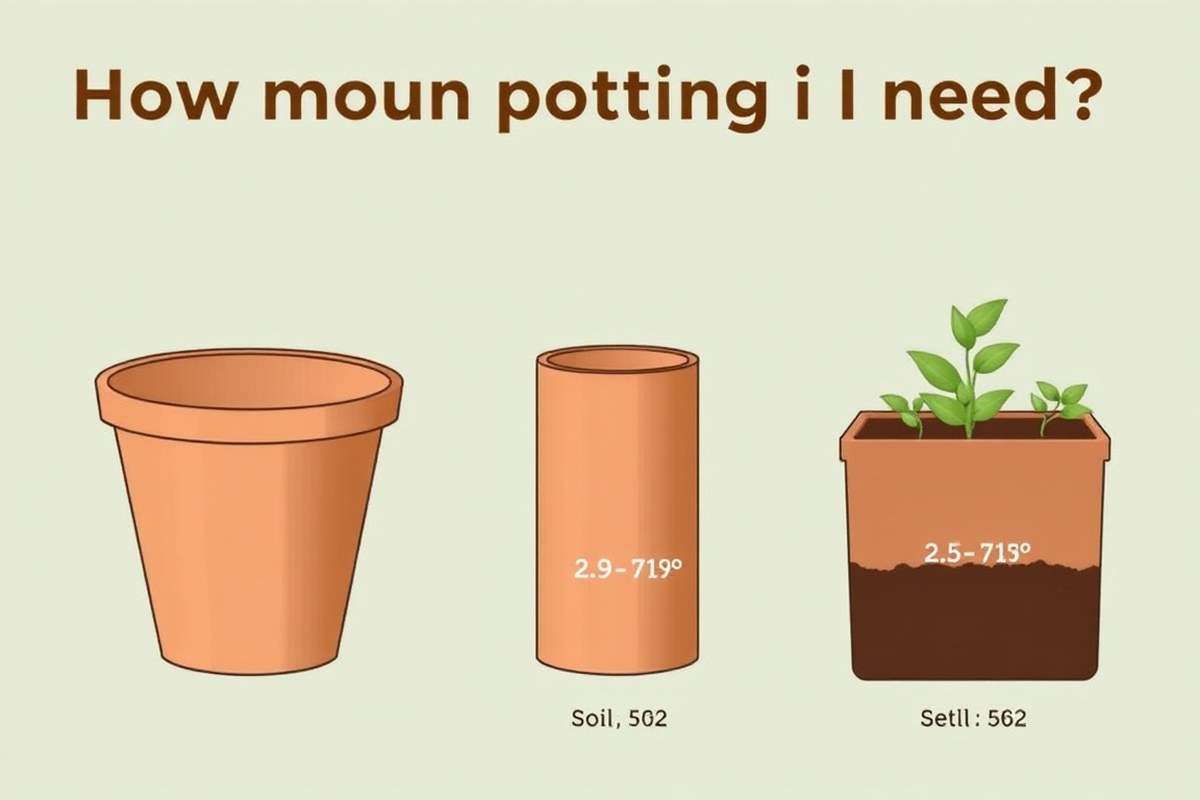
Container shape changes how much soil you need. Tapered pots hold less soil than round or rectangular ones of the same outside size. Measure inside dimensions to find the real soil volume inside any pot.
Calculating Soil for Tapered Pots
Tapered pots have slanting sides that shrink soil volume compared to straight-sided pots. Use a tapered pot volume formula or calculator. It considers the smaller base and wider top rim.
This helps you get an accurate soil volume. Without this, you might overestimate soil needs by 15% to 25%.
Estimate tapered pots by first calculating as a straight cylinder. Then reduce that volume by 15% to 25%. This gives a quick soil amount guess.
This adjustment accounts for the narrowing shape. Planning extra soil helps avoid running short during planting.
Measure the inside bottom diameter on tapered pots. Don’t just use the top rim measurement. This prevents ordering too much soil.
Volume Formulas for Round and Rectangular Containers
Round containers use the formula for cylinder volume: π × radius² × height. Radius means half the inside diameter, measured in inches or centimeters. Multiply cubic inches by 0.0173 to get quarts of soil needed.
Rectangular containers need length × width × height in inches for volume in cubic inches. Convert cubic inches to quarts by multiplying by 0.0173. This straightforward math works because sides are straight and right angles are fixed.
Table shows soil volume for common pot sizes. These volumes assume pots have straight sides and use inside measurements to be accurate.
| Container Size | Standard Dimensions (Dia × H in inches) | True Soil Volume (quarts) | Best For |
|---|---|---|---|
| 6-inch round pot | 6 × 5 | 1.5 | Herbs, annual flowers |
| 8-inch round pot | 8 × 8 | 3, 4 | Small annuals, houseplants |
| 10-inch round pot | 10 × 9.5 | 5, 6 | Medium houseplants, basil |
| 12-inch round pot | 12 × 10 | 8, 10 | Peppers, larger herbs |
| Rectangular planter example | 12 × 6 × 8 | About 10 | Mixed flowers, shallow veggies |
The table guides common pot sizes you see in gardens. You can calculate less common sizes with the formulas given, always based on inside dimensions.
Adjusting for Inside vs Outside Measurements
Containers often have thick walls and lips that reduce inside volume. Measuring outside size leads to overestimating needed soil by about 5% to 10%. This means you could buy too much or fill pots unevenly.
Measure inside length, width, and depth where the soil will go. Use a tape or ruler and look inside to get the exact space you will fill. This saves money by buying the right soil amount.
Extra soil helps for settling. But buy 10% to 15% more after you calculate based on inside size. Settling can reduce soil volume by 10% to 20% after watering and handling plants.
Why You Should Leave Headspace When Filling Pots
Don’t fill pots all the way to the rim. Leave 1 to 2 inches of space at the top to hold water during watering. This headspace prevents overflow and helps water soak into the soil.
Recommended Headspace for Small and Large Pots
Small pots need about 1 inch of headspace below the rim. Larger pots should have 1 to 2 inches of space. This space varies with pot size to catch water without spilling.
A 10-inch pot usually holds 3 gallons of soil. This is when filled to about 85% of its depth. Smaller pots require less headspace while still preventing mess during watering.
Calculating Usable Soil Depth After Headspace
Subtract the headspace from the total pot depth to find usable soil depth. A 1.5-inch headspace on a 14-inch pot leaves about 12.5 inches for soil depth. Use this depth to calculate soil volume.
This reduces soil volume by roughly 10% to 15%. Filling a 14-inch pot one inch below the rim lowers soil volume.
It cuts the volume by about 0.75 cubic feet. Plans should factor this decrease.
Preventing Water Overflow and Soil Compaction
Headspace prevents water from flooding the rim and spilling over during watering. Without it, every watering can wash soil out or cause a mess. Extra water pooling also reduces soil compaction.
It lets water briefly collect and soak into the root ball. This helps roots absorb water fully and prevents soil from compressing too much. Avoid filling pots flush with the rim for healthier plants.
Follow these steps to leave proper headspace when filling pots:
- Measure the total depth of your pot from rim to bottom.
- Decide on the headspace: 1 inch for small pots, 1 to 2 inches for larger ones.
- Subtract the headspace from the total depth for usable soil depth.
- Calculate the soil volume needed based on usable soil depth and pot shape.
- Fill the pot up to the calculated soil depth, leaving headspace at the top.
- Water the soil gently to see the water reservoir below the rim.
- Adjust soil down if water spills over. Add more if there’s too much empty space.
How Much Extra Potting Soil to Buy for Settling and Settling over Time
Potting soil shrinks after watering because it settles and compacts. The volume usually drops by 5% to 10% as soil soaks up water. Air pockets shrink inside the soil.
This reduces overall soil volume after watering. A pot filled to the top while dry will sit lower after watering. This causes a gap between the soil surface and pot rim.
Buying extra soil helps you avoid topping off pots after settling leaves them partially empty. Most gardeners should add 10% to 15% more soil than the calculated dry volume. For example, if a pot needs 2 cubic feet, buy at least 2.2 to 2.3 cubic feet of potting mix.
The gap lets you add more soil after it settles in. You can also fill small spills and uneven container spots.
The amount soil settles can vary with container shape and type of potting mix. Lightweight, airy mixes settle more than denser blends. Tall, narrow containers often show more settling because soil compresses downward.
Subtract the root ball volume when potting plants to avoid wasting soil. Buy only the soil you actually need.
Raised beds and large containers need more soil top-ups over time. Soil weight compresses and settles, reducing volume gradually.
Keep extra bags of soil nearby when starting your project. This helps with irregular pots or mixing your own blends. Using a potting soil calculator can give a more precise estimate that includes settling allowances.
Having a little extra soil is safer than running out mid-potting. Avoid buying too much, but don’t risk shortages either.
Most garden centers package soil in 1.5 cubic foot bags. The bag count usually rounds numbers up slightly to cover settling naturally.
Choosing Between Potting Mix, Garden Soil, and Amendments
Potting mix and garden soil are very different. Potting mix, often called soilless mix, contains no actual soil. It’s made from materials like peat moss, perlite, and coco coir.
Garden soil is natural dirt taken from outside. Using garden soil in containers can cause poor drainage and compacted roots. That leads to unhealthy plants.
Potting mix holds water and drains well for container plants. Garden soil is heavier and may hold too much water, making roots rot. Mixing 10, 20% compost into potting mix adds nutrients and keeps moisture balanced.
You get the benefits of richer soil without losing drainage. For large raised beds, blending local topsoil with compost and sand is more cost-effective.
| Type | Components | Weight (dry) | Water Retention | Plant Use |
|---|---|---|---|---|
| Potting Mix (Soilless) | Peat moss, perlite, vermiculite, bark | 400, 600 lbs per cubic yard | High, balanced for containers | Container plants |
| Garden Soil | Natural dirt, minerals, organic matter | Varies, generally heavier | Low to moderate, drains poorly | Outdoor garden beds |
| Potting Soil (Mix with Soil) | Potting mix plus garden soil (optional) | Varies, heavier than potting mix | Moderate | Some containers, less common |
| Potting Mix + Compost (10, 20%) | Potting mix plus compost | Slightly heavier than potting mix | Better moisture holding | Container plants, vegetables, flowers |
Adding compost helps soil hold nutrients and water longer. Use only 10 to 20 percent compost so drainage doesn’t suffer. This small change makes a big difference in plant health.
Compost also feeds soil microbes that help roots grow strong. It’s better to add compost than just store-bought fertilizer because it improves soil structure.
Garden soil is rarely suitable alone for container plants. It can introduce pests and diseases and often clumps. Potting mix with amended compost usually works best.
For raised beds, mix your own “raised bed soil” with local topsoil, compost, and coarse sand. This mix costs less than commercial blends and matches your garden closely.
Always check your plant’s soil depth needs and drainage before choosing your soil blend.
Estimating Soil Needs for Raised Beds and Large Garden Containers
Raised beds need enough soil depth for healthy roots. Vegetables usually do well with at least 10 inches of soil. This depth supports good moisture and nutrient hold without wasting soil.
A standard raised bed measuring 4 by 8 feet at 10 inches deep holds about 26.7 cubic feet of soil. Since many potting soil bags contain 1.5 cubic feet, you’ll require around 18 bags to fill that space.
If you’re building beds with other dimensions or multiple beds, calculate the total cubic feet first. Multiply length (ft) × width (ft) × depth (ft). Convert inches to feet by dividing depth in inches by 12.
| Raised Bed Size (ft) | Depth (inches) | Soil Volume (cubic ft) | Bags Needed (1.5 cu ft bags) |
|---|---|---|---|
| 4 × 8 | 10 | 26.7 | 18 |
| 4 × 4 | 10 | 13.3 | 9 |
| 6 × 6 | 12 | 36 | 24 |
| 8 × 8 | 12 | 53.3 | 36 |
| 10 × 4 | 10 | 33.3 | 23 |
To convert your volume into bag counts, divide the total cubic feet by bag volume. For 1.5 cubic feet per bag, Bags = ceiling (soil volume ÷ 1.5). Always round up to avoid running short.
Larger projects benefit from buying soil by the cubic yard. One cubic yard equals 27 cubic feet.
So you can order bulk soil more economically. Use online calculators designed for raised beds to confirm your order size.
Common Mistakes When Estimating Potting Soil Quantities
Measuring only the outside dimensions of your pot is a common error. This mistake often leads to overestimating the amount of potting soil needed. The pot’s walls take up space, so inside measurements give a more accurate volume.
Many pots get wider at the top, so they hold less soil inside. This shape reduces soil volume by 15% to 30%, compared to a straight cylinder. Relying only on the top diameter will make you buy too much soil.
Soil settling is easy to overlook, but it matters. After filling, the soil naturally compacts and settles by about 10% to 15%. Buying just the amount you calculate might not be enough.
You could run out and need to visit the store again. It’s safer to buy a little extra soil.
Overbuying is inconvenient and costly, while underbuying means stopping work halfway. To avoid these problems, stick to a practical checklist:
- Measure the inside width and depth of your container
- Account for pot taper by using middle or average diameters
- Subtract a couple of inches for headspace to avoid overflow when watering
- Add 10% to 15% extra soil volume for settling
- Round up to the nearest full bag, usually 2 cubic feet per standard bag
For tapered pots, multiply the average diameter by the height times 0.75 for volume estimates. Always plan for 1.75 to 1.9 cubic feet of mix for typical 14-inch pots, which matches one standard 2-cubic-foot bag. That way, you avoid extra cost and storage hassle.
Review your measurements twice before buying to catch errors early. Your pot or bed might have a strange shape.
Break it into smaller, regular parts for easier measuring and calculating. These steps save you trips and money.
Tips for Measuring Containers and Using a Potting Soil Calculator
Measuring your pots and planters correctly helps you get the right amount of potting soil. You want to capture all key dimensions to avoid buying too much or too little soil. Using an online soil calculator can make this even easier by doing the math for you.
Measuring Round Pots: Diameter and Depth
For round pots, measure the inside top diameter first. Check the inside bottom diameter if the pot tapers.
The pot often narrows at the base, so measure carefully. Use this diameter when calculating soil volume.
Use a tape measure to get the depth from the bottom to the soil rim. Measure all in centimeters to match most calculators. You need top diameter, bottom diameter, and depth to get a good soil volume estimate.
Measuring Rectangular Planters: Length, Width, Depth
Measure the inner length along the longest side. Then take the inner width perpendicular to length. Use the tape from inside edge to edge, not outside.
Next, measure the inside depth from the bottom to where you want soil level. Record all three as centimeters. Multiply length × width × depth, then divide by 1000 to convert cubic centimeters to liters.
Using Online Soil Calculators: Input and Interpretation
Find a soil calculator that asks for your container’s shape and dimensions. Put in the top and bottom diameter for round pots.
For rectangular pots, enter length, width, and depth instead. Keep the measurements in the same units.
Adjust soil depth to leave headspace if the calculator doesn’t do this automatically. Some calculators also ask for plant type to refine soil amount by root size. After submitting, note the soil volume in liters or cubic yards, depending on your region.
Follow these steps to measure and use a soil calculator properly:
- Get a flexible tape measure for inside dimensions.
- Write down inside top diameter for round pots; length and width for rectangles.
- Measure inside bottom diameter for tapered round pots.
- Measure inside depth to your planned soil level.
- Convert measurements to centimeters if needed.
- Enter all numbers into an online soil calculator.
- Adjust or enter headspace and plant type if the calculator allows.
- Round soil amount up to the nearest bag size to cover settling.
Double-check your measurements to avoid buying too little soil or wasting money on extra bags.
Step-by-Step Action Plan to Calculate Potting Soil Needs
Get ready to measure and buy the right amount of potting soil efficiently. Follow these steps to avoid waste or running short.
- Before you start: Gather all container dimensions using a tape measure. Check if pots are round, square, or irregular to calculate volumes accurately.
- Day 1: Calculate each container’s soil volume using length, width, and depth. Use formulas for different shapes or try an online potting soil calculator.
- Day 1, Continued: Subtract at least 1 to 2 inches from the container depth for headspace. This space prevents overflow during watering.
- Day 2: Add 10% extra soil to each volume to cover settling over time. This ensures you won’t run out as soil compacts.
- Day 3: Decide on your soil type, potting mix, garden soil, or amendments. Choose what fits your plants best and adjust quantities accordingly.
- Week 1: Buy soil in bags close to your total needed volume plus your extra. Buying a little more saves trips and stress.
- Week 1, After filling: Check filled containers to confirm soil fills nicely with proper headspace. Add small amounts if needed to top off.
- Week 2 and beyond: Monitor soil settling every few weeks. Add fresh soil or compost if you notice soil levels dropping significantly.
Frequently Asked Questions
How Much Potting Soil Do I Need for a 12-inch Diameter Pot 10 Inches Deep?
You need about 0.65 cubic feet or 5 gallons of potting soil for that pot. That amount fills the container to 10 inches deep, just right for most plants.
Should I Buy Potting Soil by Weight or Volume?
Buy potting soil by volume, usually measured in cubic feet or quarts. Weight varies from 8 to 13 pounds per cubic foot depending on moisture and compaction levels.
How Much Extra Potting Soil Should I Get for Settling?
Get 10-20% more soil to allow for settling after the first few waterings. This makes sure your plants stay covered as soil compacts over time.
Is Potting Soil Suitable for Raised Beds Without Amendments?
Potting soil alone is too light and low in nutrients for raised beds. Add compost or garden soil for better nutrient and volume support.
How Many Bags of Potting Soil Do I Need for Eight 12-inch Pots?
Each 12-inch pot takes 5 gallons of soil. So eight pots need 40 gallons total. That’s roughly 2.67 cubic feet, so at least two 1.5 cubic foot bags.
Does Adding Gravel at the Bottom of Pots Save Potting Soil?
No, adding gravel won’t save potting soil and can hurt drainage. It creates a perched water table, keeping roots wetter than they should be.
The Bottom Line
Knowing how much potting soil to buy saves you money and time. Start measuring your containers accurately today. This small step leads to healthier plants and less mess.