Do ZZ Plants Flower? A Complete Guide to Encouraging Blooms Indoors
Do ZZ plants flower? Yes, they do, but only when they reach maturity.
Typically, this maturity takes about 3 to 5 years for the plant to start producing flowers. You won’t see blooms on a young ZZ plant, so patience is key here.
ZZ plant flowers usually appear in mid to late summer once the plant is older. These flowers have a unique shape and size.
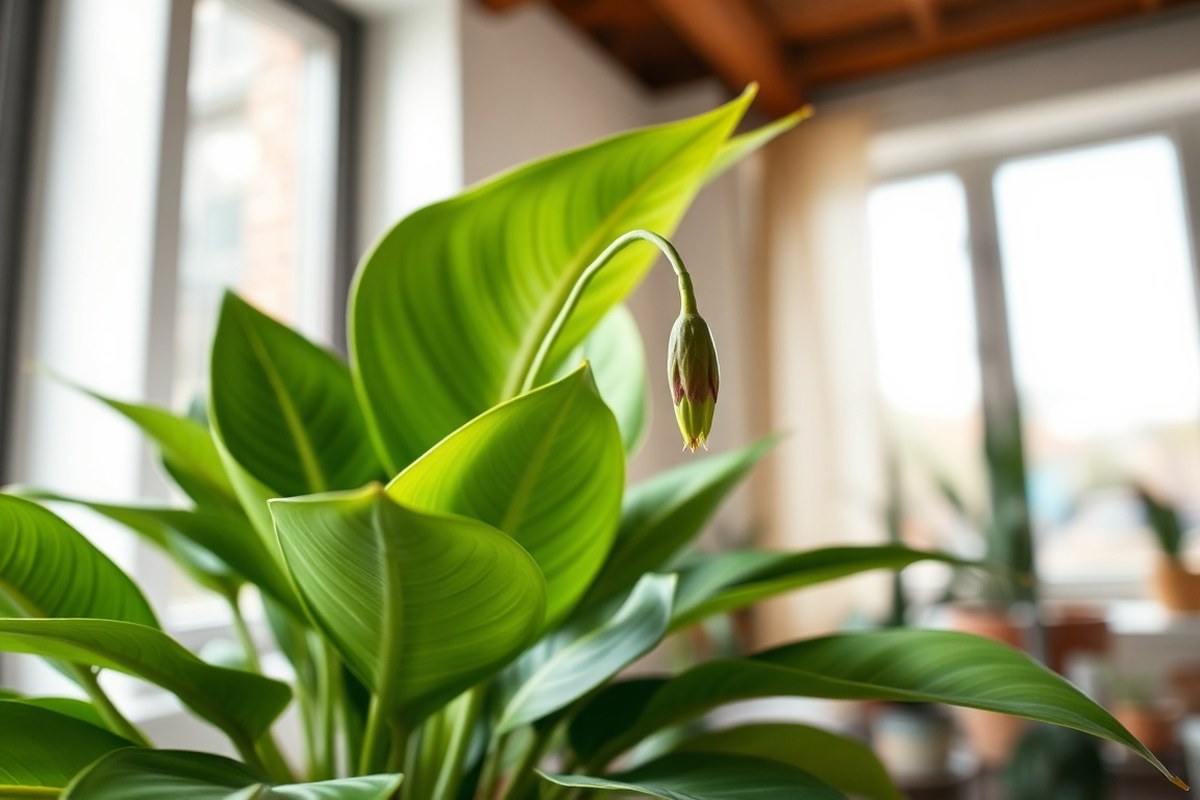
Their stalks bend downward because the flowers are heavy. Knowing this helps you spot the flowers early and not mistake them for anything else.
Your ZZ plant needs about 8 hours of bright, indirect light daily. This light helps it bloom.
Keep the temperature stable between 65°F and 75°F for the best growth. Feeding lightly every 2-4 weeks during the growing season also supports healthy blooms.
Key Takeaways
- ZZ plants must be at least 3 to 5 years old to produce flowers.
- Flowers develop mainly from mid-summer to early autumn in mature plants.
- Provide 8 hours of bright, indirect light daily for your ZZ plant.
- Maintain indoor temperatures between 65°F and 75°F for optimal blooming.
- Feeding your plant lightly every 2 to 4 weeks during growth helps flowers develop.
- Expect slow growth; ZZ plants often take years to mature fully.
Do ZZ Plants Actually Produce Flowers?
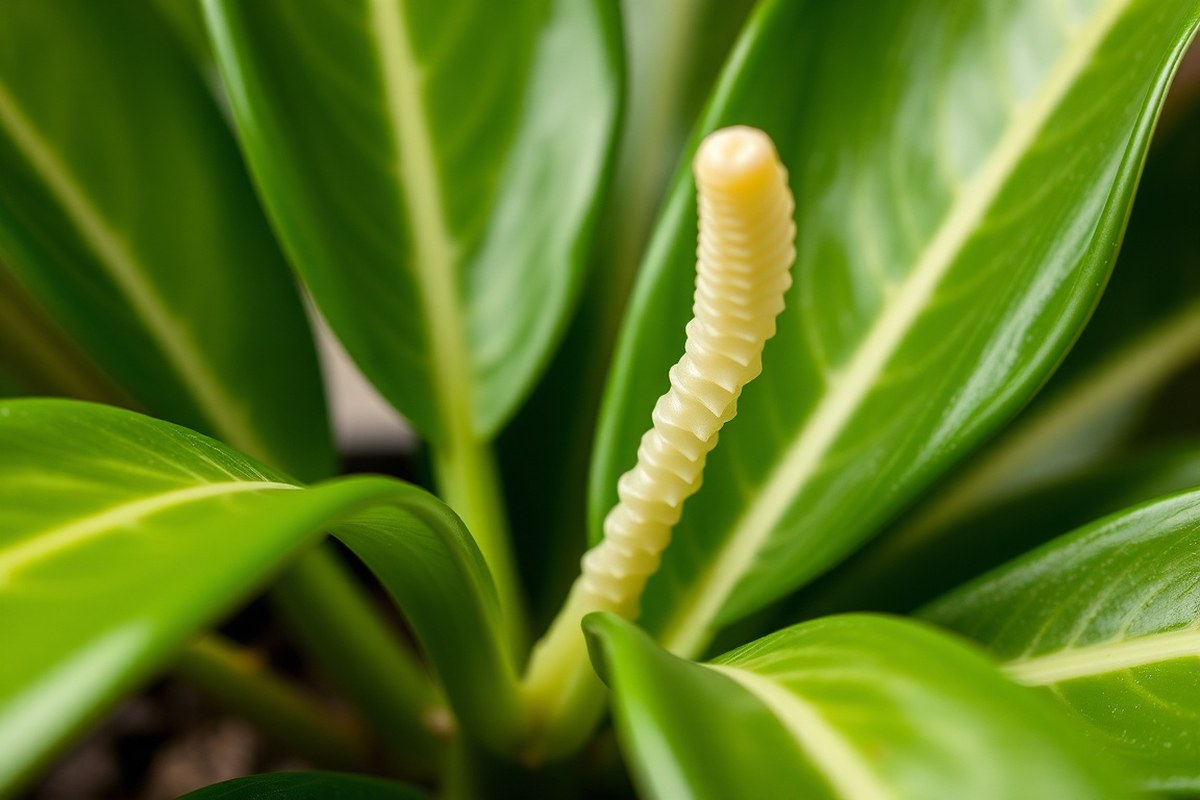
ZZ plants do produce flowers, but actual blooms are rare. The flowers are small and grow near the base, making them easy to miss. Most ZZ plants you see still don’t flower because they aren’t mature enough.
The plant usually needs to be 3 to 5 years old before flowering. Indoor plants often struggle to bloom indoors. Light and humidity are usually not right.
These conditions make blooming hard. Outdoor ZZ plants in tropical climates bloom more frequently since natural cues help trigger this.
Even when a ZZ plant reaches maturity, it might not flower every year. Blooming needs bright, indirect light all the time. It also needs moderate humidity.
Indoor setups often don’t meet these needs. Outdoors, the natural temperature changes and insect activity increase blooming chances.
What Does a ZZ Plant Flower Look Like?
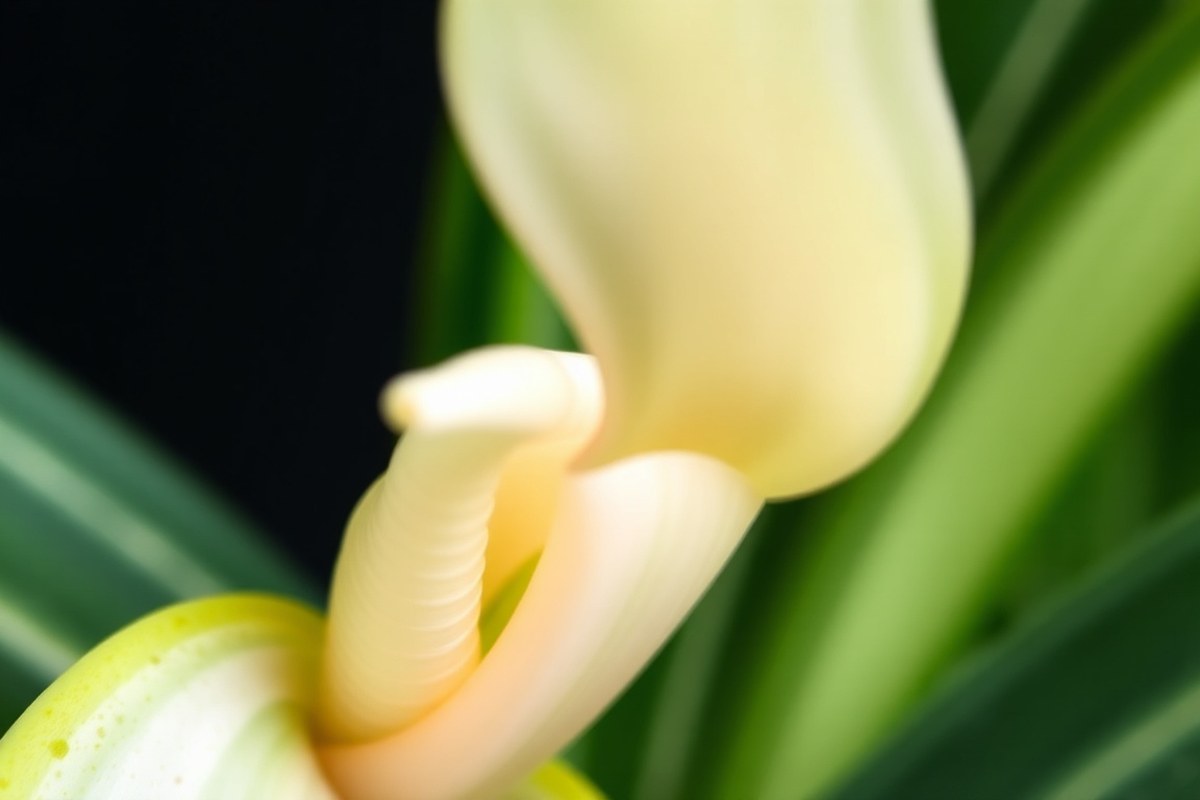
The ZZ plant has a flower that differs from its shiny leaves. It shows a white or pale spadix like a peace lily. This spadix holds tiny flowers and is wrapped by a spathe that acts like a sheath.
The flower stalk grows straight up. It can be 6 to 12 inches tall. Size and health of the plant decide its height.
The flower head gets heavier over time. This makes the stalk bend down slowly.
The bend happens about 2 to 3 inches from the top.6 cm) long. This bending helps show the bloom clearly against the smooth leaves.
The flowering period is short. The ZZ plant usually blooms in midsummer. The flowers last only about 48 hours.
Some sources suggest flowers might linger a bit longer, up to several weeks. But this depends on how healthy the plant stays during blooming.
Healthy, stable plants may hold their blooms longer. Stressed plants will drop flowers quickly.
You can spot mature flower stalks because they stand out among leaf stems but lack leaflets. Young buds first look like small leaves. They become hard as they grow.
Then they form the spadix shape. It’s important to watch for these stalks early. So you don’t mistake them for new leaves or remove them accidentally.
Don’t remove the flower stalk too soon. Wait until it dries naturally to avoid stressing the plant.
To spot a flower stalk, look for a single stem. It rises fast from the base. It does not have leaf veins.
The bloom’s white spathe looks like a curved, glossy leaf hugging the spadix. You’ll notice the flower stalk has no leaflets, confirming it’s different from regular leaf stems.
When and How Long Does a ZZ Plant Take to Flower?
ZZ plants typically take about 5 to 6 years to reach flowering maturity. Younger plants rarely bloom until they’re at least 3 years old. Their roots and stems need more time to grow fully.
Most ZZ plants indoors don’t flower often. They get less light and grow slowly.
The usual blooming season for ZZ plants falls between mid-summer and early autumn. Blooms appear as small, chubby flowers near the leaf bases, lasting about 48 hours.
The flowers show soft colors like yellow and creamy white. You may also see bronze or pale green shades.
ZZ plants do not flower every year. They tend to bloom occasionally, sometimes every few years if conditions are favorable. Keep steady growth by giving proper light and watering.
Use low-nitrogen fertilizer to boost blooming chances. But many indoor plants never flower at all.
How to Encourage Your ZZ Plant to Bloom Indoors
Encouraging your ZZ plant to bloom indoors takes a few key steps. Provide bright, indirect light, water carefully, and fertilize with a balanced product. Keep temperature and humidity stable to support overall health and blooming potential.
Providing Optimal Lighting Conditions
Bright, indirect light is best for ZZ plants to bloom. Too little light slows growth and lowers the chance of flowers.
Too much direct sun can burn the leaves and stress the plant. Your space is dim. Use a grow light for 8 to 12 hours daily.
- Place the plant near an east or north-facing window.
- Use sheer curtains to diffuse strong sunlight.
- Supplement with full-spectrum grow lights if natural light is limited.
- Aim for 8 to 12 hours of light daily for flowering.
Consistent light exposure helps the plant reach maturity and supports blooming. Changes in light levels can delay flowering or cause leaf drop.
Managing Watering and Soil Moisture
Water your ZZ plant only when the top 1 to 2 inches of soil feel dry. Overwatering is a common mistake that harms flowering chances.
ZZ plants store water in their tubers, so they tolerate drought well. They need just enough soil moisture to stay healthy.
It helps alert the plant to stress. This happens before producing flowers.
- Water every 2 to 3 weeks under normal indoor conditions.
- Use a moisture meter to avoid overwatering.
- Ensure your pot has drainage holes to prevent standing water.
- Avoid letting the plant sit in excess water, which can rot roots.
Too much water drains energy away from blooms. Slight moisture stress can sometimes encourage flowering but avoid extremes.
Using Fertilizer for Flower Encouragement
Fertilize during the growing season with a balanced, water-soluble fertilizer. This helps ZZ plants get extra nutrients needed for blooming.
Feed every 6 to 8 weeks from spring until early fall. Avoid fertilizing in winter, when the plant rests and doesn’t need much nutrition.
- Choose a balanced fertilizer labeled for houseplants, like 10-10-10 or 20-20-20.
- Dilute fertilizer to half strength to avoid burning roots.
- Stop fertilizing by late fall to prepare for dormancy.
- Use a fertilizer with micronutrients like magnesium and iron.
Regular feeding supports healthy growth and helps your ZZ plant save energy for flowering. Lack of nutrients can stall flower development or cause weak blooms.
Maintaining Ideal Temperature and Humidity
Keep your ZZ plant in temperatures between 65°F and 75°F to support blooming. Avoid sudden temperature drops and drafts that stress the plant.
Humidity levels should stay between 40% and 60%. Too dry air can slow growth, while high humidity may invite pests or mold.
- Place plants away from heaters, air conditioners, and drafty windows.
- Use a room humidifier to increase humidity if air is dry.
- Monitor temperature consistently with a digital thermometer.
- Adjust conditions gradually to prevent shock to the plant.
Stable temperature and humidity help the ZZ plant stay healthy and ready to bloom. Stress from poor conditions delays or prevents flowering.
Preventing Stress and Pest Problems
Avoid overhandling and sudden changes to prevent stress that can block blooming. ZZ plants need consistent care to focus energy on flowers.
Check regularly for pests like spider mites and scale, which weaken plants and stop flowering. Treat infestations early to protect your plant.
- Inspect leaves weekly for pests and damage.
- Keep leaves clean and dust-free to improve health.
- Quarantine new plants before introducing them near your ZZ.
- Use insecticidal soap or neem oil if pests appear.
Healthy, unstressed plants have the best chance to bloom over time. Protect the plant from harm and maintain steady care routines.
Common Reasons Your ZZ Plant Isn’t Flowering
Your ZZ plant may not bloom because it’s too young. ZZs often take several years before they flower.
Along with age, low light indoors is a big reason they don’t bloom. Aim for about 8 hours of bright, indirect light daily to help encourage blooms.
Overwatering is another common mistake. ZZ plants like their soil to dry out a bit between waterings.
Constantly wet soil can cause root rot, which stresses the plant and stops flowering. Using well-draining soil and pots with drainage holes prevents water buildup.
Cold stress can also affect blooming. Most ZZ plants do poorly if temperatures drop below 45℉.
Air conditioning, not just winter drafts, can expose the plant to cold shock indoors. Keep it away from AC vents and chilly windows.
- Check plant age: blooms usually need 2-3 years to appear
- Provide bright indirect light for 8 hours daily
- Water only when the top 1-2 inches of soil are dry
- Use well-draining soil and pots with drainage holes
- Avoid over-fertilizing; feed lightly once every 2-3 months
- Keep room temperature above 45℉ and away from AC vents
- Inspect for pests like mealybugs or scale and treat promptly
Pests and diseases can stress your ZZ plant, making it less likely to flower. Mealybugs, scale insects, and aphids sometimes infest ZZ plants. They slow growth and weaken the plant.
Keep airflow steady and look for sticky residues or white fuzz on leaves. Treat early with insecticidal soap or wipe pests off with a damp cloth.
Watch for overwatering signs like yellowing leaves; dry soil helps blooms. Avoid cold drafts, especially from air conditioning units, to keep your plant healthy.
What Care Does a ZZ Plant Need During Blooming?
During bloom, your ZZ plant needs steady care. Make small changes in watering, pruning, feeding, and light. Keep a close eye on your plant’s needs.
These small changes help the flowers last longer and keep your plant healthy. Follow simple steps to support your plant through its flowering stage.
Watering Adjustments for Blooming Plants
Keep watering consistent but reduce frequency slightly when the plant starts flowering. ZZ plants like the soil to dry out between watering. Too much water can cause root problems and harm the flowers.
Check soil moisture by poking your finger about an inch deep. Water only if it feels dry. This helps avoid overwatering during bloom.
- Water every 2 to 3 weeks during bloom, depending on humidity
- Use room temperature water to avoid shocking roots
- Always drain excess water from the pot saucer
- Keep soil evenly moist but not soggy
- Avoid watering directly on leaves or flowers
Adjust these steps slightly based on the season and your home’s humidity. Drier air means you might water a bit more often.
Proper Pruning of Flower Stalks
Wait until flower stalks wither or die before pruning. Removing spent blooms prevents the plant from wasting energy. Use clean, sharp scissors or pruning shears for cutting.
Cut the stalk down to the base near the soil. This helps the plant redirect energy toward growth and future blooms.
- Prune only dead or dried flower stalks, not healthy ones
- Disinfect pruning tools with rubbing alcohol to avoid infection
- Wear gloves to protect your hands from sap irritation
Be careful not to prune green stems or healthy leaves, which can stress the plant. Regularly remove yellow or damaged leaves too.
Maintaining Light and Humidity Levels
Bright, indirect light supports blooming and overall plant health. Avoid direct sunlight, which can scorch leaves and flowers. Move the ZZ plant to a spot with steady, filtered light.
Keeping humidity around 40% or higher helps the flowers stay fresh longer. Use a humidifier or place a tray of water nearby.
- Choose a north- or east-facing window for indirect sunlight
- Use sheer curtains to soften strong sunlight
- Keep room temperature steady around 65 to 75°F
- Group plants to boost humidity naturally
- Spray leaves with water occasionally without saturating flowers
Sudden light or temperature changes can harm blooming. Keep the environment stable for best results.
Feeding During and After Bloom
Feed your ZZ plant with a balanced liquid fertilizer once a month while it flowers. Use a diluted 20-20-20 fertilizer for steady nutrient supply. Avoid overfeeding, which can cause leaf burn and stress.
Hold off on feeding after flowers drop until you see new growth. This rest period helps the plant recover and build energy for the next bloom.
- Dilute fertilizer to half the recommended strength
- Feed at the same time you water, about once a month
- Stop fertilizing in late fall and winter if the plant is less active
Keep watching your plant’s response to adjust feeding as needed. Healthy leaves and steady growth signal good feeding habits.
Differences Between Outdoor and Indoor ZZ Plant Flowering
ZZ plants grown outdoors generally have a better chance of flowering than indoor ones. Outdoors, they get brighter light and warmer temperatures, which encourage blooms. Indoor ZZ plants do well in shade.
They rarely flower inside. This happens because of low light and cooler indoor temps.
Outdoor ZZ plants enjoy temperatures above 60°F, aiding growth and flowering. When temps drop under 60°F, they need to move indoors to avoid damage.
Bright, indirect sunlight outdoors boosts flower frequency. Indoor spots often lack enough light for blooms.
| Condition | Outdoor ZZ Plants | Indoor ZZ Plants |
|---|---|---|
| Light Exposure | Bright, indirect to partial sun | Low to moderate indoor light |
| Temperature Range | Above 60°F, moderate humidity | Usually 65, 75°F, less humidity |
| Bloom Frequency | Occasional but higher chance | Very rare to almost none |
| Flower Size | Small, but more noticeable | Tiny and often hidden by leaves |
| Flower Lifespan | Few days to a week | Short, often only a day or two |
Keeping outdoor ZZ plants in soils rich in nutrients also helps blooms appear. Indoors, use high-quality potting mix and place the plant where it catches bright, indirect light. Less light indoors means fewer flowers, even if the plant thrives otherwise.
ZZ plants grow slowly. They take years to mature enough to flower. This applies both indoors and outdoors.
Even then, flowering remains a rare event. You might never see flowers indoors. But outdoor plants have a better shot when conditions are right.
When to Repot or Propagate for Better Flowering
Repotting or propagating your ZZ plant can refresh it and boost its chances of flowering. Older, healthy plants tend to bloom more often. Changing soil or dividing roots helps cut down stress or crowding that slows flowers.
Signs Your ZZ Plant Needs Repotting
Look for roots growing out of drainage holes or circling the pot’s edge. A root-bound plant often has slower growth and wrinkled, smaller leaves. Yellowing leaves mean your plant needs a new pot.
Soil drying fast is another sign. These both show it’s time for repotting.
Repotting every 2-3 years is usually enough to keep your ZZ plant healthy. Over-repotting can stress the plant and reduce flowering chances. Slightly root-bound conditions sometimes encourage blooms, so don’t rush to upgrade the pot.
Repotting Step-by-Step Guide
Start with fresh, well-draining soil to prevent root rot. Choose a pot one size larger and has drainage holes. Carefully slide the ZZ plant out of its old pot to avoid breaking stems.
Gently loosen the roots and trim any dead parts. Put the plant in the new pot carefully. Surround the roots with soil.
Press the soil gently, not too tight. Water lightly after repotting, then keep the plant in bright indirect light for recovery.
- Use cactus or succulent potting mix
- Pick a pot about 2 inches larger in diameter
- Remove dead or rotted roots carefully
- Water lightly after repotting, avoid soaking soil
- Keep away from direct sun until the plant settles
Wait at least a month before fertilizing after repotting to avoid burning roots.
Propagation Methods to Encourage Blooming
Propagating divides the original plant, giving younger parts a fresh start to flower. Division is best done during repotting by splitting the root and rhizome clusters. Each division gets a new pot with fresh soil.
You can also propagate ZZ plants using leaf or stem cuttings. These parts can form roots on their own but take longer to grow into mature plants. Proper watering and light help these young plants thrive and bloom eventually.
Age Thresholds for Flowering and Propagation Tips
Older ZZ plants, usually 3 to 5 years or more, have better chances to flower. Young plants often focus on growing leaves and roots rather than flowers. Propagate to clone your best blooms or create new plants with flowering potential.
Propagation also refreshes the plant’s growth cycle. Plants from divisions flower faster than those from cuttings. They keep mature roots.
This helps them bloom sooner. Give new plants bright indirect light and steady warmth around 65-75°F for healthy growth.
Step-by-Step Action Plan to Help Your ZZ Plant Bloom
Follow these steps to encourage your ZZ plant to produce flowers indoors. Watch for signs of growth and changes in leaf condition as you go.
- Before you start: Move your ZZ plant to bright, indirect light to boost energy for blooming.
- Week 1: Check the soil moisture and water only when the top 1-2 inches feel dry. Overwatering can stop blooming.
- Week 2: Use a balanced liquid fertilizer once a month. Dilute it to half the strength on the package. This helps the plant get enough nutrients.
- Month 2: Keep the room temperature steady between 65°F and 75°F. Avoid cold drafts and sudden temperature swings.
- Month 3: Raise humidity near the plant using a tray of water and pebbles. Another way is placing a small humidifier nearby. This keeps the air moist for the plant.
- Every 6-12 months: Repot your ZZ plant if roots are crowded or soil drains poorly. Fresh soil supports healthy growth and flowering.
- Ongoing: Cut off dead or yellow leaves quickly. This helps the plant stay healthy. Focus energy on new growth instead.
Frequently Asked Questions
Why Do ZZ Plants Rarely Flower Indoors?
ZZ plants rarely flower indoors because they lack enough direct light. Indoor conditions usually don’t meet their higher energy needs for blooming.
Can I Make a ZZ Plant Flower Faster?
You can help ZZ plants flower faster by giving them bright indirect light. Keeping humidity moderate and avoiding overwatering also supports blooming.
Do ZZ Plant Flowers Have a Scent?
ZZ plant flowers generally do not have a noticeable scent. Their small spadix flowers focus more on appearance than fragrance.
Is Soil Type Important for ZZ Plant Flowering?
Soil type affects drainage which influences plant health and flowering. Use loose, well-draining soil to avoid root rot and support blooms.
Does Fertilizing ZZ Plants Encourage Flowering?
Fertilizing during the growing season can boost ZZ plant energy for flowering. Use a balanced, diluted fertilizer about once a month in spring and summer.
Can Stressed ZZ Plants Produce Flowers?
Stressed plants usually won’t flower well, including ZZ plants. Healthy, stable growth is key to encouraging blooms.
Key Points to Remember
ZZ plants do flower, but it can take patience and the right care. You can help yours bloom by giving it steady light, careful watering, and good nutrients. Start adjusting care now to see those stiff, waxy flowers in time.