How Much Does Mulch Cost per Yard? A Complete Cost Guide & Calculator
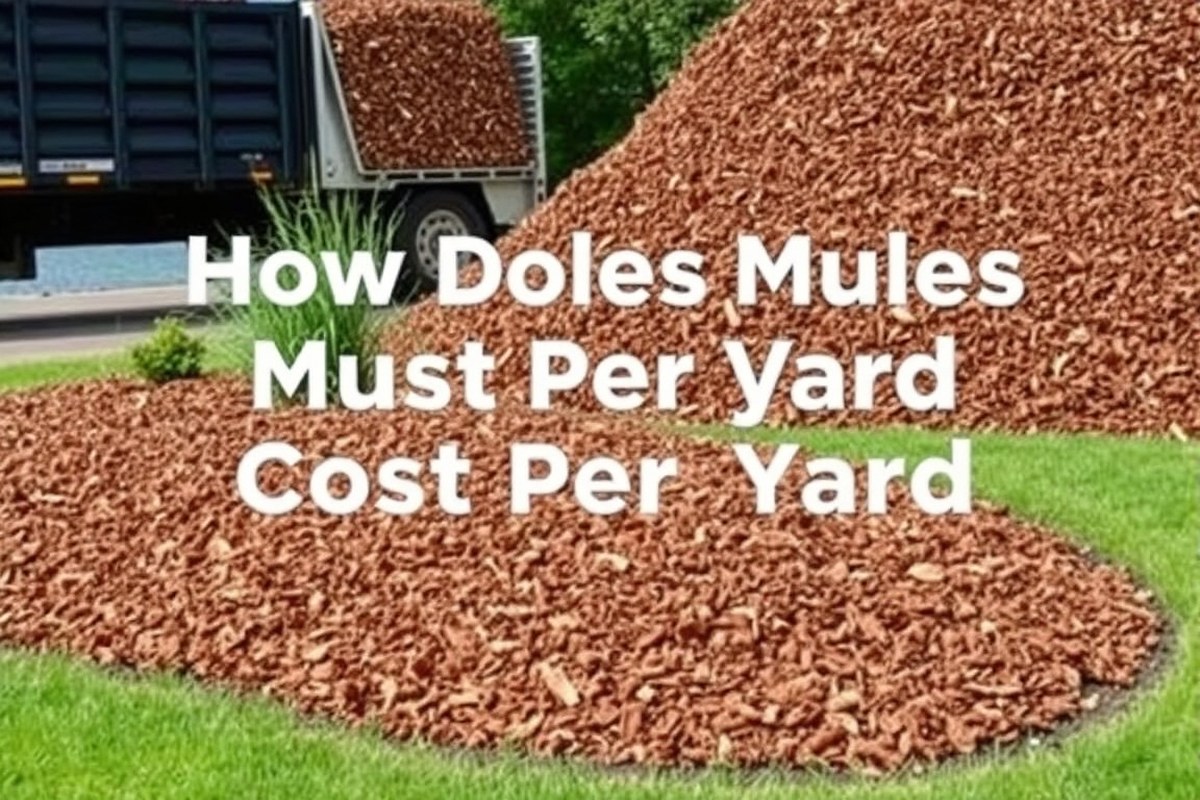
Mulch costs about $75 per cubic yard on average. Prices range from $30 to $150 depending on the mulch type.
Buying bulk mulch saves money compared to bagged mulch. Bulk is best for large gardening projects and provides better coverage.
Cheaper mulches, like undyed pine, cost around $30 per yard. Premium types, such as cedar, can top $100 per yard.
Delivery and installation usually add $40 to $60 per yard. Include these extra costs in your budget to avoid surprises.
Getting mulch in bulk often saves about 35% compared to buying bags. Measuring your garden space carefully helps you avoid buying too little or too much. Small delivery fees may apply depending on your location and the season.
Keep in mind that prices can also vary based on mulch quality and local availability. Some suppliers offer discounts for larger orders, so ask about that. Planning your project well will make your mulch purchase more cost-effective.
Key Takeaways
- Bulk mulch costs $30 to $39 per cubic yard, cheaper than bagged mulch.
- Dyed red or black mulch usually runs about $40 per yard.
- Playground mulch costs $50 to $60 per yard due to safety processing.
- Cedar mulch can cost $100 per yard because it’s more bug resistant.
- West Coast prices for cedar mulch are lower, around $38, $60 per yard.
- Installation and delivery add $40 to $60 per cubic yard on average.
How Much Does Mulch Cost per Yard on Average?
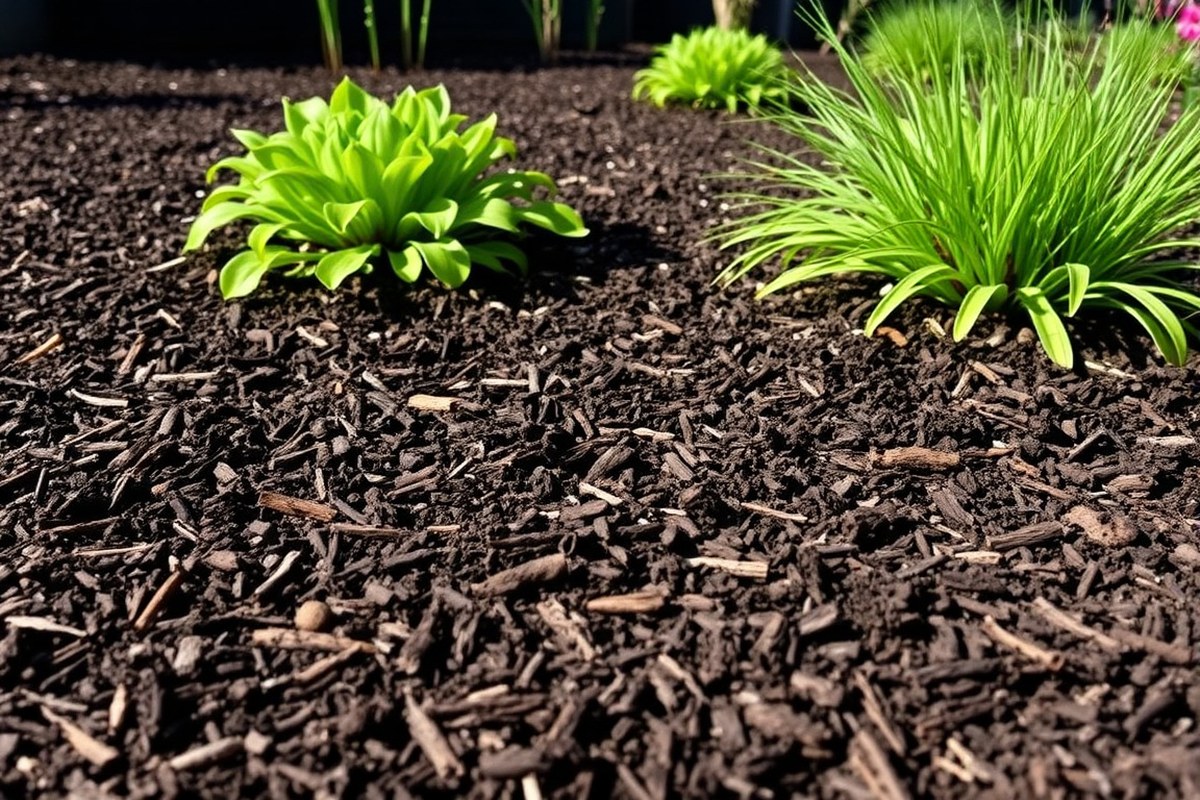
Mulch usually costs between $30 and $150 per cubic yard. The national average hovers around $75. Expect the price to vary depending on the mulch type and quality you choose.
Basic wood chips or pine bark mulch usually cost $30 to $50 per yard. These types of mulch are on the lower end of prices. They work well for simple gardening needs.
More decorative mulch types like cedar or cypress cost more. Rubber mulch also tends to be pricier.
These mulches can reach $100 or more per yard. These pricier options usually last longer or have extra benefits like pest resistance.
Quality and source affect price, too. Bulk mulch bought directly from a landscape supplier often runs $30 to $55 per cubic yard. Buying bagged mulch in stores can cost 35% more.
Delivery and installation add extra costs to your mulch purchase. This can raise the price to $70 to $150 per yard. You should budget for these services if needed.
Keep in mind, regional differences can impact prices. Prices in big cities or places with high labor costs can be higher. They often approach $100 or more per yard for mulch.
Keep location in mind when budgeting. Rural or less expensive regions often get bulk mulch closer to $30 to $40. Local supply availability also plays a role.
When budgeting, consider how much mulch you’ll need. One cubic yard covers about 100 square feet at a 3-inch depth.
Buying in bulk usually saves money, especially for bigger projects. Bagged mulch can be easier to handle but adds cost overall.
Cost Comparison by Mulch Type and Material
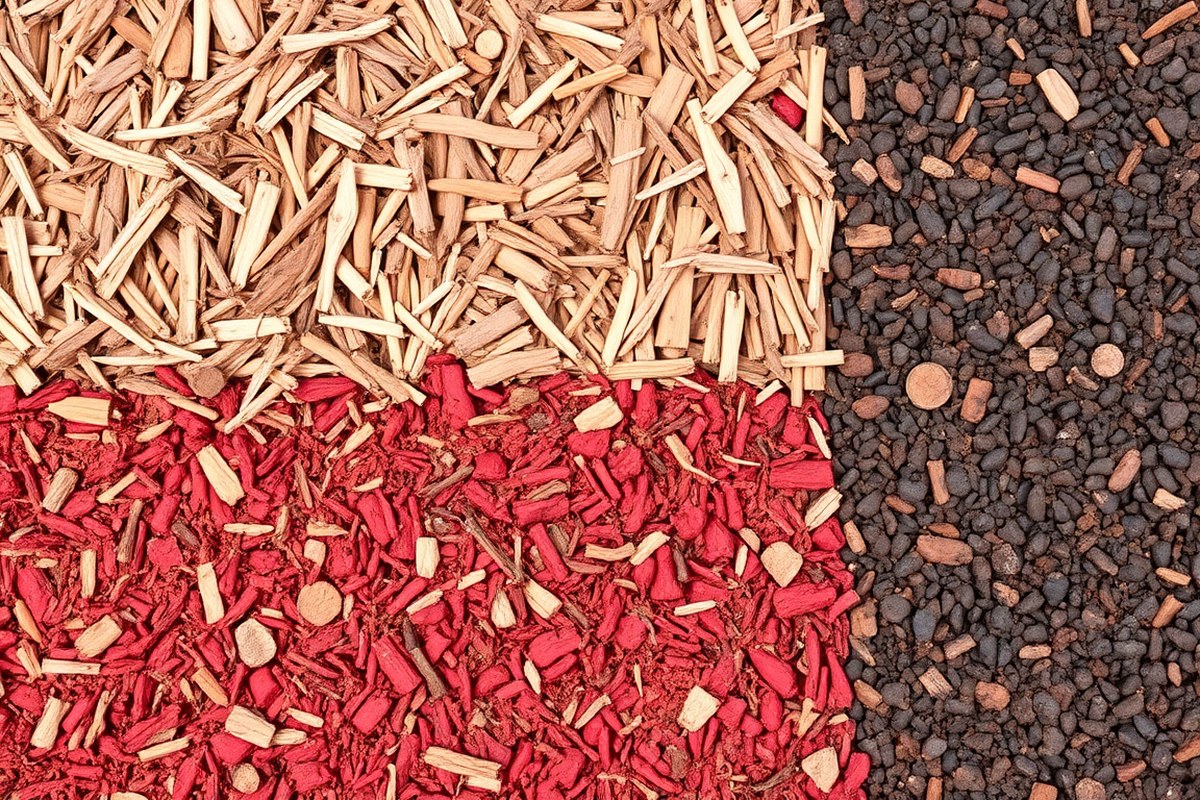
Mulch prices vary a lot depending on the material you pick. Hardwood mulch is usually the cheapest choice. It works well for general landscaping.
Prices range from $30 to $50 per cubic yard. Rubber mulch costs the most, about $80 to $160.
It is popular for playgrounds. It lasts more than 10 years and doesn’t break down.
Dyed mulches like black, red, or brown cost more. They are about 20 to 40 percent pricier than natural hardwood mulch. You’ll pay $35 to $60 per cubic yard for dyed mulch.
Its color lasts for one or two seasons. Cedar and cypress mulch cost between $45 and $80 per cubic yard. They resist insects and decay slower than others.
| Mulch Type | Cost Per Cubic Yard | Notes |
|---|---|---|
| Hardwood Mulch | $30 – $50 | Basic, ages gray-brown in 1-2 years |
| Dyed Mulch (Black, Brown, Red) | $35 – $60 | Holds color 1-2 seasons, 20-40% more |
| Cedar Mulch | $45 – $75 | Aromatic, insect-resistant, lasts 2-3 years |
| Cypress Mulch | $45 – $80 | Slow decay, resists matting |
| Rubber Mulch | $80 – $160 | Lasts 10+ years, common for playgrounds |
| Pine Straw | $5 – $10 (per bale) | Covers 35-50 sq ft per bale, Southeast use |
You pay extra for dyed mulch because of the coloring process. Usually, it only lasts for one or two seasons. Cedar mulch’s higher price reflects its natural pest resistance and aroma.
Rubber mulch costs more upfront. But it saves money because you replace it less often.
Think about your project’s purpose and your budget. Cheap hardwood mulch might need topping up every year.
Want a long-lasting bed with fewer bugs? Choose cedar or rubber mulch and be ready to pay more.
Make sure mulch color is safe and fade-resistant to avoid surprise redoing. Rubber mulch isn’t for edible gardens due to chemical concerns.
Bulk Mulch vs. Bagged Mulch: Which Costs Less?
Cost per Yard Equivalent for Bagged Mulch
Bagged mulch usually costs between $3 and $7 for a 2-cubic-foot bag. It takes about 13.5 bags to equal one cubic yard of mulch. That means the price per yard comes to roughly $40 to $95 when you buy bags.
Paying per bag adds up quickly on big projects. The bags come sealed, so the quality is consistent. However, handling many small bags takes more time and effort than using bulk mulch.
Price Breakdowns for Bulk Purchases
Landscape suppliers usually charge $25 to $55 per cubic yard for bulk mulch. This is 15 to 35 percent cheaper than buying the same amount in bags. Dyed or premium bulk mulch can cost as much as $75 per cubic yard.
Most bulk mulch sellers ask for a minimum order of 1 to 2 cubic yards. Delivery fees range from $50 to $140, depending on distance and quantity. Bulk mulch quality can vary more than bagged mulch.
It’s exposed to the elements and comes from many suppliers. This may affect its texture and color.
When Bulk Mulch Makes Sense
Bulk mulch is cheaper if you need more than 3 cubic yards for your project. Savings can reach $60 to $130 compared to buying the same amount in bags. This makes bulk a better choice for yards or garden beds larger than 50 square feet.
Storage can be tricky with bulk mulch since it isn’t sealed. You need to use it quickly or cover it to keep it fresh. Bagged mulch works best for small jobs under 50 square feet.
It’s easy to carry and store in your car or garage. This makes it handy for quick garden patches or flower pots.
Say your flower beds need 5 cubic yards of mulch. Buying bulk mulch might save you at least $60 compared to bags. This can add up on bigger projects.
You can pay around $150 for bulk. Bags may cost over $200 for the same volume, even with delivery costs included.
How to Calculate Mulch Needed for Your Project
To figure out how much mulch you need, measure your garden bed’s length and width. Then pick the depth of mulch you want, usually 2 to 3 inches. Use this simple formula to find cubic yards of mulch needed.
Multiply length, width, and depth in inches. Then divide the total by 324 to get cubic yards.
Measuring Area and Depth
Start by measuring the length and width of your planting area in feet. Multiply these two numbers to get square feet. For irregular shapes, break the area into rectangles and add the square feet of each.
Choose your mulch depth based on plant needs; 3 inches is a common choice. This depth keeps soil moist and blocks weeds but avoids suffocating your plants. Remember, thicker layers mean more mulch needed.
Calculating Cubic Yards Required
Use the formula: (length × width × depth in inches) divided by 324 gives cubic yards. For example, a bed 10 feet by 15 feet and 3 inches deep. Multiply 10 times 15 times 3, then divide by 324.
The answer is 1 cubic yard.39 cubic yards. Round up slightly to have enough for even coverage.
One cubic yard covers about 108 square feet at 3 inches. It covers 162 square feet at 2 inches deep. For shallower layers, multiply area by 2 instead of 3.
Tips to Avoid over or Underbuying
Adding a small extra amount helps cover spots where mulch settles or thins out. Don’t buy extra mulch or it can pile up too high. Too much mulch might harm plants or attract pests.
Buy only the right amount for your space. Mulch thicker than 4 inches rarely helps and can harm roots.
The ‘3-3-3 rule’ means mulch 3 inches deep. Keep mulch 3 feet away from tree trunks. Replace the mulch every 3 years.
It helps maintain healthy mulch layers and prevents problems like rot. Also, mark out your mulch beds before buying to check your measurements.
Delivery and Installation Cost Factors for Mulch
Mulch delivery usually costs between $50 and $140 per job, depending on load size and distance. Professional installation adds about $25 to $55 per cubic yard for spreading and cleanup. Labor complexity and site conditions can push total costs higher by requiring more time and effort.
Standard Delivery Fees and Conditions
Delivery fees vary widely, often from $50 to $140 per trip. Distance from the supplier to your home plays a big role in determining the cost. Larger orders typically lower the delivery fee per yard because the cost spreads over more mulch.
Some suppliers include delivery in the mulch price if you buy above a minimum amount. You may pay a flat fee or a charge per yard. The price goes up if your site is hard to reach.
This fee covers extra effort needed for tough access. Narrow lanes, steep slopes, or long walks add cost.
These conditions need more handling of the mulch. The extra work raises your total price.
Labor Costs for Professional Spreading
Labor for installing mulch runs from $25 to $55 per cubic yard on average. This covers spreading, raking, edging, and some basic cleanup after the job. Complex yards with many plants take more time to work on.
Obstacles make landscapers spend extra time. This increases the hourly labor cost you pay.
Expect a higher total if the soil needs prep work. Removing weeds before spreading mulch adds to the job. This raises the overall cost you face.
Steep hills or irregular bed shapes make work harder. They add difficulty and raise labor charges.
Sometimes, these factors double your cost per yard. Clear communication about your yard conditions helps get an accurate estimate.
Comparing DIY vs Hiring Pros
Doing your own mulch spreading can save $25 to $60 per cubic yard in labor costs. You spend more time and physical effort, especially moving mulch from truck to bed. For small or medium yards, it’s often doable with basic tools and a wheelbarrow.
Hiring professionals trades your time for convenience and consistent results. Pros bring equipment and experience to spread mulch evenly and finish faster. Their cost ranges from $70 to $150 per cubic yard.
This price includes materials, delivery, and labor. It fits larger or tricky projects better.
Make sure mulch delivery includes placement near beds if you plan to DIY. Otherwise, you’ll face hefty hauling work yourself.
Regional Price Differences and Seasonal Trends
Mulch prices change a lot depending on where you live. On the West Coast, cedar mulch costs about $38 to $60 per cubic yard. That’s because cedar trees grow locally there.
So shipping costs stay low. Other areas might pay 10% to 25% more or less.
That depends mostly on how far the mulch has to be shipped. Shipping farther raises the price.
The type of mulch affects prices too. Cypress mulch can cost around $110 per yard, which is on the high end. Red-dyed wood chips usually cost about $35 per yard, offering a cheaper look.
Rubber mulch is expensive at first, but it lasts 10 to 15 years. That long life can save you money in busy garden spots. You won’t need to replace it as often.
Season plays a big role in mulch prices because demand changes. Prices rise 10% to 20% in April and May. This happens when people prepare yards for Memorial Day.
Demand goes up in those months. Early spring and late fall tend to have lower prices because fewer people buy mulch then.
Shop right after the spring rush or in fall for the cheapest mulch. Prices drop when demand is low. Look for sales then.
Buying in winter, if your area allows it, can also save money. The longer you wait after the main gardening season, the better your chances of discounts.
Local suppliers often mark down prices. Timing matters for savings.
Knowing when to buy and what type fits your climate can cut costs. In cooler areas, organic bark mulches break down more slowly. This means they last longer.
So you don’t need to replace them as often. That saves you money over a few years even if the upfront cost is higher.
Here’s a rough example of regional mulch prices per yard:
| Region | Typical Mulch Type | Price Range Per Cubic Yard |
|---|---|---|
| West Coast (CA, WA, OR) | Cedar mulch | $38, $60 |
| Southern States | Cypress mulch | Up to $110 |
| Midwest and East Coast | Red-dyed chips | About $35 |
When deciding, watch your local garden center flyers. They often mark down mulch after Memorial Day or before winter. Timing your purchase can save you 15% to 25% off spring prices.
You can still get good quality mulch this way. It pays to shop smart.
Top Mulching Mistakes and How They Affect Cost
Buying too much mulch wastes money fast. A common mistake is ordering more than needed by not measuring the beds correctly.
For example, a bed needing 2 cubic yards gets 3 yards. This adds $30 to $75 in extra material cost alone.
Spreading mulch too thick or too thin also hikes costs. Mulch should sit about 2 to 3 inches deep to protect plants and hold moisture. Going beyond 4 inches can smother roots.
It causes rot, which leads to plant loss. This adds extra replanting costs.
On the other hand, layering mulch thinner than 2 inches doesn’t suppress weeds well. You may pay more later for weed control.
Or you might need to add more mulch sooner. This can double your expense over a few seasons.
How you spread mulch affects labor costs. Using rakes and shovels slows work, costing $55 to $95 per hour if hiring pros. Blowing mulch onto beds costs less labor, about $35 to $60 per cubic yard.
For tricky areas with slopes or narrow gates, get help. A pro can save effort and prevent errors. Errors waste mulch.
Here’s a quick checklist to avoid mistakes. Measure beds in feet, multiply length by width. Then divide by 27 to get cubic yards.
Order bulk mulch for jobs over 2 yards to save on price. Add mulch in 2-inch layers and spread evenly, avoiding piles that waste material.
Keep the layer consistent by checking with a ruler as you go. You already have some mulch.
Top it off instead of stripping it out. This saves you both material and labor costs by reusing what’s already there.
Using free mulch from shredded leaves or tree trimmings is a smart way to cut costs. It breaks down nicely and feeds soil nutrients. This replaces some need to buy wood chip mulch every season.
Fixing mulch errors quickly matters. Raking out too thick piles can reduce instant damage and save plants from rot.
Spot-weeding thin mulch areas early stops costly weed growth. Acting within a week or two of spreading mulch gives you the best cost savings.
Choosing Between DIY and Professional Mulch Installation
You usually save money by spreading mulch yourself instead of hiring a pro. Professional mulch installation typically adds $30 to $60 per cubic yard just for labor.
Mulch costs $40 per yard. Your total will be $70 to $100 with pros.
DIY mulch spreading requires some basic tools and muscle power. You’ll need a wheelbarrow, a garden rake, and gloves at minimum. Mulch blowing machines make the job faster.
They often require rental fees. You also need some practice to use them well.
Spreading mulch by hand can take a few hours. This is true for small or medium beds. One person can do this work.
Large or irregular beds take longer and can tire you out. Mulching too thin or unevenly is a common mistake that reduces weed control and looks messy.
Choosing DIY or professional work depends on your project size and comfort. For beds under 300 square feet, DIY often makes the most sense. Larger areas can justify paying pros who finish faster and spread mulch evenly.
Pros also clean up debris and shape flower bed edges, improving the final look. Hiring a crew gets you a neat, polished garden quickly. For annual mulch top-ups, a quick DIY refresh is usually adequate and much cheaper.
Wear old clothes and work gloves when spreading mulch; it’s messy and itchy.
To decide, estimate your bed’s square footage and how much mulch it needs. A 3-inch layer is standard for first-time install. You can expect a full DIY job to take several hours for most home gardens.
Think about your available help and tools. Renting a mulch blower costs extra but saves hours for big jobs. In small projects, your own wheelbarrow and rake work fine and keep costs very low.
Step-by-Step Action Plan for Buying and Installing Mulch
Follow these steps to get the right mulch and avoid wasting money or effort. You’ll see your mulch look great and last longer.
- Before you start: Measure your garden or beds carefully to know how much mulch you’ll need. Use the length x width x desired depth formula to calculate cubic yards. Double-check your math for accuracy.
- Day 1: Pick a mulch type that matches your budget. Hardwood lasts longer and keeps color well. Pine mulch adds acidity to soil. Check prices at local suppliers and compare bulk versus bagged costs. Look for sales or seasonal discounts.
- Day 2: Choose bulk mulch if you have storage space. Bagged mulch is easier to handle and use. Think about what works best for you. Bulk is cheaper per yard but requires handling tools and possible delivery fees. Bagged is pricier but easier to carry.
- Day 3: Arrange delivery if buying bulk mulch. Confirm the supplier’s minimum order and delivery fees. Schedule delivery for when you can unload quickly to keep the mulch fresh.
- Day 4: Prepare your garden beds by clearing debris and leveling soil. Lay landscape fabric if you want a weed-free base. Use a ruler to check mulch thickness as you spread. Aim for 2 inches if you want light coverage. Use 3 inches for better weed control.
- Day 5: Spread the mulch evenly using a rake or gloved hands. Step back frequently to check for uniform coverage and thickness. Add more mulch in thin spots as needed.
- After 2 weeks: Inspect your mulch for signs of settling or washout from rain. Top off any areas that look thin. Watch for weeds to see if your mulch helps keep them down.
- Month 1: Water your mulched beds lightly to help mulch settle and improve soil moisture retention. Note if plants look healthier and soil stays moist longer than before.
Frequently Asked Questions
How Much Does Mulch Cost per Yard?
Mulch costs between $30 and $150 per cubic yard. The average price nationwide is about $75 per yard, depending on type and delivery options.
How Much Should I Pay for a Yard of Mulch?
You should expect to pay around $30 to $39 for a yard of bulk mulch. Choosing cheaper types like wood chips can save you money on the whole project.
Is It Cheaper to Buy Bags of Mulch or Bulk?
Buying mulch in bulk is usually 15-35% cheaper than bagged mulch. Bulk mulch costs about $25 to $55 per yard. Equivalent bagged mulch costs more.
What Is the 3-3-3 Rule for Mulch?
The 3-3-3 rule means mulch should be 3 inches deep. It should spread 3 feet wide. Keep it 3 feet away from tree trunks.
This rule protects trees and helps mulch work well. It stops mulch from hurting tree roots.
How Much Will 1 Yard of Mulch Cover?
One cubic yard of mulch covers roughly 100 square feet at 3 inches deep. This is enough for a medium-sized garden bed or several small bushes.
Can Mulch Go Bad If Stored Too Long?
Yes, mulch can decompose and lose nutrients if stored too long. Keep it covered and use bulk mulch quickly to avoid poor quality later.
Before You Go
Mulch costs vary by type, quantity, and buying method. But careful planning can save you money.
Measure well, pick the right mulch, and decide on delivery or DIY based on your needs. Start by calculating your mulch needs today and call a local supplier for prices.