How Much Is a Bag of Mulch – Complete Cost Guide with Tips & Comparisons
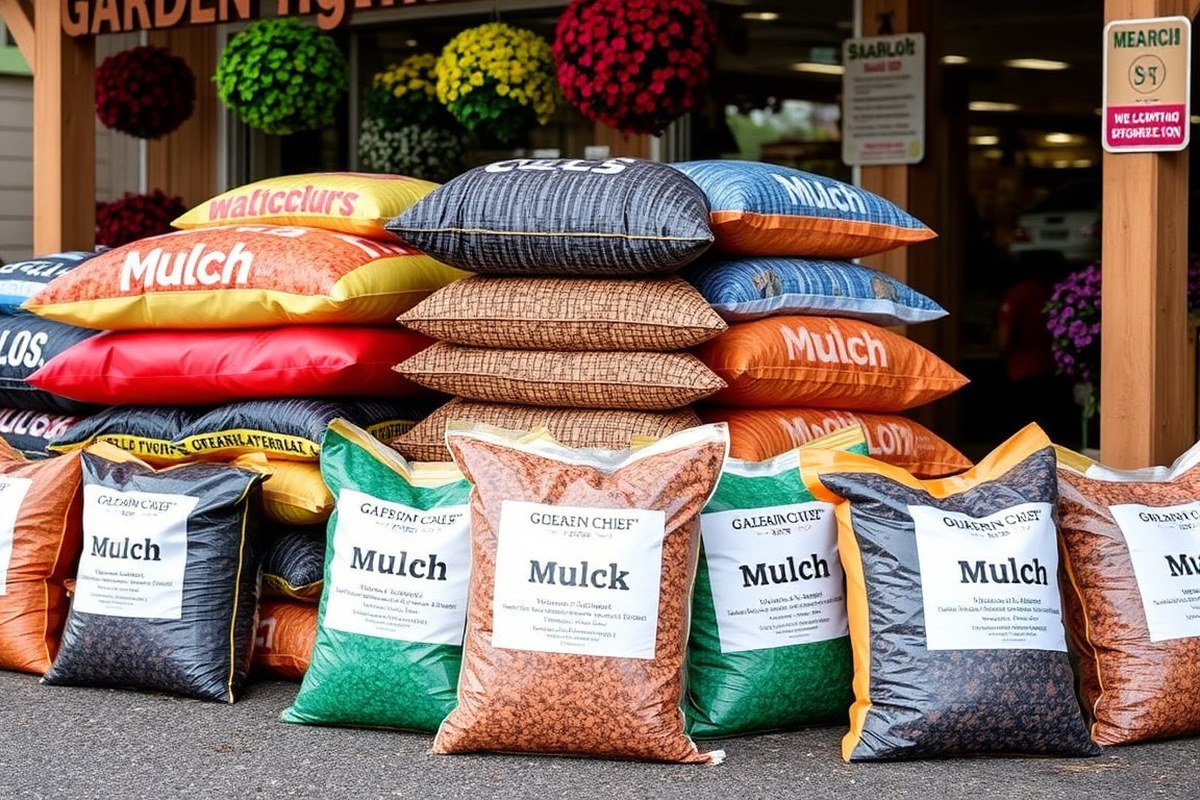
How much is a bag of mulch? It usually costs between $3.25 and $6.50. Dyed hardwood mulch often runs from $4 to $6 per 2-cubic-foot bag.
You’ll find this mulch type in many home centers. Premium options like cedar or cypress cost about $8 per bag.
Rubber mulch usually costs over $10 in smaller bags. Mulch price depends mostly on the type and quality you pick.
Coloring pigments add 50 cents to a dollar to each bag’s price. Also, a single bag can weigh around 20 pounds, so handling may matter.
Measure your garden area first to know how many bags to buy. Top-off mulching uses less material and costs less than full replacement. This approach saves money and helps keep your garden healthy.
Key Takeaways
- Standard 2-cubic-foot mulch bags usually cost between $3.25 and $6.50.
- Dyed hardwood mulch costs about $4 to $6 per bag at major stores.
- Premium cedar or cypress mulch can run up to $8 per bag.
- Rubber mulch often costs more than $10 for smaller 0.8-cubic-foot bags.
- Dye pigments add roughly 50 cents to $1 per bag to the mulch price.
- One bag typically weighs around 20 pounds, affecting handling and transport.
How Much Does a Bag of Mulch Typically Cost?
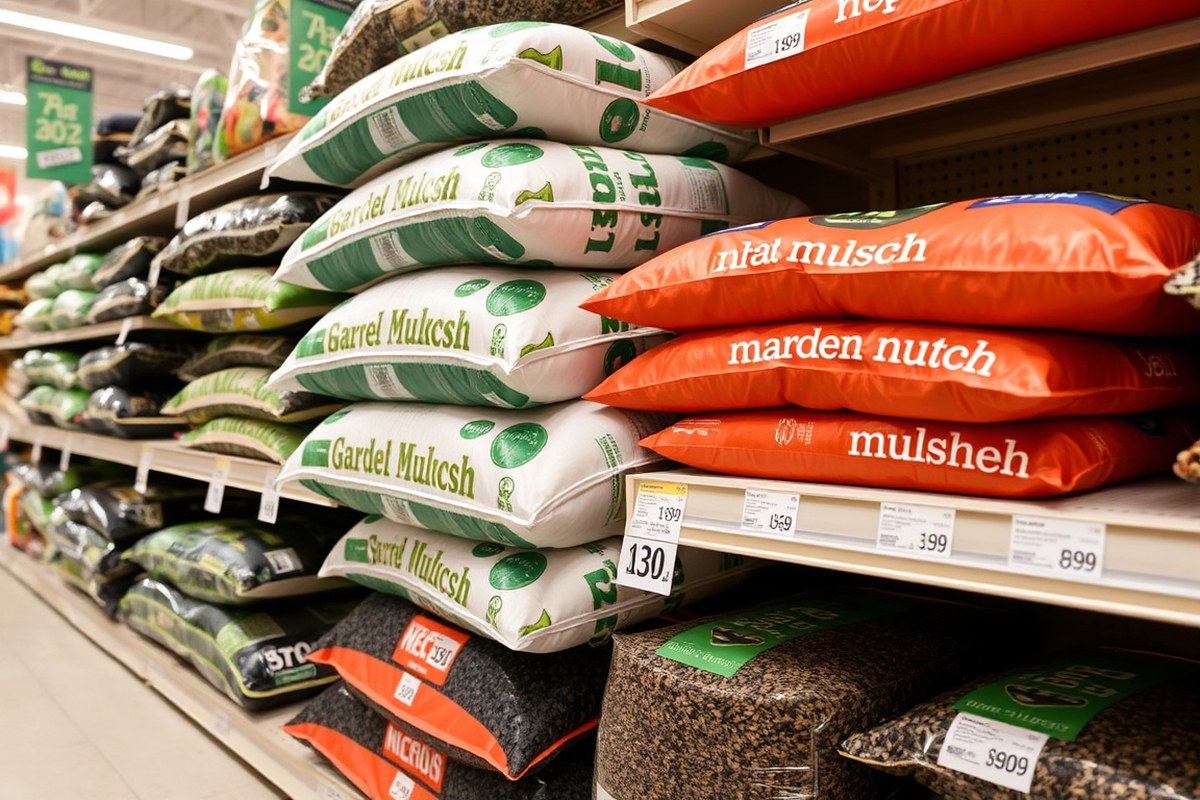
A standard bag of mulch usually costs between $3.25 and $6.50. Most bags contain about 2 cubic feet of mulch. This is the typical size you’ll find at home improvement stores.
Weights vary, but a typical bag weighs between 25 and 50 pounds. Lighter bags, like natural cedar, weigh closer to 25 pounds. Denser materials like dyed hardwood mulch often weigh 40 to 50 pounds per bag.
Mulch type and color influence price. Dyed hardwood mulch generally costs more, about $3.50 to $5.50 per bag.
Red or black dyed options add pigment costs that raise prices slightly. Natural cedar and cypress tend to cost more because they last longer and have specialty uses.
Organic mulches like cedar and pine are lighter and pricier. You’ll pay about $6 to $8.50 for a 2 cubic foot bag of cedar mulch. Inorganic or basic hardwood mulches fall on the lower end of the price range.
Higher-priced mulch often offers better aesthetics and durability. Cedar mulch repels pests and resists breaking down quickly.
Dyed mulch delivers rich, uniform colors but might fade after a year or two. Choosing the right type depends on your garden’s needs and your budget.
Bulk mulch prices differ significantly, costing $25 to $110 per cubic yard for materials alone. Bagged mulch works well for small projects, but it costs more per volume. Knowing the price per bag helps compare options and decide what fits your landscaping plans best.
How to Calculate How Many Bags You Need
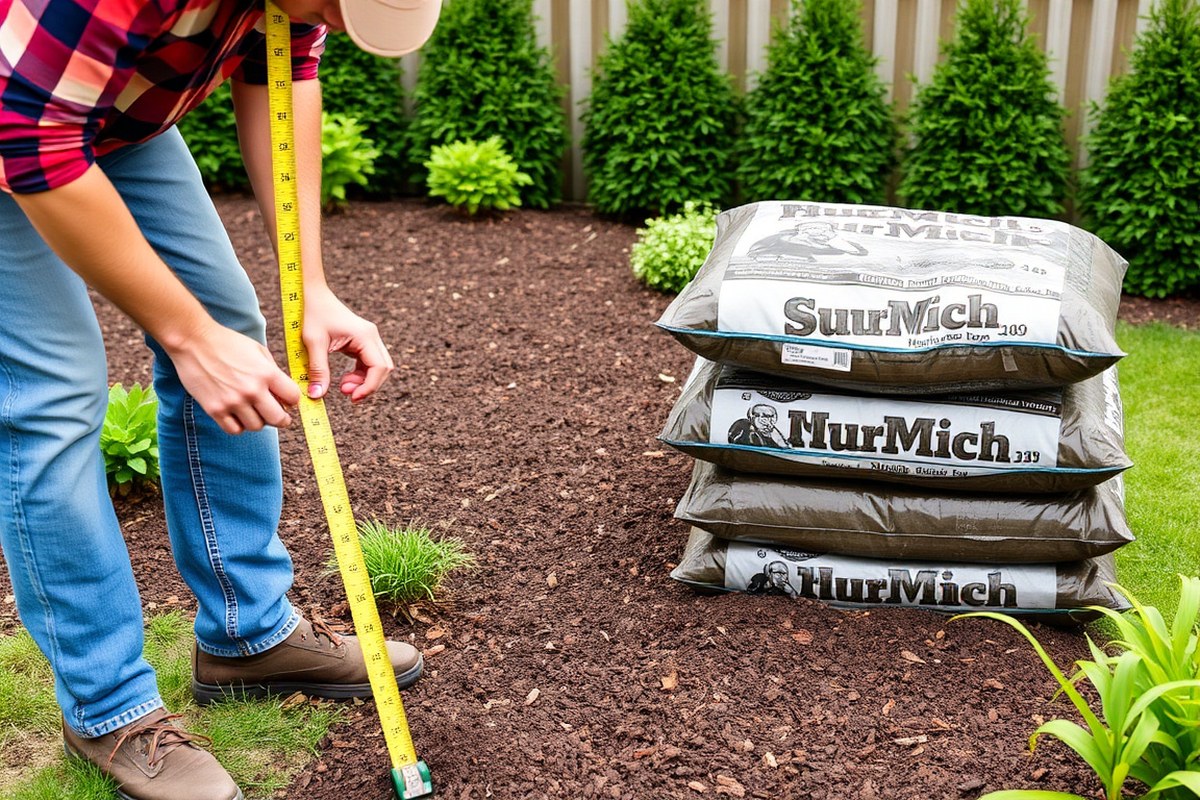
To find out how many bags you need, measure your garden bed. Decide how deep you want the mulch to be. Most gardeners apply mulch at 3 inches deep for best results.
Convert the mulch depth to cubic feet. Then calculate how many bags you need.
Measuring Your Garden Bed Dimensions
First, measure the length and width of your garden bed. Multiply these numbers to get the total square feet. For odd-shaped beds, divide the area into rectangles or circles and add each area up.
If your bed is 20 feet by 25 feet, multiply 20 by 25. This equals 500 square feet. Knowing this area is essential before moving to the depth calculation.
Converting Mulch Depth into Cubic Feet
Next, convert the mulch depth from inches into feet by dividing by 12. For a 3-inch depth, divide 3 by 12 to get 0.25 feet. This number helps turn square feet into cubic feet.
Multiply the garden bed area by the mulch depth in feet. This gives you the mulch volume needed in cubic feet. So, 500 square feet × 0.25 feet equals 125 cubic feet of mulch.
Calculating Total Bags Required
Now figure out how many bags it takes to reach that volume. Each bag usually contains about 2 cubic feet of mulch. Divide your total cubic feet needed by 2 to get the bag count.
For 125 cubic feet, divide 125 ÷ 2. That gives you 62.5 bags, so round up to 63 bags. These steps prevent running short during your project.
Follow these steps to calculate mulch bags:
- Measure your garden bed’s length and width to find square footage.
- Multiply length × width for total area in square feet.
- Decide on mulch depth in inches, typically 3 inches.
- Convert depth to feet by dividing inches by 12.
- Multiply area by depth in feet for total cubic feet needed.
- Find your bag size in cubic feet (usually 2 cubic feet).
- Divide total cubic feet by bag size to find total bags.
- Round up to avoid running out during application.
Keep in mind that applying mulch at less than 2 inches may not prevent weeds well. More than 4 inches can suffocate plants and waste material.
Comparing Mulch Types: Cost, Benefits, and Durability
Mulch types vary greatly in cost, longevity, benefits, and common uses. Wood-based mulches usually cost $30 to $60 per cubic yard.
Dyed options tend to be on the higher side. Rubber mulch is pricier but lasts longer and offers unique benefits like safety cushioning.
Standard Wood-Based Mulches
Regular wood mulches like pine bark or shredded hardwood cost $24 to $50 per cubic yard. They break down within 1 to 3 years, needing yearly replenishing. These mulches improve soil moisture and texture but tend to fade in color over time.
Buying mulch in bags usually costs more per cubic yard than bulk. For example, a 2 cubic foot bag can run about $3.25 to $6.50, which equals roughly $50 per cubic yard. This makes bagged mulch less cost-effective for large areas.
Dyed and Specialty Mulches
Dyed mulches have added pigments and cost about $5 to $15 more than natural wood. Black and red mulches typically run $35 to $50 per cubic yard. The dyes improve curb appeal but fade faster under sun and rain.
Specialty mulches such as cedar and cypress are more expensive. They often cost $100 or more per cubic yard. These mulches last from 2 to 5 years because they resist pests well.
They are more durable than common wood mulches. These are ideal for projects where appearance and longevity matter.
Rubber Mulch Pros and Cons
Rubber mulch costs around $120 per cubic yard, making it one of the priciest options. It lasts about 10 years or more without breaking down. This long durability saves replacement costs and reduces waste.
Besides longevity, rubber mulch is popular in playgrounds for fall protection up to 16 feet high. It doesn’t attract pests or mold but doesn’t aid soil health since it doesn’t decompose. You might use rubber mulch in spots where low maintenance and safety matter most.
Natural Pest-Resistant Mulches
Cedar and cypress mulches repel insects and last longer than pine or hardwood. Expect around $95 to $110 per cubic yard for these types. They’re common in gardens where keeping bugs away matters most.
Less expensive mulches like pine bark or hardwood provide some pest resistance but fade faster. They cost $30 to $45 per cubic yard and break down in one to two years. Use these where you want moderate durability at a lower cost.
| Mulch Type | Cost per Cubic Yard |
|---|---|
| Bark mulch | $95 |
| Black mulch | $40 |
| Cedar mulch | $100 |
| Cypress mulch | $110 |
| Hemlock mulch | $45 |
| Pine bark | $30 |
| Pine needles | $150 |
| Red mulch | $35 |
| Redwood mulch | $60 |
| Rubber mulch | $120 |
| Shredded hardwood mulch | $40 |
| Straw mulch | $35 |
| Wood chips | $24 |
This cost table shows how mulch price depends on type and origin. Wood chips and pine bark tend to be the cheapest.
Cedar and cypress rank higher for durability and insect resistance. Rubber mulch is the most costly but lasts far longer and provides extra safety features.
Bulk vs Bagged Mulch: Cost and Convenience Comparison
Bagged mulch costs about 35% more per cubic yard than bulk mulch. For example, cedar mulch in bags might run $80 per cubic yard. Bulk costs around $46.
This difference means you pay $30 to $130 more for the same volume. You spend this extra amount when using bags for large projects.
Bulk mulch usually requires a minimum order of 1 to 2 cubic yards. Most homeowners spend $50 to $140 on delivery, with fees varying by region and supplier. You have a truck and can pick up mulch yourself.
Bulk mulch is cheaper for projects over 2 cubic yards. Smaller jobs under 50 square feet or less than one cubic yard are easier with bagged mulch. Delivery fees on bulk orders can outweigh savings.
Handling bags is labor-intensive. Each bag weighs 20 to 40 pounds. You may need 10 or more for a small garden bed.
Bulk mulch comes loose. So spreading it needs a shovel and wheelbarrow but avoids carrying many bags.
Bulk mulch must be used quickly or covered. It can dry out or break down faster than sealed bags.
Delivery cost often makes the biggest difference between buying bulk or bagged mulch. Bulk delivery usually costs a flat fee. This fee ranges from $50 to over $200 based on size and distance.
Bagged mulch often means hauling it yourself. You may pay nothing extra buying a few bags at a store.
Your supplier charges high delivery fees. Small orders under 2 cubic yards may not be worth it.5 cubic yards may cost less using bagged mulch you can transport yourself.
Buying bulk mulch saves money when your project needs more than 2 cubic yards. The more you buy, the more you save. Bulk mulch can cost 15% to 35% less per yard.
To decide, calculate your total volume and check delivery fees. A 5 cubic yard job is $60 to $130 cheaper with bulk mulch. This saves money compared to buying bags.
Choose bagged mulch for small, easy jobs. It offers simplicity and less upfront work. Pick bulk mulch for medium to large landscaping where cost per volume matters.
Also consider your physical ability to handle bags versus shoveling loose material. This choice depends on your garden size, budget, and how much effort you want to invest.
Additional Costs: Delivery, Installation, and Disposal
Delivery usually costs around $50 to $100, but it depends on your order size. For example, a $100 delivery fee spread over 10 yards adds $10 per yard. Smaller orders or remote locations may have higher fees.
Professional installation includes spreading the mulch and can add $20 to $45 per cubic yard. All-in prices for delivery, material, and labor often range from $70 to $150 per cubic yard. This price fits larger jobs or tricky terrain where fast, even spreading matters.
Removing old mulch adds another layer of cost. Labor costs between $50 and $75 per hour. Disposal of old mulch can cost $50 to $100.
These fees add up for large projects. Many homeowners choose to put new mulch right on top.
This avoids extra fees for removal. But removing old mulch is needed if it’s moldy or full of bugs.
- Delivery fees are often flat but cut per cubic yard with larger orders
- DIY mulching saves on labor but costs $25 to $135 per yard for material
- A pro installer helps spread mulch evenly on large spaces. This ensures a neat, clean look all around. Consider hiring one for big jobs.
- Old mulch removal charges include hourly labor and disposal costs
- Booking multiple yard jobs together may lower delivery and labor fees
- DIY mulching takes an afternoon and basic tools like a wheelbarrow
- Installation labor costs vary by mulch type and landscape difficulty
DIY mulching tends to save you $70 to $140, depending on delivery and labor costs. Doing it yourself demands time and effort but avoids a sizeable installation fee. Hiring pros makes sense if you have large beds or want quick, even coverage without sweat.
Adding fresh mulch directly over old is usually fine. Pulling out old mulch adds significant cost and work.
Choosing the Best Time to Buy Mulch for Savings
Mulch prices are lowest in January and February, 10 to 20 percent below peak. Selection might be limited then.
But pre-booking your mulch can lock in these low prices before spring. Waiting until March or April means paying peak prices when demand and selection are highest.
The best way to save is to buy in bulk if your project is large. Buying mulch by the yard can cut costs by 15 to 30 percent compared to bags. Bulk mulch costs $30 to $110 per cubic yard.
This is 35 to 60 percent cheaper than many bags. Buying mulch in bulk can save you a lot.
Look at bulk and bagged prices carefully. Don’t forget delivery fees and yard access. These can add extra costs when you buy mulch.
Take the delivery fee for your order. Divide it by how many yards you get.
Then add that number to your mulch cost. Multiply the bag cost by about 13.5 to see if bulk really saves money.
Plan your mulch purchase timing to save money. Prices drop from September to December. Stores clear old stock during these months.
November and December have lower prices again but fewer options. Some big stores have spring sales in March and April.
Bags may be cheaper than bulk for a short time. Watch for these deals if you buy mulch then.
To keep costs down, top off existing mulch instead of replacing it all. Buying at least two cubic yards in bulk is another money saver. This strategy cuts total expense and avoids overbuying mulch you don’t need right now.
Common Mulch Application Mistakes and How to Avoid Them
Common errors in mulching raise your costs and can harm plants. For example, piling mulch against tree trunks causes rot and invites pests. Applying mulch too thick or too close to structures also wastes money and risks plant health.
Proper Mulch Depth and Spacing
Keep mulch about 3 inches deep for most garden beds, not thicker. More than 4 inches traps moisture and suffocates roots. Spread mulch at least 6 inches away from tree trunks and building foundations.
Piling mulch directly against trunks creates a “mulch volcano.” This traps moisture against the bark. Over time, fungal diseases, root girdling, and rodent damage become likely.
- Use 2 to 4 inches depth for flower beds or vegetable gardens
- Avoid adding mulch within 6 inches of tree bases or walls
- Leave space around foundations for air circulation
- Rake mulch evenly to avoid thick clumps that hold water
- Apply mulch in spring or fall, adjusting timing by USDA zone
Proper spacing and depth help save mulch and prevent tree damage. You also avoid expensive cleanup or plant loss later.
Identifying Mulch-Related Plant Issues
Rotting bark, mushy base, or dying leaves may signal volcano mulching problems. Check trunks for dark, soft patches where mulch touches. Watch for gnaw marks from rodents.
Sour or moldy mulch usually smells bad and looks slimy or fuzzy. This indicates poor airflow or too much moisture. Using this mulch can harm plants and soil health.
Remove moldy mulch immediately. Replace it with fresh mulch spread thinly. Improve drainage or airflow before reapplying.
Refreshing and Maintaining Mulch Layers
Top off mulch when the current layer is less than 2 inches. You don’t need to replace it all. Just add more to keep the mulch healthy.
Adding 1 to 2 inches reduces your material need by about 50%. This lowers your cost and prevents root damage.
Remove mulch matting or fungus before putting down new mulch. This helps stop problems from coming back. It keeps your garden healthy.
Untouched mulch under 1 inch deep and free of mold can stay as is. Raking lightly helps loosen it for better air circulation.
Keep mulch in good condition by inspecting it each season. Good mulch looks loose, smells fresh, and stays clear of trunks or structures.
How Mulch Type Affects Pests and Landscape Health
Some mulches can shelter termites, but mulch won’t attract them from outside. Wood mulches like hardwood or pine needles can provide hiding spots for these pests.
Mulch that stays wet for too long could increase pest risks. So avoid piling mulch against tree trunks or house foundations.
Cedar and cypress mulches naturally repel insects thanks to oils in their wood. Cedar mulch costs about $40 to $60 per cubic yard. It lasts 4 to 5 years with occasional refreshing.
You just need to add more every few years. Cypress mulch is pricier, around $110 per cubic yard. But its natural insect-repelling properties may reduce pesticide needs.
Mulch holds soil moisture by reducing evaporation, which improves plant health and lowers water bills. Applying about 3 inches of mulch helps block weeds while letting enough water reach roots. USDA research shows proper mulch cuts water use by 30%.
This saves water and your money. It helps your plants stay healthy too.
Synthetic mulches like rubber or plastic don’t harbor pests as wood mulches might. Rubber mulch costs between $250 and $450 per cubic yard. It lasts longer than organic mulch.
However, it doesn’t improve soil health. Using synthetic mulch might help with pest control. But it won’t add nutrients to your garden soil.
Keep mulch 6 inches away from building foundations to avoid creating pest-friendly zones.
Step-by-Step Action Plan for Buying and Using Mulch
Follow this plan to buy the right amount of mulch and apply it well. Check each step to make sure your garden gets the best care.
- Before You Buy: Measure your garden bed area in square feet. This helps you estimate how many bags of mulch to get.
- Day 1: Choose the mulch type based on cost and garden needs. Pick the one with the benefits you want and fits your budget.
- Day 2: Decide between bagged or bulk mulch. Buy bagged if you have a small area or bulk for larger spaces to save money.
- Day 3: Check for mulch sales or seasonal discounts. Buy during the best time to save on costs.
- Day 4: Apply mulch 2 to 3 inches deep around plants. Spread evenly without piling mulch against stems or trunks.
- After 2 Weeks: Inspect the mulch for signs of pests or decay. Spot bugs or mold? Try a different mulch type or use pest control.
- Monthly Check: Rake mulch to prevent matting and refill sparse areas. This keeps your garden healthy and mulch effective.
Frequently Asked Questions
How Much Does a Standard Bag of Mulch Weigh?
A standard bag of mulch weighs about 20 pounds. This weight can make handling and transporting them a bit tough for one person.
Can I Reuse Mulch from a Previous Season?
Yes, you can reuse mulch if it’s still in good condition. Break up clumps and remove any weeds before spreading it again.
Does the Bag Size of Mulch Vary Among Brands?
Yes, bag sizes vary but most common bags hold 2 cubic feet. Always check bag volume, not just weight, for coverage estimates.
How Does Dyed Mulch Pricing Compare to Natural Mulch?
Dyed mulch costs about $0.50 to $1.00 more per bag due to pigments. It offers color longevity but has slightly higher expenses.
Why Does Rubber Mulch Cost More per Bag Than Wood Mulch?
Rubber mulch often costs above $10 per smaller 0.8 cubic foot bag. It’s heavier and more durable, leading to the higher price.
How Much Can I Expect to Spend on Mulch Delivery?
Delivery costs vary but usually add $50 to $150 or more depending on amount and distance. Plan this into your budget.
Wrapping Up
Knowing mulch bag costs helps you plan your garden budget. Prices change based on mulch type and quality. Tracking these saves you money while keeping your garden healthy.
Start by measuring your space and picking the right mulch type for your needs. Buy enough mulch to cover your beds well.
Spread it evenly to protect plants and soil. You’ll see healthier plants grow faster with proper mulch coverage.