Do Plants Need UV Rays? What Actually Works for Better Growth
Do plants need UV rays to grow well? Not exactly. Plants mainly rely on visible light, especially blue and red wavelengths, for photosynthesis.
These parts of sunlight provide the energy plants use to make food and grow strong. UV rays play a minor role and are not essential for healthy plants.
UV-A light can boost photosynthesis a little and might help with some plant defenses. However, most houseplants thrive without any UV exposure. Too much UV can cause damage like leaf burn or stress, which slows growth rather than helping.
If you want to use UV light, limit it to low levels and short periods, about 1 to 2 hours daily. This prevents stress and avoids hurting your plants. It’s better to focus on giving your plants lots of bright, visible light for the best growth.
Key Takeaways
- Plants mainly use blue and red light for photosynthesis, not UV rays.
- UV-A light may increase photosynthesis by about 12%, but benefits are mild.
- Most indoor plants require only 1 to 2 hours of UV-A light daily if any.
- Too much UV can stress or damage plants, so use it cautiously.
- Prioritize strong visible light exposure for your plants before adding UV lighting.
- UV-B makes up less than 2% of natural sunlight and is rarely needed indoors.
Do Plants Need UV Rays to Grow and Thrive?
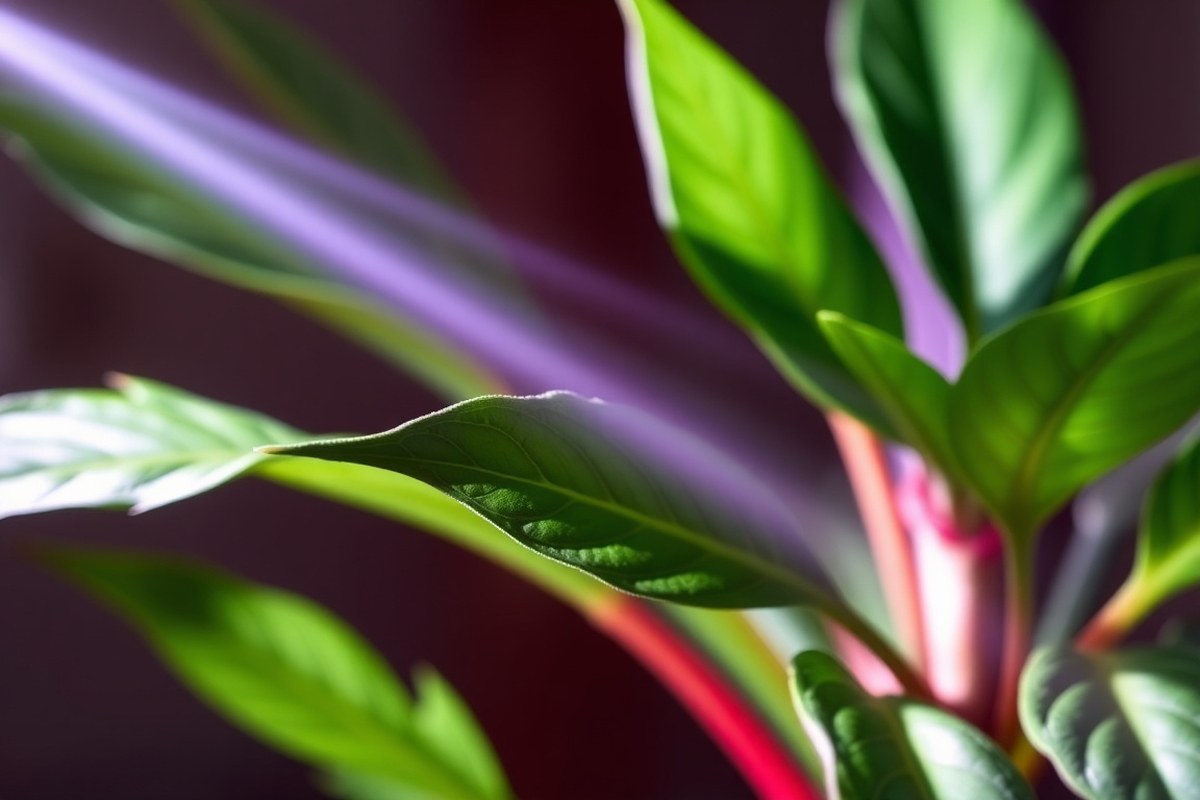
Plants do not strictly need UV rays to grow and thrive. Plants mostly need photosynthetically active radiation (PAR). This light covers 400 to 700 nanometers.
It is the visible part of the light spectrum. This light fuels photosynthesis by helping chlorophyll absorb mostly blue and red wavelengths.
UV light lies outside the PAR range and does not power photosynthesis directly. Even without UV rays, plants can survive and grow healthily with enough PAR light alone. Common houseplants like philodendrons do well under indoor light.
Snake plants also grow fine without UV light. They don’t need extra UV supplementation.
Some plants like succulents and herbs adapt to bright outdoor light. They can benefit from small amounts of UV-A radiation. This helps them grow better.
UV can improve pigmentation and make their leaves sturdier, improving overall health and appearance. Light panels with 400 to 600 PPFD PAR help plants grow best.
Panels focused only on UV rays are less effective. PAR is the key light for growth.
Visible light (PAR): This includes blue and red wavelengths used for photosynthesis and growth. It supports seed germination, root development, bloom, and fruiting. Most indoor grow lights focus primarily on this range to supply enough energy for plants.
UV light: It falls below 400 nanometers and does not directly fuel photosynthesis. Its role is more about plant defense, stress response, and pigment formation. A short daily dose of UV-B boosts compounds like lycopene.
It also increases vitamin C in some fruits. This improves fruit quality and nutrition. But it is not essential for basic growth.
For indoor plants, providing ample PAR light is the priority. UV light is an add-on to mimic outdoor conditions for certain species, not a must-have.
In simple terms, visible light acts as the fuel. UV light works more like an occasional signal that fine-tunes plant health and resilience indoors.
What Are the Different Types of UV Light and Their Effects on Plants?
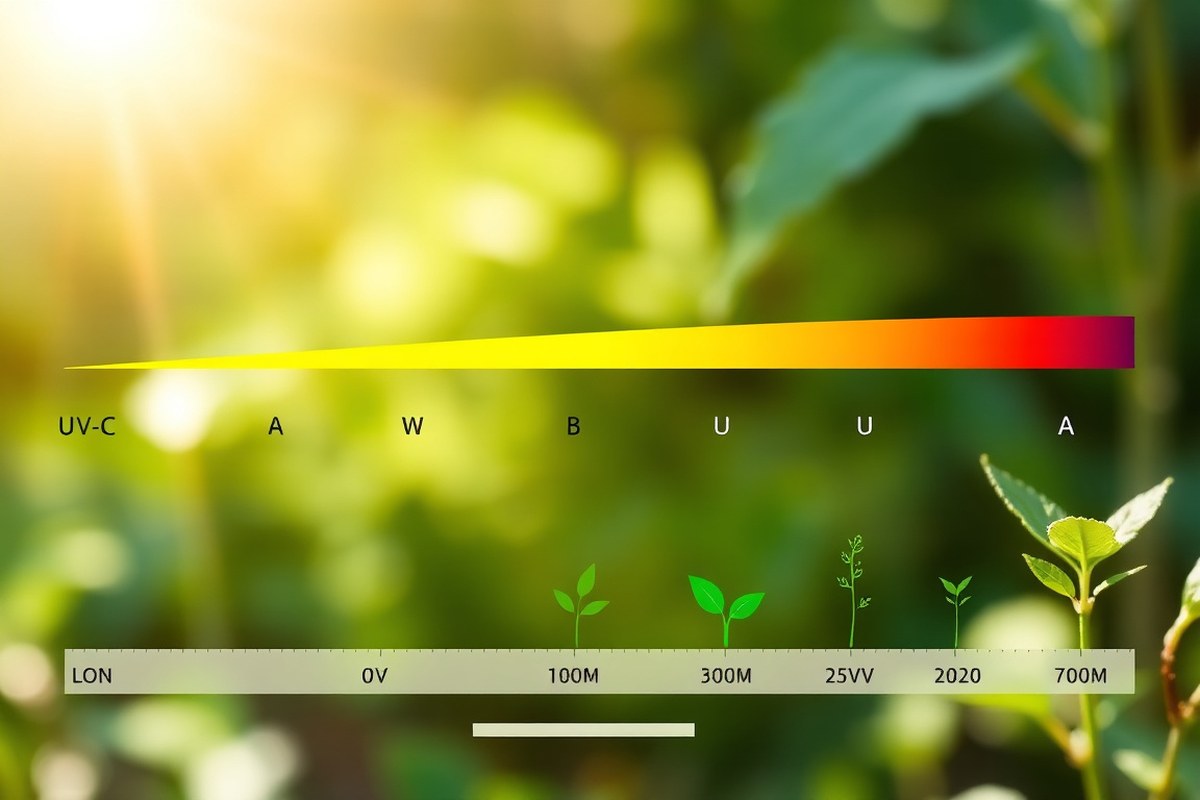
UV light is just beyond visible light our eyes detect. It breaks into three types by wavelength: UV-A (315 to 400 nm), UV-B (280 to 315 nm), and UV-C (100 to 280 nm). The atmosphere blocks UV-C, so plants usually don’t get it indoors or outside.
Plants mainly get UV-A and some UV-B from natural sunlight. UV-A is the gentlest and can boost photosynthesis by about 12%, according to research in Oecologia. UV-B matters but only in small amounts.
Too much UV-B can burn plants or stunt their growth. Use low doses to avoid harm.
| UV Type | Wavelength Range (nm) | Natural Occurrence at Ground Level | Effects on Plants | Risk Level |
|---|---|---|---|---|
| UV-A | 315, 400 | Significant (about 0.3% of sunlight) | Increases photosynthesis, stimulates better fruit and color | Low |
| UV-B | 280, 315 | Small amounts (filtered partially by atmosphere) | Triggers protective chemicals, can improve aroma and taste | Moderate (can cause damage if too strong) |
| UV-C | 100, 280 | None (blocked by atmosphere) | Damages DNA, harmful to plants and humans | High (avoid exposure) |
UV-A helps plants by improving photosynthesis rates and making fruits look and taste better. UV-B forces plants to make protective chemicals, which also support flavor and toughness. Both can help plants handle stress from diseases or pests.
UV-C is strictly harmful. It cuts DNA strands and can kill plant cells fast.
Some products claim to use UV-C for plants. But most are for sterilizing surfaces, not lighting plants.
Indoor plants get less UV naturally. That’s why many growers add UV-A and UV-B with special lights. It boosts plant health but needs careful control.
Too little UV makes plants weaker. Too much burns or stunts growth.
Only use UV-C lights for sterilizing, never for plant growth, they cause lasting damage.
How Does UV Light Influence Plant Growth and Development?
UV light influences plant growth by triggering specific biological responses. These include changes in pigmentation, pest resistance, stress defenses, and flavor development.
Photosynthesis mostly uses visible light. But UV light shapes how plants grow and protect themselves.
Boosting Photosynthesis with UV-A
UV-A light doesn’t directly power photosynthesis. But it can speed it up by about 12%.
This boost results in faster leaf growth, larger leaves, and higher dry weight. Plants exposed to UV-A often grow more compact and sturdy, which is good for indoor setups.
UV-A helps plants develop stronger cell walls by encouraging thicker cuticles and wax layers. These changes don’t change how much light plants use but protect them and improve their structure. In small doses, UV-A aids plant signaling that leads to better growth habits.
Improving Flavor and Color via UV-B
UV-B triggers plants to produce flavonoids, anthocyanins, and other pigments. These compounds deepen flower and fruit colors, such as purples and reds in lettuces and berries. For example, tomatoes exposed to UV-B increase their vitamin C and antioxidant content.
The same UV-B light promotes essential oils that make herbs taste stronger and smell better. This happens because plants activate their UV RESISTANCE LOCUS 8 (UVR8) photoreceptor. It sends signals that boost production of protective and aromatic compounds.
Proper timing matters, too much UV-B early on can stress seedlings. Best results come from 2 to 4 hours of daily UV-B exposure. This should happen during early to late fruiting stages.
UV-B helps improve fruit quality. This controlled exposure improve flavor, nutrition, and appearance without harming growth.
UV-Induced Pest and Stress Resistance
UV-B exposure helps plants build thicker cuticles and wax, making leaves tougher. This tougher leaf surface naturally resists pests and fungal attacks better. Plants also produce more antioxidants and phenolic acids that defend against stress.
UV light triggers a mild stress response that prepares plants for real dangers. This response includes stronger cell walls and better chemical defenses. However, too much UV overload can stunt growth and reduce leaf size, showing plant stress symptoms.
Using UV lighting carefully helps plants stay healthier by balancing stress and defense. Low-dose UV during vegetation and fruiting phases gives stronger resistance without harming growth. Overexposure, though, can cause leaf burn and slow development, so timing and dose matter.
How Much UV Light Do Indoor Plants Actually Need?
Indoor plants usually need about 2 to 6 hours of UVA exposure daily. UVB light should be used sparingly, often no more than 15 to 30 minutes a day.
Different plants have varying tolerances and needs for UV light. So adjusting time and intensity matters.
UV Exposure Duration Guidelines
Most indoor plants do well with 1 to 2 hours of UVA light. Use supplemental light to give them this daily. This helps them grow better indoors.
Sensitive plants require shorter UVB exposure, generally 15 to 30 minutes. Overexposure can cause leaf damage like browning or curling, so watch for those signs.
Plants making flowers or fruit need more UVB light. Give them 2 to 4 hours daily. This boost helps flavor and color improve.
Avoid UV during seedling or dormancy stages to prevent stress on young plants. Use a timer for your UV lights to keep schedules steady.
Set it to 3, 9, or 12 hours. This makes lighting consistent without fuss.
Recommended Distance from UV Lights
Keep UV lights at least 12 inches away from plant foliage to avoid direct damage. Move lights closer for plants needing intense exposure, like flowering species.
But never closer than 12 inches. Adjust distance and intensity gradually and monitor leaf condition.
Placing lights too far reduces UV effectiveness, so balance distance and duration carefully. High-intensity lamps require shorter exposure times to prevent plant stress and damage. Use a lamp with multiple settings to fine-tune brightness and avoid overheating nearby plants.
Measuring UV Intensity for Plants
Use a UV meter designed for horticulture to measure intensity accurately. These meters often measure UVA and UVB separately in milliwatts per square centimeter (mW/cm²). Aim for UVA levels that provide 2 to 6 hours of exposure without exceeding safe intensity.
Regular measurement helps adjust lamp height and duration for plant needs. Affordable handheld UV meters range from $50 to $100 and provide reliable readings. Monitoring prevents overexposure that looks like leaf white edges, yellowing, or curling.
Follow these steps to set up effective UV exposure for your plants:
- Select a UV light rated for plant growth with adjustable intensity settings.
- Place the lamp at least 12 inches from plants, adjusting for species tolerance.
- Measure UV intensity using a horticultural UV meter to guide timing.
- Set an auto timer for daily exposure within 2 to 6 hours for UVA.
- For most plants, limit UVB light to 15 to 30 minutes daily. Fruiting plants can handle 2 to 4 hours. Keep timing right to avoid damage.
- Observe plants for signs of UV stress like leaf curling or browning.
- Adjust distance or duration if you notice damage or poor growth.
- Use protective gear to shield skin and eyes from UV when working nearby.
Can Plants Grow Without UV Light? When Is It Acceptable?
Plants don’t strictly need UV light to grow well. Most houseplants like pothos do well with full-spectrum LEDs. These lights provide wavelengths between 400 and 700 nm.
Snake plants and philodendrons also thrive under these conditions. These lights cover the photosynthetically active radiation (PAR) spectrum, which plants use for energy. So missing UV rays does not stop their growth.
Certain plants actually do better without UV exposure. Some species like ferns and African violets are sensitive to light stress. UV rays can cause leaf damage or bleaching in these plants.
Avoid strong UV exposure for them. These plants grow strong and neat under standard grow lights. Too much UV can cause leaves to curl or get crispy.
Standard grow lights prevent these problems. Seedlings often handle growing better without UV light.
Early growth stages make them more prone to damage. UV can stress young plants too much.
Skipping UV light tends to make plants grow taller with less compact foliage. UV light causes plants to react with stress defenses. Leaves become tighter and thicker because of this.
It also boosts pigments that protect the plant. Without UV, plants may appear leggy or weaker but won’t necessarily die or fail to flower. Tomatoes grown without UV still produce fruit.
Their leaves might feel softer and less protected from UV. This lowers their natural defense against sunlight.
Excluding UV light from your indoor setup has upsides and downsides. Benefits of no UV include less leaf burn risk. It also means lower heat and power costs.
These positives help save energy and protect plants. A downside is missing UV’s benefit to make flavonoids. Flavonoids help plants resist stress and add color.
Without UV, plants might lose this advantage. Growers should weigh whether their plants show signs of stress or stretch before adding UV light.
The choice depends largely on your plant types, growth goals, and setup complexity. Use a table to help decide on UV use. Ask if your plants flower or are UV sensitive.
This guides whether to add or skip UV light. Yes means keep UV light low or skip it completely. This protects sensitive plants from damage.
Minimal UV keeps these plants safe. Second, consider if your plants grow tall and weak under your current light. Yes means add a small UV-A supplement to grow tight.
This helps with stronger, more compact growth. Use low amounts to prevent stress. Finally, check your budget and energy use.
UV LEDs add cost but also potential quality benefits. Most houseplants do fine without UV in their lights.
Standard full-spectrum white LEDs keep them healthy. This setup supports steady plant growth.
Use UV light sparingly. Too much causes leaf bleaching and stunted growth even under strong PAR lighting.
How to Safely Use UV Lighting for Indoor Plants and Humans
Use UV lighting carefully to avoid plant damage and protect your skin and eyes. Always control exposure time and distance to balance benefits and risks. Avoid UV-C lamps indoors to keep plants and people safe.
Avoiding UV Overexposure to Plants
Too much UV light stresses and burns plants. UV-B is the riskiest. It causes leaf bleaching and burns.
Avoid running it over 4 hours a day. Keep its share below 3% of total light your plants get.
UVA is safer for plants. It can run 14 to 16 hours daily.
It makes up 5 to 10% of total PAR light. Still, watch for warning signs like brown leaf edges, faded colours, and curling tips.
- Use timers to limit UV-B to 2, 4 hours daily maximum
- Place UV lights 12 to 24 inches from plants
- Keep UV lighting to 5, 10% of total grow light intensity
- Give plants rest periods without UV to recover
- Check leaves daily for stress or burn symptoms
- Adjust light time and distance when symptoms show
Give plants breaks from UV light to reduce stress. This downtime helps them recover and strengthen naturally.
Human Safety Measures Around UV Lights
Direct exposure to UV-B and especially UV-C harms skin and eyes. UV-B can cause burns and increase cancer risk.
So protect yourself every time you work near these lights. Avoid any UV-C indoors, as it causes severe damage even in short bursts.
Wear UV-blocking glasses and long sleeves if you spend time under UV lamps. Turn off UV lights before touching your plants or moving in close. Avoid looking directly at the light source to protect your eyes.
Choosing Safe Types of UV Lamps
Pick lamps designed for plant growth that emit UVA or low levels of UVB only. Avoid general UV lamps meant for sterilization or curing, as they often emit harmful UV-C rays. UV-C is deadly to cells and damages both plants and humans.
Choose grow lights marked with safe UV output. Check the wavelength range. Also check the light’s intensity.
When unsure, use UVA lamps for longer, safer use. They cause less risk to plants and people.
How to Choose and Use UV-Emitting Grow Lights Effectively
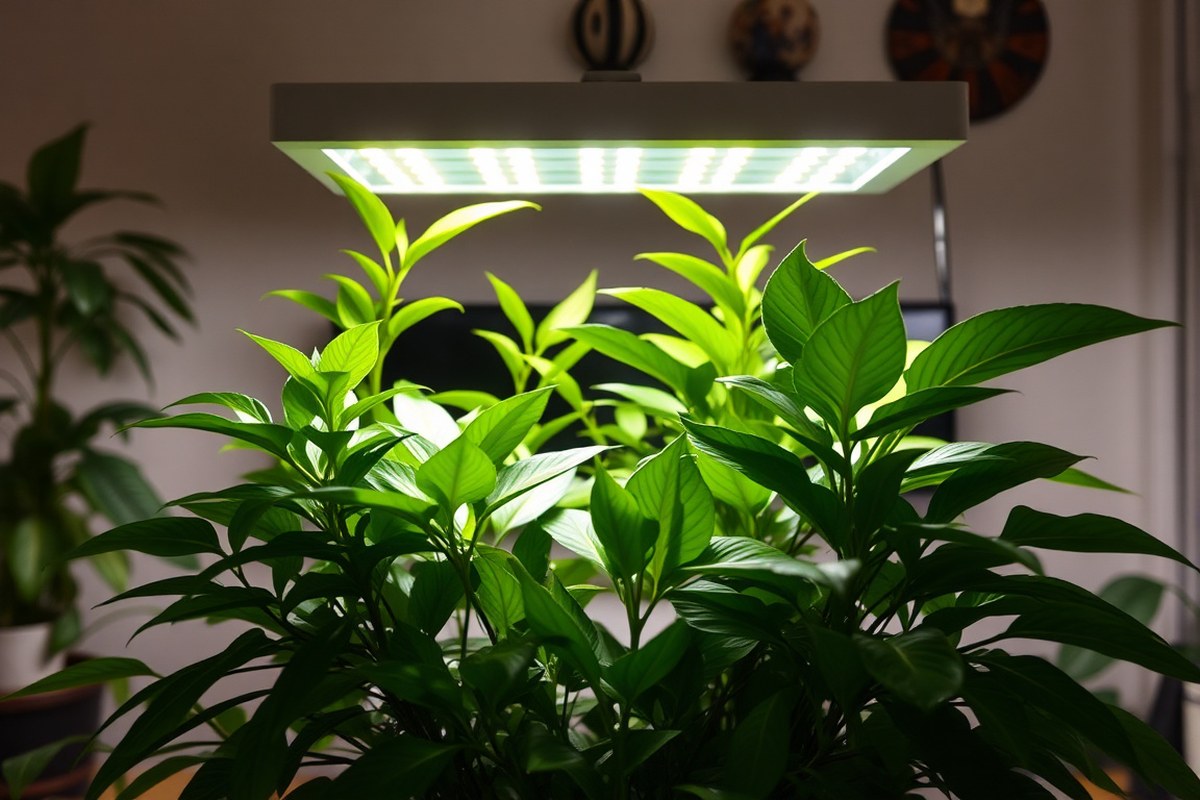
You want grow lights that cover both visible spectrum and UV for best effects. Most LED grow lights provide blue and red light for photosynthesis. They give almost no UV light.
Adding UV requires special bulbs or LEDs designed to emit UVA or UVB. Choose lights with adjustable UV intensity so you can control how much UV your plants get.
Reptile UV lights often produce UVB, the kind plants need sometimes. They are not made for plant growth. They usually lack visible light plants need for photosynthesis.
Using reptile lamps alone can stunt plant growth. But they may add UV when combined with proper PAR grow lights.
To add UV, use a separate UV lamp with your current setup. Match it to your plants’ needs. Use your main LED or fluorescent full-spectrum light for PAR (400-700 nm).
Then run a UV-specific lamp for short periods daily to boost plant stress tolerance and color. Don’t run strong UV lights too long. This avoids harm to plants, skin, and eyes.
| Grow Light Type | Visible Spectrum (PAR) | UV Output | Best Use | Typical Cost |
|---|---|---|---|---|
| Standard LED Grow Light | Full PAR (400-700 nm) | Negligible | Main photosynthesis light | $50 – $150 |
| Full Spectrum Fluorescent | Good PAR coverage | Low UVA | Seedlings and herbs | $20 – $70 |
| LED Grow Lights with UV feature | Full PAR | UVA and some UVB | Complete growth with UV boost | $100 – $300 |
| Reptile UVB Lamp | Minimal | High UVB | Supplementing UV only | $15 – $50 |
Pick grow lights by starting with your plant types. Low-light plants need less intense PAR light. High-light or flowering plants need strong blue and red light.
A bit of UV can help them grow better. For most home gardeners, a full-spectrum LED with optional UV suits well.
Use a reptile UVB lamp only if your main light has no UV output. It adds extra UV.
Set light placement to keep plants 12 to 24 inches away. Closer setups risk UV damage to leaves. Run UV exposure for 1 to 3 hours per day.
Too much UV stresses plants and can harm your skin or eyes. Adjust timing and intensity slowly, watch your plants’ color and leaf health as feedback.
Common UV Lighting Mistakes and How to Fix Them
Too much UVB light can seriously harm your plants. Overexposure causes leaf bleaching, burnt edges, and slowed growth.
Shade-loving plants like African violets and ferns are especially sensitive. So limit UV doses for them.
Another common error is using the wrong type of lamp. Some cheaper UV bulbs emit harsh rays that damage plants. Choose grow lights that are made for plants.
Uallhome LED panels and Spider Farmer’s UV strips work well. They provide balanced light wavelengths for healthy growth.
- Running UV light too long daily: Stick to 15, 30 minutes at first, then adjust.
- Wrong lamp choice: Use plant-specific LED grow lights with controlled UV output.
- Ignoring plant response: Watch for leaf spots or fading as stress signs.
- Placing lights too close: Keep at least 12 inches distance to avoid burns.
- Not adjusting for plant type: Reduce or skip UV for shade plants.
- Overlapping UV with other strong lights: Causes excess heat and damage.
- Running UV 24/7: Lights should have off periods to let plants recover.
Watch closely for leaf bleaching, curled edges, and brown spots. These signs show UV damage or stress. Some plants might slow growth or drop leaves if stressed.
Fix issues by cutting back UV exposure fast. Move lights further away or switch to weaker bulbs if needed.
One simple step is to test UV times in short bursts. Start with 15 minutes daily. Then increase by 5-minute steps every week if the plant shows normal leaf color and growth.
That helps avoid wasted energy and extra heat stress. Adjust your light schedule based on how plants look.
Don’t rely on a fixed timer all the time. This helps keep your plants happy and strong.
Always check manufacturer recommendations and plant health before raising UV exposure. Excess UV burns are common but easily avoided.
Step-by-Step Action Plan for Using UV Light with Your Indoor Plants
Follow this plan to provide the right amount of UV light to your plants safely. Pay attention to their growth and health as you go.
- Before you start: Pick a UV grow light with a balanced spectrum. Make sure it includes UVA but avoid too much UVB or UVC. Look for product specs that mention plant-safe UV output.
- Day 1: Set up the grow light 12 to 18 inches above your plants. This distance reduces the risk of leaf burn and ensures good light exposure.
- Week 1: Run the UV light for 1 to 2 hours daily at first. Watch your plants for any leaf discoloration or dryness.
- Week 2: Gradually increase UV exposure to about 4 hours daily if plants show no stress. Use a timer to keep a consistent schedule.
- Week 3: Check for signs of stronger growth like thicker leaves or deeper color. Adjust UV time as needed but do not exceed 6 hours per day.
- Month 1: Combine UV lighting with regular full-spectrum light for best results. Your plants will benefit from the mix of wavelengths.
- After 6 weeks: Assess overall plant health and flowering if applicable. Reduce UV light if you notice any new leaf damage.
- Ongoing: Clean your UV light fixtures monthly to maintain light output. Keep humans safe by avoiding direct skin or eye exposure during use.
Frequently Asked Questions
Can UV Rays Boost Indoor Plant Health?
Yes, UV-A light can boost photosynthesis by 12%. It also makes plants stronger by challenging their defenses.
Do All UV Types Benefit Plants the Same Way?
No, UV-A rays help growth while UV-B can stress plants. Using UV-A is safer indoors.
How Much UV Light Is Safe Daily for Houseplants?
Most indoor plants need only 1 to 2 hours of UV-A daily. Excess UV can harm sensitive leaves.
Can Lack of UV Rays Stunt Plant Growth Indoors?
Plants can grow without UV light using visible light but might be less hardy. UV exposure helps some species adapt better.
Should You Use UV Light for All Indoor Gardening Setups?
Not always; most houseplants do well with quality visible light only. UV is more useful for certain fruits or herbs.
Is UV Light Necessary for Flowering Indoor Plants?
It can boost flower quality by triggering stronger defenses and pigments. However, sufficient visible light is more important.
Final Thoughts
Plants do gain benefits from carefully controlled UV light. But too much can harm them.
Start with low UV exposure and watch your plants closely. Try adding brief UV sessions this week and see how your plants respond.