Do Perennials Grow Back Every Year? What Actually Happens and How to Ensure It
Do perennials grow back every year? Most do, but not all come back without fail.
Several factors affect whether your plants return, including climate, soil, and care. Knowing these can help you maintain a garden that thrives year after year.
Perennials survive winter by going dormant and storing energy underground. In spring, they send up new growth from roots or crowns. This natural cycle allows them to reappear each season if conditions are right.
Plant perennials at the proper time, typically early spring or fall. Avoid disturbing the soil too much around their roots. Also, ensure soil drains well to prevent root rot and other issues.
Providing consistent watering during dry spells supports their growth early in the season. Mulching helps protect roots and conserve moisture. These simple steps boost your chances of seeing perennials come back reliably each year.
Key Takeaways
- Most perennials return annually if planted in suitable zones and conditions.
- Perennials go dormant in winter and regrow from roots come spring.
- Plant perennials in early spring or fall for the best success.
- Ensure well-draining soil to avoid root rot and stress on plants.
- Hardy perennials can survive extreme cold, some down to zone 3.
- Many perennials take about 3 years to fully settle and thrive.
Do Perennials Grow Back Every Year Without Fail?
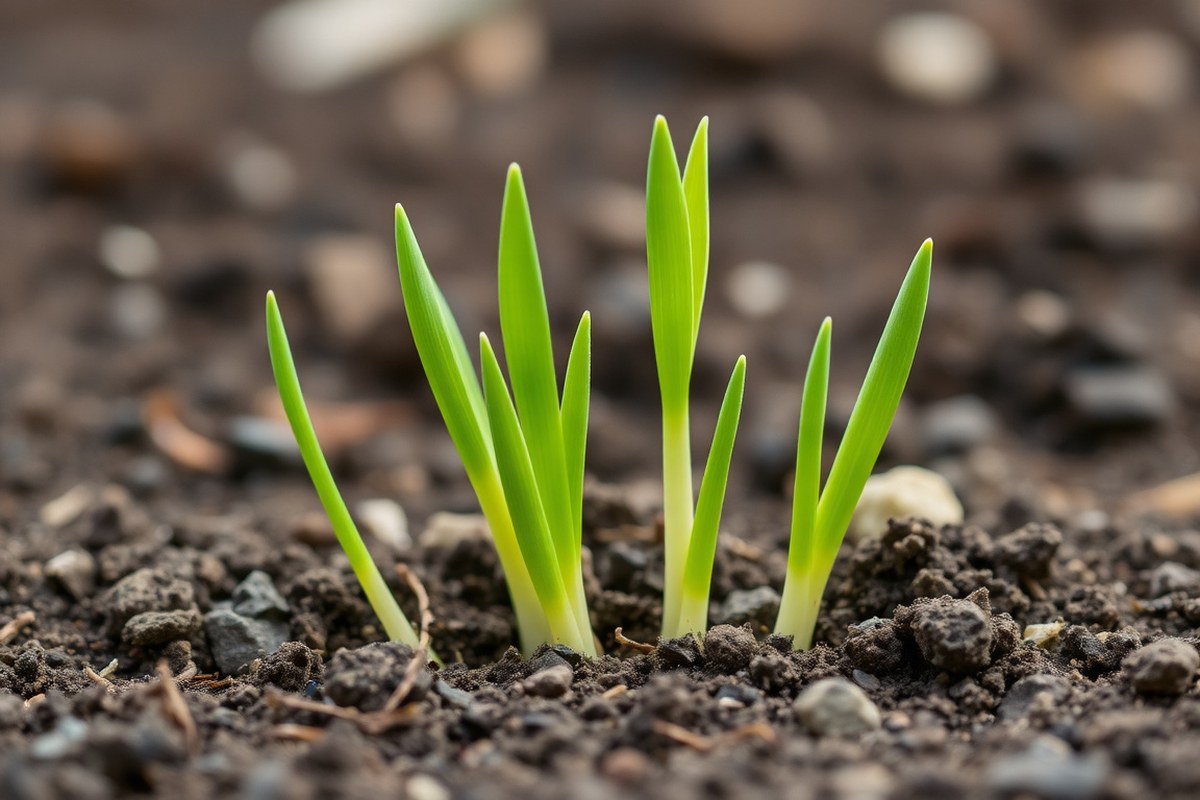
Perennial plants usually come back every year because their roots survive winter. They die back above ground but regrow from the same root system in spring. That steady return defines a perennial and separates it from annuals or biennials.
However, not all perennials will reliably regrow each year in every climate. Some perennials are hardy and can handle cold winters. Others may not survive freezing temperatures.
You must match the plant’s hardiness zone to your garden’s climate. This helps make sure it comes back year after year.
For instance, a Black-eyed Susan hardy to zones 3-9 grows back in most of the U.S. Some tropical perennials die in frost and act like annuals in cold zones. Planting perennials outside their climate range can cause them to die or not return.
Before planting, check the plant label or ask if the perennial fits your USDA hardiness zone. Choose perennials suited to your sun and soil conditions for best chances of yearly return. For shady spots, plants like Astilbe will regrow reliably, unlike sun-loving plants that might struggle.
Perennials that match your climate and garden conditions come back with less work. They return every spring without replanting, saving time and money on replacing annuals. Just be sure to provide typical water and some mulch to protect roots over winter.
Perennials generally come back each year after resting through winter. But only if planted and cared for within their ideal zone.
Matching plant type to your local climate, sun exposure, and soil is key. That helps you enjoy fresh growth and blooms year after year without surprises.
What Factors Influence If Perennials Return Annually?
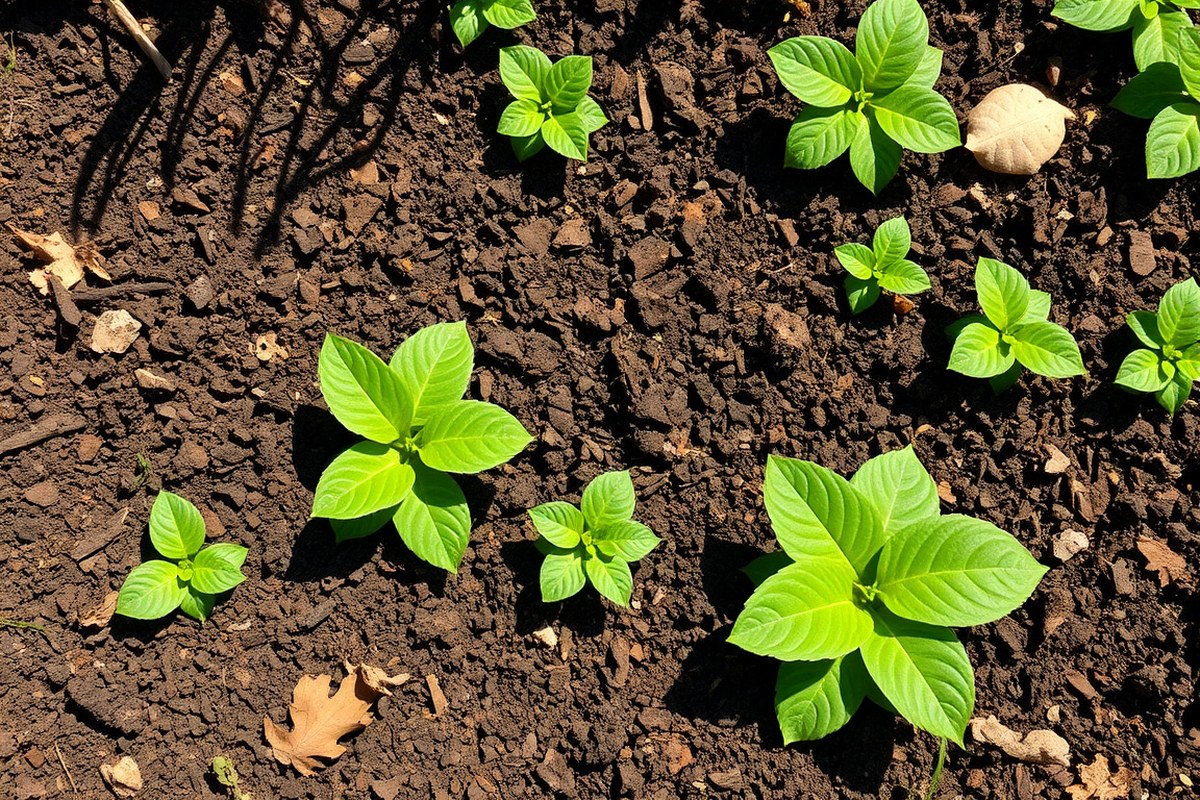
Climate and USDA hardiness zones decide if perennials survive winter and regrow. Choose plants rated for your zone to avoid winter kill.
For example, perennials hardy in zones 3 to 9 will usually survive outdoors in those areas. Some plants from warmer zones need shelter or greenhouse space in winter to make it through.
Soil quality strongly affects how perennials recover after stress. Well-drained soil helps roots avoid rot and promotes healthy growth. Heavy, wet soils often cause problems.
But you can build raised beds 6 to 8 inches above ground to fix drainage. Adding organic matter improves loose soil and fertility, which directly impacts perennial vitality.
Water and sunlight also control perennial health and return. Water new plants weekly until roots spread, then reduce watering to natural rainfall. Dry soil under shade trees might need extra watering in summer.
Most flowering perennials prefer full sun or partial shade to bloom well and grow strong. Understanding your plant’s light needs helps it thrive.
Choose perennials that fit your zone. Improve soil drainage. This helps plants come back each year.
Change your care based on the situation. In dry places, pick drought-tolerant plants like yarrow. These plants recover well with little water.
In wet regions, ensure beds don’t stay soggy by planting where soil drains fast. Cut dense clumps to 6 inches in summer.
This helps them survive winter in cold zones. Plants will come back fuller next season.
Knowing these factors lets you stack odds in your favor for perennial success. The top growth may die back. But roots can store energy to regrow in spring.
Don’t plant perennials outside their zone. Avoid poor soil too.
This stops weak or no growth next year. Careful watering and correct sunlight keep them healthy season after season.
How Long Do Different Perennials Live and Bloom?
Perennials vary widely in how long they live and bloom. Most live between three and ten years, though some can last decades if cared for properly.
How long they bloom each season depends on the type. But many show flowers annually once established.
Some perennials bloom year after year, typically from early spring to late fall. For example, coneflowers produce flower heads over a long season and attract birds and pollinators.
Shasta daisies also bloom for a very long time in full sun. Lavender offers fragrant flowers in early summer.
Other perennials focus more on foliage than flowers. Hostas shine with striking leaves in partial shade but bloom less spectacularly.
Daylilies are tough and adapt to most soils, blooming reliably every year. Bee balm has beautiful flowers with added benefits like deer resistance.
| Perennial Type | Lifespan | Bloom Season | Notes |
|---|---|---|---|
| Shasta Daisy | 5-7 years | Early summer to fall | Extra-long bloom time in full sun |
| Lavender | 7-10 years | Early summer | Fragrant flowers, best in sunny, dry spots |
| Hosta | 10+ years | Mid to late summer | Striking foliage in partial shade |
| Bee Balm | 3-5 years | Mid to late summer | Deer resistant with bright flowers |
| Daylily | 10+ years | Summer | Tough, grows in most soils |
Short-lived perennials like bee balm may live only a few years. They often finish their life cycle quickly. You might need to replace them sooner than other plants.
These can still bloom every year but may weaken without dividing and replanting. Long-lived plants, like hostas and daylilies, can last 10 years or more.
You should lift and divide them every few years. This helps keep them healthy and strong.
Perennials take a few years, often about three, to settle fully into your garden. Their first year might not produce as many flowers as following years. Regular care helps them bloom well each season and keeps their lifespan longer.
What Are the Differences Between Perennial, Annual, and Biennial Plants?
Perennials come back year after year, unlike annuals and biennials, which follow different life cycles. Annual plants live only one season, while biennials complete their cycle in two. Knowing these differences helps you pick plants that fit your garden needs and climate.
Annual Plants Life Cycle Explained
Annual plants sprout, bloom, set seed, and die within one growing season. They need to be replanted every year because they do not survive winter. You can spot an annual by checking if it disappears after one season in your garden.
Annuals tend to grow quickly and bloom prolifically. For example, marigolds and petunias often brighten gardens for just one summer. They cost less upfront but require new plants each year, increasing effort and expense over time.
Biennial Plants Characteristics
Biennial plants take two years to complete their life cycle. They grow leaves in the first year and flower, set seed, and die in the second. Examples include foxglove and hollyhock.
Biennials usually need protection during winter of their first year to survive until flowering. You can spot a biennial by its two-year life cycle. First year, it grows leaves.
The second year, it flowers before dying. They sit between annuals and perennials for maintenance and planning.
Perennial Plants and Climate Dependency
Perennials live and grow for many years, regrowing from roots each spring. They are the easiest to spot since you’ll see them return without replanting. Catmint, for example, blooms from late spring to early fall and shows this pattern.
However, some perennials act like annuals in colder zones. Harsh winters can kill the roots, so they do not return. You can treat these plants as annuals or protect them to improve chances they come back.
Decide if a plant is perennial or annual by observing if it reappears after winter. Research its hardiness zone for your area to be sure. Adjust your planting plan based on this to avoid replanting broken promises.
The table below shows key points of annuals, biennials, and perennials. It helps you tell them apart easily.
| Plant Type | Life Cycle Length | Growth Pattern | Replanting Frequency | Climate Effect |
|---|---|---|---|---|
| Annual | 1 season | Grow, flower, seed, die | Every year | No impact; they die yearly |
| Biennial | 2 years | Leaf in year 1, flower in year 2 | Every 2 years | May need winter protection |
| Perennial | Multiple years | Return from roots; bloom repeatedly | Once planted in right climate | May behave as annual in cold zones |
This comparison shows how long each plant lives and how they grow. It helps in choosing plants that match your garden’s climate and your time.
How Do Perennials Survive Winter and Return in Spring?
Perennials survive winter by entering a state called dormancy. Their aboveground parts often die back, but underground roots stay alive. These roots then push new growth in spring when the soil warms up.
Herbaceous vs Evergreen Perennial Winter Behavior
Herbaceous perennials die back completely in late autumn. Cutting off dead stems at the soil line helps the plant focus energy underground. The roots, crowns, or rhizomes survive under soil, ready to sprout in spring.
Evergreen perennials behave differently by keeping some green leaves all winter. They still slow growth but maintain living foliage above ground. This helps them start growing early and survive in milder climates.
Columbines are a good example of herbaceous perennials. They look dead in winter but bloom again by late spring from their hardy roots.
Role of Dormancy in Perennial Survival
Dormancy is a survival phase triggered by cold temperatures and shorter days. Perennials reduce nutrient use and stop growing to protect themselves. Root systems and crowns remain alive by shutting down above ground for months.
This rest period allows plants to avoid damage from freezing weather. Once soil temperatures rise above 40°F to 50°F, roots send up new shoots. Healthy soil helps roots store energy over winter for a strong spring rebound.
During dormancy, plants need moisture but not excess water. Too much wet soil can cause root rot, so good drainage is essential.
Mulching and Protection Strategies
Mulching keeps soil warmer and prevents freezing damage to roots. Apply 2, 4 inches of straw or shredded leaves in late fall around bases. Remove mulch slowly after new shoots appear to avoid smothering growth.
Protect young or tender perennials with burlap screens or frost cloth in colder zones. Avoid piling mulch on crowns, which can cause rot.
Providing extra care only costs time and a few dollars. But it improves perennial survival.
In areas with harsh winters, mulch acts like insulation. It reduces temperature swings and keeps roots safe for better spring growth.
Cut dead stalks before growth begins in spring to stop pests and disease. Avoid heavy mulch directly on crowns to keep roots healthy over winter.
When and How Should You Plant Perennials for Best Return?
Plant perennials in early spring or fall when soil is workable. Preparing your soil and choosing the right location helps plants settle well. You can also plant perennials in containers, which broadens your options.
Preparing Soil and Drainage
Start by removing perennial weeds to reduce competition. Loose, well-drained soil boosts root growth and plant health. Improve drainage if water collects around roots to prevent rot and stress.
Adding organic matter, like compost, helps soil hold nutrients and moisture. Avoid compacted soil by digging or tilling to at least 6, 8 inches deep. Check drainage by digging a hole, filling it with water, and timing how fast it drains.
Optimal Planting Seasons by Zones
Plant perennials in early spring after soil thaws when daytime temps reach at least 50°F (10°C). Fall planting 6 weeks before your first frost lets roots grow without top growth stress. Adjust timing for your USDA zone and local climate.
Spring planting works best in colder zones to avoid winter kill. Milder zones benefit from fall planting, giving plants a head start before heat returns. Check local garden centers for the best months in your area.
Container Planting Tips for Perennials
Choose containers with drainage holes to avoid waterlogged roots. Use high-quality potting soil mix that drains well but holds moisture. Containers can be moved to protect perennials from harsh weather changes.
Water container perennials more often than ground plants since containers dry faster. Fertilize monthly during growing season to replace nutrients leached out. Watch size to avoid root-bound plants; repot or trim roots when needed.
Follow these steps to plant perennials properly:
- Clear the area of existing weeds or grass.
- Loosen soil 6, 8 inches deep with a garden fork or tiller.
- Mix in 2, 3 inches of compost or organic matter evenly.
- Check drainage by filling a hole with water and observing drainage time.
- Dig holes twice as wide as the root ball but no deeper.
- Place the perennial in each hole, keeping roots spread out.
- Backfill with soil gently, pressing to remove air pockets.
- Water thoroughly after planting and keep soil moist for the first year.
How to Care for Perennials to Ensure They Come Back Well?
Watering perennials depends on the season and soil type. In summer, aim for about 1 inch of water per week. Use a drip irrigation or water early morning to reduce evaporation and disease risks.
Feeding perennials helps them grow and bloom better. Apply a balanced slow-release fertilizer once in early spring. Avoid overfeeding because too much nitrogen causes leggy growth and fewer flowers.
Cut back most perennials in early spring before new shoots appear. Wait to cut hosta leaves until they collapse. Wait until they stay dormant.
This advice comes from RHS. Leaving some dead leaves over winter protects insects and soil health.
Older perennials may need dividing every 3 to 5 years. This lets light and air reach the center. Dig up the clumps in early spring.
Split them carefully. Replant with fresh soil and compost to add nutrients.
- Water deeply once a week during dry spells
- Apply fertilizer in early spring only
- Cut back dead growth in late winter or early spring
- Leave some foliage for overwintering insects
- Divide plants every few years to maintain vigor
- Use mulch to retain soil moisture and prevent weeds
Pruning faded flowers encourages more blooms. Pinch or cut spent blooms regularly through the growing season. For tall perennials, stake them before heavy rain or wind to avoid damage.
Keep mulch around perennials, but keep it 1 to 2 inches away from stems. Mulch holds soil moisture and keeps roots cool. Check mulch thickness each spring and add more if it’s thin or washed away.
Which Low-Maintenance Perennials Reliably Return Every Year?
Some perennials come back year after year with little work. Blanket flowers, for example, are hardy and drought tolerant. They grow well in full sun and need occasional watering once established.
Choosing plants that suit your garden zone helps them thrive with less fuss. Zones 5 to 7 suit most perennials and offer the best selection.
In colder zones 3 to 4, choose hardier plants. Warmer zones 8 to 11 allow some tropicals to behave like perennials all year.
| Perennial | Sun Preference | Water Needs | Zone Range | Notes |
|---|---|---|---|---|
| Blanket flower | Full sun | Low, drought tolerant | 3 to 11 | Hardy, blooms every year |
| Hosta | Shade to partial sun | Moderate | 3 to 9 | Shade tolerant, little care |
| Daylily | Full sun to partial shade | Moderate | 3 to 10 | Easy to grow, broad zone |
| Black-eyed Susan | Full sun | Low to moderate | 3 to 9 | Drought tolerant and reliable |
| Lungwort | Shade | Moderate | 3 to 8 | Perfers shady, cooler spots |
Setting up these perennials in well-draining, fertile soil improves their success rate. Amend poor soil with compost before planting. Water new plants regularly until they root in well, usually a few weeks.
Don’t overwater perennials, especially drought-tolerant ones like blanket flowers; soggy soil can kill them.
For less maintenance, group plants by sun and water needs. This saves time and water.
You’ll spot any issues faster and the plants will be healthier. Low-maintenance perennials often grow quickly and recover well from heat or neglect.
Step-by-Step Action Plan to Help Your Perennials Come Back Strong
Use this plan to give your perennials the best chance to return every year. Follow each step at the right time and watch your garden thrive.
- Early Spring: Remove old mulch and trim dead growth so new shoots can emerge clearly.
- Spring Planting Season: Plant new perennials in soil that drains well. Water them well after planting. This helps roots settle faster.
- Late Spring: Apply a balanced fertilizer to support healthy leaf and root growth. Check plants weekly for dryness.
- Summer Growing Season: Water deeply but infrequently to encourage strong roots. Avoid overhead watering to reduce disease.
- Late Summer to Early Fall: Cut back flowering perennials after blooms fade. This tidies plants and saves energy. It prepares them for winter.
- Fall: Add a 2-3 inch layer of mulch around plants to protect roots from freezing temperatures.
- Late Winter: Remove mulch in small spots to let shoots breathe. This lowers mold risk and promotes growth. Do this gradually.
Frequently Asked Questions
What Is the Best Month to Plant Perennials?
The best month to plant perennials depends on your climate. Generally, early spring or fall is ideal because the roots can establish before extreme temperatures arrive. This timing helps perennials grow strong and return every year.
How Do You Tell If a Plant Is Annual or Perennial?
The easiest way is to check if the plant returns after winter. Perennials grow back from the same roots every year.
Annual plants live and die in one season only. You can also identify them by reading plant tags or guides.
How Many Years Will Perennials Come Back?
Perennials can come back for several years, sometimes decades, depending on the species and care. Some bloom for just a few seasons, others live much longer. Proper planting and maintenance help increase their lifespan.
What Happens If You Don’t Cut Down Perennials?
Not cutting down perennials in fall may protect them through winter but can cause pest problems. Dead plant material may also block spring growth. Many gardeners cut them back to promote healthier regrowth in spring.
Can Perennials Survive Without Dividing Every Year?
Most perennials don’t need dividing annually. Dividing helps control size and boosts blooming but doing it every 3-4 years is enough. Overdividing can stress plants and reduce their vigor instead of helping.
Will Perennials Bloom Each Year or Just Grow Leaves First?
Many perennials bloom year after year but some focus on leaf growth the first year. Flowering often depends on age, conditions, and species. Good care ensures they produce flowers as well as leaves each season.
Key Points to Remember
Perennials don’t always come back every year, but with the right care, most will. Start by watching your plants closely this spring. Adjust your care routine if you notice weak or no growth next year.