What Can I Grow in a Hydroponic Tower? A Complete Guide to Best Crops and Tips
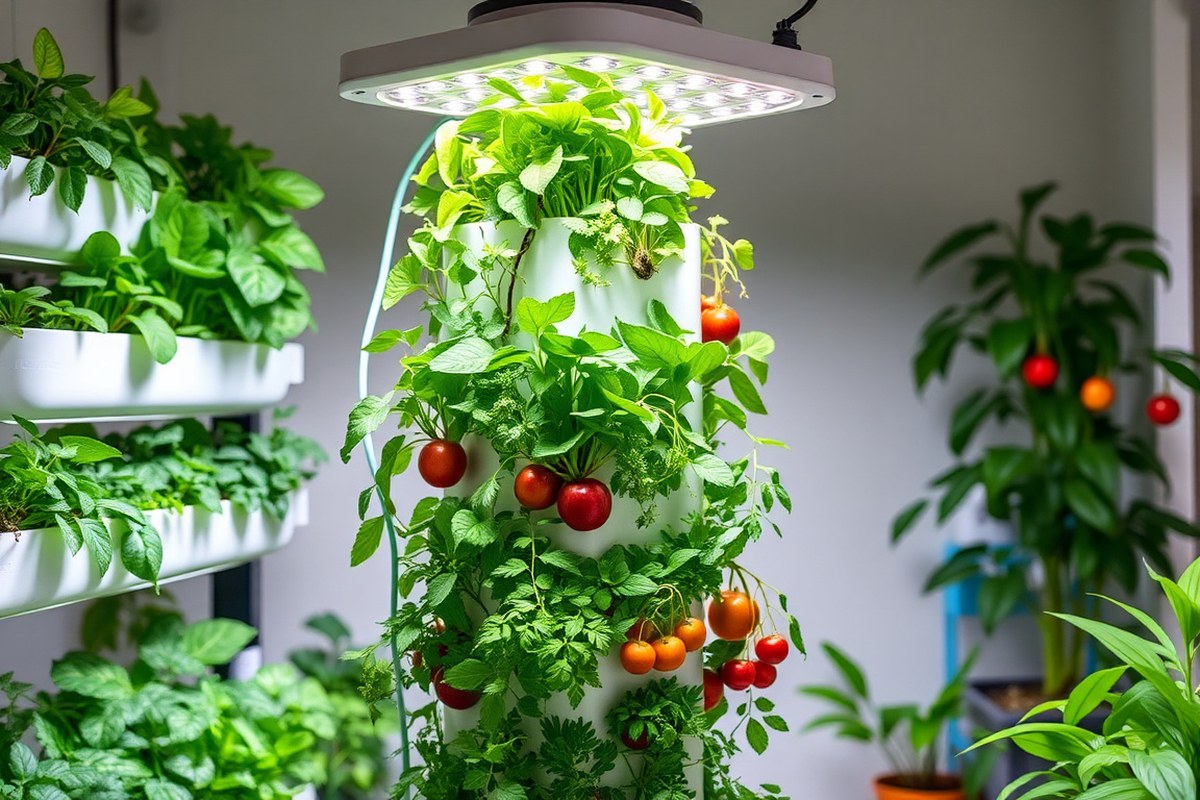
You can grow leafy greens, herbs, and fruiting vegetables in a hydroponic tower. These systems work best for plants that don’t need deep soil, like lettuce, basil, and cherry tomatoes. They use less water and space, allowing you to grow more in a small area.
Leafy greens like spinach and butterhead lettuce grow quickly, often ready in under a month. Herbs such as mint, cilantro, and parsley thrive in these vertical towers.
Fruiting plants need more light. But they can grow well with enough sun or good grow lights.
Choose plants that match your local temperature and light conditions. For example, avoid spinach if your area stays above 80°F most of the time. Follow nutrient schedules and water cycles to keep your plants healthy and productive.
Key Takeaways
- Choose leafy greens like Romaine and Butterhead lettuce for quick harvests.
- Herbs such as mint and basil grow well in hydroponic towers.
- Give fruiting plants at least 8 hours of direct light or strong grow lights.
- Avoid heat-sensitive plants like spinach if your tower area exceeds 80°F often.
- Use short water cycles, like 15 minutes on, 45 minutes off, for consistent hydration.
- Supply tailored nutrients because hydroponic plants need precise feeding for best growth.
Best Plants to Grow in a Hydroponic Tower
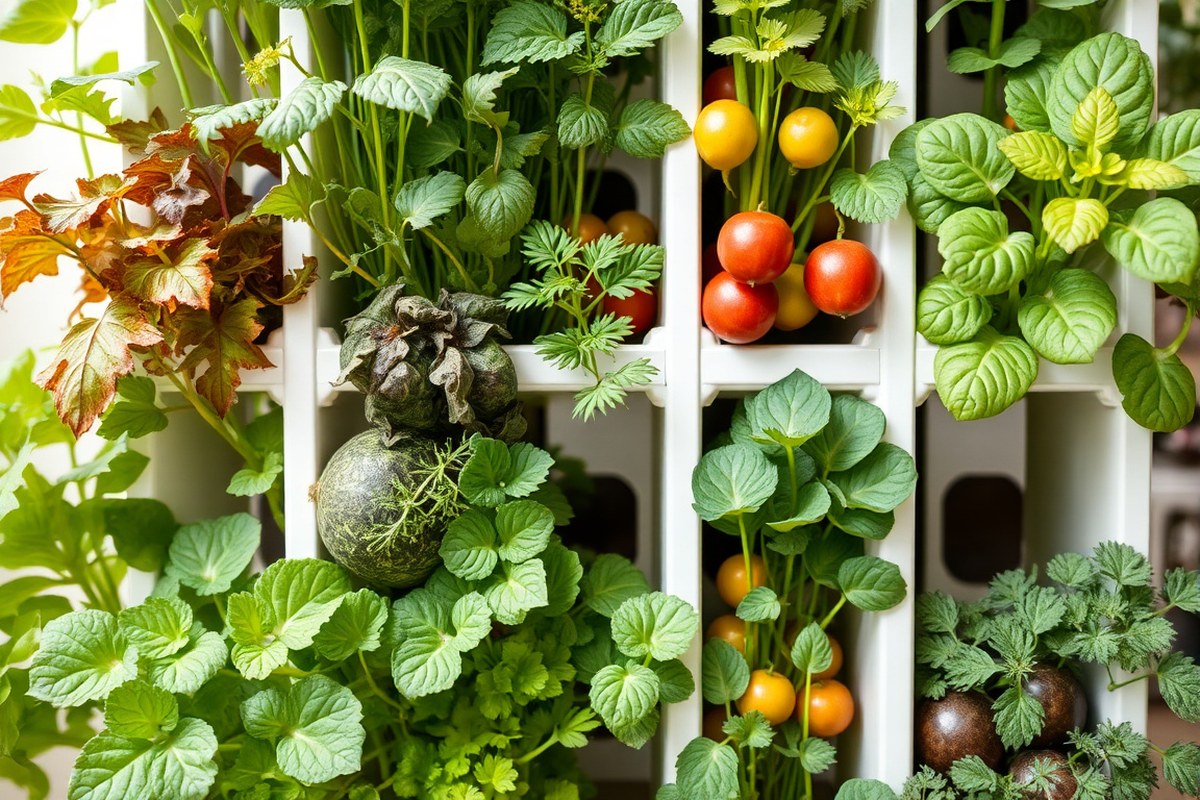
Leafy greens such as lettuce, spinach, and kale grow quickly in hydroponic towers. They usually mature in 3 to 6 weeks, offering a steady supply with minimal effort. These plants need less light than fruiting crops.
They also require fewer nutrients. That makes them great for beginners.
Herbs like basil, mint, and cilantro suit hydroponic towers well. They grow fast, typically ready to harvest in 4 to 7 weeks. Growing herbs with leafy greens is easy.
Both need similar light and nutrients. You can grow them together without trouble.
Small fruiting plants like strawberries, tomatoes, and peppers can grow in hydroponic towers. But they require more care. These plants need higher light levels, more nutrients, and extra space for support.
Fruiting plants take longer to produce. Expect 8 to 12 weeks or more. They need patience and careful care.
Hydroponic towers support about 16 to 30 plants, depending on the model and crop size. For instance, the Gardyn Studio 1 fits 16 full-sized plants, herbs, and vegetables. The LYCereal Tower can hold up to 30 plants.
It works well for mixing greens and fruiting plants. Just make sure there is enough light.
Leafy greens grow fast and produce well. They offer good yields for new growers. This balance suits most beginners.
They require less space and fewer nutrients, which cuts costs and complexity. Fruiting plants increase your tower’s yield.
But they need more light and feeding care. Expect to spend extra time adjusting these.
You can combine herbs and fruiting plants if your system handles their different needs well. Fruiting crops need more potassium in their nutrients. Greens still require enough nitrogen.
Both must have the right nutrient mix supplied. Adjusting nutrient solutions and plant spacing helps both categories grow without competing.
Leafy Greens That Thrive in Hydroponic Towers
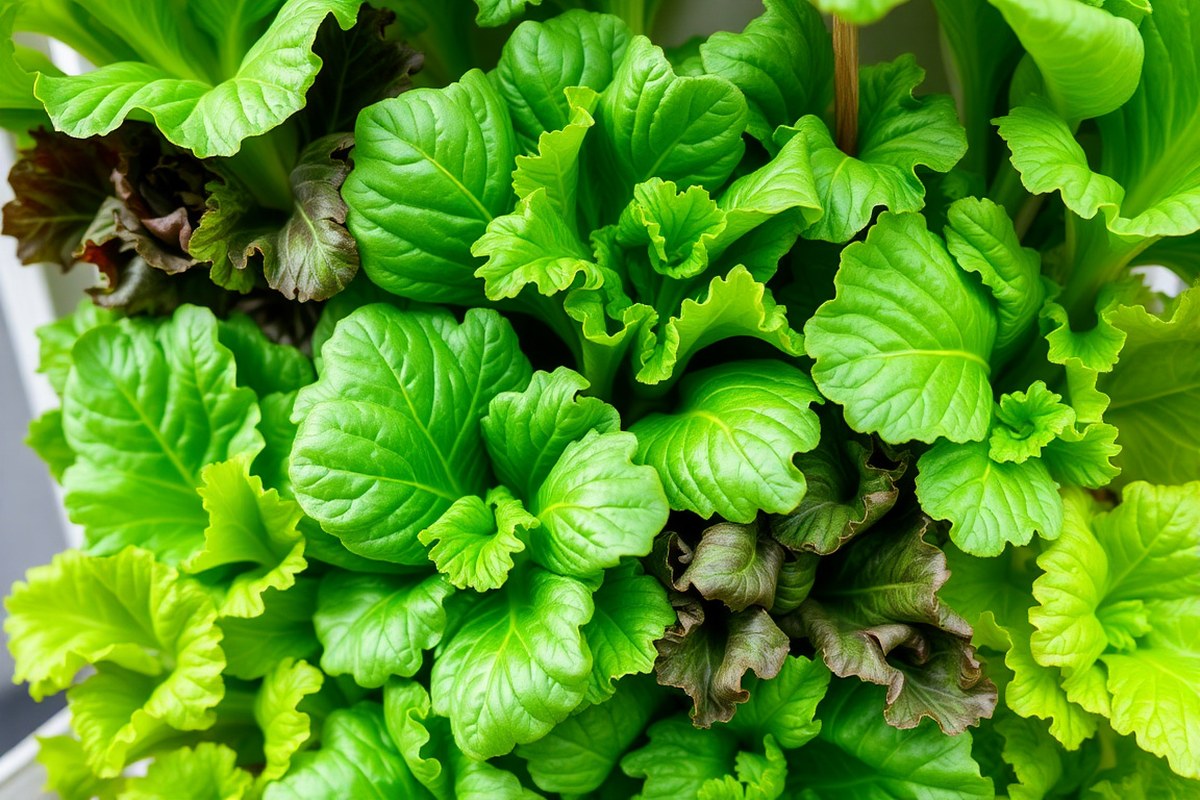
Leafy greens like lettuce, spinach, Swiss chard, and kale grow well in hydroponic towers. They need moderate light for 12 to 14 hours every day. They also prefer cooler temperatures around 60°F to 75°F. These conditions speed up growth and help you harvest fast and fresh greens year-round.
Fast-Growing Lettuce Varieties
Lettuce grows quickly in hydroponic towers, usually ready to harvest in 30 to 45 days. Loose-leaf types like butterhead and romaine do best in cooler spots.
They tolerate temperatures from 60°F to 70°F. Keep the light steady and moderate for 12 to 14 hours a day. This helps avoid bitter leaves on your plants.
Lettuce roots thrive in nutrient water that oxygenates well. Growth can slow if temperatures rise above 75°F or drop below 50°F. Observe the leaves. Healthy lettuce stays vibrant green with no curling or yellow edges.
Spinach and Swiss Chard Preferences
Spinach prefers cooler temperatures between 55°F and 70°F for optimal growth. It takes about 40 to 50 days to reach harvest size in hydroponic towers.
Provide about 12 hours of moderate light in your setup. This stops leaves from bolting or becoming bitter.
Swiss chard grows best in slightly warmer temperatures up to 75°F. It grows slower and takes 50 to 60 days to mature. It does well with similar light exposure and nutrient levels as spinach. Watch for yellowing leaves if the temperature gets too hot or light stresses the plants.
Kale Types and Growth Tips
Kale grows steadily in hydroponic towers and takes about 55 to 70 days to harvest. Tuscan and curly kale varieties work well with temperatures between 60°F and 75°F. They need 12 to 14 hours of light daily for best color. This keeps leaves firm and rich in texture.
Good airflow and stable nutrient flow prevent mold on kale. Keep both steady inside your hydroponic tower.
Adjust your system if you spot wilting or stunted leaf growth. Sometimes reducing water temperature can help if your area gets warmer than 75°F.
Keep temperatures steady below 75°F to avoid stressed, bitter-tasting leafy greens.
Herbs Best Suited for Hydroponic Tower Growing
Herbs like basil, mint, cilantro, and parsley grow quickly in hydroponic towers. They need balanced nutrients, plenty of light, and stable temperatures. With the right care, you can harvest fresh herbs every few weeks all year round.
Basil and Mint Growing Tips
Basil and mint are great for hydroponic towers because they grow fast and stay compact. Basil usually takes 4 to 5 weeks to be ready for its first harvest. Mint spreads quickly, so it’s good to keep it trimmed to avoid overcrowding.
Both herbs thrive under 12 to 16 hours of light daily. Aim for temperatures between 65°F and 80°F to encourage steady growth. Nutrients should include a balanced mix, especially nitrogen for leaf growth and potassium for root health.
- Use a nutrient solution with an N-P-K ratio around 3-1-4.
- Maintain pH between 5.5 and 6.5 for best nutrient uptake.
- Keep water temperature near 68°F to avoid stress.
- Provide consistent airflow to prevent mold on dense leaves.
- Trim herbs regularly to encourage bushier growth.
Good air circulation helps basil and mint stay healthy. Avoid overly humid conditions that lead to fungal problems. Keeping the environment steady reduces stress and boosts flavor in your herbs.
Cilantro, Parsley, and Other Popular Herbs
Cilantro and parsley do well in hydroponic towers but grow slower than basil and mint. Cilantro prefers slightly cooler temps, between 60°F and 75°F. Parsley can grow in many light conditions.
It grows best with moderate light. Give it about 10 to 14 hours of light daily.
These herbs need nutrients rich in nitrogen and some phosphorus to support leaf development. They respond well to a steady nutrient mix with an N-P-K ratio around 4-2-3. Keep the pH in the 5.8 to 6.3 range for best results.
- Cilantro takes 45 to 60 days from seed to harvest.
- Parsley needs about 70 days to mature fully.
- Chives and dill also do well in hydroponic towers.
- Microgreens of these herbs grow fast and fit well in vertical systems.
- Provide moderate humidity levels, around 50-60%, to avoid leaf spotting.
Good lighting and temperature control help these herbs avoid bolting (going to seed). When temperatures climb above 80°F, cilantro can bolt prematurely. Parsley holds up better but still prefers steady conditions.
Herb Harvesting and Maintenance
Harvest herbs by cutting leaves or stems just above a node to encourage regrowth. Most herbs, like basil and mint, can be harvested every 2 to 3 weeks once mature. Regular harvesting keeps plants productive and prevents overcrowding.
Monitor nutrient levels weekly to keep plants healthy. Use a full hydroponic nutrient mix made for herbs and greens. The mix balances nitrogen, phosphorus, potassium, and micronutrients.
This helps plants grow strong and healthy. Flush the system every few weeks to prevent salt buildup.
- Harvest basil and mint every 4 weeks.
- Cilantro and parsley harvest intervals range from 5 to 8 weeks.
- Maintain 12-16 hours of light per day.
- Keep water and air temperature between 65°F and 75°F for steady growth.
- Trim dead or yellowing leaves to prevent disease.
Consistent light and temperature improve leaf quality and aroma. Overfeeding nutrients can cause leaf burn or poor taste. Following a steady schedule helps you enjoy flavorful herbs fresh from your tower.
Fruiting Plants You Can Successfully Grow Vertically
You can grow fruiting plants like tomatoes and cucumbers really well in a hydroponic tower. Cherry tomatoes and small cucumbers grow well in towers. They grow up, saving space.
They don’t take much room to produce fruit. Choose compact types like cherry tomatoes ‘Tumbling Tom’ or pickling cucumbers that stay short and bushy. So they fit better in tight spots.
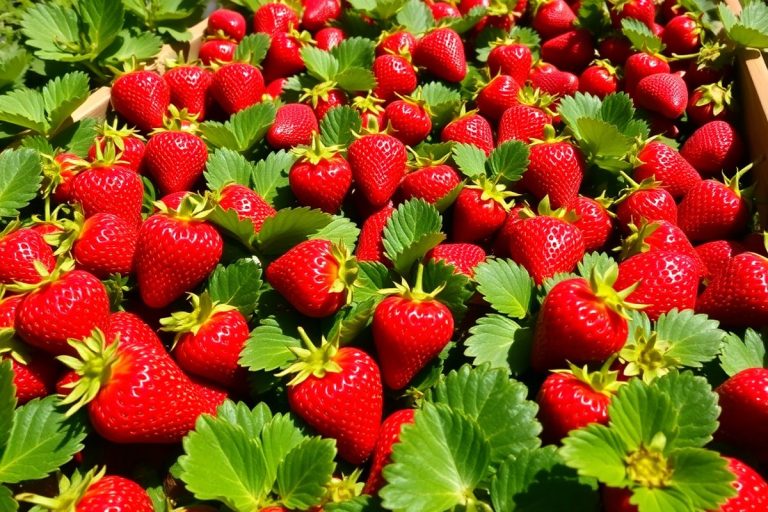
Strawberries also do great in towers, especially vertical-specific varieties like ‘Temptation’. They spread out on tower layers to use space well. This gives you lots of fruit.
It works great for small garden spots. Peppers and eggplants can grow in these towers but usually need more room and support. Supporting vining plants with stakes or trellises keeps them upright and healthy.
Fruiting plants need about 16 to 18 hours of bright light daily to produce well. Use full-spectrum LED grow lights to mimic outdoor conditions. Aim for a temperature range of 70 to 80 degrees Fahrenheit during the day.
Not below 60 degrees at night. Temperatures outside this range can reduce fruit production or cause stress.
Supporting fruiting vines is key. Use soft ties or clips to hold stems gently. Attach them to stakes or a trellis inside the tower.
This supports the plants without hurting them. Pruning helps air move and plants use energy well. Cut off lower leaves and side shoots that don’t fruit.
This makes plants healthier and fruit better. Proper pruning can prevent overcrowding and reduce disease risk.
Try these varieties in your tower garden: ‘Tumbling Tom’ cherry tomatoes. ‘Temptation’ strawberries, pickling cucumbers, and ‘Sweet Banana’ bell peppers. These grow well and give good yields.
Maintain nutrient solution pH between 5.5 and 6.5, with electrical conductivity (EC) levels around 1.7 to 4.0, depending on the plant. Higher EC suits tomatoes, while strawberries prefer lower EC.
Plants to Avoid Growing in Hydroponic Towers
Hydroponic towers struggle with plants that need large root zones or long growing times. Crops like traditional potatoes and carrots don’t work well because they develop large underground storage roots.
These roots need more space than tower ports provide. Overcrowding causes poor growth and stunted roots.
Plants with heavy or bulky fruit also face problems. Large fruiting plants can become top-heavy, harming the tower’s stability.
Their size can block light from other plants, limiting overall productivity. Because of this, most hydroponic towers favor compact plants with smaller root systems.
Here’s a list of plants to avoid in hydroponic towers:
- Potatoes, due to their large underground storage needs
- Carrots and beets, which require deep soil for root development
- Large melons and pumpkins, too heavy and sprawling for vertical growth
- Tomato varieties that grow very tall or vine heavily without support
- Corn, because it needs a lot of space and sunlight
- Root crops like parsnips or radishes needing loose, deep soil
Better substitutes work well with limited root space and vertical growth. Lettuce, kale, and other leafy greens grow fast and stay compact.
Herbs like basil, cilantro, and mint fit neatly into tower cells. Strawberries also do well because they pair nicely with vertical setups and don’t require massive roots.
Replacing root crops with shallow-rooted leafy vegetables saves time and effort. They mature in about 30 to 40 days, letting you harvest more often.
Fruiting plants that stay smaller or can be pruned effectively fit best in towers. This approach maximizes sunlight reach and airflow between plants.
Heavy or deep-rooted crops often fail in hydroponic towers. So stick to compact, fast-growing plants for best results.
How Environmental Factors Affect Plant Choice and Growth
Temperature directly affects which plants thrive in your hydroponic tower. Leafy greens like lettuce and kale prefer cooler temperatures between 60°F and 75°F. Fruiting plants such as tomatoes and peppers do better slightly warmer, around 70°F to 80°F. Avoid temperatures over 85°F, which can stress many tower plants and stunt growth.
Light duration also influences what grows well. Fruiting plants need 12 to 16 hours of light every day. This helps the fruit set and develop properly.
Leafy greens require less, typically 10 to 12 hours, to maintain tender leaves without bolting. Using LED grow lights helps you control both intensity and duration without extra heat.
| Plant Type | Optimal Temperature (°F) | Daily Light Hours | Preferred pH Range |
|---|---|---|---|
| Leafy Greens (Lettuce, Kale) | 60 – 75 | 10 – 12 | 5.5 – 6.5 |
| Herbs (Basil, Mint) | 65 – 80 | 10 – 14 | 5.5 – 6.7 |
| Fruiting Plants (Tomatoes, Peppers) | 70 – 80 | 12 – 16 | 5.5 – 6.5 |
Keeping the nutrient solution pH between 5.5 and 6.7 helps plants absorb nutrients efficiently. Different crops have slight preferences within this range.
So testing your solution regularly is key. Plants may show yellow leaves or slow growth when pH drifts too low or high.
Humidity impacts plant health by influencing water uptake and disease risk. Most hydroponic tower plants grow well in 50% to 70% humidity. Too low humidity can dry leaves and slow growth.
Too high humidity may encourage mold and root rot. So monitor your system’s environment closely. Fans or dehumidifiers help balance humidity in enclosed spaces.
Optimizing Plant Spacing and Nutrient Feeding Schedules
Space your plants about 6 to 12 inches apart in hydroponic towers to avoid crowding. Feed them nutrient solutions every 1 to 3 hours. This depends on the plant type.
It also depends on your tower setup. Proper spacing and feeding boost airflow, light reach, and the overall health of your plants.
Determining Ideal Plant Spacing
Plants need room for leaves to catch light and roots to access nutrients. Crowding cuts light and air circulation, inviting disease and lowering yields.
Most leafy greens do well about 6 to 8 inches apart. Larger fruiting plants need 10 to 12 inches.
Check seed packets for mature plant width and height to plan your tower setup. Taller or wider plants should be spaced accordingly to avoid blocking light from shorter ones. Group plants by their nutrient needs to keep feeding consistent and avoid competition.
Follow these steps to space plants correctly in your hydroponic tower:
- Measure plant spread and height on seed packets for expected size.
- Mark planting spots on each tower level, leaving 6 to 12 inches between plants.
- Place larger plants where they won’t shade smaller ones below.
- Group plants by similar nutrient needs to share a feeding schedule.
- Consider vertical clearance so tall plants don’t hit lights or ceilings.
Setting Up Nutrient Feeding Intervals
Feed hydroponic tower plants every 1 to 3 hours. The schedule depends on plant size. It also depends on system type.
Younger or leafy plants may do well with longer intervals, around 2 to 3 hours. Fruiting plants often need shorter cycles near 1 hour to support rapid growth.
Extended feedings can drown roots while too little watering stresses plants. Aim for nutrient durations of 5 to 15 minutes per cycle.
Use timers on pumps to automate intervals and avoid overfeeding. Check plant leaves for signs of over or underfeeding, such as yellowing or stunted growth.
Use this feeding schedule template:
- Start feeding every 2 hours for leafy greens with 10-minute run times.
- Adjust to every hour for fruiting plants like tomatoes or peppers.
- Reduce frequency slightly if plants show stress or water stays too wet.
- Increase feeding if nutrients run low or plants grow slowly.
Maintaining Airflow and Preventing Disease
Good airflow prevents moisture buildup and fungal diseases in dense hydroponic towers. Space plants to allow air between leaves and avoid tightly packed layers. Use a small fan to circulate air gently across plants without drying roots.
Position your tower where light can reach all sides, not just one angle. Rotate the tower periodically if indoor lighting is fixed, ensuring each plant gets enough light. Regularly check for mildew or mold, especially where plants overlap or crowding occurs.
Selecting Plants Based on Your Growing Environment
You can grow many plants inside with artificial lighting. Leafy greens like lettuce and spinach do very well under LED grow lights.
They need about 12 to 16 hours of light daily. This gives them enough energy without burning them.
Herbs such as basil, mint, and chives also thrive indoors. Make sure your grow lights provide full-spectrum light to mimic the sun. You’ll want a space with stable temperatures between 65 and 75°F.
Outdoors, your hydroponic tower can handle a wider variety of crops. Tomatoes, peppers, and cucumbers grow best in natural sunlight.
These fruiting plants need at least 6 hours of direct sun daily. Exposure to beneficial insects also helps control pests.
Outdoor conditions change with the seasons and weather. Some veggies like kale and Swiss chard tolerate cooler temperatures near 50°F. For hotter climates, pick heat-resistant varieties like Muir lettuce to avoid bolting. Watch your local temperatures closely to match your plant choice.
Start your plant selection by checking your environment. Ask: Is the space indoors or outdoors? How many hours of light can you provide?
What is the typical temperature range? Then match plants suited for those factors.
Keep your space steady between 65 and 75°F. Give your plants 12 to 16 hours of full-spectrum light. Protect them from drafts and pests to stay safe. Find a spot with at least 6 hours of sunlight.
Choose plants that match your climate zone. Leave space for airflow to stop mold.
Test your lighting and temperatures before planting to avoid wasting seeds on plants that won’t thrive.
Following your environment guidelines helps you save time and money on failed crops. You won’t need extra cooling or heating if plants match your local conditions. Adjust nutrient schedules slightly for temperature swings, warmer temps often mean feeding more frequently.
Matching your plants to the right environment can make your entire hydroponic tower experience better. You’ll grow a healthy, productive garden with fewer pests and less stress.
Pay close attention to light and temperature as you plan. Adjust based on results.
Step-by-Step Action Plan for Growing Plants in Your Hydroponic Tower
Follow this plan to pick and grow plants that thrive in your hydroponic tower. Check each step to make sure your system and plants are doing well.
- Before you start: Choose leafy greens and herbs suited for towers, like lettuce and basil. These plants grow quickly and show early signs of success.
- Week 1: Set up your tower in a spot with consistent 6-8 hours of indirect sunlight. Plants should look healthy and not stretch toward the light.
- Week 2: Begin feeding nutrient solution every other day. Watch for steady growth and green leaves.
- Week 3: Add spacing between plants if leaves start crowding. Proper spacing keeps plants healthy and avoids mold.
- Week 4: Check pH levels and adjust to 5.5-6.5. Balanced pH helps nutrient uptake and plant health.
- Week 5: Introduce fruiting plants like cherry tomatoes if your system supports extra light. Look for flower buds setting on these plants.
- After 6 weeks: Harvest leafy greens and herbs as they reach maturity to encourage new growth. Regular harvesting keeps plants productive.
Frequently Asked Questions
What Types of Berries Can You Grow in a Hydroponic Tower?
Strawberries and some smaller berry varieties do well in hydroponic towers. They need ample light and consistent nutrient feeding to produce sweet fruit.
Can Root Vegetables Grow in a Hydroponic Tower System?
Root vegetables like carrots and potatoes don’t grow well in towers. Their need for deep soil space makes them unsuitable for vertical hydroponics.
Are Flowers a Good Option for Hydroponic Towers?
Some small, edible flowers can grow in hydroponic towers but most ornamental flowers prefer soil. Herbs and veggies are better plant choices overall.
How Often Should I Rotate Plants in a Hydroponic Tower?
Rotating plants every 4 to 6 weeks can help manage pests and balance nutrient use. This keeps the tower healthy and productive longer.
Can Hydroponic Towers Support Year-Round Growing?
Yes, with stable indoor conditions and grow lights, you can grow plants year-round. Smart sensors help monitor humidity and temperature for consistent growth.
Is It Possible to Grow Full-Sized Vegetables in a Hydroponic Tower?
Yes, compact varieties of tomatoes, peppers, and cucumbers can grow full-sized in towers. Choose smaller cultivars for better space management.
Before You Go
Your hydroponic tower can grow a range of leafy greens, herbs, and some fruiting plants. Pick your plants based on light, space, and nutrient needs. Start today by selecting a few easy greens and watch your tower flourish.