How Many Peppers per Plant: A Complete Guide for Maximum Yield
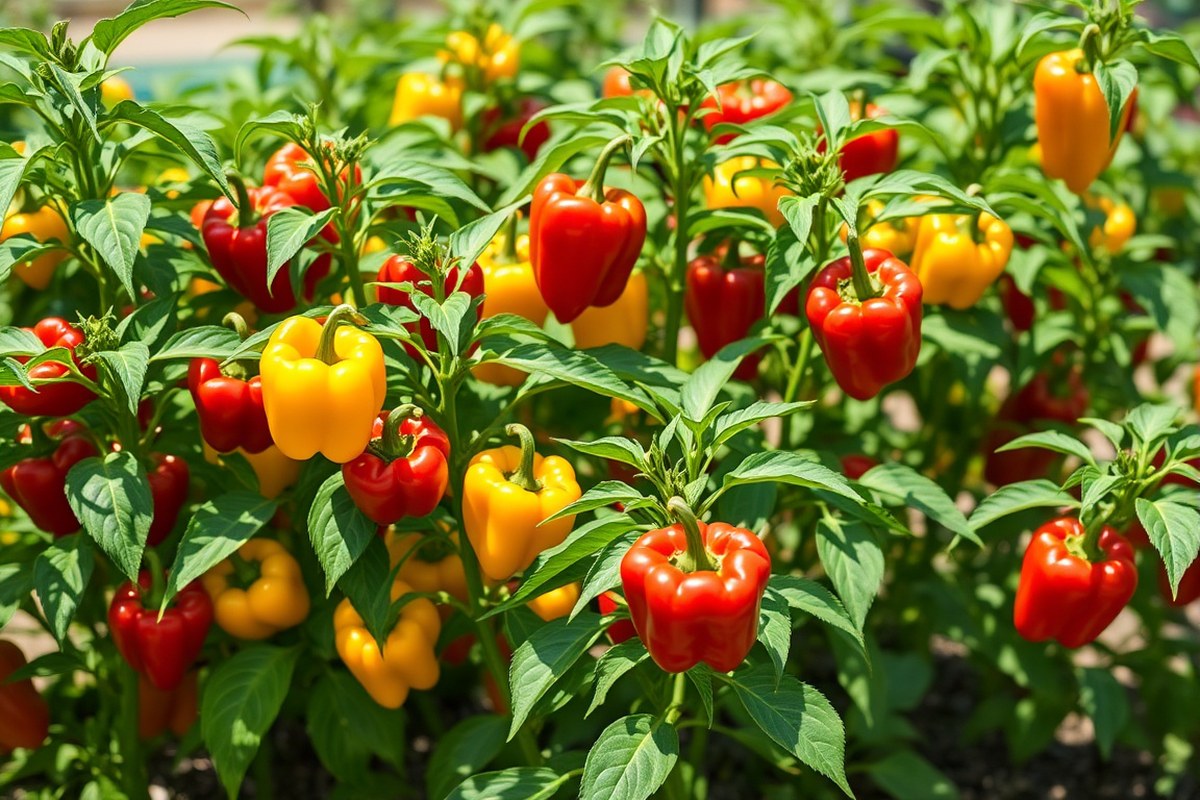
How many peppers per plant you get depends a lot on the variety. On average, a healthy plant produces around 15 peppers, but this can range widely. Some pepper plants like Anaheim can produce continuously for years, making your yield even better.
Climate and growing season also matter a lot. Peppers need warm days between 70 and 85°F to grow well. They also need lots of sunlight to produce fruit.
Bright sun helps peppers develop better and yield more. Your season might be short. You could get only 6 to 8 peppers per bell pepper plant.
Starting your peppers indoors about eight weeks before the last frost gives them a head start. This method gives your peppers more time to grow.
More time means more fruit on each plant. You end up with a higher total yield.
Key Takeaways
- Choose pepper varieties that suit your climate and length of growing season.
- Space pepper plants 12 to 18 inches apart for better air and light access.
- Start seeds indoors 6 to 8 weeks before your last frost date for early growth.
- Peppers need full sun, ideally 8 to 10 hours daily, to maximize fruit yields.
- Warm temperatures between 70°F and 85°F during the day support healthy pepper growth.
- Overwinter slow-maturing peppers like bell and habaneros for better yields next year.
How Many Peppers Does One Plant Typically Produce?
| Pepper Type | Typical Peppers per Plant | Average Fruit Weight | Planning Note |
|---|---|---|---|
| Large Bell Pepper | 5 to 10 | 4 to 7 oz / 115 to 200 g | Heavier fruit means fewer peppers per plant |
| Mini Sweet Pepper | 20 to 40 | Typical pepper harvest per plant ranges from about 0.7 to 1.5 ounces (20 to 43 grams). | Frequent picking encourages more flowers and fruit |
| Jalapeno | 25 to 45 | A common yield for a single pepper plant is roughly 0.5 to 1.0 ounces (14 to 28 grams). | Harvesting green fruit usually results in more total peppers |
| Cayenne or Thai Chili | 40 to 80 | 0.1 to 0.3 oz | Small peppers yield high counts per plant |
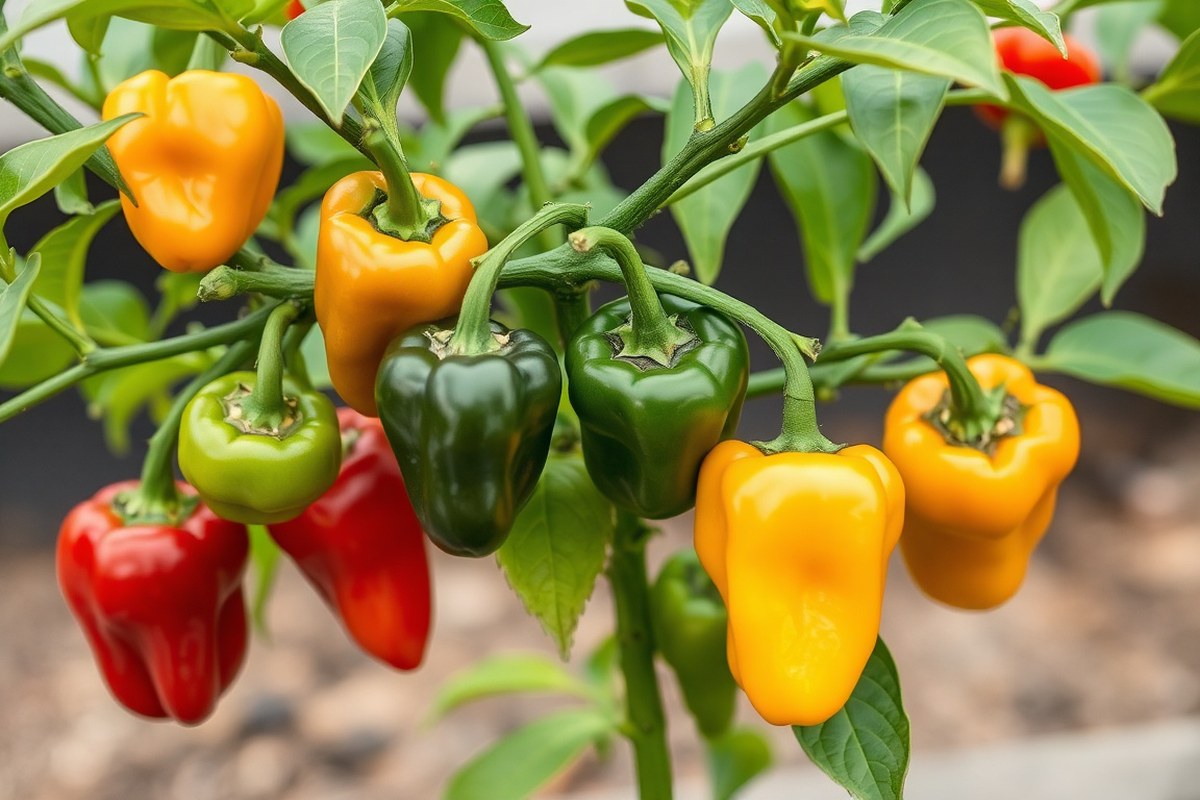
A single pepper plant’s yield depends on the type and size of peppers. Large bell peppers are heavier and usually produce fewer peppers, about 5 to 10 per plant. Meanwhile, smaller types like mini sweet peppers or hot peppers have more fruits, often 20 to 80 per plant.
The smaller peppers weigh less, so the plant can support more. On average, a healthy bell pepper plant will produce 6 to 8 full-sized peppers during a growing season. You might get around 4 pounds of peppers from a single plant.
But this varies with climate, care, and variety. Mini sweet peppers and jalapenos produce more fruit because these plants set flowers continuously and often have smaller fruits. For example, if you want to harvest about 30 peppers over the season, a Jalapeno plant producing around 40 peppers could be a good fit.
Some growers pick peppers often to encourage new flowers and fruits. This regular harvesting strategy works well for mini sweet peppers, which can give 20 to 40 fruits per plant if picked frequently. In regions with a short growing season, expect a bell pepper plant to produce just 6 to 8 peppers before frost arrives.
But in warmer climates, you might get more fruit cycles and save the harvest for longer. For those growing spicy peppers like poblano, the yield can go beyond 100 peppers per plant, especially if plants grow large and the season is long. Tracking your typical pepper use across meals helps decide how many plants to grow.
Knowing that larger peppers are heavier means fewer total fruits per plant. Smaller peppers mean more counts but less weight per fruit. You can plan based on your preference for fresh eating, cooking, or drying peppers.
How Growing Season and Climate Influence Pepper Yield
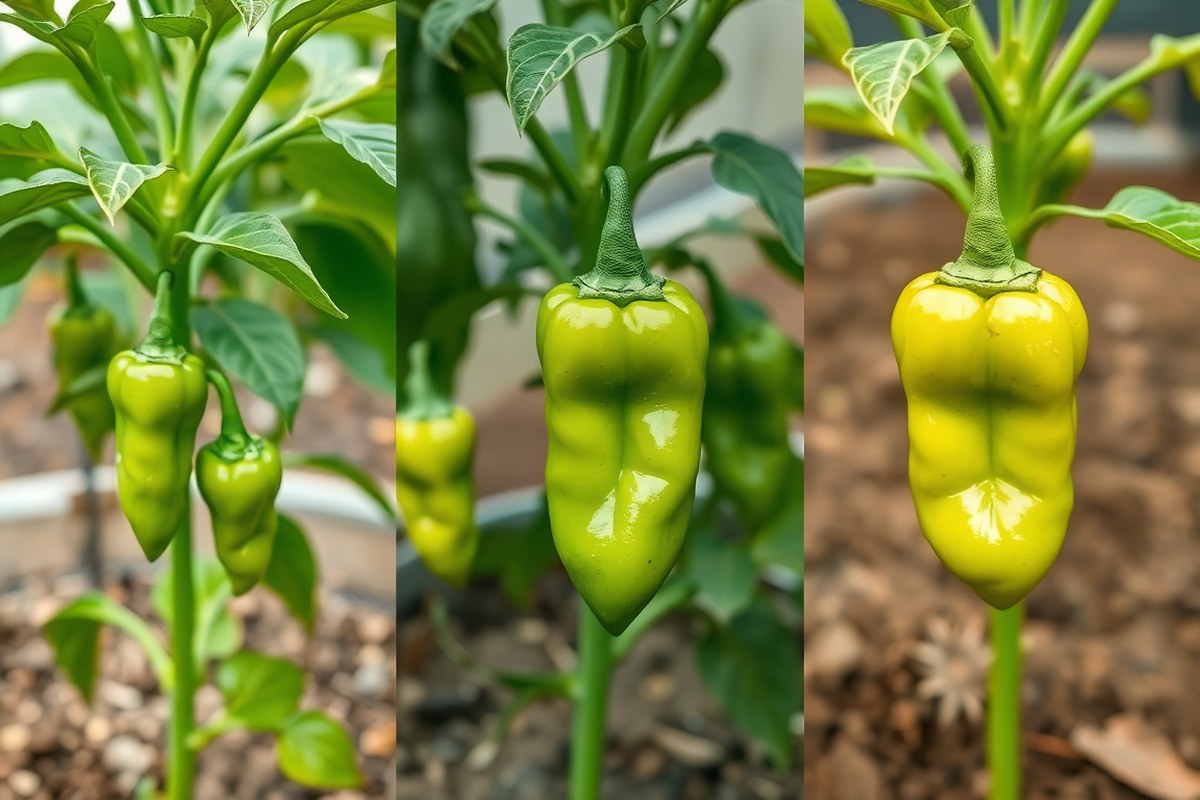
Peppers need a long, warm growing season to reach full yield. Starting seeds indoors about eight weeks before your last frost date helps extend the season. Cooler or shorter seasons cut yields by about 30%.
This happens because ripening slows down. Fewer fruit flushes also lower the total harvest.
Temperatures strongly affect how many peppers you get. Ideal daytime temps are 75 to 90°F, with nights around 65 to 70°F. Peppers slow growth and drop flowers if night temperatures fall below 55°F. Days above 95°F cause flowers to drop and reduce fruit set by up to 25%.
Early frost or extreme heat can cut yields sharply by stopping flower and fruit development. Frost can arrive early. Peppers won’t ripen fully then.
Red peppers need 2 to 3 extra weeks to ripen. In very hot weather, providing afternoon shade can save flowers and increase harvest size.
Start plants early to get the best pepper harvest. Protect flowers from heat stress. Keep flowers safe from cold stress too.
Use row covers on cold nights and provide shade during heat waves. This keeps flowers healthy and fruit set strong. Remember to harvest peppers promptly to encourage continued production.
Use shade cloth when temperatures go over 95°F in the afternoon. Cover plants if nights fall below 55°F. This helps protect your peppers.
Choosing Pepper Varieties for Maximum Fruit Production
Choose pepper varieties by yield, climate, and fruit size. This helps you get the most peppers per plant.
Pick early-maturing types for short seasons and larger fruits if you want fewer peppers. Balancing these factors helps you match your garden’s conditions and your harvest goals.
High-Yield Sweet Pepper Varieties
Sweet peppers usually produce fewer fruits because they grow larger. Mercer is an exception, giving about 15 bell peppers per plant in Michigan’s climate.
Mini and snacking peppers can produce 20 to 40 small fruits each. They offer a good mix of quantity and size.
Bigger sweet peppers take longer to grow and drain the plant’s energy faster. This makes them less productive if you expect many peppers per plant. Opt for smaller sweet peppers if the number of fruits matters more to you than size.
Top Producing Hot Pepper Cultivars
Hot peppers tend to give more fruits with smaller sizes. Jalapeños usually yield 25 to 35 peppers per plant. Some plants can grow up to 50 fruits in good conditions.
Serrano and cayenne peppers produce 30 to 50 peppers per plant. These types work well for getting high yields.
Slow maturing superhots and habaneros produce fewer peppers but can do better if overwintered. For home gardeners wanting many peppers, try jalapeño or serrano for faster, bigger harvests. Hot peppers need a longer growing season to hit their full yield.
Varieties for Cool vs Warm Climates
Sweet peppers like California Wonder or Lunchbox work well in cooler climates. They mature in about 90 to 110 days and handle shorter seasons better.
Hot peppers like cayenne or serrano need warm temperatures to grow. They also require a longer growing season to do well.
Your area has short summers? Grow early sweet peppers or move pots to sunny spots.
Overwintering slow-maturing peppers in mild zones can jump-start fruiting next season. Plant selection depends on your frost dates and average summer temperatures.
Here is a table showing yield ranges and days to ripe for common pepper types. Use this to compare varieties by fruit count and growing time. Choose based on your space and local climate.
| Variety type | Typical yield per plant | Ideal-condition maximum | Days to red ripe |
|---|---|---|---|
| Bell pepper (California Wonder, Big Red) | 6-8 fruits | 10-12 fruits | 90-110 days |
| Sweet snacking / mini pepper | 20-40 fruits | 50+ fruits | 75-90 days |
| Jalapeño | 25-35 fruits | 50 fruits | 70-80 days (green), 90+ days (red) |
| Serrano | 30-50 fruits | 80 fruits | 70-80 days |
| Cayenne | 30-50 fruits | 75 fruits | 70-85 days |
| Poblano / Ancho | 10-15 fruits | 20 fruits | 65-80 days |
Select varieties that fit your garden size and seedling planning strategy. Label all types before transplanting to track growth and yields. Stagger varieties with different ripening dates to keep fresh peppers coming over time.
Optimizing Planting and Spacing to Increase Peppers per Plant
Give each pepper plant room to grow by planting them 12 to 18 inches apart. Small hot peppers can handle closer spacing.
Large bell peppers need about 18 to 24 inches. Proper spacing helps airflow and sunlight reach every plant, preventing disease and encouraging fruit.
Use containers that hold at least 5 gallons of soil per plant. Larger pots, around 10 gallons, support bigger plants and more peppers. Smaller pots can stunt growth or dry out too fast, reducing your harvest.
Start seedlings inside. Move them outdoors when the soil warms. Wait for frost danger to pass.
Transplanting too early slows growth and risks frost damage. For an earlier start, move seedlings to bigger pots 1-2 weeks before planting outside.
- Space plants 12-18 inches apart for small varieties, 18-24 inches for larger ones
- Choose pots at least 5 gallons; 10 gallons for bigger yields
- Transplant after soil reaches 70°F and frost risk ends
- Pinch off flowers for 4-6 weeks after transplant to boost growth
- Keep plants in full sun with good air circulation
Pinch off flowers during the first 4 to 6 weeks. This helps peppers grow larger before fruiting.
You can plant rows with about 18 inches between plants and rows for good density. Overcrowding stunts growth and reduces pepper numbers.
Fertilization, Watering, and Mulching for Better Pepper Yields
Peppers need balanced fertilization to produce more fruit. Use a fertilizer higher in phosphorus and potassium than nitrogen, like a 5-10-10 ratio. Too much nitrogen makes plants leafy but reduces pepper numbers.
Apply fertilizer at planting, then again every 4 to 6 weeks during growth. Spread it evenly around the base, staying a few inches from stems to avoid root burn. Follow the package rates, usually about 1 to 2 tablespoons per plant for granular types.
Water peppers deeply but not too often. Aim for about 1 inch of water per week, depending on weather and soil. Soak soil to a 6-8 inch depth to encourage deep roots, which supports steady fruit development.
Hot weather means watering every other day. This is true if your soil drains fast. Keep an eye on the soil moisture.
Avoid watering leaves, since wet foliage can raise disease risks. Early morning watering helps reduce evaporation.
Mulching keeps soil moist and cool for peppers. Put 2 to 3 inches of organic mulch around each plant. You can use straw or marsh hay.
Keep the mulch loose and even. This stops moisture loss and adds nutrients as it breaks down.
Mulching also reduces weeds that compete for water and nutrients. Keep mulch a few inches away from the stem to prevent rot. Check mulch thickness throughout the season and add more if it dries out.
Water peppers deeply once a week to 6-8 inches. Water more during hot, dry weather. This helps prevent blossom drop.
Pruning and Harvesting Strategies for Maximum Peppers
Removing the first flowers delays your harvest by 2-3 weeks. This helps grow a bigger plant. The plant will produce more peppers overall.
Pruning helps branches grow stronger and supports more fruit. Picking peppers often encourages the plant to keep making new fruit.
When and How to Prune Pepper Flowers
Pinch off the first flowers when they appear on young plants. This focuses energy on growing leaves and stems. The delay in fruiting adds weeks but leads to a bigger harvest later.
Use clean fingers or small scissors to snip flowers gently. Avoid too many cuts to reduce stress. Stop pruning flowers once the plant looks full and healthy with many branches.
Harvesting Timing and Frequency Tips
Pick peppers as soon as they reach the desired size and color. Frequent harvesting signals the plant to produce more fruit. Letting peppers stay too long on the plant slows new growth.
Harvesting about every 3 to 4 days works well in warm weather. Watch for peppers that are firm and shiny. Handle them carefully to avoid bruising or breaking stems.
Maintaining Plant Health Through Pruning
Trim back crowded or weak branches to improve airflow and sunlight. Removing side shoots at the base helps the main branches grow stronger. Use sharp, clean tools to avoid spreading disease.
Too much pruning can stress the plant and reduce yields. Limit pruning to only dead leaves, crowded growth, or weak stems. Keep your pepper plant balanced with healthy branches for the best fruit count.
- Remove first flowers about 2 weeks after planting seedlings
- Prune only a few flowers at a time to reduce stress
- Harvest peppers every 3 to 4 days for continuous fruiting
- Pick peppers when firm, evenly colored, and fully sized
- Trim crowded branches for better light and air
- Avoid heavy pruning to prevent stress
- Keep tools clean to prevent plant diseases
Common Mistakes That Reduce Pepper Fruit Production
Poor fruit production often happens when peppers don’t get the right care. Watering too much or too little can stress plants and cause fruit to drop. Also, planting peppers in too much shade or exposing them to extreme temperatures will lower yields.
You’ll notice poor fruit set if flowers fall off before turning into peppers. Temperatures below 72°F slow fruit development.
Above 85°F heat can cause peppers to drop early. Shade helps during hot spells but too much shade means fewer flowers and peppers.
- Water deeply but only when the top inch of soil is dry
- Plant where peppers get at least 6 hours of direct sunlight
- Use shade cloth during heat waves above 85°F to prevent heat stress
- Do not add extra nitrogen once fruiting starts; it reduces peppers
- Protect peppers from low temps below 50°F, especially early in the season
- Remove any sunscalded or damaged peppers to keep plants healthy
- Keep soil consistently moist but not waterlogged to avoid root issues
Nitrogen is key early on, but too much during fruiting boosts leaves, not fruits. Usually, peppers need regular watering to keep soil moist but not soggy. You might see sunscald as white or pale spots on peppers.
These happen when plants get too much direct afternoon sun. It can damage the fruit.
After you plant, watching weather forecasts helps avoid damage from cold snaps. For example, planting before a cool weekend might kill seedlings or halt fruit set. It’s easier to fix fruit loss from water stress or heat.
Saving peppers frozen by low temperatures is much harder. Watch your plants for these problems. Following these checks helps boost how many peppers your plant will produce.
Extending Harvest and Boosting Production with Advanced Techniques
Growing peppers beyond one season or planting them at different times can increase your yearly harvest. Using support structures and containers also helps plants grow better and produce more peppers. Techniques like overwintering bring more fruit over time.
Staggered planting spreads out the harvest. Both improve your garden’s overall yield.
Overwintering Pepper Plants for Multiple Seasons
Overwintering means keeping pepper plants alive through winter to produce more fruit the next year. Start by bringing healthy plants indoors before the first frost.
Put them in a sunny window or under grow lights. They need 10 to 12 hours of light daily.
Keep soil moist but not soggy to avoid root rot. Temperatures between 55°F and 70°F work well for pepper plants indoors. They won’t grow fast but will stay alive and develop flowers in early spring.
This method saves seed-starting time and can boost your yield by producing peppers earlier. However, pests and diseases indoors are common problems, so inspect plants regularly.
The plant might weaken or stop growing. Start new seeds instead.
Staggering Seedling Dates to Extend Harvest
Plant pepper seeds in intervals of two to three weeks during early spring. This creates a staggered harvest, spreading out when peppers mature. Instead of one big harvest, you’ll get fresh peppers for a longer time.
Start seedlings in seed trays or small pots. Transplant them when 4 to 6 inches tall.
Keep track of planting dates with labels or a notebook. Remember to protect young plants from late frosts if planting outside too soon.
Staggered planting demands more space and attention but helps avoid overwhelming harvests. Space plants about 18 to 24 inches apart in your garden. Plan this carefully to allow good airflow.
Using Supports and Containers Effectively
Supports like cages or stakes keep pepper plants upright and reduce broken branches. This improves air circulation and sun exposure, resulting in more and better fruit. Use sturdy tomato cages or simple bamboo stakes tied loosely with garden twine.
Growing peppers in containers helps control soil quality and watering. Choose pots at least 12 inches deep with good drainage. Container peppers often mature faster since their soil warms up sooner in spring.
Containers and supports require more frequent watering since plants dry out quicker. Avoid overcrowding pots to prevent disease and allow peppers enough space to grow.
Always tie plants gently to supports, or stems may get damaged or strangled as they grow.
Step-by-Step Action Plan to Boost Your Pepper Harvest
Follow these steps to grow more peppers per plant and watch your harvest grow. Check each step to make sure your plants respond well.
- Before planting: Select a high-yield pepper variety suited for your climate. Look for healthy seedlings with strong stems and dark green leaves.
- Day 1: Space plants 18 to 24 inches apart to give roots room. Plants should look evenly spaced with no crowded leaves.
- Week 2: Water deeply but allow soil to dry slightly between watering. Soil should feel moist but not soggy to the touch.
- Week 3: Apply a balanced fertilizer with equal nitrogen, phosphorus, and potassium. Leaves stay bright green and plant grows steadily.
- Week 4: Mulch around plants to keep soil moist and prevent weeds. Mulch should cover soil without touching stems.
- Week 5: Prune lower leaves and pinch off early flowers if plants are small. Plants should focus energy on stronger branches and fruit.
- Weeks 6 and beyond: Harvest peppers regularly when mature to encourage more fruit. Check plants for new flowers and peppers forming.
- After harvest: Remove any diseased or damaged fruit to prevent spread. Plants look healthy and continue producing.
Frequently Asked Questions
What Are Common Pepper Growing Mistakes?
Common mistakes include planting peppers too close together and watering inconsistently. These reduce airflow and stress plants, lowering yield.
Can I Put 2 Pepper Plants in a 5 Gallon Bucket?
Yes, but roots may compete for nutrients and water. Two plants can fit but might yield less fruit.
What Cannot Be Planted Near Peppers?
Avoid planting beans and brassicas near peppers. They can stunt pepper growth or attract pests harmful to peppers.
Should I Pick the First Peppers Off My Pepper Plant?
You can pick the first peppers. But leaving some may help the plant grow stronger. Early fruit removal sometimes boosts future yield.
How Many Red Peppers Can One Plant Produce?
One red pepper plant can produce between 6 and 60 peppers, depending on variety and care. Proper conditions make a big difference.
How Long Does It Take Peppers to Mature After Flowering?
Peppers usually take 60 to 90 days from flowering to maturity. Timing varies by variety and growing conditions.
Key Points to Remember
One pepper plant can produce many peppers if you give it the right care. Start by choosing good varieties and keeping soil balanced. Watch your garden closely and pick peppers as soon as they mature for steady yields.