How Big Does a Peace Lily Grow? Sizes, Varieties & Growth Tips
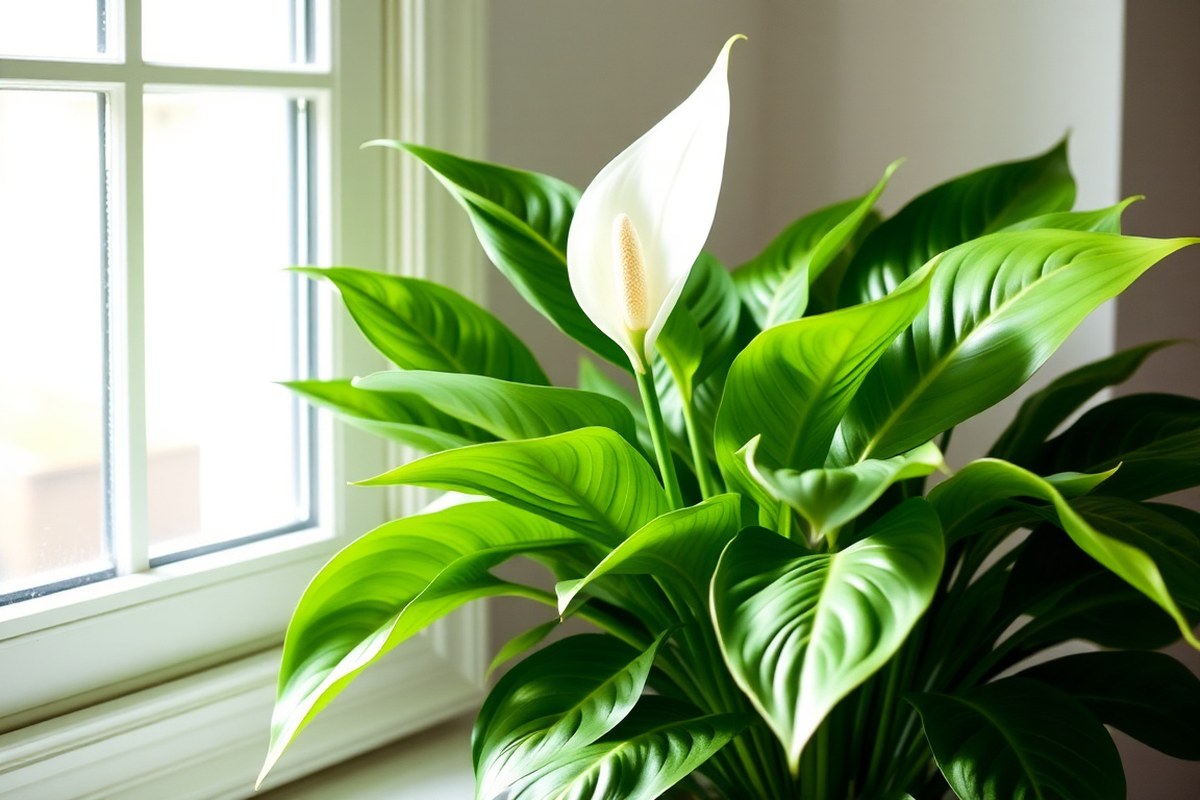
How big does a peace lily grow depends mainly on its variety and growing conditions. Most peace lilies inside your home stay between 1 and 3 feet tall. Some varieties can grow taller, but many stay compact for easy care.
Smaller peace lilies like Spathiphyllum Petite grow 8 to 12 inches tall. Larger types like Sensation can reach 4 to 6 feet tall with care. Pot size and light also influence how tall your peace lily grows.
Give your peace lily bright, indirect light to help it grow. Keep the temperature between 65 and 85 degrees F. This helps your plant grow bigger and healthier.
Repotting every 1 to 2 years supports healthy root growth and allows the plant to expand. Watch your watering and feeding to avoid stunting its size.
Key Takeaways
- Most indoor peace lilies grow between 1 and 3 feet tall.
- Small varieties reach around 8 to 12 inches in height.
- Large varieties like “Sensation” can grow up to 6 feet tall.
- Bright, indirect light and 65-85°F temperatures boost growth.
- Repot peace lilies every 1 to 2 years to support size.
- Pot size limits how wide and tall the plant can get.
How Big Does a Peace Lily Typically Grow Indoors and Outdoors?
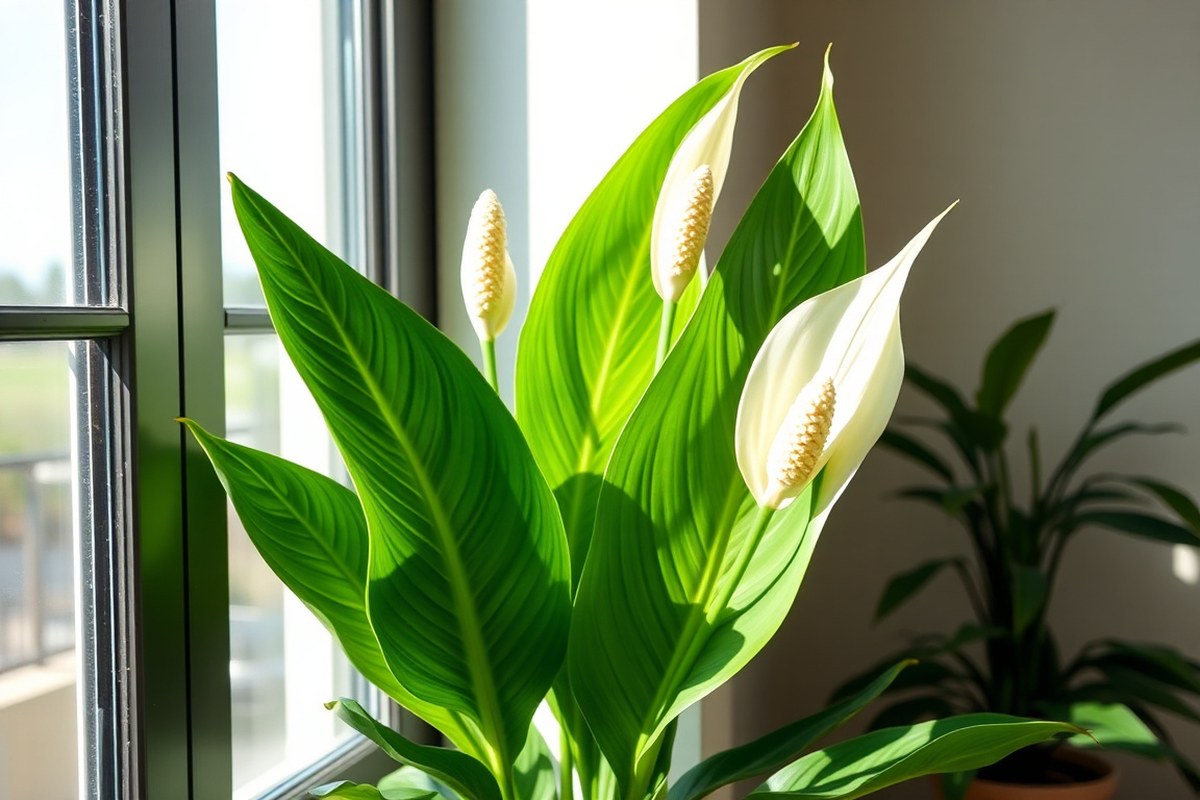
Indoor peace lilies often grow between 1 and 3 feet tall. They usually spread about as wide as they are tall. Common types generally reach around 16 inches high indoors.
Outdoors, peace lilies can grow much bigger than indoors. They often reach up to 6 feet tall. Their width outdoors can also grow up to 6 feet.
Outdoor peace lilies have more room and better sunlight. This lets them grow much larger than indoor plants. They can become up to three times bigger outside.
The ‘Sensation’ peace lily can grow 4 to 6 feet tall outdoors. It can also spread 4 to 6 feet wide. Ideal conditions help it reach this size.
Most peace lily types stay around 1 to 4 feet tall indoors. Their size doesn’t vary much between species. They grow about the same indoors across varieties.
Some dwarf types only reach 8 to 12 inches, ideal for small spaces. To help a peace lily grow to its potential indoors, avoid limiting water and light. Outdoor plants take advantage of richer conditions to fully mature near 6 feet tall.
Differences in Size Among Popular Peace Lily Varieties
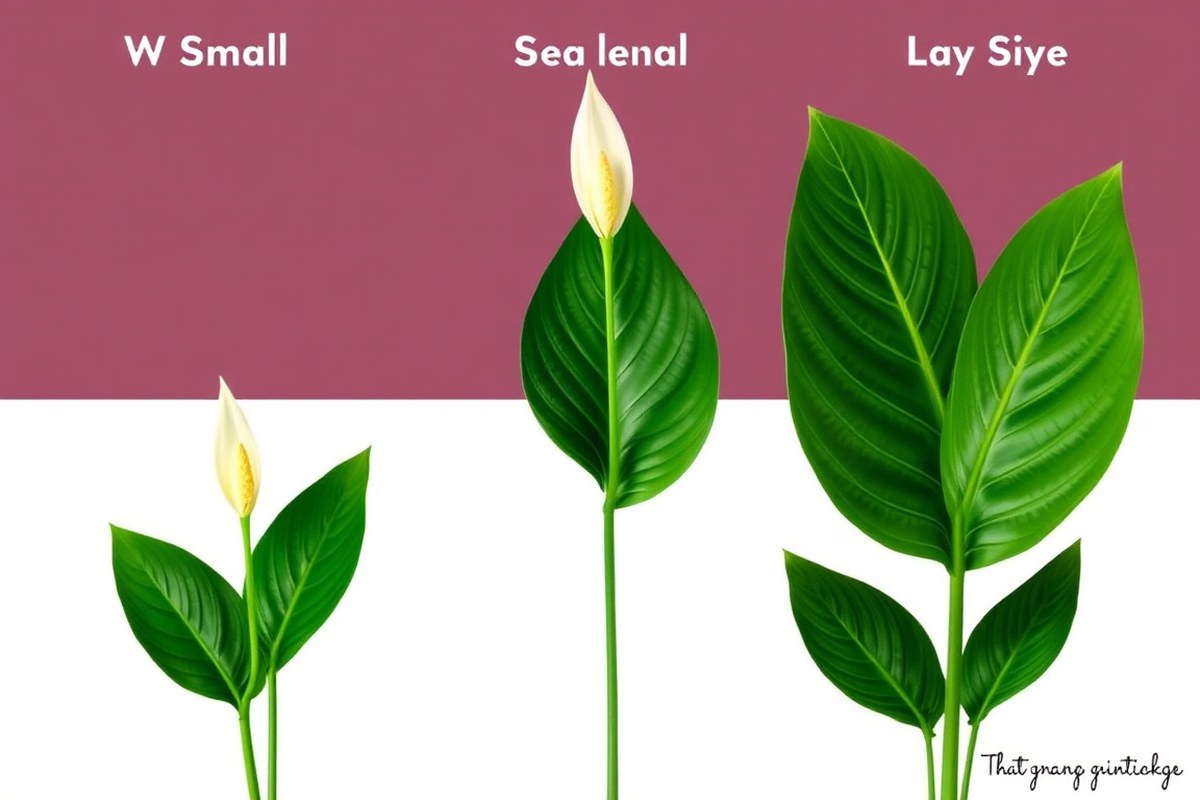
Peace lily size varies widely depending on the variety you choose. Dwarf types like Petite and Little Angel stay small. Larger types, such as Sensation, can grow several feet tall.
Choosing the right variety depends on your space. Small peace lilies work well on desks or shelves. Big varieties need more room and light to thrive.
| Variety | Size (Height) | Typical Use |
|---|---|---|
| Petite | 8-10 inches (20-25 cm) | Dwarf, fits on windowsills and small tables |
| Little Angel | 12-15 inches (30-38 cm) | Dwarf, good for small indoor spaces |
| Allison | About 2 feet (60 cm) | Small to medium, suitable for offices |
| Mauna Loa | 3-4 feet (90-120 cm) | Medium, stands out with large leaves |
| Sensation | 4-6 feet (120-180 cm) | Large, needs plenty of space and light |
The dwarf varieties like Petite and Little Angel rarely exceed 15 inches tall. They fit perfectly on desks or narrow shelves. Mauna Loa is a popular medium-size plant.
It grows about 4 feet tall. Its large, dark leaves are quite distinctive.
Sensation is the tallest common type, growing up to 6 feet tall and wide. It needs a large pot and bright places to reach full size.
Allison sits in between, staying around 2 feet tall. Choose based on your room’s size and natural light.
Keep in mind that small varieties won’t grow taller no matter the care. So pick your peace lily size carefully.
Key Environmental Factors Influencing Peace Lily Size
Peace lilies need bright, indirect light to grow large and healthy. Too little light keeps them small and slow. Placing yours near an east- or north-facing window works well.
You want about 120 foot-candles of light, which you can check with a light meter app. Avoid direct sun to prevent leaf burn.
Temperature also plays a big role. These plants do best between 65 and 85 degrees Fahrenheit. Below 60°F slows growth, while above 85°F might stress the plant.
Keep your peace lily away from drafts and heaters. These cause temperature swings that stunt growth. They also damage the leaves.
Humidity matters for leaf size and overall vigor. Peace lilies come from tropical areas. So they like humidity around 40 to 60 percent.
Dry air makes the leaves brown at the tips and slows development. Raise humidity by misting the leaves regularly.
You can also place the pot on water and pebbles. This helps keep moisture around the plant.
Correct placement combines all these factors. Put your lily near a window that offers strong, filtered light but not direct rays. Use a humidity gauge to check moisture levels.
Add a humidifier if your home is dry in winter. This protects your plant from dry air. These steps help your peace lily reach its full height and fuller leaves.
Does Pot Size Affect How Big a Peace Lily Grows?
Pot size directly controls root space, which affects how big your peace lily grows. A small pot restricts roots, limiting the plant’s overall size. You can help your peace lily grow fuller by choosing the right pot.
Repot it at the right time. This encourages better growth and health.
Ideal Pot Sizes for Seedlings to Mature Plants
Start your peace lily seedlings in small pots about 4 inches in diameter. This size helps roots establish without too much extra soil that keeps moisture too long. Move your peace lily to a pot 1 to 2 inches larger.
Do this as the plant grows. It prevents roots from being crowded. Mature peace lilies need pots 8 to 12 inches wide.
Pot size depends on the plant’s full grown size. Choose according to the variety.
Using the right pot size prevents stunted growth due to root crowding. Avoid putting a small peace lily in a large pot early. It can cause excess moisture, increasing root rot risks.
When to Repot Your Peace Lily
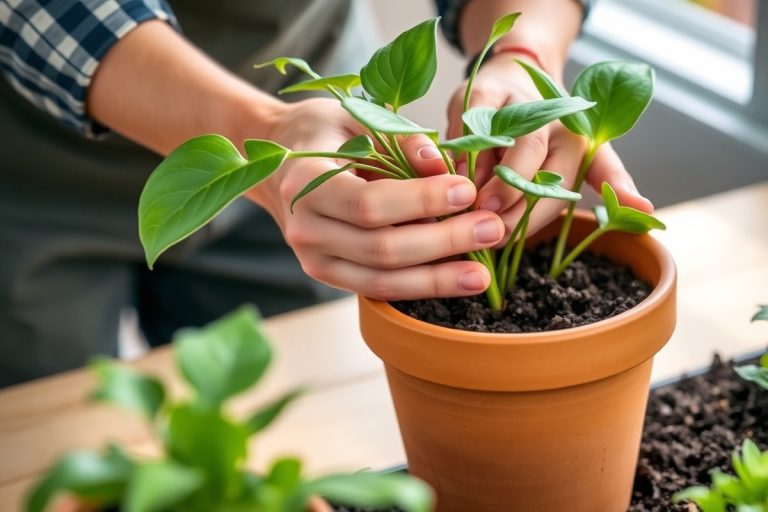
You should repot your peace lily every 1 to 2 years. The best time is usually spring, when the plant begins active growth. Repotting helps renew soil nutrients and gives roots space to spread.
Choose a new container 1 to 2 inches wider in diameter than the current pot. Moving up gradually avoids shocking the plant. Use fresh potting mix designed for houseplants to support healthy growth.
Signs Your Peace Lily Needs a Larger Pot
Watch for these clear signs that it’s time to repot:
- Roots growing out of drainage holes or circling inside the pot
- Soil dries out very quickly after watering
- Plant shows slowed growth or smaller new leaves
- Pot becomes top-heavy and tips easily
- Water pools on the surface or drains too fast
- Yellowing leaves despite adequate care
Repot the plant when it shows signs of being root-bound. Use a container 1 to 2 inches bigger.
This helps the plant keep growing well. This gives the roots new room to grow and supports bigger leaves and blooms.
How Fast Do Peace Lilies Grow and Reach Mature Size?
Peace lilies generally grow between 1 to 6 inches per year. This growth rate depends on the species and where you keep your plant.
For example, smaller types may only add about an inch annually. Larger ones can grow up to six inches yearly.
It usually takes several years for a peace lily to reach full size. Indoor peace lilies often mature around 12 to 18 inches tall.
Pools like the S. ‘Sensation’ or S. ‘Clevelandii’ grows outdoors to 4 or 5 feet tall. It takes about 4 to 6 years of steady growth.
Growth speed varies indoors versus outdoors. Indoors, peace lilies grow a bit slower due to limited light and space.
Outdoor peace lilies grow faster in warm, shaded spots. They get room and natural conditions like their native habitat.
Peace lilies don’t fully rest in winter indoors. So if you care for yours well, expect some growth even in colder months. Feeding your plant with balanced fertilizer during spring and summer can help it grow faster.
A peace lily growing 4 inches each year could reach full size. This usually takes about 3 to 4 years with good care.
Don’t overwater your peace lily in winter, or growth may slow and roots rot.
Care Techniques to Help Your Peace Lily Grow Larger and Healthier
Water your peace lily regularly. Fertilize and prune it often.
Make sure it gets the right light. These care steps support strong growth and a fuller plant.
Watering Frequency and Techniques
Wait until the top inch of soil feels dry before watering your peace lily. Usually, watering once a week works well. But adjust based on the plant’s size and room conditions.
Let the plant droop slightly before watering to check if it really needs water. Overwatering can cause root rot, so avoid keeping the soil soggy.
- Use room-temperature water to avoid shocking the roots
- Water evenly around the pot’s surface
- Ensure the pot has drainage holes
- Reduce watering during cooler months
- Mist leaves occasionally for extra humidity
Check the soil’s dryness with your finger or a moisture meter. Adjust watering if the leaves turn yellow or droop constantly.
Fertilizing Schedule and Nutrient Types
Feed your peace lily every 2 to 4 weeks. Do this in spring and summer.
This is when it grows most. Use a balanced, water-soluble fertilizer with equal parts nitrogen, phosphorus, and potassium.
Dilute the fertilizer to half the recommended strength to avoid burning the roots. Stop feeding in fall and winter when growth slows.
- Choose a fertilizer labeled for houseplants
- Apply after watering to reduce root stress
- Follow package instructions carefully for dosage
- Skip fertilizing if your plant is newly repotted
- Look for greener, larger leaves as signs of success
Too much fertilizer can cause brown leaf tips or slow growth. Regular feeding supports fuller leaves and more blooms.
Pruning for Growth and Shape Control
Trim yellow or brown leaves promptly to keep the peace lily tidy and healthy. Removing damaged parts directs energy to new growth and stronger leaves.
Cut stems near the base with clean scissors. Prune after the growing season starts to encourage faster growth and fuller shape.
- Remove flower stalks once they fade to redirect energy
- Cut back leggy or scraggly growth to promote spreading
- Wear gloves to avoid skin irritation
- Clean your tools before pruning to prevent infection
- Divide large plants if they become root-bound
Regular pruning prevents overcrowding and helps the peace lily grow bigger leaves and stems. Neglecting pruning might slow noticeable growth.
Optimizing Light Exposure
Place your peace lily in bright, indirect light for best growth results. Avoid direct sunlight, which burns leaves and stunts growth.
Rotate the pot every week to keep growth even on all sides. In low light, growth will slow but the plant can survive.
- South or east-facing windows with filtered light work well
- Use sheer curtains to soften harsh sunlight
- Artificial grow lights can supplement light in darker rooms
- Keep the temperature steady around 65-80°F for comfort
- Watch for pale leaves as a sign of too little light
Adjust light exposure seasonally to match natural changes. Consistent light helps your peace lily reach its growth potential faster.
Common Problems That Restrict Peace Lily Growth and Their Fixes
Slow or stunted growth often shows as smaller leaves and fewer blooms. Your peace lily may look pale or limp.
It might also stop making new shoots for weeks. These signs mean something is holding back its growth.
Rootbound plants have roots circling tightly in the pot. You can check by gently lifting the peace lily from its container. Roots wrapping around soil or coming out of drainage holes mean it needs more space.
Repot the plant in a slightly bigger pot with fresh potting mix to help roots spread. This usually costs $10 to $20 for soil and the pot. Doing this every 1-2 years allows healthy growth and prevents stunting.
Pests like spider mites, aphids, or mealybugs also slow down growth. Look for small webs, sticky spots, or cottony clumps on leaves. Use a cotton swab dipped in rubbing alcohol to wipe simple infestations.
For bigger problems, spray with insecticidal soap or neem oil, following the product instructions closely. Repeat treatments once a week until bugs disappear. These products cost between $8 and $15 at garden centers.
Improper watering is common and can stunt your peace lily. Too little water wilts leaves and slows growth. Too much water causes root rot, visible as yellow leaves and a bad smell.
Water when the top inch of soil feels dry. Use filtered or room temperature water.
It takes about 10 minutes to water well until you see some draining out the bottom. Avoid overwatering in pots without drainage holes to prevent dead roots.
Light problems keep peace lilies from growing well and blooming. Bright, indirect light is best. Plants kept in dark corners grow slowly and rarely flower.
Move the plant near a north or east-facing window. Leaves turning yellow or brown might mean the light is too strong.
Filter direct sun with a sheer curtain. Adjusting light takes a day or two to show improvement.
How to Manage and Control Peace Lily Size Indoors
Keeping a peace lily smaller indoors depends on pruning and pot size. You can trim leaves and roots to control height and spread. Using the right pot size helps keep the plant healthy without too much growth.
Pruning to Limit Height and Spread
Cut back old or yellow leaves to keep your peace lily tidy. Use sharp scissors to prune leaves near the base. Remove spent flower stems promptly to stop the plant from using energy there.
Pruning every few months helps stop overgrowth and encourages thicker clumps. Avoid cutting too much at once; removing a few leaves per session works better. Keep leaves that look healthy to maintain the plant’s vigor.
Choosing Pots to Maintain Smaller Sizes
Choose a pot size that matches your peace lily’s height and age. For example, a 2-foot tall peace lily fits well in a 3-gallon pot. This limits root space, which slows down overall growth.
A smaller pot also means less soil, so water less often. Using a pot with drainage holes avoids root rot and keeps the plant happy. Repot your plant every 1 to 2 years to refresh soil.
Only repot if roots start to crowd the pot. Doing this keeps your plant healthy and growing.
- Use a 3-gallon pot for peace lilies about 2 feet tall
- Pick pots with drainage holes to prevent water buildup
- Repot only when roots start to crowd or soil degrades
- Smaller pots reduce growth speed by limiting root space
- Use lightweight pots for easier moves and space management
Smaller pots are cheaper and take less room but need regular monitoring. Watch for drooping leaves, this signals water or nutrient issues due to small pots.
When to Rehome or Replace Overgrown Plants
Consider rehoming or replacing when your peace lily reaches the room’s limits. Large plants crowd space and cut light for other plants. Several smaller peace lilies often look better and are easier to care for.
Pruning and pot downsizing control size at first. Buy younger plants when these no longer work well. This keeps your collection manageable and healthy.
You can split established clumps during repotting to create new plants. This saves money and refreshes your indoor plant collection.
Do not force a peace lily to stay small by constant severe pruning. It can stress the plant.
Step-by-Step Action Plan for Growing a Bigger Peace Lily
Follow these steps to help your peace lily grow larger and stay healthy indoors. Watch your plant’s progress after each step to see if it responds well.
- Day 1: Choose a pot one size larger than the current one. This lets the roots spread and supports bigger growth.
- Week 1: Place your peace lily in bright, indirect light. Check after a few days for new leaf growth or perkier leaves.
- Week 2: Start watering when the top inch of soil feels dry. Too much water can shrink leaves; watch for firm, green leaves.
- Week 4: Feed your plant with a balanced houseplant fertilizer monthly. Healthy new leaves show the fertilizer is working.
- Month 2: Keep humidity around 40-60%. Use a humidifier or mist leaves, and notice if leaf edges stop turning brown.
- Month 3: Check for pests like spider mites or aphids. Treat early if you see tiny webs or sticky spots on leaves.
- Month 4: Prune yellow or dead leaves to encourage fresh growth. Your peace lily should look fuller and greener.
- Every 6 months: Repot with fresh soil and a slightly bigger pot if growth slows. The root ball should feel tight but not crowded.
Frequently Asked Questions
How Tall Can the Spathiphyllum ‘Sensation’ Variety Grow?
The Spathiphyllum ‘Sensation’ can grow up to 4 to 6 feet tall. It’s one of the bigger peace lily types that needs lots of space to thrive indoors.
Does Sunlight Intensity Affect a Peace Lily’s Final Size?
Yes, brighter, indirect sunlight helps peace lilies grow larger and healthier. Avoid direct sun, which can scorch leaves and stunt growth.
Can a Peace Lily Grow Bigger If Fertilized Regularly?
Regular fertilizing during growing season promotes bigger growth and more flowers. Use a balanced, water-soluble fertilizer every 6 weeks.
Is It Normal for Peace Lilies to Stop Growing After a Certain Height?
Yes, most peace lilies stop growing once they hit 3 to 6 feet indoors. This depends on the species and environmental conditions.
How Wide Can a Peace Lily Get Compared to Its Height?
Peace lilies can spread nearly as wide as they grow tall, up to 6 feet wide. The pot size can limit their width more than height.
Will Pruning Make a Peace Lily Grow Taller or Just Bushier?
Pruning generally encourages bushier growth, not height. Removing old leaves helps the plant focus energy on fresh growth.
Before You Go
Peace lilies can grow quite large with the right care and space. Keep their environment steady and water schedule regular. Start adjusting your plant’s care today to see it thrive and fill your space nicely.