Can Peace Lily Be Outside? A Complete Guide to Growing Healthy Outdoors
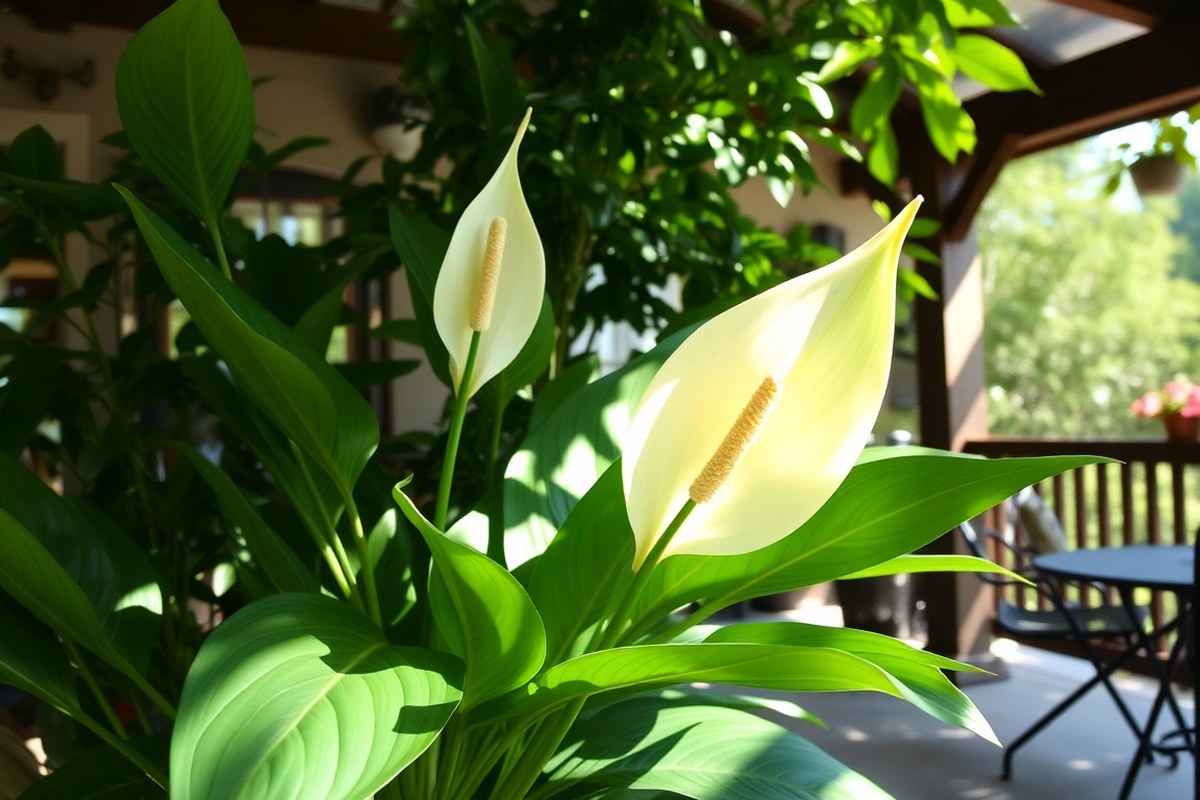
Can peace lily be outside? Yes, but only in very specific conditions.
These plants need shade, warmth, and humidity like their rainforest homes. Going outside without prepping them first is a top reason they die fast.
Peace lilies like temperatures between 65°F and 80°F with filtered sunlight. Too much sun or cold below 60°F can hurt their leaves and health. They also need moist, well-drained soil rich in organic matter to thrive outdoors.
Start by moving the plant outside gradually to avoid shock. Watch for hot sun or chilly winds that stress the plant easily. If you live where cold hits early, bring the plant indoors before fall chills arrive.
Keep humidity higher by misting leaves or placing the plant near water. Avoid areas with direct afternoon sun, which causes leaf burn quickly. Proper care outside helps peace lilies stay healthy and bloom longer.
Key Takeaways
- Gradually acclimate peace lilies by increasing outdoor time over 1-2 weeks.
- Provide filtered light or morning sun to avoid leaf burn outdoors.
- Keep outdoor temperatures between 65°F and 80°F for healthy growth.
- Use organic-rich, moist soil with good drainage for planting peace lilies.
- Space plants 24 to 36 inches apart for air circulation and growth.
- Bring peace lilies indoors if temperatures drop below 60°F at night.
Can Peace Lilies Grow Outdoors Safely?
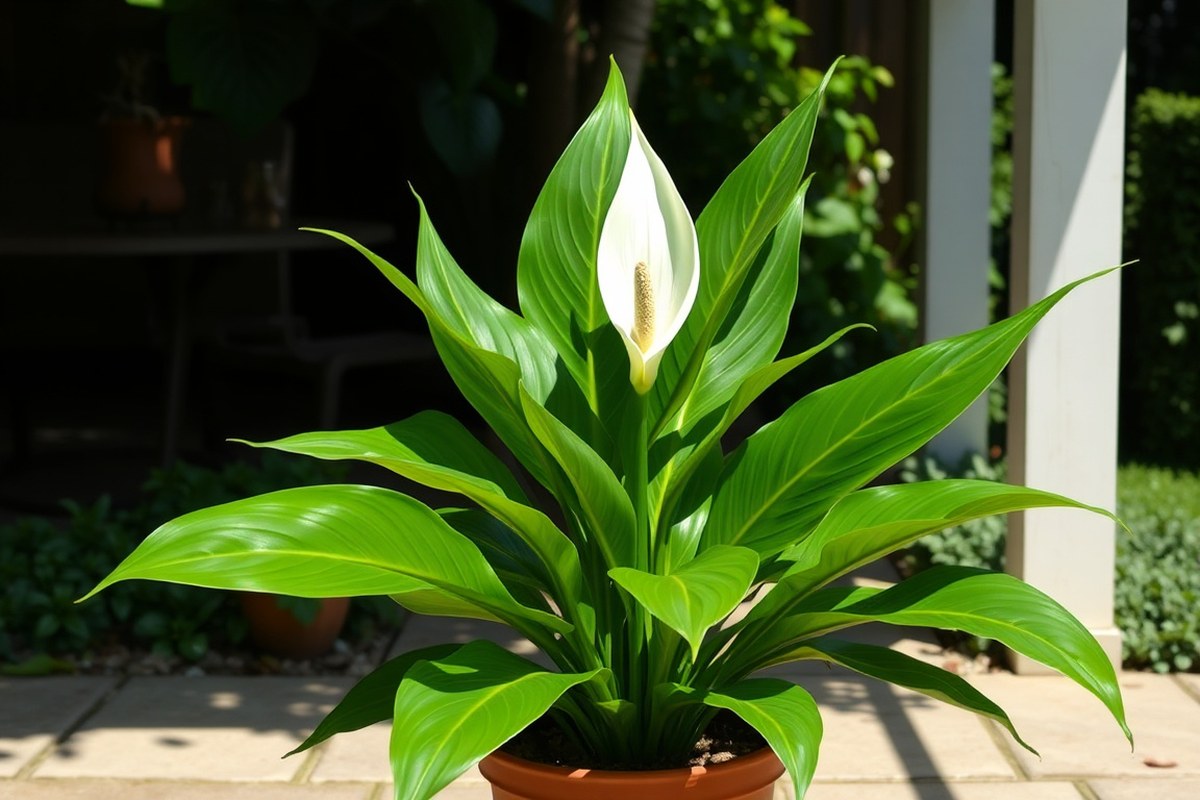
Peace lilies can live outside, but only in warm and shaded places. They thrive where temperatures stay above 50°F (10°C) and rarely drop below that. These plants come from tropical areas, so they do not handle cold well.
You can plant peace lilies outdoors all year in USDA zones 10 to 12. These zones have warm temperatures that suit peace lilies’ needs for heat and humidity.
Peace lilies grow outside only during warm summer months elsewhere. Cold weather stops them from surviving outdoors.
Peace lilies need protection from direct sunlight and harsh winds outdoors. They do best in shaded spots under tree canopies or covered patios. The soil should be well-draining and rich in organic matter to mimic their natural tropical habitat.
Keep outdoor peace lilies in pots in cooler areas. You can bring them inside when it gets cold. Sudden cold or strong sun can make peace lilies wilt or die quickly.
Slow preparation helps avoid this problem. Keeping peace lilies outdoors safely means matching their tropical conditions closely.
What Light and Temperature Conditions Suit Outdoor Peace Lilies?

Outdoor peace lilies do best in filtered, indirect light and steady warm temperatures. They need shade or gentle morning sun to avoid leaf damage. Night temps should stay above 60°F to keep them healthy.
Ideal Daytime and Nighttime Temperatures
Peace lilies thrive when daytime temperatures range from 75°F to 90°F. Nighttime temperatures should not drop below 60°F. Temperatures under 55°F can cause cold stress that hurts growth and leaf health.
Cold weather below 50°F usually damages outdoor peace lilies. When nights are often chilly, place your Peace Lilies indoors or in shelter. This steady temperature range mimics their native, warm rainforest environment.
Best Light Intensities and Exposure Durations
Outdoor peace lilies prefer deep or bright shade and filter morning sunlight. Avoid full sun, which can bleach the leaves or cause brown edges. Aim for about 2,500 lux of light for 8 or more hours to support flowering.
Begin by giving your plant indirect light for two hours each day. Gradually increase that to full days in the shade over two weeks.
This helps your plant adjust without stress. This hardening off helps the plant avoid sunburn and adjust to new light levels outdoors.
Consequences of Too Much Sun or Cold Damage
Leaf bleaching or tan spots point to sunburn from direct exposure. Move plants to deeper shade if you see leaf damage. Heat stress and thirst cause drooping if soil dries out too fast.
Cold stress causes drooping and stalled growth, especially if soil stays soggy. Yellow leaves after rain or storms usually mean poor drainage or chilling. Make sure pots drain well and avoid cold water.
| Outdoor factor | Safe range or setup | Risk if ignored |
|---|---|---|
| Light | Peace Lilies do well in low light, like deep or bright shade. You can also use soft morning light that isn’t too harsh. | Sunburn, bleached patches, brown leaf edges |
| Night temperature | Keep the temperature steady above 60°F to protect your plant. Watch out for anything below 55°F because the plant might get damaged. | Cold stress, drooping, stalled growth, leaf damage |
| Rain and drainage | Make sure your container has holes for water to escape. Avoid letting water collect under the pot, and raise it up if needed to help drain. | Soggy roots, yellow leaves, root rot |
| Wind | Protected porch, wall, fence, or covered patio | Torn leaves, rapid drying |
Move your peace lily to shade immediately if you see white or tan leaf patches.
How to Prepare and Acclimate Peace Lilies Before Moving Outside
Preparing your indoor peace lily for outdoor life takes time and care. Gradually shifting your plant helps it handle new light and weather safely. This process can take two to four weeks depending on conditions.
Phase 1: Initial Introduction to Fresh Air and Shade
Start by placing your peace lily outside for just a few hours each day. Choose a shady spot protected from wind and direct sunlight. This gentle start helps the plant get used to fresh air without stress.
Do this for about three to five days. Increase time outside only if the plant looks healthy. Watch for leaves drooping or discoloring as signs it is stressed.
Phase 2: Gradually Increasing Outdoor Light Exposure
Next, slowly extend your peace lily’s outdoor time and slightly increase its light exposure. Move it to a place with partial shade, avoiding direct afternoon sun.
Do this for one to two weeks, adding an hour or two outdoors daily. Check leaves regularly. They need to stay green and firm.
If so, continue. If not, reduce sunlight and wait.
Phase 3: Overnight Outdoor Exposure with Temperature Checks
After two weeks, try leaving the peace lily outside overnight on warmer, frost-free nights. Temperatures should stay above 55°F to avoid cold shock.
Monitor any leaf yellowing or wilting the next day. Bring the plant inside if you see these signs. Do this for a week, only extending overnight time if the plant stays healthy.
Phase 4: Permanent Outdoor Placement in Protected Locations
When the peace lily tolerates overnight stays without damage, move it. Place it in its permanent outdoor spot. Choose a location with dense shade or filtered light and good drainage.
Keep the plant in a container if you live in a cooler zone. So you can move it indoors during cold snaps. Always check soil moisture and water as needed to prevent drying out.
Follow these steps to help your peace lily adjust smoothly to outside life:
- Put the plant in a shaded, sheltered spot outdoors. Keep it there 2 to 3 hours daily for 3 to 5 days.
- Slowly add 1 to 2 hours more time outside each day. Include gentle morning or late afternoon sun for 1 to 2 weeks.
- Leave plant outdoors overnight for up to 7 days when temperatures stay above 55°F.
- Observe leaves often for wilting, yellowing, or browning; reduce outdoor time if stressed.
- Move plant to a permanent shaded location with good drainage once it thrives overnight outdoors.
- Keep container plants ready for quick relocation indoors if cold weather threatens.
- Continue regular watering and protect your plant from strong winds or heavy rain.
Best Soil, Watering, and Drainage Practices for Outdoor Peace Lilies
Outdoor peace lilies grow best in well-drained, loamy soil that stays moist without soaking. It is important to pick a planting spot with good drainage to keep roots healthy. Avoid heavy clay or compacted soils.
They trap water. This can cause root rot in your peace lily.
The soil should be rich in organic matter to feed the plant. Mix organic compost, peat moss or coco coir. Add perlite or pine bark.
This blend works well for peace lilies. These materials hold moisture in soil.
They also let excess water drain. Air can then reach the roots.
- Organic compost delivers nutrients for deep green leaves
- Peat moss or coco coir holds moisture similar to a rainforest floor
- Perlite or pine bark improves aeration, preventing root diseases
Watering frequency depends on your weather and soil condition. In mild, humid weather, watering every 3 to 5 days is usually enough. When it’s hot and dry, water every 1 to 2 days.
Do this early in the morning. It helps reduce water loss.
Before watering, check soil moisture. Stick a finger 1 to 2 inches into the soil. This tells you if watering is needed.
Water only when that part feels dry. Overwatering causes waterlogged soil and root rot. So keeping a close eye on soil moisture is important.
Make sure containers have drainage holes. This helps excess water escape easily.
It keeps roots healthy outdoors. Good drainage setups keep standing water off the roots and stop plant diseases.
Choosing Between Ground Planting and Container Growing Outdoors
Planting peace lilies outdoors works best in two ways: directly in the ground or in containers. Each method fits different climates and care routines. Your choice depends on local weather and how much control you want over conditions.
Ground Planting Advantages and Limitations
Ground planting suits zones 10 through 11 where frost is rare and humidity stays above 60%. The soil should provide consistent shade to protect peace lilies from direct sun. Once settled, lilies spread naturally and often require less daily care than container plants.
However, ground planting limits your ability to move the plants during cold spells. It also needs a carefully chosen spot to avoid temperature swings and strong winds. Poor drainage or too much sun can stress the plants or cause root rot.
Container Planting Benefits and Challenges
Growing peace lilies in pots works well almost everywhere, especially in cooler zones. You can bring potted lilies indoors when cold weather starts to appear. Containers offer flexible placement, including shade adjustments.
But containers need more frequent watering and attention to drainage. Using pots with holes is critical to avoid soggy roots. Watch for quick drying and heat buildup in pots placed in partial sun or windy spots.
Zone-Specific Recommendations
Zones 11 and 12, like the Florida Keys, let you plant year-round. You need correct shade and humidity for ground planting there.
You can plant in spring or summer after frost risk ends. Here, the lilies can thrive as tropical outdoor residents.
In zones cooler than 10, containers are better for outdoor peace lilies. These pots can be moved indoors before temperatures drop below 50°F. Containers also suit gardeners who want control over soil type and moisture.
| Factor | Ground Planting | Container Growing |
|---|---|---|
| USDA Zones Suitable | 10, 11 | All zones, with indoor move in fall |
| Humidity Requirements | Needs >60%, natural outdoor humidity | Needs regular misting or humid spot |
| Sun Exposure | Consistent shade required | Shade or filtered light preferred |
| Mobility | Fixed; no moving indoors during cold | Portable; can move indoors |
| Water Needs | Natural soil moisture; less frequent | Frequent watering; watch drainage |
| Establishment Time | Needs spring or summer planting | Can start anytime, moved indoors as needed |
Both planting options ask for patience and watching local weather. Adjust water and light based on your choice to keep lilies healthy.
Choose containers with drainage holes to avoid root rot and water pooling.
Protecting Outdoor Peace Lilies from Stress: Sun, Wind, and Cold
Peace lilies need strong protection from direct sun when outside. Too much sun causes leaf burn, seen as brown spots or edges. To stop sunburn, place your plant where sunlight is filtered or shaded most of the day.
Wind can dry out the plant and damage leaves, especially when combined with sun stress. Choose a sheltered spot out of strong winds, like near a fence or wall. Using a windbreak such as a garden screen also helps reduce stress and moisture loss.
Cold weather is risky for peace lilies. They don’t like temperatures below 55°F. Bring your plant indoors before cool nights start in the fall. If forecasts predict a sudden cold spell, cover the plant with breathable fabric or move it inside quickly.
- Put your peace lily in dappled shade to avoid direct sunburn.
- Set up a windbreak using garden fabric or a solid barrier.
- Watch weather forecasts to bring plants indoors around 55°F or lower.
- Use breathable plant covers during unexpected cold snaps.
- Check soil moisture often; wind and sun increase water needs.
- Look for brown leaf edges as a sign of sun or wind stress.
- Move the plant indoors if symptoms worsen after protective steps.
Protecting peace lilies takes daily checking, especially when weather changes fast. Keeping them in a moist, shaded, and wind-sheltered spot helps maintain health. Acting early by covering or moving them inside limits damage and cuts recovery time.
Identifying and Managing Outdoor Pests and Diseases on Peace Lilies
Outdoor peace lilies attract pests like aphids, mealybugs, scale, and spider mites. These pests suck plant sap and cause yellowing or spotted leaves. Early detection lets you treat problems before they spread to other plants.
Look for sticky residue, tiny webs, or white cottony spots on leaves. Also, check leaf undersides and stems regularly. Inspecting once a week helps catch infestations early, especially during warm months.
| Pest | Symptoms | Treatment | Prevention |
|---|---|---|---|
| Aphids | Yellowing leaves, sticky residue | Spray with insecticidal soap every 3 days for 2 weeks | Keep plant shaded and avoid over-fertilizing |
| Mealybugs | White cottony spots under leaves | Wipe with rubbing alcohol or neem oil spray weekly | Isolate new plants and check regularly |
| Scale | Brown bumps on stems, sticky residue | Remove by hand, then apply horticultural oil | Keep plant healthy and avoid stress |
| Spider Mites | Fine webs, stippled leaves | Rinse leaves with water and use insecticidal soap | Maintain high humidity around plant |
Insecticidal soap is affordable, about $7 to $15 per bottle. Neem oil costs $10 to $20 and also prevents fungal problems.
Spray every 4 to 7 days if pests persist. But avoid doing this under strong sun to prevent leaf damage.
Washing leaves with water can lower pest numbers. Increasing nearby humidity makes spider mites less likely.
Good airflow and wiping leaves also reduce scale buildup. Avoid overwatering, which can attract pests and cause root rot.
Ideal Outdoor Locations and Spacing for Peace Lily Growth
Choose a shaded outdoor spot with indirect sunlight for your peace lily. It will thrive without harsh sun that can burn its leaves.
A patio corner or space under tree branches works well. These spots give filtered light and protect from strong wind.
Space peace lilies about 18 to 24 inches apart. These plants grow fast and need room for leaves to spread without crowding. Proper spacing also helps air flow and reduces the chance of fungal issues.
The location affects both growth and flowering. Peace lilies grow best where temperatures stay between 65 and 85°F. Too much heat or cold can slow growth and prevent blooms. Pick spots sheltered from temperature swings to keep your plant happy.
- Find a shaded or part-shade area with indirect light
- Keep plants 18, 24 inches apart for good air circulation
- Protect from strong wind to prevent leaf damage
- Choose spots with steady 65, 85°F temperatures
- Avoid direct afternoon sun to prevent leaf burn
- Make room to divide plants every 1-2 years
Outdoor peace lilies grow fast and may need dividing after one or two years. Leaving them too close can stunt growth and reduce flowers. Better spacing lets each plant get nutrients and light evenly.
Keep peace lilies away from cold drafts. Also avoid afternoon sun to prevent stunted growth or leaf burn.
Step-by-Step Action Plan for Growing Peace Lilies Outdoors
Follow these steps to move your Peace Lily outdoors with confidence. Watch for healthy growth signs to know it’s going well.
- Before you start: Check outdoor temperatures stay above 55°F (13°C) day and night. This protects your plant from cold stress.
- Day 1: Place your Peace Lily in a shaded outdoor spot. Look for indirect light to prevent leaf scorch.
- Week 1: Water the soil lightly when dry on the top inch. Healthy leaves mean your watering is on track.
- Week 2: Move your plant to a spot with morning sun and afternoon shade. Watch leaves for sun damage or fading.
- Week 3: Check drainage by ensuring water does not pool in containers or soil. Pooled water causes root rot.
- Week 4: Inspect your plant for pests like aphids or spider mites every few days. Small insects or sticky residue signal a problem.
- Ongoing: Protect your Peace Lily from strong winds and cool nights below 55°F. Wilting or brown edges mean it’s too harsh.
Frequently Asked Questions
Can Peace Lilies Survive Outdoor Winters in Zone 9?
No, Peace Lilies are sensitive to cold and frost in Zone 9. You should bring them indoors before temperatures drop below 50°F to avoid damage.
How Often Should I Fertilize Peace Lilies While Outdoors?
Fertilize Peace Lilies every 6 to 8 weeks during active growth outdoors. Use a balanced, diluted houseplant fertilizer to avoid burning roots.
Can Outdoor Peace Lilies Tolerate Direct Rainwater?
Yes, but avoid heavy rain that may saturate the soil and cause root rot. Good drainage and shelter from storms prevent water-logged roots.
Should I Prune My Peace Lily Differently When Grown Outside?
Prune only yellow or dead leaves outdoors to encourage healthy growth. Outdoor growth may be faster, so check regularly for damaged foliage.
Can Pests on Outdoor Peace Lilies Spread to Other Garden Plants?
Some pests, like spider mites and aphids, can spread to nearby plants. Monitor your Peace Lily closely and treat infestations promptly to protect other plants.
Are Peace Lilies Safe for Pets If Placed Outdoors?
Peace Lilies are toxic to cats and dogs both indoors and outdoors. Keep them out of pets’ reach to avoid chewing and poisoning risks.
Before You Go
Peace Lilies can thrive outside with proper care and patience. Start slowly by adjusting light and water to outdoor conditions. Try moving your plant outside today, following gentle steps to keep it safe and happy.