How Much Sun Do Peonies Need for Best Blooms: Complete Growing Guide
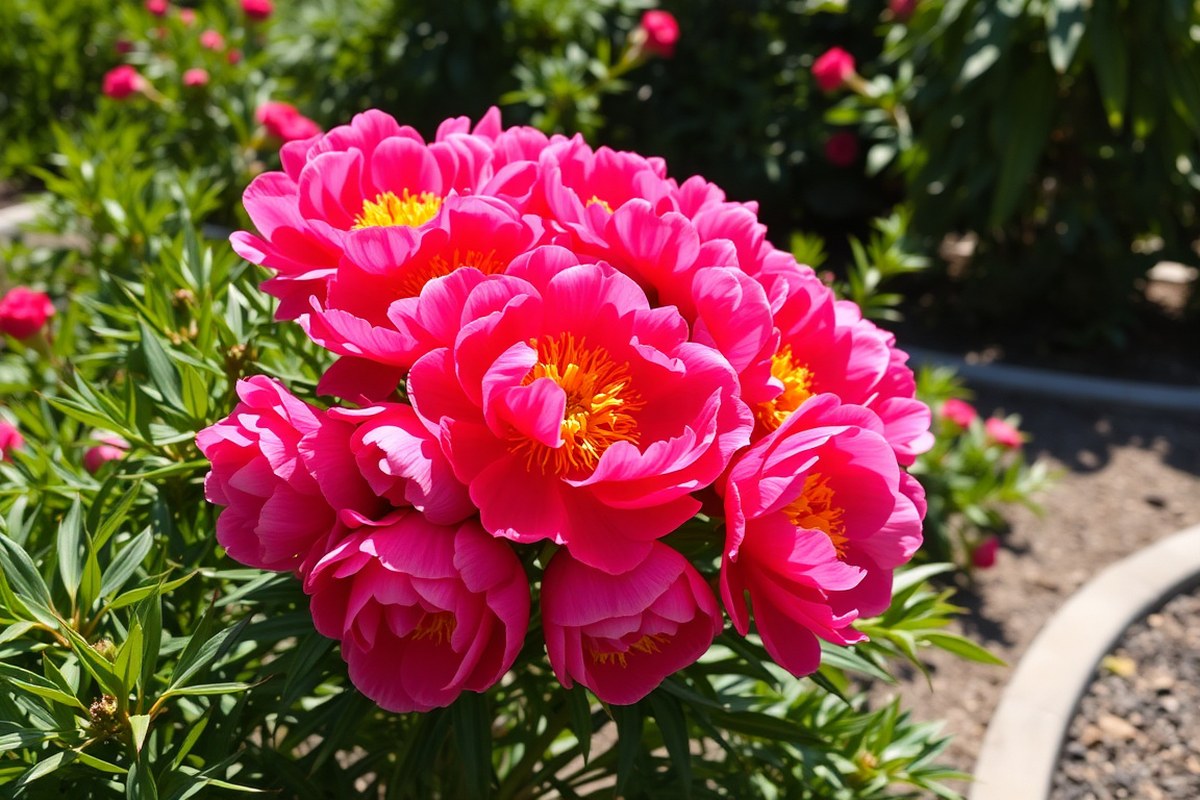
Peonies must get a minimum of 6 hours of direct sunlight daily. They bloom best with 6 to 8 hours of full sun. This sunlight helps plants grow strong and produce large flowers with vibrant colors.
Peonies in less than 4 hours of sun will struggle to bloom or make weak flowers. Choose a spot with at least 4 hours of morning sun since it’s gentler than afternoon sun. Morning sun warms the soil and wakes the plant up gradually, supporting healthy growth.
Avoid deep shade because it causes peonies to grow leggy and bloom poorly. Too much shade also increases the risk of fungal diseases since wet, shady conditions stay longer. Picking the right spot guarantees better blooms and a healthier plant overall.
Key Takeaways
- Plant peonies where they get 6 to 8 hours of direct sunlight daily.
- Morning sun of at least 4 hours is better than afternoon sun for peonies.
- Peonies with less than 3 hours of sun usually won’t bloom well.
- Choose full sun spots to encourage larger, more vibrant flowers.
- Partial shade with 3 to 5 hours of sun may lower bloom quality.
- Avoid planting peonies in full shade to prevent weak or no blooms.
How Many Hours of Sunlight Do Peonies Need?
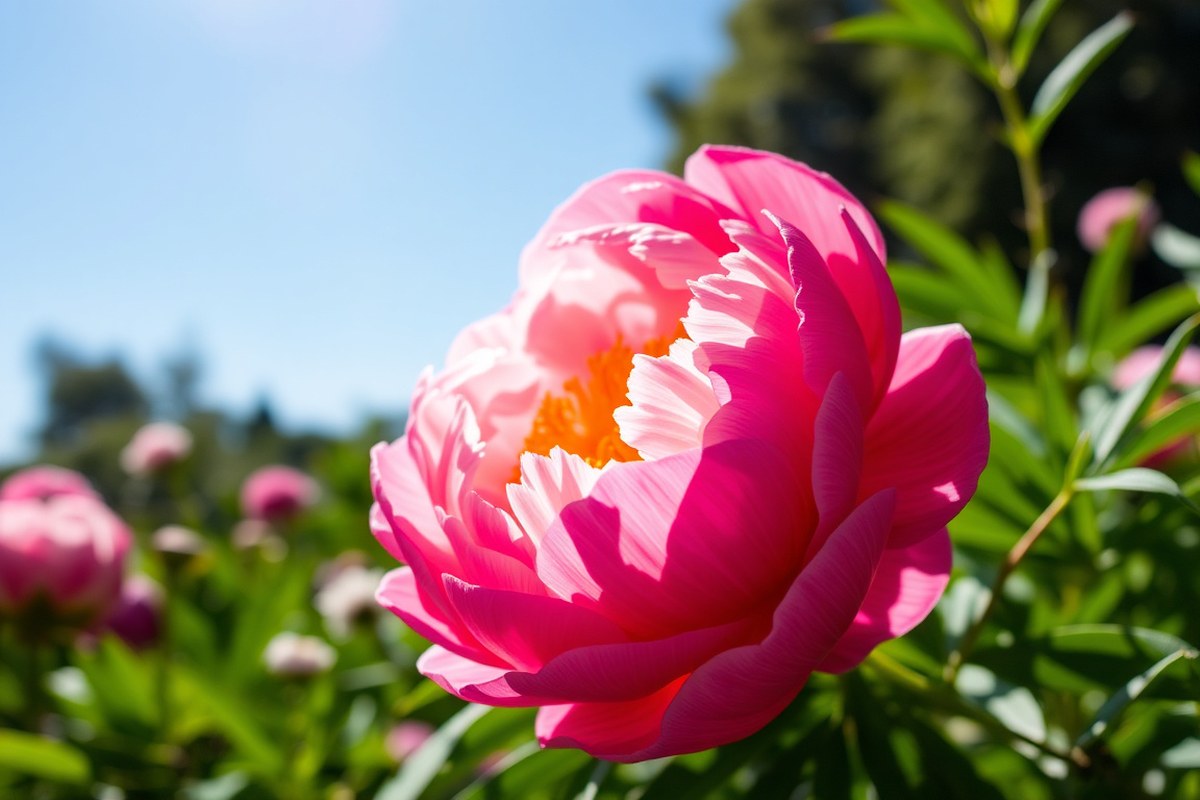
Peonies need at least six hours of full sun every day to thrive. The sunlight supports their strong stem growth and vibrant flower colors. For best results, provide between six and eight hours of sun daily.
Full sun means your peonies get sun without shade for at least six hours. It usually comes from a south or southeast direction.
Morning sun is easier on the plants. But as long as your peonies get six hours of direct sunlight, they should bloom well.
Peonies can survive with less than six hours of sun. But their blooms may be fewer and weaker.
When they get less than four hours, the plant focuses on survival, not flowering. You’ll notice smaller, less colorful flowers and slower growth if the sun is too limited.
Put your peonies in a spot that gets direct sun. Make sure they get six to eight hours of sunlight each day. This will help them grow well and bloom fully.
Watch to make sure afternoon heat isn’t too harsh if you live somewhere hot. Too much intense sun can scorch leaves. But not enough sun means your peony won’t flower properly.
What Happens When Peonies Get Too Little or Too Much Sun?
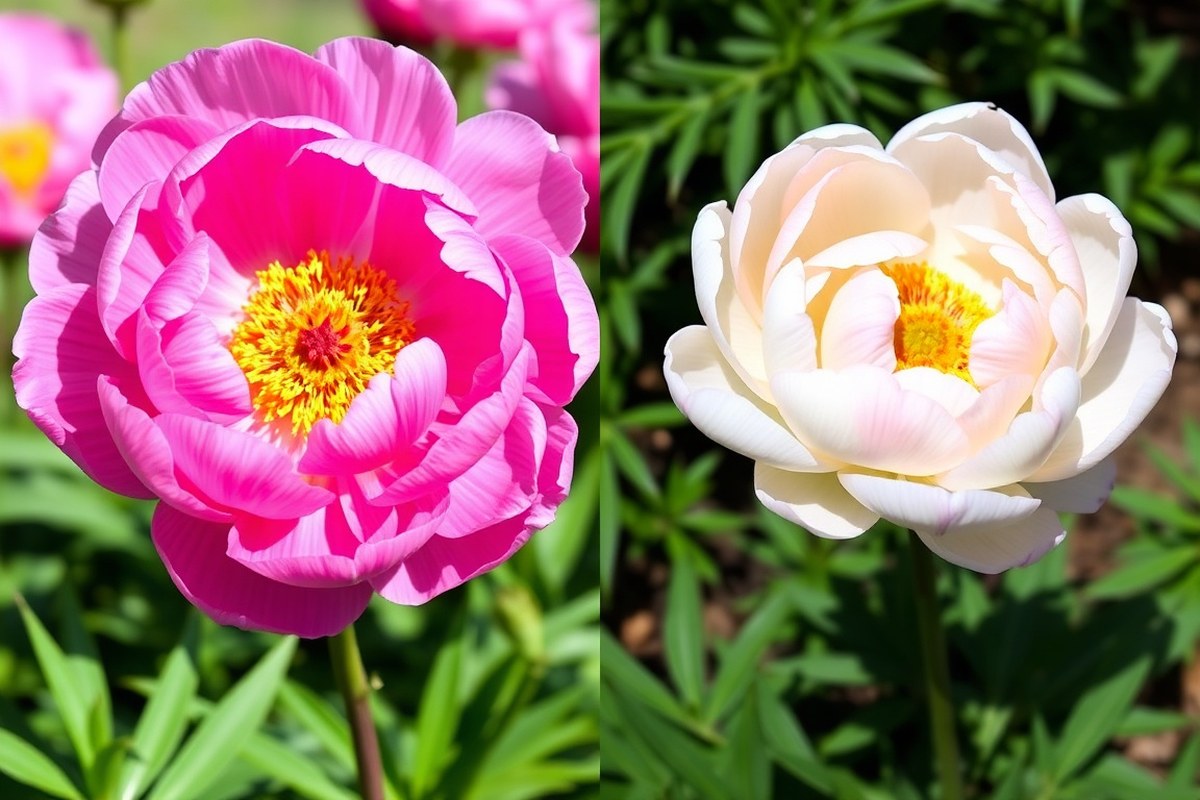
When peonies get less than four hours of direct sun, they often struggle to bloom. You may notice long, pale stems reaching toward light and very few flower buds forming. The leaves may look smaller and less green.
This happens when the plant gets too little light. It needs more light to grow properly.
Too little sun limits photosynthesis, which is why blooms appear smaller or don’t open fully. Peonies in low light may survive but look leggy and produce weak flowers that fade fast. After two years, the plant might have healthy leaves.
But it may still fail to bloom. This shows the plant needs more light.
Too much intense sun, especially in hot afternoons above 85°F, can damage peonies too. Their leaves might develop brown, crispy edges, and flowers can wilt or fade quickly. The stems can grow weak from too much heat.
This may cause drooping or flowers falling early. Heat stress harms stem strength.
Peonies need about six hours of sun daily. Sun helps stems grow strong and hold flowers well. This leads to bigger, upright blooms.
Flower size and stem strength directly increase with more light, leading to colorful, long-lasting blooms. Peonies need protection from harsh sunlight.
Afternoon shade helps while keeping energy levels high. This balance helps the plants thrive.
Avoid hot afternoon sun if temps go over 85°F. This prevents damage to leaves and flowers. Shade protects peonies in hot weather.
Adjusting sun exposure gradually is best if you need to move peonies from shade to sun. Sudden changes can cause stress and fewer blooms. Use fences, trellises, or shade cloths to filter harsh light and avoid crispy leaves during summer.
Why Morning Sun Is Better for Peonies Than Afternoon Sun
Morning sun is better for peonies than afternoon sun, especially in warmer climates. It gives the plants gentle warmth and light while avoiding harsh heat stress. Afternoon sun can cause heat damage if not managed carefully.
It may also wilt flowers quickly. You need to watch your plants in that sun.
Morning Sun Benefits for Peony Growth
Morning sun provides peonies with bright, cool light that encourages strong leaf and flower growth. This light helps dry dew early, reducing the risk of fungal diseases. It also energizes morning photosynthesis without overheating the plant.
Peonies exposed to morning sun usually bloom fuller and last longer. Their foliage stays healthier, avoiding scorched leaf edges common with hot afternoon rays. Aim to get 4 to 6 hours of morning sun daily.
This works best in USDA zones 7 and 8. Morning light helps your peonies grow strong.
Afternoon Sun Risks in Hot Climates
Afternoon sun shines strongest between 1 and 4 PM, with intense heat and UV exposure. This can dry out peony leaves and flowers quickly. Leaves may develop brown edges, and buds risk wilting under the hot rays.
Heat stress from afternoon sun can stunt growth and reduce bloom size. In zones 7 and warmer, exposure to direct afternoon sun without shade often damages peonies. Even hardy tree peonies prefer some afternoon cooling to protect their delicate flowers.
How to Provide Afternoon Shade When Needed
Peonies in hot areas benefit from afternoon shade starting by 1 or 2 PM until evening. Locate your plants on east-facing slopes or near taller neighbors that cast shade in the afternoon. You can also use shade cloth or garden structures to block intense sun.
- Plant peonies on east-facing spots for gentle morning sun.
- Use taller shrubs or deciduous trees as natural afternoon shade.
- Apply lightweight shade cloth after early afternoon in hot months.
- Interplant with low shade-tolerant perennials for root protection.
- Keep soil moist to combat heat stress during sunny afternoons.
Providing afternoon shade takes little effort but helps keep flowers intact and roots cool. This strategy can make a big difference in heat-prone gardens, especially for heat-sensitive varieties. Adjust the timing based on how hot your local afternoons get.
How Peony Types Differ in Their Sunlight Needs
Peony types differ in how much sun they need and tolerate. Herbaceous peonies want the most sun, usually at least 6 to 8 hours of direct sunlight.
Tree peonies can handle a bit more shade than herbaceous ones. This makes them easier to grow in spots with some shade.
Intersectional peonies are a mix of herbaceous and tree varieties. They usually fall in between for sunlight tolerance.
Like tree peonies, they tolerate some shade. But they still need a good amount of sun, about 6 to 8 hours daily.
| Peony Type | Daily Sunlight Needs | Shade Tolerance |
|---|---|---|
| Herbaceous | 6-8 hours | Low |
| Tree | 6-8 hours | Moderate |
| Intersectional | 6-8 hours | Moderate |
Partial shade means getting 3 to 5 hours of sun. The rest of the day has some filtered light.
Tree and intersectional peonies cope better in these conditions than herbaceous peonies. Herbaceous types with less sun usually grow leaves but might not bloom well.
For garden spots that get dappled shade, planting tree peonies or intersectionals works well. Expect herbaceous peonies to need sunnier spots to flower strongly.
Pick your planting spot based on your peony type. This helps them bloom well without stress.
How to Choose the Best Garden Location for Peonies Based on Sunlight
Pick a spot that gets mostly sun, ideally in the morning. The best garden location usually faces south or east to catch gentle sunlight. Avoid areas shaded by large trees or buildings to keep peonies blooming strong.
Choosing South or East-Facing Locations
South-facing spots get the most sunlight during the day, perfect for peonies. East-facing places offer morning light, helping peonies thrive without too much afternoon heat. This morning light warms the soil, which encourages healthy growth early on.
Choose open spots not blocked by roofs, walls, or fences. These should face south or east. Make sure sunlight isn’t blocked during the day.
These spots often provide 6 to 8 hours of light, which suits peonies well. Avoid west-facing spots where afternoon sun can be too harsh during summer.
Avoiding Shaded Corners and Tree Roots
Steer clear of garden corners shaded by tall trees or buildings. Shade stops sunlight and causes fewer flowers and weaker stems. Don’t plant peonies close to trees or shrubs.
Their roots steal water and nutrients. Give peonies plenty of room to grow.
Choose spots with good air circulation that are free from large roots. This keeps soil loose and drains well to prevent root rot. Ideal spots often have space around them so peonies can spread without crowding.
Never plant peonies under dense tree canopies, as they rarely bloom well there.
Using Shade Structures or Plant Partners Effectively
Use portable shade cloth during heat waves to protect peonies without blocking all sunlight. You can also move container peonies to sunnier spots as needed. This lets you adjust sun exposure carefully.
Grow peonies with short plants that won’t block light. These plants can give shade in hot, dry areas. This helps peonies stay healthy.
This strategy reduces heat stress while keeping light adequate. Use mulch to maintain soil moisture and keep roots cool.
Follow these steps to find the best sunlight spot for your peonies:
- Observe your garden’s sun patterns throughout the day, noting sun hours.
- Choose an open area facing south or east, avoiding shadows from structures.
- Check for nearby trees or bushes that might shade or compete with roots.
- Pick a spot with loose, well-drained soil and good air circulation.
- Use shade cloth or move containers in heat or very dry weather.
- Plant companions that don’t block sunlight but offer light afternoon shade.
- Apply mulch over the soil to keep roots moist and cooler.
How to Measure Sunlight Hours in Your Garden Accurately
Watch the sunlight change in your peony area throughout the day. Note the times when the spot is bright and sunny. This method shows how many direct sun hours you get.
Use simple tools like shadows and sunlight meters. Track for several days to catch differences in sun patterns. Track sunlight to find a spot with six to eight hours of sun.
Peonies grow best in this sunlight range. Finding the right place helps the flowers bloom well.
Using Natural Shadows to Track Sunlight
Check your garden during clear days to see how shadows move from morning to evening. Place a stick or pole where you want to plant your peony. Track when and how much the shadow covers that spot.
When the shadow moves away from the site, that area gets direct sun. Note the time from morning until the shadow returns. You want at least six hours before shade falls back.
Employing Sunlight Meters or Smartphone Apps
Sunlight meters measure exact light intensity and can cost between $20 and $100. These handheld gadgets give numbers that help you judge if your spot gets enough light. Use them during your peak sunlight hours, usually between 9 a.m. And 3 p.m.
Smartphone apps use your GPS and brightness sensors to estimate sunlight hours. Some apps even let you log your readings over days. Choose apps with good reviews and test them alongside natural shadow checks.
Recording and Analyzing Results over Several Days
Record the sunlight hours daily for at least a week to know the full picture. Weather and the sun’s angle change day-to-day, so one day’s data isn’t enough. Write down start and end times of direct sunlight each day.
Look for spots averaging six to eight hours of direct light daily. Avoid spots with less than six hours if you want peonies to bloom well. Shadows that sometimes block the area can hurt your peonies’ blooms.
Here is a simple way to track your garden’s sunlight hours:
- Pick the spot and clear it of objects that could block the sun.
- Place a marker, like a stick, where you plan to plant the peony.
- Check and note the time when the marker is in direct sunlight.
- Use a shadow or sunlight meter to get precise light levels during daylight.
- Record these times and light levels at least once in the morning, midday, and afternoon.
- Repeat the process on several different days, preferably sunny ones.
- Add up the daily hours of direct sunlight your spot receives.
- Compare your results to peonies’ need for six to eight hours of sun.
Adjusting Peony Sun Exposure for Different Climates
Peonies need slightly different sun exposure depending on where you live. In cooler climates, full sun all day helps peonies bloom strong. In hot regions, they still need sun but benefit from some afternoon shade.
Afternoon heat can stress peonies in warmer zones. Adding shade during the hottest part of the day, around 2 to 5 p.m., protects the plants without blocking morning sun. You can use taller perennials nearby to create natural shade and cooler spots.
Using containers for peonies can help in hot climates. You can move the pot to catch morning sun.
Then shift it to shade in the afternoon. This method is handy during heat waves or dry spells when extra protection matters.
| Climate Zone | Sunlight Strategy | Protection Tips |
|---|---|---|
| Cool Zones | Full sun all day (6+ hours) | Minimal shade needed; watch for frost |
| Moderate Zones | Morning sun with light afternoon shade | Use taller plants nearby for shade |
| Hot Zones | Morning sun with 2-3 hours afternoon shade | Move containers or add shade cloth during heat waves |
| Dry/Windy Areas | Filtered sunlight and windbreak plants | Extra watering, mulch to keep roots cool |
When protecting peonies from extremes, small changes make big differences. Shade cloths on a frame cost $15 to $30.
They can lower temperatures by 10 degrees on hot days. Mulching keeps soil cooler and moist longer.
Gradually increase sun exposure for new peonies to avoid sunburn or shock. Start with partial sun in the first month, then shift to full sun. Sudden changes can stunt growth or limit blooming.
Recognizing and Fixing Sunlight-Related Peony Problems
Peonies needing more sun often look leggy with long, thin stems. Their leaves turn pale green or yellowish, showing less chlorophyll. The plant might have few or no flower buds, signaling low energy for blooming.
To fix weak growth, move your peony to a sunnier spot if possible. They need at least 6 hours of direct sun daily.
Adding reflective mulch, like white stones, can bounce light onto shaded stems. Also, cutting back surrounding plants lets in more light and helps the peony strengthen.
Too much sun, especially afternoon rays, causes leaf scorch or wilt. The leaves look dry and browning, often curling at the edges. Intense heat can stress the plant, making it drop buds or flowers prematurely.
- Provide afternoon shade with a fence, trellis, or taller plants
- Water deeply in the morning to keep roots cool all day
- Use mulch to retain soil moisture and lower root temperature
- Inspect leaves regularly for signs of sunburn or wilting
- Prune damaged leaves promptly to prevent extra stress
- Adjust location gradually if necessary, avoiding sudden full sun
Avoid watering leaves directly during the hottest parts of day. Wet, shaded leaves invite fungal diseases like powdery mildew, which harm peonies. Good air circulation helps leaves dry quickly, reducing disease risk while keeping sun exposure balanced.
Morning sun is gentler, so try to protect peonies from strong afternoon heat.
Step-by-Step Action Plan for Optimizing Peony Sunlight
Follow these steps to give your peonies the right amount of sun. This keeps them healthy and blooming well.
- Before planting: Choose a spot with 6 to 8 hours of morning sun. Use a sunlight meter or observe shadows to confirm.
- Day 1: Plant peonies where the soil drains well and light reaches early morning. Check soil moisture after planting.
- Week 1: Set up a shade cloth for afternoon sun if your location gets hot afternoons. Watch if leaves show signs of sunburn.
- Month 1: Observe your peonies during different hours. Note how long sun hits the plants and the leaf color.
- Month 3: Adjust shading if you see wilted or bleached foliage. Aim for bright, indirect light in the hottest part of the day.
- Year 1 bloom season: Check bloom count and size. Good bloom means you have right sunlight; reduce or add shade accordingly.
- After bloom: Cut back dead flowers and keep monitoring sunlight patterns for the next season. Plan moves if conditions change.
Frequently Asked Questions
How Much Sun Do Peonies Need Daily to Bloom Well?
Peonies should get a minimum of 6 hours of direct sunlight each day to bloom well. This sunlight supports healthy growth and vibrant, large flowers.
Can Peonies Survive with Only Morning Sun?
Yes, morning sun is ideal because it’s less intense and dries dew off leaves. This reduces disease risk and supports healthy growth.
Do Tree Peonies Need Less Sunlight Than Herbaceous Peonies?
Tree peonies tolerate more shade and often prefer morning sun with afternoon shade. Herbaceous types usually need full sun for best blooms.
Is It Okay to Plant Peonies Under Light Shade?
Light shade is okay if peonies still get 4 to 6 hours of direct sun. Less than 4 hours means reduced blooming and weak plants.
How Does Local Climate Affect Peony Sun Needs?
In cooler climates, full sun helps peonies thrive and bloom well. Warmer areas benefit from some afternoon shade to prevent heat stress.
Can Moving Peonies Help If They Don’t Get Enough Sun?
Yes, relocating peonies to a sunnier spot boosts blooming chances. Choose places with at least 6 hours of direct sunlight daily.
Wrapping Up
Peonies thrive best with about 6 hours of mainly morning sun. Too little light hinders blooming, too much sun can burn leaves. Start today by observing your chosen spot’s sunlight and adjust as needed for strong, beautiful peonies.