What Is the Desired Humidity Level of a House? A Complete Guide with Essential Tips
What is the desired humidity level of a house? The ideal range is between 30% and 50% relative humidity. This range helps keep the air comfortable for breathing and prevents excess moisture or dryness.
Keeping your home’s humidity within 30% to 50% helps reduce mold, dust mites, and allergens. It also prevents wood from warping and paint from peeling. Controlling humidity protects your furniture and flooring, too.
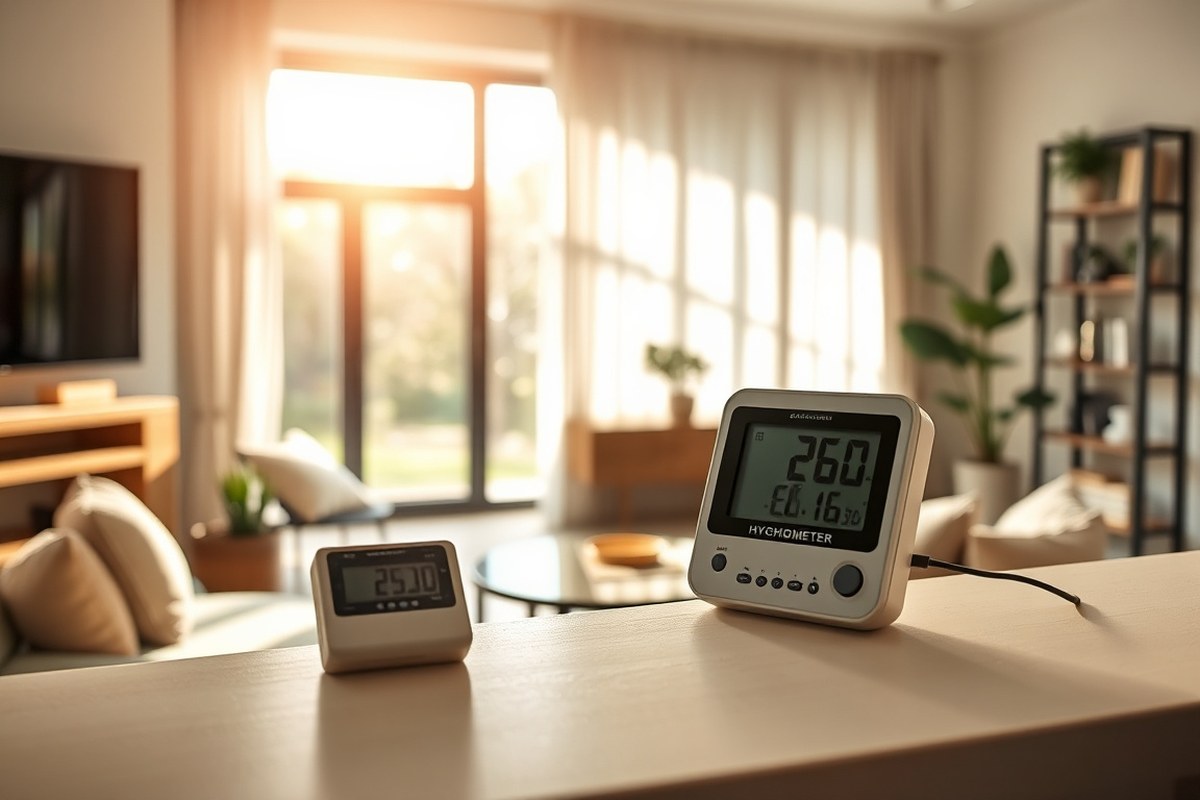
Aim to monitor indoor humidity regularly to avoid problems like condensation on windows. Sudden changes can cause damage or discomfort. Using a hygrometer gives you accurate readings all year round.
Many models cost under $20 and are easy to use. Place one in main living spaces and check readings weekly. Adjust humidity with a humidifier or dehumidifier based on what the device shows.
Key Takeaways
- Maintain indoor relative humidity between 30% and 50% for comfort and health.
- Use a hygrometer to measure your home’s humidity accurately.
- Humidity above 50% can cause mold growth and damage to your home.
- Humidity below 30% can dry out skin and respiratory passages.
- Seasonal changes affect indoor humidity; adjust ventilation or humidifiers accordingly.
- Quick checks prevent long-term problems like wood warping or paint peeling.
What Is the Ideal Humidity Level for Your Home?
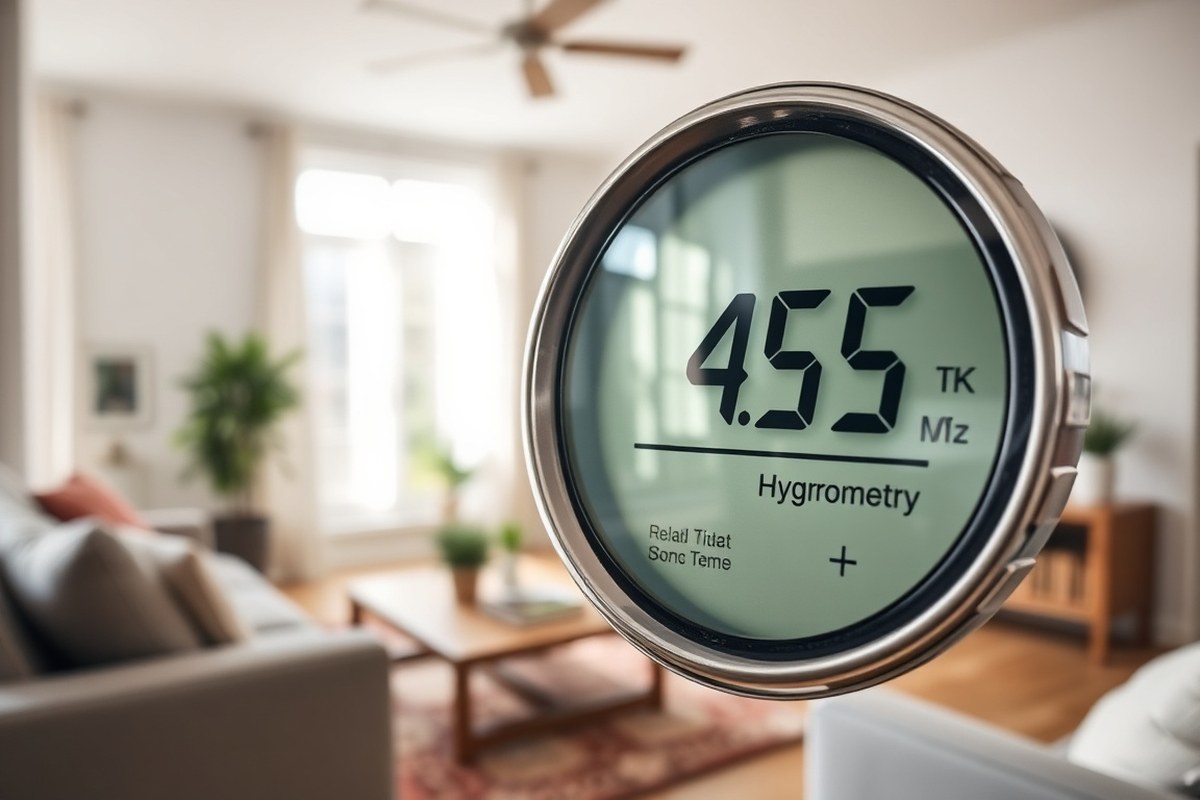
Keeping your home’s relative humidity between 30% and 50% is key for comfort and health. This range stops mold and dust mites from growing. It also keeps your skin from drying out.
Your sinuses stay clear, and static shocks reduce. Most homes need some effort, like using dehumidifiers or humidifiers, to stay within these levels year-round.
When humidity falls below 30%, dry air causes problems. It can crack wood furniture or cause static shocks. It can also irritate your breathing.
Humidity over 50% causes water to form on windows. It helps mold grow and raises your allergy risk. This can hurt your home’s comfort.
Too much moisture in basements or bathrooms can cause damage. It raises the chance of wood or walls rotting. It can also harm your indoor air quality.
Maintaining about 40% relative humidity is a good target. It keeps the air comfortable for people and plants and protects your home’s interior.
You can measure humidity with a hygrometer, which costs around $20 to $30 at hardware stores. Adjust humidity by controlling ventilation, using exhaust fans, or running humidifiers and dehumidifiers as needed.
| Relative Humidity | What Happens | What to Do |
|---|---|---|
| Below 30% | Dry air; skin and sinuses dry out; wood may crack; static builds up | Add moisture with a humidifier; especially in winter |
| 30, 50% | Ideal range; discourages mold and dust mites; comfortable for occupants | Maintain current levels; monitor regularly with a hygrometer |
| 50, 60% | Increased risk of condensation; mold growth begins; allergens thrive | Start dehumidifying; improve ventilation |
| Above 60% | High moisture; mold and mildew growth; potential home damage | Run dehumidifiers; find and fix moisture sources fast |
Different rooms have specific needs. Bedrooms, living spaces, and basements should stay between 30% and 50%.
Bathrooms may spike temporarily after showers, but ventilation is important to avoid long-term dampness. Winter climates might require lower humidity near 30% to prevent window condensation.
Seasonal shifts affect your indoor humidity too. Cold air holds less moisture, so humidity drops in winter.
In warmer months, controlling excess moisture helps avoid sticky or muggy indoor air. Maintaining this balance protects your home’s structure and keeps you healthy throughout the year.
How Seasonal Changes Affect Indoor Humidity Levels
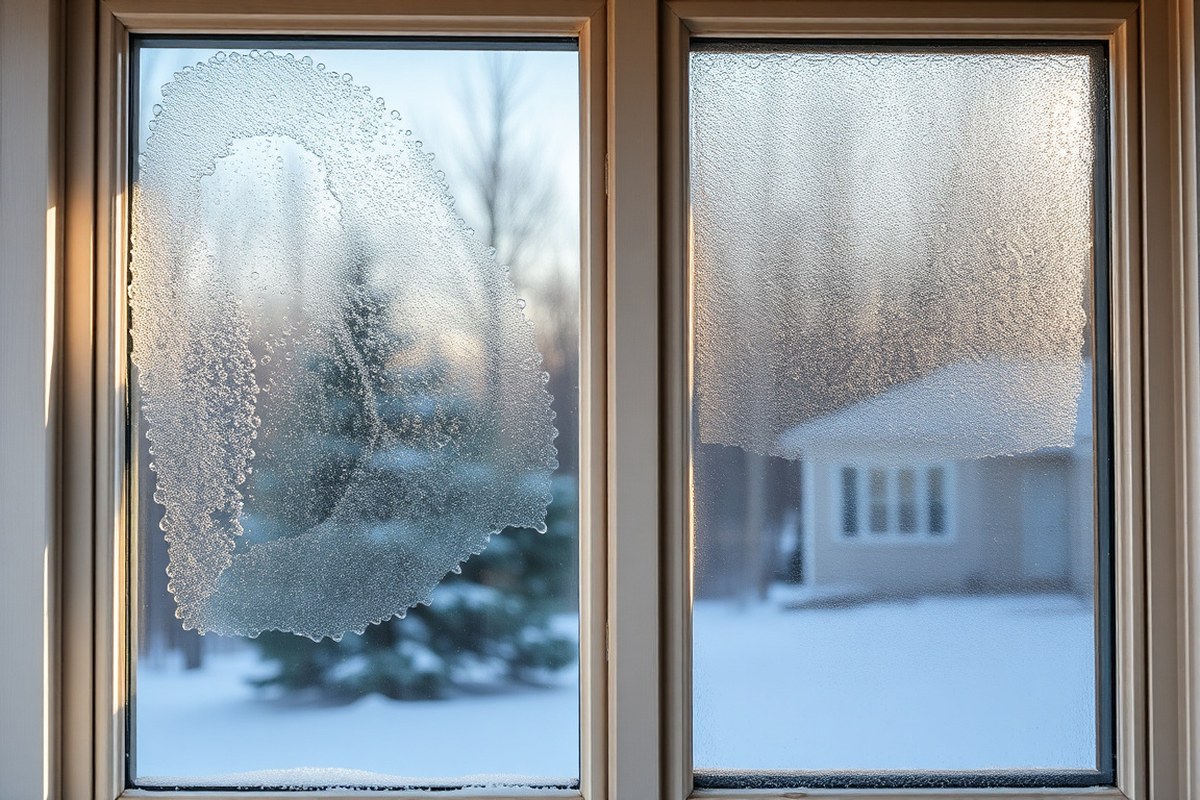
Seasonal changes have a strong effect on the desired indoor humidity levels. Cooler outdoor temperatures in winter usually require lower indoor humidity to avoid condensation. Warmer months allow for slightly higher humidity without moisture problems.
How Outdoor Temperature Sets Indoor Humidity Limits
When it’s above 50˚F outside, indoor humidity should stay below 45%. This helps prevent mold and dust mites from growing. As outdoor temperatures drop, you must lower indoor humidity to avoid window and wall condensation.
For example, at 20˚F outdoor temperature, indoor humidity shouldn’t exceed 35%. Below zero degrees, many experts say keep humidity around 30%. If it goes below -20˚F, lower it to 15%.
This helps prevent frost and damage. The colder outside air causes moisture inside to condense on cold surfaces.
Seasonal Target Humidity Ranges to Follow
Spring and fall call for 35, 50% relative humidity, since outdoor conditions change frequently. This range balances comfort and moisture control. Summer’s ideal span is 40, 50%, where air conditioning also helps keep humidity down.
Winter needs the most care. In colder climates, aim for 30, 40% indoor humidity.
This helps prevent condensation on windows and walls. Staying above 30% also avoids overly dry air that irritates skin and respiratory tracts.
How Indoor Activities Affect Seasonal Humidity
Indoor humidity depends on more than outdoor weather. Cooking, showers, and laundry add moisture year-round. These sources can push your indoor humidity above the target levels if ventilation is poor.
Use exhaust fans during these tasks, especially in winter. Keep windows closed in cold months to avoid drafts but run fans to remove excess moisture. In summer, open windows occasionally to let fresh air balance humidity.
Adjusting Your Home’s Humidity Seasonally
Use a hygrometer to track humidity regularly and adjust accordingly. In winter, run a humidifier to reach the 30, 40% range if air feels dry. Watch closely to not exceed this level and cause condensation.
Summer calls for dehumidifiers or air conditioning units to keep humidity near 45%. This avoids sticky air and stops mold growth. Spring and fall usually need less equipment but monitor changes in outdoor weather.
Check your windows daily in winter for condensation; it signals humidity is too high. Adjust humidifier settings or improve ventilation to fix it quickly.
How to Measure Your Home’s Humidity Accurately
To measure your home’s humidity accurately, use a reliable hygrometer. Digital hygrometers are affordable, precise, and easy to read. Checking humidity often helps you keep it in the right range.
The best range is 30% to 50%. This keeps your home comfortable and healthy.
Types of Humidity Measurement Tools
Hygrometers come in several types, each with pros and cons. Digital models use sensors to show humidity levels fast and clearly. Analog or dial hygrometers are cheaper but less precise and harder to read.
Some thermostats include built-in humidity sensors for continual monitoring. Psychrometers use wet and dry bulb thermometers to calculate humidity but need manual effort. For most homes, digital hygrometers offer the best balance of accuracy and convenience.
| Tool | Cost | Accuracy | Ease of Use | Best Use |
|---|---|---|---|---|
| Digital Hygrometer | $10-15 | ±2-5% RH | Easy, instant read | Home monitoring |
| Analog Hygrometer | $5-10 | Less accurate | Manual reading | Basic checks |
| Thermostat with Humidity | $50+ | Good | Automatic tracking | Whole-house control |
| Psychrometer | $20-40 | High, but manual | Requires skill | Precise spot checks |
This table shows typical costs and uses across popular humidity tools. Digital hygrometers are the best first buy for smart home humidity control.
Factors Affecting Measurement Accuracy
Humidity readings can vary by room temperature and placement. Avoid placing hygrometers near windows or vents to prevent false highs or lows. Check readings away from direct sunlight or sources of steam.
Room temperature affects relative humidity, so measure in areas where you spend most time. Move the device 3 to 5 feet off the floor for more accurate air sampling. Allow the hygrometer to adjust for 30 minutes after placement before reading.
Using Digital Hygrometers for Consistent Readings
To use a digital hygrometer, place it in a main living area or bedroom. Leave it there for at least 30 minutes before recording humidity.
Your home’s humidity varies during the day. So check readings multiple times for a clear picture.
Measure humidity weekly or more often during seasonal changes. Many digital models display temperature too, helping you track comfort levels.
Readings below 30% or above 50% mean you should adjust humidity. You can raise or lower it using a humidifier or dehumidifier.
Signs Your Home’s Humidity Level Needs Adjustment
Too much or too little humidity in your home shows through certain signs. Dry air below 30% relative humidity can cause itchy eyes, dry skin, and a sore throat. You might notice more static shocks and wood cracking or peeling in cabinets and floors.
High humidity above 60% often feels sticky and uncomfortable. Look for damp spots, mold growth, or condensation on windows and walls.
You may smell musty odors. Your house might feel colder in winter due to moisture on surfaces.
Check these signs to figure out whether your indoor air needs adjusting:
- Dry, itchy skin and irritated throat
- Static electricity shocks when touching metal
- Cracked or peeling wood and paint
- Condensation on windows or pipes
- Visible mold or mildew on walls or ceilings
- Musty odors in rooms or closets
- Warped or damp insulation and building materials
First, use a hygrometer to confirm your home’s humidity. These devices cost between $15 and $30 and give a quick reading. When the number is below 30%, try a small humidifier.
Use it in dry rooms, especially during winter. Keep it below 50% to avoid mold.
Above 60%, find moisture sources like leaks, poor ventilation, or damp basements. Use exhaust fans in kitchens and bathrooms. Consider a dehumidifier too.
It helps stop moisture from building up. Fix leaks promptly since even small water sources fuel mold growth and damage.
Moisture damage may take time to show. Peeling wallpaper or blistering paint usually appears after weeks of high humidity.
Keep monitoring your home’s humidity daily for a week. Proper levels protect your health and preserve your woodwork and finishes.
How to Lower Indoor Humidity Effectively
Lowering your home’s humidity is key when levels rise above 60%. High humidity causes mold, condensation, and musty smells. You need to remove moisture to reach the ideal 45%.
Improving airflow also helps get humidity to this range. These steps keep your home comfortable and healthy.
Using Dehumidifiers and Exhaust Fans
Dehumidifiers pull excess moisture from the air. A whole-house dehumidifier can manage your entire home. Portable units work well for damp rooms.
Bathroom and kitchen exhaust fans remove moist air fast. They work right where steam comes from showers or cooking. This stops moisture from spreading indoors.
Avoid running exhaust fans when outdoor humidity is higher than indoors. This can push moist outdoor air inside, making things worse. Check exhaust fans yearly to keep them running well.
- Measure your home’s relative humidity with a hygrometer.
- Run a portable or whole-house dehumidifier until levels drop below 60%.
- Turn on exhaust fans during and after cooking or bathing.
- Check and clean exhaust fan filters and vents regularly.
- Inspect windows for condensation and reduce indoor moisture sources.
Make sure exhaust fans vent outdoors, not just into attics or crawl spaces.
Improving Ventilation and Airflow
Ventilation helps lower humidity by bringing in drier outside air. Open windows when outdoor humidity is lower than indoors. Use ceiling fans and vents to improve air circulation within your home.
Regular HVAC maintenance keeps the system running efficiently and helps control moisture. Replace filters often and inspect ducts for leaks. Sealing basement foundation cracks prevents outside moisture entry.
Cold outdoor temperatures can cause window condensation if indoor humidity is too high. Keep indoor humidity lower during winter cold snaps. It can go as low as 15% when outside dips below −20°F. Doing this helps avoid moisture problems inside.
Reducing Indoor Moisture Sources
Fix any leaks promptly, including pipes, roofs, and basement walls. Standing water or damp spots add moisture to indoor air. Limit activities that create humidity, like drying clothes indoors and boiling water without lids.
Use kitchen and bathroom exhaust fans during moisture-heavy activities. Avoid overusing humidifiers or using them when not needed, especially in cold weather. Store firewood and other damp items outside.
Run your dehumidifier continuously if your home has persistent moisture problems, especially in basements. This keeps humidity at a safe level and stops mold before it starts.
How to Raise Indoor Humidity When It’s Too Low
Increase indoor humidity when the air feels dry or causes skin itchiness. Dry indoor air often happens in winter when heaters lower moisture levels. You should raise humidity if sinuses start to feel irritated or you notice static shocks.
One of the easiest ways to add humidity is using a humidifier. Small, portable units cost around $30 to $100 and work well for single rooms. Whole-house humidifiers attach to your heating system but usually need a professional to install.
Besides humidifiers, there are other practical steps you can take to add moisture in your home:
- Place bowls of water near heat sources to evaporate slowly
- Use indoor plants, which release moisture through their leaves
- Dry clothes on indoor racks instead of a dryer
- Boil water on the stove or simmer soups to add steam
- Take shorter, cooler showers to keep humidity stable afterward
Keep a hygrometer nearby when adding humidity to avoid going over 50% relative humidity. Over-humidifying can cause mold growth and musty smells. High humidity also makes dust mites and allergens thrive, worsening indoor air quality.
Set your humidifier to run only while needed, like during dry mornings or at night. Clean the humidifier’s tank regularly to prevent bacteria and mineral build-up. Use distilled or filtered water if your tap water is hard, which can clog filters quickly.
Common Myths and Mistakes About Indoor Humidity
Many think 60% humidity is always too high, but it depends. The Environmental Protection Agency says to keep indoor humidity below 60%.
That’s because mold, dust mites, and bacteria thrive above that level. Still, aiming for 30% to 50% keeps the house comfortable and fights allergens best.
Some believe low humidity stops dust mites completely. Dust mites absorb moisture from air, not water directly. The American Lung Association notes dust mites struggle below 50% humidity.
But they don’t disappear entirely. Keeping humidity below 50% reduces them most effectively but doesn’t guarantee zero mites.
Relying on how the air feels won’t give you true humidity levels. Dry air might feel comfortable. Some parts of your home can still be too dry or too moist.
Check humidity in different rooms to spot the problem. A hygrometer is the best tool to check humidity right. It helps you know when to change the levels.
You can trust it more than guessing. Symptoms like dryness or dampness alone don’t tell the whole story.
Adjusting humidity depends on your conditions and equipment. Use a humidifier when humidity drops below 30%. Turn on a dehumidifier if it goes above 50%.
These keep your air at a healthy level. Keep monitoring with your hygrometer every day or two during seasonal changes. This helps avoid the mistakes of guessing or waiting until mold or allergies appear.
Trying to hit an exact number isn’t necessary. Humidity fluctuates throughout the day and with weather. Aim to keep humidity in the safe range.
Do this most of the time. It helps with your health and comfort. Your basement may feel damp but show normal humidity.
Look for other moisture sources like leaks. Don’t just change the humidity levels blindly.
When and Why to Call a Professional for Humidity Problems
Call a professional if you notice persistent condensation on walls, windows, or ceilings. This often signals moisture problems that simple DIY fixes can’t solve. Damp smells or visible mold growth larger than 10 square feet also merit a professional inspection.
DIY approaches like air conditioners, basic dehumidifiers, or opening windows sometimes aren’t enough. Old homes can have hidden moisture from leaks or poor insulation. These issues might include single-pane windows or plumbing leaks.
They raise indoor humidity without obvious signs. Specialists use tools to check for moisture behind walls.
They also inspect under floors. These tests help find hidden humidity sources.
Experts often start with a thorough home inspection, measuring humidity levels in different rooms. They test for mold spores and pinpoint where moisture enters or gets trapped. After that, they recommend solutions like upgrading your HVAC system, installing whole-home dehumidifiers, or fixing leaks.
Upgrades usually cost $1,000 to $3,500. The price depends on home size. It also varies with how complex the problem is.
Persistent humidity issues that cause health problems should not wait. Mold releases spores that can worsen allergies or asthma.
You should get professional help if your family gets unexplained respiratory symptoms near moisture. Quick action prevents bigger damage and higher repair costs.
Professionals also ensure the right humidity balance, which the EPA suggests keeping between 30% and 50%. Maintaining this range means less dust mites, mold, and bacteria indoors. They’ll calibrate HVAC controls or recommend whole-house humidifiers, especially useful in dry seasons or winter months.
Don’t ignore humidity problems just because they seem minor. Small leaks can cause big mold growth over time.
Step-by-Step Action Plan for Managing Your Home’s Humidity
Keep your home’s humidity in the ideal range to stay comfortable and healthy. Follow these steps to check and adjust humidity levels confidently.
- Day 1: Buy a reliable hygrometer. Check humidity in several rooms and note readings between 30% and 50% for comfort.
- Week 1: If humidity is above 50%, use a dehumidifier or improve ventilation. Notice if the air feels less sticky and mold growth slows.
- Week 2: Use a humidifier if humidity drops below 30%. You can also put water basins near heat sources. These methods add moisture to dry air. The air should feel less dry and skin irritation should ease.
- Week 3: Monitor daily changes, especially as weather shifts. Adjust your devices or vents to keep humidity stable.
- After 1 Month: Check for signs like condensation on windows or dry wood. Seek professional advice when problems keep happening despite your efforts.
- Seasonal Reminder: Repeat humidity checks each season to adapt settings to temperature and moisture changes.
Frequently Asked Questions
What Is the Ideal Humidity Level for a Baby’s Room?
The ideal humidity for a baby’s room is also between 30% and 50%. This range helps protect their sensitive skin and eases breathing.
Can Too High Humidity Cause Mold in the House?
Yes, humidity above 60% can promote mold growth inside your home. Keeping humidity below 50% cuts the risk of mold and dust mites.
Does Indoor Humidity Affect Your Energy Bills?
Yes, balanced indoor humidity can reduce heating and cooling costs. Dry air feels colder, making your heating work harder in winter.
What Humidity Level Prevents Wood Furniture Damage?
Maintaining 30% to 50% humidity helps prevent wood from cracking or swelling. Consistent moisture keeps wood stable and looking good longer.
Can Humidity Impact Your Home’s Paint or Wallpaper?
High humidity can cause paint to peel and wallpaper to bubble. Keeping humidity under 50% helps paint and wallpaper last longer.
Should You Adjust Humidity Differently in Winter Versus Summer?
Yes, aim for about 30-40% in winter and 40-50% in summer. This balance keeps comfort without excess moisture or dryness.
Wrapping Up
Keeping humidity between 30% and 50% helps protect your health and your home’s structure. Use a hygrometer often to track your progress. Start by spotting humidity issues in one key room today.