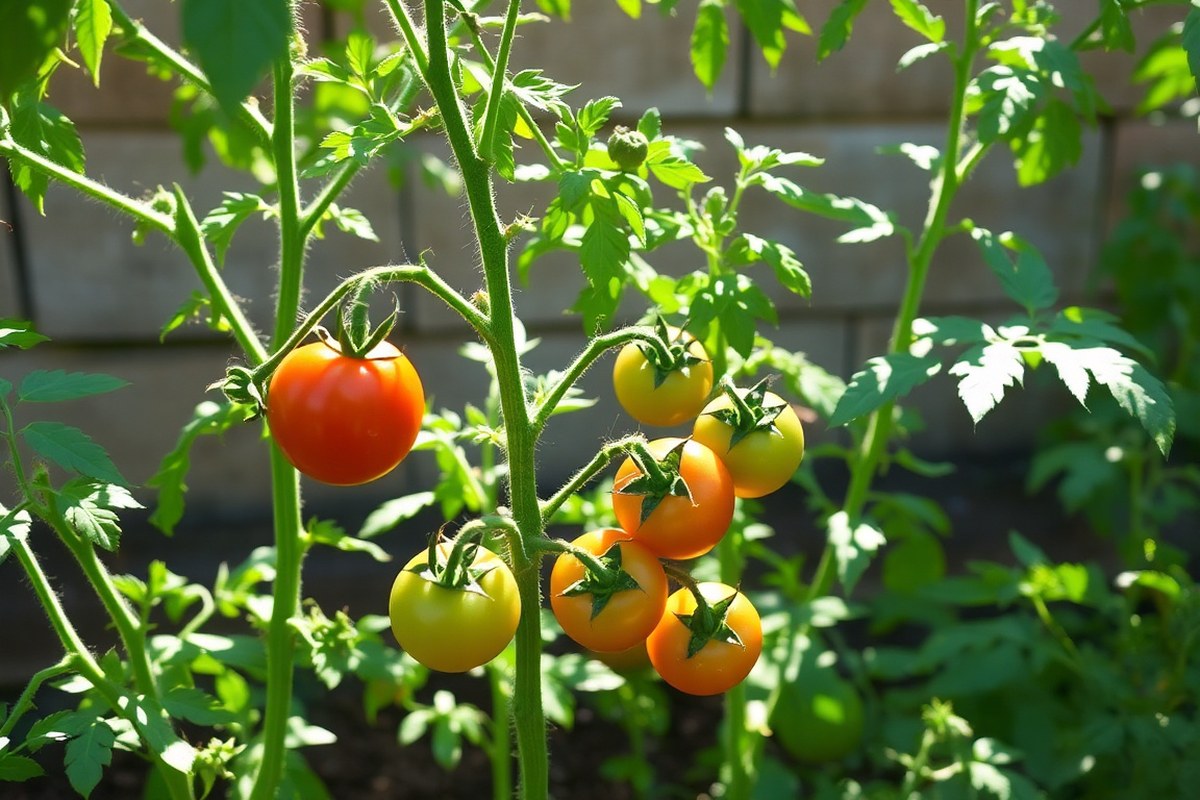
Can Tomatoes Grow in the Shade? Best Varieties and Growing Tips
Can tomatoes grow in the shade? Yes, but it’s a bit tricky. Tomatoes need sunlight to make fruit.
So less sun slows their growth and reduces yield. You can grow tomatoes with about 3 to 5 hours of sun.
This amount counts as partial shade. Tomatoes can still do well in that light.
Varieties like Roma tomatoes handle shade better because they mature faster, often in 75 days. Choosing the right spot with some morning or afternoon sun helps. Watch your plants closely in low sunlight.
They might need extra care. This helps them stay healthy.
Artificial light helps tomato plants when sunlight is weak. It’s useful on patios or indoors. This can boost their growth.
Staking plants that grow tall makes sure they get good air circulation and support. Those small changes help tomatoes thrive even with less sun.
Key Takeaways
- Tomatoes need at least 3 to 5 hours of direct sun to grow in shade.
- Choose Roma tomatoes as they mature quickly in partial shade.
- Place plants where they get morning or afternoon sun for best results.
- Use stakes or cages to support taller tomato plants like Gold Medal.
- Supplement with LED grow lights to provide 8 to 10 hours of light daily.
- Regularly check plants for signs of stress or poor growth in shade.
Can Tomatoes Grow in Partial or Full Shade?
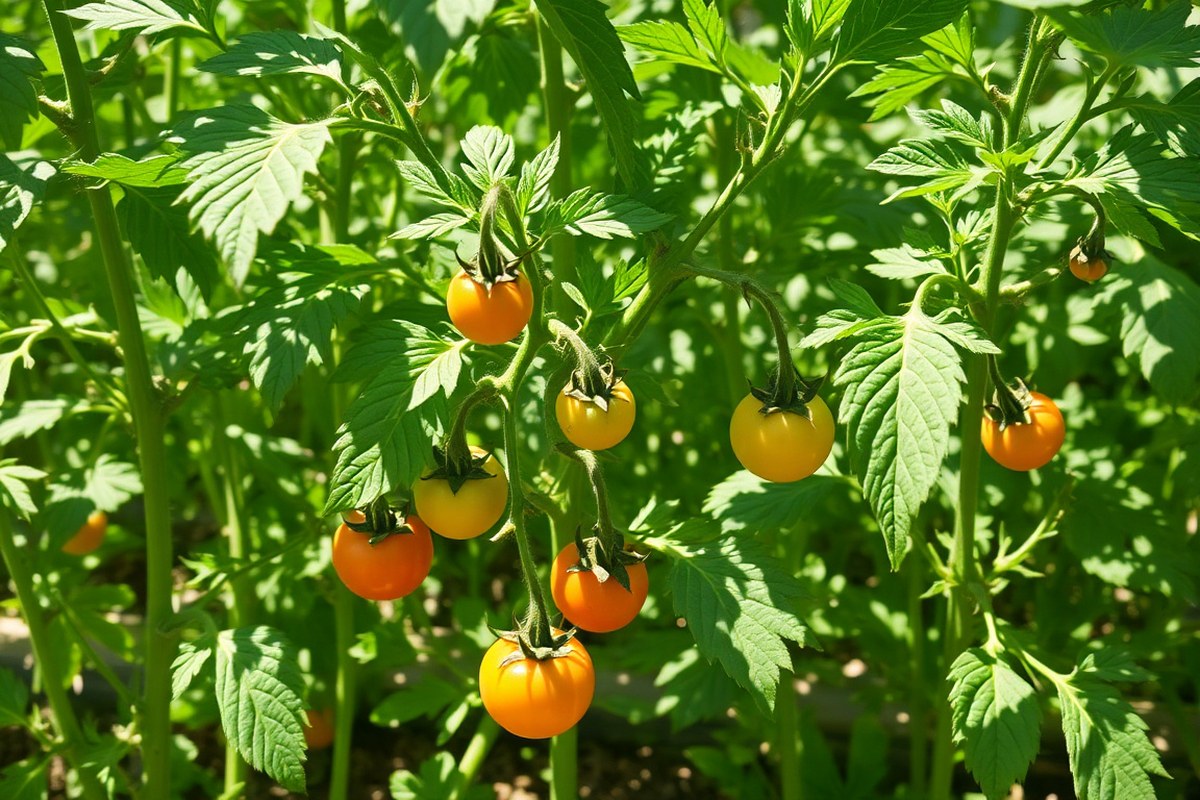
Tomatoes can grow in partial shade, but they rarely thrive in full shade. Partial shade means your plants get about 3 to 5 hours of direct sunlight daily. Full shade means less than 3 hours of sunlight daily.
It usually means mostly filtered or indirect light. This often keeps tomatoes from producing fruit.
Tomatoes need 6 to 8 hours of direct sun each day. This helps them grow strong and produce fruit well. Without enough sun, they struggle.
With less than 6 hours, their development slows, and the harvest is smaller and later. A tomato that fruits in 50 to 60 days with full sun may take double in partial shade.
It could take 100 to 120 days to produce fruit. Shade slows down tomato growth and fruiting.
Many tomatoes will grow leaves and vines in shade. But they might not produce much fruit. Only shade-tolerant varieties set fruit well in shade.
Even then, the fruit might be smaller and less abundant. Growing tomatoes in partial shade requires more patience and care. Yields are generally lower than growing in full sun.
How Reduced Sunlight Affects Tomato Growth and Fruit
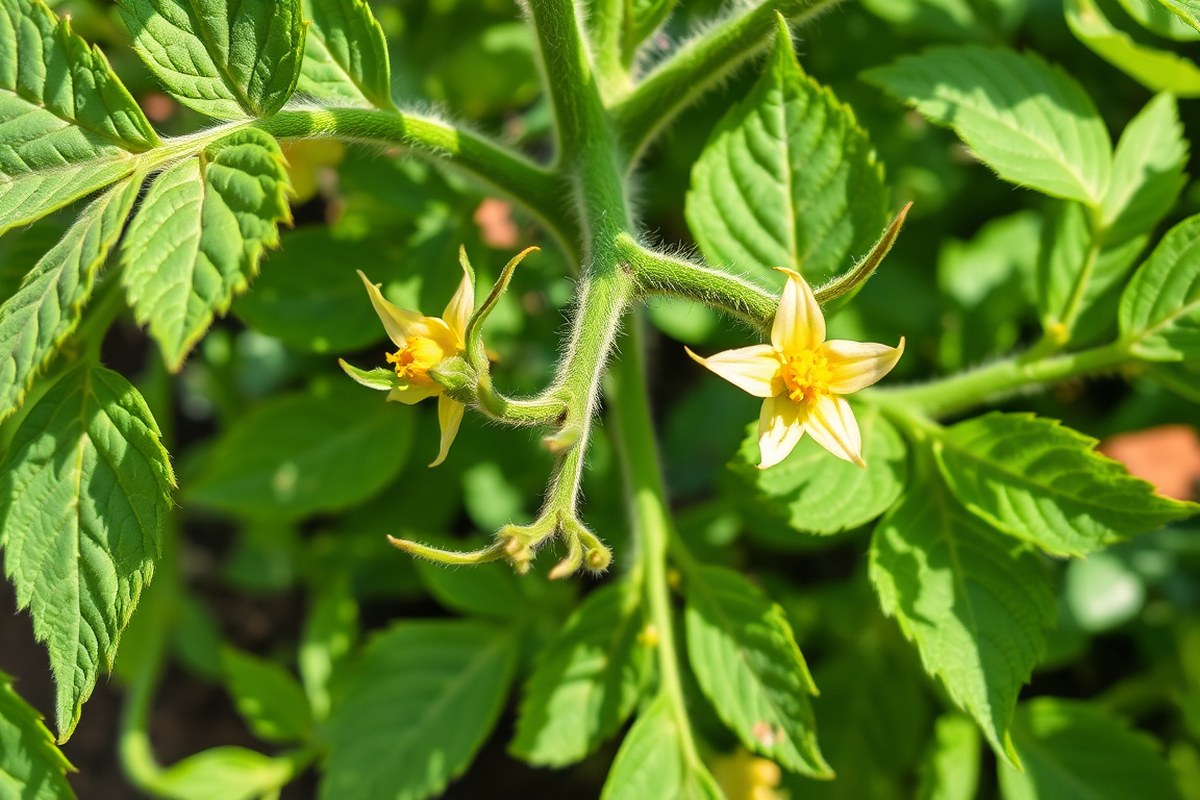
Tomatoes need sunlight for photosynthesis, the process that fuels their growth. When they get less than 6 hours of sun, photosynthesis slows down. This means the plant makes fewer sugars, which reduces energy for flowering and fruit development.
With less sunlight, tomato plants grow slower and become leggy. Leaves often stretch out as the plant reaches for light. Flowers may form late or in smaller numbers, cutting down the potential fruit yield.
Fruit size also suffers. Tomatoes grown in shade usually end up smaller and less firm.
The sugar content drops, leading to milder flavors. You might notice a less sweet and less rich taste compared to sun-grown tomatoes.
Shade decreases how many tomatoes each plant produces. For example, cherry tomato plants in partial sun can still yield fruit. But expect fewer clusters per plant.
Determinate varieties that mature early might manage better with less light. But overall harvest size shrinks.
Tomatoes need 3-4 hours of direct sunlight each day. They do better with some extra indirect light too. This helps them stay healthy and grow well.
However, this often isn’t enough to fully ripen fruit or maintain vigorous growth. In such cases, supplementing light or choosing shade-tolerant varieties helps.
Tomato plants with under 4 hours of sun risk weak growth and low yields. So watch your sunlight carefully.
Top Tomato Varieties That Grow Well in Shade
Cherry tomatoes usually handle shade better than large beefsteak types. They need less energy to develop fruit. So they do well with 3 to 5 hours of sun.
Determinate varieties also perform better in shade. These bush types have a set growth size and fruit period, which helps in lower light.
You should pick tomatoes that mature in 77 days or less for the best results. Roma tomatoes are a good choice because they mature in just 75 days. Black Krim, an indeterminate beefsteak, takes about 80 days and needs staking to support tall growth.
For full-sized fruit in partial shade, pick cold-hardy bushes. Choose varieties that mature within 55 days or less. This helps you get ripe fruit sooner.
| Variety | Type | Maturity Days | Shade Traits |
|---|---|---|---|
| Roma | Determinate | 75 | Performs well in 3-5 hrs sun; fast maturing |
| Black Krim | Indeterminate | 80 | Needs staking; tolerates partial shade with support |
| Gold Medal | Indeterminate | ~80 | Grows tall; requires staking; good fruit load |
| Cold-Climate Bush Varieties | Determinate | ≤55 | Best for full-sized fruit in shade; quicker harvest |
| Cherry Tomatoes (general) | Indeterminate or Determinate | ~75 | Small fruit size helps in shade; quicker ripening |
Cherry tomatoes usually mature faster in low-light areas. They’re ideal if you only get partial sun. Indeterminate types like Gold Medal grow tall and need support.
They provide plenty of fruit even with some shade. Staking keeps plants upright as they grow. Determinate tomatoes finish faster and hold fruit better under lower light.
Choose varieties that match your space and sun hours. Smaller-fruited tomatoes handle shade best and reward you faster. You can grow a mix of bush and cherry types to fit your garden’s shade conditions.
Choosing the Right Location and Managing Shade Types
Picking the right spot means knowing your garden’s sunlight hours. You also need to see what kind of shade covers the area. This helps your tomatoes grow well.
Learn to tell dappled shade from full shade. This helps your tomatoes get the light they need.
Knowing this makes a big difference for growing. Putting your plants where they catch the best light makes a big difference.
Measuring Sunlight Hours for Tomatoes
Count how many hours your garden gets direct sunlight on a typical day. Tomatoes need at least 3 to 5 hours of sun daily to do okay in shade. Check your garden every hour to track sunlight.
Write down when the sun shines on your spot. This simple way helps you understand light patterns.
For better results, try a sunlight meter. These tools cost $20 to $50 online or at stores. They give you a clear light reading.
Measure over different days to spot trends. This helps know if your garden area gets full shade or partial sun.
Types of Shade in a Garden
Dappled shade means sunlight filters through leaves or branches for a few hours throughout the day. Tomatoes do fine with dappled light. They get bright, indirect light most of the day.
That helps them make food through photosynthesis. Full shade means fewer than 3 hours of direct sun or mostly blocked light all day.
Tomatoes in full shade usually grow tall and leggy without much fruit. Dappled shade gives plants better chances to produce tomatoes. Knowing shade types tells you if your spot suits tomatoes.
You may need extra light if the shade is too thick. This choice affects your tomato success.
Tips for Selecting Optimal Tomato Spots
Look for garden spots that get south or west sun exposure. These sides generally get more sunlight during the day.
Avoid north-facing areas that often stay darker and cooler. Make small changes like trimming tree branches to increase light.
Use reflective mulch near your plants to bounce more light upwards. You can also place tomatoes near walls or fences that reflect sunlight. Keep tomato plants away from tall shrubs or trees that cast long shadows.
- Mark spots where sun hits between 10 am and 3 pm for best light
- Choose raised beds or containers to move plants closer to light
- Clear any clutter that blocks sunlight around tomato spots
- Check sunlight patterns during different seasons for accuracy
- Shift plants if they grow leggy or show weak leaves
Finding the right spot might mean some trial and error. But your tomatoes will adjust better in the end. You’ll enjoy more flavorful tomatoes by placing them in the best light available.
Using Artificial Light and Containers to Supplement Shade
Grow lights can replace sunlight for tomatoes when natural light is limited. Tomatoes need 14 to 18 hours of bright light daily.
So use grow lights indoors or on shaded patios to meet this. Containers help manage space and soil quality, improving your results.
Choosing the Right Grow Lights for Tomatoes
Pick grow lights that offer full-spectrum or “daylight” bulbs to mimic the sun’s light. LED grow lights are popular because they use less energy and produce less heat. Avoid regular household bulbs since they don’t provide enough of the right light spectrum.
Look for lights labeled as suitable for vegetables or fruiting plants. The light should cover blue and red spectrums to encourage healthy leaf growth and fruit development. Good-quality LED setups range from $30 to $100, depending on size and features.
Setting Up Timers and Light Duration
Tomatoes indoors need 14 to 16 hours of light each day. Use a timer to turn your grow lights on and off automatically. This helps keep a consistent light schedule even if you forget.
Place lights about 12 to 18 inches above the plants. Adjust the height if you notice leaves stretching away from light. Switch the light off during the night to give plants rest.
Be careful not to keep lights on 24/7. Tomatoes need nighttime darkness to grow properly.
Best Potting Mixes and Containers for Shade Growing
Choose containers with drainage holes about 12 inches wide and deep to fit tomato roots comfortably. Use commercial potting mixes with added perlite or vermiculite for good drainage and aeration. Avoid garden soil that can hold too much moisture and cause root rot.
Rotate containers every few days to give all sides equal light exposure. This prevents lopsided growth when using grow lights or indirect sunlight. Adding a slow-release fertilizer in the mix helps supply nutrients over time for healthy plants.
- Select full-spectrum LED grow lights designed for fruiting plants.
- Set up a timer to provide 14-16 hours of light daily.
- Position lights 12-18 inches above the tomato plants.
- Use containers at least 12 inches wide with good drainage.
- Fill containers with well-draining potting mix containing perlite or vermiculite.
- Rotate containers regularly to expose all sides to light.
- Add slow-release fertilizer to support nutrient needs.
- Monitor plant growth and adjust light height or duration if needed.
Practical Tips to Maximize Tomato Yields in Shade
Tomatoes in shade need extra care to thrive. Water them more often than sun-grown plants since shaded soil stays moist longer. But check the soil to avoid overwatering.
Feed plants with a balanced fertilizer about every two weeks. This helps steady growth and fruiting in low light. Keep the feeding schedule regular for best results.
Pruning helps tomatoes in partial shade by removing weak or leggy stems. This directs energy to stronger growth that reaches light better. Cut off the lower leaves and crowded shoots.
This lets air move better to lower disease risk. It helps especially in humid shady spots.
Supporting tomatoes in low light stops them from falling over. Their stems can become long and spindly trying to reach sunlight. Use strong stakes, cages, or trellises for support.
They keep plants upright and make picking easier. This also helps keep leaves dry and healthy.
- Check soil moisture every few days and water when top 1-2 inches feel dry.
- Use a balanced tomato fertilizer with nitrogen, phosphorus, and potassium every 10-14 days.
- Prune by cutting out stems thinner than a pencil and crowded branches weekly.
- Tie long stems to stakes gently without damaging the plant.
- Choose sturdy tomato cages or metal stakes about 5-6 feet tall for support.
- Watch for disease signs like yellowing leaves and remove affected parts immediately.
As tomatoes stretch in shade, gently tying stems prevents breakage and stress. Keep an eye on their shape and prune when growth gets too tangled. This leads to stronger plants that set better fruit despite less sun.
Common Mistakes When Growing Tomatoes in Shade
Tomatoes in shady areas often fail to fruit because they don’t get enough direct sunlight. Tomato plants need 6 to 8 hours of sun every day. This helps them flower and grow fruit properly.
Without enough sun, your tomatoes won’t do well. Without enough light, the plants grow tall and leggy but rarely produce fruit.
Overwatering is another common problem. In shade, soil stays moist longer, so watering schedules must adjust.
Too much water leads to root rot and fewer blossoms. Water only when the top 1 inch of soil feels dry to the touch.
Too little light combined with poor air circulation encourages pests and diseases. Watch for whiteflies, aphids, and fungal infections on leaves. These issues weaken the plant and reduce yields.
- Plant determinate tomato varieties; they stay compact and fruit well in partial shade.
- Use a soil moisture meter or check soil dryness before watering.
- Thin the leaves if the plant becomes too dense to improve airflow.
- Add balanced fertilizer every 2 to 3 weeks to compensate for lower photosynthesis.
- Inspect leaves weekly for pests and treat early with insecticidal soap.
- Prune lower leaves to reduce disease risk in humid shady spots.
Nutrient deficiencies also happen more in shade. With less sunlight, photosynthesis slows down, which limits nutrient uptake.
Yellowing leaves indicate a nitrogen shortage. Applying a slow-release fertilizer designed for vegetables helps correct this.
Pests and diseases hide better in shade and can spread faster if unnoticed. Checking plants often and removing damaged leaves stops most issues early. Using an organic pesticide can control insects without harming beneficial bugs nearby.
How to Monitor and Know When Shade Tomatoes Are Thriving
Healthy shade-grown tomato plants show steady growth and some fruit formation. Watch for enough leaves and firm stems. Signs of trouble include very slow growth or pale leaves.
Indicators of Healthy Tomato Plants
Leaves should be a rich green, not yellow or pale. Plants keep growing steadily, adding at least an inch of stem length every week. Flower buds form, and you may see small green fruit soon.
Stems stay firm and upright. Leaves don’t droop or wilt during the day if you water well. The plant looks balanced with even leaf spacing and no stretched, thin stems.
Common Warning Signs in Shade Growth
Tomatoes in too much shade often show thin, pale stems and yellowing leaves. Growth slows down or stops. You may see leaves falling off early or no flowers forming at all.
Fruit may fail to ripen or stay small. Leaves that look weak or yellow and fruits staying green might mean light is too low. Watch for long, spindly stems, this means the plant is reaching for more light.
Adjusting Care Based on Plant Feedback
Check your plants weekly with this quick checklist:
- Leaf color is deep green, not yellow or pale
- Stem growth adds about an inch weekly
- Flower clusters start to appear within 6 weeks
- Fruit size increases steadily after flowering
- Stems stay firm and don’t bend or fall over
- No excessive leaf drop or drooping
- Plants do not stretch excessively tall or thin
Check for pale leaves or slow growth, then move plants to brighter spots or trim branches. You might also add a small LED grow light for 4 to 6 hours a day. Switching to an early-maturing tomato variety can also help if your current plants struggle.
Don’t wait too long to adjust care, early action helps prevent permanent damage.
Step-by-Step Action Plan for Growing Tomatoes in Shade
Follow these steps to grow tomatoes successfully with limited sunlight. Watch for signs of healthy growth and fruit development.
- Before Planting: Choose tomato varieties known for shade tolerance. Check seed packets or nursery tags for shade-friendly types like ‘Stupice’ or ‘Siberian’.
- Day 1: Pick a location with at least 4 hours of filtered or morning sunlight. Avoid deep, full shade spots where plants might never get light.
- Week 1: Start seedlings indoors or buy transplants. Use containers or raised beds if your soil is poor or shaded by trees.
- Week 2: Add a slow-release fertilizer designed for vegetables. Look for dark green leaves and steady stem growth as signs the plants like the nutrients.
- Weeks 3-6: Install supplemental grow lights if natural light is scarce. Run lights 12 to 16 hours daily and watch for increased leaf growth.
- After 6 Weeks: Prune your tomato plants to improve air circulation and focus energy on fruit. You should see more flowers and small fruit forming.
- Throughout the Season: Water deeply but less often to encourage strong roots. Check soil moisture daily but avoid soggy soil.
- Harvest Time: Pick ripe fruit regularly. This encourages more tomatoes to grow and signals your shade-grown plants are thriving.
Frequently Asked Questions
Can Tomatoes Grow in Full Shade?
Tomatoes do not grow well in full shade. They need at least some sun to produce fruit. Full shade usually means under 3 hours of light daily.
This amount is too little for healthy tomato growth. Tomatoes need more sunlight to grow strong and produce fruit.
What Is the Minimum Sun Exposure Needed for Tomatoes?
Tomatoes need at least 6 hours of direct sun daily. Less than that can reduce fruit size and taste. Partial shade may work if you choose the right varieties and manage growing conditions carefully.
Can I Grow Roma Tomatoes in a Backyard with Limited Sun?
Yes, Roma tomatoes can grow with 3 to 5 hours of sun daily. They mature in about 75 days, making them good for shady spots. You’ll need about 150 days of this light to harvest well.
Do Shade-Grown Tomatoes Require Different Soil Care?
Shade tomatoes need fertile, well-drained soil with plenty of organic matter. Since they get less sun, nutrients must be rich to support slower growth. Water regularly but avoid waterlogging, which harms roots.
Can Growing Tomatoes in Shade Affect Pest or Disease Risks?
Tomatoes in shade can have more fungal problems due to dampness. Shade slows water evaporation and air drying, creating favorable conditions for disease. Watch your plants closely and keep leaves dry.
How Does Growing Tomatoes in Containers Help with Shade?
Containers let you move tomatoes to sunnier spots during the day. This flexibility is helpful if you have moving sun patterns in a shady yard. Using containers also improves soil control and drainage.
The Bottom Line
Tomatoes can grow in shade when you pick the right varieties and manage light carefully. Start by choosing a good spot with some sun and a shade-tolerant tomato. Watch your plants and make small changes to keep them healthy and productive.
One Comment