How to Increase Acidity in Soil: 8 Effective Ways for Healthier Plants
How to increase acidity in soil starts with adding materials that lower soil pH. Elemental sulfur is the most common and effective option. It reacts with soil bacteria and makes acid.
This acid increases the soil’s acidity gradually. The process takes weeks or months to complete.
You should mix 1 to 2 pounds of sulfur into every 100 square feet of soil. Spread it evenly and work it into the top 6 to 12 inches. This method works well for most garden soils and many acid-loving plants.
Measure your soil pH before and after adding sulfur to track changes. Soils with pH below 5.5 can harm roots, so don’t overdo it. Start with smaller amounts to avoid shocking your plants.
Key Takeaways
- Test soil pH before adding anything to know its starting acidity.
- Apply 1 to 2 pounds of elemental sulfur per 100 square feet for best results.
- Mix sulfur into the top 6 to 12 inches of soil for even acidification.
- Wait several weeks after application because sulfur needs time to lower pH.
- Avoid adding too much sulfur at once to prevent root damage from excess acidity.
- Check soil pH annually to maintain the right acidity for your plants.
1. How to Increase Soil Acidity: 8 Proven Methods
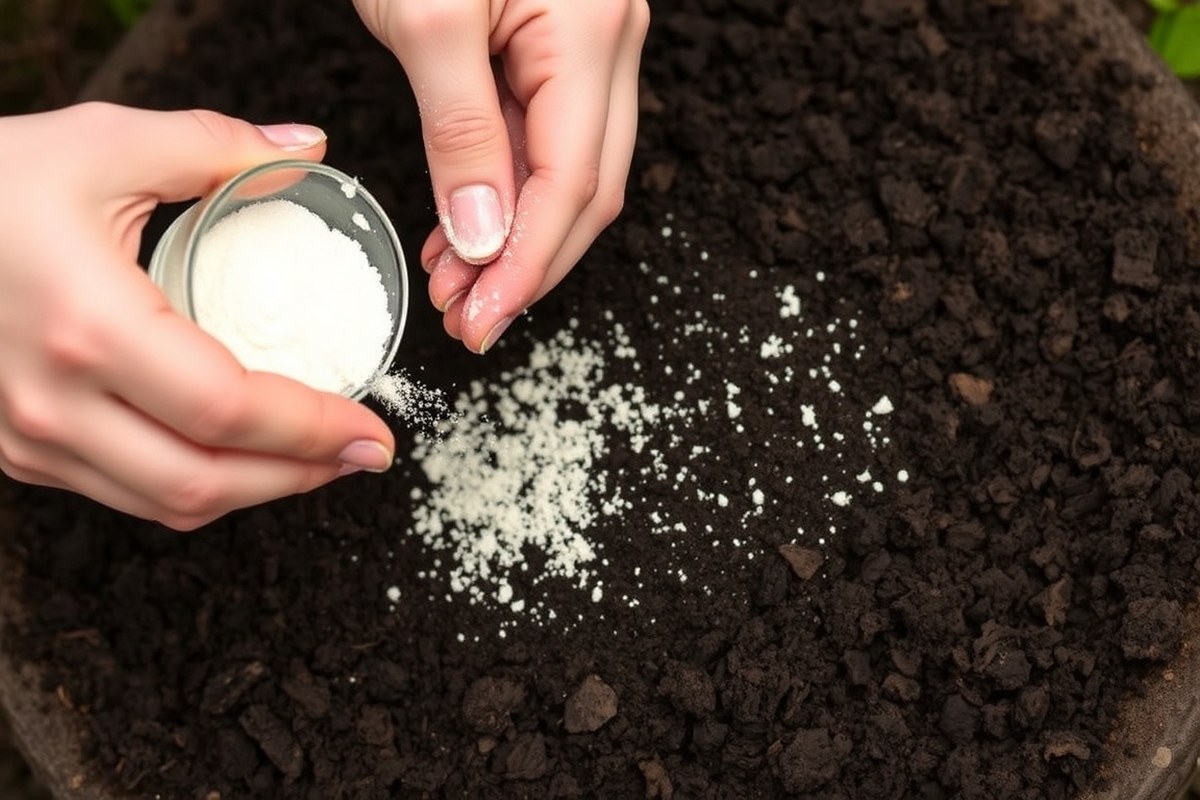
You can increase soil acidity using several effective methods. Elemental sulfur and ammonium fertilizers work chemically to lower pH over time. Organic options like peat moss and pine needles add acidity naturally and improve soil quality.
Home remedies like used coffee grounds can slightly increase acidity but take longer. Vinegar may change pH temporarily but can harm soil life if overused.
For quick acidification, ammonium fertilizers give faster results. Sulfur is slower but lasts longer.
- Measure your soil’s current pH. Use a pH test kit or digital meter before starting.
- Choose your acidifier based on speed. Use ammonium sulfate or ammonium nitrate for quick change.
- Apply elemental sulfur for slow, sustained acidification. Mix 1 to 2 pounds per 100 square feet into soil before planting.
- Incorporate organic matter like peat moss or pine needles. Spread a 2- to 3-inch layer and mix it into the top 6 inches of soil.
- Add used coffee grounds sparingly to compost or soil for gradual pH lowering without upsetting microbes.
- Water the soil properly after applying amendments to help them start working and avoid salt buildup.
- Retest soil pH annually to track progress and adjust amendment amounts as needed.
| Method | Speed of Acidification | Typical Application Rate | Additional Effects |
|---|---|---|---|
| Elemental Sulfur | Slow (weeks to months) | 1-2 lbs per 100 sq ft | Lasts long, improves soil over time |
| Ammonium Fertilizers (e.g., ammonium sulfate) | Fast (days to weeks) | Follow fertilizer instructions; ~1 lb per 100 sq ft | Adds nitrogen, risks nutrient imbalance if overused |
| Peat Moss | Moderate | 2-3 inch layer mixed into soil | Improves soil texture, holds moisture |
| Used Coffee Grounds | Slow | Small amounts mixed into compost or soil | Adds organic matter, gentle acidity increase |
| Vinegar (Not recommended) | Very fast but temporary | Not advised for soil treatment | Can harm beneficial microbes and soil life |
2. Testing Soil Acidity: How and When to Measure pH
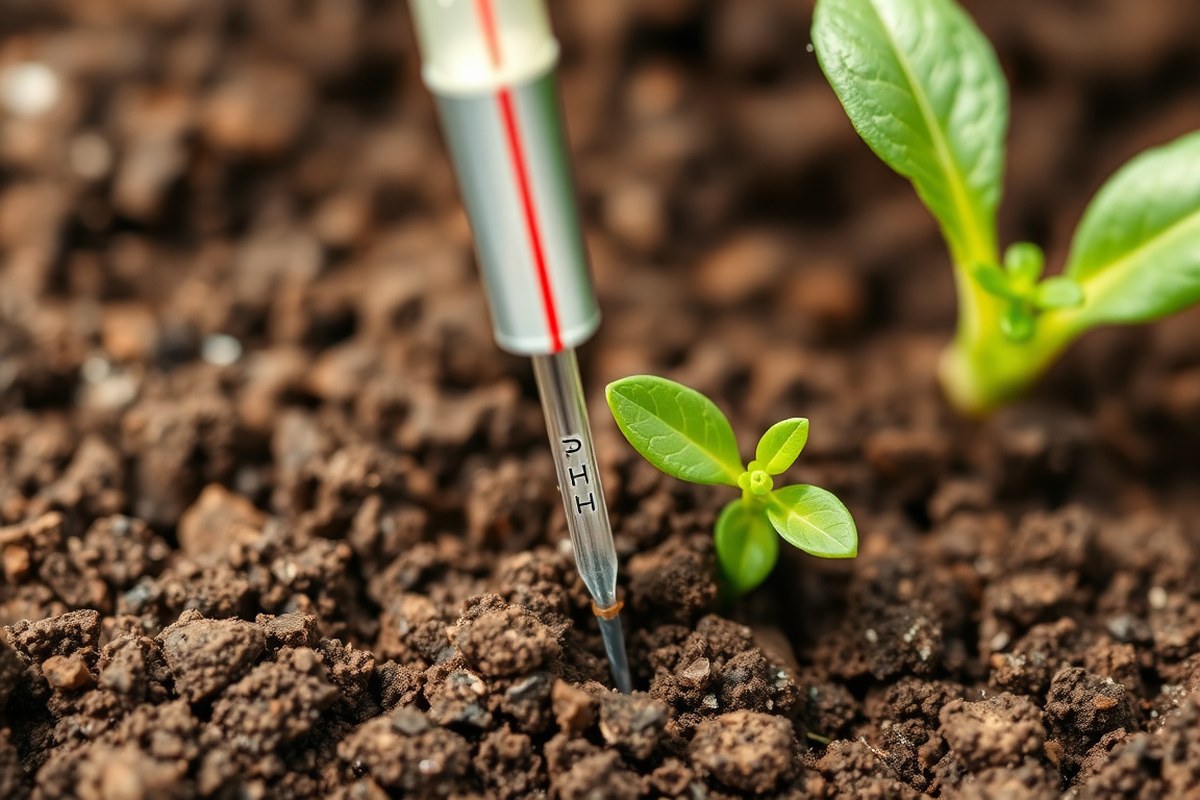
You can test soil acidity using home soil test kits or a digital pH meter. Test kits include color charts to compare with your soil sample’s color change. Digital pH meters give instant readings by simply inserting the probe into moist soil.
Collect soil samples from several spots in your garden for accuracy. Use a clean trowel and take samples from 3 to 6 inches deep. Mix samples in a clean container and follow your test kit’s instructions carefully.
Test soil pH every few months to track changes and adjust your soil amendments. The best times are early spring and late fall. Test before planting or changing soil treatments.
These periods give the most accurate soil pH readings. Regular testing helps keep your garden soil in the right acidity range for your plants.
Soil pH shows the active acidity in your soil solution. Buffer pH testing estimates exchangeable acidity, which tells how much amendment your soil needs. Some test kits or laboratory tests provide buffer pH results with the sample.
Buffer tests measure how soil reacts to a known solution. This shows how much lime or sulfur you need to adjust pH. Look at the buffer index or pH to find your soil’s acid level.
Always keep your samples dry and free from fertilizers to avoid skewed pH test results. Moist or contaminated samples give inaccurate readings.
3. Choosing Acid-Loving Plants: What Thrives in Acidic Soil?
Plants that like acidic soil usually grow best in a pH range from 4.5 to 5.5. This soil acidity helps these plants get the nutrients they need, especially iron and manganese. Choosing species suited to your soil’s pH avoids wasted effort on plants that won’t thrive.
Popular Acid-Loving Shrubs and Flowers
Azaleas, rhododendrons, and gardenias all prefer acidic soil between pH 4.5 and 5.5. They absorb nutrients like iron better in this range, which keeps their leaves green and healthy. Without the right acidity, these shrubs suffer from nutrient deficiencies and poor growth.
Hydrangeas also prefer acidic soil, though some varieties show flower color changes depending on pH. Blue hydrangea flowers appear in more acidic conditions. Picking acid-loving shrubs for these soil conditions helps create a vibrant, lush garden.
Fruits and Vegetables Preferring Acidic Soil
Blueberries are the most famous fruit needing acidic soil around pH 4.5 to 5.5. They struggle in neutral or alkaline soil because they can’t absorb nutrients well. Cranberries and some types of tomatoes also prefer slightly acidic conditions for best growth.
Vegetables like carrots and potatoes prefer mildly acidic soil. Their ideal pH is higher than blueberries need. Blueberries need much more acidic soil than those vegetables.
Their ideal pH is closer to 5.5 to 6.5. Knowing these ranges helps you pick fruits and veggies that thrive in your soil’s acidity.
Adjusting Plant Selection Based on Soil pH
Soil pH can be tough to change quickly. So picking plants suited to your existing pH saves time and effort. If your garden soil is neutral with a pH of 7, grow plants that tolerate that level.
Don’t try growing acid-loving plants there. They won’t thrive in neutral soil. This approach avoids wasted work on constant soil amendments.
Regular soil tests show your soil’s pH level. They also tell you which plants will do best. Testing helps you avoid guesswork in gardening.
Pick acid-loving plants only if your soil pH matches their needs. Or be ready to change pH with soil amendments.
Growing these plants in the wrong pH won’t work well. This way, you get the healthiest plants for your garden’s true conditions.
4. How Soil Type and Conditions Affect Acidity Changes
Soil texture affects how quickly you can change its acidity. Sandy soils adjust faster because they hold fewer nutrients and acids.
Clay soils hold more nutrients. So it takes longer and more amendments to shift their pH.
Loam soils fall in between sandy and clay types for how they respond to acid changes. For example, adding tons of lime helps raise sandy soil pH. Sandy soils raise pH faster than clay or organic soils.
This shows how soil type affects lime’s impact. After adding one ton of lime, a sandy soil’s pH can jump from 4.5 to 5.5.
But a clay soil only moves to 4.9. Organic soils barely shift at all in the short term.
Organic matter buffers pH changes by soaking up or releasing ions slowly. Its breakdown produces hydrogen ions that add acidity.
But this acidifying effect happens slowly over months or years. Adding organic compost helps maintain stable acidity but doesn’t quickly change pH.
Drainage also influences acidification and amendment success. Excess water from poor drainage can wash away amendments before they work fully. It also limits oxygen, slowing organic matter decay and affecting how acids develop.
Rainfall causes leaching, which removes calcium, magnesium, and other base elements from soil. Over many years, this natural leaching increases acidity, especially in high-rainfall regions.
In drier climates, soils hold on to these nutrients longer. So pH shifts are slower.
To manage acidity well, check your soil’s texture and drainage first. Sandy soils need fewer acidifying materials but may require more frequent applications.
Clay soils take longer and need larger amendment amounts. Improving drainage can help amendments work better and keep your soil healthy.
5. Calculating and Applying Elemental Sulfur: A Worked Example
To know how much sulfur to add, get your soil tested first. Measure your garden area with care. These steps help you apply the right amount.
Calculating sulfur depends on your soil’s starting pH, target pH, and soil texture. After you find the amount, mix sulfur into the soil well.
This spreads it evenly. It also keeps your plants safe.
Gathering Soil Test Results and Area Measurements
Begin by testing your soil’s pH with a kit from a garden center or online. Note the exact pH level and texture type: sandy, loamy, or clay. Measure the garden bed’s length and width to get the total square footage.
Record the depth you plan to treat, usually 6 inches for most gardens. That depth impacts how much soil volume you are adjusting. These details help match sulfur amounts to your specific garden needs.
Calculating Required Sulfur Amount
Use the soil’s pH, texture, and area to calculate how much sulfur you need. Sandy soils need less sulfur; clay soils require more for the same pH change. Decide your desired pH drop, often by 0.5 to 1.0 units.
Follow these steps to calculate the sulfur:
- Multiply your garden’s square footage by the treatment depth in feet (e.g., 50 ft² × 0.5 ft = 25 ft³ soil volume).
- Convert soil volume to weight by multiplying by soil density (~75 lbs/ft³ for loam).
- Look at tables listing sulfur to lower pH by one unit. Usually, you need 1 to 5 lbs per 1,000 lbs soil. The exact amount depends on soil texture.
- Adjust sulfur amount to match desired pH change (e.g., half the full drop needs half the sulfur).
- Calculate total pounds of sulfur needed for your soil weight and target pH shift.
This approach tailors sulfur use to your soil’s unique chemistry and helps avoid guessing. Avoid adding too much sulfur; it risks over-acidifying and harming plants.
Never apply sulfur on windy days to avoid inhaling the fine dust. Always wear gloves and a dust mask during application.
Applying Sulfur Safely in the Garden
Spread the calculated sulfur evenly across the dry soil surface. Aim for a 2-3 inch layer thickness before mixing it in. Rake or till sulfur into the top 6 inches to integrate it fully.
Water the soil well after applying sulfur. Moisture helps soil bacteria convert sulfur into acid, lowering pH gradually over weeks. Wait at least 4 weeks before retesting pH to check sulfur’s effect.
You might repeat sulfur application yearly in heavy clay soils or for larger pH changes. Avoid overuse to keep plants healthy and soil balanced.
6. Common Mistakes When Increasing Soil Acidity and How to Fix Them
Too much acidity in your soil can harm plants in several ways. Excessive acidity increases aluminum and manganese solubility, which can poison roots and stunt growth. You might see yellowing leaves, weak stems, or poor crop performance as clear signs of over-acidification.
Uneven soil pH often comes from wrong use of acidifiers. Elemental sulfur or acidic fertilizers used unevenly cause this. These acids change soil pH in patches.
Spot poor growth or yellow leaves in patches. Test soil pH in several spots to confirm. Unevenly distributed sulfur or fertilizers can cause these inconsistencies.
Acidity can also disrupt nutrient balance. High acidity locks out calcium, magnesium, and phosphorus, while boosting iron and aluminum.
This imbalance may cause nutrient deficiencies or toxicities, showing as leaf discoloration or poor root development. You can fix this by adding lime or dolomite to raise pH gradually.
- Don’t apply acidic amendments without testing soil pH first.
- Spread sulfur and fertilizers evenly over the area, not just in one spot.
- Monitor plants weekly for yellow leaves or slow growth as warning signs.
- Use soil tests to track pH changes every 2 to 3 months after amendments.
- Adjust acidity slowly to avoid shocking plants, small doses over weeks.
- Add lime to areas becoming too acidic to rebalance nutrient availability.
- Choose acid-tolerant plants for naturally acidic or uneven soil patches.
Notice signs of nutrient problems? Test your soil right away.
Applying lime correctly can neutralize excess acidity and improve calcium and magnesium availability. Avoid using acidifying fertilizers like ammonium sulfate in spots showing too much acidity to prevent damage.
Adding organic matter like compost can help reduce pH swings. It also improves the general health of your soil. Muddy or compacted soil makes controlling pH harder.
Poor drainage also makes managing soil pH uneven. Keep a steady eye on soil conditions to keep plants healthy and soil acidity balanced.
7. Maintaining Desired Soil Acidity for Long-Term Plant Health
Maintaining the right soil acidity requires regular testing, timely amendments, and consistent care. You should retest your soil pH every three to six months. The timing depends on how quickly soil conditions change.
Adjust the schedule if you notice faster changes. Watering, mulching, and adjusting for crops also help keep acidity levels steady over time.
Setting a Soil Testing and Amendment Schedule
Test your soil pH every three to six months, especially after adding amendments. This timing catches changes before they harm acid-loving plants. Testing often helps you decide if and when to add more amendments like elemental sulfur.
When you notice pH creeping above your target, plan an amendment. Sulfur generally takes weeks to lower pH.
So apply it early in the growing season. Following up with another soil test two to three months later confirms if the adjustment worked.
Keep a gardening journal to track test results and amendment dates. Doing so helps spot trends and avoid overcorrecting, which can harm plant roots and beneficial microbes.
Watering and Mulching to Support Acidity
Water affects soil pH by influencing chemical reactions. Use rainwater or slightly acidic water when you can. Avoid hard water, which can neutralize soil acidity because it contains calcium and magnesium.
Mulching keeps soil moist and cool, which helps maintain stable acidity. Organic mulches like pine needles break down slowly. They add organic acids to the soil as they decompose.
Shredded bark works the same way. Replenish mulch every year or when it decomposes noticeably.
Make sure your mulch layer is thick enough. A good rule is at least 2 to 3 inches.
This helps protect and improve the soil effectively. This thickness slows water evaporation and temperature swings, reducing pH fluctuations.
Adjusting for Seasonal and Crop Changes
Soil acidity can shift with different crops and seasons. Plants that use ammoniacal fertilizers increase acidity.
So test after fertilizing and growing acid-loving plants. You may need to adjust your amendments accordingly.
Soil pH tends to stabilize during the off-season. But it can rise if lime or alkaline materials remain.
Keep an eye on past treatments. Apply sulfur or other acidifying amendments as needed before planting acid-loving species again.
Root activity and organic matter breakdown also impact soil pH. Adding composted leaves or pine bark in fall encourages steady acid production rather than sudden swings. This supports healthy soil long-term.
8. Selecting the Best Acidification Method by Situation
How you increase soil acidity depends on your soil type. It also matters how fast you want results. Growing in pots versus garden beds makes a difference too.
Elemental sulfur works well for slow, lasting changes in garden soil. It takes several months for microbes to turn sulfur into acid. So add it months before planting.
For quick acidification, especially in containers, use acidic fertilizers like monoammonium phosphate or phosphoric acid. They release acid fast, often within weeks.
Container soils often need faster fixes. They lack the natural buffering of garden soil. So acidifiers like acidic fertilizers are better choices.
In-ground soils usually do better with slower methods like sulfur. Sulfur changes pH gradually. This avoids shocking your plants.
Strong chemical acidifiers can harm beneficial microbes if overused. They also can damage plant roots.
Use them sparingly and carefully. Use them carefully and follow label directions.
| Method | Speed of Acidification | Best for Soil Type | Cost & Safety |
|---|---|---|---|
| Elemental Sulfur | Slow (1-3 months) | Garden soil, larger beds | Moderate cost; safe if used as directed |
| Phosphoric Acid | Fast (within weeks) | Containers, urgent acidity needs | Higher cost; handle with care, corrosive |
| Monoammonium Phosphate (MAP) | Fast (weeks) | Containers, soils pH > 7.2 | Moderate cost; adds phosphorus, acidifies only alkaline soil |
| Single/Triple Superphosphate | Fast | Alkaline soils (pH > 7.2) | Moderate cost; same as MAP |
When choosing, check your soil’s pH first. Acidic fertilizers work best above pH 7.2. Sulfur suits most soils but needs time and microbial activity.
In cold or dry weather, microbes slow down, so acidity rises slower. Avoid heavy use of chemical acidifiers in any soil type.
They may harm plant roots. They can also kill helpful soil organisms.
Only apply chemical acidifiers in well-ventilated areas and wear gloves to prevent skin irritation.
Cost also matters. Elemental sulfur is cheaper but slower. Acidic fertilizers cost more but give faster results.
Balance these factors with your planting schedule. For growing acid-loving plants in pots, quick action may make buying a fast-acting acidifier worthwhile. For large garden areas, sulfur spreads more easily and lasts longer.
Step-by-Step Action Plan to Increase Soil Acidity
Follow this plan to safely lower your soil pH and help acid-loving plants thrive. Check progress regularly to avoid over-acidifying your soil.
- Before you start: Test your soil pH with a kit or lab. This shows your starting soil pH level.
- Week 1: Apply the calculated amount of elemental sulfur evenly over the soil surface. Mix it into the top 6 inches for quicker results.
- Weeks 3-4: Water the soil well to activate sulfur and speed pH change. Check soil moisture stays even but not soggy.
- After 1 month: Test the soil pH again to see how much it has dropped. Adjust further treatments if needed and repeat sulfur application in small amounts.
- Month 2: Add organic materials like pine needles or coffee grounds on top to maintain acidity. Avoid lime-based fertilizers that raise pH.
- Ongoing: Pick plants that like acidic soil, like blueberries or azaleas. These plants grow well in your soil conditions.
- Every 3 months: Retest soil pH to keep it within the desired acidic range. Amend soil gradually based on test results.
Frequently Asked Questions
Which Fertilizer Makes the Soil Acidic?
Fertilizers with ammoniacal nitrogen can increase soil acidity. They release hydrogen ions that lower pH over time, especially if used repeatedly. This happens because microbes convert the nitrogen to acids during the process of nitrification.
Will Coffee Grounds Make Soil More Acidic?
Used coffee grounds are mildly acidic but have a limited effect on soil pH. Adding small amounts won’t change acidity much, but large quantities can shift pH slightly. Use them as part of a mix with other acidifying materials for better results.
Does Epsom Salt Make Soil More Acidic?
Epsom salt has magnesium and sulfur. These are in a neutral form. So, it does not raise soil acidity.
It mainly provides nutrients without changing the soil pH much. To acidify soil, elemental sulfur or acid-forming organic matter is better.
Will Vinegar Make Soil Acidic?
Vinegar can temporarily acidify soil, but it is not a practical long-term solution. It quickly breaks down and may harm soil life or plants if used often. Use it cautiously only for small, immediate pH adjustments.
How Long Does It Take for Elemental Sulfur to Lower Soil pH?
It usually takes several weeks to months for elemental sulfur to acidify soil fully. Soil microbes convert sulfur to acid slowly.
So the process depends on temperature and moisture. Warmer, moist soils speed up this change.
Can Mulch Change Soil Acidity over Time?
Mulch like pine needles or oak leaves can increase soil acidity as they break down. Their organic acids slowly release into the soil, lowering pH. Use natural mulches to help maintain acid conditions for plants that like them.
Wrapping Up
Increasing soil acidity takes patience and care. But your plants will thank you with better growth.
Start small with treatments and keep testing. Now, grab a soil pH kit and check your soil today to begin adjusting acidity safely.