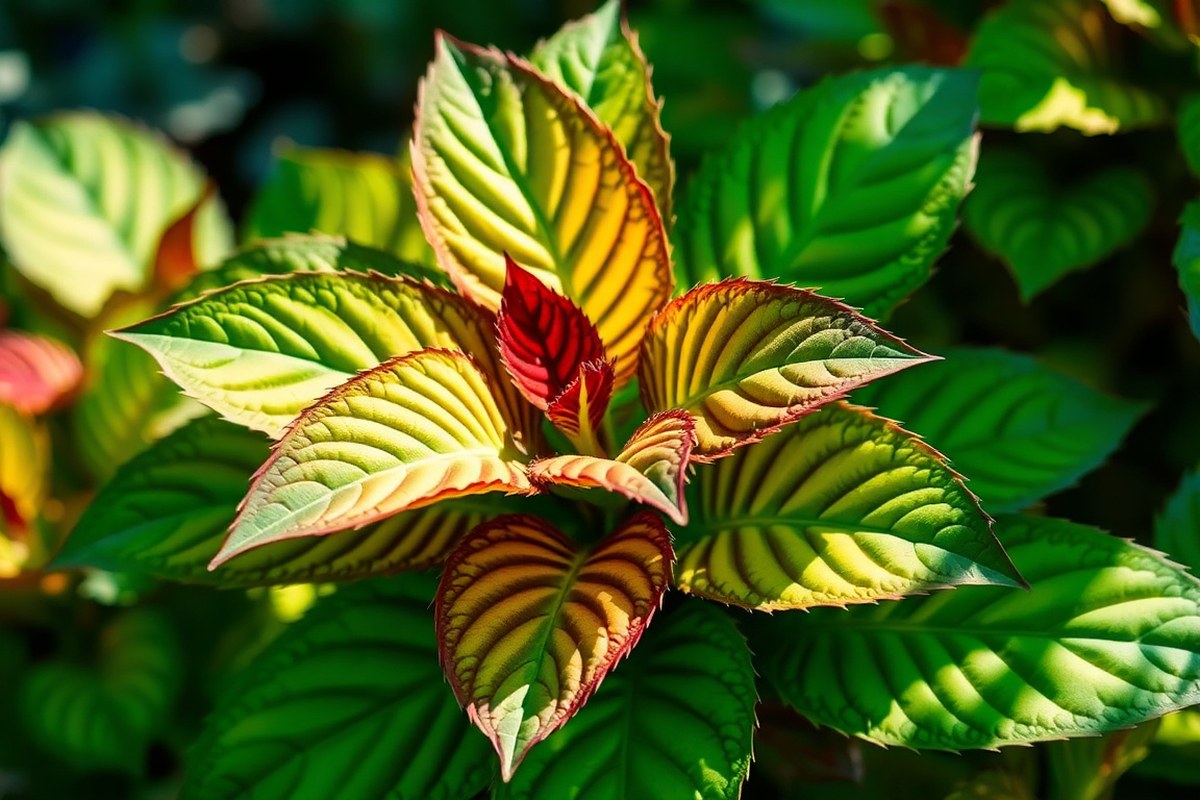
Does Coleus Need Sun or Shade? A Complete Light Guide for Vibrant Plants
Does coleus need sun or shade? Coleus plants thrive best with morning sun and afternoon shade.
They usually do well with about 6 hours of sunlight early in the day. This setup helps keep the leaves colorful and healthy.
Coleus likes bright, indirect light for most of the day, roughly 10 to 12 hours. Some varieties tolerate a few hours of gentle direct sun without damage. Too much strong midday sun can scorch leaves, so shade then is key.
Start by placing your coleus where it gets bright light but not harsh afternoon sun. Watch for leaf fading or curling as signs it’s getting too much sun. Adjust the spot or add shade cloth when the temperature hits 85°F.
Key Takeaways
- Aim for 6 hours of morning sun and shade the rest of the day.
- Bright indirect light for 10 to 12 hours helps vibrant leaf colors.
- Use shade cloth when temperatures climb past 85°F to protect leaves.
- Some coleus types handle full sun, but most prefer partial shade.
- Leaf fading or curling signals your plant needs less direct sun.
- Adjust light gradually when moving coleus outdoors or between spots.
Does Coleus Need Sun or Shade to Thrive?
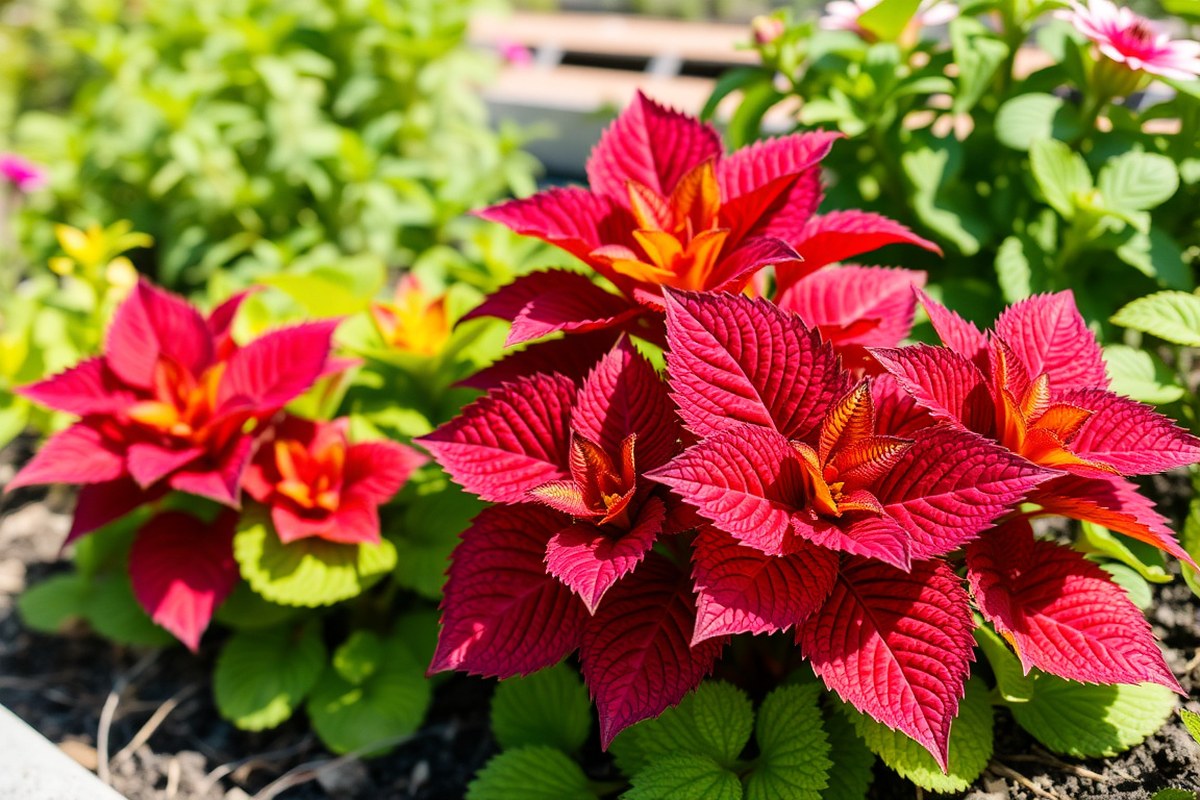
Coleus plants generally prefer a mix of sun and shade to thrive. Most do best with about 4 to 6 hours of bright, indirect light daily. They especially benefit from full morning sun followed by shade in the afternoon.
Older, shade-loving coleus varieties keep their leaf colors vivid in partial shade or bright indirect light. These types often have thinner leaves that scorch in strong afternoon sun. Modern sun-tolerant coleus types can handle direct sunlight.
They can take several hours without getting damaged. These newer varieties hold their colors well even in full sun.
The key is balancing sun and shade. Too much afternoon sun can bleach or burn leaves, particularly older types. Place your traditional seed-grown coleus in part shade.
Use filtered light instead of full sun. Newer types like the Wizard series can live in full sun. They still do better with some afternoon shade.
Which Coleus Varieties Can Handle Full Sun or Need Shade?
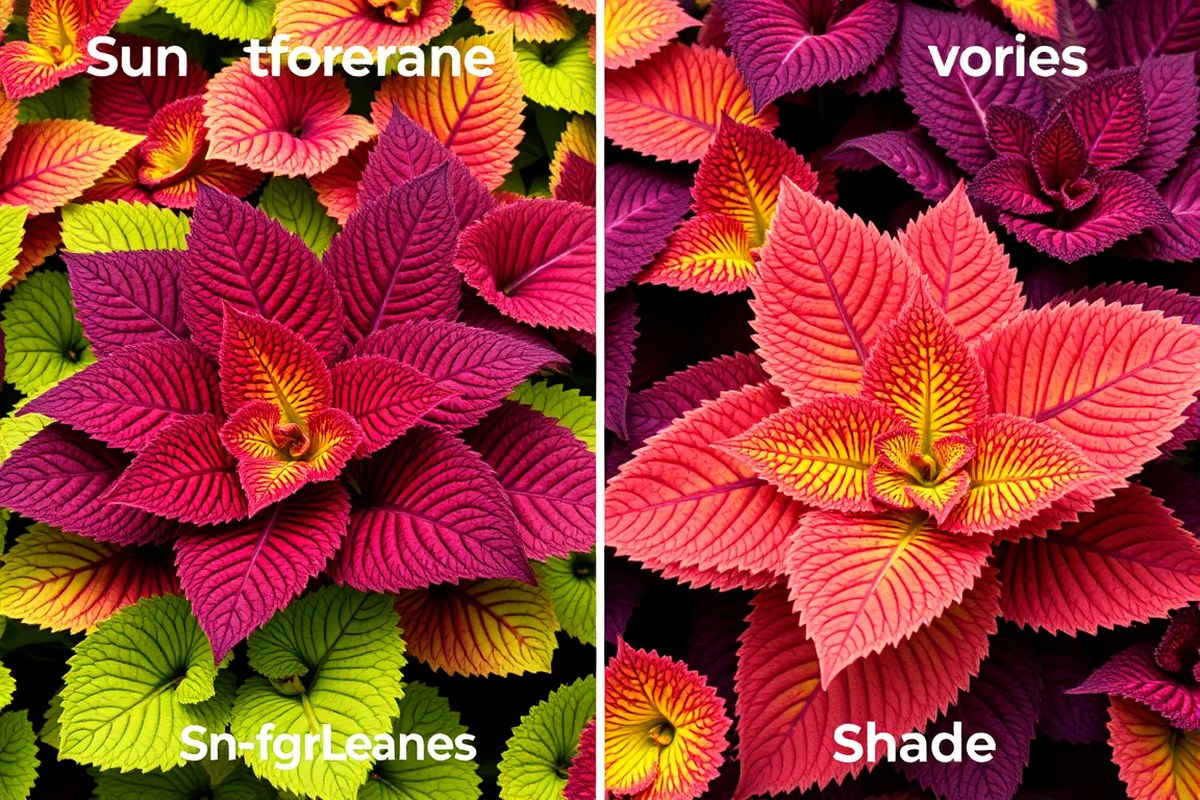
Sun-Tolerant Coleus Varieties
Some coleus kinds thrive in full sun and even grow more colorful there. ‘Wasabi’, ‘Redhead’, and ‘Kong’ are good examples. These plants handle full sun without their leaves burning.
These sun-loving coleus types need at least 4 to 6 hours of direct sunlight daily. Morning sun works best, but some tolerate full-day sun, especially in humid climates. They tend to show their brightest colors in full sun.
Shade-Loving Coleus Types
Many coleus varieties prefer shade or only morning sun and shade the rest of the day. Seed-grown coleus usually likes shade more than the newer types. Varieties like ‘Alabama’, ‘Dark Star’, and ‘Chaotic Rose’ fit this group.
Shade lovers grow best under dappled or filtered light. Too much sun scorches their leaves and dulls their colors. These types often stay healthier and bushier in shaded spots.
Versatile Varieties for Mixed Light
Some coleus varieties tolerate a wide range of light conditions. They manage both bright sun and shade with enough care. This makes them great for gardeners who want flexible options.
Typically, these coleus plants do best with morning sun and afternoon shade. They can handle different light levels. They prefer some shade during hot hours.
This helps keep their leaves healthy and bright. Versatile varieties can brighten both shady corners and sunny edges.
Here’s a table that compares popular coleus types. It shows their light needs, leaf colors, sizes, and USDA zones. This helps you pick the right plant.
| Variety | Light Tolerance | Leaf Color | Size (Height x Spread) | USDA Zones |
|---|---|---|---|---|
| Wasabi | Full sun | Bright green | 12″ x 10″ | 10-11 |
| Redhead | Full sun | Red and green mix | 18″ x 16″ | 10-11 |
| Kong Mosaic | Shade and indoor | Variegated green and pink | 20″ x 18″ | 10-11 |
| Alabama | Full shade | Dark purple | 10″ x 10″ | 9-11 |
| Dark Star | Full shade | Deep red-purple | 12″ x 12″ | 9-11 |
| Chaotic Rose | Full shade | Pink and maroon | 14″ x 14″ | 9-11 |
| Trusty Rusty | Full shade | Rusty red | 8″ x 8″ | 9-11 |
This table helps you pick the right coleus for your garden spot. Choose sun lovers for bright areas and shade lovers for sheltered spots. Size and USDA zone also affect how well a plant grows outdoors.
Give shade-loving coleus afternoon shade to avoid leaf burn and color loss.
How Light Intensity Affects Coleus Leaf Color and Growth
Coleus plants need bright light to show their best colors. About 10 to 12 hours of strong, indirect light daily helps the pigments develop fully.
The main pigments, anthocyanins and chlorophyll, react to light intensity. Bright light boosts anthocyanin production, which makes red and purple shades richer.
Too little light leads to poor pigment production. Leaves look dull, often turning greenish or faded.
Under low light, coleus stems stretch out as they try to reach more sun. This makes the plant look leggy and weak instead of full and compact.
On the other hand, too much direct sunlight can harm the leaves. Strong midday sun can fade leaf colors or even scorch the edges.
Scorch appears as brown patches or crispy spots caused by pigment breakdown under heat. Shade during the hottest hours, especially afternoon, reduces this risk and keeps leaf colors sharp.
Certain coleus types like ColorBlaze Golden Dreams handle several hours of direct sun well. Their leaf pigments actually become more vibrant in strong light. But most classic types do better with filtered light or morning sun only.
Watch your coleus closely. Faded colors and curled or scorched leaves mean it needs less light.
Balancing light is key. Place coleus where they get bright sunlight but no harsh rays. Aim for about 3 to 6 hours of gentle sun each day.
This helps keep their leaves healthy and colorful. This encourages leaf color without causing damage. Move the coleus spot with the season for best growth.
Use shade cloth on days hotter than 85°F to protect leaves. This keeps their pigments bright and prevents damage.
Recognizing and Managing Signs of Too Much or Too Little Light
Coleus shows clear signs when it gets too much or too little light. Too much sun can cause leaf edges to brown and crisp, called sunburn. Leaves may also fade, losing their bright colors and becoming dull.
Too little light makes coleus leaves pale and less vibrant. The plant stretches out, growing long stems and fewer leaves to try and reach more light. This weakness is called etiolation, and it makes the plant look leggy and sparse.
To fix sunburn, move your coleus to filtered shade. Do this within 48 hours. Use partial shade if filtered light is not available.
Keep it out of direct afternoon sun to prevent more damage. Trim off burnt leaf parts to help the plant focus energy on healthy growth.
For fading colors, reducing direct sunlight can help regain leaf brightness. Bring the plant indoors or place it where it gets indirect light. Make sure you water regularly, but avoid overwatering since stress can worsen leaf color.
- Sunburn: brown, crispy leaf edges; fix by moving to shade and trimming burnt leaves.
- Faded colors: dull, pale leaves; reduce direct light and maintain regular watering.
- Etiolation: long stems, sparse leaves; increase light gradually to avoid shock.
- Watch new growth for quick recovery signs after adjusting light.
- Adjust lighting based on variety since sun tolerance varies widely.
To reverse etiolation, increase the light slowly over days. Sudden full sun can shock the plant and cause leaf drop.
Start by adding a few hours of morning sun or bright indirect light. This shows the plant will fill out and grow compact again.
Some coleus types handle sun better, but most prefer light shade or indirect light. You can boost growth and colors by balancing sun and shade. Spotting light stress early makes correction faster and keeps coleus looking lively.
How to Acclimate and Transition Coleus Between Sun and Shade
Acclimating coleus between sun and shade requires careful, gradual steps. Sudden shifts cause leaf burn or wilting, especially in shade-loving varieties. You can prevent damage by slowly introducing more or less light over days or weeks.
Begin with Filtered or Morning Sun Only
Start by placing coleus where it receives filtered light or only morning sun. Most coleus do well with about 6 hours of morning sun. They like shade in the afternoon to stay healthy.
Avoid strong afternoon sun to prevent leaf damage. Avoid full midday sun at this stage to reduce stress on the plant’s leaves.
Filtered light mimics the understory conditions where shade-loving coleus naturally grow. This helps them adjust without shutting down photosynthesis or scorching.
Gradual Increase of Direct Sun Exposure
Increase direct sun exposure by a few hours each day over one to two weeks. This slow change helps the plant build sun tolerance and develop protective pigments in the leaves. Watch for signs like leaf curling or fading as a sign to slow down the process.
- Place the coleus in morning sun for 2-3 hours on the first two days.
- Increase morning sun exposure by one hour every 2 to 3 days.
- Introduce brief afternoon sun periods, starting with 30 minutes.
- Extend afternoon sun by 15 minutes every few days if the plant looks healthy.
- Leaf damage means you should give your coleus more shade. This step helps slow down any harm to the plant.
- Continue until coleus receives 6 hours of morning sun and limited afternoon sun.
Using Shade Cloth and Other Protective Measures
Use shade cloth to filter harsh sun during peak afternoon heat. A cloth blocking 30% to 50% of sunlight usually works well for most coleus. Check if the cloth filters UV rays, not just visible light, to avoid damage.
Shade cloth is easy to install and remove. You can use stakes or hooks for temporary setups. It lets you control light intensity as the plant adjusts to new conditions.
Monitoring Plant Response During Transition
Look closely at leaves for any signs of stress during acclimation. Wilting, browning, or leaf edges curling indicate too much sun too fast. Drooping leaves might mean you need to water more often during sun exposure.
Healthy coleus leaves stay vibrant and firm when acclimated right. When problems continue, move your plant back to shade. Try moving it to sun again more slowly next time.
Never rush moving coleus into full sun or shade. Slow steps prevent leaf burns and stress.
Optimizing Indoor and Container Coleus Light Conditions
Coleus can grow indoors under artificial light. But it needs bright conditions to keep its colors vivid. A strong LED grow light using 12 to 18 watts per square foot works well.
This amount of light helps plants grow healthy. It gives coleus enough energy indoors. Keep the light 6 to 12 inches above the plant to mimic natural sunlight.
Container coleus may need more focused light than ground plants. Pots can block some sunlight. This reduces the natural light reaching container plants.
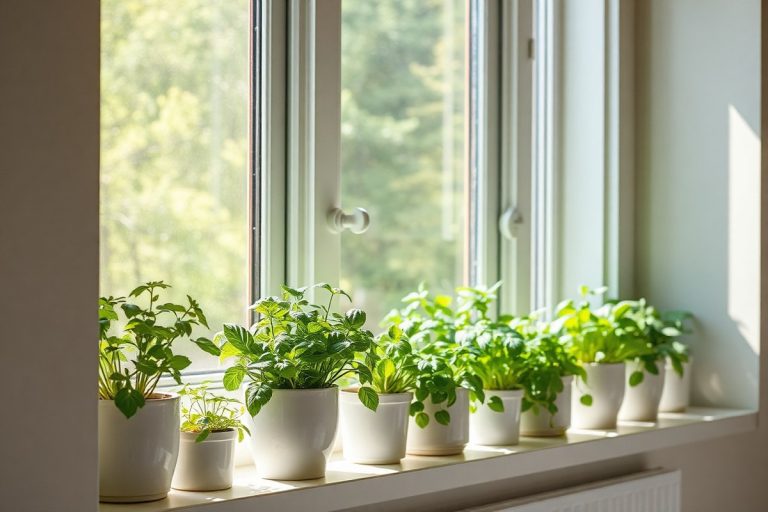
Place containers near east or north-facing windows where morning sun or bright filtered light enters. Use sheer curtains or blinds to soften harsh sunlight and prevent leaf burn.
Morning sun inside is gentler and less likely to burn leaves. Afternoon sun can be too hot. Use morning light for your coleus indoors.
Aim for about 4 hours of filtered light daily plus several hours of bright indirect light. Use grow lights for 10 to 12 hours in fall and winter.
Shorter days cause legginess in coleus. Extra light keeps plants compact and healthy.
Grow lights for leafy plants have more blue and red light. This mix improves coleus leaf color. Choose lights with this spectrum for best results.
Use timers to turn grow lights on early in the morning. Turn them off in the evening. This mimics natural daylight for your plants.
Expect to pay $20 to $50 for a good grow light system. It works better than just room lighting. This price fits most budgets for home gardeners.
Too little light causes dull colors and tall, spindly stems. Leaves may grow pale and drop early.
Too much direct sun indoors without filtering can turn leaf edges brown and crispy. Adjust distance or cover windows with light fabric if you see burnt tips.
Coleus does well indoors even in dry air if it gets bright light. Keep soil consistently moist for help. These two things keep your plant healthy indoors.
Use a mist bottle or humidity tray to help if air feels dry. Keep light sources clean and dust-free for best results. Rotate pots weekly for even light exposure on all sides.
Seasonal Changes and Environmental Factors Impacting Coleus Light Needs
Daylight hours change with the seasons, so coleus plants need flexible care. Shorter days in fall mean less light, which makes coleus grow slower. They may show duller colors or stretch toward light sources.
As spring days get longer, coleus plants grow faster. They also face more heat stress from direct sun.
Temperature and humidity affect how much light coleus can handle well. Coleus likes warmth between 65 and 75°F. Above 85°F, leaf edges may scorch in full sun.
High humidity helps coleus tolerate brighter light by reducing leaf water loss. Dryer air makes them more vulnerable to sunburn if exposed too long.
Soil moisture links closely with light conditions. Bright light dries soil faster, so coleus in sun needs more frequent watering.
In shade or low light, watering should be less to avoid root rot. Overly wet soil combined with low light causes leaves to yellow or drop.
- Move coleus indoors at night if temperatures fall under 55°F
- Increase watering during hotter, sunnier months and reduce in cooler, shaded times
- Check soil moisture every 2-3 days in summer, weekly in spring/fall
- Use light, well-draining soil mix to prevent waterlogging in low light
- Shift pot location to adjust light exposure as sun angle changes
Adjust coleus location through the season for best results. Place them in morning sun but shade from harsh afternoon rays in summer. As fall arrives, allow more sun while temperatures stay warm.
Water deeply before cooler weather to prepare coleus for dormant phases. Watch leaves often for wilting or bleaching, keys to changing care quickly.
Preventing Common Mistakes: Light Management Tips for Healthy Coleus
Common light mistakes can cause leaf burn and fading in coleus plants. Fixing these issues helps keep leaves colorful and firm. You can prune and propagate to help your plants adjust to their light conditions better.
Avoiding Excessive Direct Sun Exposure
Coleus leaves often burn in strong midday sun, especially if left unshaded. Morning sunlight for about six hours is best for coleus plants. It’s gentler than afternoon sun.
This helps the leaves grow vibrant colors. Afternoon shade protects leaves from fading and drying out.
Place coleus where sunlight hits in the morning and shade covers the rest of the day. Shade cloth or nearby taller plants offer good protection. Watch for curled or crispy leaves; these are signs of sun damage.
- Choose a spot with full morning sun and afternoon shade
- Use shade cloth to block harsh afternoon rays
- Avoid southern or west-facing windows for indoor coleus
- Move containers to a shaded porch or under tall plants at midday
- Check leaves regularly for signs of scorch
- Shift plants gradually if they get too much sun suddenly
Leaves scorched by direct sun rarely recover, so prevention is key.
Proper Pruning to Improve Air and Light Flow
Pruning helps by removing leggy stems and encouraging bushier growth. This lets light reach lower leaves and improves airflow to reduce disease risk. Trim just above a leaf node to stimulate new shoots.
Cut back stems by about one-third every few weeks during the growing season. This spacing leads to fuller plants that use light evenly. Prune dead or damaged leaves to focus energy on healthy parts.
Using Propagation to Replace Stressed Plants
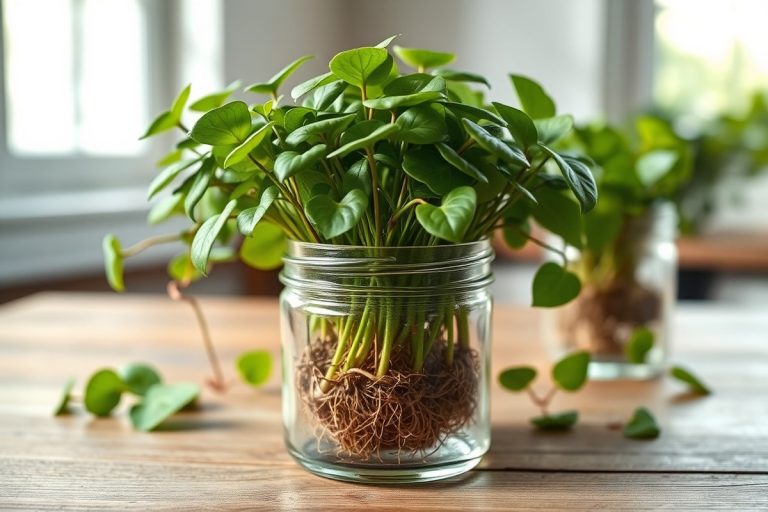
Propagation is a great way to recover from plants that suffer from poor light exposure. Taking stem cuttings lets you start fresh plants better suited to their location. Use healthy, non-flowering stems about 4 to 6 inches long.
Use root cuttings in moist potting soil or water. New roots usually form in 2 to 3 weeks. Keep the soil or water moist during this time.
Replace burned or pale plants with new growth that can adapt more easily. Propagating keeps your coleus vibrant and full over time.
Choosing the Right Soil Moisture and Drainage
Coleus does best in light, fluffy soil that drains well but holds some moisture. Good drainage prevents root rot while moisture keeps leaves healthy under strong light. Use potting soil that balances water retention with aeration.
Water when the top inch of soil feels dry to the touch. Avoid overwatering, especially in shaded spots where soil dries slower. Proper soil helps coleus resist stress from too much or too little light.
Step-by-Step Action Plan for Perfect Coleus Light Care
Follow these steps to get your coleus thriving with the right light. Watch for changes in leaf color and plant health.
- Before planting: Choose coleus varieties suitable for your light conditions. Look for “sun-tolerant” labels if you have bright spots.
- Day 1: Place your coleus where it gets morning sun or filtered light. Check leaves after a few hours for any sunburn signs.
- Week 1: Gradually increase sun exposure by 15 minutes each day. Healthy leaf color means adjustment is working.
- After 2 weeks: Monitor leaf color and growth. Bright, vivid foliage means the light is just right.
- Month 1: If leaves fade or curl, move the plant to more shade. If leaves get leggy, try adding more light.
- Spring and fall: Adjust your plant’s spot as days get longer or shorter. Keep an eye on light changes outside.
- Indoor care: Use grow lights if natural light is low. Place lights about 12 inches above leaves for 10-12 hours daily.
- Ongoing: Rotate your coleus every week to keep growth even on all sides.
Frequently Asked Questions
Does Coleus Need Full Sun to Grow Well?
Coleus doesn’t need full sun to grow well. It prefers morning sun and afternoon shade to avoid leaf scorch and color fading.
Can Too Much Shade Affect Coleus Growth?
Yes, too much shade can make coleus grow leggy and dull. It reduces leaf color vibrancy and slows overall growth.
How Does Sun Exposure Affect Coleus Leaf Color?
Sun exposure can brighten coleus leaf colors, especially reds and purples. But too much direct sun may cause leaf burn or fading.
Is It Better to Grow Coleus Indoors or Outdoors for Light?
Both indoor and outdoor coleus can thrive with proper light. Indoors, place them near bright windows with filtered light for best color.
How Often Should Coleus Be Watered in Sun Versus Shade?
Coleus in sun needs more frequent watering, sometimes twice daily in heat. In shade, watering every 2-3 days is usually enough to keep soil moist.
Can Coleus Adapt to Changing Light Conditions Easily?
Coleus can adapt if you transition it slowly to different light levels. Sudden changes can stress the plant and cause leaf drop or fading.
Key Points to Remember
Coleus thrives best with balanced light, bright shade or morning sun works well. Watch your plant’s leaves to catch problems early. Move your coleus soon if you see fading or burn to keep it healthy and colorful.


One Comment