Do Seeds Need Sunlight to Germinate? What Actually Works Explained
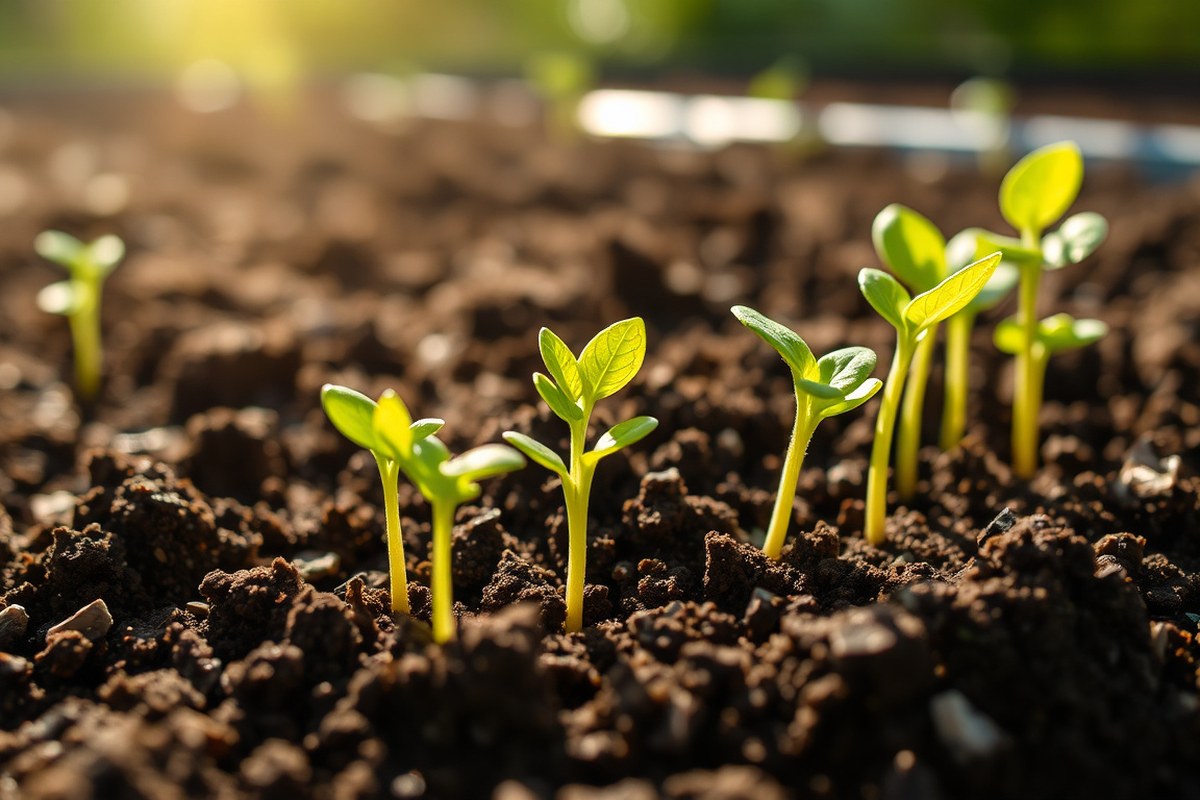
Do seeds need sunlight to germinate? Most seeds can sprout without direct sunlight.
Germination depends more on warmth and moisture than light at first. Some seeds need light to trigger sprouting, but many start well in darkness.
Seeds sense their surroundings to decide when to start growing. Light can signal certain seeds that conditions are right for growth above ground. Other seeds germinate underground, where it’s dark, waiting for their leaves to reach sunlight later.
Plant seeds at the right depth based on whether they need light or not. Keep the soil moist and warm to help seeds start growing. Light mostly matters after seedlings break through the soil surface.
Temperature affects how fast seeds wake up and begin sprouting. Soil that’s too cold can delay germination, even if moisture is good. Focus on warmth and moisture first, then adjust light for young plants.
Key Takeaways
- Lettuce seeds need light exposure to germinate properly, usually 12 hours daily.
- Tomato and pepper seeds germinate best in warm soil, between 70°F and 85°F.
- Most seeds sprout well in darkness if kept moist and warm.
- Plant seeds needing light shallowly, close to the soil surface.
- Provide 12 to 16 hours of light daily once seedlings emerge.
- Warm-season seeds prefer higher temperatures than cool-season varieties during germination.
Do Seeds Need Sunlight to Germinate, or Can They Sprout in Darkness?
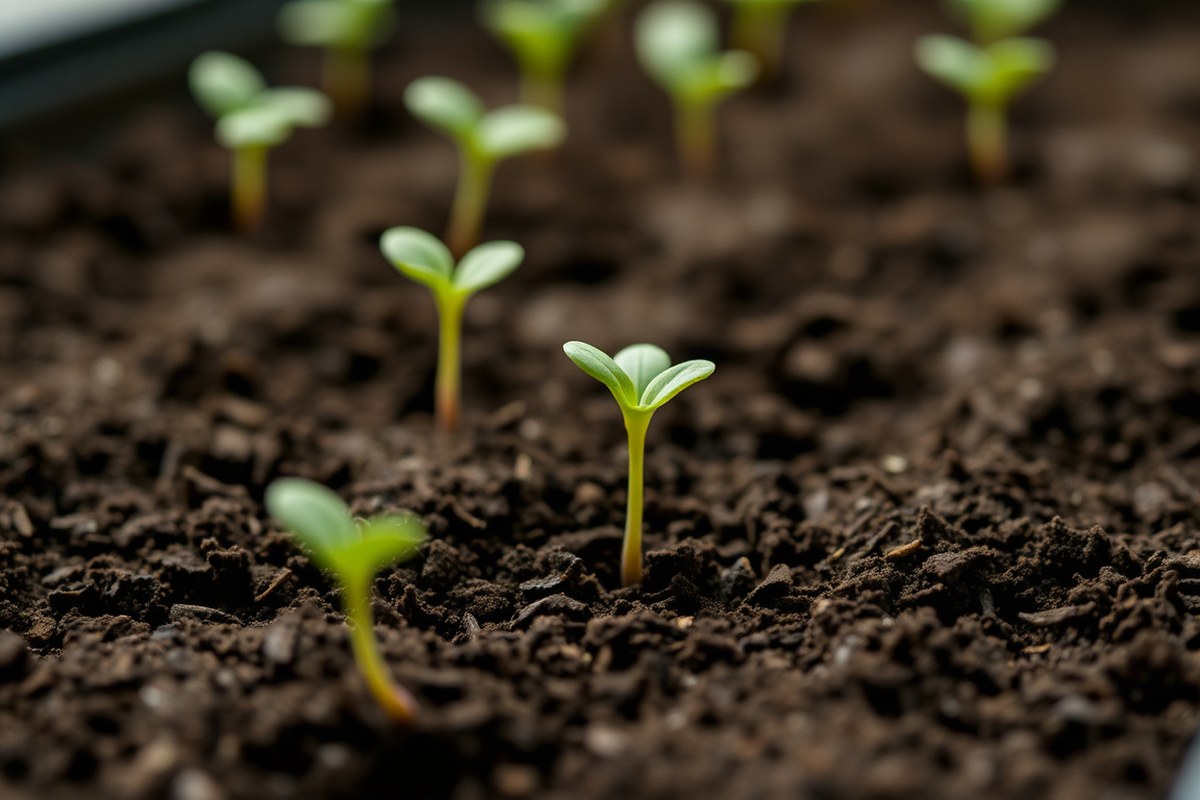
Not all seeds need sunlight to germinate. Many seeds can sprout in complete darkness if they get enough moisture and the right temperature. For example, tomato seeds often germinate well underground with no light exposure.
Some seeds actually require light to start growing. These seeds are called photoblastic because their germination depends on light signals. Yarrow seeds, for instance, need direct sunlight rather than soil cover to sprout properly.
Other seeds don’t care if they’re in light or dark. They are indifferent and will germinate equally well in both conditions. Look at the seed packet or catalog for seed light needs.
It usually says if the seed needs light, darkness, or is neutral. This helps you know where to plant your seeds.
Which Common Seeds Require Light, Darkness, or Are Indifferent to Germination?
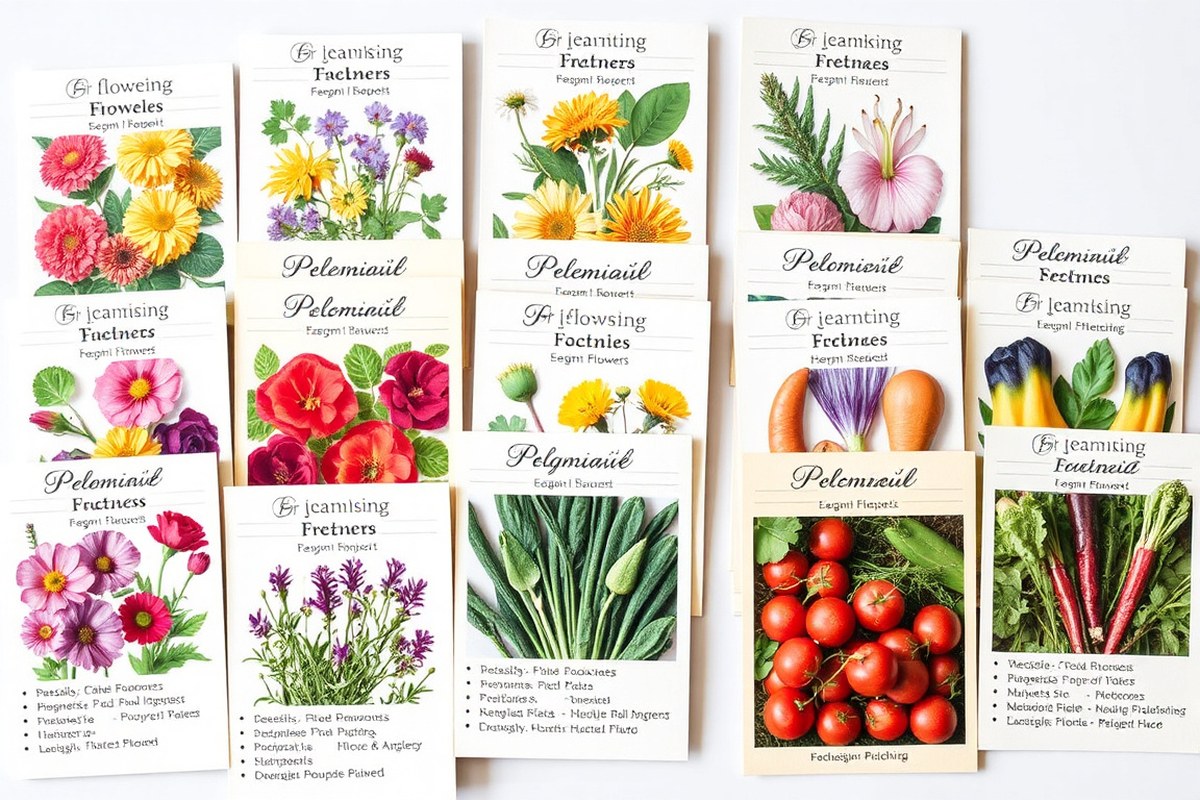
Seeds vary in their need for light to sprout. Some require light, others need darkness, and many do not care either way. Knowing each seed’s preference helps you plant at the right depth and boost your success.
Seeds That Need Light to Germinate
Certain seeds demand light to start sprouting. Lettuce and dill are well-known examples. These seeds usually have thin casings, letting light reach the tiny embryo inside.
Seeds needing light should not be buried deeply. Planting them on or just below the soil surface keeps them exposed to enough light. This mimics how they fall naturally and triggers their growth.
Light activates special proteins inside these seeds. They sense the brightness and “wake up” from dormancy. Without light, these seeds may not sprout at all or take much longer.
Seeds That Need Darkness to Germinate
Some seeds prefer darkness to begin growth. Onion seeds are a good example. Their thick seed coats block light naturally and require cover to encourage sprouting.
These seeds benefit from planting deeper than light-dependent ones. A common rule is to plant seeds twice as deep as their size. This keeps them in the dark and moist, ideal conditions for germination.
Too much light can inhibit dark-loving seeds. It may make them stay dormant or die. Covering them properly with soil avoids this problem and encourages even germination.
Seeds Indifferent to Light
Most garden seeds do not need light or darkness specifically. They germinate fine either way. Planting them twice as deep as their diameter usually works well.
These seeds focus more on moisture and temperature than light presence. After sprouting, they need bright light for healthy growth. This group includes many common vegetables like beans and carrots.
You can plant indifferent seeds without worrying about soil transparency. Covering them well protects moisture and temperature. That leads to reliable sprouting and sturdy seedlings.
Below is a table showing examples of seeds and their light requirements for germination.
| Light Requirement | Example Seeds | Planting Depth |
|---|---|---|
| Need Light | Lettuce, Dill | Surface or just covered |
| Need Darkness | Onion | Twice seed size deep |
| Indifferent | Beans, Carrots | Twice seed size deep |
Tip: For seeds needing light, avoid adding extra soil on top after sowing. That extra cover can block the light and stop them from sprouting.
Seed packets or catalogs often state light needs. Look for phrases like “surface sow” or “cover lightly.” Following these instructions helps avoid common mistakes.
Remember, light needs vary even within plant families. Always check for your specific seed type to get the best germination results.
Why Do Some Seeds Need Light to Germinate and Others Don’t?
Some seeds need light to germinate because they have special sensors called photoreceptors. These sensors detect the light spectrum, which signals the seed to break dormancy and start growing. Light tells tiny seeds they are near the soil surface.
This helps them know when to start sprouting. It gives the right signal for growth.
Seeds with thin coats or small size usually need light. They lack energy to push through deep soil. Light helps them start growing.
Planting too deep can block light from reaching seeds. Without light, some seeds might not start growing. They need light to wake up.
Bigger seeds with thick coats can grow in the dark. They use stored food to grow at first. They don’t need light until later.
The seed coat plays a big role in light requirements. Thick coats can block water and light. So some seeds need scarification, scratching or nicking the coat to let water and oxygen in.
This helps seeds break dormancy even without light, especially if buried deeper in soil. Planting depth matters because shallow planting lets light reach tiny, light-dependent seeds.
Light affects dormancy by activating chemical changes inside the seed. Red and far-red light are most important, influencing how seeds know when to germinate. For seeds needing light, use a bright grow light daily.
About 12 hours usually helps trigger sprouting. This mimics natural light conditions. This setup works well indoors when natural sunlight is limited.
Seeds that don’t need light grow well in the dark. They just need the right moisture and temperature. Darkness is fine if these are met.
Coriander seeds need warm soil around 75°F (24°C). They don’t need light to start growing. Warmth breaks their dormancy instead.
Knowing your seed’s needs helps with planting depth. Plant light-dependent seeds shallow in soil. Plant those that like dark a bit deeper.
How Deep Should Seeds Be Planted Based on Their Light Requirements?
Planting depth depends on whether seeds need light to germinate. Light-dependent seeds should sit right on or just below the surface.
Seeds that don’t need light go deeper in the soil. They are usually planted two to three times their size.
Shallow Planting Technique for Light-Requiring Seeds
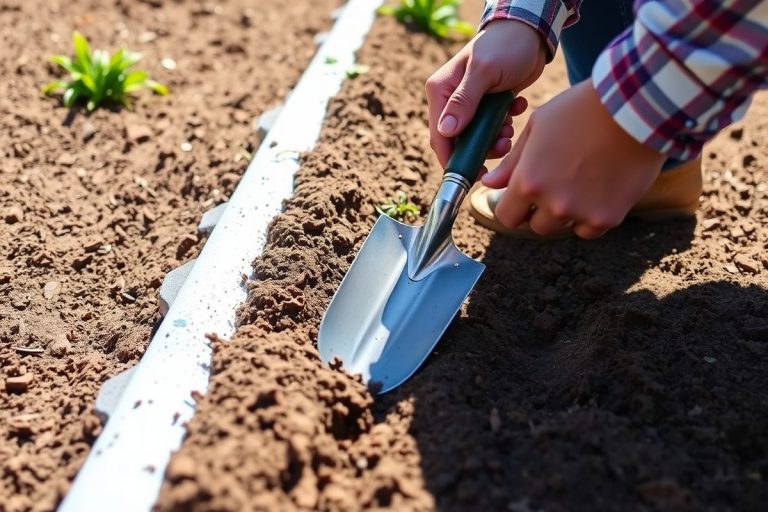
Seeds that require light to sprout are usually very small and very sensitive to depth. Plant them just ⅛ inch (around 3 mm) deep or sprinkle them on the soil surface. Press the seeds lightly onto the soil.
Don’t cover them too much. This keeps them exposed to light.
These seeds need steady moisture to start growing. They stay near the surface.
Avoid letting the soil dry out or letting direct sun bake the surface too hard. Planting shallow helps seeds detect light and start germinating at the right time.
Follow these steps to plant light-dependent seeds shallowly:
- Moisten the seed-starting soil before sowing the seeds.
- Sprinkle the seeds evenly across the surface of the moistened soil.
- Lightly press the seeds down to make contact with the soil.
- Cover seeds with a very thin layer of soil if instructed (no more than ⅛ inch).
- Keep the soil evenly moist but not soaked throughout germination.
- Place the container where indirect light reaches the soil surface.
- Avoid heavy watering that could wash the seeds away or bury them.
Standard Depth for Light-Independent Seeds
Seeds that don’t require light should be planted deeper. Use a depth about two to three times the seed’s size.
Bigger seeds go deeper, and very small seeds stay nearer the surface. For example, plant a ¼ inch seed about ½ to ¾ inch deep.
This depth gives seeds access to water and warmth. It also shields them from drying out and animals.
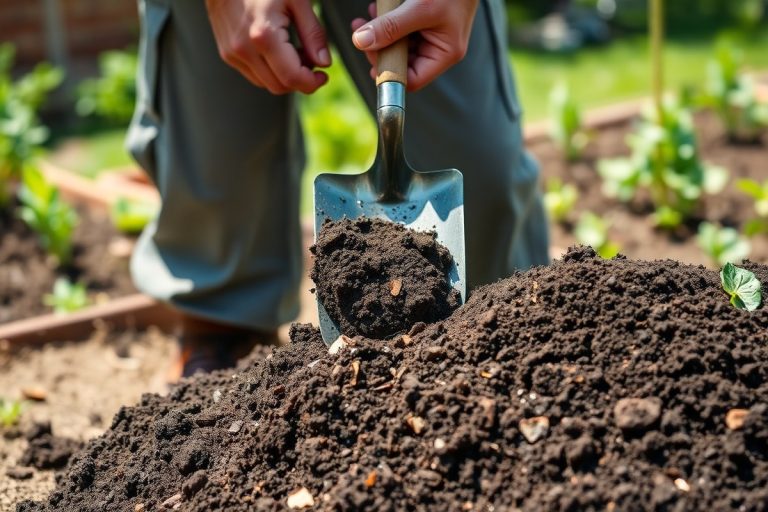
The soil also blocks light for seeds that need darkness to sprout. You can gently cover these seeds with soil and water lightly to settle the dirt down.
Risks from Incorrect Sowing Depth
Seeds buried too deep may fail to sprout. They might use all their energy before reaching the top.
Seeds buried too far down might never get enough oxygen or light. Small seeds that need light may fail completely if they are covered too much.
Seeds planted too shallow can dry fast or get eaten by birds and bugs. They may also be washed away by watering. Shallow surface sowing needs careful moisture control to keep seeds from drying out too fast.
What Lighting Conditions Optimize Seed Germination Indoors and Outdoors?
Seeds need the right light to sprout well, especially indoors. Aim for 12 to 16 hours of light daily to copy natural daylight. Too much or too little light can slow or stop germination.
Grow lights work well when sunlight is not an option. LED grow lights are popular because you can adjust their height and timing easily. Hang them 6 to 12 inches above the seed trays for even light and warmth.
Some seeds only need light after sprouting. But those that crave light must get it from the start.
You can place trays near south-facing windows in the Northern Hemisphere to get enough natural light. North-facing windows work better in the Southern Hemisphere.
| Lighting Aspect | Indoor Recommendations | Outdoor Recommendations |
|---|---|---|
| Light Duration | 12 to 16 hours per day | Full daylight hours (around 12+ hours) |
| Light Intensity | LED grow lights hung 6, 12 inches above | Bright, direct sunlight or shade per seed type |
| Light Type | Full spectrum LED or fluorescent lights | Natural sunlight |
| When to Apply Light | Right after sowing for light-loving seeds | Expose seeds or seedlings as directed for species |
| Cost Factors | LED grow light setup: $20, $50 (depends on size and brand) | Free but depends on location and season |
| Common Mistake | Lighting too weak or lights too far from seeds | Poor positioning causing uneven light or shade |
Adjust your grow lights to keep them close but not hot. Too far and seedlings stretch, too close and you risk burning.
Starting seeds in warmth without immediate light works for some types. But most light-sensitive seeds need exposure immediately. Seedlings grow their strongest with steady light.
So staying consistent daily helps you avoid weak, spindly plants. Even low-cost LED grow lights can create a controlled, efficient setup you can use all season.
How Temperature and Moisture Interact with Lighting to Affect Germination?
Soil temperature matters a lot for seed germination. Most seeds sprout best between 65 and 85 degrees Fahrenheit. For example, tomato seeds do well in this range.
Lettuce prefers slightly cooler soil around 65 to 70 degrees. Soil that is too cold or hot slows seed germination or stops it.
Moisture is just as important as temperature. Seeds need consistent moisture to break dormancy and start growing. The soil should be damp but not soggy.
Too much water can suffocate seeds by cutting off oxygen. Too little stops germination altogether. This balance holds true whether or not seeds get light.
Light is not always necessary at germination if moisture and temperature are right. Many seeds sprout underground with no light available. Seeds like celery and some tiny ones still need light.
But most garden seeds will germinate fully dark if conditions suit them. Fluorescent grow lights can help start seeds indoors. They provide warmth and light.
Artificial lighting alone won’t help if the soil isn’t warm enough. Seeds need proper heat to wake from dormancy. Indoor setups usually have warm soil.
Lights run 12 to 16 hours daily. The lights stay close to the seeds. Without that heat, seeds might sit there without sprouting, even under bright indoor bulbs.
Temperature and moisture together set the stage for seeds to decide whether to sprout. Light can encourage some types but won’t replace proper warmth and dampness. Keep your seedbed moist and at the right temperature.
This helps seeds germinate well. Lighting matters less if moisture and heat are right.
Common Mistakes with Seed Germination Lighting and How to Fix Them
One common mistake gardeners make is neglecting the lighting needs after seeds sprout. Seeds may not need light to germinate, but seedlings do. Without bright light, seedlings stretch out tall and weak, a problem called etiolation.
Another error is providing light too early or too late. Light should start as soon as the seedling breaks the soil. Giving light too soon wastes energy, and too late causes leggy growth.
Some gardeners also use the wrong type of light. Regular household bulbs lack the right spectrum needed for healthy growth. Using full-spectrum LED grow lights, which cost around $30 to $70, helps seedlings grow strong.
- Start light when seeds show sprouting, not before.
- Use full-spectrum LED lights for indoor seedlings.
- Keep lights 2 to 4 inches above seedlings to avoid burning.
- Provide 12 to 16 hours of light daily for young plants.
- Watch seedlings daily and adjust light height as they grow.
- Use reflectors or white surfaces to boost light intensity.
Most seeds only need darkness or light to sprout. But all seedlings need good lighting after.
Without enough light, they become weak and tall, less likely to survive transplanting. Bright light stops this and gives them a healthy shape fast.
Checking your setup regularly can prevent poor light problems. A simple timer, light meter, or just observing seedlings’ shape will guide you. Making these fixes costs little but saves your plants from leggy growth and slow development.
How to Care for Seedlings Immediately After Germination Regarding Light
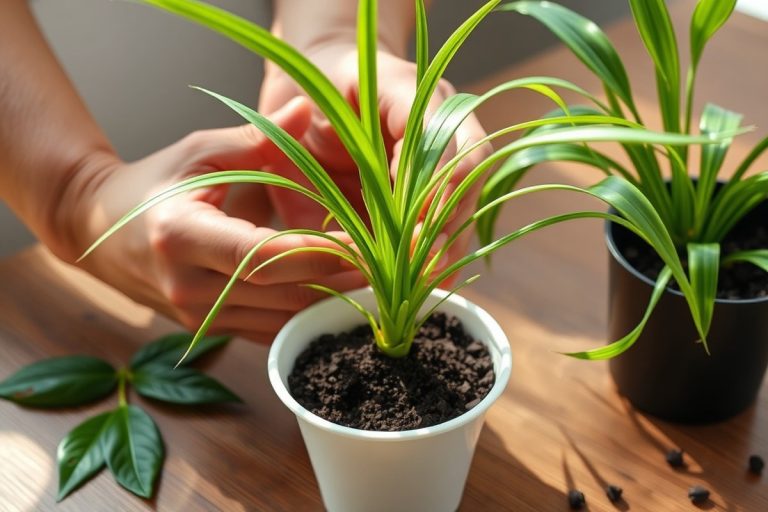
Turn on grow lights as soon as you see the seedlings sprout. Keep the lights 2 to 3 inches above the plants to avoid stretching. Provide 14 to 18 hours of light each day to help seedlings grow strong.
Timing Light Exposure Post-Sprout
Switch on the grow lights the moment the seedlings break through the soil. Seedlings need light right away to start making food through photosynthesis. Delay can cause them to grow weak and leggy.
Use a timer to maintain consistent light daily. Seedlings thrive with 14 to 18 hours of light each day. Too little light slows their growth or causes them to stretch toward the light.
Adjusting Light Distance as Seedlings Grow
Keep the grow lights about 2 to 3 inches above seedlings initially. This close distance provides enough bright light without overheating the plants. Watch the seedlings to see if they start leaning or stretching upward.
Raise the lights gradually as the seedlings get taller to keep the right distance. This also prevents the light from burning their tender leaves. Adjustable lights or hangers make this step easier.
Maintaining Proper Light Duration and Dark Periods
Provide seedlings with 14 to 18 hours of light daily for best growth. Use a timer to ensure a steady schedule and avoid guesswork. Seedlings also need 6 to 10 hours of darkness to rest and grow properly.
Too much light can stress plants and cause them to weaken. Find a balance where the seedlings get plenty of strong light without overheating or drying out. Watch for pale or stretched leaves as signs of bad light conditions.
Here’s a quick checklist to care for seedlings after germination:
- Turn on grow lights immediately when seedlings appear above soil.
- Set light height to about 2 to 3 inches above seedlings.
- Use a timer to provide 14 to 18 hours of light daily.
- Check seedlings daily for signs of stretching or burning.
- Adjust the light height upward as the seedlings grow taller.
- Leave 6 to 10 hours of darkness each day for rest.
- Monitor temperature to prevent overheating from close lights.
Keep the lights close but avoid heat buildup. Overheated seedlings get damaged quickly and show curled or scorched leaves.
Step-by-Step Action Plan for Successful Seed Germination
Follow these steps to give your seeds the best start possible. Watch for signs at each step to make sure your seeds are on track.
- Before planting: Check seed packets for light requirements. Choose seeds that match your lighting setup.
- Day 1: Plant seeds at the right depth based on their light needs. Surface sow light-needing seeds and cover dark-loving seeds with 1/4 to 1/2 inch of soil.
- Day 2-3: Keep the soil moist but not soaked. Use a spray bottle for even moisture without disturbing seeds.
- Days 4-7: Place containers in a warm spot with indirect light or artificial light if required. Watch for swelling or splitting seed coats as a germination sign.
- Week 2: Once sprouts appear, give seedlings 12 to 16 hours of gentle light daily. Too little or too much light can stunt growth.
- After 2 weeks: Gradually increase light exposure if seedlings grow leggy. Use grow lights if natural light is weak.
- Ongoing care: Maintain consistent moisture and temperature. Avoid overwatering to prevent damping-off disease.
- When transplanting: Harden off seedlings by placing them outside for short periods. Increase time daily to help adjust to sunlight.
Frequently Asked Questions
Can Seeds Still Germinate in Total Darkness?
Yes, many seeds can germinate without any light. Darkness often works well if the seed naturally starts underground, like beans or corn.
How Do I Know If a Seed Needs Light to Sprout?
Check the seed packet or do a quick online search. Seeds like lettuce and petunias need light to germinate.
Must I Remove Any Covering to Expose Seeds to Light?
For seeds that need light, surface sowing without soil cover works best. Covering them can stop germination or slow it down.
Are Grow Lights Necessary Before Seed Germination?
Grow lights aren’t usually needed until after seeds sprout. Seedlings need more light to grow strong.
Can Too Much Light Harm Seed Germination?
Too much direct light or heat can dry out seeds. Keep soil moist and warm, but not hot or overly bright.
What’s the Best Way to Keep Moisture Without Light?
Use a plastic cover or humidity dome. It keeps moisture in while seeds germinate in low-light or dark spots.
Wrapping Up
Seeds don’t always need sunlight to germinate. But each type has its own light rules.
Follow your seed’s needs to plant at the right depth and provide proper light after sprouting. That simple step helps you grow strong seedlings ready to thrive in your garden.