How to Use Sphagnum Peat Moss: A Complete Guide for Healthy Gardens
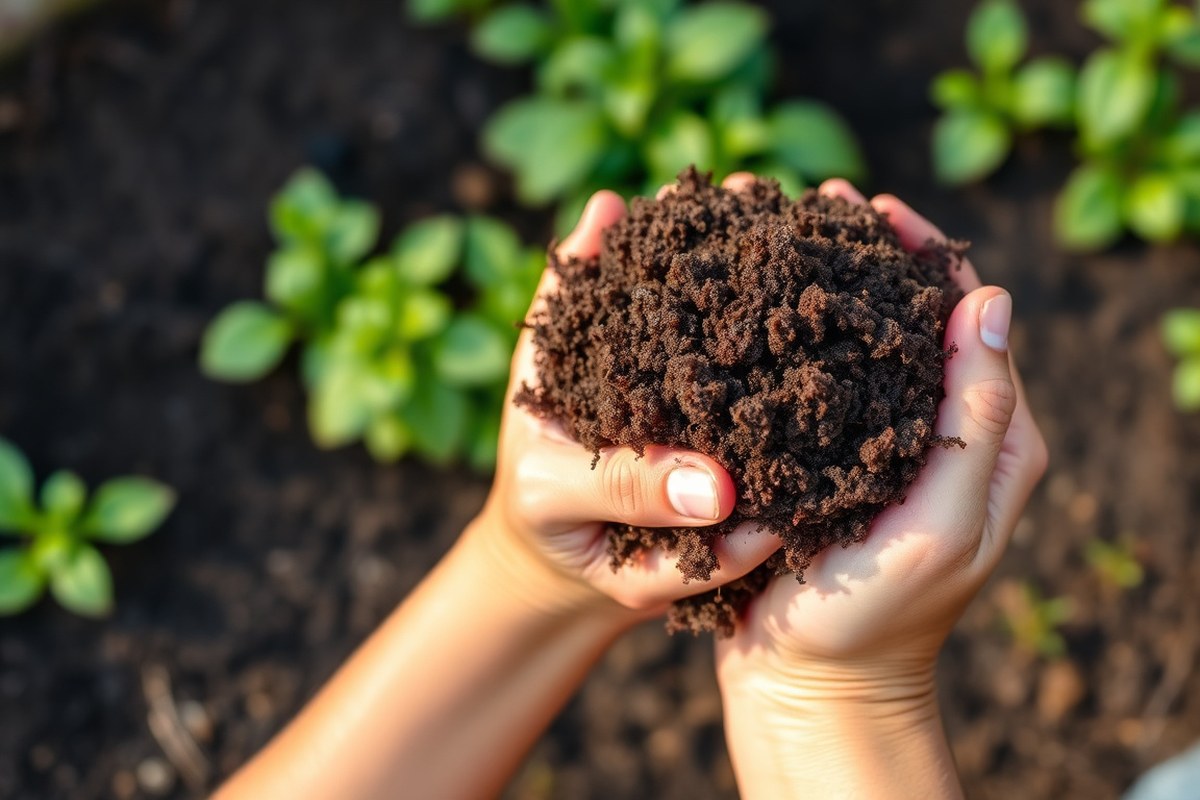
Knowing how to use sphagnum peat moss can boost your garden’s health fast. It acts like a sponge, improving soil moisture and drainage at the same time. Mix peat moss well into your soil about 12 inches deep for best results.
Start with 1 to 2 inches of peat moss on heavy clay soils. This loosens the ground, making it easy for roots to grow.
Just remember, peat moss is strongly acidic. So check your soil’s pH before adding too much.
Use peat moss carefully. It isn’t renewable and takes hundreds of years to form naturally.
It’s better to use it where it truly helps most, like seed starting or potting mixes. That way, you get the benefits without overusing this old material.
Key Takeaways
- Distribute sphagnum peat moss uniformly over the soil surface. Mix it thoroughly into the top 6 to 12 inches of soil. Ensure the peat moss blends well for best soil improvement.
- Use 1 to 2 inches on heavy clay soils to improve texture and root growth.
- Test soil pH before adding peat moss because it is very acidic, often 3 to 4.5.
- Peat moss is best for improving drainage and moisture retention simultaneously.
- Use peat moss in seed starting and potting mixes to boost plant success.
- Avoid overusing peat moss since it takes thousands of years to regenerate.
How to Add Sphagnum Peat Moss to Garden Soil
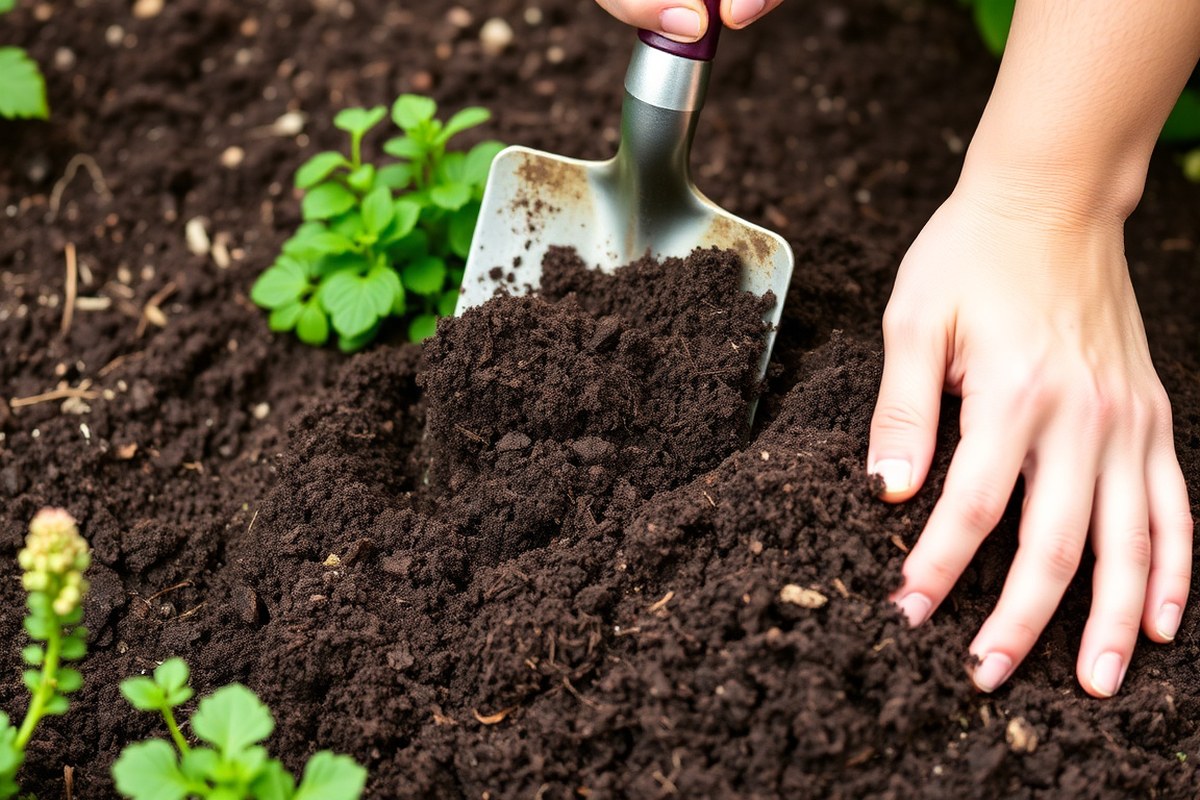
You prepare sphagnum peat moss by loosening and moistening it before mixing. Use about one part peat moss to two parts garden soil for best results. Mix it evenly into soil about 12 inches deep to help plant roots grow well.
Preparing Peat Moss for Use
Dried peat moss often comes compressed in bags and needs fluffing. This lets air and water reach it easily once mixed with soil. Moistening the peat slightly before use helps it blend better and prevents it from blowing away.
Here’s how to get peat moss ready for your soil:
- Open the bag and break apart any clumps with your hands or a garden fork.
- Spread the peat moss in a thin layer on a tarp or driveway.
- Spray or sprinkle water over it lightly, just enough to moisten but not soak.
- Turn the peat moss over and moisten the other side evenly.
- Let it sit for 10 to 15 minutes so it absorbs the moisture fully.
Incorporation Depth and Ratios
Mix one part of peat moss with two parts of existing garden soil. This ratio improves moisture retention and drainage without overloading your soil with organic matter. Dig or till the soil down to about 12 inches before adding the peat moss.
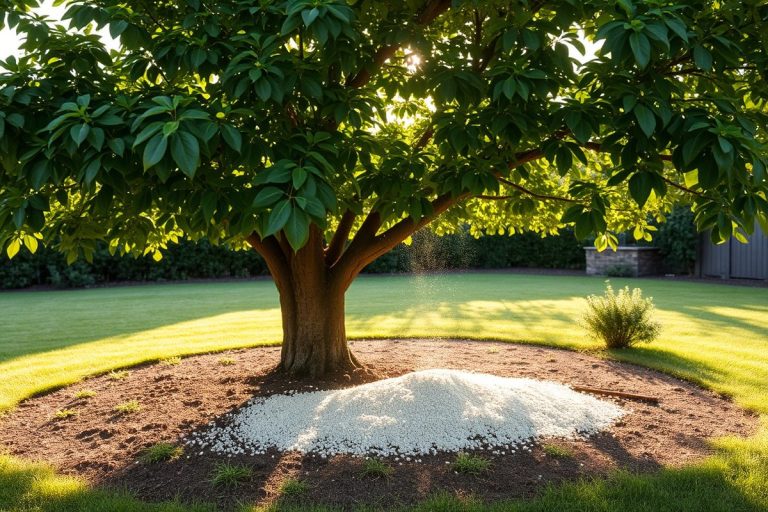
Work the peat moss thoroughly into the soil using a shovel, spade, or rototiller. Mixing at this depth helps roots find both nutrients and moisture easily. You can apply the mix before planting or as a soil conditioner in existing beds.
Adjusting Peat Moss for Soil Types
Peat moss slightly lowers soil pH, making it good for alkaline garden soil. In acidic soils, use peat moss sparingly to avoid excess acidity. Adding compost along with peat moss adds nutrients that peat moss alone doesn’t supply.
For heavy clay soils, peat moss breaks up clumps and improves drainage. Sandy soil benefits from peat’s water retention to keep moisture longer.
Adjust your peat moss amount based on soil texture and plant needs. But don’t exceed one part peat to two parts soil.
What Is Sphagnum Peat Moss and How It Differs from Sphagnum Moss
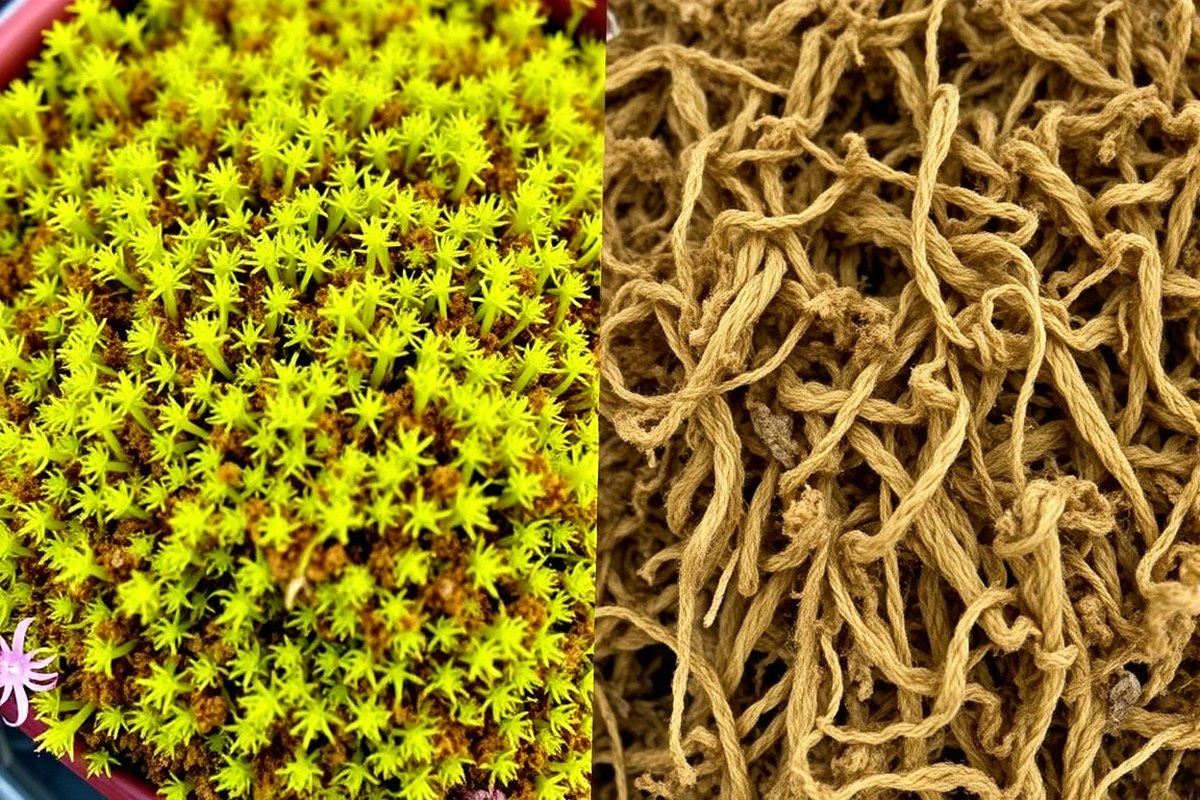
Sphagnum peat moss is partly decayed plant material harvested from peat bogs. Peat moss forms over hundreds of years. Sphagnum moss and other plants break down.
This happens in wet, acidic places. This dead material is different from living sphagnum moss.
Living moss is still alive when collected. It looks green and stringy.
Living sphagnum moss grows naturally in peat bogs, marshes, and wetlands across the Northern Hemisphere. It includes about 380 moss species that thrive in wet soils. Gardeners use dried sphagnum moss for lining baskets and wrapping roots.
It holds moisture gently and feels light. This makes it easy to handle.
Peat moss comes from layers below the living moss. To harvest peat moss, workers first drain the bog. Then they vacuum or cut a 2-3 inch thick layer from the top.
This material is mostly decomposed sphagnum remains and has a fine, crumbly texture. Peat moss feels darker and thicker than fresh moss. It has a lower pH, which benefits acid-loving plants.
The main difference lies in their texture and function. Peat moss soaks up and holds water well. This helps soil keep moisture and improves its structure.
The effect lasts a long time. Living sphagnum moss is softer compared to peat moss. It is used for delicate seedlings or gentle moisture storage.
It doesn’t change soil texture much. Peat moss grades differ by how much they decompose.
Grades range from light and fluffy (H2) to dark and putty-like (H8). These grades affect soil differently.
Use living sphagnum moss gently around young roots. But rely on peat moss for lasting soil improvement.
Most commercial peat moss sold in the U.S. Comes from Canadian peatlands covering around 40,000 hectares. Peat regenerates very slowly through natural processes. It grows about 10 inches every 500 years.
Use it carefully because it takes so long. Peat moss helps change soil acidity and textures. But it’s not the same as fresh sphagnum moss, which works differently in garden care.
How Sphagnum Peat Moss Improves Soil Moisture and Drainage
Sphagnum peat moss holds water like a sponge while staying light and loose. It keeps soil moist without waterlogging roots. This helps lawn or garden soil hold the right amount of moisture.
It creates air pockets so roots get enough air. Roots can breathe and grow better this way.
Peat moss improves drainage in heavy clay soils by breaking up compacted layers. Adding it helps water flow better and stops puddles or soggy spots. Mix one part peat moss with three parts soil.
This gives the soil a better texture. It won’t make the soil too fluffy.
Sometimes peat moss feels dry and repel water at first. This happens because its surface becomes hydrophobic when fully dry.
To fix this, soak peat moss in water for several minutes before mixing. Breaking up clumps with your hands also helps make it absorb water evenly.
For sandy soil, sphagnum peat moss keeps moisture around roots longer. You can mix peat moss with organic matter or topsoil to improve fertility and water holding. Combining peat moss with perlite or pumice adds drainage in containers or raised beds.
Working peat moss into planting holes or garden beds helps roots spread easily. It holds just enough water and air, encouraging seedling growth and healthy plants. Expect soil to feel soft but not muddy after amending with peat.
Moisten peat moss before using it in soil. Add no more than 25% peat moss by soil volume. Mix the peat moss and soil well together.
Monitor soil moisture so it doesn’t dry out entirely or stay soggy. Good soil balance leads to stronger root systems and better plant health.
Managing Soil pH When Using Peat Moss
Sphagnum peat moss naturally has a pH between 4.0 and 5.0, making it acidic. Peat moss can lower soil pH due to its acidity. This affects plants that like neutral or alkaline soil.
Adjusting pH is important for those plants. To grow tomatoes, peppers, or eggplants, you may need to change your soil pH.
Peat moss can make it too acidic. Adjust the pH after adding peat moss.
To balance soil acidity, add garden lime (dolomitic lime) following soil test recommendations. For example, use 5 to 10 pounds of lime per 100 square feet. This helps raise the soil pH closer to neutral.
It balances acidity from peat moss. Apply lime a few weeks before planting. Mix it well into the soil to avoid uneven pH levels.
Plants like blueberries, azaleas, and rhododendrons thrive with peat moss because they prefer acidic soil. You can use peat moss directly around these acid-loving plants without adding lime. Keep peat moss under 20% of your soil mix for many plants.
Higher amounts can create too much acidity. This can stop plants from growing well.
Before adding peat moss, test your soil’s pH with a simple kit or professional service. This lets you decide how much lime or other amendments to use. Using too much peat moss makes soil very acidic.
This lowers nutrient availability for many vegetables. Avoid adding peat moss in large amounts.
When you mix peat moss into the soil, water it well. Moisture helps the peat interact with soil microbes, slowly changing the soil pH over weeks. After a month, check your soil pH again.
You might need to add more lime or sulfur. This helps finish adjusting soil acidity or alkalinity.
Using Peat Moss for Seed Starting and Potting Mixes
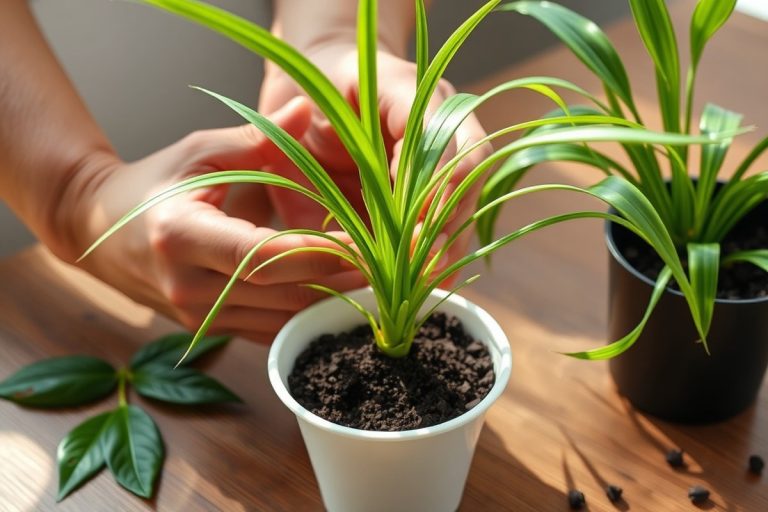
Sphagnum peat moss works well for seed starting and potting mixes. It holds moisture, stays light, and resists disease. Mixing peat moss with perlite or vermiculite helps improve drainage and airflow.
Seed Starting Mix Ratios
Use sphagnum peat moss as the main ingredient in your seed starting mix. A good mix combines two parts peat moss with one part perlite or vermiculite. This balance keeps the mix moist but prevents waterlogging, which can cause seeds to rot.
For smaller seeds, a finer texture helps them sprout easily. You can add a little vermiculite to the mix for softness and moisture retention. This mix suits most vegetable and flower seeds planted in trays or small pots.
Potting Soil Blend Options
When making potting soil, blend sphagnum peat moss with other ingredients. A common recipe uses equal parts peat moss, perlite, and compost or aged bark. This mix supports roots by giving moisture, oxygen, and nutrients.
Adjust ingredients to fit your plants’ needs. For example, cacti like more drainage, so add more perlite.
For houseplants, keep the compost section higher for food and microbes. Always aim for a light, fluffy feel in the mix.
Handling and Hydrating Peat Moss for Seeds
Sphagnum peat moss arrives dry and fluffy but needs soaking before use. Hydrate it slowly in water until you reach a moist, sponge-like consistency. Avoid soaking so much that it turns muddy or heavy.
Prepare your seed trays by filling them with damp peat moss mix, not wet. Seeds planted in peat moss pull moisture easily, which helps them germinate well. Cover seeds lightly to keep moisture steady during sprouting.
- Measure two parts dry peat moss into a large container.
- Add one part perlite or vermiculite and stir the dry mix.
- Pour in water gradually, stirring to moisten the blend evenly.
- Stop adding water when the mix feels like a damp sponge.
- Fill your seed trays or pots with the moist mixture.
- Plant your seeds at the recommended depth.
- Cover seeds with a thin layer of the peat mix or vermiculite.
- Keep trays in a shaded spot until seeds sprout.
Too much water in peat moss can drown seeds or cause rot.
Common Mistakes and How to Fix Them When Using Peat Moss
You can easily run into problems using peat moss if you’re not careful. One common mistake is adding too much dry peat moss at once.
It soaks up water slowly and can repel moisture initially, causing uneven watering. To fix this, moisten peat moss before adding it to your soil or potting mix.
Another issue is compacted peat moss forming a thick layer that blocks air and water flow. That can suffocate roots and slow plant growth.
Avoid this by mixing peat moss thoroughly with other soil ingredients like compost or perlite. Break up any clumps with your hands or a garden tool.
Using peat moss in the wrong amounts can also mess up soil texture. Adding more than 40% peat moss by volume can make soil too light. It will dry out quickly after it dries.
Stick to about 25% peat moss in mixes for most garden plants. For acid-loving plants like blueberries, you can raise it up to 50%. But blend it well with compost around the roots.
- Pre-wet peat moss before using to avoid water repellency.
- Mix peat moss well with soil or compost to prevent compacting.
- Use no more than 25%-40% peat moss in garden soil blends.
- Loosen any clumps by hand before planting.
- Check soil moisture after planting to avoid underwatering.
- Add organic matter to peat moss to help nutrient supply.
- Mulch acid-loving plants with peat to maintain acidity.
Those steps help keep your soil from getting too dry or too dense. Water-holding happens because peat moss holds onto moisture while letting air through. But only when you prepare it right.
Skipping wetting or mixing means plants may not get enough water. Peat moss may look damp but water won’t go through.
Plants do best when peat moss spreads out evenly and blends well with other soil parts. Quality sphagnum peat moss costs about $10 to $15 per bag. One bag covers around 3 cubic feet of soil.
Take your time prep your soil, especially in pots or seed trays. This prevents soggy spots and dry patches from forming. Those small prep steps make a big difference for healthy roots and steady growth.
How to Use Peat Moss with Different Plants and Garden Situations
Peat moss works well with acid-loving plants like blueberries, azaleas, and camellias. It naturally lowers soil pH, which these plants need to thrive. Add peat moss each spring around these plants.
Mix about 20% peat into your garden soil. Too much peat in regular garden beds can make the soil too acidic. So keep the amount moderate.
For lawns, avoid using peat moss directly on the surface. Blend a small amount of peat moss into soil first. Use no more than 10% before laying sod or seeding.
This improves moisture retention without overly acidifying the lawn soil. Peat moss helps lawns in sandy soils best, where it holds water and nutrients longer.
Mix peat moss and native soil 1:1 in tree and shrub holes. Use this blend when planting. This mix helps keep the soil loose and moist, which encourages root growth.
Don’t use too much peat moss. It can cause poor drainage when packed tightly.
Vegetables generally prefer neutral to slightly acidic soil, so add peat moss sparingly. Mix about 10% peat moss with compost and garden soil before planting. This provides water-holding benefits and some acidity without harming most vegetable crops.
Raised beds and containers benefit from a peat moss-rich mix. Use peat moss in about one-third of the soil mix. Combine it with compost and perlite or vermiculite.
This mix drains well and stays moist, which helps plants in confined spaces. Avoid using only peat moss. It lacks nutrients and can dry out quickly if not mixed well.
Environmental and Safety Considerations When Using Peat Moss
Peat moss is useful but comes with environmental and safety concerns. You can handle it safely with simple precautions. Some organic options replace peat moss for eco-friendly gardening.
Peat Moss Environmental Impact
Peat moss is partially decomposed sphagnum moss collected from bogs, areas rich in layered organic matter. Harvesting peat moss removes plants and releases stored carbon, contributing to global warming.
This makes peat moss a nonrenewable resource on a human time scale. It takes thousands of years for peat bogs to form new layers. Gardeners mindful of sustainability often seek alternatives for this reason.
Safe Handling and Protective Gear
Peat moss is dusty and acidic, with a pH around 3.8 to 4.5. It’s best to wear gloves to protect your skin from irritation. A dust mask prevents respiratory reactions from inhaling fine particles.
Work in a well-ventilated area and avoid creating dust clouds. Wash your hands after handling to clear any residue. Keep peat moss away from open wounds or sensitive skin.
Use a simple dust mask when handling peat moss. Wear gloves to avoid skin irritation. This also helps prevent breathing in dust.
Organic Alternatives to Peat Moss
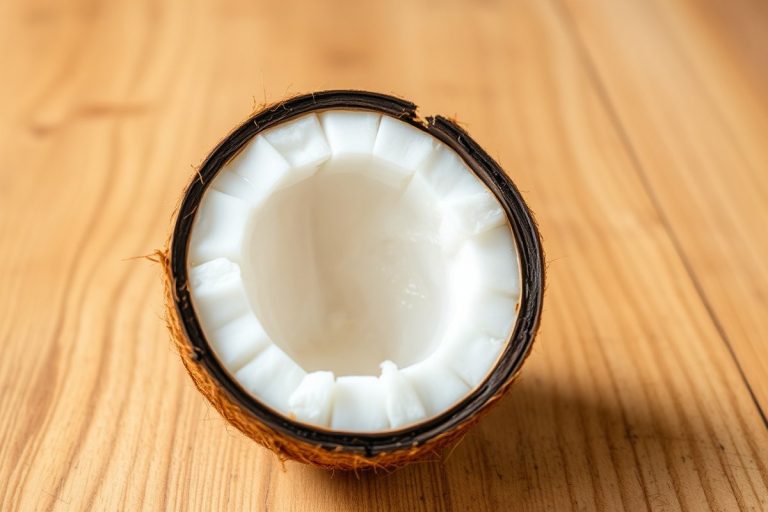
Coconut coir, made from coconut husks, is a popular organic substitute. It holds water well and improves soil texture without acidity. Coir is renewable and sustainable, often preferred by organic gardeners.
Another choice for sandy soils is partly decomposed leaves or yard compost. These materials help water stay in the soil. They add nutrients for plants.
But they might take longer to break down. Both options can reduce peat moss use significantly.
Step-by-Step Action Plan for Using Sphagnum Peat Moss
Follow these steps to add peat moss to your garden or pots safely and effectively. This plan helps you improve your soil and start seeds the right way.
- Before planting: Test your soil pH. Use a home kit or send a sample to a lab. Aim for a pH between 6.0 and 6.5 before adding peat moss.
- Day 1: Mix peat moss with your garden soil or potting mix at about 25% volume. This helps improve moisture retention without making soil too acidic.
- Week 1: Water your soil thoroughly. Check if it feels moist but drains well. Adjust drainage by adding sand or perlite if water pools on surface.
- Before seed starting: Combine peat moss with vermiculite or perlite in a 2:1 ratio. Fill seed trays to keep seeds moist but avoid soggy conditions.
- After 2 weeks: Watch your plants’ growth. If leaves yellow or growth slows, test soil pH again. Add lime sparingly if soil is too acidic.
- Ongoing: Avoid using peat moss in excess. Limit applications to once or twice a year. This protects your soil and the environment.
- Each season: Check for any buildup of salts or fertilizer. Flush pots with water if you notice crusty residues forming on soil surface.
- Maintenance: Store unused peat moss in a dry, cool place. Keep bags sealed to avoid mold and preserve quality.
Frequently Asked Questions
Can I Use Sphagnum Peat Moss Alone for Potting Plants?
You shouldn’t use peat moss alone since it holds water but lacks nutrients. Mix it with compost or perlite for better drainage and feeding.
How Long Does Sphagnum Peat Moss Last in the Soil?
Peat moss breaks down slowly, lasting years in garden beds. This slow decay helps improve soil texture over time but may acidify soil slightly.
Is Sphagnum Peat Moss Safe for Edible Plants?
Yes, peat moss is safe around veggies and herbs if free of contaminants. Just rinse produce well and avoid using peat that may have pesticides.
Does Sphagnum Peat Moss Reduce the Need for Watering?
Peat moss holds water efficiently, so it can reduce watering frequency. Still, don’t skip watering altogether, especially in hot or dry weather.
Can I Compost Sphagnum Peat Moss at Home?
Peat moss is hard to compost fully because it decomposes slowly. You can mix small amounts into a larger compost pile to improve moisture retention.
What’s the Best Way to Store Sphagnum Peat Moss Before Use?
Keep peat moss dry in a sealed bag or container to prevent mold. Store it in a cool, dry place away from direct sunlight for longer shelf life.
Wrapping Up
Sphagnum peat moss is a useful soil amendment when you use it carefully. Test your soil and don’t overdo it. Start adding peat moss today for better moisture and healthier plants.