Can You Grow Cucumbers in a Pot? A Complete Guide for Fast Success
Can you grow cucumbers in a pot? Yes, cucumbers grow well in containers with the right care.
They need enough space, sun, and warmth to do their best. Warmth and sunlight are essential for healthy cucumber plants.
Pick a container that can hold a minimum of 6 gallons of soil and has good drainage. Set the pot in a spot that receives 6 to 8 hours of sunlight daily. Make sure the soil stays warmer than 60°F to encourage consistent growth.
Cucumbers grow quickly in pots, often fruiting in 40 to 60 days. Water them regularly to keep the soil moist but avoid waterlogging. Check plants every two or three days to spot any issues early.
Using a trellis or support helps vines grow upward, saving space. Feeding the plants with balanced fertilizer every 2 weeks encourages better yields. These simple steps make container cucumber growing easier and more productive.
Key Takeaways
- Use a pot at least 16 inches deep and 12 inches wide for cucumber plants.
- Fill containers with peat-free multi-purpose soil for healthy roots.
- Plant cucumbers after your last spring frost and soil warms above 60°F.
- Place cucumbers where they get 6 to 8 hours of full sunlight daily.
- Keep the soil consistently moist, checking every other day during growth.
- Choose cucumber varieties suited for containers, often growing 2 to 3 feet tall.
Can You Grow Cucumbers in a Pot Successfully?
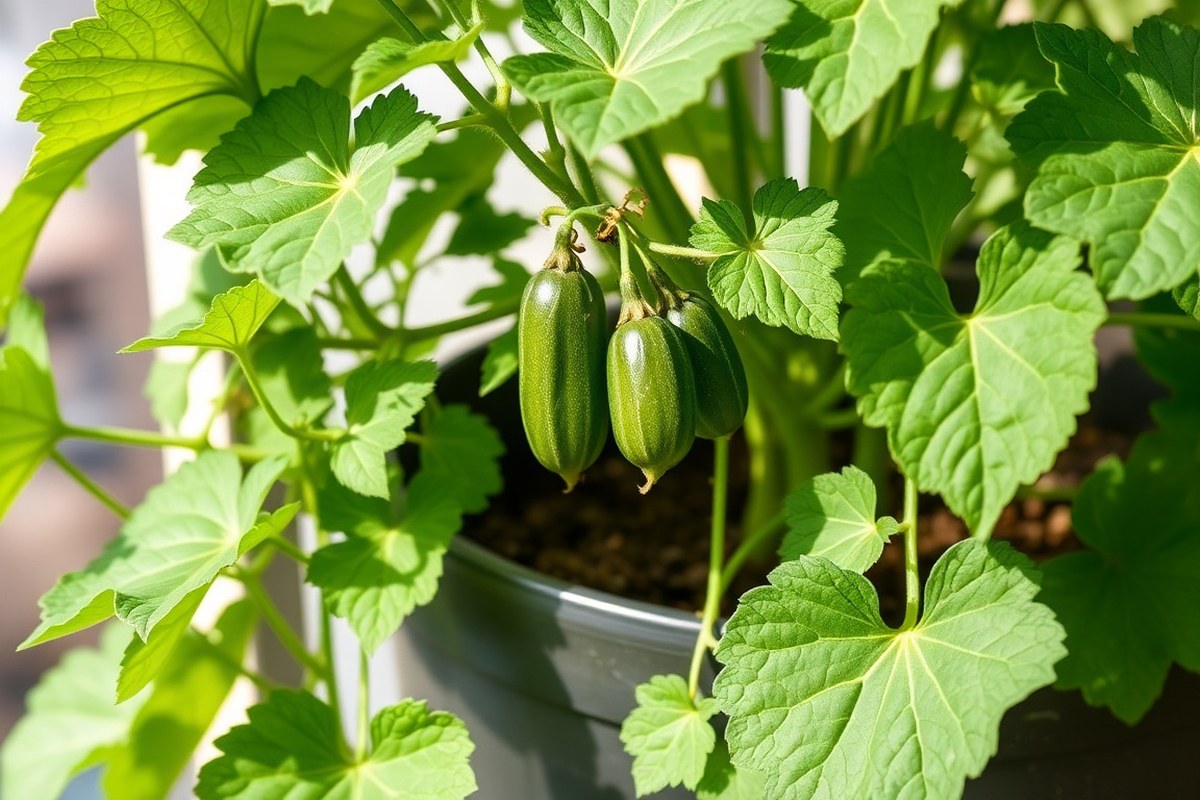
Cucumbers can grow well in pots with the right container. You also need to care for the plant properly. Both matter for good growth.
A pot at least 12 inches wide and deep works well. This size fits one cucumber plant comfortably.
It gives roots enough space. This size allows enough space for the roots to spread and find nutrients.
Choosing between bush and vining cucumber varieties matters. Bush types suit containers better because they take less space and require less support. Vining cucumber types can grow in pots too.
Provide a trellis or stake for them to climb. This supports their natural growth. This helps keep the vines healthy and makes harvesting easier.
Soil quality and watering are key for success. Use a good potting mix rich in organic matter and minerals. Cucumbers are heavy feeders.
So feeding them every two weeks with a balanced fertilizer keeps them productive. Water daily in hot weather so the soil stays evenly moist but not soggy.
Cucumbers in pots don’t grow as large as in soil. They also don’t spread out as much. Container growth is more limited.
Still, they can produce a similar amount of fruit from fewer plants. Many gardeners like container cucumbers for balconies or patios.
They also fit well in small gardens. These spaces often lack ground area.
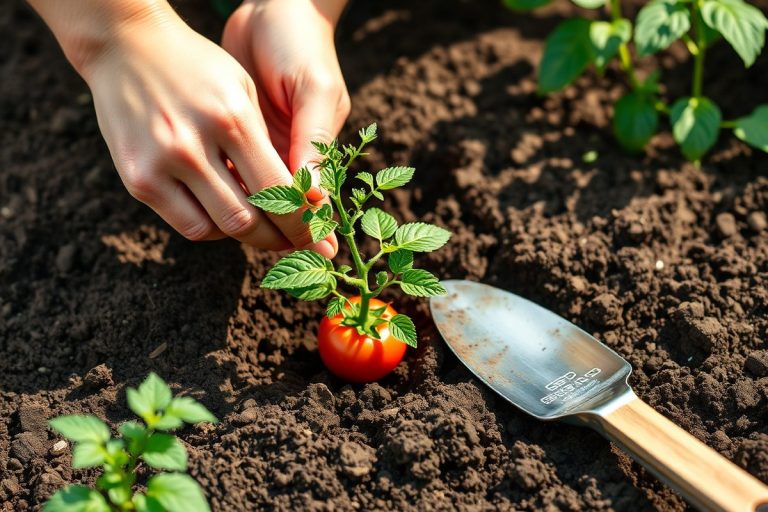
Starting with strong seedlings also boosts success. Healthy young plants adapt faster to pots and container conditions than seeds sown directly there. Hardening off seedlings before moving them outdoors helps prevent shock from sudden weather changes.
Watch for common problems like wilting or yellow leaves, often signs of underwatering or poor drainage. Using pots with drainage holes and checking soil moisture daily helps avoid these issues. With enough warmth, sunlight, and care, cucumbers in pots give a great harvest in small spaces.
Choosing the Right Pot Size and Type for Cucumbers
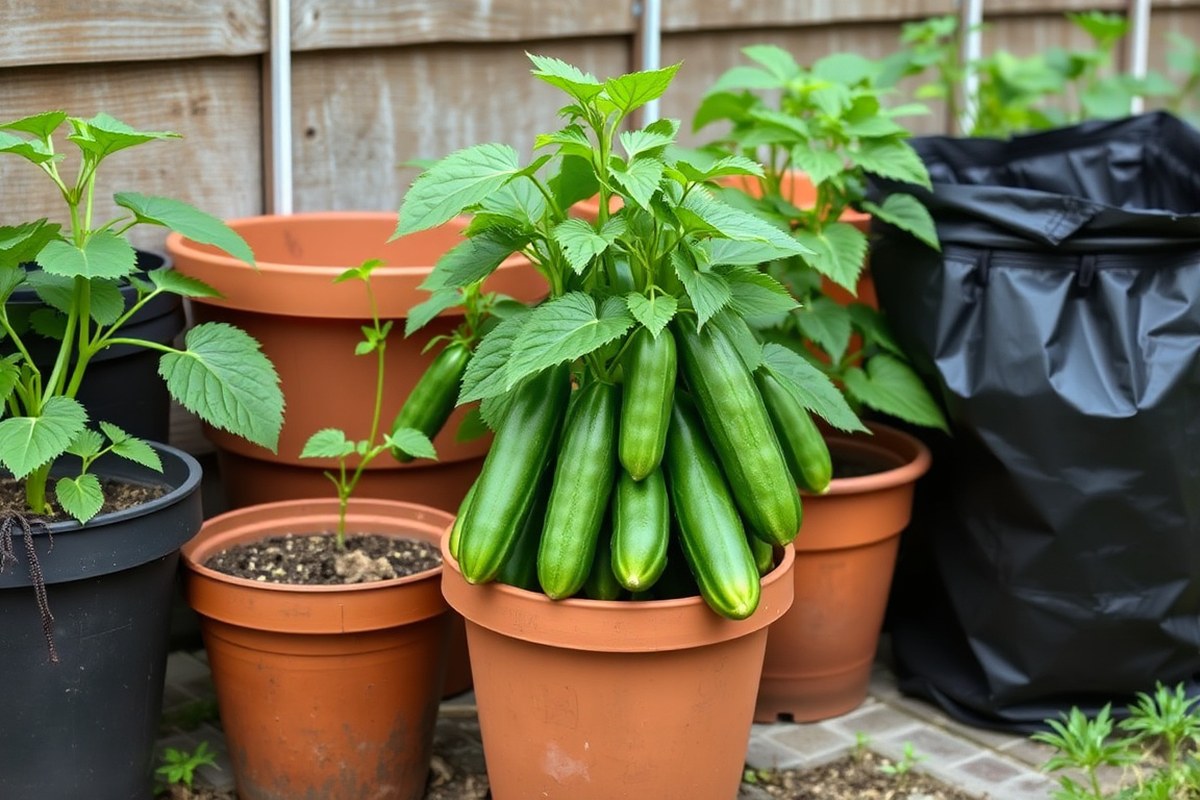
Choosing the right pot size gives cucumbers enough room to grow strong roots. Cucumbers need at least a 7 to 10 gallon container for big vining plants. Smaller pots, like 5 gallons, can work but need more frequent watering.
One cucumber plant per pot avoids root crowding and competition. Crowded plants grow slower and bear smaller fruits. If space is limited, use multiple small pots rather than one big pot for many plants.
Pot materials matter for drainage and plant health. Grow bags, large buckets, and half-barrels all work if they have good drainage holes. Avoid pots without holes, as soggy roots can cause disease.
| Pot Size | Number of Plants | Container Material | Drainage |
|---|---|---|---|
| 5 gallons (19 liters) | 1 plant | Grow bag or bucket | Frequent watering, must have drainage holes |
| 7-10 gallons (26-38 liters) | 1 plant | Grow bag, half-barrel, or plastic pot | Good drainage, easier water management |
| 10+ gallons (38+ liters) | 1 plant (or more if space allows) | Food-safe container like large bucket or barrel | Ensures enough root space, consistent moisture |
The bigger the pot, the less often you’ll need to water. Plus, a large pot helps the plant develop a strong root system for heavy fruiting. Keep the pot size manageable to fit your space and watering routine.
Choose containers made from food-safe materials. Avoid any pottery or plastic that might leach chemicals into the soil. Keep holes clear to prevent waterlogging, which harms roots and slows growth.
Check drainage holes regularly to avoid soggy soil that can kill cucumber roots.
Best Cucumber Varieties and Starting Methods for Containers
Choosing cucumber varieties that fit container spaces is important. Start seeds properly to grow healthy plants in pots. This helps ensure your plants do well inside.
Bush cucumbers and smaller fruit types work best in containers. You can start seeds indoors and move seedlings outside after hardening them off carefully.
Top Container-Friendly Cucumber Varieties
Bush cucumber varieties stay smaller and use less space, perfect for pots. Varieties like ‘Bushy’ have a compact growth habit, making them ideal for patios or window boxes.
Look for parthenocarpic types, which don’t need pollination. So they thrive better indoors or in small spaces.
Gynoecious varieties produce mostly female flowers, boosting fruit yield in containers. Options such as ‘Marketmore 76’ and ‘Sweet Green Armenian’ handle container life well. Choose varieties with smaller fruits if you want cucumbers that won’t crowd your pot.
Starting Seeds Indoors for Container Growth
Starting cucumber seeds indoors gives plants a strong early start. You can sow seeds 3 to 4 weeks before the last frost date. Use small starter pots or trays with good drainage and seed-starting mix for best results.
Plant 2 to 3 seeds about ½ to 1 inch deep in each cell or pot. Keep soil moist but not soggy and place the container in a warm spot around 70-75°F. Seedlings appear in 7 to 10 days, then thin to one healthy plant per pot.
- Fill seed trays or small pots with a seed-starting mix.
- Plant 2 to 3 seeds about ½ to 1 inch deep in each container.
- Moisten the soil gently but keep it damp.
- Place trays in a warm spot, ideally 70-75°F for germination.
- Remove weaker seedlings once they sprout, leaving the strongest plant.
- Provide 12-16 hours of light daily using grow lights or bright windows.
- Water seedlings from the bottom or carefully to avoid dampening leaves.
Hardening Off Seedlings Before Pot Planting
Hardening off helps cucumber seedlings adjust from indoor to outdoor conditions. This step prevents shock and helps your plants grow strong in pots. Gradually expose seedlings to outdoor conditions over 7 to 10 days.
Start by putting seedlings outside in a shaded spot for a few hours. Increase the time and direct sunlight exposure daily. Bring plants indoors at night until they fully adjust and show no signs of wilting.
- Move seedlings outdoors to shade for 2-3 hours on the first day.
- Extend outdoor time by 1-2 hours daily, adding morning sun exposure.
- Gradually introduce seedlings to direct afternoon sun over several days.
- Keep seedlings sheltered from strong wind or heavy rain.
- Bring seedlings indoors overnight for the first week outside.
- Plant hardened seedlings into their final containers once fully acclimated.
Potting Mix, Soil Preparation, and Fertilizing Cucumbers in Containers
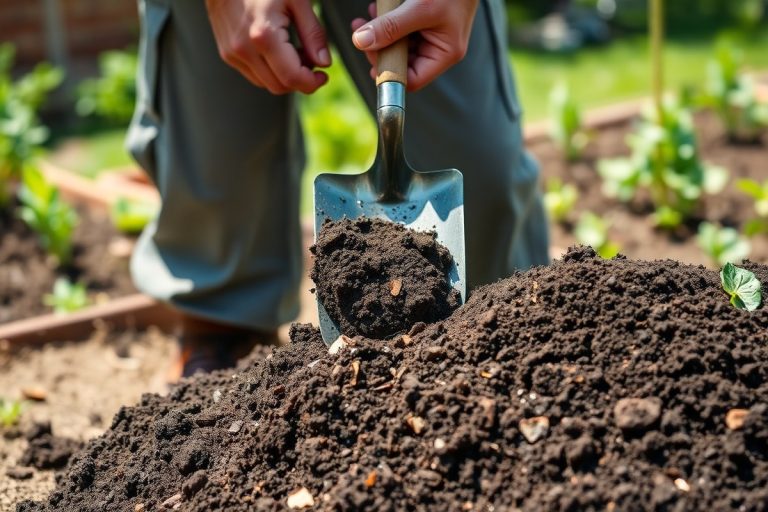
Use a well-draining, lightweight potting mix designed for vegetables. A good blend is two parts commercial potting mix to one part well-aged compost. Add organic material like peat moss or coco coir to your soil.
Use about one third of the total mix. This helps retain moisture and nutrients better.
Garden soil isn’t a good choice because it compacts and holds too much water in containers. The soil should stay loose to help roots grow and soak up oxygen.
Mix compost into your potting soil to add nutrients. It lowers the need for frequent early fertilizing.
- About 33% peat moss or coco coir for moisture retention
- 50% finished compost for nutrients
- Remainder lightweight commercial potting mix
- Mix well before filling the pot
- Ensure pot is at least 12 inches deep for bush types or 18 inches for vines
Container cucumbers need regular feeding because soil nutrients wash out faster. Skip fertilizer if your soil is heavy on compost at first. Starting four to six weeks after planting, add a balanced liquid fertilizer every two weeks.
Choose a 10-10-10 fertilizer or one made for vegetables. Use it to support healthy growth and steady fruit production.
Apply fertilizer when soil feels slightly dry but not parched. Overfeeding can burn roots and stunt plants, so follow label directions.
Yellow leaves or slow growth means the plants may need feeding. But also check watering and sunlight first.
Watering and Sunlight Needs for Container Cucumbers
Cucumbers in pots need steady watering to thrive and produce fruit. Check the soil daily and water whenever the top 1 inch feels dry. In hot weather, water once or twice a day.
This is true when temperatures reach the high 90s to low 100s °F. Watch your plants. They may need more water then.
Water deeply so moisture reaches the entire root zone. Avoid watering lightly because shallow moisture can stress the plant.
Overwatering shows as yellowing leaves and soggy soil. Underwatering causes wilting and dry, crumbly soil.
Cucumbers are sun lovers and need 6 to 8 hours of direct sunlight daily. Pick a bright, sunny spot for your pot. Make sure the plants get full sun most of the day.
This helps cucumbers grow well. Less sun means weaker growth and fewer cucumbers.
In cooler climates, place pots where they catch morning sun for faster warm-up. In hot, sunny regions, try some afternoon shade to avoid leaf scorch. Adjust watering frequency based on sunlight and heat to keep plants happy.
Watch soil moisture closely; both overwatering and underwatering stunt cucumber growth and reduce yields.
Supporting and Training Cucumbers with Trellises in Containers
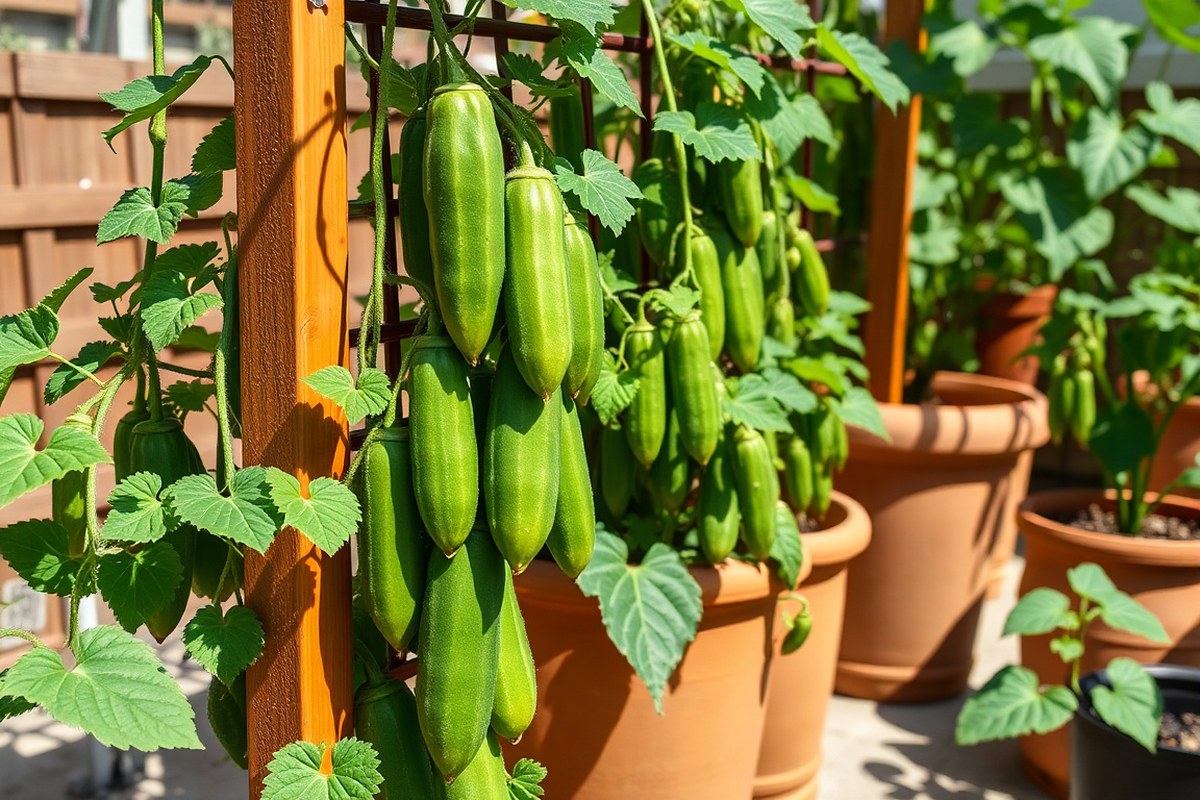
Using a trellis or support for cucumbers grown in pots is a smart choice. Vining cucumber plants produce long stems that need guidance to grow vertically. A trellis saves space, keeps fruit clean, and makes harvesting easier.
Benefits of Vertical Growing
Growing cucumbers up a trellis improves airflow around the plant. This reduces humidity and lowers your chance of diseases like powdery mildew. It also exposes leaves and fruit to more sunlight for better growth.
Vertical growing keeps cucumbers off the soil or pot surface. This prevents rot and dirt buildup while helping fruit stay straight and easier to pick. You also use your limited space more efficiently, perfect for balconies or patios.
Choosing the Right Trellis Type
A sturdy trellis is key for supporting long cucumber vines in pots. Many gardeners prefer an A-frame trellis because it holds the weight well and fits small spaces. You can find these trellises made from wood, metal, or plastic for about $20 to $50.
Other options include tall stakes or tomato cages, which can work if tucked into large pots. Lattice panels attached to walls or fences suit urban spots with minimal floor space. Pick a structure at least 4 to 6 feet tall to accommodate the vines’ growth.
Installing and Training Cucumber Vines
Set up your trellis right after planting cucumber seedlings. Anchoring the trellis deep into the potting soil keeps it stable under the vine’s weight. Use soft garden ties to fasten the stems gently.
Regularly guide new growth upward, tying vines every 6 to 8 inches. Prune overly long or tangled stems to focus energy on fruit production. Training cucumbers vertically means you should water more often since pots dry out faster with trellises.
Follow these steps to add a trellis and train your container cucumbers:
- Choose a pot at least 12 inches wide and deep for strong vine support.
- Plant cucumber seedlings or seeds near the pot’s edge, close to the trellis spot.
- Insert your trellis or stakes firmly into the soil right after planting.
- Provide soft ties to gently attach cucumber vines to the trellis as they grow.
- Check plants every few days to add new ties and keep vines climbing upward.
- Prune excessive side shoots to keep the plant manageable and improve airflow.
- Water deeply and regularly, especially as vines get larger and warmer weather arrives.
Common Problems in Container Cucumber Growing and How to Fix Them
Overwatering and underwatering are common mistakes in container cucumber care. Too much water drowns roots and causes yellow leaves. Too little water leads to wilting and poor growth.
Water the plants whenever the top inch of soil feels dry. Use a saucer under the pot to catch excess water and avoid root rot.
Pests like cucumber beetles and squash bugs can attack your plants quickly. These insects spread diseases and damage leaves and fruits. Keep potted cucumbers away from ground gardens to reduce pest problems.
Regularly inspect leaves for insects and remove any you see by hand. Insecticidal soap works well if infestations get bad.
Diseases are more likely if vines sprawl on the soil without support. Using a trellis holds vines off the dirt and improves airflow. This lowers chances of fungal problems like powdery mildew.
Train your cucumbers gently onto the trellis as they grow. Check vines weekly and adjust ties if needed for even support.
- Use well-draining soil to prevent waterlogging.
- Feed plants with a balanced fertilizer every three weeks.
- Remove yellow or spotted leaves to stop disease spread.
- Place pots where cucumbers get at least six hours of sun.
- Space plants apart to improve air circulation and reduce humidity.
Nutrient deficiencies show up as pale leaves or slow growth. Container plants need regular feeding since soil nutrients wash out fast. Feed with a fertilizer that has equal nitrogen, phosphorus, and potassium.
If leaves curl or spots appear, it might mean a nutrient or water imbalance. Adjust watering and feeding routines before problems worsen.
Growing cucumbers indoors in a heated room needs more careful watering and lighting. Use grow lights if natural sunlight is limited. Seeds can be planted directly in pots if conditions remain warm and stable.
Avoid placing pots near drafts or heaters that dry soil quickly. Keeping consistent moisture and warmth helps seedlings thrive.
Harvesting, Storage, and Extending the Growing Season in Pots
Harvest cucumbers regularly to keep your plants producing well in pots. Pick them when they reach the right size for the variety you grow. Store harvested cucumbers properly and use ways to stretch the growing season.
Best Time to Harvest
Harvest cucumbers when they are firm and have a bright green color. Most slicer varieties taste best at 6 to 8 inches long.
Smaller pickling types are ready at 3 to 4 inches. Picking often helps plants produce more fruit and prevents bitterness.
Check your containers every 1 to 2 days in warm weather. Look for glossy, unblemished cucumbers with no yellow spots. Avoid letting cucumbers grow too large; that slows new growth and lowers flavor.
- Use sharp scissors or garden shears to cut cucumber stems.
- Hold the fruit gently to avoid bruising the vine.
- Pick cucumbers before seeds harden for best texture.
- Remove ripe cucumbers promptly to encourage more fruit.
- Keep track of your variety’s typical harvest size.
Storing Cucumbers After Harvest
Store cucumbers in the refrigerator to keep them fresh for up to 10 days. Wrap them loosely in a plastic bag to retain moisture but allow some airflow. Avoid storing cucumbers near fruit like apples, which release ethylene gas and speed spoilage.
Check stored cucumbers regularly. Use any soft or yellowing ones first.
For longer storage, keep cucumbers in the vegetable drawer, which stays cooler and humid. Room temperature is fine if you plan to use cucumbers within a day or two.
Don’t wash cucumbers before storing; moisture speeds decay. Wash just before eating.
Extending the Season with Temperature Control
Container cucumbers grow best in temperatures between 70°F and 85°F. Cooler nights below 50°F slow growth and fruit set. Move containers to warmer spots, like a sunny porch, to extend the season a few weeks. Bringing pots indoors at night can protect from frost.
Use row covers or frost blankets to shield plants during unexpected cold snaps. Start new cucumber seeds every 3 to 4 weeks for a steady supply. Growing cucumbers in a greenhouse boosts warmth.
Planting next to a south-facing wall also helps. This setup lengthens your harvest periods.
- Place pots in full sun to maximize warmth.
- Bring containers inside or into a garage when frost threatens.
- Use floating row covers to protect from cold winds.
- Sow seeds indoors 3 to 4 weeks apart for continual harvest.
- Water consistently to avoid heat stress.
Step-by-Step Action Plan for Growing Cucumbers in Pots
Follow these steps to grow cucumbers in pots successfully. Check your progress as you go to ensure healthy plants.
- Before you start: Choose a pot at least 12 inches wide and deep. Make sure it has drainage holes. This gives cucumber roots room to grow and prevents waterlogging.
- Day 1: Fill the pot with well-draining potting mix rich in organic matter. Add a balanced fertilizer as per package instructions. The soil should feel loose and moist but not soggy.
- Week 1: Plant cucumber seeds 1 inch deep or transplant seedlings. Keep the soil moist. Place the pot where it gets 6-8 hours of sun. Check sunlight daily for best growth. Seeds should sprout within 7 to 10 days.
- Week 3: Start training plants on a small trellis or cage. Gently tie vines as they grow to support healthy fruit development and save space.
- Weeks 4 to 8: Water deeply whenever the top inch of soil feels dry. Avoid letting containers dry out completely. Watch for pests or yellow leaves and treat early.
- Week 8 and onward: Harvest cucumbers when firm and bright green. This usually happens 50 to 70 days after planting. Pick regularly to encourage more fruit.
- Late season: Move the pot to a sunnier spot to extend growing. Bring it indoors if frost is near. You can also pinch off flowers to promote vine growth for longer yield.
Frequently Asked Questions
Do Cucumbers Grow Better in Pots or in the Ground?
Cucumbers generally grow better in the ground due to more root space. Pots can limit plant growth.
But you can still harvest well. Use a large container and proper care.
How Big of a Pot Do I Need for a Cucumber?
Use a pot holding 30 to 40 liters of soil. This size works well for one cucumber plant. This size gives room for roots to grow.
It also keeps water longer. That helps the plant stay healthy.
How Many Cucumber Plants Should You Put in One Pot?
You should plant only one cucumber per pot to avoid overcrowding. These plants need space to grow roots and access nutrients without competition.
Do Cucumber Plants Come Back Each Year?
Most cucumber plants are annuals and die after one growing season. You need new seeds or seedlings yearly. Perennial varieties are rare but last longer.
Can I Grow Cucumbers in a Pot If I Have Limited Space?
Yes, you can grow cucumbers in a pot in small spaces by using vertical supports. Training vines upwards saves space and improves air flow, which helps prevent diseases.
How Often Should I Water Cucumbers in Pots During Peak Season?
Water cucumber plants in pots every day or every other day in hot weather. Their roots dry out faster in containers. So consistent moisture keeps them healthy and productive.
The Bottom Line
You can grow cucumbers well in a pot with the right care and setup. Start with a big enough container and good soil. Plant your seeds or seedlings this week to see fresh cucumbers soon.