Can Cucumbers Be Grown in Pots? A Complete Guide for Successful Container Growing
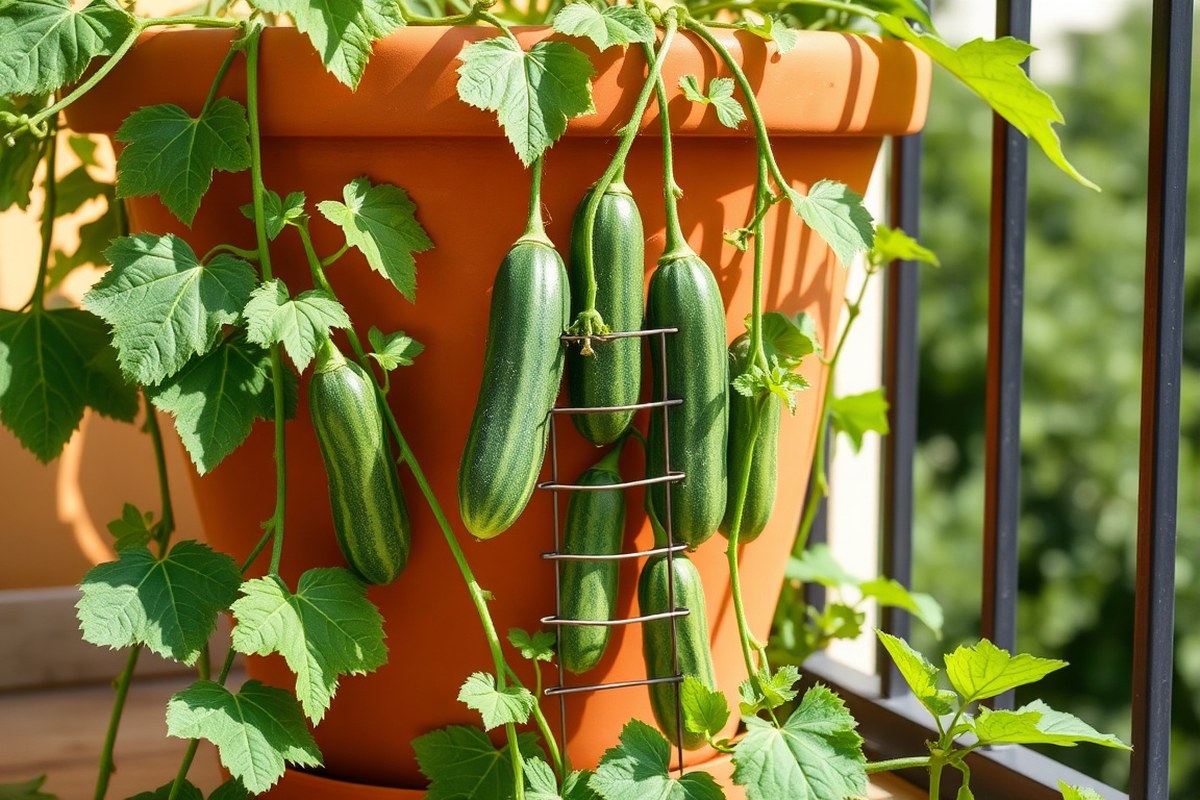
Yes, cucumbers can be grown well in pots. Use a container at least 12 inches wide and deep. This size allows enough space for the roots to spread out and access nutrients.
Pick a sunny spot with six to eight hours of daylight. Plant seeds or seedlings once night temperatures stay above 55°F. This prevents cold stress on the plants and encourages steady growth.
Keep the soil moist but never waterlogged, as cucumbers need regular watering. Pots offer better drainage and keep soil warmer than ground beds. This helps cucumbers grow faster and stay healthier throughout the season.
Growing cucumbers in pots works great for patios or balconies. Use a good-quality potting mix with organic matter to support growth. Just watch the pot size and temperature for the best results.
Key Takeaways
- Use pots with at least 12 inches diameter and 2 gallons capacity.
- Wait until night temperatures stay above 55°F before planting outdoors.
- Place pots where plants get 6 to 8 hours of direct sunlight daily.
- Choose warm soil over 60°F for planting cucumber seeds or seedlings.
- Keep soil consistently moist; cucumbers need plenty of water.
- Plant one seed group per 12-inch wide container for best results.
Can Cucumbers Be Grown Successfully in Pots?
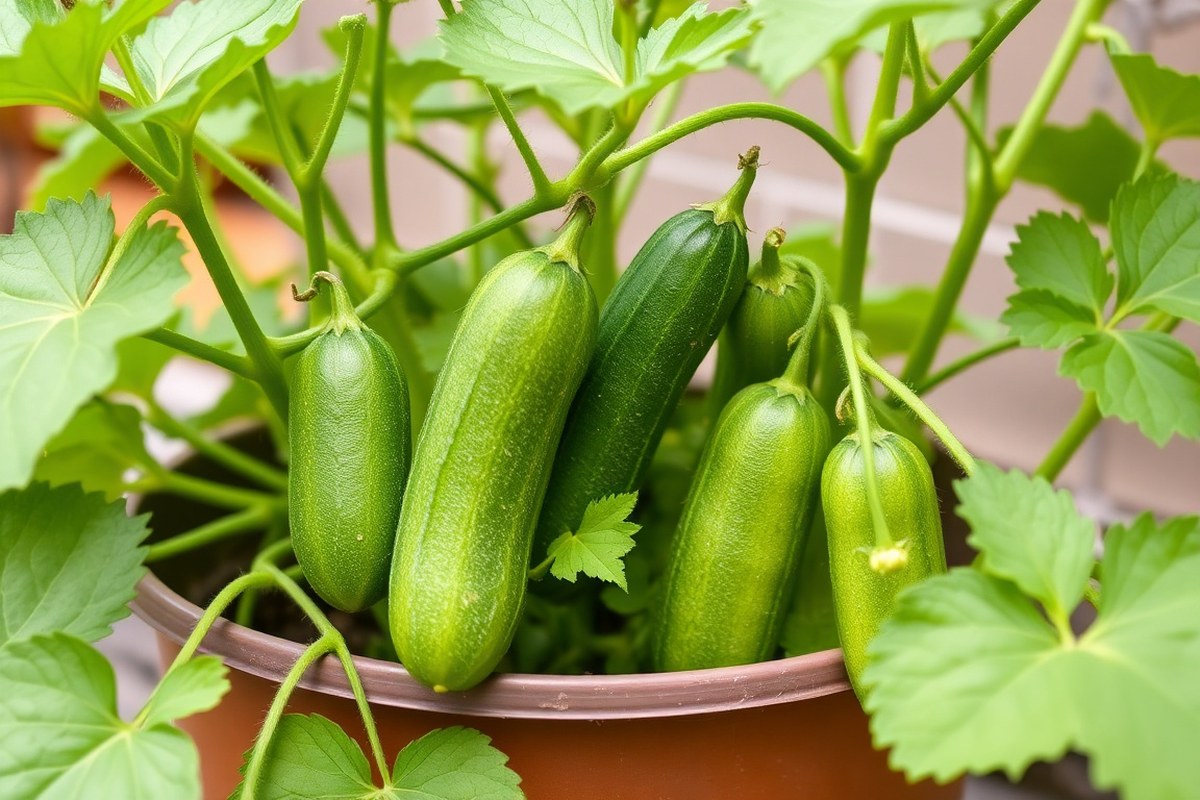
Cucumbers can definitely be grown in pots instead of garden beds. Choosing a container large enough for their roots and climbing vines is important. Many people grow cucumbers on small patios or balconies with good success.
Using regular garden soil in pots is a bad idea. It is too dense. It also holds water poorly.
Instead, mix a light potting soil with compost to keep cucumbers happy. This mix holds moisture but drains well, so roots don’t drown.
Potted cucumbers need more water than those in the ground. The smaller soil volume dries quickly, so plan to check pot moisture daily. Fertilize often because cucumber plants eat a lot of nutrients to produce tasty fruit.
Sunlight is another key factor. Position the pot where cucumbers get six to eight hours of direct sun each day. Enough light encourages strong growth and a larger crop.
Cucumbers are known to spread a lot in the garden. But in pots, they tend to stay manageable.
This makes them easier to grow in tight spaces and helps you control pests better. Training vines on a small trellis inside the pot saves even more room.
Starting cucumbers in pots requires attention, especially in early growth. The right soil, sun, and watering help plants grow well. They stop plants from dying.
You get healthy, fruitful plants. It doesn’t cost much to grow cucumbers in containers.
You need a quality potting mix. Also get a 5 to 10 gallon container.
The weather must be warm to plant cucumbers in pots. Night temps should stay above 55°F. Then you can plant safely. This timing helps seeds germinate and seedlings thrive without too much risk.
Growing cucumbers in pots fits small gardens and patios. It works well on balconies too. You don’t need a garden bed.
Choosing the Best Cucumber Varieties for Containers
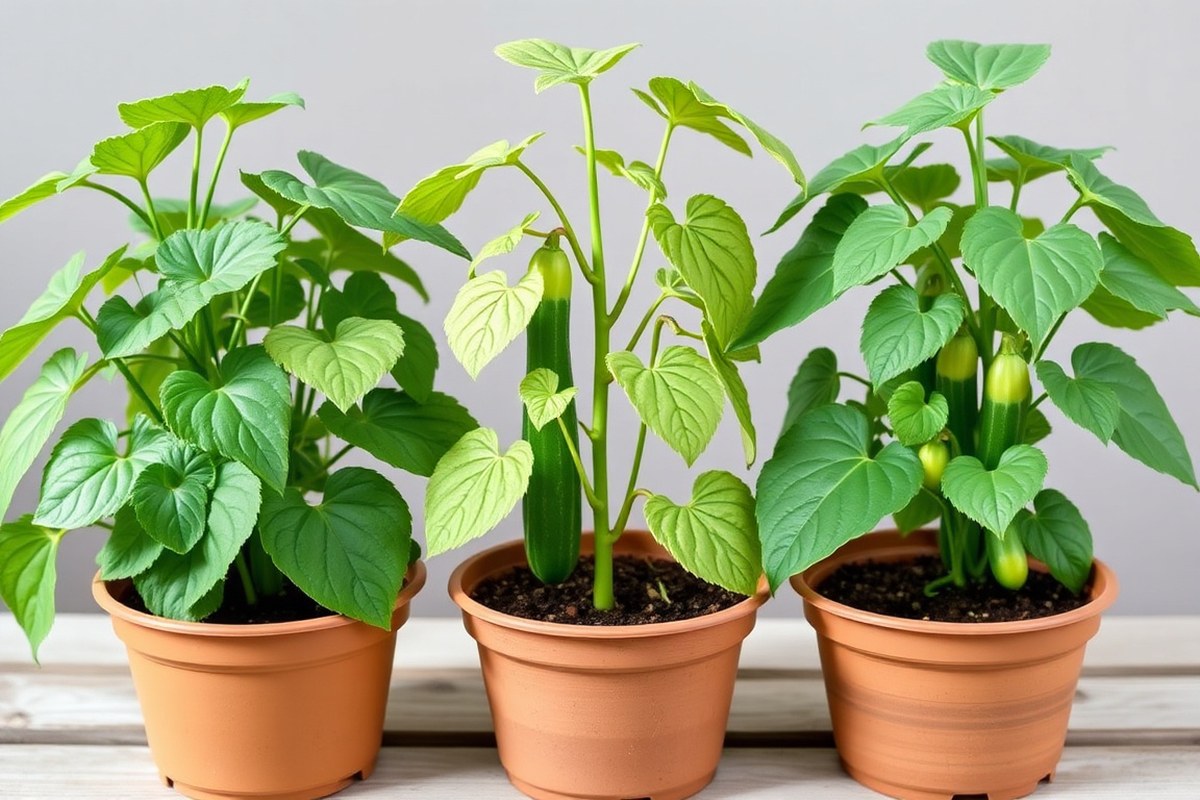
Bush cucumber varieties suit container growing better than vining types. Bush plants stay compact and usually reach only a few feet tall. Their fruits tend to be smaller, matching the scale of pots and small spaces.
Vining cucumbers can grow in pots but they need more room and support. Choose a container that holds at least 7 to 10 gallons. This size fits their large root system well.
Bigger containers give roots plenty of space to grow. Vines require trellises to keep the growing cucumbers off the soil and promote airflow.
Choosing parthenocarpic cucumber varieties makes container gardening easier. These types don’t need pollination to set fruit.
So you avoid relying on insects or cross-pollination, especially indoors or in greenhouses. This reduces the chance of misshapen or bitter cucumbers that occur with poor pollination.
Here’s a table of popular cucumber varieties suited for container growing:
| Variety | Type | Growth Habit | Fruit Size | Days to Harvest | Notes |
|---|---|---|---|---|---|
| Bush Slicer | Bush | Compact, ~3 ft vines | 6-8 inches long | 50-60 | Good for containers, typical slicing cucumber |
| Picklebush | Bush | Compact | Small, ideal for pickling | 50-60 | Great for small pots, frequent harvesting |
| Bush Champion | Bush | Compact | Medium-sized cucumbers | 55-65 | Excellent fruit yield in containers |
| Lemon Cucumber | Vining | Needs trellis, grows larger | Round, yellow, 3-4 inches | 62 | Unique fruit, needs larger container |
| Marketmore 76 | Vining | Vigorous | 7-9 inches slicing cucumber | 58-65 | Good disease resistance, large pot needed |
Look for varieties labeled as “bush” or “compact” specifically for container gardens. These reduce the need for constant pruning or complicated trellising. Smaller fruits also mean you can space plants closer in your pots.
Adjust container size depending on growth habit. Five-gallon pots hold smaller bush plants well. For vining types, choose 7-10 gallon pots and add a small trellis.
Tip: Use parthenocarpic cucumber seeds indoors or greenhouses to get fruit without needing pollinators.
Compact bush varieties save space and need less maintenance. Vining types work if you have room and larger containers. Think about how big the plant will get.
Also consider its growth style. These help you pick the best cucumber for your space.
Selecting the Right Pot and Soil Mix for Cucumbers
Cucumbers do well in pots that hold at least 5 to 6 gallons of soil. The container needs good drainage to prevent waterlogging. A potting mix rich in organic matter helps cucumbers grow well.
It also holds moisture for the plant’s needs. This keeps cucumbers healthy and strong in containers.
Minimum Pot Size and Drainage Requirements
Pick a pot at least 16 inches deep and 12 to 16 inches wide. This size holds enough soil to keep roots healthy. Smaller pots dry out quickly and limit cucumber growth.
Use pots with plenty of drainage holes on the bottom to release excess water. Avoid pots that hold soggy soil, as cucumbers hate sitting in wet roots.
Add a 1- to 2-inch layer of broken pottery or pebbles at the pot’s bottom. This layer helps excess water drain away fast.
Fill the pot with soil almost to the top, leaving about 1 inch of space. This room stops water from spilling when you water the plant deeply. Avoid using garden soil because it compacts and traps water, causing rot.
Recommended Soil Mix Ingredients
Create a potting mix that holds moisture but drains well. Use around one-third by volume of sphagnum peat moss or coco coir for water retention. Make the rest a mix of high-quality potting soil and organic compost or well-rotted manure.
This mix feeds the heavy-feeding cucumber plants and keeps soil light yet nutrient-rich. Avoid plain potting soil for cucumbers. It is usually too light.
It also lacks enough nutrients for these veggies. Adding compost improves nutrients and supports healthy root growth.
Here’s a quick soil mix checklist for cucumbers in pots:
- One-third sphagnum peat moss or coco coir
- Half quality potting soil
- One-sixth organic compost or manure
- Good drainage layer of broken pottery or pebbles at the bottom
Mix these materials well before filling the pot to provide an ideal cucumber growing bed.
Pot Materials Pros and Cons
Clay or terracotta pots breathe well, helping soil dry between waterings. They tend to be heavier and less likely to tip over with tall cucumber vines. However, they dry out faster than plastic, so you’ll water more often.
Plastic pots stay moist longer and weigh less. They’re easier to move but might tip over if vines get heavy. Plastic also traps heat in hot weather, potentially stressing plants on a sunny patio.
Fabric grow bags offer excellent drainage and air circulation. They prevent roots from getting waterlogged but need frequent watering due to fast drying. Consider your container’s location and your watering habits when picking pot material.
When and How to Plant Cucumbers in Pots
Start cucumber seeds indoors about four weeks before the soil temperature hits 70°F. Sow seeds 1 inch deep in small pots. Transplant outdoors when nights stay above 50°F. Follow these steps to get healthy seedlings and avoid crowding for better growth in your pots.
Starting Seeds Indoors for Container Growing
Use 9cm pots to give each seedling enough room to grow strong roots. Plant one seed per pot to avoid uprooting weak plants later, which can stress cucumbers. Keep the soil moist and warm to encourage germination, ideally around 70°F.
Check seed packets for any specific planting advice. But in general use good-quality seed-starting soil.
Thin to one healthy seedling per pot after germination to save your strongest plants for transplanting. Avoid overcrowding to reduce disease pressure.
Transplanting Seedlings into Larger Pots
Choose containers holding at least 5 gallons of soil for each cucumber plant. Bigger pots support healthy root systems and reduce watering frequency. Transplant seedlings at the same soil depth they grew in their small pots to avoid shock.
Water gently after planting to help soil settle around roots. Avoid disturbing roots as much as possible.
Plant more than one seedling with space in between. Remove extra seedlings to avoid crowding and disease.
- Start seeds indoors about four weeks before 70°F soil temperature.
- Plant one seed per 9cm pot, 1 inch deep in seed-starting mix.
- Keep seedlings warm, moist, and in indirect sunlight until sprouting.
- Thin to strongest seedlings if multiples sprout per pot.
- Wait to transplant outdoors until nighttime temperatures exceed 50°F.
- Move seedlings into 5-gallon or larger pots, planting at original depth.
- Water seedlings well and avoid root disturbance during transplant.
- Mulch soil to retain moisture and control weeds after transplanting.
Optimal Planting Dates Based on Temperature
Don’t plant your cucumbers outside until nighttime temperatures stay above 50°F. Cucumbers grow best with soil and air temperatures close to or above 70°F. Starting seeds indoors helps you beat the short summer season in cooler areas.
In warm climates, direct sow seeds into pots after the last frost date. When unsure, use a soil thermometer or local gardening calendars to time your planting. Always harden off seedlings for 7 to 10 days before moving them outdoors.
Sunlight and Temperature Requirements for Potted Cucumbers
Cucumbers in pots need at least six to eight hours of direct sunlight daily. Less than six hours can cause leggy, weak plants with fewer fruits. Place containers in spots that get full sun, like a south-facing balcony or patio.
Ideal daytime temperatures for cucumbers are between 65 and 75°F. Nighttime temps should stay above 60°F to avoid stress. Soil temperatures need to stay above 60°F for good sprouting.
Seeds grow best in warm soil. Plants also grow well with soil above 60°F.
Protect potted cucumbers from cold by waiting to plant until all frost danger passes. Move containers indoors or to a sheltered spot during cold snaps. Use a frost cloth over plants if temperatures might drop below 50°F at night.
Too much heat can also harm cucumbers. Daytime temps over 85°F can cause plants to wilt or stop fruiting. Move your pots to shade in the afternoon to cool them down.
Use a shade cloth to reduce heat and sun but keep enough light. This helps protect your plants without stopping growth.
Watch nighttime temps carefully. Cover cucumbers if temperatures drop below 50°F. Covering avoids cold damage.
Strong sunlight helps cucumbers grow sturdy vines and produce many fruits. Soil in pots can heat up quickly, so monitor soil temperature with a probe.
Water often to keep soil moist but not soaked. Dry soil and heat stress cause plants to drop flowers early.
Choosing the right location and shifting containers as needed can keep cucumbers comfortable. Containers heat up faster during the day than garden beds. They also cool down more quickly at night.
Keep this in mind for your plants. This means you may need to protect or move your plants more often.
Watering and Fertilizing Cucumbers Grown in Containers
Cucumbers grown in pots need frequent watering and regular feeding to stay healthy. Water often enough to keep the soil moist but not soaked. Use a water-soluble fertilizer every one to two weeks to provide steady nutrients.
Watering Frequency and Best Practices
Cucumber plants in containers dry out faster than those in the ground. Check the soil moisture a few inches below the surface daily. Water when the top inch feels dry, usually every one to two days during warm weather.
Always water the soil directly, not the leaves. This helps prevent fungal diseases like powdery mildew. Use enough water to soak the root zone thoroughly until it drains from the pot’s bottom.
- Check moisture at 2 to 3 inches deep daily
- Water when top inch of soil is dry
- Water soil evenly, avoid wetting foliage
- Use pots with drainage holes
- Use a watering can or gentle hose spray
- Water deeply to encourage deep roots
- Water more often in hot, dry weather
Let containers drain well after watering to avoid soggy roots. Overwatering leads to root rot and poor growth. Signs of too much water include yellowing leaves and wilting despite wet soil.
Fertilizing Types and Timing
Cucumbers need constant feeding while growing in pots. Apply a balanced, water-soluble fertilizer formulated for tomatoes, peppers, or squash every 7 to 14 days. This type dissolves quickly, feeding roots directly.
Mix fertilizer at half or full strength depending on plant size and label instructions. Using too much can burn roots or cause leafy growth with fewer fruits. Applying it regularly avoids nutrient shortages common in container plants.
Start feeding once plants develop a few true leaves and repeat through harvest. A strong boost when fruiting begins also helps maximize yield and quality.
Adjusting Care for Hot or Dry Climates
Heat and wind dry pots quickly, increasing water demand for cucumbers. Add extra water during hot spells to keep soil evenly moist. Skip watering early morning or evening to reduce evaporation.
Put containers in a shallow bucket with water. Let plants soak from below. Do this if leaves look wilted.
Cover the soil top with straw or wood chips. This holds moisture in the soil. It also keeps roots cool.
Adjust fertilizer strength slightly lighter in hot weather to prevent stress. Careful monitoring keeps your container cucumbers growing well even in tough urban conditions.
Supporting and Pruning Cucumber Plants in Pots
Cucumbers in pots need support structures to keep their vines off the ground. This helps airflow around the plant and reduces disease risks. It also makes the fruit easier to spot and harvest.
A trellis or tall stakes work well for the long vines of container cucumbers. You can use materials like wood, metal, or plastic trellises placed directly in the pot. Secure the vines gently with soft ties as they grow to prevent damage.
Pruning improves airflow and encourages more fruit production. Start pruning once the cucumber vines reach 3 to 5 feet tall. Cut back side shoots near the plant’s base.
Remove small suckers too. This opens space for sun and air.
Here’s how to support and prune your potted cucumbers effectively:
- Choose a trellis or stakes about 5 to 6 feet tall to support your cucumber vines.
- Put the trellis firmly into the pot. Do this before or right after planting. Push it deep to keep it steady.
- Help main cucumber vines climb the trellis as they grow. Use soft ties or garden twine to guide them. Attach gently to avoid damage.
- Trim side shoots and suckers when vines are 3 to 5 feet tall. Use clean scissors or pruning shears.
- Take away leaves that block sunlight. Remove leaves crowding the plant’s base. This improves airflow and lowers mold risk.
- Check plants regularly to adjust ties and prune any unhealthy or overcrowded growth.
- Leave healthy leaves near the fruits to protect them from sunburn but keep the area ventilated.
- Water and fertilize consistently, as well-supported plants produce sweeter, less bitter fruit.
Failing to support vines lets cucumbers sprawl and touch wet soil, which leads to rot. Overcrowded foliage invites powdery mildew or other diseases. Proper pruning and trellising will keep your container cucumbers healthy and productive through the season.
Identifying and Managing Pests and Diseases in Container Cucumbers
Potted cucumbers face fewer pests than ground-grown ones but still need watching. Common pests include aphids, cucumber beetles, and spider mites. These bugs not only harm leaves and stems but can also spread diseases quickly.
Check your cucumber plants every week for small insects or sticky spots. Brown spots or yellowing leaves often mean disease is starting. Early identification helps you act fast to stop spread.
- Use insecticidal soap or neem oil every 7-10 days to control pests.
- Keep pots clean and remove fallen leaves to reduce disease sources.
- Ensure good airflow by spacing plants and using trellises.
- Cover plants with netting early to block egg-laying insects.
- Water at the base, not on leaves, to prevent fungal diseases.
- Pull weeds around pots to avoid disease spread from nearby plants.
- Regularly prune any damaged or yellowing leaves to improve air circulation.
Growing cucumbers on a trellis also keeps fruits off the soil, cutting down soil-borne diseases. If you spot webbing or tiny red dots, treat for spider mites promptly with water sprays. Organic options like neem oil suit container use since they don’t leave harmful residue.
Remember, insects carry diseases, so pest control also protects your cucumber’s health.
Act quickly if you see white powder on leaves, which signals powdery mildew. Remove affected parts and increase airflow around plants. With these checks and organic treatments, your container cucumbers will stay healthier and yield better fruits.
Harvesting Cucumbers Grown in Pots for Best Flavor and Yield
- Check your cucumber plants every two days for ripe fruit.
- Look for small, dark green cucumbers less than 9 inches long.
- Use clean, sharp scissors or garden shears to cut the fruit.
- Cut the cucumber close to the vine, leaving a small stem attached.
- Handle cucumbers gently to avoid bruising or damaging the plant.
- Harvest regularly to encourage the plant to produce more fruit.
- Store cucumbers in a cool place or the refrigerator to keep them fresh.
- Use harvested cucumbers soon for the best flavor and texture.
Knowing when to harvest cucumbers in pots matters for flavor and yield. Watch for fruit that is firm, dark green and under 9 inches long.
Smaller cucumbers usually taste sweeter and crunchier than oversize ones. Checking your plants every couple of days helps you catch the perfect time.
Picking cucumbers properly without breaking the vine keeps the plant healthy. Cutting fruit with scissors or garden shears works best.
Avoid pulling or twisting, which can harm stems and slow fruit production. Leaving a short stem on the cucumber helps it last longer once picked.
Harvesting frequently keeps your cucumber plant producing more fruit. The vine responds by making more cucumbers when you remove ripe ones.
Ignoring to harvest or picking too late reduces both flavor and overall yield. You’ll get a better harvest if you don’t let fruits get too large or soft.
Step-by-Step Action Plan
Follow these steps to grow cucumbers in pots and check your progress along the way.
- Before planting: Pick a cucumber variety made for containers. Choose bush types. Use a pot at least 12 inches wide. Confirm the pot drains well by testing with water.
- Day 1: Fill the pot with loose, rich potting mix. The mix should hold moisture but drain well. Add some slow-release fertilizer according to package directions.
- Week 1: Plant seeds or seedlings about 1 inch deep in the soil. Keep the soil moist but not soggy. Check daily for soil dampness by feeling it an inch down.
- Weeks 2-4: Put the pot where it gets 6 hours of direct sunlight daily. Make sure it’s a sunny spot. Move it if leaves show signs of too much sun or shade. Support young plants with small trellis or stakes.
- Week 4 and ongoing: Water deeply whenever the top inch of soil feels dry. Feed plants with a liquid fertilizer every two weeks following label instructions. Look for new flowers as a sign of good growth.
- After 6 weeks: Prune side shoots to focus energy on main vines if needed. Watch for pests like aphids or powdery mildew and treat with insecticidal soap or neem oil.
- Week 7 and later: Harvest cucumbers when they look full size but before seeds harden. Check every other day to pick ripe ones for best flavor and continual fruiting.
Frequently Asked Questions
Can Cucumbers Be Grown in Pots Indoors?
Yes, cucumbers can grow indoors with enough light and warmth. Use grow lights to give your plants 6-8 hours of sunlight.
Keep the temperature above 70°F for the best growth. This helps your plants stay healthy and strong.
Do Cucumbers Grown in Pots Need a Trellis?
Most cucumber varieties benefit from a trellis for support in pots. It keeps vines off the soil and saves space while making harvesting easier.
Can I Reuse Potting Soil When Growing Cucumbers?
It’s best to use fresh potting soil for each cucumber crop to avoid diseases. When reusing soil, sterilize it first or add fresh compost. This replenishes nutrients that plants need to grow well.
How Often Should I Repot Cucumber Plants?
Repot early if plants become root-bound or the pot is too small. Moving to a larger container supports healthy growth and improves yield.
What Pests Are Common for Container-Grown Cucumbers?
Spider mites and aphids can affect cucumbers in pots even if isolated. Regularly check leaves and treat infestations promptly with safe insecticides or soapy water.
Can You Grow Cucumbers in Small Pots on a Balcony?
Small pots might limit cucumber growth and yield. Use containers at least 12 inches deep and wide for better root space and fruit production.
Wrapping Up
Cucumbers can definitely thrive in pots if you follow simple care steps. Start by picking a suitable variety and pot, then focus on watering, feeding, and sun exposure.
Plant seeds or seedlings in fresh potting mix today. Then watch for steady growth.