When Seed Tomatoes: A Complete Guide to Timing and Growing for Best Results
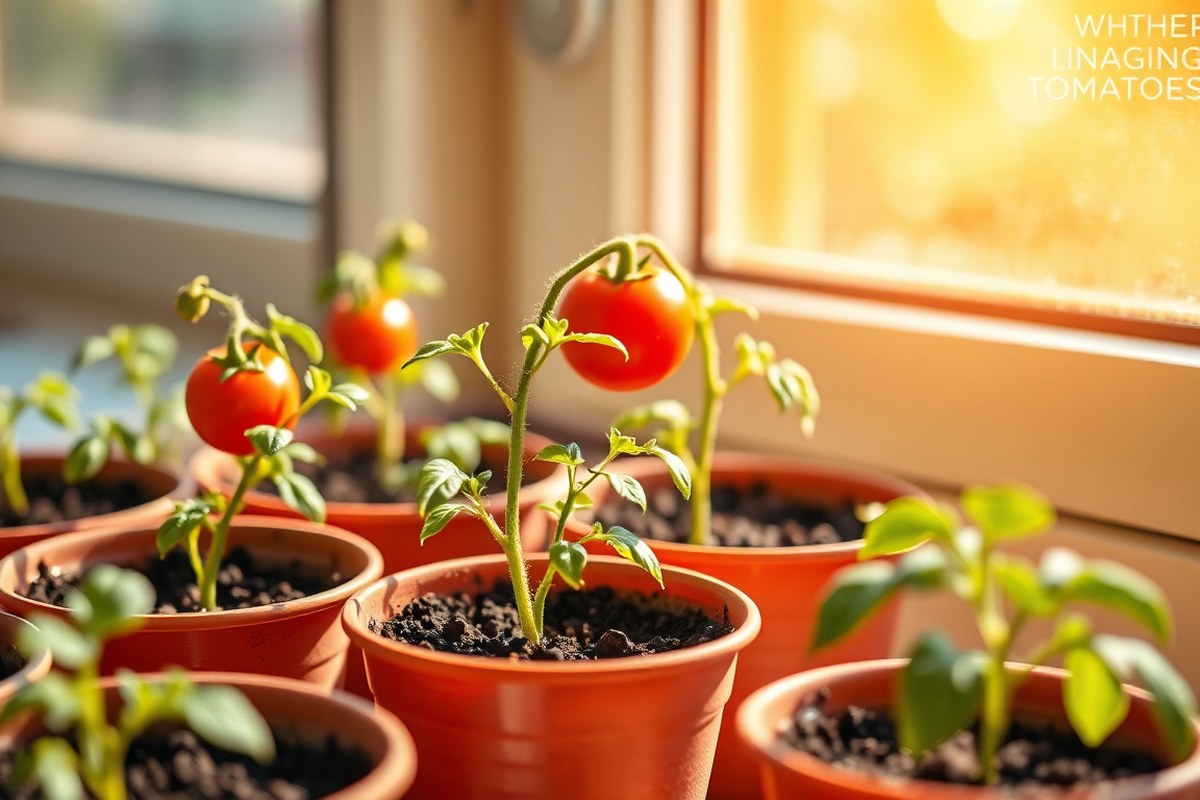
When seed tomatoes is a common question for gardeners aiming for a fresh summer harvest. Start them indoors about six weeks before the last expected spring frost in your area. This timing gives the seedlings enough time to grow strong before moving outside.
Tomatoes need warmth to thrive. So wait until soil temperatures hit 65°F or higher before transplanting. Keep an eye on nighttime lows too.
Tomatoes don’t like temperatures below 50°F after planting. Using a soil thermometer helps you pick the right moment to move seedlings outdoors safely.
Key Takeaways
- Start tomato seeds indoors six weeks before your last spring frost date.
- Keep seedlings under 12 to 16 hours of light daily for healthy growth.
- Wait to transplant until soil temperatures reach at least 65°F at 4 inches deep.
- Nighttime temperatures should stay above 50°F before planting seedlings outdoors.
- Use a soil thermometer to monitor soil warmth accurately each spring.
- Check a 10-day weather forecast to avoid late frost risks after transplanting.
When to Start Tomato Seeds Indoors for Your Zone
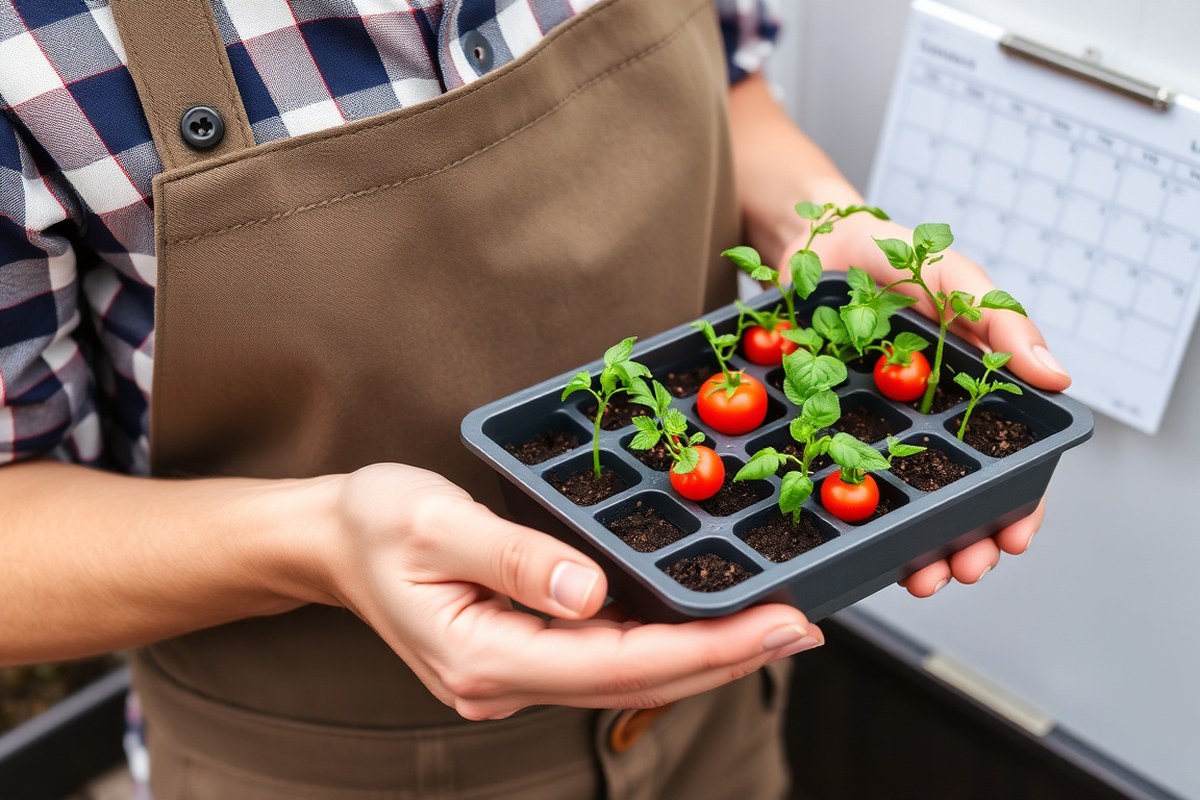
Start your tomato seeds inside about 6 to 8 weeks before frost. This lets the seedlings grow strong in warm conditions. Check online or local guides for your frost date.
Understanding Your Last Frost Date
Your last frost date is the average day in spring when frost stops damaging plants outdoors. It varies by USDA zone and local climate. Knowing this date helps prevent planting tomatoes too early and losing seedlings to cold.
Local extension offices, gardening websites, or apps often list these dates. For example, USDA Zone 6 has a last frost date near May 1st. This date guides when to start seeds indoors safely.
Counting Back 6 to 8 Weeks for Seed Start
Tomato seeds generally need 6 to 8 weeks indoors before outdoor planting. This time allows healthy growth and avoids weak seedlings. Start closer to 8 weeks for slower-growing varieties or cooler indoor temps.
Here’s how to decide your sowing date:
- Find your area’s average last frost date.
- Count back 6 to 8 weeks from that date.
- Pick a sowing date in that range to start seeds indoors.
- Use seed-starting mix and keep the temperature around 70, 80°F for best germination.
Suppose your last frost date is April 15th. Count back six weeks to March 4th.
Eight weeks earlier falls on February 18th. So, sow your seeds indoors between February 18th and March 4th.
Adjusting for Short or Long Growing Seasons
Short growing seasons may require starting seeds indoors earlier or using season extenders outdoors. Using tools like Wall-O-Waters can protect plants and allow earlier transplanting. In warm regions, you can start seeds later, reducing indoor care.
Growers with longer seasons can start seeds 6 weeks before frost. This saves indoor space and effort. Starting later works well when you have more warm days.
Consider the tomato variety too; fast growers need less indoor time. Outdoor soil temperature should be consistently above 60°F before transplanting.
| Last Frost Date | Start Seeds (8 Weeks Prior) | Start Seeds (6 Weeks Prior) | Ideal Sowing Window |
|---|---|---|---|
| April 1 | January 6 | January 20 | Mid-January |
| May 1 | March 6 | March 20 | Mid-March |
| May 15 | March 20 | April 3 | Late March/Early April |
| June 1 | April 6 | April 20 | Mid-to-Late April |
Ideal Soil and Temperature Conditions to Germinate Seeds
Tomato seeds need soil between 70°F and 80°F to germinate. This helps them grow quickly. Even warmth gives the best start.
This warmth encourages faster sprouting within five to ten days. Soil cooler than 60°F (15°C) slows germination and raises the risk of seed rot. Temperatures above 90°F (32°C) can stress or damage seeds.
Maintaining steady warmth under the seed tray is key. Use a seedling heat mat set to 75°F to 85°F. It keeps the soil warm inside the tray. This helps seeds sprout well.
Don’t trust only room temperature or sunlight for tomato seeds. They need steady bottom heat more than light. That breaks their dormancy.
Soil should be light, clean, and well-drained for best results. Avoid heavy garden soil or standard potting soil.
A quality seed starting mix lets moisture drain but still holds enough for seeds. Keep the soil moist but not soggy to avoid rot during germination.
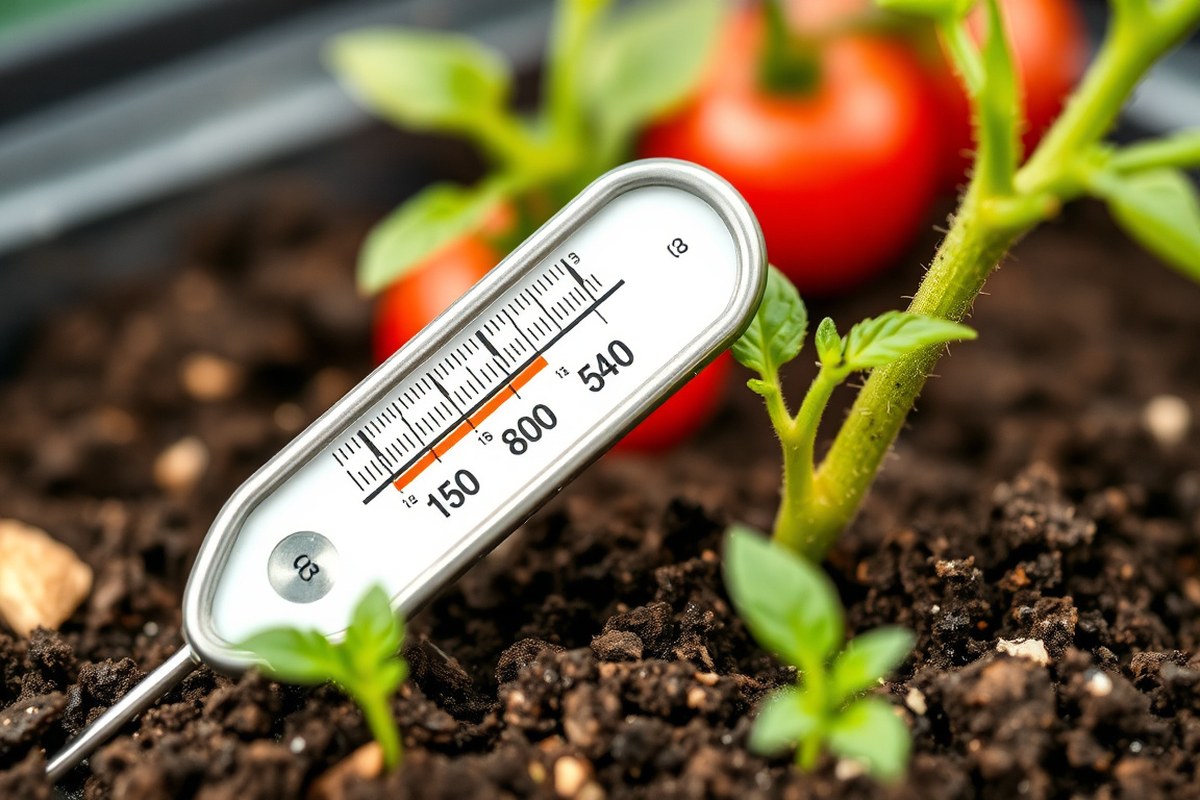
A soil thermometer costs around $10 to $12 and is easy to use in spring. Push a thermometer 2 to 4 inches deep next to seed trays. This checks if soil is warm enough.
It’s important for seed growth. Check soil temperature daily.
Add a heat mat or move trays if soil drops below 60°F. Keep temperature steady to help seeds sprout. Warmth is key for growth.
Keeping the soil warm and humid improves sprout success. Cover seed trays loosely with clear plastic or a humidity dome to trap moisture.
Remove covers once seeds sprout to prevent fungal problems. Place trays in a bright spot but never in direct sunlight until seedlings emerge.
Use a soil thermometer often and avoid planting seeds in cold soil. Cold soil causes slow or failed germination and can promote rot.
How Long Tomato Seeds Take to Germinate and Grow
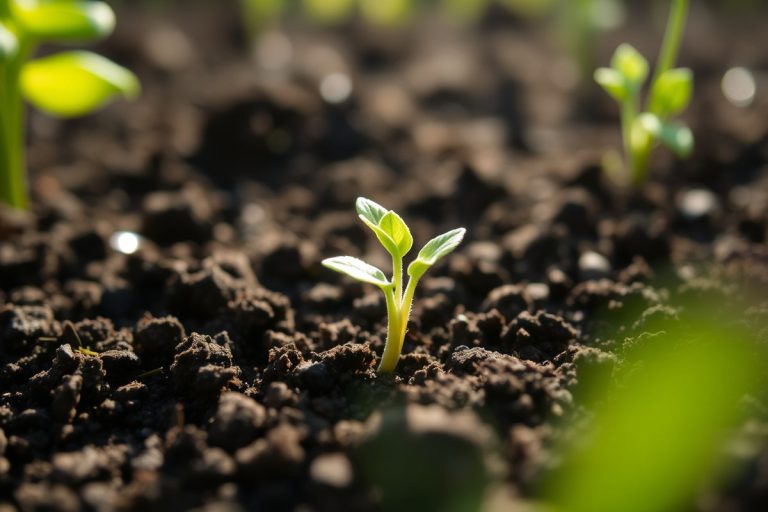
Tomato seeds usually sprout in 5 to 10 days under good warmth and moisture. The first signs of growth are small, rounded seed leaves called cotyledons. These leaves store energy to help the seedling grow initially.
True leaves show up around 10 to 14 days after seeds sprout. These leaves look like typical tomato leaves, not the round seed leaves. When seedlings have one or two sets of true leaves, they need more space.
- Thin seedlings when they reach about 1 to 2 inches tall
- Remove weaker seedlings to leave the strongest ones
- Pot seedlings individually into 3 to 4-inch (7 to 10 cm) pots
- Keep pots under grow lights for 12 to 16 hours daily
- Position lights 2 to 4 inches above the seedlings
- Maintain soil moisture but avoid waterlogging
- Watch for leggy growth, which means the light is too weak or far
Seedlings should be “pricked out” or thinned once they develop true leaves. Moving them early reduces competition for water and nutrients. This stage usually occurs around 2 to 3 weeks after planting the seeds.
Healthy seedlings will grow steadily if kept warm, lightly moist, and well-lit. Weak or slow sprouts often come from older seeds or poor conditions. Some tomatoes, like indeterminate types, need longer indoors.
They usually stay inside for about 8 weeks. This gives them time to grow big enough before going outside.
Differences in Timing for Determinate vs Indeterminate Varieties
Determinate tomatoes grow and fruit faster. So start their seeds about six weeks before transplanting outdoors.
Indeterminate tomatoes take longer to grow and need more indoor time before moving outside. Knowing these types helps you schedule seed starting to match your growing season and care needs.
Determinate Tomato Characteristics
Determinate tomatoes grow like bushes, stopping at a certain height. They usually mature faster, around 55 to 65 days after transplanting. These tomatoes produce all their fruit within a short time, making harvesting simpler.
Start determinate seeds indoors about six weeks before transplanting. Their bushy growth means you can give them less space for managing seedlings. These traits suit gardeners who want a quicker harvest and easier plant care.
Indeterminate Tomato Characteristics
Indeterminate tomatoes keep growing and producing fruit throughout the season. They can take 70 to 90 days or more to mature, depending on the variety. These plants usually need staking or cages because they grow tall and vine-like.
Grow indeterminate seeds indoors for up to 8 weeks before transplanting. Their longer indoor time helps seedlings develop strong stems for outdoor growth. These tomatoes need more care but reward you with fruit over many weeks.
Choosing Varieties for Your Season Length
Pick early-maturing varieties that harvest in 55 to 65 days. Use these if you have a short growing season. This helps ensure your tomatoes ripen before frost.
For example, some cherry tomatoes mature in 60 days. Larger varieties may need 90 days or more, which might not fit in cooler zones.
Your area has cool or cloudy summers. Try using shelter or greenhouse space. This helps tomatoes grow better in less sun.
These conditions slow large tomato varieties. Check days to maturity on seed packets before you plant.
This avoids planting tomatoes that won’t finish before frost. Make sure the harvest fits your growing season.
Here’s a table comparing timing and growth traits of common tomato types to help you plan:
| Tomato Type | Growth Habit | Typical Days to Maturity | Indoor Seed Start Time | Care Notes |
|---|---|---|---|---|
| Determinate | Bushy, compact growth | 55, 65 days | About 6 weeks before transplant | Needs less staking, harvest all at once |
| Indeterminate | Tall, vining growth | 70, 90+ days | 6, 8 weeks before transplant | Requires staking or caging, fruits over time |
| Early-Maturing Varieties | Varies, often bushy | 55, 65 days | Started 6 weeks before transplant | Good for short seasons |
Early varieties reduce risk of frost damage. Starting your seeds at the right time lets you make the most of warm months.
Recognizing When Seedlings Are Ready to Transplant Outdoors
Your tomato seedlings are ready to move outdoors at 15 to 20 cm tall. Wait until they reach this size before transplanting. Seedlings need at least two to three sets of true leaves.
These leaves come after the tiny seed leaves. These features show the plants are strong enough to handle the transplant.
Make sure the soil temperature outdoors is at least 60°F (16°C). A quick test is to push your finger into the soil about an inch deep.
The soil feeling warm is a good sign for planting. Waiting until two weeks after your last frost date helps avoid cold damage.
Before transplanting, seedlings should be hardened off. Spend 7 to 10 days gradually exposing them to outdoor sunlight and wind.
This toughens the plants up and reduces transplant shock. After hardening off, they can stay outside full-time if nighttime temperatures stay above about 50°F (10°C).
- Seedlings about 15, 20 cm (6, 8 inches) tall
- Two to three sets of true leaves developed
- Soil temperature consistently above 60°F (16°C)
- No frost risk for at least two weeks
- Seedlings hardened off for 7, 10 days
- Night temperatures stay above 50°F (10°C) after transplant
Choose a day with mild, calm weather for transplanting. Use a gardening trowel to lift seedlings gently from their pots.
Keep the soil around the roots intact when moving them. Plant them deep enough so stems are partly underground; this encourages strong root growth.
Planting tomato seedlings in cold or wet soil slows growth and risks disease.
Plants that are too small or not hardened off may wilt. They might also grow slowly after transplanting.
Transplanting too early often leads to frost damage or poor yield. Waiting for these signs ensures your tomatoes get off to a strong start.
Step-by-Step Hardening Off Process for Tomato Seedlings
The hardening off process helps tomato seedlings adjust to outdoor weather safely. It takes a week or longer to avoid shock from sun, wind, and cooler temperatures. Gradually increasing time and sun exposure strengthens the plants for planting in the garden.
Starting with Short Outdoor Exposure
Begin by placing seedlings outside in a shaded spot for two hours. This shields them from direct sun and wind while testing how they handle fresh air. Keep the soil moist but avoid overwatering during these first outings.
Choose a calm day above 50°F (10°C) to start, since colder weather stresses seedlings. Avoid windy or cloudy days that could confuse the plants’ adaptation process.
Increasing Time and Sunlight Gradually
On days three and four, increase outdoor time to three to five hours. Introduce gentle morning sun but protect seedlings from harsh midday rays and wind gusts. Check soil moisture often; pots dry faster outdoors than indoors.
Extend outdoor hours each day until seedlings stay out all day and overnight. Avoid planting if soil temperature stays below 60°F (15°C).
Cold soil slows down root growth. This stress weakens plants.
Final Preparations Before Planting Outdoors
After seven to ten days, seedlings should look tougher with darker stems and smaller leaves. At this point, they’re ready to handle full sun and wind without wilting. Water seedlings deeply the evening before transplanting, ensuring roots stay moist.
Support young tomato plants with stakes or strings once placed in the garden. This prevents stress on roots from excessive movement and prepares the plants for strong growth. Follow these easy steps over 7 to 10 days to harden off your tomato seedlings:
- Move seedlings outdoors to dappled shade for 2 hours the first day.
- Bring seedlings inside overnight to avoid cold temperatures.
- Increase outdoor time to 3, 5 hours and add morning sun days 3, 4.
- Protect seedlings from strong wind and hot afternoon sun.
- Check and water soil daily to keep it moist but not soggy.
- Extend outdoor exposure until seedlings stay outside all day and night.
- Watch for firm stems and smaller leaves signaling readiness.
- Transplant seedlings when outdoor soil is above 60°F (15°C).
Risks of Planting Too Early or Too Late and How to Avoid Them
Planting tomatoes too early risks severe frost damage and stunted growth. Cold soil makes roots stop absorbing water and nutrients, which weakens seedlings fast. Wait until soil temperature stays above 60°F (16°C).
No frost should be expected for two weeks. This helps avoid cold soil problems.
On the other hand, planting too late shortens the growing season and reduces fruit yield. Temperatures above 95°F cause flowers to drop and stop fruit from forming. Plan your planting so tomatoes mature before the peak summer heat but after frost danger passes.
Check soil temperature at 4 inches deep for accuracy. Air temperature alone doesn’t give the full picture. This method guides better planting timing.
Look for consistent warmth, with nighttime temps above 50, 55°F (10, 13°C). Seedlings under 15 cm tall likely aren’t ready for planting yet, indicating you should wait.
- Cold soil stops root water and nutrient uptake, wait for 60°F soil
- Frost damages leaves and can kill young tomato plants
- High heat over 95°F leads to flower drop and poor fruit set
- Plant after danger of frost, no frost forecast for 2 weeks
- Ensure soil temperature is consistently above 60°F at root depth
- Wait for night temperatures above 50, 55°F for good growth
Early planting warning signs include pale, wilted leaves and very slow growth. Seedlings may look weak or roots might not spread well. This can mean the soil is still too cold.
Cover plants at night with frost blankets or cloches. Add mulch to the soil to help keep it warm. These steps repair early planting damage.
Delayed planting often leads to smaller plants with fewer tomatoes before frost hits again. To extend your season, try planting a second crop in late summer after harvesting early tomatoes. You can also choose faster-maturing cherry tomato varieties to get fruit sooner in short seasons.
Tools and Tips for Monitoring Temperatures and Growing Conditions
To monitor soil temperature effectively, get a soil thermometer designed for gardening. It costs around $10 to $20 and gives quick, accurate readings. Stick your thermometer into seed-starting soil.
Check if temperature is 70°F to 80°F. This range works best for tomato seed germination. Checking daily helps you spot cold spells or heat buildup you might miss otherwise.
Indoor seedlings need steady warmth and light. A seedling heat mat set to about 75°F under your pots speeds germination. Use a thermostat with the heat mat.
This stops overheating. Overheating can dry out seeds or stop growth. Grow lights suit indoor seed starting well.
They’re handy if natural light is weak. Starting seeds early spring also benefits. Keep lights 2 to 4 inches above seedlings.
Turn them on 12 to 16 hours every day. Raising the lights higher causes leggy seedlings, while too low heats or burns leaves.
Check weather forecasts regularly to pick the right transplant day. In northern areas, soil often stays under 55°F until late May. Air may feel warmer but soil stays cool.
Hold off planting outside until nighttime soil temperatures reach about 55°F or higher. Indoors, keep soil moisture steady but never soggy. Wet soil cuts oxygen and causes rot.
Use seed-starting mix in containers. It offers better drainage and finer texture.
Position grow lights 2 to 4 inches above but not touching leaves. This helps prevent legginess and leaf burn.
Step-by-Step Action Plan for Starting Tomato Seeds
Follow this plan to start your tomato seeds on time. Grow strong seedlings. Get them ready for your garden.
- 4 to 6 weeks before last frost: Sow tomato seeds indoors in seed-starting mix. Check for sprouting within 7 to 14 days.
- After germination (about 2 weeks): Keep seedlings under grow lights or in a sunny window. Look for strong stems and two sets of true leaves.
- Week 3: Put seedlings outside in the shade for 1-2 hours. This helps them adjust slowly. Increase outdoor time daily if they look healthy.
- Week 4 (before transplant): Leave seedlings outside during the day. Bring them indoors at night. This makes them tougher. Stop if temperatures drop below 50°F.
- After last frost date: Transplant seedlings outdoors into warm soil. Water well and watch for any stress signs like wilting.
- One week after transplant: Feed plants with a balanced fertilizer for healthy growth. Add mulch to keep soil warm and moist.
Frequently Asked Questions
How Deep Should I Plant Tomato Seeds When Sowing?
Plant tomato seeds about 1/4 inch deep in the soil. This depth helps retain moisture and warmth for good germination without suffocating the seed.
Can I Reuse Seed Trays for Starting Tomato Seeds?
Yes, but wash seed trays well with soap before reuse. This prevents diseases that can harm young tomato seedlings.
Should I Soak Tomato Seeds Before Planting?
Soaking tomato seeds overnight can speed up germination. It softens the seed coat, letting moisture reach the embryo faster.
How Long Should I Keep Tomato Seedlings Under Grow Lights?
Keep seedlings under grow lights about 12 to 16 hours per day. This gives them steady light to grow strong without burning them.
Can I Start Tomato Seeds Outdoors Instead of Indoors?
Starting tomato seeds outdoors usually isn’t advised unless your climate is warm. Indoor starting protects seeds from cold and pests early on.
What Do I Do If Tomato Seeds Don’t Germinate in Two Weeks?
Check the soil temperature; it may be too cold or wet. Try using a heat mat and avoid overwatering to encourage germination.
Key Points to Remember
Timing your tomato seed start and transplant steps helps grow healthy plants and better tomatoes. Begin with your local frost date and watch seedlings closely. Next, prepare your transplant spot so seedlings get the best start outdoors.