How to Cut Back Clematis for Best Blooms and Healthy Growth
Knowing how to cut back clematis helps you boost blooms and keep plants healthy. The main rule is to prune based on your clematis group. Group 3 clematis need a hard cut back every late winter or early spring.
Cut all stems to about 12-18 inches from the ground for Group 3 types. Make cuts just above a healthy bud at a 45-degree angle. This promotes strong new growth and better flowering on the new wood.
Group 2 clematis get lighter pruning, usually in late winter to early spring. Trim only the weak or dead stems, leaving healthy growth intact. Group 1 types need minimal pruning because they bloom on old wood.
Starting with the right timing for your clematis group makes pruning easier. Using clean, sharp tools helps prevent damage or disease. Removing old growth also improves air flow and reduces pests.
Key Takeaways
- Prune Group 3 clematis hard in late winter or early spring.
- Cut Group 3 stems back to 12-18 inches from the ground.
- Cut at a 45° angle right above a strong, healthy bud.
- Lightly prune Group 2 clematis in late winter before new growth.
- Leave most Group 1 clematis unpruned since they bloom on old wood.
- Prune newly planted clematis to about 12 inches above ground each spring.
Which Clematis Should You Cut Back and When?
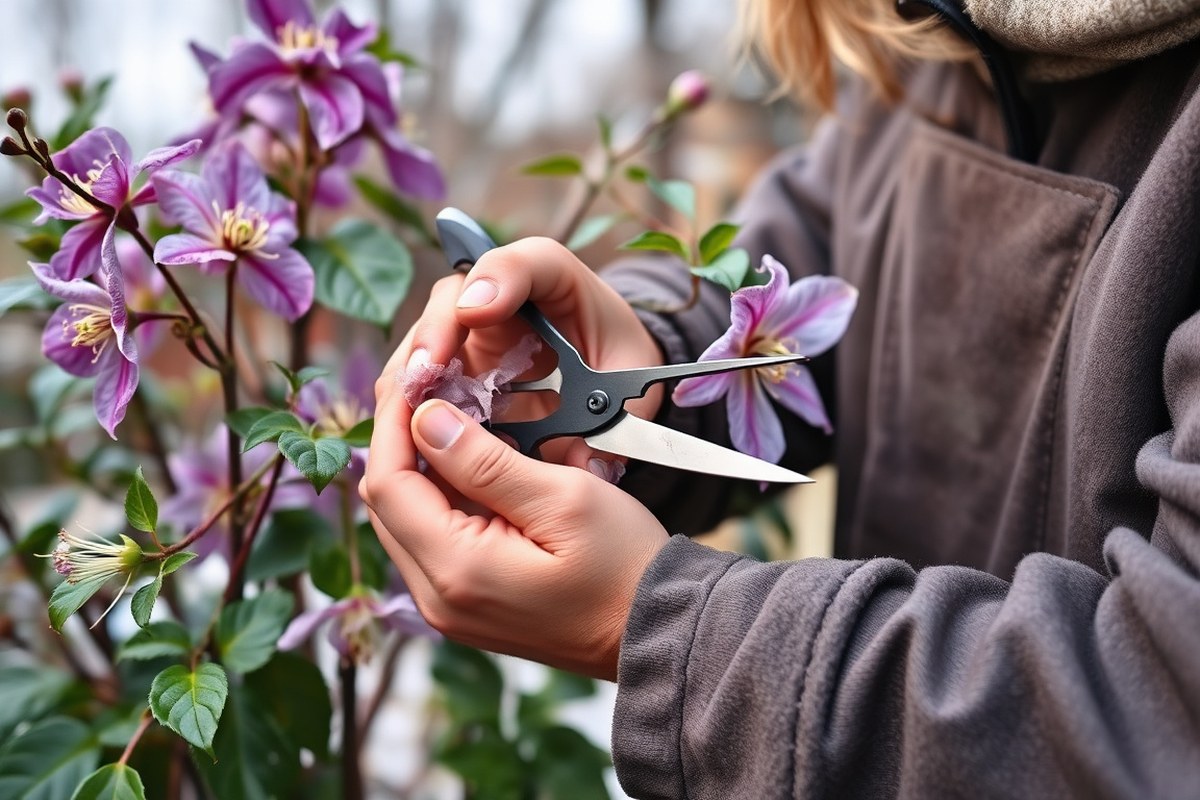
Knowing which clematis group you have helps decide when and how to prune. Clematis split into three groups based on their bloom time and pruning needs. Cutting back at the right time keeps the plant healthy and encourages better flowers.
| Group | Bloom Time | Pruning Window | Action |
|---|---|---|---|
| Group 1 | Early spring | After flowering | Remove dead wood only |
| Group 2 | Spring + summer | Late winter | Light prune, remove weak stems |
| Group 3 | Late summer | Early spring | Cut back to 12-18 inches |
You can identify your clematis group by when the plant blooms. When it flowers in early spring on last year’s wood, it’s Group 1. Prune these right after blooms fade, only removing dead branches.
Group 2 plants bloom in spring and summer. They handle a light prune in late winter to clear weak stems.
Group 3 clematis bloom on new wood in late summer. Cut them back hard every late winter or early spring. Cut to 12 to 18 inches tall.
This helps them grow healthy. This pruning encourages strong new shoots for the coming growing season. Avoid cutting Group 3 too early in winter.
Wait until just before spring growth starts to avoid frost damage. Group 2 can also benefit from light pruning at this time.
Some climate or variety differences affect pruning timing. In colder zones, wait until the risk of frost passes before pruning Group 3. Watch for the first flowers if you’re unsure about bloom time.
This shows when yours blooms. Noting the month helps place it in the right pruning group. Newly planted clematis should be cut back in their first spring.
Cut about 12 inches (30 cm) above the ground. This encourages strong growth.
How to Cut Back Group 3 Clematis Correctly
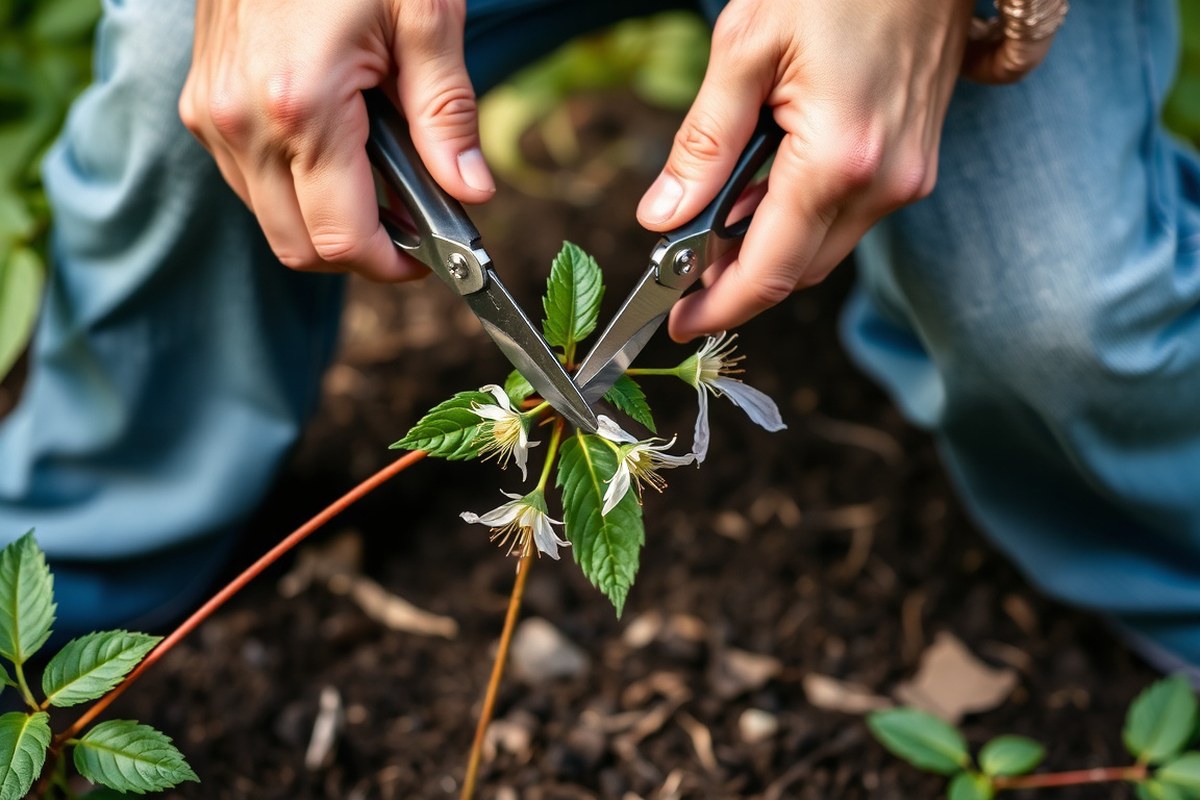
Group 3 clematis need a hard prune each year in late winter. Cut all stems back to about 15 to 30 cm above ground.
Make sure to cut just above a strong bud. This sharp pruning helps the plant produce lots of new growth and big late summer flowers.
Timing Your Hard Pruning
Prune Group 3 clematis in late winter before new shoots start showing. This timing avoids cutting away developing buds. It also stops the plant from becoming a tangled mess of old and new stems.
For new clematis planted last year, prune hard the first spring after planting. This jump-starts healthy growth. Avoid pruning right after blooms as it won’t help late summer flowers.
Cutting Technique and Stem Selection
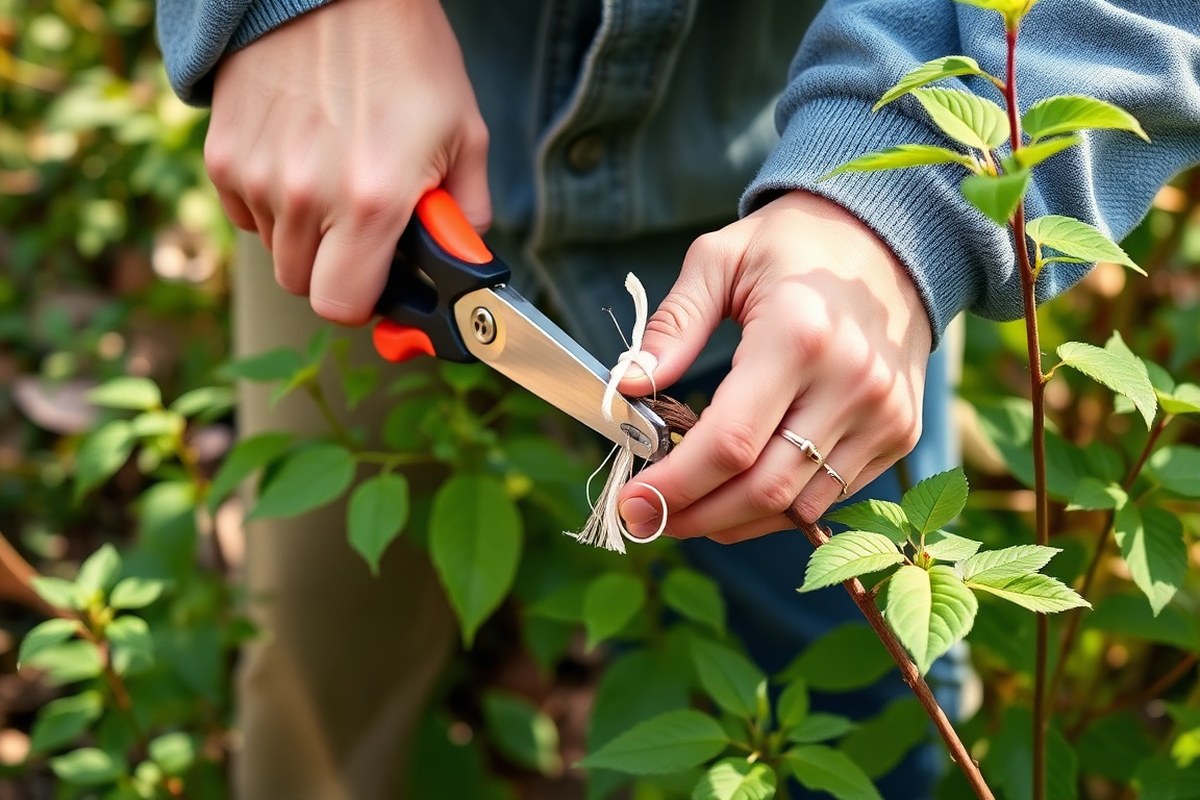
Use sharp, clean pruning shears to make smooth cuts. Cut each stem back to the first pair of healthy buds.
This is usually 15 to 30 cm high. Hold the stem steady to avoid damaging the buds.
Make cuts at a 45-degree angle, about ¼ inch (6 mm) above a healthy bud. Angled cuts help water run off, reducing the chance of rot. Pick buds that look plump and firm, not shriveled or brown.
- Identify old stems that need cutting back to a pair of healthy buds.
- Check each stem for any dead or damaged parts and remove those first.
- Position your pruning shears at a 45-degree angle above a healthy bud.
- Make a clean cut without crushing the stem or the buds below.
- Repeat cutting for all stems, keeping the plant’s shape in mind.
- Clear away all cut material to prevent disease and pests.
Be careful not to cut too close to the buds. Damaging them stops the plant from growing back well.
Aftercare Post-Pruning
Once pruned, water the clematis well during dry periods. This supports new shoot growth. Adding mulch around the base helps keep roots cool and moist.
Feed with a balanced fertilizer in early spring to boost healthy growth. Keep an eye on the plant as shoots start to grow. Watch for pests or diseases in the bare stems.
Light Pruning Methods for Group 2 Clematis
Light pruning helps keep Group 2 clematis healthy and blooming well. It removes only dead or weak growth. New buds stay protected.
These buds flower in both spring and summer. Timing and careful cuts make all the difference in strong blooms.
Identifying Weak or Dead Stems
Look closely at your clematis stems to find dead or weak parts. Dead stems feel dry and brittle, often with no green inside when snapped. Weak stems are thin, spindly, or struggling to grow with fewer leaves.
Remove these parts first to improve the plant’s shape and air flow. Avoid cutting healthy green stems where new buds form. This careful selection preserves the energy for blooms next season.
When and How Much to Prune
Light pruning happens in early spring before new growth starts. This timing lets you cut away old wood without harming new buds. Cutting back about one-third of last year’s growth is enough to encourage fresh flowers.
Don’t prune hard like you would for other groups. Removing too much growth risks losing this year’s spring blooms. Pruning right away after spring blooms is also good for encouraging summer flowers.
- Prune in early spring, around March or April
- Remove about 30, 35% of old stems
- Cut dead or weak stems at the base
- Trim spent flowering shoots lightly after spring bloom
- Save healthy stems with buds for summer flowers
Following these steps balances growth and flowering well. The plant stays attractive without stress from over-pruning.
Protecting Developing Buds During Pruning
Focus on cutting only dead or weak stems to protect new buds. Use sharp pruning shears to minimize damage and make clean cuts. Avoid cutting green tips or swelling buds that show signs of bloom.
See clusters of healthy buds? Avoid trimming stems near these buds.
Light pruning preserves the two flowering times unique to Group 2 clematis. Protecting buds now means enjoying flowers from spring to late summer.
Minimal Pruning Needs for Group 1 Clematis
Group 1 clematis need very little pruning because they bloom on old wood. You only remove dead or damaged stems, usually right after their spring bloom. Avoid cutting back healthy stems, or you’ll lose next year’s flowers.
After the flowers fade, take a close look for any brown or dead branches. Cut these off at the base with sharp, clean tools to keep the plant healthy. This mild pruning helps air reach the center, reducing disease risks without hurting blooms.
Heavy pruning can harm Group 1 clematis since they form buds on older branches. Cutting too much can remove all flower buds and stop blooming for that season. Focus on cleaning up only and leave most of the old wood intact.
If you have an older plant with many stems, thinning out a few weak or crowded branches is fine. Do this after flowering, cutting those stems back to ground level. This opens space for new, strong growth that will bloom next spring.
Deadheading spent flowers can extend the blooming period a little. Snip off the faded blooms just above healthy leaves or buds. This encourages the plant to focus energy on forming more flowers, not seed pods.
You don’t need elaborate tools for Group 1 pruning. Simple hand pruners will do for most tasks.
Wear gloves to protect against rough stems. Clean your tools before and after pruning to avoid spreading disease.
Group 1 clematis usually need this pruning routine only once a year. Doing it in late spring to early summer is best, right after flowers finish. This timing helps the plant recover and build strong buds for next year’s bloom.
Tools, Safety Tips, and How to Prepare for Clematis Pruning
Start with sharp bypass pruners to make clean cuts on clematis stems. Dull blades can crush stems and harm the plant. Keep pruners sharp by using a good-quality sharpener like Felco.
Sharpen before you start and also during your pruning work. This keeps cuts clean and easier to make.
Clear all dead leaves and debris near your plant first. This helps prevent slipping and tool contamination.
Choose a dry, cloudy day in late winter or early spring for pruning. Wet weather spreads disease and makes cutting harder.
Wear gloves and eye protection while pruning. Gloves protect against sap and thorns.
Eyes need shielding from sudden branch snaps. Keep first aid supplies nearby just in case.
- Use sharp bypass pruners, not anvil types
- Clean tools with rubbing alcohol before starting
- Prune on dry, overcast days to reduce disease risk
- Wear gloves and safety glasses to prevent injury
- Clear the ground of debris and fallen leaves first
- Cut stems at a 45-degree angle about 1/4 inch above a bud
- Mulch with 2 to 4 inches of organic material after pruning
Cleaning your tools with rubbing alcohol keeps diseases from spreading between plants. After you prune, add 2 to 4 inches of organic mulch around your clematis. Use shredded bark or compost to protect the plant base.
Mulch helps hold moisture and keeps weeds down. This insulates roots and holds moisture. Avoid piling mulch against the stem to prevent rot.
Always disinfect pruning tools between cuts if your clematis shows signs of disease.
Preparing the plant and area for pruning takes about 10 minutes. Keeping your tools sharp and clean helps pruning go smoothly.
Safety gear may seem extra but prevents common cuts and eye injuries. Applying mulch within a week after cutting protects new growth over winter and improves spring blooms.
Common Pruning Mistakes and How to Fix Them
Cutting back clematis wrong can slow growth or kill blooms. Group 1 and 2 plants often get pruned too hard, removing flower buds. You might cut stems down to the ground by mistake.
Sometimes, you only need to trim dead tips or thin branches. Avoid cutting too much at once.
Over-pruning Group 1 or 2 clematis stops flowers that form on old wood. The plant may look bare or miss flowers. This often happens when you cut too much.
To fix this, wait for new growth and prune only dead wood next season. Avoid hard cuts until you see how it recovers.
Under-pruning leads to tangled stems, fewer flowers, and weak growth. You can fix this by gradually thinning old wood over two or three years. Avoid cutting too many vines in one season, or the plant will weaken.
Removing tangled old wood requires care to avoid damage. Use sharp pruners and cut one stem at a time near the base.
Pull away vines gently to see what’s alive and what’s dead. Don’t yank or force branches to prevent breaking healthy stems.
- Check stem type before cutting, know if buds form on old or new wood.
- Prune Group 1 and 2 lightly in late winter to keep flower buds intact.
- Thin old, crowded stems gradually for better air and light.
- Cut dead stems at the base to reduce disease risk.
- Use clean, sharp tools to make clean cuts.
- Remove tangled stems slowly to avoid tearing healthy vines.
- For severe overgrowth, spread renovation cuts over multiple years.
Gradual renovation works better on older, overgrown clematis. Hard pruning can shock plants that bloom on old wood. You’ll see signs like fewer leaves or stunted shoots if you prune wrong.
Letting the plant recover slowly keeps it healthy. You regain full blooms after a couple seasons.
Preparing Clematis for Winter Without Cutting Back
Most clematis don’t need cutting back before winter. These plants are hardy enough to survive cold temperatures without heavy pruning. Leaving the stems helps protect the crown and leads to stronger growth next year.
Protecting the roots is more important for winter care than cutting stems. Add a 2-3 inch layer of organic mulch around the base. Mulch keeps soil moist and even in temperature, preventing root damage during freezing spells.
Potted clematis especially need extra care for winter. Their roots sit above ground and freeze faster. Move pots indoors where it’s warmer than freezing to protect them.
Wrap pots with insulation if you can’t move them inside. This keeps roots safe from cold damage.
Pruning can reduce the plant’s cold hardiness if done too late in the season. Avoid cutting clematis in late fall or winter because it removes protective stems. Cutting back during the growing season is better for maintaining winter survival.
A heavy, unpruned clematis can get top-heavy and block light from lower stems. But pruning is best done in early spring, not winter. The plant stays sturdier through winter when you keep stems intact and protect roots with mulch.
Pruning Newly Planted and Older Clematis for Best Growth
Cut back clematis right after planting to help it grow strong. This helps the plant focus its energy. It grows healthy new shoots this way.
Doing this carefully avoids damage to young vines and brings older ones back to life. Timing and method depend on plant age and condition.
First Spring Pruning for New Plants
When clematis is newly planted, prune it in early spring before growth starts. Cut all stems about 12 inches above soil. This encourages strong new growth from the base.
Don’t cut too close to the ground. Leave at least two buds on each stem for new shoots. Pruning weak or broken stems helps young plants save energy for bigger, healthier growth.
- Find the base of the plant where stems meet soil.
- Use clean, sharp pruners to cut stems 12 inches above soil level.
- Check that each cut stem has at least two healthy buds.
- Remove any dead or damaged wood you see.
- Clear away old leaves and debris around the base to prevent disease.
Prune new clematis early in spring before buds swell to avoid cutting new growth.
Rejuvenation Pruning Strategy for Older Vines
Old or overgrown clematis can recover with a slow, gradual pruning approach. Cut back heavy stems in stages over two or three seasons. This stops shock and lets the root system support fresh shoots.
Start by removing up to one-third of old stems down to 6-12 inches above soil. Next season cut back more until the vine grows vigorously again. Over-pruning old plants in one go can stunt growth.
- Identify the thickest, oldest stems first.
- Cut about one-third of those stems down to 6-12 inches from soil.
- Leave younger, thinner stems untouched to keep some leaf cover.
- Next spring, prune another third of old wood similarly.
- Repeat until the plant produces strong new growth coming from the base.
Prune slow on old clematis to avoid killing the plant’s root strength.
Encouraging Strong Healthy Growth After Pruning
After pruning, support clematis with proper watering and feeding. Keep soil moist but not soggy. Fertilize with a balanced 10-10-10 formula after new shoots appear, usually four to six weeks later.
Train the new shoots on a support like a trellis or wire to avoid damage. Remove any weak or crossing stems to improve air flow and reduce disease. Monitor growth weekly during spring.
- Water the plant deeply right after pruning and regularly during growth.
- Apply balanced fertilizer four to six weeks after pruning new shoots form.
- Secure new vines to supports gently but firmly.
- Trim any weak or dead shoots as they appear.
- Keep the surrounding area weed-free and mulched to retain moisture.
Support new clematis shoots early to prevent wind damage and broken stems.
Step-by-Step Action Plan for Cutting Back Clematis
This simple plan helps you cut back clematis right now. Follow these steps and watch your plant thrive after pruning.
- Before pruning season: Identify your clematis group by checking its label or growth habits. This helps you know the right pruning method.
- Late winter (for Group 3): Cut stems down to 12-18 inches above the ground. You’ll see strong new shoots in spring.
- Early spring (for Group 2): Do light pruning, removing dead stems and trimming weak growth. The plant stays healthy with more blooms.
- Late winter or early spring (for Group 1): Prune only to shape if you need to. Remove old flowering stems. New growth will come from old wood.
- After pruning: Clean your tools with rubbing alcohol to stop disease. This keeps your plant safe next time.
- Throughout growing season: Observe new shoots and remove any dead or damaged stems quickly. Your clematis will stay vigorous.
- Before winter: Mulch around the base without cutting back unless using Group 3 clematis. Mulch protects roots and buds.
Frequently Asked Questions
How Hard Should You Cut Back Clematis in Spring?
Cut back clematis hard to about 12-18 inches in early spring. This encourages strong new growth and healthy blooms later in the season.
Can You Prune Clematis in Summer?
Light pruning of Group 2 clematis can be done in summer. It helps remove weak stems and improves airflow but avoid heavy cutting.
What Happens If You Cut Back Clematis Too Late?
Cutting clematis too late risks removing flower buds and reducing blooms. Prune in late winter or early spring for best results.
Should You Remove Dead Clematis Stems Before Winter?
Remove dead clematis stems before winter to prevent disease issues. Leaving healthy stems intact protects the plant during cold months.
How Often Should You Replace Pruning Tools When Cutting Clematis?
Replace or sharpen pruning tools yearly for clean cuts on clematis. Dull blades can damage stems and increase infection risk.
Can You Prune Clematis Near a Fence or Wall?
You can prune clematis near fences or walls, just watch your cuts. Make sure to clear old stems and give space for growth.
Key Points to Remember
Cutting back clematis correctly depends on knowing its pruning group and timing. Follow these steps to keep your clematis healthy and blooming. Start by identifying your clematis group today.