How to Prune a Money Tree Plant: Simple Steps for Healthy Growth and Shape
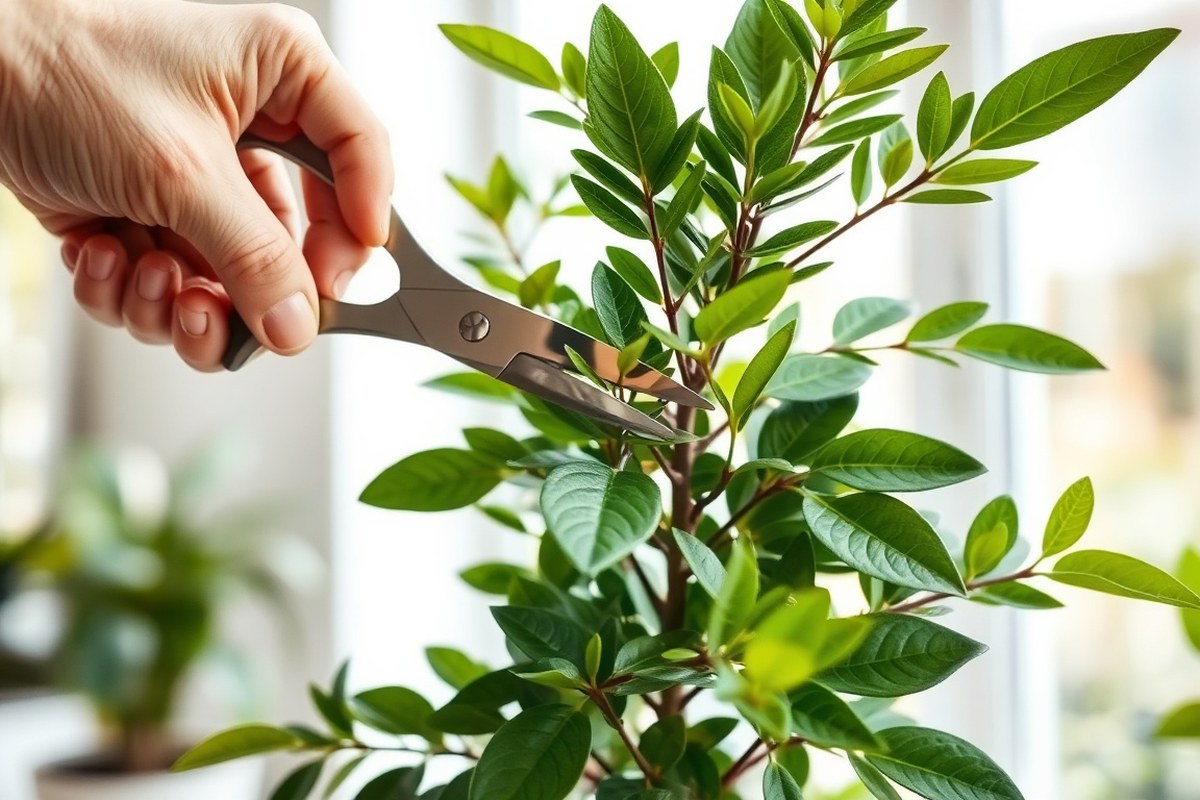
Knowing how to prune a money tree plant helps keep it healthy and well-shaped. Use sharp, sterilized bypass shears and cut just above a leaf node at a 45-degree angle. Avoid cutting more than 20 to 25 percent of your plant’s leaves.
Doing more may cause stress. Trim little by little to keep the plant healthy.
Start by standing back 2 to 3 feet to spot any tall or leggy branches. Prune those stems down to a lower node to redirect growth energy. Bright, indirect sunlight after pruning helps the plant recover and grow new shoots.
Pruning can take about 15 minutes. If your plant is very full, prune again later. Repeat pruning keeps the plant from getting too big.
Split large pruning jobs into two or three sessions spaced 2 to 3 weeks apart. This prevents shock and keeps your money tree vibrant and bushy over time.
Key Takeaways
- Use sterilized bypass shears for clean, safe cuts on your money tree.
- Make a slanted cut about 0.5 to 1.5 cm above a healthy growth spot. Aim for a 45-degree angle with your scissors or knife. This helps the plant heal faster.
- Remove no more than 20, 25% of foliage during one pruning session.
- Prune leggy branches back to lower nodes to encourage bushier growth.
- Space heavy pruning over 2, 3 sessions, 2 to 3 weeks apart.
- After pruning, place the tree in bright, indirect light for at least 6 hours daily.
How to Prune a Money Tree Plant Safely and Effectively
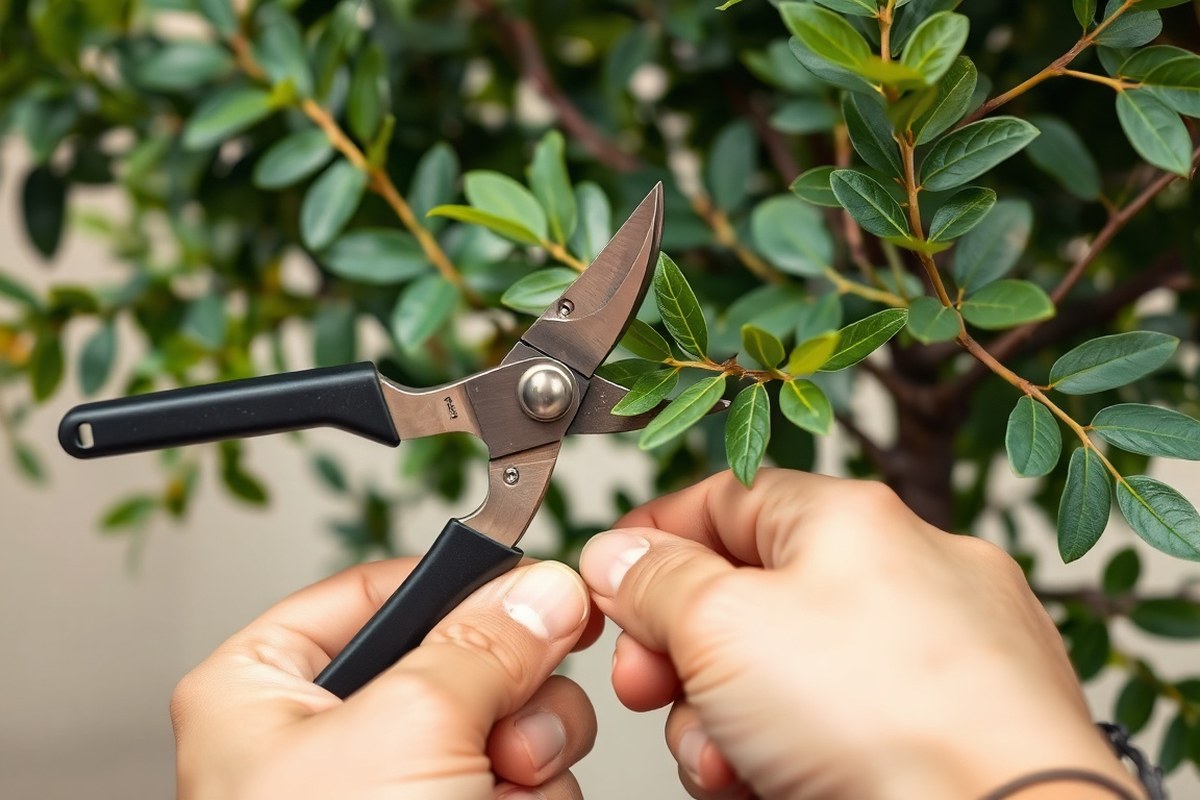
Pruning your money tree correctly means using the right tools and making precise cuts. Sterilized bypass pruning shears are best because they make clean cuts without crushing the stems. Make the cut at a 45-degree angle above the leaf node.
Leave about half an inch of stem above the node. This helps new growth and stops water damage or disease.
Place your blade just above where the leaf or branch meets the stem. This is the correct spot for a good pruning cut. It helps the plant heal properly.
This spot, called a node, has cells ready to sprout new leaves or branches. Leaving about 0.5 to 1.Leave about 1/4 to 1/2 inch (5 cm) between the node and cut.
This space helps the plant heal quickly. Energy then goes to the right areas.
Using clean, sharp tools is important. Dirty or dull shears can harm the plant or spread infections. You can sterilize your tools with rubbing alcohol or a diluted bleach solution.
Don’t prune if your money tree looks weak or stressed out. Pruning then can slow healing or cause more shock. Wait until it’s healthier to prune.
- Gather sterilized bypass pruning shears prepared with rubbing alcohol.
- Identify healthy leaf nodes to target for pruning cuts.
- Position the shears at a 45-degree angle about 0.5, 1.5 cm above the node.
- Make a smooth cut, avoiding crushing or tearing the stem.
- Only cut back 20 to 25% of the leaves at once. Removing too many leaves can hurt the plant. Take it slow to keep your money tree healthy.
- Rotate the plant as you prune to ensure even shaping.
- Dispose of trimmed parts carefully to prevent any pest issues.
Pruning gently and in stages helps keep your money tree balanced and healthy. Sharp angled cuts speed up healing and lower infection risks. Pruning evenly around the plant creates a neat, full shape without stressing any one area.
When and How Often Should You Prune Your Money Tree?
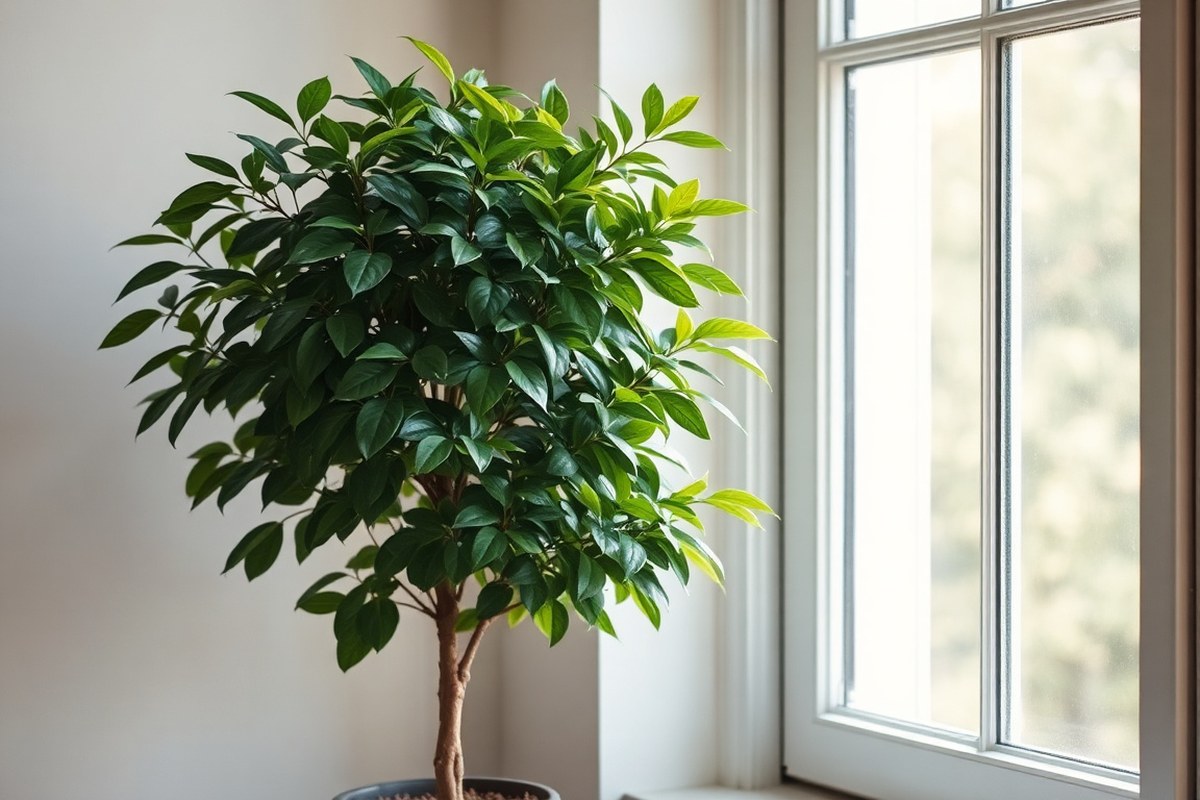
Prune your money tree mainly during its active growth periods to avoid stress. The best times are late spring and early fall. The plant naturally grows new leaves then.
These times are ideal for repotting your money tree. Pruning during these windows helps your plant heal faster and encourages fuller growth.
Avoid heavy pruning in fall and winter. Your money tree enters dormancy then, so major cuts can harm it.
You can do light maintenance in summer if there’s dead or damaged foliage. But don’t expect major growth changes.
| Season | Ideal Activity | Why? |
|---|---|---|
| Spring (March, May) | Light shaping prune, deadheading | Stimulates new growth as daylight increases |
| Summer | Maintenance and observation | Wait for major issues; avoid heavy pruning |
| Fall (Sept, Oct) | Light shaping prune | Supports second growth cycle before dormancy |
| Winter | Dormancy observation only | Avoid major pruning to prevent stress |
Prune your money tree only when it looks healthy and actively growing. Heavy pruning shocks the plant and can slow growth. Keep cuts minimal during dormant months and focus on shaping during growth seasons.
Never remove more than one-third of your money tree at once. Over-pruning can cause lasting stress and damage.
Regular pruning every 6 to 8 weeks during spring and fall encourages a strong, bushy shape. Skip pruning if the plant shows signs of stress like drooping or leaf loss. Watching your money tree’s seasonal cycles guides you on exactly when to trim.
How Much of Your Money Tree Can You Cut at Once?
Only cut 20 to 30 percent of your money tree’s branches at once. Pruning too much can stress the plant. Do this in small steps.
This limit reduces stress and keeps your plant healthy. Cutting too much at once can shock the plant, making leaves droop or fall.
Start by watering your money tree well before pruning. This keeps it hydrated and helps reduce stress during cutting.
Avoid abrupt, random cuts. Always cut stems just above a node or leaf to encourage new growth.
Prune your money tree in two or three sessions to avoid overcrowding. This helps control very tall plants better.
Space these sessions 2 to 3 weeks apart for gradual shaping. This approach lowers the risk of infection and over-stressing the plant.
After pruning, place your plant in a spot with good light but no direct sun. Rotate it 90 to 180 degrees every two to four weeks. This helps even out growth and prevents the plant from leaning toward light.
Keep humidity around 50 percent by setting your plant on a pebble tray with water. This environment helps avoid crispy leaf edges. Don’t fertilize immediately after heavy pruning to give your money tree time to recover.
Don’t worry when you cut a bit too much by accident. Your money tree can usually recover fine.
Money trees bounce back well with proper care. Watch for drooping or browning and adjust watering and light if needed to support recovery.
How to Prune Money Tree Branches That Are Too Tall or Leggy
Pruning your money tree can fix tall, leggy growth and help shape it nicely. Cutting back long stems encourages fuller growth and keeps your plant balanced. You can keep the height right and promote bushier branches with careful snips.
Identifying Leggy and Tall Stems
Leggy stems look long, thin, and sparse, with fewer leaves along the length. This happens when the plant reaches for light and becomes stretched. Tall stems might tower above the rest, making the whole plant look unbalanced.
Look closely at your money tree’s overall shape. Some branches overtop others or have bare spaces between leaves.
These stems are probably too leggy. The goal is fuller branches that share equal height.
Cutting Back to Healthy Nodes
Cut stems just above a healthy node. This helps your money tree grow new shoots there.
A node is a small bump where leaves or branches start. Pruning too far above or below can slow growth or harm the stem.
Trim leggy stems near the base or by the closest node. Make sure the stem still has leaves.
This directs the plant’s energy to that spot and encourages lateral growth. Make sure your clippers are clean and sharp for smooth cuts.
- Find leggy stems that need shortening.
- Locate a healthy node about 1 to 2 inches below the tip.
- Use sharp pruning shears to cut just above the node.
- Remove any dead or weak growth near the cut.
- Clean your tools after pruning to avoid disease spread.
Shaping for Bushier Growth
Prune the top 1 to 2 inches of the tallest stems. This makes your money tree bushier.
Pinching or trimming the newest growth redirects energy into side shoots. This helps the plant fill out well instead of growing tall and skinny.
Try snipping off tip growth gently, leaving the main stem intact. This selective pruning helps build a fuller shape. Always prune in spring when your plant is actively growing for the best recovery.
Maintaining Desired Plant Size
Money trees naturally grow 6 to 8 feet indoors. That might be too tall for your space.
Pruning keeps them manageable and neat. Cut taller stems back to where they branch for shorter, thicker growth.
For plants in small spaces, remove thin or uneven branches to avoid overcrowding. Thin them out rather than cutting everything to prevent stress. After pruning, give your plant bright, indirect light and don’t overwater.
Encouraging New Growth After Pruning Your Money Tree
After pruning, place your money tree in bright, indirect light. This encourages new leaves and branches to sprout. Avoid direct sunlight because it can scorch fresh growth and cause stress.
Water your plant deeply right after pruning, soaking the soil well. Then, water only when the top 2 to 3 inches of soil feel dry to touch. Overwatering can slow new growth and cause root problems.
Fertilize about two weeks after pruning using a balanced, water-soluble fertilizer. This gives your money tree nutrients to support healthy regrowth. Avoid fertilizing immediately after pruning to prevent burning tender new shoots.
Your money tree may look leggy with sparse leaves because of light. Move your money tree closer to a south- or east-facing window.
Use grow lights for about 10 to 12 hours a day if needed. This reduces stretching and encourages fuller growth.
Support heavier branches with stakes or props. Pruning redirects energy toward these shoots, helping them grow stronger. Check if your soil drains well.
Make sure the potting mix dries evenly. This helps prevent yellow leaves or drooping.
Pruning doesn’t take long, usually 10 to 30 minutes depending on size. You can do it every 3 to 4 months, or when your plant looks overgrown. Regular pruning avoids shock and keeps your money tree lively and balanced.
Too much water after pruning slows growth; let soil dry between watering. Use bright, indirect light to encourage new shoots.
Propagating New Money Trees from Pruned Cuttings
You can propagate new money tree plants from cuttings taken during pruning. Use healthy stem sections with a few leaf nodes to boost your chances. Cuttings root better in water or a well-draining potting mix under bright, indirect light.
Selecting Suitable Cuttings
Pick healthy stems about 4 to 6 inches long with at least two sets of leaves. Avoid branches that look dry or weak, as these rarely root successfully. Choose a cutting with a few leaf nodes, since those nodes produce roots.
Leaf nodes are points along the stem where leaves grow. They contain growth cells needed for rooting.
The lower node will go under the soil or water. So make sure it’s intact and healthy.
Preparing Cuttings for Rooting
Trim the cutting just below a leaf node with a clean, sharp tool. Remove leaves from the lower half to stop them from rotting in water or soil. Wounding the stem lightly by scraping off a small outer layer may help roots form faster.
Dip the cut end in rooting hormone powder to encourage root growth. This step is optional but improves success rates. Avoid letting the cutting dry out before placing it in water or soil.
Using Water or Potting Mix Methods
You can root cuttings in water or a well-draining potting mix made for indoor plants. Water rooting requires a transparent container and regular water changes every few days. Soil propagation involves keeping the medium moist but not soggy.
Place the cutting’s lower leaf node area under the surface of water or soil. Keep the container in indirect sunlight at room temperature between 65°F and 80°F. Avoid direct sunlight, which stresses the cutting.
Caring for Rooting Cuttings
Check the water level or soil moisture every 2 to 3 days to keep roots happy. Mist the cutting’s leaves lightly to keep humidity high. You can also cover it with a plastic bag.
This traps moisture around the cutting. Remove any dead leaves or mold right away to prevent rot.
Roots usually start forming within 3 to 6 weeks. Wait until the roots are about 1 to 2 inches long before transplanting into a pot. Handle new plants gently during repotting to avoid damaging fragile roots.
- Select a healthy 4-6 inch stem with at least two leaf nodes.
- Cut below a leaf node using clean, sharp scissors or pruners.
- Remove leaves from the lower half of the stem.
- Optional: Dip the cut end in rooting hormone powder.
- Place the cutting in water or a pot with well-draining soil.
- Keep in bright, indirect light at room temperature (65°F, 80°F).
- Maintain moisture by changing water or misting soil regularly.
- Transplant after roots reach 1-2 inches in length.
Common Pruning Mistakes and How to Fix Them
Cutting too much of your money tree at once can stress it out. Trim no more than 20-30% of the foliage in a single session to avoid shock. This keeps your tree strong and helps it recover faster without losing its shape.
Failing to clean your pruning tools spreads diseases and damages leaves. Wipe blades with rubbing alcohol or soak them in a 10% bleach solution before you start. Rinse and dry tools well to prevent rust and keep your cuts healthy.
Placing cuts too close to a leaf node causes poor healing. Cutting too far from the stem also harms recovery. Proper placement helps your plant heal faster.
Cut just above a node or bud, at a slight angle, to encourage new growth. Avoid jagged cuts by using sharp, well-maintained shears made for small branches.
Pruning a braided money tree requires care because each trunk is a separate plant. One trunk looks weak or dying.
You can safely prune it without harming the others. You can also choose a single trunk variety to avoid issues with braids declining unevenly.
Pruning helps open the canopy and improves air flow between branches. Better air flow reduces leaf problems like pests or fungal infections by drying moisture quickly. Trim crowded inner branches regularly to keep the plant clean and healthy.
Aftercare: Supporting Your Money Tree’s Recovery Post-Pruning
After pruning your money tree, keep it in a warm spot with good humidity. Avoid sudden changes in environment to help it heal faster. Water carefully and watch for signs of stress during recovery.
Ideal Temperature and Humidity Levels
Keep your money tree in a room between 65°F and 75°F. This range supports steady healing without stressing the plant. Avoid drafts or cold spots that drop below 60°F, which can slow recovery.
Humidity should be moderate to high, around 50% to 60%. Use a humidifier to add moisture to the air. Put a tray with water near your plant.
This helps keep the area around it humid. Low humidity might cause leaf edges to brown or drop after pruning.
Watering and Fertilizing After Pruning
Water your money tree right after pruning but avoid overwatering. The soil should stay moist, not soggy, to prevent root rot. Check the top inch of soil; water only when it feels dry.
Hold off on fertilizing for about four weeks after pruning. The plant needs energy to recover, not extra nutrients right away. Too much fertilizer too soon can burn fragile new growth and slow healing.
Monitoring for Stress Symptoms
Leaf drop is common after pruning but should slow down within a week. Your money tree may lose leaves or get brittle stems. This can happen due to stress from the cut or environment.
Watch for these signs. Check humidity and water levels first when you see stress signs.
Yellowing leaves that stay on the plant might mean overwatering or poor drainage. Adjust your watering habits and check that the pot has drainage holes. Stress symptoms usually improve when you fix care problems quickly.
Too much leaf drop after pruning often signals low humidity or inconsistent watering.
Adjusting Light Exposure Post-Cut
Place your money tree in bright, indirect light after pruning. This encourages new growth and keeps the plant healthy. Avoid direct sunlight, which can burn tender stems and leaves.
Try moving your plant closer to a window. It helps if the plant looked leggy before pruning. More light can make it grow better.
Better light stops stretched stems and helps new shoots fill in gaps. Rotate the pot weekly to keep growth balanced on all sides.
Step-by-Step Action Plan for Pruning Your Money Tree
Follow these steps to prune your money tree safely and encourage healthy growth.
- Before you start, gather clean, sharp pruning shears. Clean cuts prevent infections.
- Day 1, remove any dead or yellow leaves. This clears space and improves plant health.
- Week 1, trim leggy branches back by one-third. Watch for new buds in the next two weeks.
- Week 2, check the trimmed branches for new green growth. Healthy shoots mean successful pruning.
- Week 3, take 4-6 inch cuttings from healthy branches for propagation. Use rooting hormone to boost roots.
- Week 4, pot the cuttings in moist soil and keep them in indirect light. Roots should form in 3-4 weeks.
- After 6 weeks, evaluate overall plant shape and remove any crowded stems. This improves airflow and reduces disease.
- Ongoing, prune lightly every 3-4 months to maintain shape without stressing the plant.
Frequently Asked Questions
Should You Prune a Money Tree?
Yes, pruning helps keep your money tree healthy and in shape. It removes dead parts and encourages new growth, especially on tall or leggy branches.
What Is the Lifespan of a Money Tree?
A money tree can live many years with good care. Indoors, it can grow tall and stay healthy for a decade or more.
What to Do When a Money Tree Gets Too Tall?
Cut back tall branches to encourage growth in lower areas. Prune in stages to avoid stressing the plant too much.
Where Not to Put a Money Tree?
Avoid spots with low light or drafty areas. Money trees thrive near bright, indirect sunlight and steady indoor temperatures.
How to Prune a Money Tree Plant?
Use clean pruning shears to cut just above a healthy node at a 45-degree angle. Remove no more than 20-25% of foliage per session for best results.
Can I Prune a Money Tree to Keep It Compact Indoors?
Yes, regular pruning controls size and shape, making it fit better indoors.
Key Points to Remember
Pruning your money tree helps keep it healthy and looking great. Start today by removing any dead leaves. Watch for new growth as a sign you’re doing it right.



One Comment