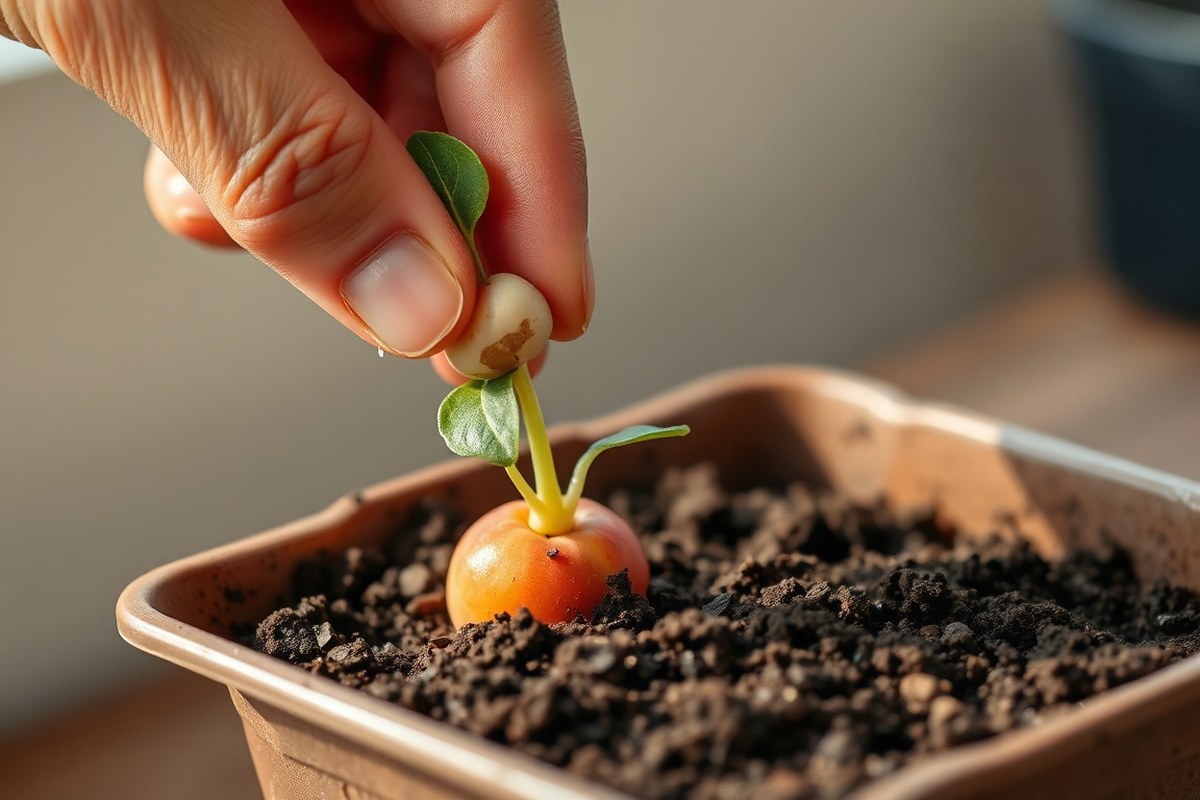
How to Sprout a Peach Seed: Simple Steps for Fast and Reliable Results
Curious about sprouting a peach seed? Start by soaking it in water for 24 hours to encourage germination. Next, place it in cold conditions for a few weeks, a step called stratification that wakes the seed up from dormancy.
Stratification usually takes about 6 to 8 weeks in the fridge. This cold period tricks the seed into thinking it went through winter.
After stratification ends, plant the seed 3 inches deep in fresh soil. Use a pot with good drainage to avoid water buildup.
Keep the soil moist and warm for the seed to sprout. Place the pot where it gets bright light but not direct strong sun.
Strong sun dries the soil fast and can harm the seedling. Starting early, about 4 months before the last frost, is key for fast growth.
Key Takeaways
- Soak peach seeds in water for 24 hours before planting.
- Stratify seeds in the fridge for 6 to 8 weeks to break dormancy.
- Plant seeds 3 inches deep in 10 to 12-inch diameter containers.
- Use fresh potting soil that drains well.
- Keep soil moist and warm during germination.
- Provide bright, indirect light for seedlings indoors.
Can You Plant a Peach Seed Directly in Soil?
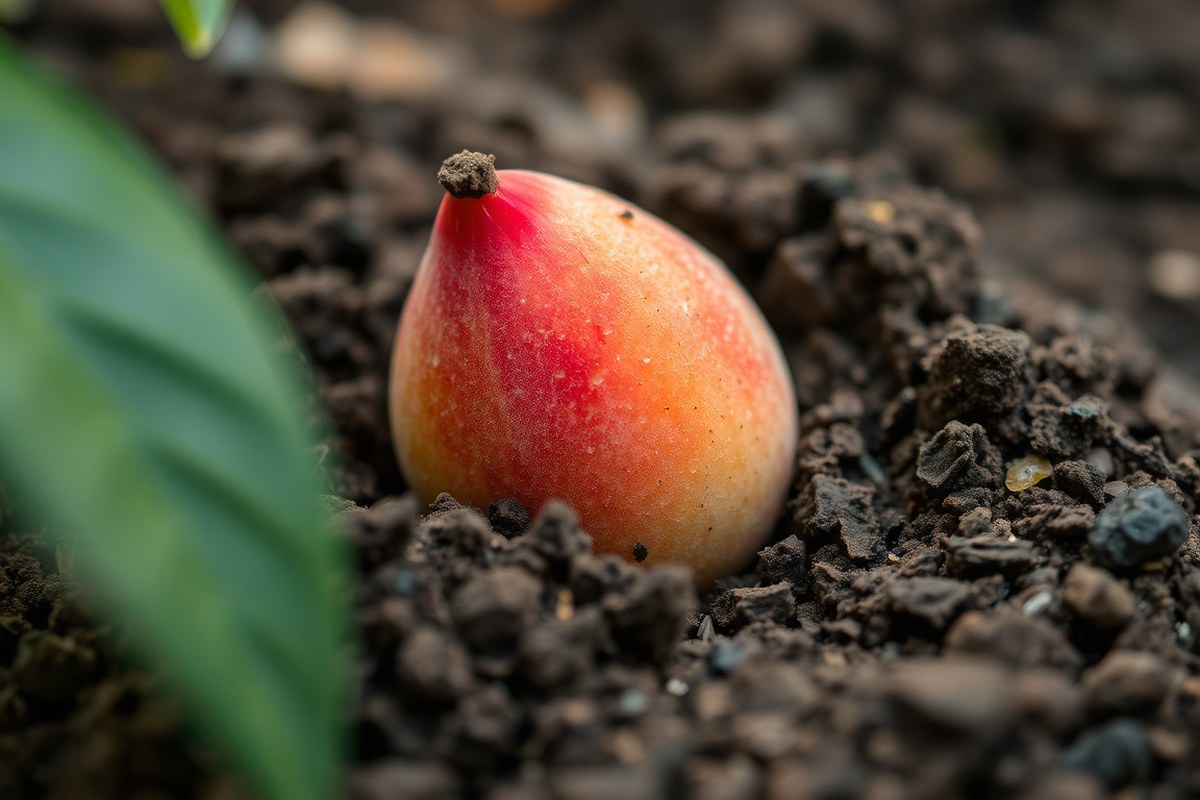
You can plant a peach seed directly in soil. But timing and climate matter a lot.
Planting in late fall gives nature a chance to cold stratify the seed through winter. This natural chill breaks seed dormancy and helps germination happen in spring without extra effort.
Skipping seed preparation by planting peach seeds directly in summer usually stops them from sprouting. These seeds need a cold, moist period to wake up. The seed’s hard coat keeps it dormant without treatment.
It won’t grow if you skip this step. You might waste your time and effort.
In cold places, freezing is common in winter. Planting peach seeds right in the garden or in ground containers works best. This method suits climates with freezing weather.
The soil’s natural winter cold acts like a refrigerator, doing the stratification for you. Plant seeds 2 to 3 inches deep in well-prepared, loose soil.
The seed will sprout come spring. But seedlings need at least eight weeks indoors before outdoor transplant.
Warm regions don’t provide enough natural cold during winter. So you need to stratify seeds indoors before planting outside. This involves chilling the seed in a fridge for 8 to 12 weeks to mimic winter.
Once done, plant in spring when soil warms. Direct summer planting in these areas usually fails without stratification.
Planting peach seeds in fall outdoors requires soil that drains well. Avoid spots that stay soggy or freezehard. Choosing a sunny location with loose soil gives seedlings the best start.
Direct planting means picking the seed’s final spot. Peach trees don’t handle moving well after they sprout. So plant where you want the tree to grow.
How to Extract and Prepare Peach Seeds for Sprouting
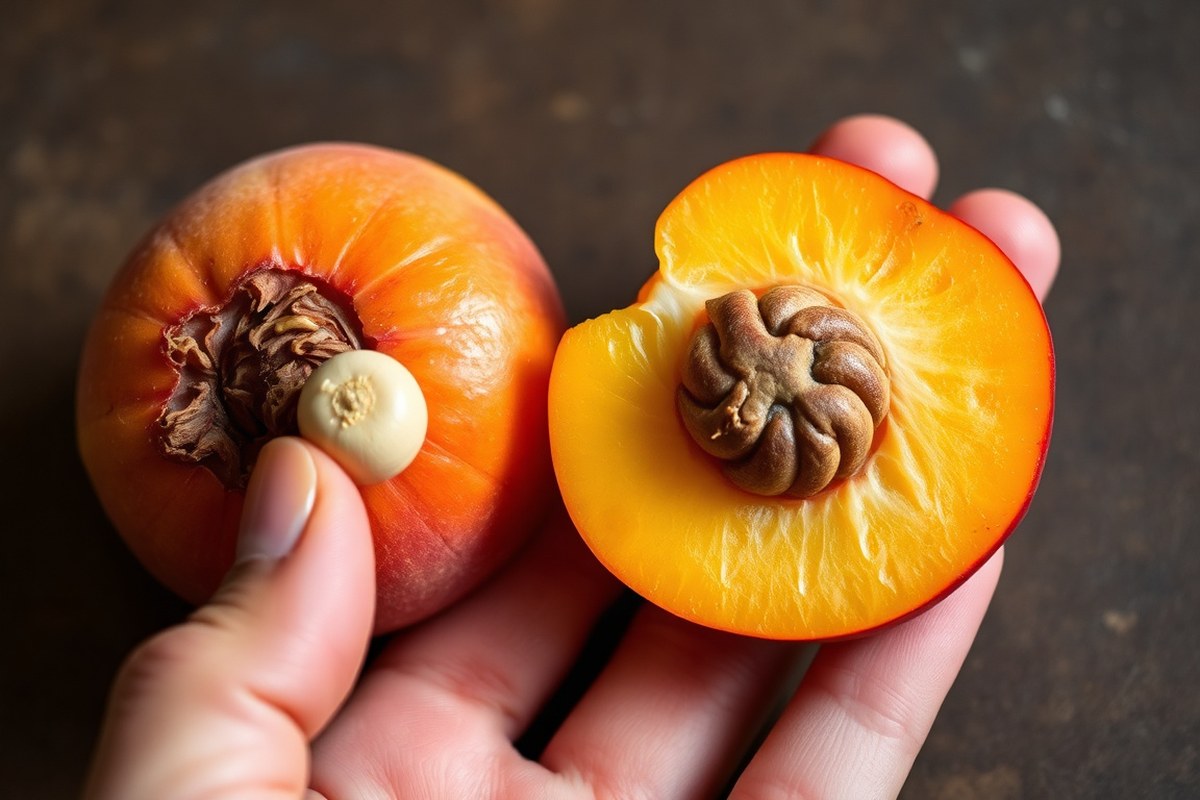
You get the seed by taking out the hard pit from the peach. Then, open the pit carefully to reach the seed inside. Clean the seed by scrubbing off all fruit flesh to avoid mold or rot.
Put the cleaned seed in lukewarm water for 12 to 24 hours. This softens the seed coat. It also helps prepare for cold treatment.
Extracting the Seed from the Peach
Choose a ripe, juicy peach to ensure viable seeds. Cut the peach open gently with a knife, avoiding damaging the pit inside.
Remove the entire pit from the peach carefully. Use a towel to hold the peach for a better grip and less mess.
- Cut the peach around the middle, twisting halves apart.
- Grab the pit from the center with your fingers or a spoon.
- Rinse off any clinging peach flesh under running water.
- Dry the pit with a clean towel to make handling easier.
- Use pliers or a nutcracker to crack the pit shell gently.
- Extract the seed inside without breaking it.
Be careful cracking the pit; too much pressure can damage the seed inside.
Cleaning and Drying the Seed Properly
Remove all peach flesh from the seed because leftover fruit can cause mold growth. Use a soft brush or a toothbrush to scrub the seed clean.
After scrubbing, rinse the seed thoroughly with clean water. Dry the seed with a paper towel. Then place it somewhere warm and dry for one day.
Drying helps prevent fungal infections during stratification and storage. Avoid using heat sources that might crack or cook the seed.
Don’t skip the cleaning step; leftover peach flesh invites rot during soaking and stratifying.
Soaking the Seed to Stimulate Germination
Place the dry seed in lukewarm water, about 70 to 80°F, to soften the tough coat. Soak for 12 to 24 hours to activate enzymes that trigger germination.
Use a container large enough for the seed to move freely. Change the water if it gets cloudy to keep it fresh.
- Fill a clean container with lukewarm water.
- Place the peach seed fully in the water.
- Keep the container at room temperature, away from direct sunlight.
- After 12 hours, check for a softening seed coat.
- Soak the seed for 24 hours but change the water after 12 hours.
- Remove the seed and dry lightly before starting cold stratification.
Don’t soak seeds longer than 24 hours; over-soaking can cause seed rot.
What Is Stratification and How to Do It Correctly
Peach seeds need cold stratification because they require a period of dormancy. This dormancy mimics winter, breaking seed dormancy and triggering germination. Without this chill period, the seed won’t sprout well or at all.
You want to stratify peach seeds at temperatures between 34 and 40°F (1 to 4°C). This is usually done in your refrigerator. Keep the seeds moist but not soaking to prevent rot or mold growth.
One common method is wrapping the seed in a damp towel. Next, place it in a zip-lock bag.
Then, put the bag in the fridge. This keeps the seed dark and moist, like natural winter conditions.
| Stratification Step | Details |
|---|---|
| Temperature | 34, 40°F (1, 4°C), ideal fridge range |
| Duration | 6 to 8 weeks for most peach seeds |
| Moisture | Keep seed wrapped in damp paper towel |
| Light | Keep seeds in dark or closed bag |
| After Stratification | Seed shows swelling or small root sprout |
| Alternative Methods | Planting outdoors in late fall for natural chill |
The stratification time can vary slightly based on seed type. Some varieties need closer to 6 weeks, others up to 8 weeks to break dormancy. Try not to go less than 6 weeks, or seeds might not sprout well.
You can also plant peach seeds outside in late fall and let nature chill them. This method skips the fridge steps.
It depends on local winter weather. The soil must not freeze too deeply.
After stratification ends, you’ll see the seed swelling or a small sprout. Keep the seed in the fridge if the weather stays cold. Don’t move it outdoors yet.
Wait for warmer temperatures before planting. Protect young peach trees from frost below 28°F with cloth or burlap.
Planting Your Sprouted Peach Seed: Soil, Depth, and Containers
Plant your sprouted peach seed in loose, well-draining soil. Use a container at least 6 to 8 inches deep. Place the seed with the root tip pointing down.
Cover it with about 0.5 to 1 inch of soil. Keep the container moist and indoors. Make sure temperatures stay below 85 degrees until it grows.
Choosing the Right Potting Soil
Use a potting mix designed for good drainage and root health. Avoid heavy garden dirt or soil that holds too much water. A blend with peat moss, perlite, and compost works well to provide air and moisture balance.
This mix prevents waterlogging, which can rot the tender roots. The soil should stay moist but never soggy. Maintain even moisture to support sprout development during early growth stages.
Selecting Appropriate Pots or Containers
Choose pots that are 6 to 8 inches deep to allow peach roots to spread. Small pots or seed trays work best for starting multiple seeds. Containers must have drainage holes to keep excess water from pooling.
Place a tray or saucer under the pot to catch runoff water. This helps protect surfaces and lets you monitor watering. You can add a protective cage around the pot to keep pests away.
Planting the Seed at the Correct Depth
Plant the sprouted seed with the root pointing downward to encourage proper root growth. Cover the seed with 0.5 to 1 inch of soil. The depth depends on the seed size.
Burying it too deep can prevent sprouting. Too shallow can dry out the seed.
Maintain consistent soil moisture after planting. Keep the soil covered but not packed too tightly so roots can breathe.
Check that the seed is fully covered by soil. Make sure it’s close enough to the surface for sprouting.
Follow these steps for best results:
- Fill a pot at least 6 inches deep with moist, well-draining potting mix.
- Make a small hole about 0.5 to 1 inch deep in the center.
- Place the sprouted seed with the root tip facing downward into the hole.
- Cover the seed gently with soil without compacting it.
- Water the soil lightly to settle it around the seed.
- Place the pot indoors in a warm, well-lit area below 85°F.
- Check soil moisture regularly and water when the top inch feels dry.
- Protect the pot from pests using a cage or mesh if needed.
Caring for Peach Seedlings Indoors Before Transplanting
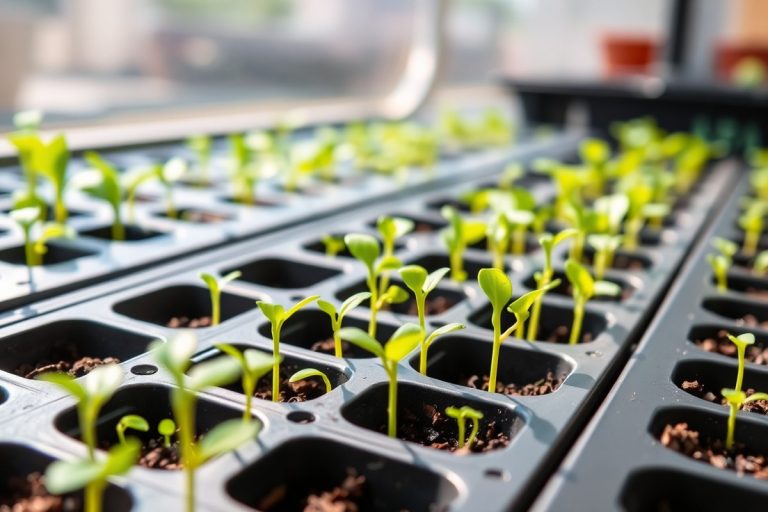
Once your peach seed sprouts, seedlings need bright light for at least 12 hours daily. Place the pot in a sunny window or use a grow light with full-spectrum bulbs. Avoid direct afternoon sun indoors; morning light is gentler and still effective.
Keep soil moist but not soaked for seedlings. Water when the top inch feels dry.
Small pots need about half a cup; increase as the plant grows. Avoid overwatering to prevent root rot by ensuring good drainage.
Maintain indoor temperatures between 65°F and 75°F. Peach seedlings grow best in warm, stable conditions. Keep them away from drafts, heaters, and sudden temperature changes that stress young plants.
Humidity should be moderate, around 40% to 50%. Dry indoor air calls for a humidity tray nearby.
You can also mist the leaves once or twice daily. Too much moisture can cause fungal problems, so balance is key.
Healthy seedlings show bright green leaves and upright stems. They should grow about 1 to 2 feet tall before transplanting. Yellowing or droopy leaves often signal overwatering or inadequate light.
Keep an eye on soil moisture daily to avoid overwatering, which can kill peach seedlings fast.
In winter or dim homes, keep seedlings under LED lights for 16 hours. This helps them grow strong and healthy.
Use timers to automate light and prevent too much or too little exposure. This keeps growth steady and predictable.
Stretchy, thin seedlings show they need more light to grow well. Adjust light closer, but not touching leaves.
Leaf curling or browning can happen from too much direct light or heat. Adjust the position accordingly.
When and How to Transplant Peach Seedlings Outdoors
Plant peach seedlings outdoors once they reach 8 to 12 inches tall. Do this after the last frost.
Harden them off for at least a week. Pick a spot with good sunlight and space to avoid crowding.
Identifying Seedling Maturity for Transplant
Seedlings should be 8 to 12 inches tall with several true leaves before moving them outside. The root system needs to be well developed to support growth in soil. Harden off your seedlings by exposing them to outdoor weather gradually over 7 to 10 days.
Check if seedlings are sturdy. Make sure they don’t wilt after hardening. Avoid transplanting if frost is forecasted in your area, since young trees are sensitive to cold.
Wait until frost risk passes. This is usually around your local last frost date.
Preparing the Outdoor Site and Soil
Choose a sunny location with at least 6 to 8 hours of direct sunlight daily. Space peach seedlings 15 to 20 feet apart to allow room for mature growth. Select well-draining soil and loosen it to help roots spread easily after transplant.
Mix in organic compost or aged manure to improve soil fertility and texture. Remove weeds and debris from the planting area before digging holes. Make holes twice as wide and just as deep as the seedling’s root ball.
Transplanting and Post-Transplant Care
Carefully dig up seedlings to keep the roots intact and prevent damage. Put each seedling in its hole.
The root collar should sit just above soil. Fill soil around roots gently and firm it moderately to remove air pockets.
Water each seedling thoroughly after planting to settle the soil and hydrate roots. Cover young trees with frost blankets or row covers. Do this if temperature goes below 32°F. Use physical barriers or organic repellents to keep pests away, such as deer or rodents.
Mulch with 2 to 3 inches of straw or wood chips. This keeps moisture in and lowers weeds. Avoid piling mulch against the trunk to prevent rot.
- Check seedlings for 8-12 inch height and several true leaves.
- Harden off seedlings outdoors for 7-10 days, watching for stress.
- Pick a sunny, well-drained site and clear weeds and debris.
- Prepare holes twice as wide and as deep as roots.
- Gently transplant seedlings, keeping roots intact and collar above soil.
- Water thoroughly and mulch around the base, avoiding trunk contact.
- Cover seedlings if frost threatens and use pest protection methods.
How Long Does It Take for Peach Seeds to Germinate and Bear Fruit?
Peach seeds usually take between 4 and 8 weeks to sprout after planting. This timing depends on keeping them at the right temperature and moisture levels. Cold stratification before planting can speed up sprouting and help the seed break dormancy.
Once the seedling appears, growth is slow at first. In the first year, your peach tree will grow roots. It will focus on building a strong stem too.
This sets the stage for future growth. After this, annual growth accelerates if the tree gets enough sun, water, and nutrients.
Expect your peach tree to bear fruit after 3 to 4 years. This happens when you grow it from seed. Patience is key in this process.
This is longer than grafted nursery trees, which usually fruit after 2 to 3 years. Fruit quality from seed-grown trees can vary.
The genetics from seeds differ slightly from the parent tree. This causes differences in the peaches.
Patience matters when growing peach trees from seed. It takes time for them to mature and produce a good harvest under ideal conditions. The wait is longer but can be worth it.
With good care, the tree produces peaches for many years. This rewards your patience and effort.
Common Mistakes When Sprouting Peach Seeds and How to Fix Them
Peach seeds often fail to sprout because of poor temperature or moisture control. Seeds need cold stratification around 34-41°F (1-5°C) for 6-8 weeks to break dormancy. Too much moisture during this time causes mold or rot, killing the seed.
To avoid mold, dry the peach seed for 1-2 days after extraction before starting stratification. Wrap it in slightly damp paper towels inside a plastic bag, and check weekly. Remove the seed from wet material if it looks slimy or smells bad.
Watering mistakes harm seedlings most when they get either too much or too little water. Overwatering leads to soggy soil and root rot.
Underwatering makes the seedling wilt and stop growing. Keep the soil lightly moist but never soaked.
Remove any plastic covers as soon as seedlings sprout to improve air flow and prevent mold.
- Keep soil temperature at 65-75°F (18-24°C) after sprouting
- Provide 12-14 hours of bright but indirect light daily
- Water seedlings only when top inch of soil is dry
- Use a clean pot and fresh potting mix to reduce disease
- Avoid drafts or sudden temperature drops near seedlings
- Acclimate seedlings outdoors by gradually increasing sun and wind exposure
Not enough light causes weak, leggy seedlings. Poor temperature leads to slow growth or no sprouting.
Moving seedlings to warm, bright spots with stable temperatures helps. Avoid places with hot windows or cold drafts.
Check your seed regularly during stratification and early growth. Watch for any slimy discoloration or bad smells.
Healthy seeds feel firm and look plump when ready to sprout. Early care sets the stage for your peach tree to grow strong and healthy.
Step-by-Step Action Plan for Sprouting Your Peach Seed
Follow these simple steps to start your peach seed sprouting journey. Each phase will guide you to success.
- Before you start: Extract the seed from the peach fruit. Clean it well and let it dry for a day or two.
- Day 1: Crack the hard shell carefully without damaging the seed inside. You’ll hear a slight crack when done right.
- Days 2-3: Soak the seed in water for 24 hours. The seed should feel softer afterward.
- Weeks 1-8: Put the seed in a damp paper towel. Seal the towel in a plastic bag. Keep it ready for stratification. Leave the bag in the fridge for six weeks minimum. Check it every week for mold or dryness. Keep the towel moist but not soggy.
- Week 9: Plant the sprouted seed gently in a small pot. Use well-draining soil and cover it about 1 inch deep. The green shoot shows it’s ready to plant.
- Weeks 10-12: Keep the seedling in bright indoor light and water when soil feels dry. Watch for new leaves growing steadily.
- After 12 weeks: Harden off the seedling by moving it outdoors gradually for a week. The plant should look sturdy and healthy ready for transplant.
- After 13 weeks: Transplant the peach seedling into your garden in a sunny spot. Confirm firm roots and no wilting after transplanting.
Frequently Asked Questions
How Long Should You Soak a Peach Seed Before Planting?
Soak your peach seed in warm water for about 6 hours. This softens the hard outer shell and helps it sprout faster. Don’t skip this step or the seed might not germinate well.
Can You Speed Up Peach Seed Germination with Heat?
Yes, placing the soaked seed in a warm spot can help. Around 70-75°F works well before cold stratification starts. Just avoid overheating or drying out the seed.
Should You Remove the Fuzzy Skin from the Peach Seed Before Sprouting?
It’s best to remove the fuzzy fruit flesh, not the seed skin. Clean off all the fruit bits to prevent mold. Don’t sand or cut the seed coat, as it protects the seed.
Is It Better to Sprout a Peach Seed in Water or Soil First?
Starting the seed in moist paper towels or water helps monitor sprouting. Once roots appear, transfer to soil for stronger growth. Soil can be used right away if you prefer outdoors.
What Kind of Container Works Best for Sprouting Peach Seeds Indoors?
Use a small pot with drainage holes to avoid waterlogging. Fill it with loose, well-draining potting mix for healthy roots. Clear containers can hold moisture but watch for mold growth.
How Should You Water Peach Seed Seedlings After Sprouting?
Keep the soil consistently moist but not soggy. Water lightly every few days, enough to moisten the top inch of soil. Overwatering can cause root rot and harm young seedlings.
The Bottom Line
Growing a peach tree from seed takes patience but it’s very rewarding. Start by carefully preparing and stratifying your seed. Plant your sprout indoors so it grows strong before moving it outside.