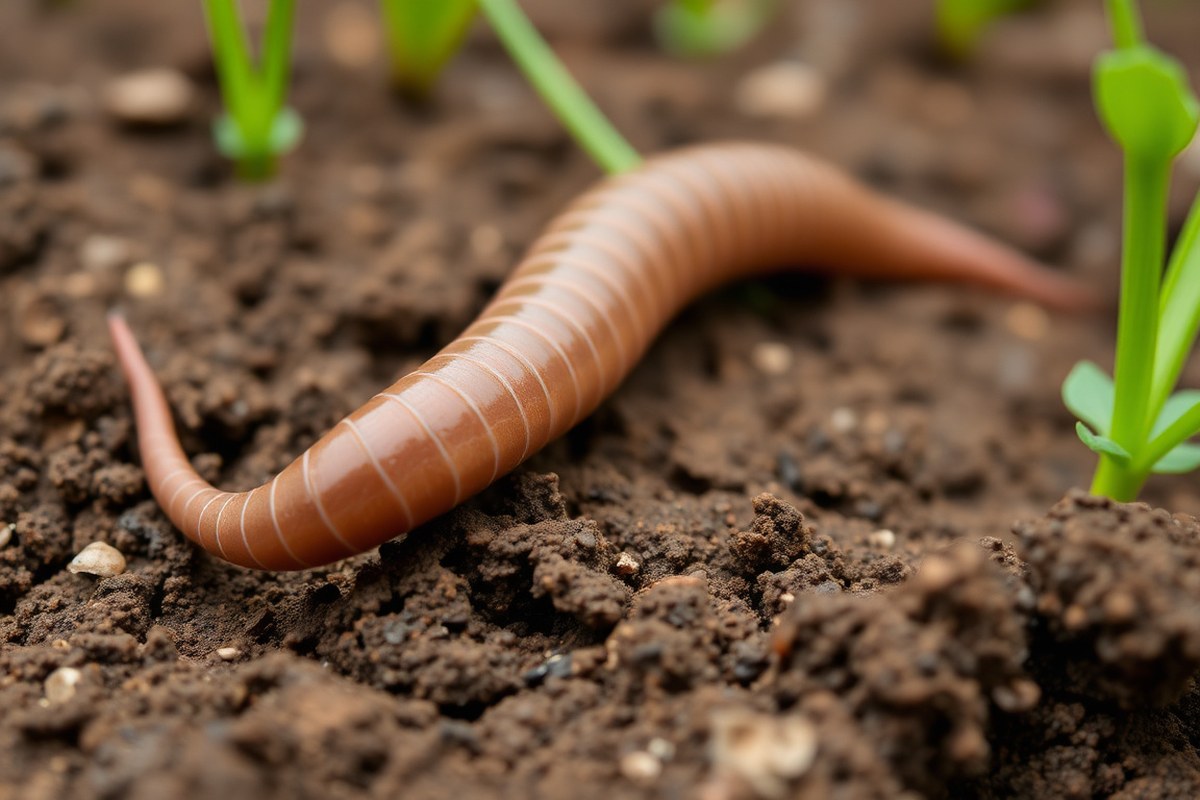
Do Worms Have Eyes? What Science Reveals About Worm Sight and Sensing
Do worms have eyes? The short answer is no, most worms don’t have real eyes.
Instead, they have simple light-sensing organs or cells that detect brightness and dark. These help worms avoid harmful sunlight while they crawl.
Worms use special receptors scattered on their skin to feel changes in light intensity. This sense helps them stay buried underground or hide under leaves. Knowing this can help you provide the right environment for worms if you’re composting or gardening.
Some worms have simple eyespots called ocelli. These spots only sense light changes. They cannot form images.
Those are rare and mostly found in underwater worm species. So, don’t expect a worm to see like you do. But they still respond well to light.
Key Takeaways
- Most worms lack true eyes but detect light with skin receptors.
- Light-sensing organs help worms avoid harmful sunlight above ground.
- Simple eyespots called ocelli exist only in certain aquatic worm species.
- Worms rely on light detection to stay safe and find shelter.
- Strong light exposure stresses worms and changes their behavior negatively.
- You can use light sensitivity knowledge to maintain healthy worm bins.
Do Worms Have Eyes or Light-Sensing Organs?
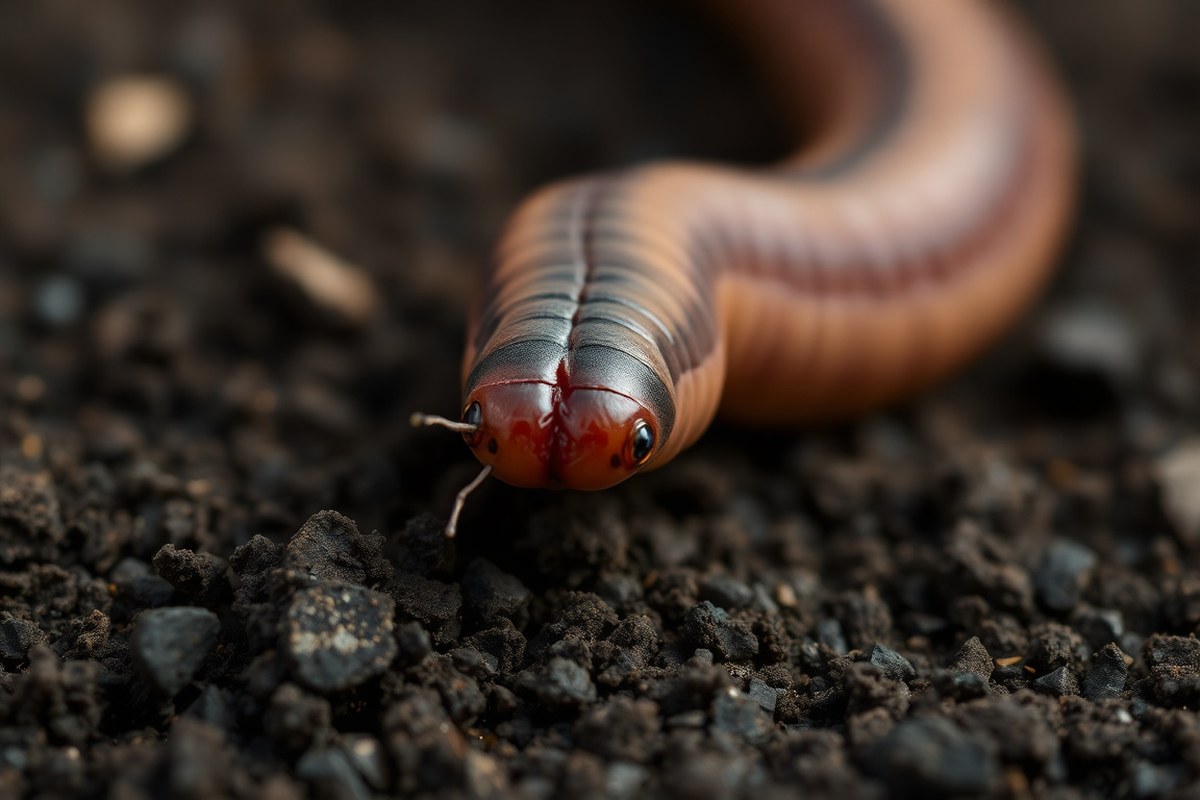
Worms do not have eyes like humans or insects. Instead, they have simple light-sensitive cells called photoreceptors, mainly near their head. These receptors can detect light intensity but cannot form images or shapes like real eyes do.
Eyes handle complex tasks, such as focusing light and creating images. Light receptors only sense if it’s light or dark.
This difference matters because worms don’t need to see detailed pictures. They just need to know when to avoid bright conditions that could harm them.
People may say worms “see” because these light sensors help worms react to their environment. This reaction guides their movement underground and helps them avoid predators or drying out.
So, worms do sense light, but they do not see with true eyes. That subtle difference can clear up common confusion about worm biology.
How Worms Detect Light Without True Eyes
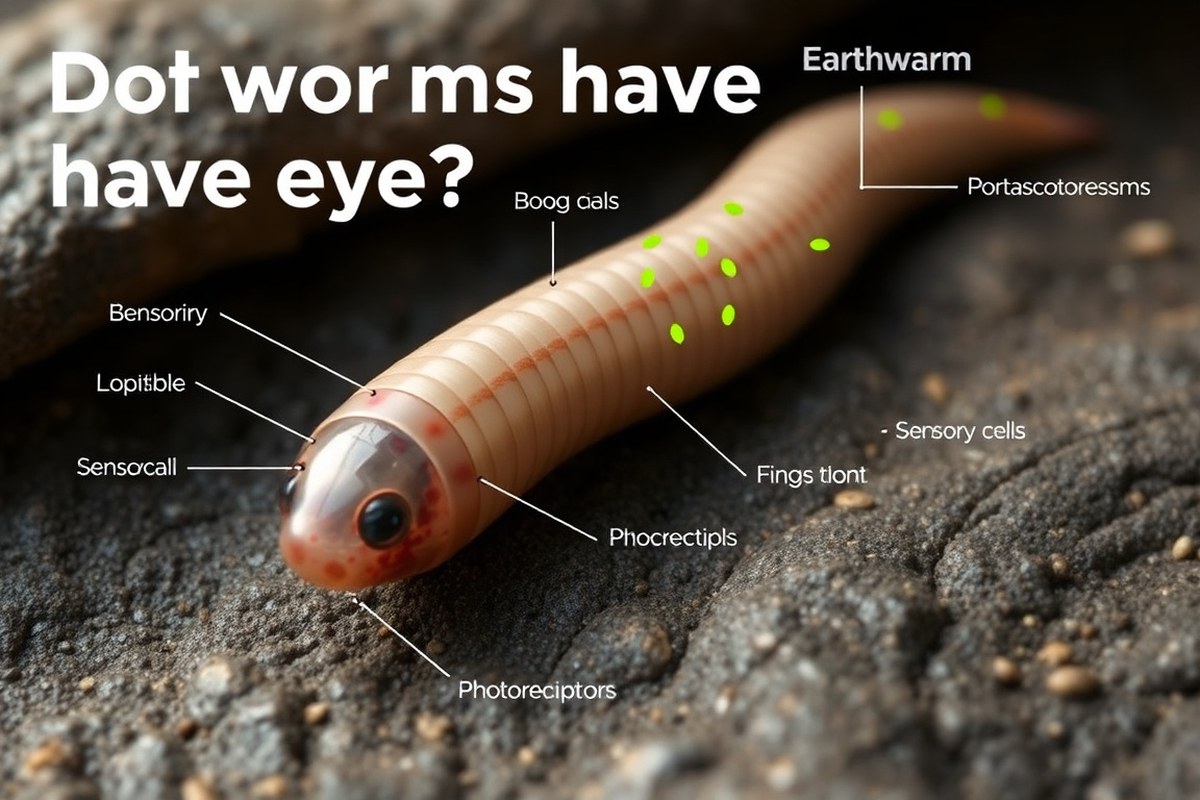
Worms do not have true eyes, but they have special cells called photoreceptors. These cells detect changes in light intensity and help worms sense light and dark. Photoreceptors lie mainly in the worm’s epidermis, especially near the head where light detection matters most.
Besides photoreceptors, worms also have epidermal receptors spread along their bodies. These receptors respond to light by triggering nerve signals that guide the worm’s movement. Light sensors help worms stay away from bright areas.
Bright spots can dry out their skin or attract predators. Avoiding these spots keeps worms safe and moist.
Worms can distinguish different light intensities but only those coming from in front of them. Their simple light sensors do not form images or shapes. The receptors sense if it’s bright or dark around.
This helps worms know when to dig deeper or come out. They react based on the light level outside.
Handle worms gently in natural light, as strong light causes them to retreat quickly.
Which Worm Species Have Simple Eyes and How Do They Work?
Some worm species, especially marine worms, have simple eyes called ocelli. These eyes detect light but lack complex features like lenses. Earthworms do not have true eyes; they rely on basic light receptors instead.
Marine Worms with Simple Eyes
Marine worms such as polychaetes possess simple eyes. These eyes help them detect light and shadow underwater. Their presence varies depending on the species’ habitat and lifestyle.
Researchers found that certain marine worms developed these eyes independently from other animals. Anders Garm’s studies show these eyes can offer decent vision in some species. This ability helps worms avoid predators and find food.
Structure of Worm Ocelli
Worm ocelli are basic light-sensing organs with no cornea or lens. They consist mainly of photoreceptor cells and sometimes pigment cells that block light from certain directions. The structure allows them to sense light intensity and direction but not form detailed images.
Unlike human eyes, these ocelli do not focus light with lenses or corneas. They detect light and dark contrasts rather than shapes. For example, switching from dark to bright areas prompts quick behavioral changes in worms.
Visual Capabilities Compared to Earthworms
Earthworms, like red wigglers and European nightcrawlers, lack true eyes. They use scattered light receptors over their skin to sense brightness changes. These receptors help earthworms avoid light, which dries them out and exposes them to danger.
Marine worms with ocelli have better visual ability than earthworms. Their eyes provide directional light detection that improves survival in complex marine environments. Earthworms only detect light intensity, not direction or images.
The table compares features of marine worm eyes and earthworm light detectors.
| Feature | Marine Worm Ocelli | Earthworm Light Receptors |
|---|---|---|
| Presence of true eyes | Yes, simple ocelli | No, only light-sensitive cells |
| Complex structures (cornea, lens) | No | No |
| Light sensitivity | Directional, detects light intensity | Detects light/dark, no direction |
| Vision type | Simple vision, no images but directional light | Only senses light presence |
| Number of photoreceptors | More concentrated in ocelli | Scattered along body surface |
| Function benefit | Avoid predators, navigate environment | Avoid light and dry conditions |
| Development | Independent evolution from other eye types | Basic evolutionary light-detection |
Marine worm eyes may develop rapidly in evolution, showing functional vision. Earthworm light sensors remain very basic, enough only to detect safe versus hazardous light zones. Simple eyes in marine species allow some directional awareness missing in earthworms.
Why Do Worms Avoid Light and How Does It Affect Them?
Worms avoid light because it puts them at serious risk. Their skin is sensitive to bright light, which can dry them out quickly. Staying in the dark helps them keep their moisture and survive.
Exposure to light also makes worms easy targets for birds and other predators. When worms feel light, they start to wriggle fast to hide underground. This behavior helps them escape danger and stay safe.
Light avoidance is a key survival trick for worms. It guides them to dig deeper and stay under soil where food and mates are found. The dark soil also protects worms from harsh weather and predators.
- Move worms deep in soil to keep them safe and moist
- Avoid placing worm bins under direct sunlight
- Leave a light on above a new worm bin at night. Worms don’t like bright light. This makes them stay inside for a day or two.
- Sense low light levels to know when it’s safe to come out
- Use soil vibrations to detect predators and avoid danger
- Stay hidden during dry, sunny conditions to prevent dehydration
The worms’ skin has receptors that detect light and soil vibrations. These receptors warn worms to stay underground when predators or bad weather appear. This way, worms avoid harm without needing true eyes.
Worms’ dislike of light helps them survive by keeping them safe, moist, and hidden. By avoiding light, they stay in a cool, damp environment good for eating, mating, and growing.
How Worms Use Other Senses Instead of Sight
Worms rely mainly on touch and chemical detection since they lack eyes. Their skin has many sensory receptors. These sense vibrations, touch, and chemicals.
They help the worm react to its soil surroundings. These senses help worms find food, avoid danger, and locate mates underground where sight is useless.
Worms sense food by detecting chemical signals released by decaying organic matter. Their skin picks up specific chemicals that indicate nearby nutrients.
During mating season, worms sense mucus secretions from others using these chemical receptors. This lets them identify and move toward potential mates effectively.
Touch is important for worms to navigate and survive. Their bodies detect gentle soil vibrations caused by approaching predators or other animals. These signals trigger quick escape responses.
Worms also use tactile sensors to feel their way through tight underground tunnels. This helps them avoid obstacles and find new paths.
The front end of a worm typically has concentrated sensory cells. These cells process information about the environment, replacing what sight would normally provide.
Sensory nerves send signals to the worm’s ganglia, acting like a control center. This coordination supports quick reactions to threats or changes in their surroundings.
Handle worms gently to avoid damaging their sensitive skin, which they use to sense the world.
How Baby Worms and Common Species Sense Light Differently
Baby worms do have light-sensing cells that help them avoid bright light. Red wigglers and European nightcrawlers sense light differently based on their habitats. Their sensory organs reflect how they adapt to soil depth and exposure.
Light Sensing in Baby Worms
Baby worms have simple light-sensitive cells but no eyes. These cells respond to light and dark, guiding them to shaded, safe spots. This ability helps keep them underground where predators are fewer.
Their light sensors work from hatching and grow as the worm matures. That means even small baby worms react quickly to sudden light changes. This early response increases their survival chances.
Red Wiggler Sensory Structures
Red wigglers have many light-sensitive cells spread along their bodies. These cells let them detect light intensity and location without forming images. They respond quickly by burrowing or moving away from light.
Red wigglers mostly live in surface compost or rich organic layers. They need to avoid bright sunlight. This helps keep them safe and moist.
Their light sensors help them stay moist and safe in these shallow zones. Moving down in bright light is common behavior.
European Nightcrawler Sensory Features
European nightcrawlers have fewer light-sensitive cells than red wigglers. Their sensors help detect gentle light, mostly at night or early morning. This suits their deeper and cooler soil habitat.
These worms burrow much deeper, often below six inches of soil. Their lighter sensitivity prevents unnecessary retreat from faint surface light. Nightcrawlers adapt well to environments with less daylight exposure.
Worm Sensory Systems and Their Role in Navigation Underground
Worms move through dark soil using their sensitive skin to pick up tiny changes. They sense moisture, temperature, and vibrations to find food and avoid dangers. Worms don’t have eyes but can still sense light.
They use light to decide when to burrow deeper. Light helps them know when to move closer to the surface.
Their navigation relies on sensing soil texture and chemical signals around them. These chemical cues help worms locate decomposing plant material, which is their main food source. They also feel the soil’s firmness to decide the easiest path for moving underground.
Worms move away from light. This usually means they go deeper into soil. They avoid light to stay safe.
This keeps them safe from predators and drying out. However, they don’t use light detection to map tunnels. Instead, they focus on moisture and smell to orient themselves underground.
To understand how worms navigate, watch their behavior in a simple test. Place a worm in a moist environment with uneven soil and gently tap one side.
Notice how it moves away from the vibrations and toward the moister, softer soil. This shows its ability to use pressure and texture to decide direction.
Keep your worm bin damp but not soggy. Ideal temperature is between 55 and 77 degrees Fahrenheit. This helps composting worms stay healthy.
Avoid strong light, as it causes worms to hide or slow down. This setup allows worms to explore freely and keep the bin healthy.
Worms don’t make maps or landmarks like some animals. They use moisture, vibration, and chemical signals instead. These help them find their way.
Good worm setups have balanced soil conditions. Avoid sudden light or dry spots to keep worms comfortable. This helps them thrive.
Poor conditions make worms stop moving or try to escape. Their sensory cues help them avoid harm. That shows how important their senses are.
Using Worm Behavior and Light Sensitivity for Worm Bin Care
Worms avoid light. So keeping your worm bin dark helps them stay active and healthy.
Light sensitivity influences where and how you place your bin. It also helps you safely separate worms from finished compost.
Keeping Worm Bins Dark and Cool
Place your worm bin in a shaded spot that gets little to no direct sunlight. Worms start to get stressed if exposed to light for more than an hour. A dark environment keeps them moving and composting efficiently.
Keep temperatures between 55°F and 77°F for the best worm activity. Direct sun not only adds light but increases heat, which harms worms. Cooler spots like basements or shaded patios work well to maintain bin health.
Using Light to Separate Worms from Castings
Use light to gently separate worms from their finished compost. Spread the compost on a flat surface under bright light for 10 to 20 minutes. Worms retreat from the light, making it easy to collect castings without harming them.
This method saves time compared to sifting or digging. It also lets you rescue worms quickly if you need to move them. Just avoid leaving them in light too long to prevent paralysis.
Signs of Worm Stress Due to Light Exposure
Worms exposed to light too long become sluggish or curl into tight balls. You may see fewer worms on the surface at night. Bright light during the day can cause this.
Worms like darker spaces to come out. These signs indicate the bin needs less light and better cover.
Worm paralysis can happen after one hour of strong light exposure. Stress can slow down composting and cause worms to escape the bin. Dead worms might mean they faced stress from light or heat.
Both can hurt worms if they’re strong at once. Keep their bin cool and dim to help.
- Place bin in a dark, cool spot away from windows
- Cover bin with a cloth or lid to block light
- Use indirect lighting when checking worms
- Separate worms from castings by exposing compost to light for 10-20 minutes
- Avoid direct sunlight on your worm bin
- Watch for sluggish or curled worms as signs of stress
- Keep temperature between 55°F and 77°F for healthy activity
Never leave worms exposed to bright light longer than 15 minutes to avoid paralysis.
Step-by-Step Action Plan for Using Worm Light Sensitivity
Use what you know about worm senses to keep your worm bin healthy. Follow these steps to monitor and care for your worms effectively.
- Day 1: Set up your worm bin in a shaded area with indirect light. Watch for worms avoiding bright spots as a sign they feel safe.
- Week 1: Check moisture levels daily since worms sense humidity strongly. Adjust water to keep bedding damp but not soggy.
- Week 2: Observe worm movement before and after adding food. If worms come out more, the environment suits their sensory needs.
- After 3 weeks: Experiment with mild light changes near the bin. Note if worms burrow deeper or surface less to understand their light comfort zone.
- Month 1: Use your observations to set a routine for feeding and light exposure. Consistency helps worms thrive underground.
- Ongoing: Keep the bin covered with a breathable lid to maintain darkness but allow airflow. This balances light sensitivity and air needs.
- Every 2 months: Refresh bedding to prevent mold and keep sensory cues natural. Monitor worm activity after refresh to ensure comfort.
Frequently Asked Questions
How Does a Worm See?
Worms don’t see with eyes like humans but detect light through photoreceptors. These cells let them tell if it’s light or dark, helping them avoid harmful sunlight.
Do Worms Have Gender?
Yes, many worms have distinct male and female reproductive parts or can be hermaphrodites. This helps them reproduce efficiently in soil or compost environments.
Do Worms Ever Sleep?
Worms do rest but don’t sleep like mammals. Their activity slows down in darkness, which conserves energy during inactive periods underground.
Do Worms Breathe in the First Person?
Worms breathe through their skin, not lungs, absorbing oxygen and releasing carbon dioxide directly. Moist skin is important for this gas exchange to work well.
Do Worms Have Eyes?
Most worms don’t have true eyes but have light-sensitive cells that detect light changes. This helps them stay underground and avoid bright conditions.
What Do Worms Have Instead of Eyes?
Worms use sensory cells to detect light, touch, and chemicals instead of eyes. These senses guide them in dark soil effectively.
Final Thoughts
Worms don’t have eyes like humans but use simple sensors to avoid light and find food. Paying attention to their light and moisture preferences helps you care for them better. Try adjusting your worm bin’s light and moisture settings today to see clearer results.






One Comment