Do Lawn Sweepers Work? A Complete Guide to Lawn Cleaning Efficiency
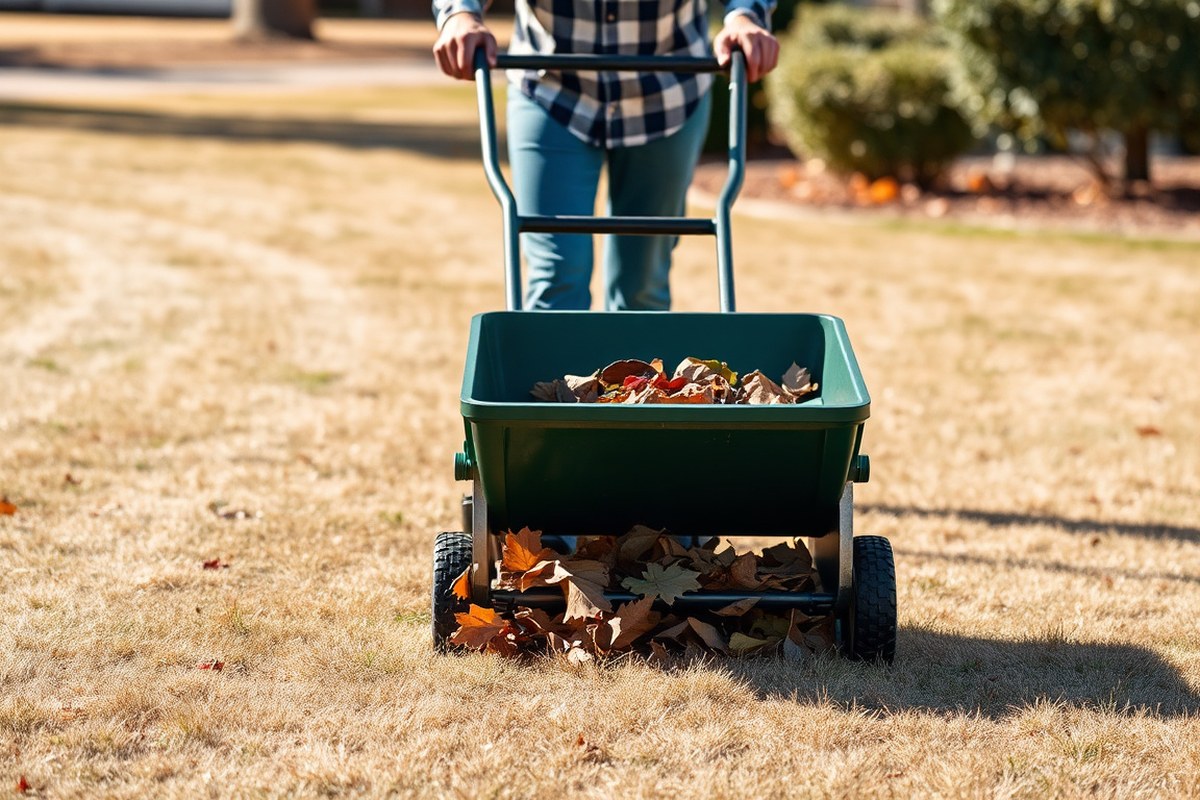
Do lawn sweepers work to clean your yard efficiently? They do, especially for picking up leaves, grass clippings, and light debris. A lawn sweeper can save you a lot of work.
It takes less time than raking or using a blower. You just push or tow it across your yard.
Most models have a rotating brush. This brush scoops debris into a hopper. You push or tow the sweeper while it works.
This method works best on dry, flat lawns with loose material. You should size the sweeper based on your lawn to avoid long cleanup times.
Push sweepers work well for small to medium yards, while tow-behinds fit larger spaces. Be careful on steep slopes with lawn sweepers. Many models only handle gentle rises well.
Using them on steep slopes can cause problems. Proper setup and maintenance also keep your sweeper working smoothly over time.
Key Takeaways
- Choose a lawn sweeper sized for your lawn’s square footage.
- Push sweepers are good for small yards under 1,500 square feet.
- Tow-behind sweepers cover larger areas up to 54 inches wide.
- Use sweepers only on dry grass and flat or gently sloped lawns.
- A typical push sweeper cleans an average yard in about 30 minutes.
- Regularly adjust brush height for best pickup and to avoid damage.
Do Lawn Sweepers Really Work to Clean Your Lawn?
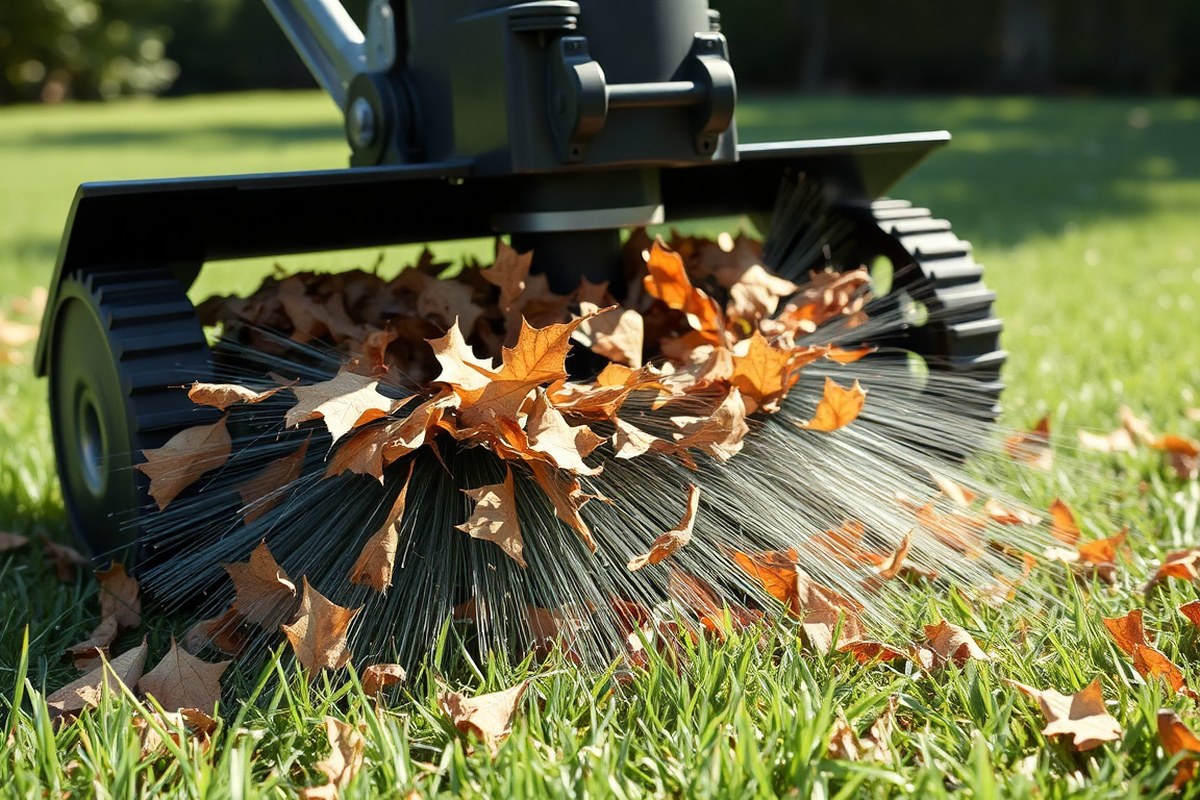
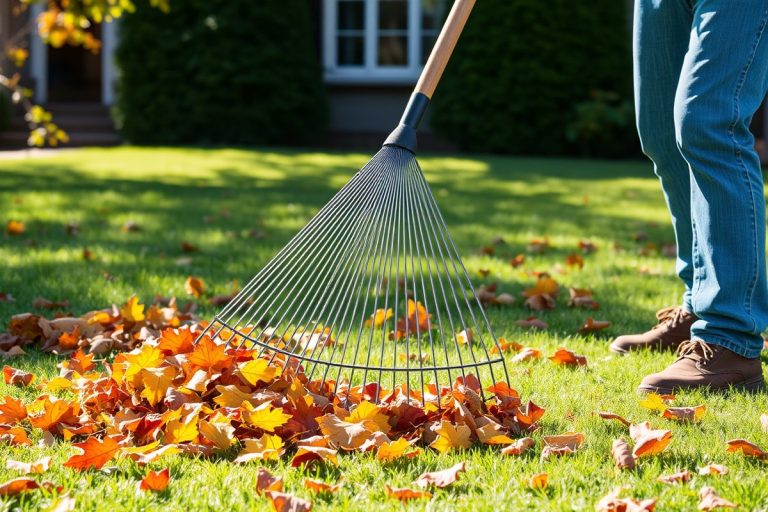
Lawn sweepers use rotating brushes to lift debris off your lawn. You push or tow them across the grass. This action cleans the yard quickly.
The brushes spin, sweeping leaves, grass clippings, twigs, and small pinecones into a collection hopper. You can change the brush height to match debris size.
Adjust it for the lawn surface too. This helps get the best cleanup.
They are very effective on dry and light materials like leaves and grass clippings. You’ll find that lawn sweepers can drastically cut down the time and effort compared to raking. For example, a push model with a 26-inch sweep covers small yards fast.
It saves time and effort. It’s ideal for compact spaces. Tow-behind models with 54-inch brushes handle large lawns in less time.
Wet or heavy leaves are tough for lawn sweepers to pick up. Moisture makes debris clump and slide instead of brushing clean. This means less efficient sweeping.
Waiting for a sunny day to let debris dry improves performance. You may need to run the sweeper twice on bumpy ground.
Debris hides in dips and tricky spots. This ensures no leaves are left behind.
Adjusting the brush height is important. Setting the brush too low grabs more debris. But it can also pick up dirt and grass very close to the ground.
This may damage your lawn. Setting it too high leaves some leftover. A slow test run on flat grass helps find the right balance for your lawn.
Tow-behind sweepers pull with a riding mower. They work well on large yards. Use them weekly in fall to keep your lawn tidy.
Push models suit smaller yards and patios but might require more passes. Manual sweepers cover very small spots but take extra effort.
Lawn sweepers handle items about the size of a pinecone. Their debris chute is about 9 inches wide. This fits fist-sized clumps of grass too.
They easily pick up most common yard debris. But they struggle with heavy wet clumps or thick branches.
These need extra work or different tools. In such cases, raking or manual cleanup might still be necessary.
What Types of Lawn Sweepers Are Available and How to Choose?
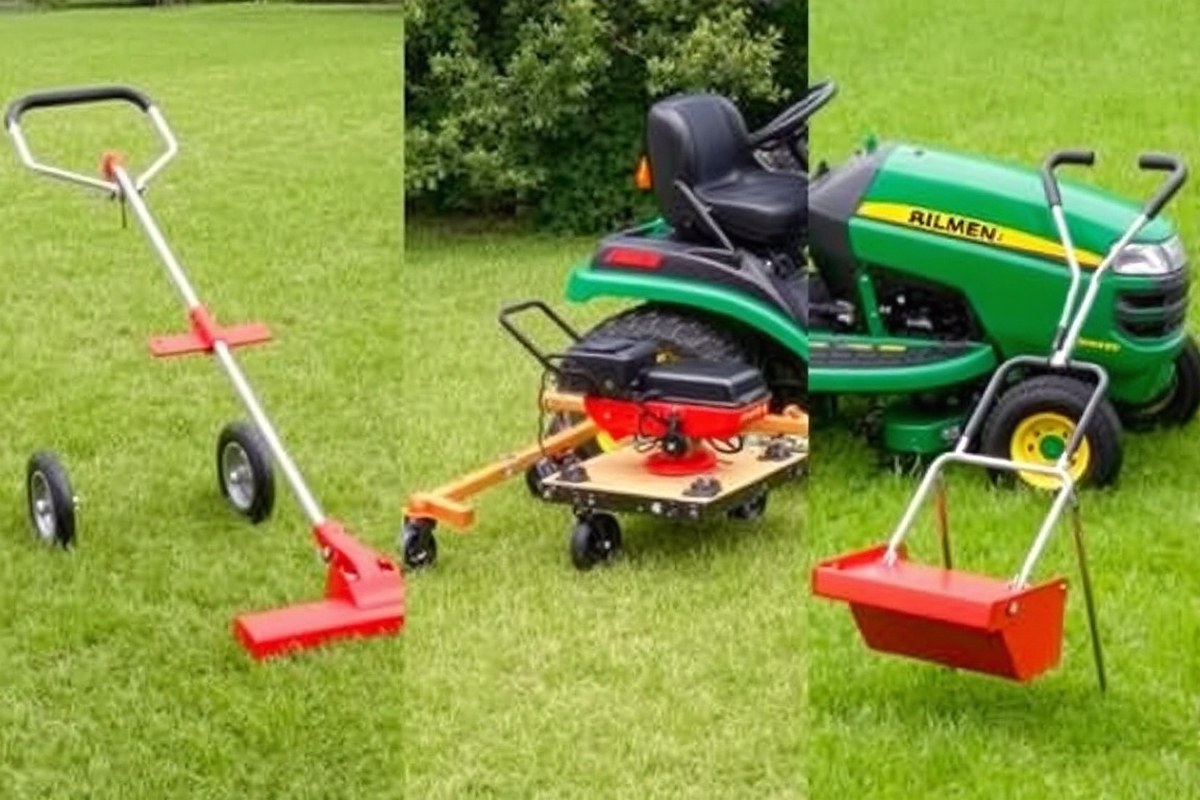
Lawn sweepers come in three main types: push, tow-behind, and manual. Your yard size and terrain decide which fits best. Push sweepers suit small yards, tow-behinds are for large areas, and manual sweepers cover tight spots.
Push Lawn Sweepers for Small Yards
Push lawn sweepers work best in yards under 1,500 square feet. You walk behind them like a lawn mower.
They are light and have 21 to 26-inch wide brushes. This size helps you cover patios and townhouse lawns easily.
These models clear dry grass, leaves, and pine cones well. But they won’t pick up stones or wet debris.
A push sweeper often clears an average lawn in about 30 minutes. They offer good exercise while cleaning your yard.
Tow-Behind Sweepers for Large Lawns
Tow-behind sweepers attach to lawn tractors or riding mowers. These machines come with 30 to 50+ inch brushes. They have bigger hoppers holding several cubic feet of debris.
They save time on yards larger than half an acre. These yards often have many trees or dense garden beds.
The bigger hopper means you empty it less often during cleanup. Tow-behind sweepers handle large pine cones, acorns, and dry leaves well.
Expect to spend less time than with a push sweeper. But factor in tractor use and storage space.
Manual Sweepers for Compact Areas
Manual sweepers don’t have motors or connections. You push or pull them like a manual sweeper broom.
These fit very small spaces that won’t fit push sweepers. Examples are landscaped corners or tight walkways.
They pick up light materials like needles and small leaves. Thick debris needs slow, repeated passes to clean. Manual sweepers are affordable and simple but require more effort and time than other types.
Choose a sweeper with a hopper size that matches your yard to reduce emptying trips.
What Debris Can Lawn Sweepers Pick Up—and What Can’t They Handle?
Lawn sweepers handle many common yard debris types well, like leaves and grass clippings. They struggle with wet or large debris, rocks, and fresh dog poop. Using the sweeper at the right time and avoiding tricky debris keeps it working smoothly.
Common Yard Debris Lawn Sweepers Handle Well
Lawn sweepers easily pick up dry leaves, grass clippings, pine needles, and small twigs. These lightweight materials brush right into the hopper without clogging the machine. Sweeping dry debris also keeps the brushes from matting up or dragging through wet turf.
Pine cones and acorns are heavier but still collected effectively by most sweepers. Dry dog poop can usually be picked up too.
But only if it’s dry and not fresh or soft. These tools clear away debris that could smother grass and slow mowing.
Debris Types Lawn Sweepers Struggle With
Wet grass clippings and damp leaves clump together and clog the brushes quickly. This stops the sweeper from picking up debris right. You need to stop and clean it often.
Large sticks, rocks, and stones can damage the machine. The sweeper isn’t made for hard objects.
Fresh dog poop is usually too soft to sweep up cleanly. You’ll want to rake or spot-clean that before using the sweeper.
Heavy mats of wet leaves or thick piles need raking first. Sweepers work best on dry, loose debris.
Tips for Handling Difficult Debris
Try to use your lawn sweeper on dry days after the morning dew has evaporated. This avoids clumping and clogging.
Lower the brush height until it just touches the grass. Avoid digging into wet turf or thick clumps.
Remove large sticks, rocks, and fresh dog poop by hand first. Use a rake if needed. Break up any thick leaf mats before sweeping to let the brushes reach the debris.
Dump the sweeper’s hopper often to avoid overload. It also reduces strain when emptying the handle.
Seasonal debris varies. Here’s a quick look at what your lawn sweeper can handle. Also, the benefits it offers.
| Season | What My Sweeper Picks Up | The Real-Life Benefit |
|---|---|---|
| Spring | Thick grass clippings, tree seed pods | Stops thatch buildup |
| Summer | Small sticks and twigs after a storm | Keeps mower blades safe |
| Fall | Dead leaves, dry pinecones | Speeds up yard chores |
Using the sweeper seasonally on typical debris keeps your lawn healthy. Adjust how often and the brush height based on debris type for best results.
How to Choose the Right Size and Features for Your Lawn Sweeper
Choose a lawn sweeper size based on your yard’s area. For small yards under 5,000 square feet, a 24- to 30-inch-wide sweeper works well. Yards larger than 10,000 square feet do best with widths over 48 inches.
The Brinly 54-inch sweeper covers more ground quickly. It also holds 30 cubic feet of debris.
Brush width and height adjustment affect how well the sweeper gathers debris. Choose sweepers with many height settings, at least 10. This lets you fine-tune the brush height.
You can adjust from very low up to about 3 inches.25 inches high. The brush should stay close to the grass for most debris.
It must not dig into the soil. It also needs to catch small particles.
Check your mower type for compatibility. Tow-behind sweepers attach easily to riding mowers and lawn tractors. Zero-turn mowers need specific hitch designs or adapters to work with a sweeper.
Steeper slopes can cause tipping. Some sweepers handle gentle hills but avoid steep grades to prevent damage or accidents.
- Match sweeper width to lawn size for fewer passes
- Look for 10-position brush height adjustment for versatility
- Choose a hopper volume that suits your debris load (6-30 cubic feet)
- Confirm hitch compatibility with your mower type
- Avoid steep slopes or unstable terrain with heavy sweepers
- Consider sweepers with stable wheels for uneven surfaces
A larger hopper means fewer stops to empty and less hassle. Small sweepers usually hold just over 6 cubic feet, enough for small debris loads.
Large hoppers cut down your cleanup time dramatically. Adjust brush height each use to match debris type and lawn surface for the best pickup.
A regular mower without a bag does not collect clippings. A lawn sweeper helps you pick up clippings easily after mowing. Try using a rear-discharge mower if running the sweeper while mowing.
This setup helps debris flow smoothly into the hopper. You can collect material in one pass. It saves you extra work.
How Long Does It Take to Clean Up with a Lawn Sweeper?
Cleaning a typical residential lawn with a lawn sweeper often takes about 30 minutes. Larger yards take more time to sweep. It takes about 1 to 2 hours for 1 to 2 acres.
The exact time depends on the amount of debris. Using a wider brush makes the work faster.
A bigger hopper also helps hold more debris. Together, they cover more ground quickly.
For example, a tow-behind sweeper with a 44-inch brush works well. It has a 28 cubic foot hopper. It can clean half an acre in about 30 minutes.
The sweeper moves around 3 to 4 mph. Its brushes spin about 470 times a minute. This helps pick up leaves, grass clippings, and small twigs well.
You stop to empty the hopper when it fills. This adds time depending on how full it is.
Terrain plays a big role too. Uneven or hilly yards slow you down, as you must move carefully. Rough or wet grass catches more debris tightly, requiring multiple passes or slower speed.
Dry leaves sweep up faster than wet leaves or acorns. Heavy or sticky debris clogs brushes more and reduces overall cleaning speed.
Plan your yard work for a dry day. Mow the lawn first to reduce tall grass. Then sweep after the lawn is clear of clippings.
With a push sweeper having a 26-inch brush and a 6.2 cubic foot hopper, expect cleanup to take twice as long as a tow-behind model. Emptying smaller hoppers more often also adds to the total time.
Choose a machine sized for your yard and debris type to save time. A yard with a big tree dropping many acorns needs a good sweeper. Choose one with a strong brush system.
It should also have a large hopper. Light leaf fall on a flat lawn works fine with a smaller, push model. Adjust brush height for surface type to avoid missing debris or damaging grass.
Empty the hopper before it’s too full to keep the sweeper working effectively throughout cleanup.
Are Lawn Sweepers Worth Buying or Should You Rent or Rake?
Buying a lawn sweeper works well for big yards and frequent debris. You save time cleaning leaves and grass clippings a lot. It handles tough yard jobs better than hand tools.
You get your money back quickly when hooking it to a tractor. Using it often by pushing also saves time and effort.
Big yards benefit most from regular lawn sweeper use. That saves hours of raking and shakes up your yard work to a quick chore.
Renting a lawn sweeper fits best for rare yard cleanup days. Homeowners cleaning leaves just once or twice a year should rent. Renting avoids storage and maintenance costs for rare use.
Rental shops and big home improvement stores offer these machines at reasonable daily rates. You skip storage trouble and save money if you don’t need a sweeper often.
Small yards still do well with hand raking for light debris. Few cleanups a year make raking a simple choice. Hand tools cost less but take more work and time.
It costs no money upfront, just your time and effort. But raking takes longer and can wear out your back faster on big jobs.
| Your Yard Situation | What You Should Do | The Real Reason Why |
|---|---|---|
| 1 to 2 cleanups a year | Rent It | You avoid spending much money and keep your garage tidy. Lawn sweepers don’t leave heavy parts cluttering your storage space. This helps you save cash and room for other stuff. |
| Large yard, frequent debris | Buy It | The lawn sweeper pays off quickly with regular hookups. Being able to use it anytime saves you time and hassle. Frequent use makes the initial cost worth it. |
| Small yard or light debris | Rake it | No cost for equipment. Good enough for occasional use. |
Prices for buying a simple push lawn sweeper usually start around $150. Bigger tow-behind models for tractors run $400 or more.
Rental rates hover near $40 to $60 per day, depending on your location. Renting avoids the cost and storage hassles if cleanup is rare.
Consider how much debris you have and how often it falls. Buying shines when you need quick, frequent cleanups on a yard bigger than 10,000 square feet. Count how many cleanup days you have each year to decide.
Also tally the hours spent raking during that time. This helps you see if a lawn sweeper fits your needs. Choose the option with the best balance of cost, time saved, and ease.
Tips for Using a Lawn Sweeper: Setup, Brush Height, and Maintenance
Lawn sweepers work best when their brushes touch the grass lightly. You want to avoid scraping the soil or pulling up grass roots. Proper setup and ongoing care make cleanup easier and protect your lawn and sweeper.
Setting Brush Height for Best Pickup
The brush height should just graze the top of your grass blades during use. Adjusting the height too low can damage the lawn. Brushes set too high will miss leaves and other debris.
To find the right height, start at a medium setting and test on a small patch. Lower the brushes a little if debris stays behind. Raise brushes if soil or grass starts to pull up.
Brushes usually adjust with a knob or lever near the wheels. Make small changes and observe how much debris the sweeper collects.
Emptying and Maintaining the Hopper
Empty the hopper when it is about two-thirds full to avoid spills. Overfilling makes the sweeper harder to pull and can dump debris back on the lawn. A 17.79-cubic-foot hopper holds roughly three lawn bags of waste before needing emptying.
Regular maintenance keeps your sweeper running well. Clean the brushes of stuck twigs or grass after every few uses. Check the hopper for holes or tears to prevent debris escape.
- Empty the hopper before it becomes packed
- Clean brushes of debris regularly
- Check and tighten all screws and bolts
- Lubricate moving parts like the wheel axles every season
- Store the sweeper in a dry place to avoid rust
Following these steps reduces wear and tear and keeps pickup effective. Maintenance also helps avoid costly repairs down the road.
Adjusting for Different Lawn Terrains
You may need different brush heights and speeds for varied yard conditions. Thicker or taller grass requires higher brush settings. Hard or uneven ground means you should raise brushes to avoid scraping soil.
When using a tow-behind sweeper on slopes or uneven areas, keep your speed slow and steady. You can still use a push lawn sweeper. But empty the hopper more often since it holds less.
Match brush speed to your safe walking or towing speed. This helps debris go into the hopper. It also stops debris from scattering.
Limitations and Common Mistakes When Using Lawn Sweepers
Lawn sweepers often miss debris on uneven lawns. Their brushes can’t reach dents and small holes well. This causes debris to stay behind.
Uneven ground makes it hard for the sweeper to stay close to the grass surface. Adjust the brush height to the lowest safe setting.
Then go over the area slowly to fix this. This helps the sweeper catch more debris.
Using a sweeper on wet grass or heavy debris causes clumping and jams. Wet leaves stick together, making it tough for brushes to pick them up.
Heavy branches can clog the mechanism or even damage the sweeper. It works best when the lawn is dry and debris is light.
Always wait until your lawn is dry before sweeping to avoid clogs and slipping.
Pulling the sweeper too fast can harm the lawn or sweeper. Using it on wet, soft ground also causes damage. Take your time and choose dry ground.
Pull sweepers can leave ruts if the soil is soggy. Avoid dragging the sweeper over tall or wet grass. Start with a slow walking pace and adjust as needed.
- Check for rocks or large sticks before sweeping to prevent jams
- Set brush height to just skim the surface without digging in
- Use the sweeper only when grass is dry and debris is light
- Pull sweepers perform best on flat, firm ground
- Go over uneven areas multiple times at different angles
- Clean brushes and empty the hopper frequently during use
- Keep walking speed steady around 2 to 3 mph
Going too fast or ignoring ground conditions leads to poor pickup and lawn damage. Wet soil cannot support the sweeper’s wheels well, causing ruts or patchy grass. Sweeper brushes also wear out faster if they hit hard objects or rough patches.
Taking a little time to prepare your lawn pays off. Mow to a typical height, rake or manually remove big sticks, and choose a dry day. This approach keeps your lawn healthy and helps the sweeper capture more debris in one pass.
Step-by-Step Action Plan for Using Your Lawn Sweeper
Follow these simple steps to get your lawn sweeper ready and working well. This plan helps you save time and effort.
- Before you start: Clear large sticks and stones off your lawn. This prevents damage and keeps sweeping smooth.
- Day 1: Adjust the brush height according to your grass length and debris type. Your sweeper picks up best when brushes just touch the grass.
- Day 1: Make your first slow pass across the lawn. Check the hopper to see how much debris is collected.
- End of Day 1: Empty the hopper when it gets half full. Do it again when full. This keeps your sweeper running well.
- Day 2: Inspect brushes and clean off tangled grass or debris. This keeps sweeping efficient.
- Week 1: Use the lawn sweeper after mowing for best leaf and clippings pickup. Your lawn looks cleaner and you save raking time.
- Week 2: Reassess brush height if you notice missed areas. Adjust and retest until you achieve good pickup.
- After 2 weeks: Schedule regular maintenance. Lubricate moving parts and check tires for wear to prolong sweeper life.
Frequently Asked Questions
Can Lawn Sweepers Handle Wet Leaves?
Lawn sweepers don’t work well on wet leaves because brushes can clog. Dry leaves lift easier and sweepers pick them up better for quick cleanup.
Are Lawn Sweepers Noisy Compared to Leaf Blowers?
Push lawn sweepers are much quieter than leaf blowers since they have no motors. This makes them better for noise-sensitive neighborhoods or early morning yard work.
Do Lawn Sweepers Damage Grass?
Lawn sweepers usually don’t harm grass when set at the right brush height. Adjust brushes to avoid scraping or digging into the lawn surface during use.
How Often Should I Empty the Lawn Sweeper Hopper?
You should empty the hopper once it’s about half full to prevent clogging. Frequent emptying keeps the sweeper working smoothly and avoids extra effort pushing a heavy filled hopper.
Can Lawn Sweepers Pick Up Pine Needles?
Most lawn sweepers handle dry pine needles well as they are light and small. However, thickly matted needles might need a rake for thorough clearing.
Are Lawn Sweepers Easy to Store?
Lawn sweepers are usually compact and easy to store in a garage or shed. Smaller push sweepers fit in tight spots, but towing models need more storage space.
Wrapping Up
Lawn sweepers do work well for many types of lawn cleanup tasks. Using them properly saves you time and effort compared to raking. Take your sweeper out this weekend and see the difference yourself.