Where Do Pomegranates Grow: A Complete Guide to Regions, Climate, and Soil
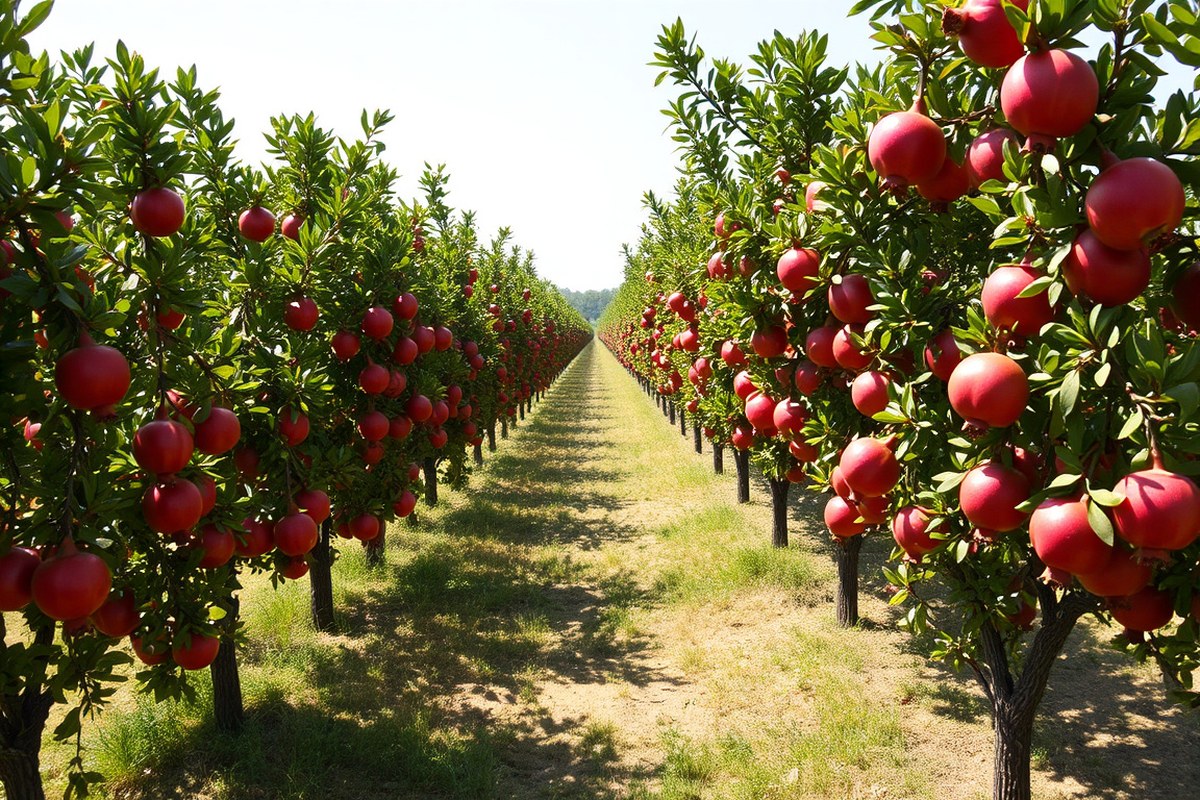
Wondering where do pomegranates grow? Pomegranates grow best in warm, sunny places. The Mediterranean is ideal.
Parts of the US Southwest also work well. These plants need plenty of sunlight every day.
Give them 6 to 8 hours of sun. This helps them produce better fruit.
Pomegranates can grow naturally as shrubs or small trees reaching 12 to 15 feet tall. Some varieties grow as small as 3 feet. Others reach up to 30 feet, depending on the type and how you train them.
They can handle dry conditions well but struggle with frost. Some types survive cold down to -15°C (5°F). So you can try them outside typical warmer zones if you protect them properly.
Key Takeaways
- Pomegranates need a minimum of 6 hours of full sun daily for healthy growth.
- The plant grows naturally as a shrub or small tree, up to 15 feet tall.
- Some varieties are cold hardy to about Zone 7, surviving mild frost.
- You can grow dwarf types as small as 3 to 4 feet tall in cooler areas.
- Drought tolerance makes pomegranates suitable for semi-arid regions.
- Training young plants can help them grow taller and produce more fruit.
Where Pomegranates Naturally Grow and Thrive
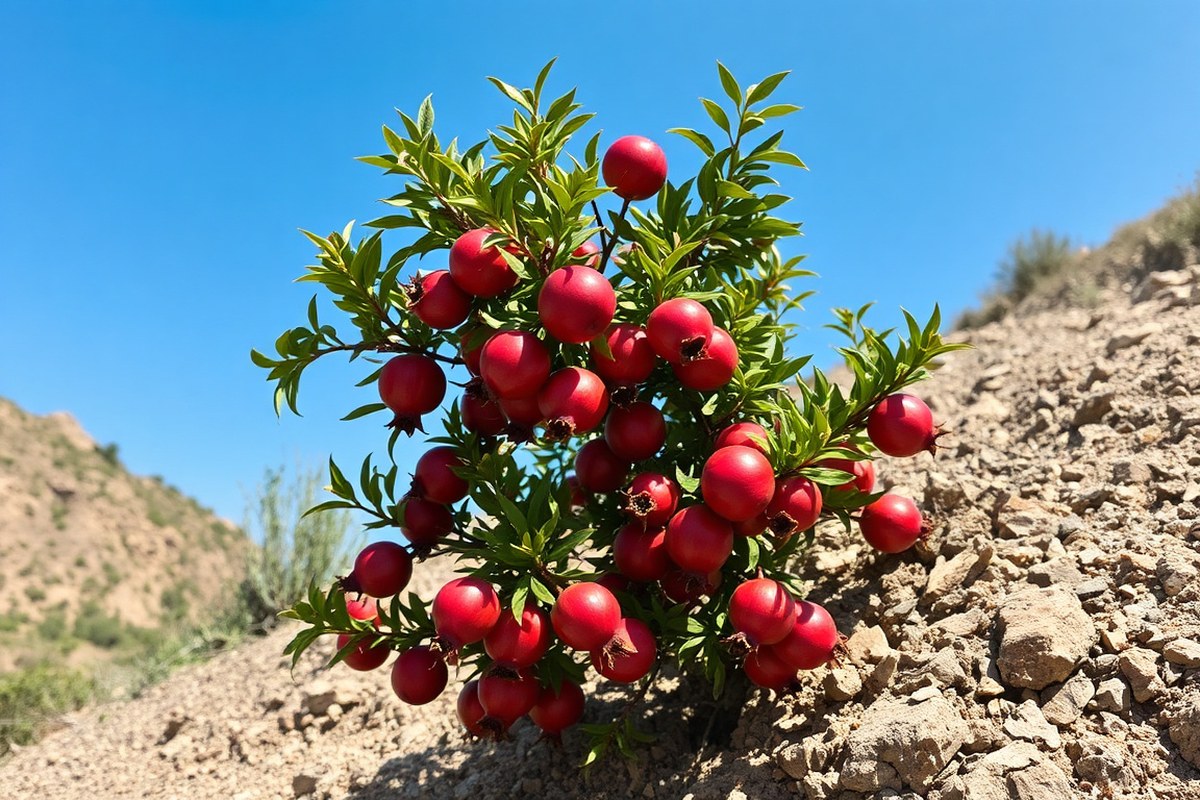
Pomegranates originally come from the region around modern Iran and the Caucasus. This area includes parts of Central Asia where wild pomegranates still grow naturally. The Hyrcanian forests grow along the Caspian Sea coast.
They are wild habitats and unique temperate rainforests. UNESCO recognizes their special value.
These plants grow mostly as bushy shrubs but can also become small trees if trained. In the wild, pomegranate shrubs typically reach 12 to 15 feet tall. These trees can grow up to 20 feet tall.
Gardeners train them to shape. They often look like mid-size trees.
Wild and cultivated pomegranates differ mainly in their growth and fruit. Wild pomegranates grow freely with multiple suckers from the base and can survive over 200 years.
But their fruit is usually smaller and less uniform. Cultivated trees are pruned and maintained for better fruit size, quality, and easier harvest.
Key Regions Where Pomegranates Are Cultivated Today
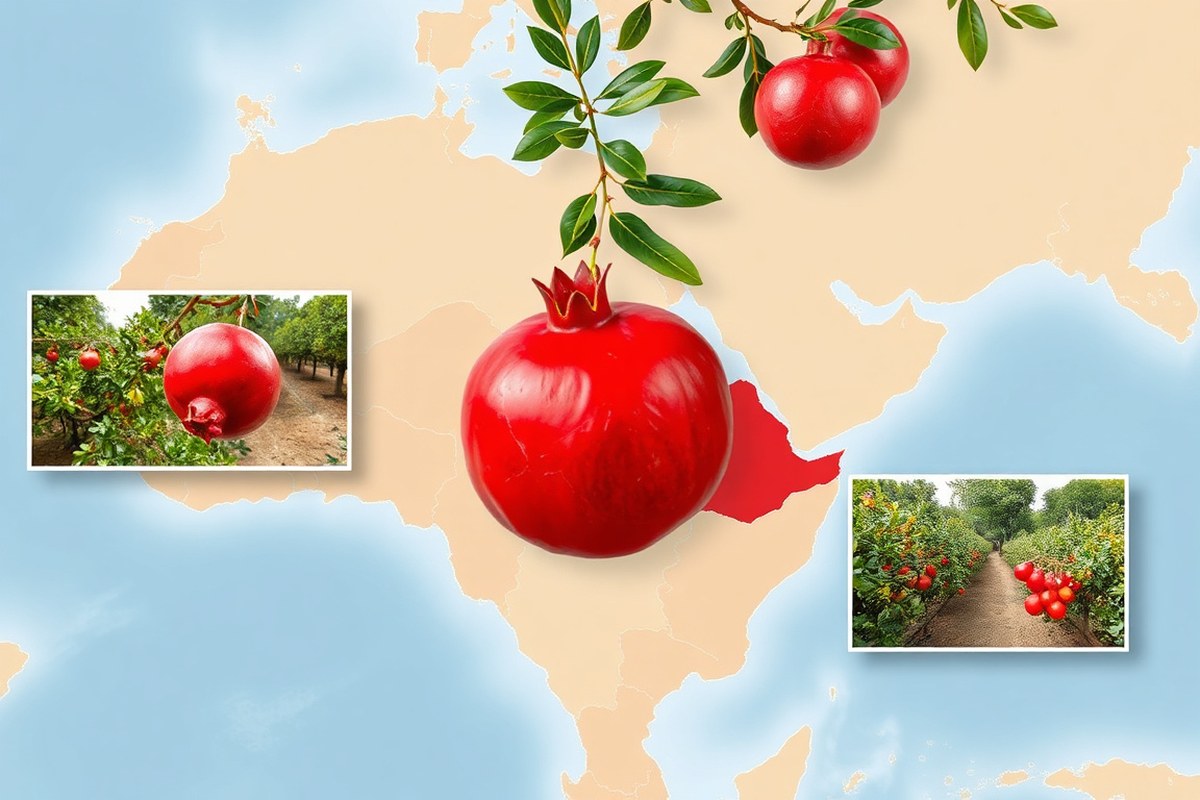
Pomegranates are grown worldwide in warm, semi-arid regions. The largest producers are mainly in Asia, the Middle East, and the Mediterranean. Commercial growing also extends to parts of the Americas and Oceania.
Asia and the Middle East Growing Hubs
Asia and the Middle East are the original homes of the pomegranate. Countries like India and Iran lead global production, benefiting from sunny, dry climates.
In Iran, pomegranates grow at high altitudes above 2,000 meters. This helps produce thicker skin and sweeter fruit. The Zagros and Alborz mountain ranges create these ideal conditions.
India grows pomegranates mainly in drier central and southern areas. Here, rich soil and warm weather support both commercial orchards and small growers.
Mediterranean Basin and European Production
The Mediterranean basin is a major pomegranate growing region. Spain, Greece, Italy, and Turkey lead production for fresh markets and processing.
Turkey connects Asia and Europe and grows lots of pomegranates. Greece grows them in scattered areas, such as islands and mainland.
Italy’s southern regions, especially Sicily, grow pomegranates used for fresh fruit and gourmet preserves. Southern Spain favors dense orchards for fresh fruit and juice.
| Country | Growth Profile | Primary Use |
|---|---|---|
| Spain | High density in southern regions | Fresh consumption & Juice |
| Greece | Scattered throughout mainland/islands | Traditional markets & Culinary |
| Italy | Strong presence in the south (Sicily) | Gourmet preserves & Fresh fruit |
| Turkey | Bridge between Asia and Europe | Massive commercial export |
This table shows how Mediterranean countries grow pomegranates at different scales. Each one fits its market needs, from fresh eating to export and processing.
Pomegranates in the Americas and Oceania
California is the main commercial region for pomegranates in the Americas. The San Joaquin Valley offers hot summers and dry air, perfect for sweet, colorful fruit.
Other parts of the US grow pomegranates too. But mostly on a small scale or in containers. Cold winters limit outdoor production in many states.
In Oceania, pomegranates are less common commercially but do well in suitable climates. Australian growers focus on warmer semi-arid zones, usually for local markets.
Emerging and Niche Regions
China and Japan produce pomegranates on a commercial scale in some provinces. China’s drier areas help meet growing demand for fresh and processed fruit.
Countries like Tunisia, Cyprus, Armenia, Palestine, and Egypt also cultivate pomegranates commercially. These regions offer warm climates with enough sunshine and well-drained soil.
In cooler zones, pomegranates grow as ornaments or in pots moved indoors during cold snaps. Using containers lets you enjoy the fruit even with short growing seasons.
Keep pomegranates in containers during freezes to avoid damage in colder zones.
Ideal Climate Conditions for Growing Pomegranates
Pomegranates develop best between 70°F and 85°F during the growing season. They need warm temperatures to promote flowering and fruit set.
Cooler weather slows growth and causes underdeveloped, pale fruit. Try to avoid prolonged heat above 95°F, which stresses the tree and reduces fruit quality.
Sunlight is key for pomegranates to flower and produce fruit. They need at least 6 hours of direct sun daily. More sun hours improve fruit size and sweetness.
Place pomegranates near a bright south-facing window indoors. Use grow lights if natural light is limited.
Pomegranates handle drought better than many fruits but still need steady moisture at key times. Keep soil moist from late spring through mid-summer when flowers and fruit develop.
Water deeply but avoid waterlogging, which damages roots and invites rot. Good drainage matters more than frequent watering.
Low to moderate humidity suits pomegranates well. High humidity can cause fungal diseases, especially during fruit set.
Air flow helps keep the foliage dry. In coastal or humid climates, prune the tree to open the canopy and reduce moisture buildup.
Seasonal warmth supports fruit coloring and ripening in fall and early winter. In cooler areas, fruits may stay small and pale without enough heat.
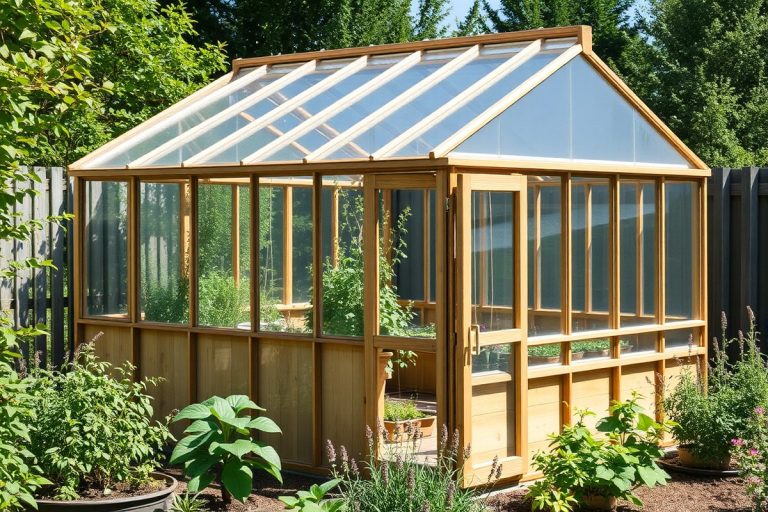
Using a greenhouse or polytunnel extends the warm season, helping fruit fully mature and sweeten. Container growers also benefit from bringing plants indoors during cool temperatures.
Mature pomegranate trees survive short dips to about 10°F. But young plants need protection from freezes. Fruit quality suffers if cold lasts too long or hits before harvest. A frost cloth or covering helps during sudden cold spells.
Avoid planting where water stands after rain. Standing water causes root rot. Root rot kills pomegranate trees faster than drought does.
How Soil Type and Nutrient Needs Affect Pomegranate Growth
Pomegranate trees thrive in well-drained soils rich in organic matter. Good drainage is essential because standing water can quickly cause root rot.
Your soil might hold water. Mix in coarse sand or compost to improve drainage.
The ideal pH range for pomegranates is from about 5.5 to 8.0. This means slightly acidic to moderately alkaline soils suit them well. Testing your soil’s pH before planting is helpful.
It tells you if you need lime or sulfur. You adjust acidity with these additions.
Loam or sandy loam soils are best. They give good texture and air to roots. This helps plants grow well.
Heavy clay soils can suffocate roots unless you add organic matter or sand to lighten them. Well-aerated soil helps the tree develop strong roots and better fruit.
Pomegranates need plenty of nutrients to produce large crops. A regular mulch of well-rotted manure or compost delivers nitrogen, phosphorus, and potassium.
Studies show potassium, sulfur, and manganese in the soil boost yields. So consider a balanced fertilizer if your soil lacks these.
Organic matter also helps soil retain moisture during dry spells. Pomegranate trees tolerate drought but perform best with irrigation, especially when fruit is developing. Mulching prevents water loss and keeps roots cool during hot weather.
Keep pH and nutrient levels steady with yearly soil tests. Potassium or sulfur might run low.
Use specific fertilizers to add them back. Avoid overwatering or planting in poorly drained spots, as wet roots quickly lead to disease.
Pomegranate Varieties and Their Growing Requirements
Pomegranates come in dwarf and standard types, which suit different spaces. Dwarf varieties usually top out between 0.8 and 1 meter tall. They fit well in pots and small gardens.
Standard trees grow 3 to 5 meters tall. They need more space outdoors. Large containers are also an option.
Some cultivars stand out for their cold tolerance. For example, ‘Provence’ and ‘Kazake’ handle colder conditions better than many others.
These grow well in zones 7 and 8 with some extra winter protection. Tender varieties like ‘Wonderful’ and ‘Mollar de Elche’ prefer warmer climates or heated greenhouses.
The fruit ripening time varies among varieties. Early types start yielding ripe fruit by late August.
Late maturing cultivars may not be ready until October or early November. This difference helps if you want to extend your harvest season.
| Variety | Cold Tolerance | Size (m) | Fruit | Best Use |
|---|---|---|---|---|
| Provence | Hardier | 2, 3 | Medium, sweet-sharp | Wall training outdoors |
| Nana | Fairly hardy | 0.8, 1 | Small, mostly for show | Pots, ornamental |
| Kazake | Hardier | 2, 2.5 | Medium, sweet | Colder gardens |
| Mollar de Elche | Tender | 3, 4 | Large, very sweet | Greenhouse only |
| Wonderful | Tender | 3, 5 | Large, sharp | Heated greenhouse |
| Acco | Tender | 2.5, 3 | Medium-large, sweet | Conservatory or greenhouse |
Dwarf types, like ‘Nana’, do well in 50 cm terracotta pots with good drainage. You can move these pots indoors in autumn to protect the roots and extend ripening. Standard trees usually need a full garden spot or larger containers.
Cold-tolerant trees survive brief dips to about 10°F when dormant. Harsh wet conditions, however, cause root rot quickly. Keep the soil well-drained and avoid overwatering, especially for outdoor plants.
Choose dwarf pomegranates for small spaces or to grow indoors during cold months.
How Altitude Influences Pomegranate Growth and Fruit Quality
Pomegranates grow well at altitudes ranging roughly from 1,500 to 2,000 meters. In Oman’s Al-Hajar Mountains, local pomegranates grow well at these heights. Cooler nights and bigger temperature swings improve their fruit quality.
This helps the fruit develop better flavor and texture. These shifts in temperature help the fruit build more sugars and develop stronger color.
Higher altitude means bigger differences between day and night temperatures. These swings increase sugar levels in the fruit, making it sweeter. For example, the Helow cultivar showed better sweetness and color at higher elevations.
Malasi grew better lower down. This means your cultivar choice matters for the altitude you plant at.
Ultraviolet light is stronger at higher altitudes. This makes fruit pigmentation deeper. As a result, pomegranates look more vivid and rich.
Cooler nighttime temperatures slow down respiration in the fruit so acidity stays balanced. This helps the fruit keep a good mix of sweet and tart flavors.
There are limits for commercial growing. Above about 2,000 meters, pomegranate trees may struggle due to lower temperatures and shorter growing seasons.
At lower altitudes, below 1,500 meters, heat can reduce fruit quality by lowering the sugar buildup. Finding the right altitude range for your region ensures healthy trees and tasty fruit.
Be ready to thin fruit clusters if your pomegranate tree sets many fruits. Removing smaller fruits early lets the tree focus energy on fewer, larger fruits. This approach boosts overall fruit size and sugar levels, especially when growing at these mid-to-high altitudes.
Altitude strongly influences how pomegranates grow and taste by changing temperature patterns and sunlight. Growing pomegranates at 1,500 to 2,000 meters usually produces firmer fruit. The color is richer, and the flavor tastes sweeter.
However, some varieties only thrive lower down. So matching your cultivar with your altitude matters for the best harvest.
Frost and Cold Protection for Pomegranate Trees
Pomegranates dislike freezing weather but can survive mild chills. You must protect them before frost hits to avoid damage. Wrapping trunks and using mulch helps, especially with young trees.
Assessing Tree Cold Hardiness
Established pomegranate trees handle cold better than young ones. They can survive brief freezes down to about 5 °F (-15 °C), depending on the variety. Trees soften new growth in gradual cooldowns but suffer below 12 °F (-11 °C).
Flowers and young fruit are sensitive to light frosts around 28 °F (-2 °C). Young trees need extra protection until they build hardiness after 3 or 4 years. Container-grown trees freeze faster and must be treated more carefully.
Methods to Protect Trees from Frost
Wrapping the trunk with burlap or tree wraps keeps tissues warm in freezing weather. Apply thick mulch around the base; this insulates roots from soil frost. For severe cold, cover trees with frost cloths or old sheets to hold heat overnight.
Using windbreaks made of wood or plastic shields trees from chilling winds. Avoid plastic directly on leaves, it traps frost and harms tissues. Watering soil before frost nights helps because moist soil holds heat better than dry soil.
Timing Protective Measures
Start protection when temperatures dip near 32 °F (0 °C) at night. Begin wrapping trunks before the first frost, usually in late fall. Remove frost covers after sunrise to avoid overheating in sunlight.
Continue winter checks, especially on pots or young trees. Adjust mulch thickness during cold spells. Prune dead wood early in late winter to prevent rot and promote healthy spring growth.
Special Considerations for Container Plants
Containers freeze faster and dry out quicker than ground soil. Move potted pomegranates indoors or against warm walls for winter. Surround pots with insulation like bubble wrap or foam.
Water regularly but reduce amounts to avoid root rot in cold soil. Keep an eye on pots and renew protective wraps after rain or wind. Don’t let containers sit in standing water during freezes.
Follow these steps for winter care. They reduce freeze damage risk and keep trees healthy:
- Check local frost dates to know when cold starts.
- Wrap trunks of young trees with burlap or tree wrap.
- Apply 3, 4 inches of mulch around the base.
- Cover trees with frost cloth on nights below 32 °F.
- Create windbreaks on the coldest sides of your orchard.
- Water soil before frost nights to retain heat.
- Move container plants indoors or near warm walls.
- Remove covers early each day to avoid heat buildup.
Assessing Your Location for Growing Pomegranates Successfully
To grow pomegranates well, first check your USDA Hardiness Zone. Then, test your soil and assess if your sunlight and water fit pomegranate needs. Pick the right variety or method for your conditions.
This helps support strong growth. You’ll get better fruit this way.
Checking USDA Zone Compatibility
Pomegranates grow best in USDA Zones 8 through 11. These zones cover much of the southern U.S., including central Texas and coastal California. Zones 7 or lower make outdoor growing risky without cover.
Use protection to keep plants safe. This reduces damage in cold weather.
Use the USDA Hardiness Zone map online or gardening apps to find your zone. Check your home’s microclimates when your area is borderline. These spots can offer more warmth or shelter.
It helps decide where to grow. South-facing walls or sheltered spots can raise temperatures slightly.
Soil Testing and Preparation
Pomegranates prefer slightly acidic to neutral soil, usually between pH 6.0 and 7.0. A simple soil test kit from a garden store can check this quickly. Testing every year helps catch any shifts that affect growth.
Too acidic or alkaline soil needs adjusting. Add lime to raise pH or sulfur to lower it. This balances soil for better growth.
Amend soils with organic matter to improve texture and drainage. Pomegranates dislike heavy clay that holds water.
- Buy a pH soil test kit for about $10, 15
- Collect soil samples from several garden spots
- Test samples according to kit instructions
- Amend soil based on results before planting
- Repeat testing every growing season
Regular soil testing helps catch problems early and keeps conditions ideal for fruiting.
Evaluating Sunlight and Water Availability
Pomegranates need at least 6 to 8 hours of direct sunlight daily to produce fruit. Observe your garden spot through the day to verify this. Shade reduces fruit quantity and growth vigor.
Water deeply but infrequently to mimic natural dry spells followed by rain. Consistent soggy soil leads to root rot. Adjust watering schedules based on rainfall and soil moisture.
Keep soil moist, not waterlogged, especially before fruit sets to avoid splitting.
Choosing Varieties or Growing Methods for Your Climate
In cooler areas at the edge of pomegranate zones, pick cold-hardy varieties or use containers. Container pomegranates can move indoors during frost. Smaller trees fit patios and require less space.
Poor outdoor conditions mean container growing is a good option. Use well-drained potting mix in your pots. It gives you more control.
Place containers where they get full sun. In winter, move plants inside to a sunny window or grow light.
- Cold-hardy types for Zones 7, 8
- Containers allow flexible location and frost protection
- Use organic potting mix with good drainage for containers
- Indoor plants need 6, 8 hours of grow light or sunlight
- Regular watering and feeding support container growth
Choosing the right variety and method helps you grow pomegranates even in marginal climates.
Step-by-Step Action Plan for Growing Pomegranates
Use this quick plan to start growing pomegranates successfully. Follow each step and watch your tree grow strong.
- Before planting: Check your local climate and soil type. Make sure you have good drainage and warm temperatures.
- Week 1: Choose a pomegranate variety suited for your altitude and cold risk. Buy from a local nursery for best results.
- Week 2: Prepare the soil by adding compost or balanced fertilizer. The soil should be slightly acidic to neutral.
- Week 3: Plant your pomegranate where it gets full sun. It needs at least 6 hours of sunlight daily. Choose a spot that stays bright and sunny. Water deeply but avoid waterlogging.
- Month 1: Mulch around the base to retain moisture and protect roots. Check for signs of pests or frost damage regularly.
- After 3 months: Prune lightly to shape the tree and remove dead branches. This helps air flow and improves fruit quality.
- After 6 months: Begin a regular watering schedule. Increase water during hot, dry weather, but reduce it before harvest.
- After 1 year: Evaluate fruit development and tree health. Adjust care based on your observations to improve yield next season.
Frequently Asked Questions
Can Pomegranates Grow in Containers for Small Spaces?
Yes, you can grow pomegranates in containers. Use a large pot that has good drainage holes.
Put the pot where it gets full sun all day. This helps the plant produce the best fruit.
Do Pomegranates Need Pruning to Grow Well?
Pruning helps pomegranates grow strong and produce better fruit. Cut out dead branches in late winter to shape the plant.
How Long Does It Take for a Pomegranate Tree to Produce Fruit?
Pomegranate trees usually take 2 to 3 years to bear fruit. Patience is key, but good care speeds growth.
Can Pomegranates Survive in Areas with High Humidity?
Pomegranates can handle some humidity but prefer dry climates. High moisture may cause fungal problems, so ensure good air flow.
Are Pomegranates Drought-Tolerant Once Established?
Yes, mature pomegranate plants tolerate drought well. However, regular watering improves fruit size and quality.
Can You Grow Pomegranates Indoors Year-Round?
Growing pomegranates indoors works if you provide strong light and warmth. Choose dwarf varieties for easier care.
Before You Go
Pomegranates grow well in warm climates with well-drained soil. Find your local conditions and match the right variety. Start small and adjust as your tree grows to enjoy homegrown fruit soon.
One Comment