What Seeds Can I Plant Now: A Complete Guide to When and How to Sow
You can plant seeds outside once the soil feels warm and no frost is expected. Frost and cold soil stop seeds from growing.
If the soil is cold, start seeds indoors using pots or seed trays. This helps plants get a head start in spring.
Most seeds need soil temperatures between 7 and 10°C to grow well outdoors. Tomatoes do best when soil stays 60°F or warmer after the last frost.
Plant indoors if it’s still cold. Keep indoor seeds warm between 60 and 68°F for strong growth.
Water soil the day before planting to make it moist, not soggy. Plant 20% to 30% more seeds than you want since some won’t sprout. Watch local weather and adjust planting times based on frost chances and your zone.
Key Takeaways
- Start seeds indoors in trays with seed compost in a warm spot (15, 20°C).
- Do not plant bean seeds in cold soil below 60°F; they rot easily.
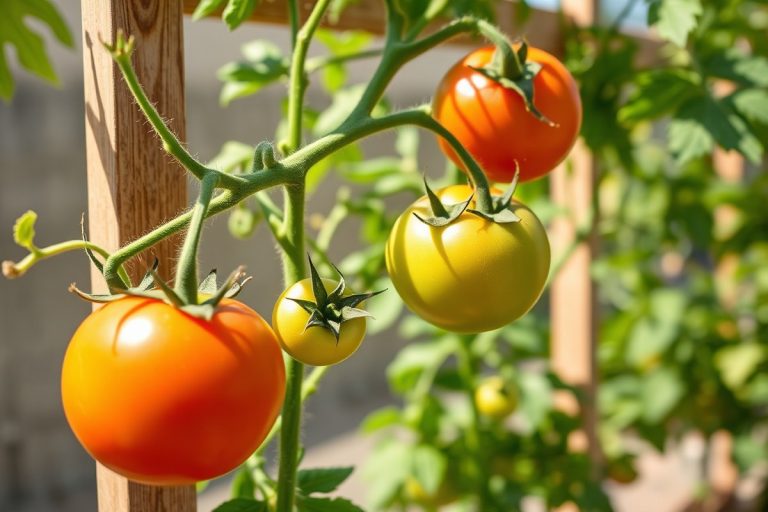
- Plant tomatoes outdoors only after the last frost and soil above 60°F.
- Water soil 24 hours before sowing seeds directly outdoors for best contact.
- Sow flower seeds like petunias indoors 10, 12 weeks before frost dates.
- Grow cool-weather flowers like sweet peas and pansies outside in mild spring.
Which Seeds Can You Plant Right Now Outdoors or Indoors?
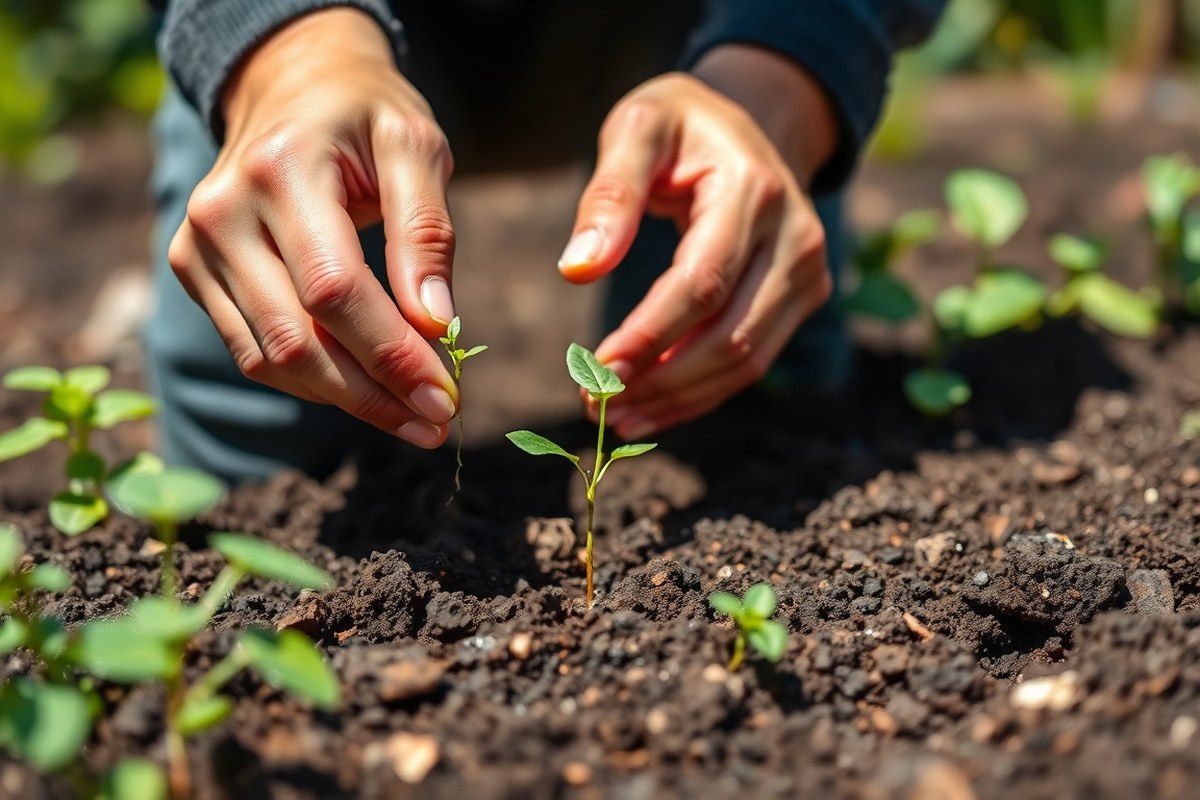
You can plant seeds outdoors or start them indoors. It depends on your soil temperature and region. Choose the best method based on those factors.
Cool-season crops tolerate chilly soil and frost. So you can sow them outside now in most areas. Warm-season seeds need heat and usually start indoors before moving outdoors after frost passes.
Cold-Tolerant Seeds for Direct Sowing
Some seeds tolerate cool soil and light frost well. These are good for direct planting now. You can plant them outside safely.
Broccoli and cabbage can brave cold weather and even hard frost. Peas, spinach, and radishes also sprout well in cooler soil above 40°F (4°C).
These crops thrive in zones with spring soil warming slowly. Starting them outdoors saves time and space compared to seed trays indoors. Just check your last frost date and soil temperature to time sowing correctly.
| Seed | Direct Sow Outdoors | Frost Tolerance |
|---|---|---|
| Broccoli | Yes (cool season) | Tolerates light frost |
| Cabbage | Yes (cool season) | Tolerates hard frost |
| Peas | Yes (cool soil) | Can survive light frost |
| Spinach | Yes (cool soil) | Tolerates frost |
| Radishes | Yes (cool soil) | Light frost tolerant |
Plant these seeds outdoors once soil temperature is at least 40°F. Add 1 to 3 weeks after your last frost date. This helps if you live in cooler areas.
Wait to plant until then. Those in warmer zones with soil over 50°F can expect faster germination.
Warm-Season Seeds to Start Indoors
Seeds like tomatoes, peppers, and eggplants need warmer soil. They won’t survive frost and grow slow in cold soil. Start these indoors 6, 10 weeks before your last frost date to get a head start.
Seedlings grow in pots or trays in warm spots at 65, 75°F. After soil warms past 60°F and frost risks end, transplant them outdoors. This approach avoids seedling loss and speeds maturity.
| Seed | Start Indoors | Weeks Before Last Frost | Frost Tolerance |
|---|---|---|---|
| Tomatoes | Yes | 6, 8 weeks | None, frost kills |
| Peppers | Yes | 8, 10 weeks | None, chilling stunts |
| Eggplants | Yes | 6, 8 weeks | None, frost kills |
Starting indoors saves the season for these heat-loving plants. Use a seed compost mix and keep trays in a warm, bright area. Harden off seedlings outdoors gradually before planting in your garden.
Indoor and Outdoor Planting Decision Checklist
Choose to sow indoors if your seeds need warmth or the last frost is weeks away. Direct sow outdoors if soil stays above 40°F and the crop tolerates frost or cold.
Check your region’s last spring frost and soil temperature. For instance, if last frost is mid-April, soil warms earlier. Peas and spinach can go outside in early April.
The soil needs to reach 50°F first. Tomatoes and peppers should stay indoors.
Here’s a simple rule to decide: Cold-tolerant crops and soil above 40°F = direct sow outdoors. Warm-season crops and frost risk remaining = start indoors. Adjust timing for your climate zone and soil warmth for best results.
How to Check Soil and Weather Conditions Before Planting
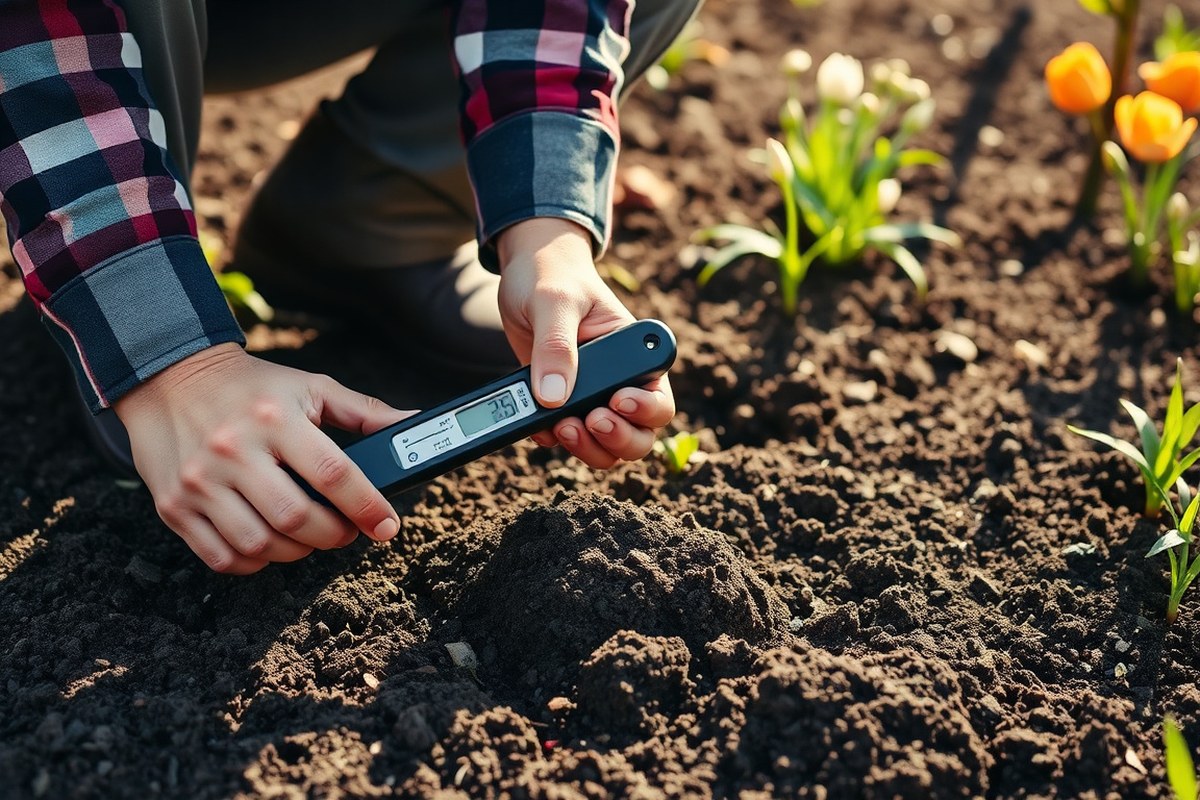
Seeds need soil that has warmed enough to start growing. Most seeds won’t germinate well until the soil reaches about 7 to 10°C (45 to 50°F). The air temperature affects when you can plant outdoors.
Frost risk matters too. These factors decide the safest planting time.
Measure your soil temperature first. Know your area’s frost dates. Keep an eye on the local weather forecast.
Harden seedlings off for 7 to 10 days before moving outdoors. Plant after the last frost or when frost risk is low. This helps avoid transplant shock and frost damage.
Follow these steps to measure soil temperature and assess the frost risk before planting:
- Use a soil thermometer, available online or at garden centers for $10 to $20.
- Insert the thermometer into the soil about 2 to 3 inches deep in your planting spot.
- Check soil temperature early in the morning for an average reading.
- Compare the temperature to seed requirements; most need at least 7°C to start.
- Find your last frost date using local resources. Enter your ZIP code online to search quickly.
- Wait until after this date to plant frost-sensitive seeds like beans or tomatoes outdoors.
- Before transplanting seedlings, harden them off outside for a week to 10 days.
- Check the weather forecast for unexpected cold snaps or frost warnings before planting.
Carefully monitor weather forecasts. Unexpected frost can still harm seedlings even after last frost dates.
Preparing Seeds and Soil for Successful Planting
Preparing seeds and soil correctly boosts your chance of strong sprouts. Some seeds need special care like soaking or nicking before planting. Soil should be loose and moist but not soggy to help seeds start well.
Different seeds have different prep needs. For example, morning glories and lupines do better if you nick their hard shells.
Soaking most seeds for 24 hours softens them and speeds up germination. Beans, though, won’t do well if the soil is cold and wet, it causes rot.
Soil preparation makes a big difference. Water your garden bed a day before planting. This lets the soil soak moisture evenly.
Work the soil to remove clumps and stones. When soil feels heavy, add compost to make it richer. Seeds planted in loose, organic-rich soil sprout easier, especially in fall or spring.
Watering newly planted seeds takes care and timing. Water gently right after covering seeds with soil. Use a fine spray to water seeds gently.
You can also use a watering can with a rose nozzle. This avoids washing seeds away. Keep soil moist while seeds sprout.
Don’t let it get soggy. Too much water can rot seeds or cause mold.
Follow these steps to prepare seeds and soil for planting:
- Soak most seeds in water for 24 hours to soften their coating.
- Nick hard-shelled seeds like morning glory or lupine gently with a knife or nail file.
- Check the seed packet for depth and spacing recommendations before planting.
- Water the soil in your garden bed thoroughly a day before planting seeds.
- Loosen the soil with a fork or tiller and mix in compost if soil is heavy.
- Make shallow trenches or drills at the correct depth according to the seed packet.
- Place seeds in the trench spaced as instructed and cover lightly with soil.
- Water the soil gently with a fine spray immediately after planting the seeds.
Timing and Growing Periods for Seeds Planted Now
Seeds have different germination times and growing lengths depending on the type. For example, lettuce seeds can sprout within 7 days.
Tomatoes might take 6 to 10 days to germinate. Understanding these timelines helps you plan your seed-starting so the plants mature at the right time.
Vegetables like carrots and radishes usually mature faster, in about 50 to 70 days. Crops like peppers or tomatoes take longer, around 70 to 90 days, before harvesting. Planting too late may mean they won’t produce before frost, especially in cooler zones.
Adjust planting dates based on your USDA hardiness zone or your local microclimate. Living in Zone 5, start tomato seeds indoors 6 to 8 weeks before frost.
Warmer zones like 8 or 9 let you start seeds outside earlier. You can often sow some crops directly outdoors.
Here’s a timeline of germination, seedling growth, and harvest times for seeds. It shows when you might plant common garden crops now. It also notes indoor or outdoor starts and offers zone-related planting advice.
| Seed Type | Germination (Days) | Seedling Stage (Weeks) | Harvest Time (Days) | Best Start Method | Zone Adjustment Example |
|---|---|---|---|---|---|
| Lettuce | 5-10 | 2-3 | 40-55 | Direct sow outdoors | Zone 5: Sow 2 weeks before last frost |
| Tomato | 6-10 | 6-8 | 70-90 | Start indoors | Zone 8: Start indoors 6 weeks before last frost |
| Spinach | 7-14 | 3-4 | 40-50 | Direct sow outdoors | Zone 6: Sow 4 weeks before last frost |
| Peppers | 7-14 | 8-10 | 70-90 | Start indoors | Zone 7: Start indoors 8 weeks before last frost |
| Carrots | 10-21 | 3-5 | 60-75 | Direct sow outdoors | Zone 5: Sow as soon as soil can be worked |
Using these timelines helps you avoid planting too late. Late planting risks frost damage. It also risks stunted plants.
Notice seedling growth lagging after normal germination days? Check soil temperature. Also check soil moisture.
Cooler soil delays sprouting. So using seed-starting heat mats indoors can help speed it up.
Microclimates like south-facing slopes or shaded corners affect planting dates. These shifts can be several weeks earlier or later. Track your local last frost date closely.
Compare it with zone guidelines. Adjust based on your exact garden spot.
This helps you know the right time to start seeds indoors or outdoors. You’ll get a better harvest this way.
Flower Seeds to Sow Now for Spring and Summer Blooms
You can plant certain flower seeds now to see spring or summer blooms. Some flowers grow well indoors with warmth, while others handle cool soil outdoors. Starting seeds now means they will bloom earlier and fill your garden with color.
Best Early Blooming Flowers for Indoors
Start sweet peas and pansies indoors in pots or seed trays. These flowers need about 6 to 8 weeks indoors before moving outside. Keep the soil moist and place the trays where they get bright, indirect light.
Pansies and violas do well indoors starting in September, especially in zones 5 to 7. Transplant them outside in October so they bloom early in spring.
Sweet peas also respond well to indoor starts. Sow in October or November for spring blooms.
- Use seed-starting mix for best germination
- Maintain indoor temperature around 65 to 70°F
- Keep soil moist but not soggy to avoid rot
- Provide 12 to 16 hours of light daily, using grow lights if needed
- Harden off seedlings by gradually exposing them to outdoor air
Growing seeds indoors lets you control temperature and moisture. This helps slow-germinating flowers, like pansies, develop strong roots before cold weather arrives.
Cold-Hardy Flowers to Sow Outdoors
Pansies, violas, and sweet peas handle cool soil well. You can sow them outside in fall or early spring.
They grow fine in these cooler seasons. These flowers do best when planted in soil around 40 to 60°F. This outdoor sowing fits zones 5 through 8, depending on your area and timing.
Calendula and snapdragons also handle cooler soil and can be sown outside now. They usually germinate in 7 to 14 days if the soil is moist. Cold frames or row covers protect young seedlings from frost and extend the growing season.
- Choose a sunny spot with well-draining soil
- Sow seeds about ¼ inch deep in loose soil
- Water gently but keep soil consistently moist
- Use cold frames to shield from unexpected freezes
- Thin seedlings to at least 6 inches apart once sprouted
Direct sowing saves time and is ideal where seeds naturally cold-stratify outdoors. This process helps flowers bloom in their first year with less fuss.
Care Tips for Flower Seedlings
Keep indoor seedlings away from drafts and sudden temperature changes. Consistency helps prevent stunted growth and diseases. Water when the soil surface feels dry but avoid overwatering, which leads to root rot.
Outdoors, watch young plants for pests like slugs or aphids. Handpick pests or use organic treatments early to avoid damage. Also, feeding seedlings with dilute fertilizer every two weeks supports healthy growth and blooms.
Overwatering flower seedlings is the most common mistake. It often leads to damping off, a fungal disease. This disease kills young plants fast.
After transplanting seedlings outside, water deeply once, then water when soil starts to dry. Early morning watering reduces leaf diseases by giving plants time to dry during the day.
Vegetables and Herbs Perfect for Planting Now
March is a great time to plant many vegetables and herbs. You can plant them directly outdoors or start seeds indoors. Both options work well this month.
Spread out your sowing over several weeks. This is called succession sowing.
It helps you get fresh produce for longer. Some crops do better planted now, while others should wait until conditions improve.
Fast-Growing Vegetables for Immediate Sowing
Plant quick-growing veggies like lettuce and radishes outdoors as soon as the soil can be worked. These crops mature fast. Sow new seeds every 2 to 3 weeks.
This gives you a steady harvest. It lasts through the whole season. Spinach and kale also grow well now and handle cooler soil.
Container gardening works well with smaller crops like dwarf tomatoes, peppers, and bush green beans. These grow fast and fit small spaces like patios or balconies. Remember to water regularly and provide some sunlight for containers.
| Vegetable | Sowing Method | Timing |
|---|---|---|
| Lettuce | Direct sow outdoors | March and onwards; succession sow every 2, 3 weeks |
| Radishes | Direct sow outdoors | March; quick harvest in 3, 4 weeks |
| Spinach | Direct sow outdoors | Early spring; cool conditions preferred |
| Kale | Direct sow outdoors | March; tolerates cooler temps well |
| Tomatoes (compact types) | Indoor seed start, then transplant | Start indoors now; transplant after frost risk passes |
| Green beans (bush) | Direct sow outdoors or container | Late spring to early summer; succession sow available |
Stagger your sowing every 2 to 3 weeks with these veggies to enjoy fresh produce longer. Keep an eye on your frost dates, especially for warm-season crops like tomatoes and beans.
Herbs to Plant Now Indoors or Outdoors
Basil, parsley, cilantro, and dill can be started indoors now for transplanting later. These herbs prefer starting inside to protect them from cool nights. You can also sow parsley outdoors in zones 7, 8 directly.
Herbs like chives and oregano handle cooler weather well. You can sow them directly outdoors. Just make sure the soil is workable.
Plant near a sunny window or on a porch to maximize light. They usually need 7 to 14 days to germinate.
Crops to Hold Off Planting Until Later
Avoid planting warm-season crops like cucumbers and peppers directly right now unless you use containers indoors. They need soil and air temperatures above 60°F. Planting too early can stunt growth or lead to rotting seeds.
Large plants that take a long time to mature should also wait for steadier warm weather. For example, tomatoes grown indoors now should only go outside after frost risks pass. Waiting helps young plants survive and thrive.
Common Seed Planting Mistakes and How to Fix Them
Common Seed Planting Mistakes and How to Fix Them
One common mistake is planting seeds in soil that’s too cold. Seeds need warm soil, usually 50°F to 70°F, to sprout. Use a soil thermometer to check temperatures before planting.
When soil is too cold, start your seeds indoors. Or wait two weeks for the soil to warm.
Planting too few seeds often leads to fewer plants. Plant two to three times the seeds you want to grow. This helps because some seeds may not sprout well.
This accounts for seeds that don’t germinate or seedlings that don’t survive. Thinning seedlings later will give the strongest plants enough space to grow well.
- Planting too deep or too shallow; follow seed packet depth instructions precisely.
- Overwatering seeds causes rotting; keep soil moist but not soggy.
- Not protecting seeds from birds or pests; use nets or covers if needed.
- Ignoring seed spacing; crowding leads to weak or diseased plants.
- Skipping soil preparation; loosen soil and mix in compost before planting.
- Starting seeds in poor light; seedlings need bright, indirect sunlight indoors.
- Failing to label seed rows causes confusion; mark each type clearly.
Overwatering is a frequent problem. Seeds need moisture but sitting in water hurts them.
Water lightly and check daily, letting the top half-inch of soil dry out a bit. Using a spray bottle helps spread water gently without washing seeds away.
Spacing matters more than many think. Crowding seedlings leads to poor airflow and weak growth. After seedlings emerge, thin the weaker ones to recommended distances.
Keep one healthy plant every 2 to 4 inches. The exact spacing depends on the seed type you plant.
Adjusting Planting Plans by Zone and Extending the Season
Finding your USDA zone is the first step in planning your seed planting. Use the USDA Plant Hardiness Zone Map online by entering your zip code.
This tells you the average lowest winter temperature. So you can pick seeds that survive your climate.
You’ll want to choose seeds suited for your zone. For example, in Zone 5, start cool-weather crops like peas in early spring.
In Zone 8, you can plant warm-season vegetables earlier and longer. Local extensions often give recommended planting dates, which match your zone’s conditions and frost dates.
Microclimates also matter. A sunny south-facing wall can boost soil temperatures by several degrees.
Plant warmth-loving seeds there sooner than in shaded spots. Cold spots may delay planting, so watch for frost pockets around your yard.
Extending the planting season means you can grow more or start earlier. Using a cold frame is a simple and affordable method.
You can buy them for around $50 or build one from old window frames. Place it over young seedlings to trap heat and protect against frost.
Starting seeds indoors is another way to stretch the season. Use seed trays and a clear cover indoors near a sunny window or under grow lights.
Transplant seedlings outside after the last frost date, which varies by zone. This lets you get a jump on plants that need a longer growing time.
Row covers made of lightweight fabric protect tender plants from chills and pests. You can use them right after planting outdoor seeds.
They cost about $10 to $30 for a 10×10-foot piece. These covers help keep soil warmer on chilly nights.
Watch soil temperature, too. Seeds like beans need soil above 60°F to germinate well. Use a soil thermometer to check if planting now will work.
Soil too cold? Use cloches or plastic mulch to warm it faster.
Check your zone’s average last frost date each year and plan seed starting accordingly.
Step-by-Step Action Plan for Planting Seeds Now
Follow these steps to plant your seeds successfully and watch them grow. Each step helps you track progress and avoid common pitfalls.
- Before you start: Check your local weather forecast and soil conditions. Confirm soil is moist but not waterlogged and temperatures match seed needs.
- Day 1: Select seeds suited for your zone and current season. Choose varieties that thrive in your outdoor or indoor space now.
- Day 2: Prepare your soil or seed trays by loosening soil and mixing in compost. Soil should feel crumbly and rich, not hard or dry.
- Day 3: Soak larger seeds overnight or follow specific seed package instructions. Proper preparation speeds germination.
- Day 4: Plant seeds at the depth and spacing recommended on the seed packet. Cover gently with soil to avoid crushing seeds.
- Week 1: Water seeds daily with a gentle spray, keeping soil moist but not soggy. Check for sprouting to know seeds are germinating.
- Week 2, 4: Thin seedlings by removing weaker plants to give space to stronger ones. Thin plants grow bigger and healthier.
- Ongoing: Monitor for pests and adjust watering as plants grow. Healthy plants need consistent care and attention.
Frequently Asked Questions
What Seeds Can I Plant Now for a Summer Harvest?
You can plant beans, tomatoes, and cucumbers now for summer. Start tomatoes indoors if it’s still cold outside. Beans and cucumbers can often be sown directly once the soil warms up.
Can I Start Seeds Indoors Now and Move Them Outside Later?
Yes, start seeds indoors in pots or trays with seed compost. Keep them in a warm place until seedlings form. Move them outside after the last frost date for your area.
How Do I Know If It’s Too Late to Plant Seeds Outdoors?
It’s too late if the growing season is ending soon or frost is near. Check local frost dates and the seed packet for days to maturity. Plant only seeds that will mature before cold weather arrives.
What Plants Thrive When Planted This Early in Spring?
Cool-season crops like spinach, lettuce, and peas thrive when seeded early. These plants handle light frost and cooler soil well. They often provide a quicker harvest in spring gardens.
When Can I Put My Plants Outside in 2026 in Zone 6?
In zone 6, you can usually move plants outside after mid-April. That’s when the last frost typically passes. Gradually harden off seedlings by exposing them to outdoor conditions for a week.
Can I Plant Flower Seeds Along with Vegetables Now?
Yes, many flower seeds can be sown alongside vegetables now. Marigolds and nasturtiums add color and help deter pests. Just ensure both get enough light and water for healthy growth.
Wrapping Up
Planting seeds now sets the stage for a rewarding garden season. Start by checking your local soil and weather to pick the right seeds. Then get planting to enjoy fresh flowers, veggies, or herbs soon.
One Comment