When to Plant Peach Trees: A Complete Guide with Timing & Care Tips
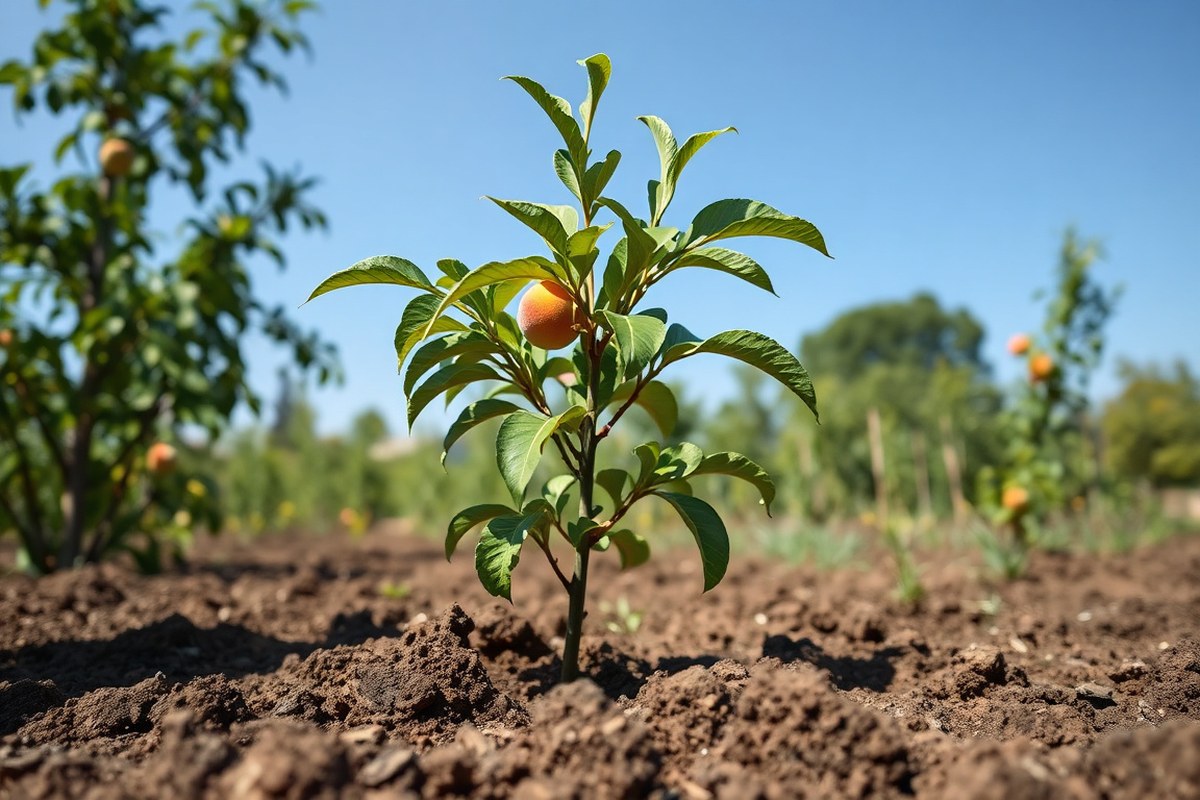
Knowing when to plant peach trees is key to their healthy growth. The best time is often early spring or fall. The soil should be easy to work.
Make sure frost is not a threat then. Soil temperatures above 40 degrees Fahrenheit help roots start growing well.
Planting in fall lets your peach tree settle. It gets 4 to 6 weeks before frost. This helps it prepare for winter.
Spring planting works well once the danger of frost has passed in your area. Timing helps the tree avoid frost damage and grow strong roots.
Pick a spot with full sun for your peach tree. It should get at least 6 hours of sunshine. This helps the tree grow well.
Avoid cold spots or low areas where frost settles. Proper timing and location put your tree on track for good fruit in a few years.
Key Takeaways
- Plant peach trees in early spring after frost risks end.
- Fall planting needs 4 to 6 weeks before expected frost date.
- Pick a sunny spot with 6+ hours of direct sunlight daily.
- Avoid planting in low areas prone to frost pockets.
- Soil temperature should be above 40°F for root development.
- Fall planting allows root growth ahead of winter dormancy.
Best Time to Plant Peach Trees by Region
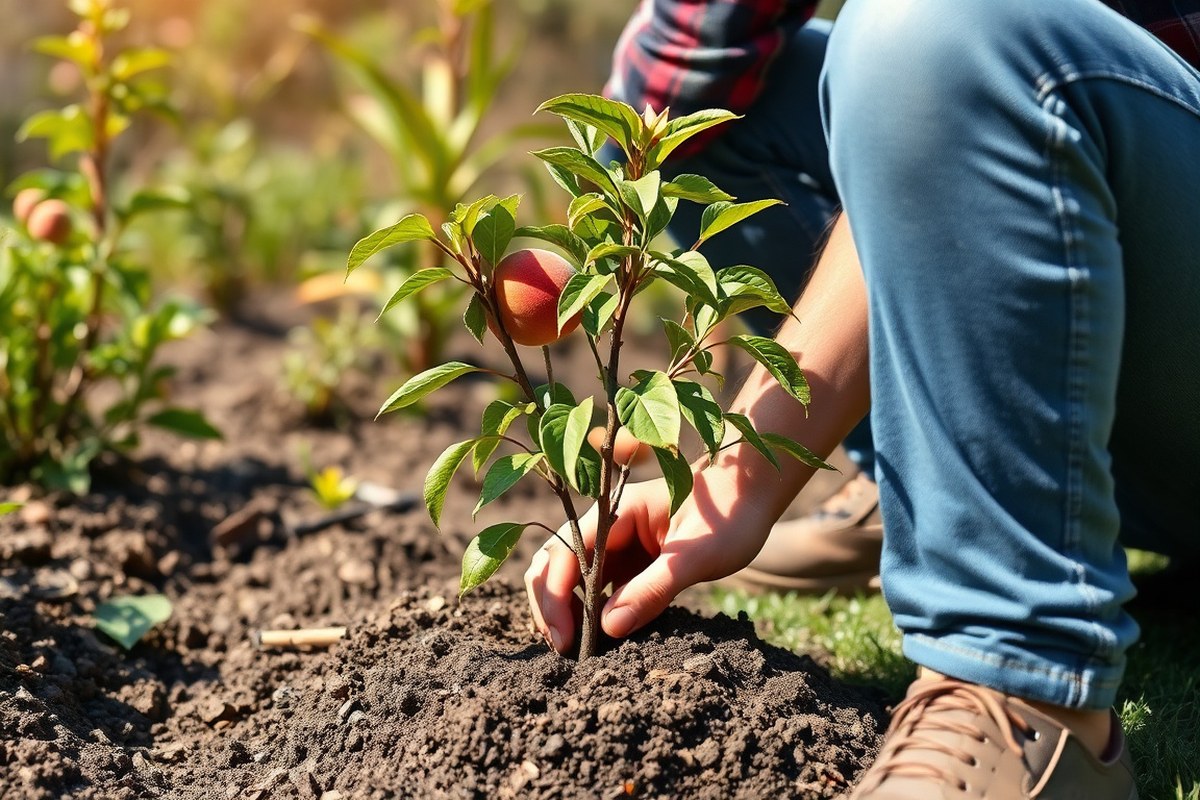
Plant peach trees once the soil thaws in late winter or early spring. This helps the tree settle before new growth starts. Avoid planting in deep winter frost or hot summer heat to keep the tree healthy.
Chill hours count the cold hours peach trees need below 45°F. These hours help peach trees grow fruit. Without enough chill hours, fruit may not develop well.
Each variety has a specific chill hour requirement. Choose a variety that matches your region’s chill hours to ensure good bloom and fruit.
| USDA Zone | Best Planting Time | Chill Hour Range | Notes |
|---|---|---|---|
| 5 | Late February to March | 800-1,000 hours | Requires high-chill varieties, watch spring frost risk |
| 6-7 | Late February to Early April | 600-800 hours | Wide variety selection, plant as soon as soil thaws |
| 8-9 | February to March | 200-600 hours | Low-chill varieties preferred, avoid summer planting |
Zones 6 through 8 cover most peach-growing areas. Plant as soon as soil can be dug. Too early means frozen roots; too late causes summer heat stress at transplant.
Winter planting isn’t ideal if freezing conditions are constant. It can damage roots and delay growth. Summer planting triggers drought stress and less root establishment, so avoid planting then.
Match your peach tree to your region’s chill hours to improve bloom timing and fruit development. Say your area gets around 500 chill hours yearly. Choose a peach variety that needs between 400 and 600 chill hours.
This match improves fruit production chances in your climate. This match helps the tree break dormancy properly in spring.
Preparing Soil and Planting Site for Peach Trees
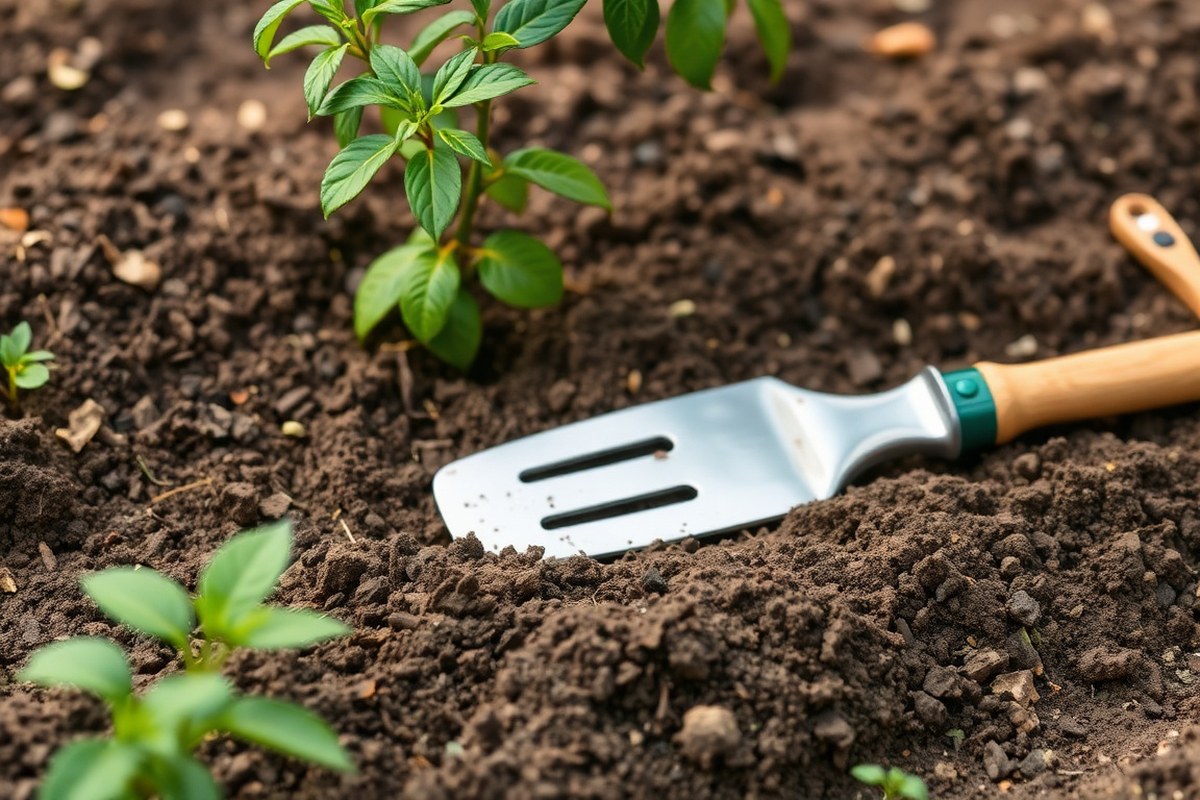
Peach trees grow best in well-drained soil with a pH between 6.0 and 7.0. Prepare the planting site by testing and adjusting soil pH, clearing weeds, and loosening the soil. Dig a planting hole twice as wide and as deep as the peach tree’s root ball.
Testing and Adjusting Soil pH
Good soil pH helps your peach tree absorb nutrients properly. Use a soil test kit to check the pH level before planting. You can also send a soil sample to your local extension office.
Knowing the pH helps your peach tree grow well. The soil pH should not be too acidic. To raise it, add lime to the soil.
This adjusts the pH to better support your peach tree. The soil should not be too alkaline.
Add sulfur or compost to lower the pH. Both help peach trees absorb nutrients better.
Apply amendments a few weeks before planting to allow the soil to adjust. Aim for a pH of about 6.0 to 7.0, which favors peach tree growth. Keep your soil moist but not soggy to help these changes take effect well.
Clearing and Loosening the Soil
Remove all grass, weeds, and debris from the planting site to reduce competition for nutrients. Clear an area larger than the planned planting hole, about 3 feet wide. This space makes room for mulch and root spread later.
Loosen the soil beyond the hole’s edges to improve drainage and root penetration. Add 2 to 3 inches of compost or manure to the soil. Choose well-rotted compost to avoid harming roots.
This boosts soil fertility safely. Avoid adding fertilizer directly to the hole, as roots may stop growing outward.
Digging the Planting Hole Correctly
Dig a hole twice as wide as your peach tree’s root ball. This gives roots enough space to spread. It helps the tree establish quickly.
The hole should be as deep as the root ball, not deeper, to prevent settling. Most container trees require a hole twice the container’s width and the same depth.
Look for a graft union near the base of the trunk. It looks like a small swelling or bump. This indicates where the tree was joined.
Plant your tree with that union about 2 inches below the soil surface. Backfill gently and firm the soil around the roots to eliminate air pockets.
Water the peach tree well right after planting it. Spread 3 inches of organic mulch around the base.
The mulch should cover a 3-foot diameter circle. This mulch helps keep moisture in and weeds out.
- Test soil pH using a kit or local extension service.
- Adjust pH with lime or sulfur a few weeks before planting.
- Clear an area of weeds and grass at least 3 feet wide.
- Add 2, 3 inches of compost or well-rotted manure to loosen soil.
- Dig a hole twice as wide and as deep as the root ball.
- Position the tree with the graft union 2 inches below soil level.
- Backfill soil, press firmly, and water thoroughly.
- Spread mulch about 3 feet wide around the base, 3 inches deep.
Never plant a peach tree too deep or add fertilizer directly in the hole. This slows root growth and weakens the tree.
Choosing and Spacing Peach Tree Varieties
Peach trees come in standard, dwarf, and miniature sizes. Each type needs enough room to grow well. Give them space so they produce healthy fruit.
Standard trees grow quite large, so they require the most space between them. Dwarf and miniature varieties grow smaller, which suits gardens with limited space. Choosing the right variety affects how far apart you should plant each tree.
Planting peach trees too close leads to crowded branches and poor air flow. This causes more diseases and fewer fruits.
Giving them proper space lets sunlight hit the entire tree and helps the fruit ripen evenly. Here’s a quick guide to spacing based on tree size and expected growth height.
| Tree Variety | Typical Mature Height | Ideal Spacing Between Trees |
|---|---|---|
| Standard Peach Tree | 15 to 25 feet tall | 15 to 20 feet |
| Dwarf Peach Tree | 8 to 12 feet tall | 8 to 10 feet |
| Miniature Peach Tree | 5 to 6 feet tall | 4 to 6 feet |
Standard peach trees get tall and wide. So spacing them 15 to 20 feet apart avoids crowding. Dwarf trees grow to about half that height and spread.
So 8 to 10 feet is enough room. Miniature varieties stay small, fitting into tight spaces with just 4 to 6 feet between them.
Your garden is small or you want container peaches? Choose dwarf or miniature trees instead. You won’t need much space with dwarf or miniature trees.
Tall branches won’t shade other plants either. Proper spacing helps peach trees grow strong roots and branches. This leads to better fruit harvests later.
Planting Methods: Bare-Root vs Container-Grown Trees
You can plant peach trees either bare-root or container-grown. Bare-root trees come during dormancy, from late fall to early spring.
Container-grown trees are available all year. You can plant them anytime soil isn’t frozen.
Learn the differences to pick the right tree for your schedule. It helps you find one that fits your site too.
Bare-root trees usually cost less but need careful handling to avoid drying out. Container trees are easier; just plant them right from the pot and water well.
| Feature | Bare-Root Peach Trees | Container-Grown Peach Trees |
|---|---|---|
| Availability | Late fall to early spring (dormant) | Available year-round |
| Cost | Typically less expensive | Usually higher price |
| Planting Depth | Plant to cover roots, not graft union | Plant at same depth as in pot (graft union visible) |
| Handling | Keep roots moist, plant soon after buying | Remove from pot gently, keep root ball intact |
| Care After Planting | Water deeply, mulch, watch for drying out | Water well, mulch, monitor for root circling |
| Planting Time | Plant in dormant season before buds swell | Plant during growing season with good soil moisture |
For bare-root trees, soak the roots in water for a few hours before planting. Dig a hole wide enough to spread out the roots without bending. Place the tree so the graft union sits 2 inches above soil.
Fill the hole, press soil firmly, then water deeply. Mulch around the tree but keep mulch away from the trunk.
For container-grown trees, remove the tree carefully from the pot. Tease out roots if they circle inside the pot. Dig a hole slightly larger than the root ball.
Keep the graft union at the original soil level from the pot. Fill with soil and water thoroughly. Mulching helps retain moisture and keeps weeds away.
Bare-root peaches rely on quick planting after purchase to prevent root drying. Container trees let you wait a few days. But don’t keep them too long without water.
Both types need steady watering the first season to establish roots. Look for leaf wilting or no growth signs. These warn about watering or planting depth issues early.
Initial Care: Watering, Mulching, and Fertilizing Newly Planted Trees
Right after planting, water your peach tree deeply. Keep the soil moist but not soggy. Water regularly to help the roots settle.
Put a 3- to 4-inch layer of mulch around the base. This helps keep moisture in.
It also keeps weeds out. Use a balanced fertilizer in spring to support root growth without burning young roots.
Watering Schedule and Techniques
Water newly planted peach trees at least twice a week during their first growing season. Each watering should soak the soil about 12 inches deep to encourage roots to grow downward. Adjust frequency if there’s heavy rain or very hot weather.
A slow, deep watering helps develop strong roots better than shallow, frequent watering. Using a soaker hose or drip irrigation ensures water reaches below the surface without wasting it.
During summer, check soil moisture regularly, especially when daytime temps rise above 75°F. The top 2 inches of soil show when to water. Water again when that layer feels dry.
Benefits and Application of Mulch
Mulch keeps soil temperature stable and holds moisture around the peach tree’s roots. It also prevents weeds that compete for water and nutrients. Spread organic mulch like wood chips or straw evenly in a 3- to 4-foot diameter circle.
Keep mulch 3 to 4 inches away from the trunk. This stops rot and pest problems.
Spread it evenly around the tree. Replenish mulch each spring to maintain an effective layer through the growing season.
Besides saving water, mulch helps protect roots during temperature swings in early spring and late fall. It also improves soil quality as it breaks down over time.
Choosing and Applying Fertilizer
Start applying a balanced 10-10-10 fertilizer about one month after planting. Use 1/4 to 1/2 cup spread around the tree’s drip line, where roots absorb nutrients best. Avoid getting fertilizer on the trunk or on mulch directly.
Repeat fertilizer application every spring after the tree shows new growth. This helps roots and shoots grow before fruiting. Fruit usually starts in year two or three.
Be patient for the best results. Hold off on fertilizing in the heat of summer to prevent root burn.
Fertilizing too soon or too much can stress young trees and cause weak growth. Always water after fertilizing to help nutrients soak deep into the soil.
- Check soil moisture twice a week and water deeply when top 2 inches feel dry.
- Apply 3 to 4 inches of organic mulch at the base. Keep the mulch 3 to 4 inches away from the trunk. This keeps the tree healthy.
- Use a 10-10-10 fertilizer starting one month after planting. Spread it evenly near the drip line. This feeds your tree balanced nutrients.
- Water the tree soon after fertilizing to help nutrients reach roots.
- Repeat fertilizing each spring, avoiding hot summer months.
- Adjust watering frequency in rainy or very hot weather for stable moisture.
- Replenish mulch yearly to maintain moisture and weed control.
Keep mulch away from the trunk to avoid rot and pest damage.
Protecting Peach Trees from Frost and Weather Stress
Peach trees are sensitive to frost, especially right after you plant them. Frost can damage the delicate buds and reduce fruit production. Protect your tree from cold snaps in early spring.
This helps it grow strong and healthy. Cold can harm young trees easily.
You should monitor local frost dates and cover young trees if temperatures drop below 32°F. Use frost cloths, old sheets, or burlap to cover your tree. Put them on in the evening. Take covers off the next morning.
Don’t use heavy blankets or plastic directly on your tree. These trap moisture and cause damage. Use light, breathable materials instead.
Staking young peach trees helps protect them from wind stress and supports root development. Set stakes immediately after planting, especially if your area has strong winds. Use soft ties to secure the tree to the stake.
Leave some slack so the trunk can move slightly. This prevents damage from wind. This movement strengthens the tree.
- Use a 1- to 2-inch diameter stake about 3 feet tall
- Drive the stake 12 inches into the ground, 6-8 inches from the trunk
- Use soft, flexible ties such as garden tape or cloth strips
- Check ties monthly to avoid girdling as the tree grows
- Remove stakes after the first year or when the tree supports itself
- Apply windbreaks like fencing or hedges if wind is constant
- Cover trees during frost nights, removing covers by mid-morning
Watch the weather forecasts during the first few weeks and months after planting. Act quickly if a frost warning comes. Cover your trees before the sun goes down.
Protecting them early reduces frost damage. Protect your newly planted peach tree from cold and wind.
It helps the tree grow strong roots and branches. This leads to healthy growth.
Common Planting Mistakes and How to Fix Them
Planting peach trees at the wrong time is a common mistake. Many gardeners plant trees after buds start swelling, which stresses the tree.
It’s best to plant in late winter or early spring while trees are still dormant. This timing helps roots settle before growth begins.
Another frequent error is planting too deeply or too shallow. Planting too deep causes stem rot, while planting too shallow leaves roots exposed.
The tree’s graft union should sit 2 to 3 inches above soil level. This spot is easy to spot because it looks swollen or knobby.
Gardeners often skip proper soil prep, which hurts growth. Soil should be loose, well-draining, and free of weeds.
Poor soil or compaction slows root growth and reduces water absorption. Amending the planting hole with compost and tilling the area helps a lot.
- Plant too late in the season, wait until next dormant period
- Planting the tree too deep or shallow, place graft union above soil
- Skipping soil prep, loosen soil and add compost before planting
- Not spacing trees enough, give peach trees at least 15 feet apart
- Ignoring water needs, water newly planted trees slowly and deeply
- Failing to mulch, mulch keeps soil moist and controls weeds
- Forgetting to protect trees from frost, cover if frost threatens
If you have to plant later than early spring, keep the tree in a cool, shaded spot. Soak roots in water for 4 to 6 hours before planting.
Plant as soon as possible to avoid root drying. After planting, water daily for two weeks, especially during dry weather.
Fixing these mistakes means your peach tree can take root well and avoid stress. Mulch around the tree base with a 3-inch layer of wood chips.
This balances soil moisture and controls weeds. Follow these steps for better growth and fruiting in the first year.
Early Pruning and Maintenance to Encourage Growth and Fruit
Start pruning your peach tree right after planting to set its shape. Proper pruning helps the tree grow strong and produce better fruit. Follow a simple, clear process to care for the tree during its first year.
When to Begin Pruning
Begin pruning in late winter or early spring when the tree is still dormant. This timing prevents stress and reduces disease risks. Avoid pruning when the tree has leaves or flowers, as this can harm growth and fruiting.
Pruning right after planting involves cutting back the top growth to balance the roots. This helps the tree focus energy on growing strong roots. It avoids too much leaf and branch growth early on.
This balance helps the tree establish better. It also shapes the tree for future growth.
Pruning Techniques for Young Trees
Cutting back the young tree’s branches makes future pruning easier and encourages fruit. Trim the tree to about 24 to 30 inches tall. This gives it a strong frame to support branches that will produce fruit later.
Follow these steps for a successful first prune:
- Remove any broken or damaged branches to keep the tree healthy.
- Cut the main trunk to about 24-30 inches in height to promote branching.
- Trim back branches to about half their length to encourage new growth.
- Remove inward-growing branches that cross or crowd the center of the tree.
- Leave three to five main scaffold branches spaced around the trunk.
- Thin out small suckers growing from the trunk base.
- Make clean cuts at a slight angle just above a bud or branch joint.
Never prune during warm, wet periods to reduce the risk of disease infection.
Ongoing Care and Maintenance
Maintain your tree by pruning yearly during dormant seasons. Regular pruning controls the tree’s size and shape. It also improves sunlight and air circulation for better fruit quality.
Watch for branches that grow too dense or cross each other and remove them. Prune lightly during the first year to avoid stressing the young tree. Fertilize annually with a high-nitrogen fruit tree fertilizer to support healthy growth.
Proper pruning and care in the first year prepare the tree for strong fruit production. Healthy branches and good light exposure lead to bigger, better peaches in later seasons.
Step-by-Step Action Plan for Planting Your Peach Tree
Plant your peach tree at the right time for best growth. Follow these steps to give it a strong start.
Make sure you prepare the site well before planting. Each step helps your tree grow healthy and ready to fruit.
- Before Planting: Choose a sunny spot with well-drained soil. Check the soil pH to be slightly acidic, around 6.0 to 6.5.
- Day of Planting: Plant bare-root trees in early spring or container-grown trees after frost risks pass. Place roots spread out and cover with soil firmly.
- First Week: Water deeply right after planting and keep soil moist but not soaked. Soil should feel damp but not muddy.
- Week 2 to 4: Spread 2 to 3 inches of mulch around your tree’s base. Keep the mulch a few inches away from the trunk. This helps hold moisture and keeps weeds away.
- Month 1: Start light fertilizing with a balanced fertilizer suitable for fruit trees. Watch for new leaf growth and strong shoots.
- Spring After Planting: Prune the young tree to shape it and encourage strong branches. Cut off any broken or crowded limbs.
- Ongoing: Use cloth or frost blankets to protect your tree from late frost. Cover the tree during cold snaps to avoid damage. Check the weather often in spring. Remove covers during the day.
Frequently Asked Questions
Can You Plant a Peach Tree in Summer?
You can plant peach trees in summer, but it’s not ideal. Trees may struggle with heat and need extra watering and care to survive.
How Long After Planting Do Peach Trees Bear Fruit?
Peach trees usually produce fruit 3 to 4 years after planting. Patience is key, as younger trees focus on growing strong roots first.
Is It Okay to Plant a Peach Tree Near Other Large Trees?
It’s best to avoid planting peach trees near large trees. They can compete for sunlight, water, and nutrients, limiting growth and fruit.
Do Peach Trees Need Full Sun to Grow Well?
Yes, peach trees need up to 6 hours of direct sun daily. They thrive best in sunny spots to produce sweet, juicy fruit.
Should You Water a Newly Planted Peach Tree Daily?
Newly planted peach trees need regular watering but not daily. Water deeply every few days to keep soil moist but not soggy.
Can You Use Peat Moss When Planting Peach Trees?
Yes, peat moss is great for planting peach trees. It improves soil fertility and helps roots establish well in sandy or poor soil.
Key Points to Remember
Plant peach trees in early spring for the best start and watch soil moisture carefully. Keep your tree fed, watered, and pruned to help it grow strong. Your next step should be to check your soil and pick the planting spot today.