When to Cut Parsley from Plant: The Complete Guide for Healthy, High-Yield Harvests
Knowing when to cut parsley helps you get fresh leaves. It also stops the plant from getting hurt. This keeps your parsley growing well.
Parsley should be harvested when it reaches 6 to 8 inches high. Look for leaves that are deep green and in good condition. Only pick parsley that looks healthy and vibrant.
This is the best time to pick them. Cutting then encourages the plant to produce more leaves for a longer harvest period.
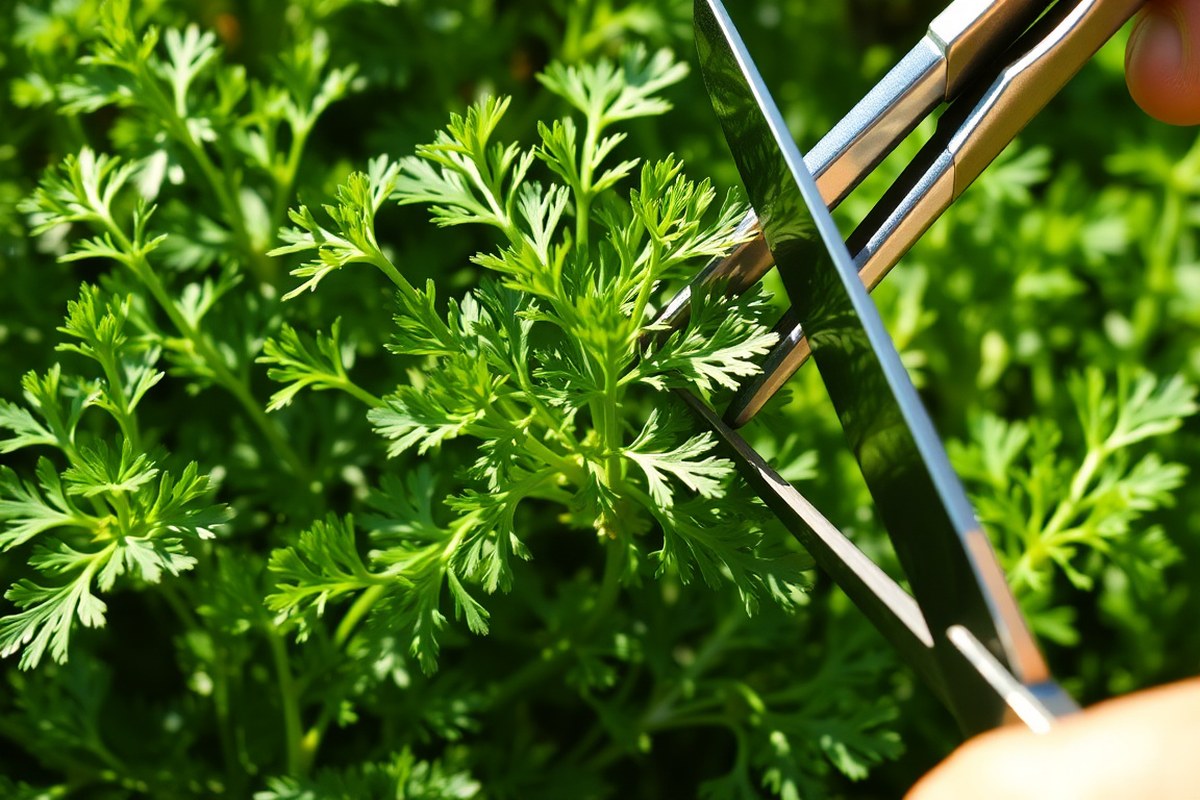
Use clean scissors to cut parsley stems about 1 to 2 inches from the base. This lets the plant regrow new stems and prevents damage to its roots. Wait until the outer leaves look mature before harvesting for the best flavor and yield.
Harvest parsley every 1 to 2 weeks, which matches the plant’s growth cycle. Regular pruning stops flowering and keeps the plant healthy and productive. Make sure to check stem height and leaf color before cutting for the best timing.
Key Takeaways
- Cut parsley when stems are 6 to 8 inches tall with healthy, green leaves.
- Use sharp, clean scissors to make cuts 1-2 inches above the plant’s base.
- Harvest parsley every 1 to 2 weeks to encourage ongoing growth.
- Choose outer stems for cutting to allow inner stems to keep growing.
- Regular pruning prevents the plant from flowering and losing flavor.
- Wait for rich green color before cutting for the best taste.
When Is Parsley Ready to Be Cut for Harvest?
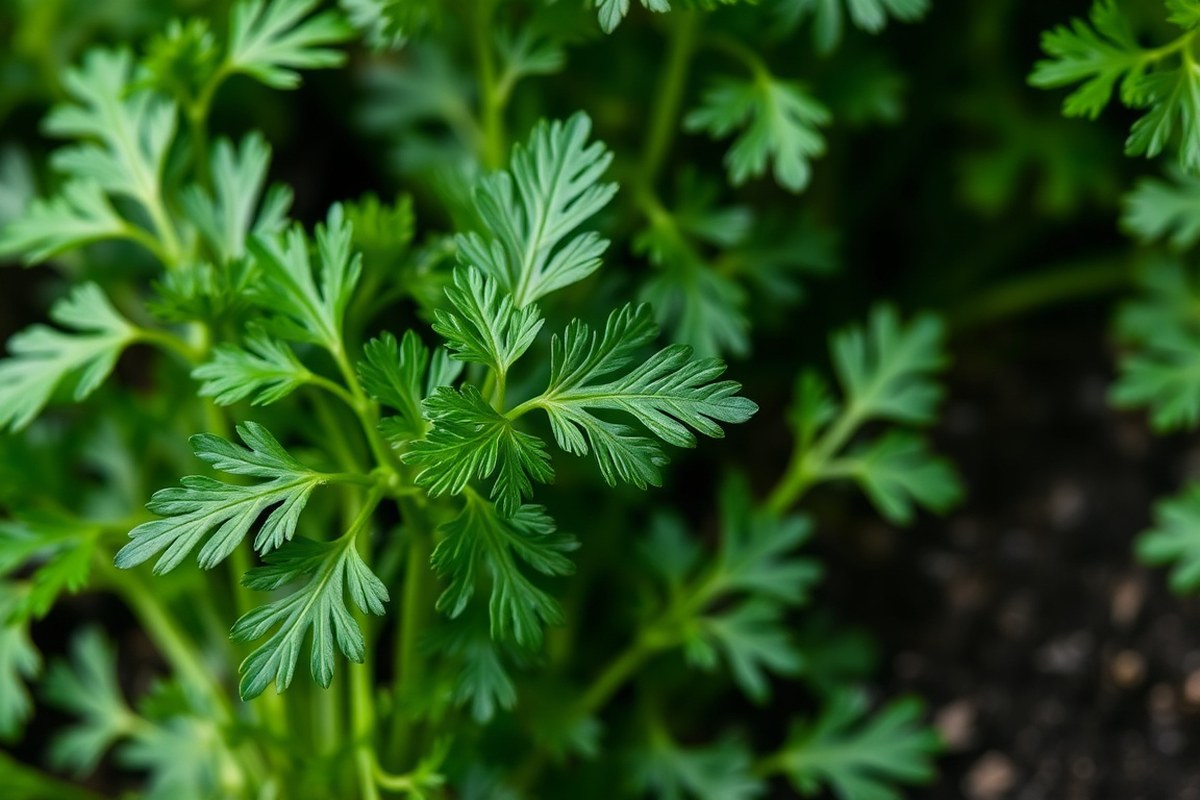
Parsley is ready to cut when the plant reaches 6 to 8 inches tall. You’ll see stems with at least three distinct leaf segments. These segments mean the leaves are mature enough for harvesting without harming the plant.
The first harvest usually happens 70 to 90 days after planting, depending on the parsley variety. Flat-leaf or curly types don’t differ much in readiness. Focus on the height and leaf maturity instead.
Visual signs include strong, green leaves and firm stems. Avoid cutting when the plant looks weak or underdeveloped. Wait until most stems have multiple leaf segments for the best flavor and growth.
Use sharp scissors to cut outer stems near the base. Cut just above a leaf node. This helps you harvest the parsley properly.
Cutting the outer stems first lets inner growth continue unharmed. This method helps the plant regrow and stay productive longer.
Cutting too high, like just snipping leaf tops, wastes growth potential. The plant needs at least two sets of leaves left on the stalk for healthy regrowth. Each cut should be 1 to 2 inches from the soil level for best results.
Harvesting too early or cutting indiscriminately can slow growth. Leaving inner stems and some leaves intact supports the plant’s energy. This balance keeps your parsley fresh and productive through the season.
How Often Should You Cut Parsley for Best Growth?
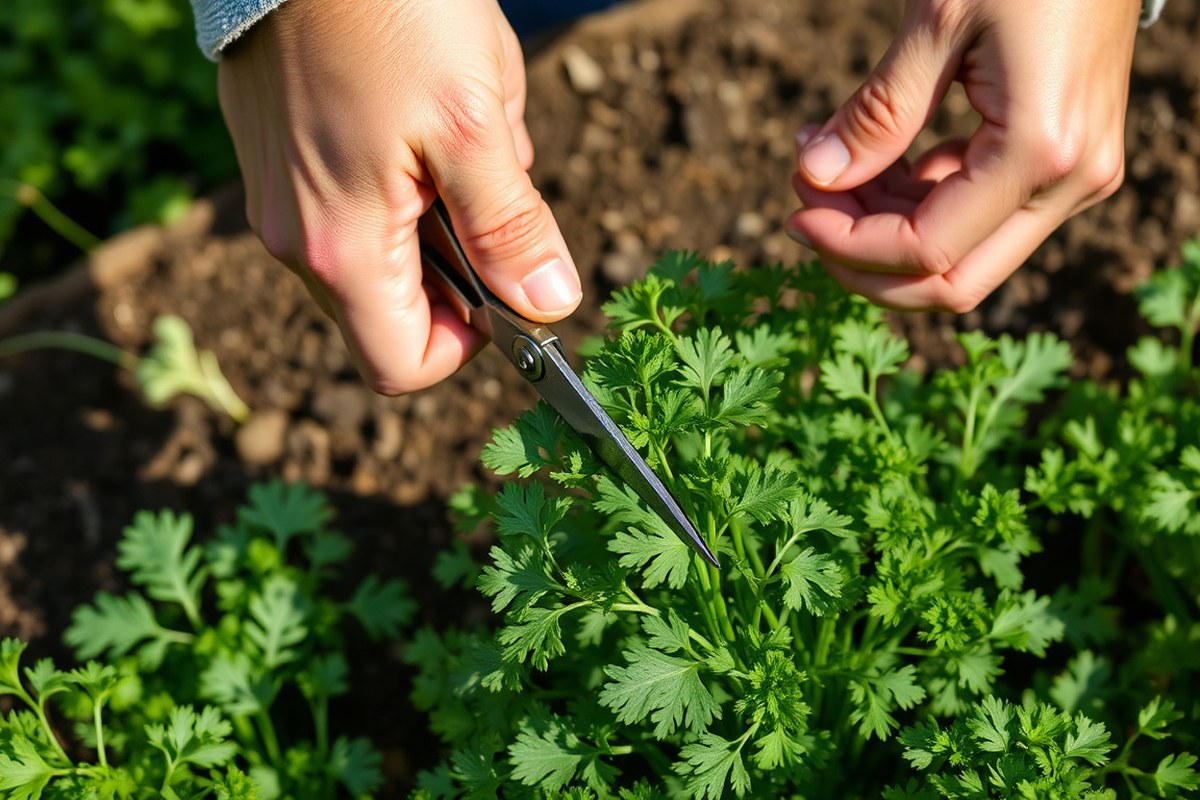
How Often to Cut Parsley During Growing Season
You can harvest parsley every 7 to 10 days while it grows actively. Cutting on this schedule encourages new, tender leaves. It helps keep your plant bushier and leafier through the season.
Try cutting in the morning after dew dries but before the heat. This timing keeps the flavor fresh and sharp. Regular trims stop the plant from getting leggy or sparse.
Adjusting Frequency by Season and Temperature
Parsley grows slower in cooler temperatures between 45 to 65 °F. In this range, it is fine to extend cutting intervals to about 10 days. Avoid cutting parsley when it’s cold or close to frost to prevent stress.
In spring or warm months, start harvesting when the plant reaches 10 to 12 inches tall. Cut often to keep up the rapid growth. In fall, reduce cuts as the plant slows down but keep it trimmed.
Parsley Variety Differences in Pruning
Curly-leaf parsley needs to be cut every 7 to 10 days for continual growth. Flat-leaf parsley tolerates a slightly gentler schedule but benefits from frequent cuts too. Adjust based on the fullness and health of your plant.
To grow parsley for a second season in Zone 7 or warmer, prune gently and mind the timing. This helps it store energy for early spring regrowth.
How Frequent Cutting Affects Flavor and Growth
Frequent cutting promotes fresh, tender leaves with a stronger aroma and flavor. However, cutting too heavily or too often stresses the plant. Stressed parsley can lose some of its taste and vigor.
Leave at least 8 to 10 stems on the plant after cutting. Removing too many stems harms production and reduces future yields. Careful cutting lets parsley focus energy on new leaves instead of recovering.
Planning for Continuous Parsley Supply
Stagger planting three or four parsley plants at different growth stages. This method provides a near-continuous supply without over-harvesting. It spreads the cutting pressure so plants stay healthier longer.
New growth usually appears quickly after a proper cut. Following soil and weather cues lets you know when to cut next. Avoid cutting before heavy rain or during frost risk to protect leaf quality.
Always wait until foliage is dry before cutting parsley to avoid disease risk and preserve flavor.
Where and How to Cut Parsley to Encourage Regrowth
Cut parsley stems near their base, above the leaf cluster. Use a clean, sharp tool and cut at a 45-degree angle.
Always trim outer stems first to promote air flow and even growth. Avoid cutting more than one-third of the total plant at once to keep it healthy.
Cutting at the Stem Base
Parsley produces new leaves only at the base crown. Cutting stems too far up leaves bare stalks that won’t grow back. For best growth, cut stems just above the leaf cluster near the base.
Using sharp scissors or pruning shears, cut cleanly to avoid tearing stems. A clean cut helps the plant heal faster and prevents disease. This encourages strong, healthy new growth from the plant’s crown.
Using the 1-in-3 Rule for Pruning
Only cut about one-third of the parsley plant at each session. Removing too much at once stresses the plant and slows regrowth. This rule helps keep the plant balanced and productive throughout the season.
Trim the stems every 1 to 2 weeks once they reach 6 to 8 inches tall. This timing lets the plant recover and produce fresh leaves. It also stops the parsley from flowering too early, preserving flavorful leaves.
Why Outer Stem Cutting Encourages Growth
Start pruning by cutting the outermost stems first. This opens space in the plant and improves air circulation. Increased light reaches inner stems, waking up dormant buds and leading to bushier parsley.
Cutting evenly around the plant keeps it from growing lopsided. Trying to pick only leaves from one side can weaken the plant. Balanced pruning promotes healthy, uniform growth and a long-lasting harvest.
Correct Cutting Angles for Parsley
Cut stems at a 45-degree angle just above a node or leaf cluster. This angle stops water from collecting on the cut surface. Reducing moisture on cuts lowers the risk of rot and disease.
Hold your scissors clean and sharp to make smooth cuts. Dull tools can crush stems and slow healing. Proper angles and clean cuts together speed healthy regrowth and full leaf production.
- Choose a clean, sharp pair of pruning shears or scissors.
- Locate the outer stems with leaves at least 6 inches long.
- Position the blade just above the leaf cluster near the stem base.
- Cut at a 45-degree angle to the stem, not straight across.
- Only cut up to a third of the plant’s total stems at a time. This helps keep the plant healthy and growing strong.
- Harvest evenly from all sides around the plant to maintain balance.
- Discard any yellow or damaged stems during the trimming.
- Repeat pruning every 1 to 2 weeks to keep growth active.
Differences Between Flat-Leaf and Curly Parsley in Harvesting
Flat-leaf parsley and curly parsley look different, but you cut them the same way. Flat-leaf grows faster and recovers quicker after cutting. This makes it a better choice if you want many harvests in one season.
Curly parsley grows more slowly. So you may want to wait a little longer before cutting.
Cutting it too early can slow its growth. Both types respond well if you cut leaves near the base, just above the soil level.
| Feature | Flat-Leaf Parsley | Curly Parsley |
|---|---|---|
| Leaf Shape | Flat and smooth | Curly and ruffled |
| Growth Rate | Faster regrowth after cutting | Slower regrowth after cutting |
| Cutting Time | Can be cut earlier, about 6, 8 weeks after planting | Wait a bit longer, around 8, 10 weeks |
| Pruning Tip | Cut leaves close to base for vigorous regrowth | Cut more sparingly to avoid stressing plant |
| Use | More common in cooking due to stronger flavor | Often used as garnish |
Cutting flat-leaf parsley close to the soil encourages new stems and leaves quickly. For curly parsley, trim just the top leaves to keep the plant healthy. Both types benefit from frequent but careful snips rather than heavy pruning all at once.
Keep an eye on your plant’s growth. Cutting curly parsley too often or too low might slow its growth. It can also reduce the number of leaves your plant produces.
Flat-leaf parsley can handle frequent cuts well. It bounces back faster and grows more leaves. This means you’ll get more parsley through the season.
Seasonal and Environmental Factors Affecting Parsley Cutting
Cut parsley in the morning after dew dries but before the sun peaks. Cutting when dry prevents disease spread and keeps leaves fresh. Temperature and season affect how often to harvest and ease of regrowth.
Best Time of Day to Cut Parsley
Wait until morning dew evaporates before cutting parsley. Wet leaves can carry bacteria or fungal spores that cause plant disease. The sun not only dries leaves but also helps lock in flavor and essential oils.
The ideal window is between dew drying and mid-morning heat. Temperatures below 70°F keep the leaves crisp. When leaves get too warm or wilt, flavor and shelf life drop quickly.
Temperature’s Role in Parsley Harvesting
Cut parsley when temperatures range between 60°F and 75°F for best results. Cold weather slows growth and healing after cutting. Hot afternoons cause leaves to wilt and lose flavor fast.
During cooler seasons, wait for a mild day with stable temps. Avoid cutting when frost is predicted within 24 hours to prevent plant stress. Parsley grows slower in cooler weather, so trim less often.
Seasonal Changes Affect Harvest Frequency
Parsley grows fastest in spring and fall. During these seasons, you can harvest every 1 to 2 weeks. Summer heat or dry conditions slow regrowth.
So extend trimming intervals to 3 or 4 weeks. Winter growth usually pauses or slows greatly indoors and outdoors.
During slower growth, reduce cutting frequency to let the plant recover fully. Overcutting in cold or drought conditions causes leaf yellowing or plant weakening. Light mulch during cool seasons helps keep soil moist and temperature stable.
Impact of Humidity, Dew, and Rain
High humidity raises disease risk when cutting parsley. Avoid trimming right after rain or when leaves feel wet. Rain splashes soil pathogens onto leaves, increasing contamination chances.
Wait a few hours after rain or watering before cutting. This reduces bacterial spread and keeps the herb healthier. Parsley cut on dry days stores longer and tastes fresher.
Always cut parsley after dew or rain dries to avoid spreading diseases.
Special Considerations for Cutting Container-Grown Parsley
Parsley needs a pot at least 8 inches deep to grow well. This space lets the long taproot spread without restrictions. A shallow container stops roots from growing well.
This weakens the plant. It also limits how much you can harvest.
In a pot smaller than 8 inches deep, expect only two or three decent harvests. That is much less than the 5 to 6 months you get with garden soil. The roots have less room to store energy, so the plant tires faster.
Look for stems with three leaf segments before cutting. This indicates enough root and leaf growth to handle trimming without trouble.
When you cut, make clean snips just above a node on side stems. This helps promote fresh new shoots.
Container parsley needs watering often because soil dries faster in pots than garden beds. Water when the top inch feels dry, but avoid soaking. Feeding with a balanced liquid fertilizer every two weeks helps replace nutrients lost faster in containers.
Here’s a quick container vs garden care checklist: Pots should be at least 8 inches deep. Garden plants have no root limits.
Water container parsley more often and monitor soil moisture. Use regular feeding indoors or where soil gets depleted faster.
Give your container parsley enough root space. Water it regularly.
Add nutrients to keep it growing for months. Otherwise, the plant will struggle after a few cuts and slow down before it should.
Common Cutting Mistakes That Harm Parsley Plants
Cutting parsley too low can kill the plant’s growing center. That part, called the basal leaf crown, helps the plant regrow. Remove stems too close to the soil, and parsley struggles to bounce back.
A common mistake is trimming the young inner stems first. These are the plant’s active growth points. If those go, the older stems left behind offer fewer leaves, and your harvest shrinks.
Cutting parsley when the leaves are wet can cause problems. Moisture opens the door to diseases and makes the plant vulnerable. Wait until the foliage is dry before you snip.
- Don’t cut below 1 to 2 inches from the soil.
- Trim outer stems first, leaving young inner stalks intact.
- Avoid harvesting after a frost; leaves lose flavor and break easily.
- Wait for dry leaves before cutting to prevent disease.
- Let parsley grow at least 6-8 leaves before the first cut.
- Skip one harvest round to let the plant recover if overcut.
- Water well after trimming to help parsley bounce back.
Sometimes the plant looks thin or stops growing after cutting. That means you probably cut too low or took too much at once. Skipping your next harvest lets it regain strength.
Parsley in colder months grows slower and can go dormant. Heavy cutting in winter harms the plant more than in warm seasons. Wait longer between cuts and cut less during those months.
After-Cutting Care to Keep Parsley Healthy and Productive
After cutting parsley, keep the soil evenly moist but not soaked. Water gently around the base to avoid soaking the leaves.
Parsley prefers consistent moisture. So check soil twice a week, more often in hot weather.
Feeding helps parsley bounce back after harvesting. Use a balanced, water-soluble fertilizer with equal parts nitrogen, phosphorus, and potassium. Apply fertilizer every 4 to 6 weeks during the growing season.
Avoid fertilizing immediately after cutting. Wait about a week for the plant to recover first.
Pest control after cutting takes care and patience. Check plants regularly for aphids, spider mites, or caterpillars.
Use insecticidal soap or neem oil to treat pests without harming new leaves. Spray early in the day so leaves dry quickly to prevent damage.
- Water parsley thoroughly but avoid waterlogging the soil
- Wait 7 days after cutting before fertilizing again
- Use a 10-10-10 fertilizer diluted to half strength
- Keep parsley in bright light, at least 6 hours daily
- Maintain temperatures around 60 to 70°F for best growth
- Inspect plants weekly for pests and apply treatments as needed
- Remove any yellow or damaged leaves promptly
Too much water after cutting can cause root rot. Keep soil damp but not soggy.
Bright light supports parsley’s photosynthesis after cutting. Place your parsley near a south-facing window or use grow lights. Parsley grows best between 60 and 70°F. Protect it from cold drafts and heat sources to prevent stress.
Watching for pests as parsley regrows is key. Pest damage slows down leaf production and weakens the plant. Use gentle treatments to keep new leaves healthy.
This helps parsley grow thick. It will taste more flavorful again.
Practical Tips for Winter and Indoor Parsley Harvests
Yes, you can harvest parsley during winter, especially if you live in zones 6 or warmer. Your parsley grows outside.
Protect it from frost with mulch or a cold frame. For colder zones, move parsley indoors to keep it healthy through the winter months.
Indoor parsley needs enough light to grow well. Place the plant near a south or west window. It needs at least 6 hours of sunlight a day.
Natural light may be limited. Use a fluorescent grow light 10 to 12 hours daily. This keeps leaves bright and tender.
Keep indoor temperatures between 60°F and 70°F for steady parsley growth. Avoid drafty spots or areas near heat vents where temperature swings stress the plant. These conditions help parsley recover quickly after you cut it.
Cut indoor parsley less often than outdoor plants because of lower light levels. Trim only every 3 to 4 weeks, snipping stems at the base to encourage bushier growth. Cutting too frequently indoors can make the plant weak and slow to regrow.
After trimming, water parsley when the top inch of soil feels dry. Fertilize monthly with a balanced, water-soluble fertilizer diluted to half strength. This care feeds the plant and supports new leaf development in the limited winter light.
Starting parsley seeds indoors in early fall can be easier than transplanting outdoor plants inside. Indoor-grown seedlings adapt to indoor light without shock. This method gives you fresh parsley all winter long with less risk of weak growth.
Watch for thinning or woody stems after repeated cutting, especially indoors. This may happen sometimes. Cut back the plant more to refresh it.
Or start a new plant. Regular adjustments keep your indoor parsley lush and ready for your cooking needs.
Step-by-Step Action Plan for Cutting Parsley
Cut your parsley at the right time. Follow clear steps. This helps it grow back strong.
- Before Harvest: Wait until parsley has at least 6-8 inches tall leaves. The leaves should be deep green and full.
- First Cut: Use clean scissors. Cut the outer leaves near the base. Take about 1/3 of the plant. Healthy regrowth starts within 1-2 weeks.
- Weekly Maintenance: Trim parsley every 1-2 weeks once mature. This prevents flowering and keeps taste fresh.
- Regrowth Check: Watch for new leaves 2-3 inches long before cutting again. This shows the plant’s rested well.
- Container Care: Water parsley after each harvest. Feed it every 3 weeks in growing season. Use a small amount of fertilizer. Leaf size and color will improve.
- Seasonal Adjustments: From late fall to early spring, cut parsley less often. Only cut when leaves are large and green. Growth slows in cooler weather.
- Indoor Harvesting: Make sure parsley gets 6 hours of sunlight daily before cutting. Trim sparingly to avoid stressing the plant.
- Post-Harvest: Remove any yellow or dead leaves promptly. This helps keep the plant healthy and productive.
Frequently Asked Questions
How Do I Prevent Parsley from Bolting After Cutting?
Cut parsley in cool weather and avoid stressing the plant. Pinch off flower stalks early to keep growth leafy and fresh.
Can I Use Kitchen Scissors Instead of Garden Shears to Cut Parsley?
Yes, kitchen scissors are fine if they are clean and sharp. Make smooth cuts to avoid damaging stems and slowing growth.
Does Frequent Cutting Affect Parsley Flavor or Texture?
No, regular trimming keeps parsley fresh and flavorful by promoting new leaf growth. Over-cutting can stress the plant, reducing yield.
Is It Okay to Cut Parsley During Rainy Weather?
It’s best to avoid cutting parsley when wet to reduce disease risk. Wait for dry conditions to keep leaves healthy.
Can I Cut Parsley Flowers for Seeds?
Yes, allow flowers to mature, then collect seeds for growing new plants next season. Be sure to keep some leaves for ongoing harvest.
Should Parsley Be Watered Before or After Cutting?
Water parsley a day before cutting to reduce stress and keep leaves crisp. Avoid watering right after cutting to prevent fungal spots.
Before You Go
Cut parsley when leaves are full and green for best flavor and growth. Trim outer leaves first and keep to a regular schedule. Start cutting today by picking a few outer leaves carefully.